Chinook vs Coho Salmon: What’s the Difference
For many anglers hitting the waters of Michigan's Great Lakes and tributary rivers, the thrill of hooking into a powerful salmon is unmatched. However, distinguishing between a Chinook and a Coho salmon can be a real head-scratcher, even for seasoned folks. This guide will meticulously break down the key differences between these two beloved Michigan salmon species, from their physical characteristics and life cycles to their preferred habitats and fishing strategies, empowering you to identify them confidently and improve your angling success.
Physical Characteristics: Telling Them Apart in the Hand
The most reliable ways to differentiate between Chinook and Coho salmon often come down to subtle, yet distinct, physical features that you can observe once you've brought the fish aboard. It's not always easy, especially with smaller or younger fish, but with practice, you'll get the hang of it. Many anglers carry a small identification guide or even a laminated card with them, which you can easily find on Amazon.
Jawline and Gum Coloration
One of the absolute best indicators to distinguish between a Chinook and a Coho salmon lies inside their mouths. It's a trick that many veteran anglers swear by. You simply open the fish's mouth and take a look at the lower jaw.
For a Chinook salmon, often called a "King," you'll notice that the gum line along the base of its teeth on the lower jaw is entirely black. It's a dark, consistent black color that stands out against the white of the teeth. This characteristic is incredibly consistent and provides a quick, definitive way to identify a Chinook. Imagine you're out on Lake Michigan, and you've just boated a big chrome fish; the first thing many will do after securing it is check that gum line. It’s usually a dead giveaway that you’ve got a King on your hands, sometimes leading to shouts of excitement on the boat.
Coho salmon, on the other hand, will display a different pattern. When you check the lower jaw of a Coho, you'll see that their gum line is typically light, often whitish or grayish, with black or dark spots only at the base of the teeth. It's not a solid black line like the Chinook. This difference, while subtle, is consistently present across nearly all Coho salmon. Sometimes, the spots are quite faint, but the lack of a uniform black gum line is the key. Learning this simple trick can save you a lot of guesswork and help you correctly identify your catch every time. This is especially useful when considering How to Tell a Coho Salmon From a Chinook Salmon.
Tail Spotting and Shape
Another crucial physical characteristic to examine is the tail, or caudal fin, of the salmon. Both species have spots on their tails, but the pattern and distribution of these spots can help you tell them apart. It's not just about the presence of spots, but where those spots are.
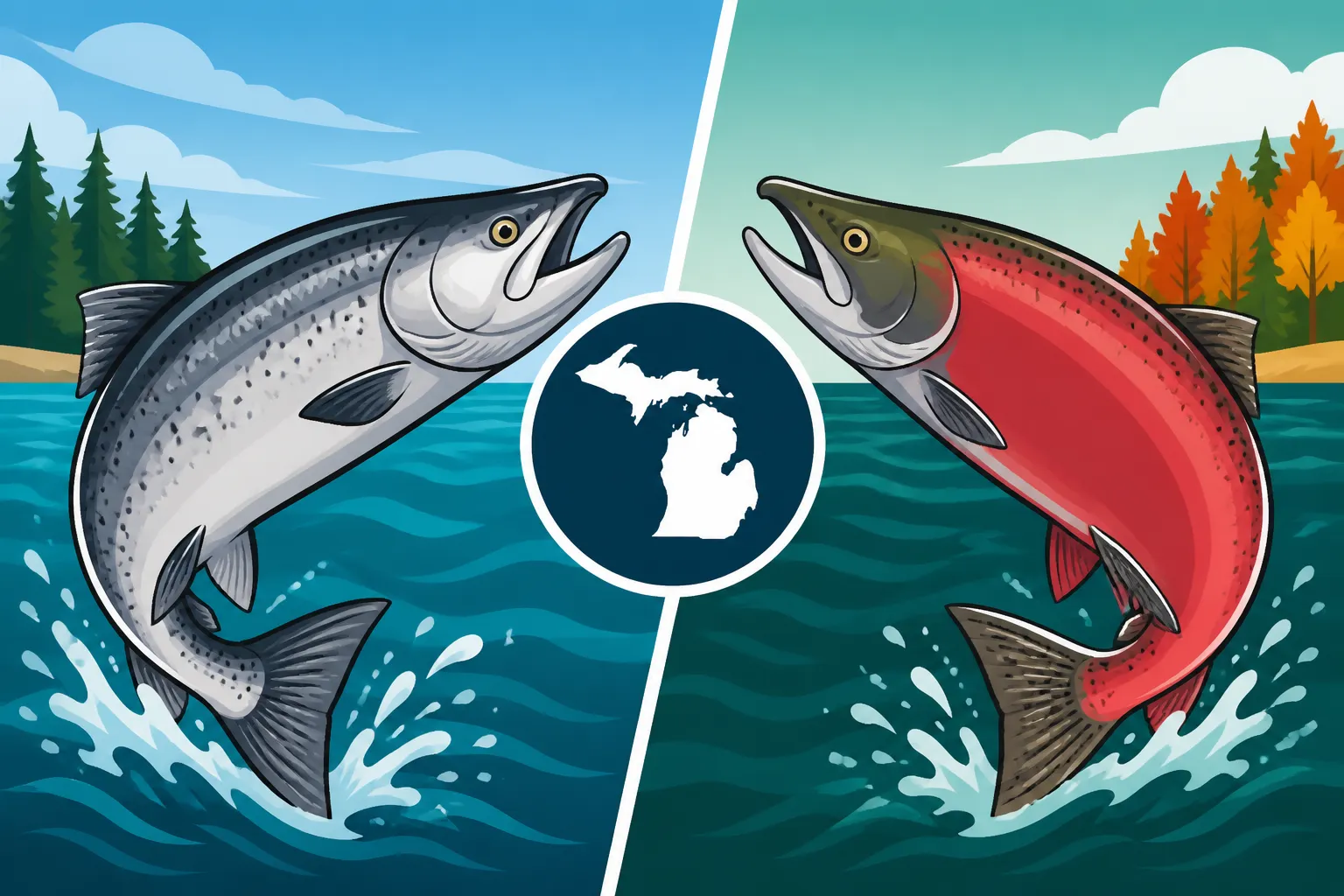
Chinook salmon typically have spots on both lobes of their tail fin. These spots are usually large, distinct, and often extend across the entire fin, from the top to the bottom. Sometimes, the spots can be less numerous, but they will almost always be present on both the upper and lower halves of the tail. When you hold a Chinook, you'll often see that its tail is quite broad and slightly forked, almost like a fan. The spots are usually quite prominent and often irregularly shaped, giving the tail a somewhat mottled appearance. This pattern can be quite beautiful on a fresh, chrome-bright fish, shimmering in the sunlight.
Coho salmon, or "Silvers," generally have spots only on the upper lobe of their tail fin. While some individual Coho might have a stray spot or two on the lower lobe, the predominant and consistent spotting will be confined to the upper half. Their tails tend to be more deeply forked than Chinooks. The spots themselves might also appear a bit smaller and more uniformly distributed compared to the bold, scattered spots of a King salmon. This distinction can be a bit trickier than the gum line, especially if the fish has been in a net or flopping around a bit, which can obscure finer details, but it's still a very reliable method once you get a good look. Understanding these tail differences is part of truly knowing Michigan Salmon Species Explained.
Body Shape and Scale Size
Beyond the mouth and tail, the overall body shape and scale characteristics offer additional clues, though these can be more subjective and vary based on the age and condition of the fish. Still, they contribute to the overall picture and can help reinforce your identification.
Chinook salmon tend to have a more robust, "football-shaped" body. They are generally thicker through the belly and can appear more powerful or stocky, especially when they reach larger sizes. Their scales are relatively large compared to a Coho, and they often have a greenish, bluish, or purplish sheen on their backs when fresh from the Great Lakes, fading to a darker, duller bronze as they near their spawning grounds. When you hold a large Chinook, its sheer weight and girth are often immediately noticeable. They are built for power and long migrations.
Coho salmon, in contrast, are often described as having a more sleek, torpedo-like body shape. They tend to be more slender and elongated than Chinooks of similar length. Their scales are smaller and feel smoother to the touch. The coloration of a Coho is typically a vibrant silver on the sides, with a darker back that might have a bluish-green hue, giving them their "Silver" nickname. As they approach spawning, their silver sides can take on a distinct reddish-pink flush, especially on the males. While both are powerful fish, the Coho's build often suggests more agility and speed compared to the brute force of a King. This distinction can be quite evident when you're admiring a freshly caught specimen, contemplating How Big Do Coho Salmon Get in Michigan versus a larger King.
| Feature | Chinook Salmon (King) | Coho Salmon (Silver) |
|---|---|---|
| Lower Gum Line | Entirely black | Light/white with black spots at tooth base |
| Tail Spots | Spots on both upper and lower lobes | Spots primarily on the upper lobe |
| Body Shape | More robust, "football-shaped," thick | More slender, "torpedo-shaped," elongated |
| Scale Size | Relatively large | Smaller, smoother feel |
| Average Weight | Larger, often 15-30 lbs (can exceed 40) | Smaller, often 6-12 lbs (can exceed 20) |
| Spawning Color | Dark bronze, olive, red blotches | Dark back, reddish-pink flush on sides |
Life Cycle and Spawning Habits
Understanding the life cycles of Chinook and Coho salmon is fascinating and crucial for predicting their movements and behavior, particularly when they transition from the vastness of the Great Lakes to the intimate confines of tributary rivers. These differences in their biological clocks and behaviors play a significant role in when and where anglers encounter them.
Spawning Timing and Location
The timing of their spawning runs is one of the most significant differences between these two species, directly influencing when anglers target them in rivers. Knowing these seasonal patterns is key to successful fishing throughout Michigan's diverse waters.
Chinook salmon are typically the first of the two to begin their major spawning migrations into Michigan's rivers. Their runs can start as early as late August, though the peak of the action often occurs throughout September and into early October. These powerful fish will push far up major rivers like the Manistee, Muskegon, and Au Sable. They are driven by an instinct to return to the gravel beds where they or their parents were stocked or born. As they move into these freshwater systems, their silver Great Lakes coloration gives way to a darker, more mottled appearance of olive, bronze, and deep reds, signaling their transition from lake dweller to spawning fish. You'll often find them congregating in deeper pools or below rapids, waiting for the right conditions to move further upstream to lay their eggs. This makes them a prime target during the Fall Steelhead Run in Michigan Rivers, as steelhead often follow the Kings upriver.
Coho salmon tend to follow the Chinook run, with their peak spawning activity typically occurring later in the fall, from late September through October and even into November, especially in the western and northern Lower Peninsula rivers. While they also enter the same rivers as Chinooks, they often don't travel as far upstream, sometimes preferring the lower reaches closer to the Great Lakes. Like Chinooks, their beautiful silver flanks transform into a darker, reddish-pink hue, particularly pronounced in males with their distinctive hooked jaws. Anglers targeting Coho in the rivers will find them in shallower riffles and runs, actively building redds (nests) or defending their spawning territory. Knowing these specific timings is paramount, as you don't want to miss the opportunity to target Coho Salmon Fishing in Michigan when they are most abundant.
Growth Rates and Maximum Size
The size difference between adult Chinook and Coho salmon is often quite noticeable, reflecting their distinct growth rates and lifespans. This impacts the kind of fight you can expect and the gear you might choose.
Chinook salmon are the true "Kings" of the Great Lakes, living up to their name by growing significantly larger and faster than Coho. They typically spend 3-5 years in the Great Lakes before returning to spawn and die. During this time, they gorge themselves on baitfish like alewives, rainbow smelt, and sculpin, packing on impressive amounts of weight. A mature Chinook in Michigan commonly weighs between 15 and 30 pounds, but it's not uncommon for anglers to land fish in the 30-40 pound range. The Michigan state record Chinook is a testament to their potential, surpassing 40 pounds. The sheer power and size of these fish make them an incredible challenge on any tackle, often leading to epic battles that can last for quite some time. Many anglers specifically rig up heavy-duty gear from places like Amazon just for these behemoths.
Coho salmon have a shorter lifespan and generally do not achieve the same massive sizes as Chinooks. They typically spend 1-2 years in the Great Lakes before returning to spawn. A mature Coho in Michigan will usually weigh between 6 and 12 pounds, with larger individuals occasionally reaching 15-20 pounds. While certainly not small fish, they offer a different kind of fight compared to Chinooks—often characterized by acrobatic jumps and spirited runs rather than sheer brute force. Their smaller size makes them a fantastic target for lighter tackle, providing an exciting angling experience without quite the back-breaking strain of a monster King. Understanding How Big Do Chinook Salmon Get in the Great Lakes compared to their Coho cousins helps set expectations for your catch.
Diet and Foraging Behavior
Both Chinook and Coho salmon are voracious predators in the Great Lakes, but their preferred diets and foraging strategies can differ slightly, influencing where they might be found and what lures they respond to.
Chinook salmon are opportunistic feeders with a preference for larger baitfish. Their primary diet in the Great Lakes consists heavily of alewives, which are an abundant and fatty food source. They will also readily consume rainbow smelt, emerald shiners, and other small fish species. Kings are powerful hunters, often found cruising deeper water columns or along temperature breaks where baitfish congregate. They use their speed and size to ambush schools of prey, and their diet contributes directly to their rapid growth and impressive girth. Anglers often target them with larger spoons, plugs, and flies that mimic these baitfish.
Coho salmon also feed on alewives, but they tend to have a broader diet that includes a higher proportion of smaller baitfish and even insects when conditions dictate. They are often found higher in the water column and can be a bit more aggressive in their pursuit of prey. Besides alewives, their diet might include shiners, juvenile perch, and even zooplankton during their younger stages. Their slightly different foraging habits mean they can sometimes be found in different areas or respond to different presentations than Chinooks. For example, while Kings might prefer deep-running plugs, Cohos are often eager to hit smaller spoons and flies presented higher in the water column, especially during certain times of the year.
Habitat and Preferred Waters in Michigan
Michigan's diverse aquatic environments, from the vast Great Lakes to its intricate network of rivers, offer varied habitats for both Chinook and Coho salmon. While both species utilize these waters, they often show distinct preferences, which can guide anglers to the most productive fishing spots.
Great Lakes Presence and Depth
The Great Lakes are the primary feeding grounds for both Chinook and Coho salmon, where they spend the majority of their lives growing and maturing before their final spawning journey. However, their preferred depths and locations within these immense bodies of water can differ.
Chinook salmon, especially the larger, more mature fish, generally prefer deeper, cooler waters of the Great Lakes. You'll often find them suspended over significant depths, sometimes 50 to 150 feet or more, particularly during the warmer summer months when they seek out the thermocline—the layer where warm surface water meets cooler, deeper water. This thermocline is often where their preferred baitfish, like alewives, also congregate. They are strong swimmers and capable of covering vast distances, following schools of baitfish across the open lake. Successful Great Lakes anglers targeting Kings often employ downriggers and lead core lines to get their lures down to these precise depths, sometimes hundreds of feet behind the boat. Trolling for Chinook Salmon on Lake Michigan is a highly specialized activity, often requiring sophisticated electronics to locate these deep-water giants.
Coho salmon, particularly during their prime feeding times, tend to inhabit slightly shallower waters and are often found higher in the water column than Chinooks. While they will certainly venture into deeper areas, they frequently cruise closer to the surface, especially during spring and early summer when the water is cooler, or during periods of low light. They are also known to congregate near river mouths and in shallower bays, especially as they begin to stage for their spawning runs. Their preference for these shallower zones makes them a popular target for early-season trolling and for shore anglers fishing piers and harbors. This difference means that while you might be targeting Kings with deep-set lures, your Coho spreads might be running shallower, sometimes within the top 30-50 feet. Knowing these nuances is key to effective Trolling for Coho Salmon on the Great Lakes.
River Preferences and Runs
When the instinct to spawn takes over, both species leave the Great Lakes and ascend Michigan's rivers, but their tendencies within these river systems can also vary.
Chinook salmon are known for their powerful, unwavering upstream migrations. They are relentless in their journey, pushing through strong currents and over obstacles to reach their ancestral spawning grounds, which can be dozens or even hundreds of miles inland. Rivers like the Manistee, Muskegon, and Au Sable are famous for their robust Chinook runs, with fish often found in deeper runs, pools, and scour holes. They will hold in these spots, resting before tackling the next set of rapids or navigating log jams. Anglers often find them in these predictable holding areas, using heavy gear to contend with their formidable strength. Their determination to reach specific spawning locations makes them a challenging but rewarding target for river anglers, especially when they congregate in larger numbers during the peak of the fall run.
Coho salmon also enter many of the same rivers, but as mentioned earlier, they sometimes prefer the lower and middle sections of the river systems, particularly those closer to the Great Lakes. While they are strong swimmers, they might not push as far upstream as consistently as Chinooks. You'll often find them actively spawning in shallower riffles and gravel beds in these lower stretches. Rivers on the western side of the Lower Peninsula, such as the Grand River near Grand Rapids and the St. Joseph River, see excellent Coho runs. Their presence in these more accessible areas makes them a favorite target for both boat and shore anglers. The more moderate size of Coho also means they can be targeted with a wider range of techniques in rivers, from float fishing to fly casting, often providing fantastic action.
Water Temperature Tolerance
Water temperature is a critical factor influencing where and when salmon are active, both in the Great Lakes and during their river runs. While both species prefer cool water, their optimal ranges can differ slightly.
Chinook salmon thrive in colder water. In the Great Lakes, they are often found in water temperatures ranging from the low 40s to the mid-50s Fahrenheit. During summer, this means they will descend to the thermocline to find these preferred temperatures. As they enter rivers for spawning, they also seek out cooler water, which is why their runs are triggered by the cooling water temperatures of late summer and early fall. If river temperatures are too warm, the run can be delayed, or the fish may become lethargic. Conversely, a sudden drop in temperature can trigger an aggressive push upstream. Maintaining their preferred cool water is vital for their metabolism and overall health, especially during the strenuous spawning migration.
Coho salmon are generally a bit more tolerant of slightly warmer water than Chinooks, although they still prefer cool environments. In the Great Lakes, they can be active in water temperatures ranging from the mid-40s to the low 60s Fahrenheit, often holding in the upper layers of the water column where these temperatures are found. This slightly higher temperature tolerance is one reason they can be caught closer to shore and in shallower depths, particularly during the spring and early summer. When they enter rivers, they also respond to cooling water, but their runs can sometimes persist later into the fall as temperatures drop, as long as conditions remain favorable. This extended tolerance can sometimes mean a longer window of opportunity for Coho anglers.
Angling Strategies and Best Fishing Times
Successfully targeting Chinook and Coho salmon in Michigan requires understanding their behaviors and adjusting your angling strategies accordingly. While there's overlap in techniques, subtle differences can significantly improve your catch rate. Having a diverse tackle box, perhaps stocked from Amazon, can make a huge difference.
Trolling Techniques and Lures
Trolling is arguably the most popular and effective method for catching both Chinook and Coho salmon in the vast expanses of the Great Lakes. However, the specific presentations and depths can vary between the species.
For Chinook salmon, given their preference for deeper, cooler water, trolling often involves getting lures down to significant depths. This means employing tools like downriggers, Dipsy Divers, and lead core lines. Large spoons (like Magnums), flasher-fly combinations, and meat rigs are incredibly effective for Kings, mimicking the larger baitfish they prey upon. Trolling speeds typically range from 2.0 to 3.0 mph, but often need to be adjusted based on water temperature, current, and fish activity. Trolling for Chinook Salmon on Lake Michigan requires patience and attention to detail, constantly monitoring your fish finder for baitfish and salmon arcs. Anglers often run a spread of multiple lines at various depths and distances behind the boat, trying to cover different parts of the water column where Kings might be lurking.
Coho salmon, with their tendency to be higher in the water column and slightly more aggressive, often respond well to a faster troll and a different lure selection. While downriggers are still used, Coho can frequently be found in the top 50 feet of water, making planar boards and smaller diving devices highly effective for spreading out lines. Smaller spoons, shallow-diving plugs, and bright-colored dodger-fly combinations are excellent choices for Coho. Their often acrobatic fight makes them a blast on lighter trolling gear. Trolling speeds can sometimes be a bit faster for Coho, perhaps 2.5 to 3.5 mph, to trigger their aggressive strikes. Early in the season, particularly in spring, Coho can be found very close to shore, making them accessible to smaller boats or even pier anglers using casting spoons. Knowing Best Time to Catch Chinook Salmon in Michigan versus Coho can influence your setup.
River Fishing Approaches
Once Chinook and Coho salmon enter Michigan's rivers, the angling techniques shift dramatically from open-water trolling to more precise, river-specific methods.
River fishing for Chinook salmon is an intense experience, often demanding heavy tackle and robust techniques to contend with their sheer power in flowing water. Drifting spawn bags, clusters of salmon eggs, or beads under a float is incredibly popular and effective, especially when fish are actively holding in pools or runs. Casting large crankbaits, spoons, or spinners can also provoke aggressive strikes from Kings defending their territory. Fly anglers target Chinooks with heavy sinking lines and large, weighted streamers or egg patterns, requiring powerful rods and reels. When you hook into a fresh King in a river, be prepared for a long, drawn-out battle that tests your tackle and your stamina. Many anglers consider the fall Chinook run in rivers to be the ultimate test of their river fishing skills, especially on powerful rivers like the Manistee or St. Joseph.
Coho salmon in rivers offer a different, but equally exciting, challenge. They are often more willing to chase and strike artificial lures than Chinooks, especially in the early stages of their run. Float fishing with spawn, beads, or small jigs is highly effective, allowing for a natural drift through prime holding water. Casting smaller spinners, spoons, and twitching jigs can also be deadly, particularly in shallower runs and riffles where Coho often congregate. Fly fishing for Coho is popular using various egg patterns, small streamers, and even dry flies at times, if they are hitting the surface. Their aggressive nature and frequent jumps make them an absolute thrill to catch on lighter river setups. The timing for When Does the Coho Salmon Run Start in the Great Lakes directly dictates the river fishing season for this exciting species.
Prime Fishing Seasons
Knowing the prime fishing seasons for each species is fundamental to planning your Michigan salmon fishing adventures. While there's some overlap, each species has its peak windows of opportunity.
For Chinook salmon, the season really kicks off in late spring to early summer in the Great Lakes, generally June and July, as they begin to put on significant weight. This is when they are actively feeding offshore. The major push into the rivers begins in late August, with September being the absolute peak for river anglers. Best Months for Salmon Fishing in Michigan definitely highlight September for Kings. You can still find some stragglers in rivers into early October, but the numbers will dwindle as the spawning cycle concludes. Great Lakes trolling for Kings can extend from spring well into October, with offshore fishing being most consistent during the summer months.
Coho salmon offer a slightly different seasonal calendar. In the Great Lakes, they are often the first salmon species to become active and accessible in spring, particularly in shallower waters and near river mouths, usually starting in April and May. This makes them a popular early-season target. Their presence in the Great Lakes continues through the summer, with good trolling action. The river run for Coho typically starts in late September, peaking in October, and can extend well into November, especially in the western Lower Peninsula rivers. This later run often provides excellent fishing after the main Chinook surge has subsided, giving anglers another opportunity to target these spirited fish.
Culinary Quality and Preparation
After the excitement of catching these magnificent fish, the next question often turns to their culinary potential. Both Chinook and Coho salmon are highly prized for their flavor and nutritional value, but they do offer distinct differences in flesh color, texture, and taste that influence how they are best prepared.
Flesh Color and Texture
The visual appeal and mouthfeel of salmon are crucial for many discerning eaters, and here, Chinook and Coho salmon present noticeable variations. These differences are often linked to their diet and fat content.
Chinook salmon, especially those caught fresh from the Great Lakes before they start their river migration, are renowned for their rich, vibrant orange-red flesh. This deep coloration is largely due to their diet of carotenoid-rich baitfish, particularly alewives. The flesh of a King salmon is typically fattier and more marbled, which contributes to its incredibly moist, tender, and flaky texture when cooked. The higher fat content also gives it a luxurious, almost buttery feel in the mouth. As Chinooks progress upriver and cease feeding, their fat reserves diminish, and their flesh can become paler and softer, so the prime culinary experience usually comes from a fish caught in the open lake or very early in its river run. Many consider this firm, rich flesh the pinnacle of Great Lakes salmon, often discussing What Fish Are Best for Eating in Michigan and placing Kings at the top.
Coho salmon, while also possessing excellent culinary qualities, generally have a lighter, more orange-pink flesh compared to the deep red of a King. Their flesh is typically leaner and firmer, with a finer flake. While still moist and flavorful, it doesn't quite have the same rich, buttery texture as a Chinook. This difference in fat content and texture can make Coho a bit more versatile for some cooking methods, as it holds together well. Like Chinooks, the flesh quality of Coho will change as they move into rivers for spawning; their meat also becomes paler and softer as they utilize their fat reserves for the arduous journey. However, a fresh Coho caught in the lake is a fantastic eating fish, offering a delicate taste that is highly appreciated by many.
Flavor Profiles
Beyond color and texture, the actual taste of Chinook and Coho salmon offers subtle distinctions that can influence how you choose to season and prepare them.
Chinook salmon are celebrated for their rich, full-bodied flavor. Their high fat content not only contributes to their moist texture but also imbues the flesh with a pronounced, savory, and slightly sweet taste that many describe as "classic salmon." This robust flavor holds up incredibly well to various cooking methods and seasonings, from simple salt and pepper to more complex marinades and rubs. Because of its richness, a little goes a long way, and it’s a truly satisfying culinary experience, often considered a premium choice. This makes them highly sought after by chefs and home cooks alike.
Coho salmon have a milder, more delicate flavor compared to Chinooks. While still distinctly salmon, their leaner flesh results in a less intense, often sweeter taste. This lighter flavor profile can be very appealing to those who prefer a less "fishy" taste or for dishes where you want the accompanying flavors to shine through more prominently. The delicate flavor of Coho means it can be overpowered by very strong seasonings, so many prefer to let its natural taste come through with lighter preparations. Both species offer a fantastic meal, but understanding these flavor nuances allows you to pair them perfectly with your culinary vision.
Best Cooking Methods
Given their differences in fat content and texture, certain cooking methods tend to highlight the best qualities of each salmon species.
For Chinook salmon, because of their rich, high-fat content, they excel in cooking methods that allow that fat to render and keep the fish incredibly moist. Grilling, baking, broiling, and pan-searing are all fantastic options. The robust flavor stands up well to smoking, creating a truly delicious and flaky smoked salmon. Many people also love Chinook simply roasted with a squeeze of lemon and some herbs, letting the natural richness speak for itself. You really don't need much to make a King salmon shine on the plate. Its structure also holds up well to being cut into steaks, which are perfect for the grill.
Coho salmon, with their leaner, firmer flesh and milder flavor, also perform well with grilling, baking, and pan-searing. However, because they have less fat, it's a good idea to be a bit more careful not to overcook them, as they can dry out more easily than a Chinook. Wrapping Coho in foil when baking or grilling can help retain moisture. They are also excellent for poaching, steaming, or making ceviche, where their delicate flavor and firm texture really come through. The slightly finer flake also makes Coho a great choice for flaking into salads or using in pasta dishes where you want the salmon to integrate without dominating. Whether you're a seasoned chef or a home cook, both species offer incredible opportunities for delicious meals.
Disclaimer
This article is for general informational purposes only and does not constitute professional advice. Laws, prices and regulations vary by location and change over time. Consult a qualified professional for guidance on your specific situation.