Best Months for Salmon Fishing in Michigan
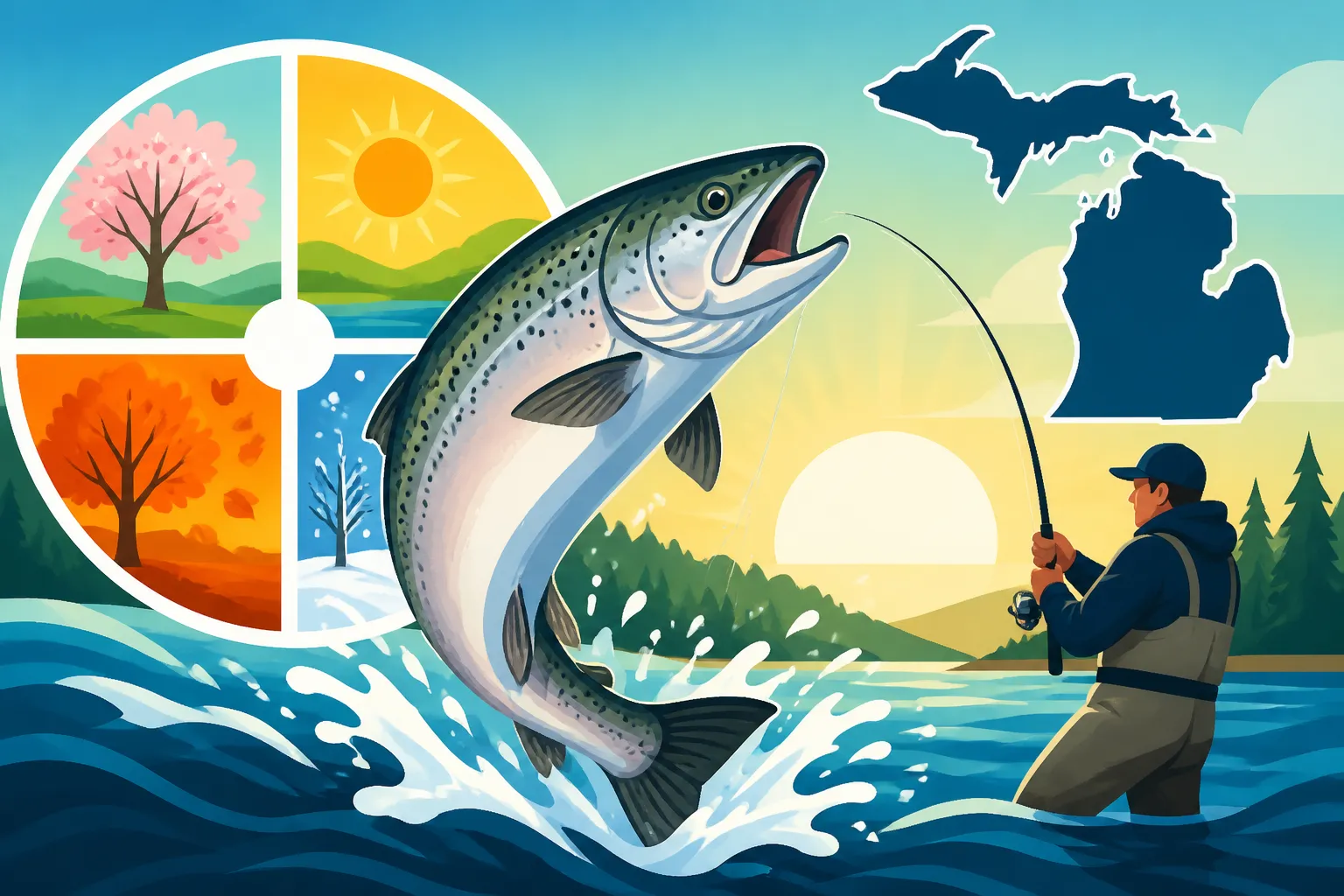
Figuring out the absolute best time to chase salmon in Michigan can feel like trying to solve a complex puzzle. With different species running at different times and across vast Great Lakes waters and intricate river systems, it’s easy to get overwhelmed by conflicting advice. This comprehensive guide is here to untangle that web, helping you pinpoint the prime months to target Chinook, Coho, and Atlantic salmon, ensuring your next fishing trip is a memorable one.
Decoding Michigan's Diverse Salmon Populations and Their Seasonal Habits
Michigan is blessed with a thriving salmon fishery, largely thanks to the Great Lakes. But it’s not a one-size-fits-all situation; each salmon species has its own rhythm and preferred season. Understanding these unique behaviors is the first step to becoming a successful salmon angler. From the mighty Chinooks to the acrobatic Cohos and the elusive Atlantics, their life cycles dictate when and where you'll find them. For a deeper dive into what makes these fish special, you might want to check out our guide on Michigan Salmon Species Explained.
The Mighty Chinook Salmon: Peak Performance Windows
Often called "King Salmon" for good reason, Chinook salmon are the largest and most sought-after salmon species in Michigan's Great Lakes. They spend years growing to impressive sizes in the deep, cold waters of Lakes Michigan, Huron, and Superior before making their spectacular spawning runs into tributary rivers. Their peak performance windows are quite distinct.
Chinook salmon are generally targeted from late spring through the fall. The early season sees them spread out in the Great Lakes, but as summer progresses, they start to congregate in preparation for their upstream migration. This means different fishing strategies and locations depending on the month. For more detailed information on these incredible fish, take a look at our article about Chinook Salmon in Michigan's Great Lakes. Their sheer power and size make them a truly formidable opponent, and anglers often need robust gear, which can be easily sourced from online retailers like Amazon, to handle these magnificent fish.
Agile Coho Salmon: Early Risers and Persistent Fighters
Coho salmon, sometimes referred to as "Silver Salmon," are known for their acrobatic fights and delicious table fare. While generally smaller than Chinooks, they offer an incredibly exciting fishing experience. What sets Coho apart, in many ways, is their slightly earlier and sometimes longer presence in certain areas, particularly in the spring.
Coho salmon tend to be more nearshore in the earlier parts of the year compared to Chinooks, making them accessible to a wider range of anglers. Their runs are a bit more spread out, providing opportunities from early spring through the fall, often overlapping with Chinook runs but with distinct prime periods. You'll find specific details on how to target them in our Coho Salmon Fishing in Michigan guide. Their willingness to strike a variety of lures makes them a favorite, and many anglers stock up on their go-to Coho spoons and plugs on Amazon well before the season kicks off.
Elusive Atlantic Salmon: A Lake Huron Gem
Atlantic salmon, while not as widespread as Chinook or Coho in Michigan, offer a unique and thrilling fishery, primarily concentrated in Lake Huron. These majestic fish were historically native to Lake Ontario and have been successfully re-established in Lake Huron's waters, offering anglers a chance at a truly special catch. Their presence is a testament to dedicated stocking efforts by the Michigan DNR.
Unlike their Pacific cousins, Atlantic salmon in Michigan often spawn in rivers like the Au Sable River, but they can survive spawning and return to the lake, offering multiple chances for anglers to target them. This resilience means a slightly different approach and understanding of their habits. For those specifically interested in this magnificent species, our article on Atlantic Salmon on Lake Huron provides valuable insights into their behavior and preferred habitats. Targeting these fish often requires specific gear and knowledge of their unique feeding patterns, which can sometimes mean a deeper dive into specialized tackle available through sites like Amazon.
Spring Awakening: When Salmon Begin to Stir
Spring in Michigan is a time of renewal, and for salmon anglers, it marks the first major push of activity, particularly for Coho. As ice recedes and water temperatures slowly begin to climb, the Great Lakes come alive with hungry salmon moving into shallower, warmer waters. This is an exciting time, full of anticipation, and a great way to kick off your fishing season.
The dynamics of spring fishing in Michigan's Great Lakes can vary significantly based on the specific body of water and local conditions. However, the general trend is a movement of fish into more accessible nearshore areas, making them ideal targets for both boat and pier anglers. If you're planning a full season, our Michigan Fishing Seasons Explained article can provide a broader context for all species.
March and April Great Lakes Coho Surge
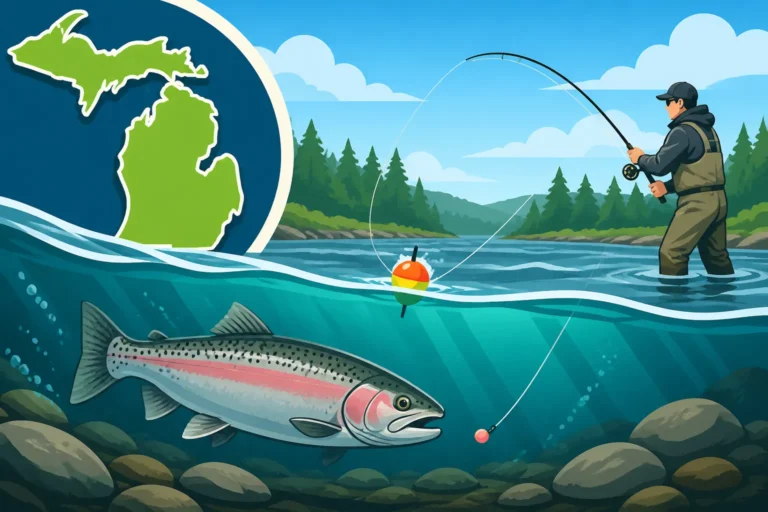
As the chill of winter begins to recede in March and April, Coho salmon really start to make their presence known in the nearshore waters of the Great Lakes, especially Lake Michigan. These agile fighters are often found in the upper water column, actively feeding on baitfish that are also moving closer to shore.
The fishing can be fantastic, especially on days with stable weather patterns. Anglers often target them from piers and boats in waters as shallow as 15-30 feet, particularly near river mouths and areas where warmer, murkier water flows into the lake. Trolling small spoons and crankbaits behind planer boards is a highly effective method during this time. The early season Coho run offers some of the first consistent salmon action of the year, making it a highly anticipated period for many Michigan anglers. This is an excellent time to prepare your gear, and many find great deals on spring salmon lures by checking online retailers like Amazon.
Early Season Chinook Prospects and Preparations
While Coho tend to dominate the early spring narrative, Chinook salmon are certainly present and can offer rewarding catches for prepared anglers. As water temperatures continue to rise into late April and May, Chinooks begin to move into slightly shallower waters compared to their deep-water summer haunts.
These early season Chinooks might not be as concentrated as their fall counterparts, but they are often aggressive and hungry. Anglers targeting them will typically focus on areas with baitfish concentrations, structure changes, and temperature breaks. Trolling larger spoons, plugs, and even flasher-fly combinations at various depths can produce strikes. While not a "run" in the traditional sense, these early Chinook opportunities are fantastic for those eager to get a head start on the king salmon season. Understanding how these fish feed and move in cooler water is crucial, and paying attention to reports from local marinas along Michigan's Great Lakes coast can provide valuable clues.
Summer's Deep Blue Bounty: Trolling for Trophy Salmon
Summer fishing for salmon in Michigan is synonymous with offshore trolling on the vast expanses of the Great Lakes. Once the spring nearshore bite wanes, both Chinook and Coho salmon disperse into the deeper, cooler waters, following their primary food sources. This period, from late spring through mid-summer, offers spectacular opportunities for catching large, hard-fighting fish that have been gorging themselves on alewives and other baitfish.
This style of fishing requires specialized equipment and a good understanding of lake currents, water temperatures, and fish finder readings. Success often hinges on locating the thermocline and presenting your lures at the correct depth. It's a completely different game than river fishing, offering a unique challenge and the chance at truly massive fish. Our comprehensive Michigan's Great Lakes Fishing Guide provides more insights into this exciting fishery.
May Through July Offshore Pursuit of Chinook and Coho
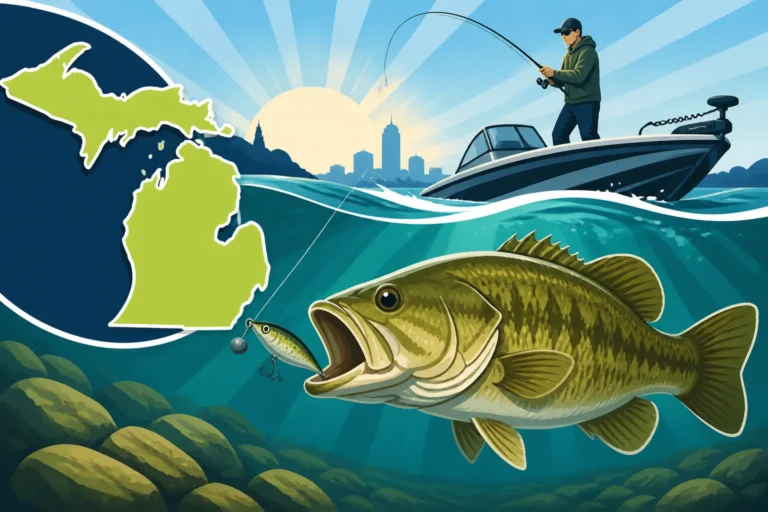
From May through July, the Great Lakes become a massive playground for salmon. Chinook and Coho salmon scatter across the open waters, often found anywhere from 60 to over 200 feet deep, but typically concentrating in specific temperature bands. Anglers spend countless hours trolling vast areas, deploying sophisticated gear to present lures at precise depths.
Downriggers, planer boards, and weighted lines are essential tools for reaching the fish. Spoons, plugs, and flasher-fly combinations are popular choices, often trolled at speeds between 2.0 and 3.5 mph. Targeting these fish during the summer requires patience, persistence, and a keen eye on your electronics to identify baitfish schools and salmon marks. This is arguably the most consistent period for catching numbers of offshore salmon. If you're planning to rig up for this, make sure to read our detailed guide on How to Troll for Salmon on the Great Lakes, and specifically for targeting the big ones, check out Trolling for Chinook Salmon on Lake Michigan.
Targeting Temperature and Structure in Mid-Summer
As summer peaks in July and August, understanding the thermocline becomes paramount. The thermocline is a layer of water where the temperature changes rapidly with depth, and it's often where baitfish, and consequently salmon, concentrate. Locating this critical layer using a good fish finder is key to success.
Salmon will often suspend just above, within, or just below the thermocline, seeking comfortable water temperatures and abundant food. Additionally, offshore structures like underwater points, humps, and drop-offs can act as holding areas for baitfish and salmon. Successful mid-summer anglers combine precise depth control with detailed knowledge of the lake's bottom contours and current weather patterns. This means constantly adjusting your lure depth and speed, and perhaps even changing lure colors, until you find what the salmon are biting on that particular day. A well-equipped boat with quality electronics, many of which can be found on Amazon, truly shines during these months.
The Legendary Fall Run: Salmon Return to the Rivers
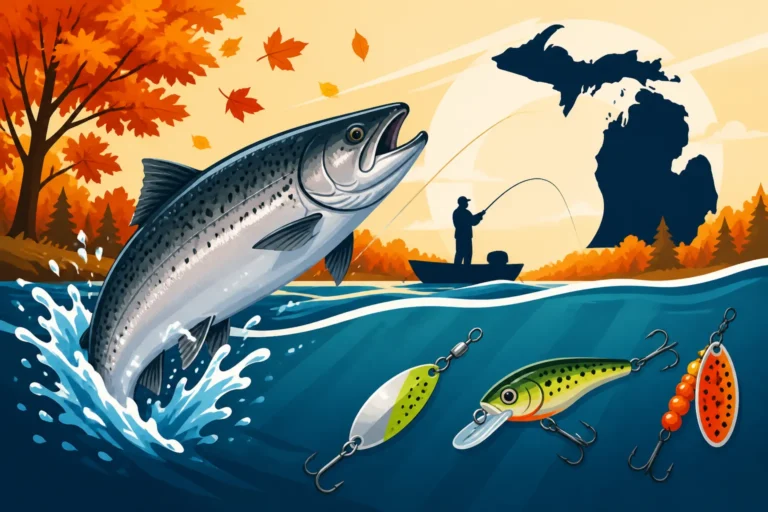
The fall salmon run is perhaps the most iconic and highly anticipated period for salmon fishing in Michigan. As summer gives way to autumn, mature Chinook and Coho salmon, driven by their ancient urge to spawn, begin their migration from the Great Lakes into their natal rivers and streams. This spectacle draws anglers from all over, creating a vibrant, if sometimes crowded, fishing scene.
This transition from the vastness of the Great Lakes to the more confined river environments creates intense fishing opportunities. Fish concentrate in specific staging areas in harbors and then push upstream, offering different types of challenges and rewards. While exhilarating, it's also a time when anglers must be particularly mindful of regulations and ethical fishing practices to ensure the sustainability of this incredible resource. Many anglers find themselves preparing their river gear well in advance, often ordering specialized tackle like strong leaders and various weights from Amazon.
August and September: The Initial River Influx
The first signs of the fall salmon run typically appear in August, with an increasing number of Chinook and Coho salmon staging in the harbors and nearshore areas at the mouths of Michigan's major salmon rivers. As water temperatures begin to drop and rivers experience increased flows from rain, the fish get the signal to begin their upstream journey.
Early September often sees the first significant pushes of salmon into the lower sections of rivers like the Manistee River, Au Sable River, and Pere Marquette River. These fish are still relatively fresh from the lake, often bright silver and incredibly strong. Anglers target them using a variety of methods, including casting spoons and crankbaits in the river mouths, floating spawn bags or beads, and even fly fishing. The initial influx is exciting, offering a chance to intercept prime fish before they become too focused on spawning. This period leads directly into the renowned Fall Steelhead Run in Michigan Rivers which many anglers will also prepare for.
October's Unrivaled River Action and Nearshore Thrills
October is widely considered the peak of the Michigan salmon run, particularly for Chinook salmon. Rivers throughout the state, from the Lower Peninsula to the Upper Peninsula, can be absolutely teeming with fish. This is when the spawning activity is in full swing, creating incredibly intense, though sometimes challenging, fishing conditions.
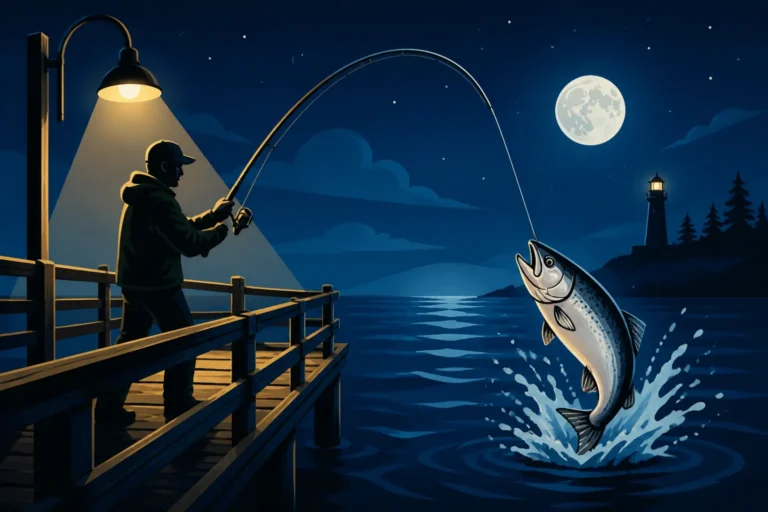
Anglers often employ methods like drift fishing with spawn, beads, or small artificial baits, fly fishing with egg patterns, and casting spinners or plugs in deeper runs and pools. While the focus shifts heavily to river fishing, excellent opportunities for late-season Coho and even some Chinooks can still be found in the Great Lakes harbors and nearshore areas throughout October, especially for those who enjoy pier fishing. Knowing the specific river and its unique characteristics is key, so researching Best Rivers for Trout and Steelhead in Michigan can also give you clues to good salmon rivers. The sheer number of fish and the intensity of the bites during October make it an unforgettable experience for any angler.
Beyond the Seasons: Year-Round and Niche Salmon Opportunities
While the spring, summer, and fall offer distinct peak seasons for salmon, the story doesn't entirely end when winter sets in or when the major runs are over. Michigan's diverse waters, particularly the vast Great Lakes, offer year-round opportunities for dedicated anglers willing to brave the elements or seek out niche fisheries.
It's important to remember that fishing regulations for different species and water bodies can vary, so always consult the latest Michigan DNR fishing guide. Our comprehensive guide, Michigan Fishing Regulations Every Angler Should Know, is a fantastic resource to ensure you're always fishing legally and responsibly.
Winter Persistence: Great Lakes Open Water Fishing
Believe it or not, salmon fishing doesn't completely shut down in Michigan during the winter. While most anglers pack away their boats, the open waters of the Great Lakes remain legally open year-round for trout and salmon. In some areas, particularly parts of Lake Michigan and Lake Huron that remain ice-free, dedicated anglers will continue to troll for Coho and Chinook salmon, albeit in much colder conditions.
This typically involves targeting deeper water and areas where warmer discharges might attract baitfish. The bite can be slower, but the fish caught are often healthy and strong. Ice fishing for salmon is rare, as most salmon species prefer open water, but some robust anglers pursue them in specific open water areas. This is definitely a niche fishery, requiring specialized cold-weather gear and a strong desire to fish, but it proves that with the right approach, there's always a chance to connect with a salmon in Michigan. For more on this, our guide on Michigan's Great Lakes Year-Round Trout Season can shed some light.
Considering River Steelhead After Salmon Exits
As the fall salmon run winds down in late October and November, many of Michigan's prime salmon rivers transition seamlessly into their renowned steelhead fishery. Steelhead, which are migratory rainbow trout, follow the salmon into the rivers to feast on their eggs. This overlap provides a fantastic opportunity for anglers who aren't ready to hang up their waders for the season.
While technically a trout species, steelhead offer a similar challenging and rewarding fight to salmon, often utilizing the same river habitats and even responding to similar presentations like spawn bags and beads. Many anglers who fish for salmon in the fall will simply transition their focus and tactics to steelhead, effectively extending their river fishing season well into winter and even early spring. It's a testament to Michigan's incredible fisheries that when one exciting season ends, another quickly begins.
Salmon Species & Best Fishing Months in Michigan
Here's a quick reference table to help you plan your Michigan salmon fishing adventures:
| Salmon Species | Key Characteristics | Primary Peak Months (Great Lakes) | Primary Peak Months (Rivers) | Best Fishing Techniques |
|---|---|---|---|---|
| Chinook Salmon | Largest, powerful fighters, deep water dwellers | May – July (Offshore) | September – October | Trolling, Drift Fishing (Spawn, Beads), Casting (Spoons) |
| Coho Salmon | Acrobatic, great table fare, often nearshore | March – April (Nearshore), June – August (Offshore) | Late September – October | Trolling, Casting (Spoons, Spinners), Float Fishing |
| Atlantic Salmon | Resilient, acrobatic, primarily Lake Huron | May – August | October – November | Trolling, Fly Fishing, Casting (Plugs, Spoons) |
Disclaimer
The information provided in this guide is for general informational purposes only and is subject to change. Fishing regulations, season dates, and limits are set by the Michigan Department of Natural Resources (DNR) and can be updated annually. Always consult the most current Michigan Fishing Guide available from the DNR before heading out on the water. Local conditions, weather, and fish behavior can also vary, so always exercise caution and good judgment.