How Big Do Chinook Salmon Get in the Great Lakes
It's a question that sparks excitement and fuels countless fishing trips across Michigan's magnificent Great Lakes: just how big do those mighty Chinook salmon really get? Many anglers dream of landing a true "King" salmon, and the sheer power and impressive size of these fish are a huge part of their allure. This guide will dive deep into the typical sizes you can expect, what defines a trophy Chinook, and the factors that contribute to their remarkable growth in our freshwater seas.
The Majesty of Great Lakes Chinook: An Introduction to Their Size Potential
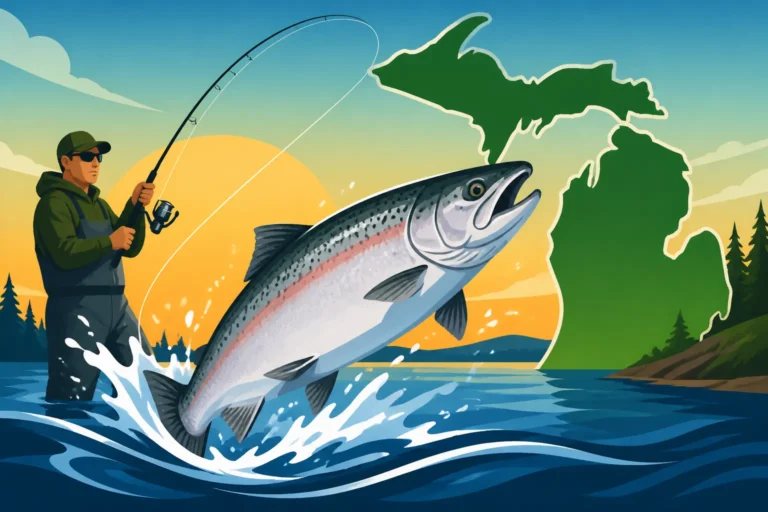
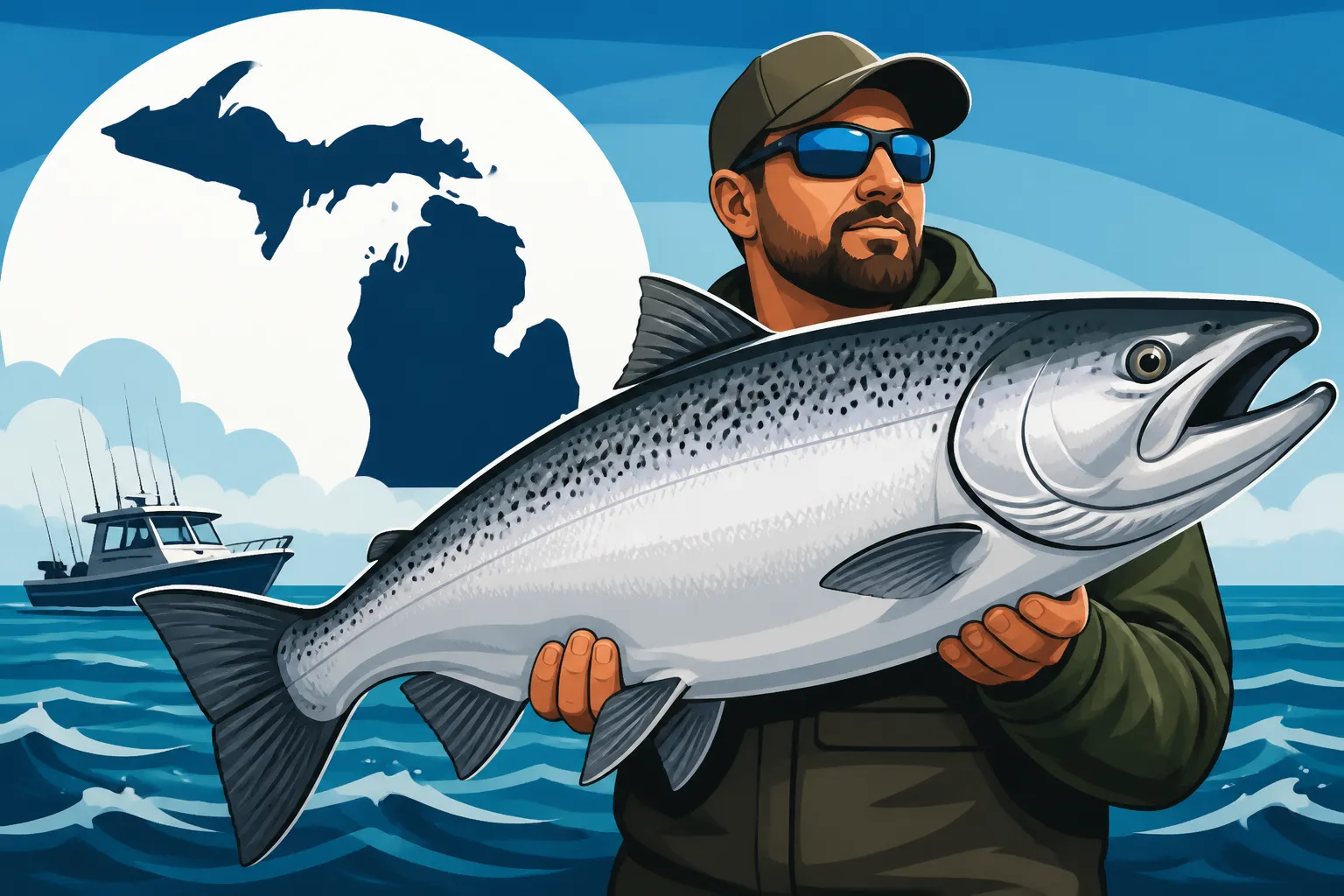
Chinook salmon, often affectionately called "King salmon," truly live up to their regal name, especially when they've spent a few years feasting in the rich waters of the Great Lakes. For many, the thrill of battling one of these powerful fish is unmatched, and their impressive stature is a big reason why. It's not just a fish; it's an experience, a memory that lasts a lifetime.
Average Size vs. Trophy Catches
When you head out onto Lake Michigan, Lake Huron, or even parts of Lake Superior, you'll encounter Chinook salmon across a range of sizes. A typical "keeper" Chinook for many anglers might be anywhere from 8 to 15 pounds, offering a fantastic fight and plenty of delicious fillets. These are often fish in their second or third year of life. They're strong, vibrant, and a blast to catch, representing the backbone of our salmon fishery.
However, the real excitement often lies in the pursuit of a true trophy. These are the fish that break into the 20-pound, 30-pound, or even higher classes. Landing one of these giants is often the culmination of years of experience, a bit of luck, and being in the right place at the right time. They're much less common, making them highly sought after and legendary among the angling community. It's the difference between a great day on the water and a story you'll tell for generations.
Factors Influencing Chinook Growth in Michigan Waters
Several elements play a crucial role in how large a Chinook salmon can grow in the Great Lakes. It's not just a matter of time; it's a complex interplay of environmental conditions, food availability, and genetics. Water temperature, for instance, affects their metabolism and feeding patterns. Cooler, well-oxygenated water, especially in the deeper regions of the lakes, provides the ideal environment for these cold-water predators to thrive.
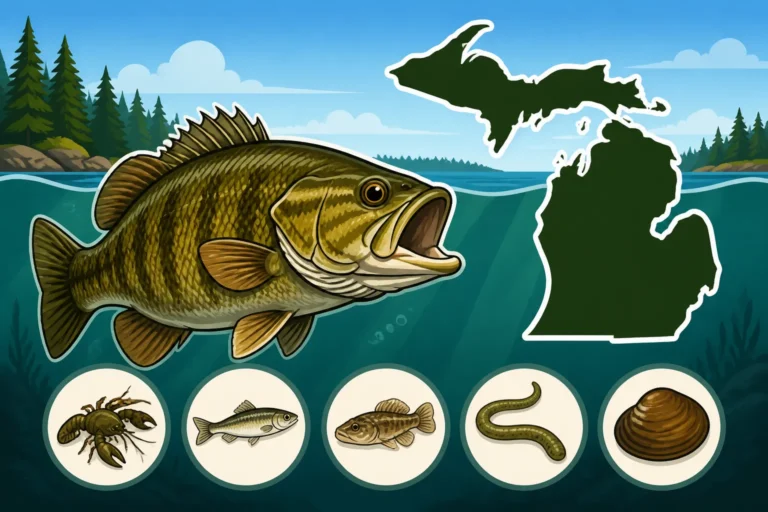
The availability of a robust forage base is arguably the most critical factor. Chinook salmon are voracious eaters, and their primary diet in the Great Lakes consists mainly of alewives. When alewive populations are healthy, Chinook salmon have an abundant food source, allowing them to pack on pounds rapidly. Conversely, when the alewive numbers dip, anglers often notice a decrease in the average size of the salmon caught. This delicate balance highlights the interconnectedness of the Great Lakes ecosystem and why Michigan's Great Lakes Fishing Guide often emphasizes the importance of understanding the food web.
Breaking Down the Numbers: What to Expect When Fishing for Chinook
So, what are the actual numbers we're talking about when we discuss Chinook salmon size in the Great Lakes? While "big" is subjective, there are some generally accepted ranges and, of course, the legendary tales of record-breaking fish.
Typical Weight and Length Ranges
Most Chinook salmon caught in Michigan's Great Lakes will fall into a fairly consistent range. For recreational anglers, a common catch might be a fish between 10 to 20 pounds, often measuring in the 28 to 36-inch range. These fish are strong, put up a fantastic fight, and are truly rewarding to land. They represent the majority of what anglers will experience during a successful outing.
As the season progresses, particularly into late summer and fall when salmon begin their migratory runs up rivers, you might start seeing larger fish. These older, more mature individuals have had more time to bulk up. A healthy 4-year-old Chinook can easily push past 25 pounds and might stretch the tape measure beyond 40 inches. It's at this stage that their power becomes truly evident, testing the angler's gear and resolve.
Here's a general idea of what you might expect:
| Age (Years) | Typical Weight Range (Pounds) | Typical Length Range (Inches) | Notes |
|---|---|---|---|
| 1-2 | 3-8 | 20-28 | Often called "skippers," fast-growing |
| 2-3 | 8-18 | 28-36 | Common catch size, strong fighters |
| 3-4 | 18-30+ | 36-45+ | Trophy potential, powerful fish |
| 4-5+ | 30-40+ | 45-50+ | True "Kings," less common, record contenders |
The Elusive "King" Salmon: What Defines a Trophy
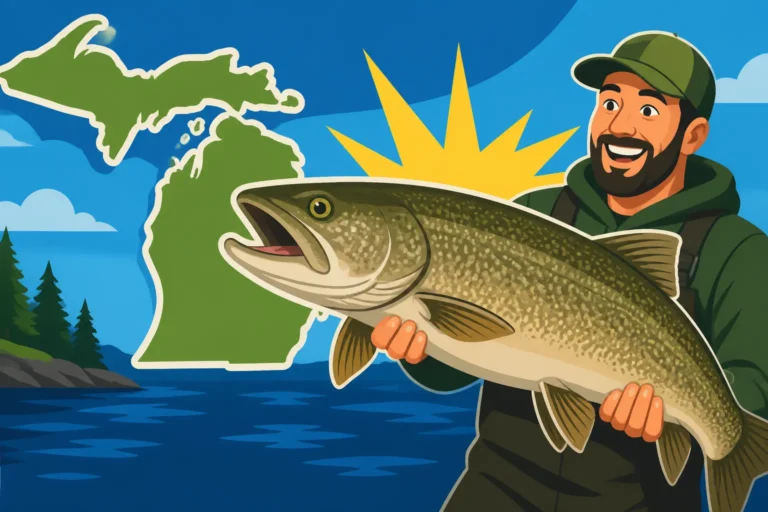
For many Michigan anglers, a "trophy" Chinook salmon isn't just about a certain weight; it's about the entire experience and the fish's sheer dominance. While definitions can vary, generally, a Chinook weighing 25 pounds or more is considered a trophy by many in the Great Lakes region. Some might even push that to 30 pounds, especially given the natural fluctuations in average fish size over the years due to varying forage conditions.
These truly massive Kings aren't just bigger; they often have a more developed kype (the hooked jaw on males) and a broader, more muscular body. They are the apex predators of the open lake, having survived multiple seasons and outgrown their peers. Catching one of these requires patience, specialized gear, and often, an understanding of offshore trolling techniques covered in articles like How to Troll for Chinook Salmon on Lake Michigan. The sheer size and power of these fish when hooked can be an adrenaline rush like no other.
Michigan's State Record Chinook Salmon and Its Significance
Every state has its legends, and Michigan is no exception. The state record Chinook salmon stands as a testament to the incredible potential of these fish in the Great Lakes. While specific numbers change over time and are best verified through the official DNR channels, the Michigan state record for Chinook salmon caught by hook and line typically hovers around the mid-40-pound mark. This magnificent fish usually comes from Lake Michigan, a testament to its rich waters.
Stories about these record-breaking catches inspire countless anglers to pursue their own personal bests. It reminds us that every time we drop a line in the water, there's a chance, however slim, to connect with something truly monumental. While breaking the state record is an extraordinary feat, understanding the range of these ultimate catches helps to set realistic goals and appreciate the existing Michigan's State Fish Records. It's a benchmark of what's possible, not necessarily what's probable on any given day.
Why Chinook Grow So Big: Diet, Habitat, and Management Efforts
The robust size of Great Lakes Chinook salmon isn't accidental. It's the result of a carefully balanced (and sometimes delicately imbalanced) ecosystem, combined with ongoing conservation and stocking initiatives. Understanding these factors gives us a deeper appreciation for these incredible fish.
The Abundant Forage Base: Alewives and Beyond
As mentioned, the primary reason Chinook salmon reach such impressive sizes in the Great Lakes is their diet, particularly the reliance on alewives. Alewives are a small, oily baitfish that are incredibly abundant in the lakes. They are packed with the calories and fat that Chinook need to fuel their rapid growth. Think of it like a bodybuilder consuming a high-protein, high-calorie diet; the more fuel, the more muscle.
While alewives are king in the Chinook diet, they will also opportunistically feed on other baitfish species, such as smelt and ciscoes, when available. The health and stability of these forage populations are constantly monitored by fisheries biologists because a decline in baitfish often leads to smaller, less robust salmon. This dependency highlights the importance of ecological balance in sustaining a trophy fishery. Anglers often keep an eye on these reports, as forage abundance can directly impact the Best Months for Salmon Fishing in Michigan and the size of the fish caught.
Preferred Habitats and Water Conditions for Growth
Chinook salmon are cold-water fish, and their preferred habitat in the Great Lakes reflects this. They thrive in water temperatures generally ranging from 45 to 55 degrees Fahrenheit (7 to 13 degrees Celsius). During the warmer summer months, this means they often retreat to deeper waters, sometimes hundreds of feet down, where the thermocline provides that ideal cool zone. This is why deep-water trolling is such an effective technique for them.
Beyond temperature, factors like dissolved oxygen levels and water clarity also play a role. The Great Lakes, with their immense size and depth, provide vast expanses of suitable habitat where Chinook can roam freely, pursuing baitfish and growing without excessive competition from other large predators. This expansive, nutrient-rich environment is a perfect nursery for these magnificent fish.
Stocking Programs and Their Role in Chinook Fisheries
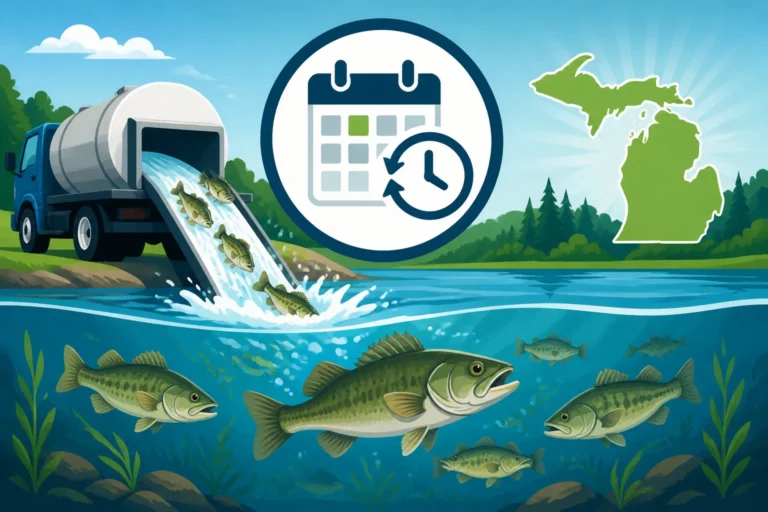
Michigan's Chinook salmon fishery is largely sustained by extensive stocking programs. While some natural reproduction occurs in certain river systems, the vast majority of the Chinook caught in the Great Lakes originate from state and federal hatcheries. Biologists carefully monitor fish health, growth rates, and return rates to optimize these programs. This ensures a consistent supply of young salmon to grow into the impressive Kings we love to catch.
These stocking efforts are a critical component of maintaining the fishery, especially given the challenges posed by invasive species and fluctuating forage bases. The goal is not just to provide fish to catch, but to create a sustainable and exciting angling opportunity for both residents and visitors. Articles like Chinook Salmon in Michigan's Great Lakes delve deeper into how these programs impact the fishery.
Preparing for a Monster Catch: Gear and Expectations
So, you're ready to chase those truly massive Great Lakes Chinook? Fantastic! But landing a 20-, 30-, or even 40-pound fish isn't something you do with light tackle. It requires preparation, the right equipment, and realistic expectations.
Essential Gear for Targeting Large Chinook
When you're targeting big Chinook, your gear needs to be up to the task. These fish are incredibly powerful, making long runs and brutal headshakes. You'll want heavy-duty trolling rods, typically 8 to 10 feet long, with a strong backbone to handle the fight. Reels should be robust, star-drag or lever-drag models capable of holding hundreds of yards of at least 20-30 pound monofilament or braid. You might even want to look on platforms like Amazon for some of the higher-end, heavy-duty trolling setups.
Downriggers are practically essential for reaching the depths where big Kings often reside, especially during the summer. These devices allow you to present lures at precise depths, often down to 100 feet or more. Planer boards are also key for spreading out multiple lines, covering a wider swath of water, and increasing your chances. Don't forget a large, deep net – ideally a salmon-specific net with a wide hoop and deep bag – to safely land these big fish. Investing in quality gear, perhaps checking out reviews on Amazon for specific models, makes all the difference when that monster hits.
Knowing When and Where to Find the Biggest Kings
Timing and location are everything when it comes to trophy Chinook. The prime season for the largest fish often occurs in late summer and early fall, particularly from August into September, as salmon begin to stage near their natal rivers for spawning. This is when they are at their peak weight and condition. Prime locations include the waters off major river mouths that historically have strong salmon runs, such as the Manistee, Muskegon, and Au Sable rivers, as highlighted in Best Salmon and Steelhead Rivers in Michigan.
During the summer, look for temperature breaks and structure offshore in the Great Lakes. Fish finders and boat electronics are invaluable for identifying these areas. As fall approaches, the fish move closer to shore and into river mouths, offering opportunities for pier fishing or river casting, though the biggest fish are often still found just outside the rivers in the open lake.
Handling and Releasing Large Chinook Responsibly
Whether you're planning to keep your catch or practice catch-and-release, responsible fish handling is crucial, especially with large, powerful species like Chinook salmon. If you're releasing a fish, try to keep it in the water as much as possible. Use a large, knotless net to minimize damage to its fins and slime coat. Handle the fish gently, supporting its body, and avoid touching its gills or eyes.
For those planning to harvest, understand the Michigan Fishing Regulations Every Angler Should Know, including any bag and size limits for Chinook salmon. Bleeding a fish quickly and placing it on ice will preserve its quality, making for a much better meal. Regardless of your intention, showing respect for these magnificent creatures by handling them properly ensures the sustainability of Michigan's incredible salmon fishery for future generations. Don't hesitate to research best practices for handling and release, perhaps even finding guides and tools on Amazon to help you out on the water.
Disclaimer
This article is for general informational purposes only and does not constitute professional advice. Laws, prices and regulations vary by location and change over time. Consult a qualified professional for guidance on your specific situation.