Fall Steelhead Run in Michigan Rivers
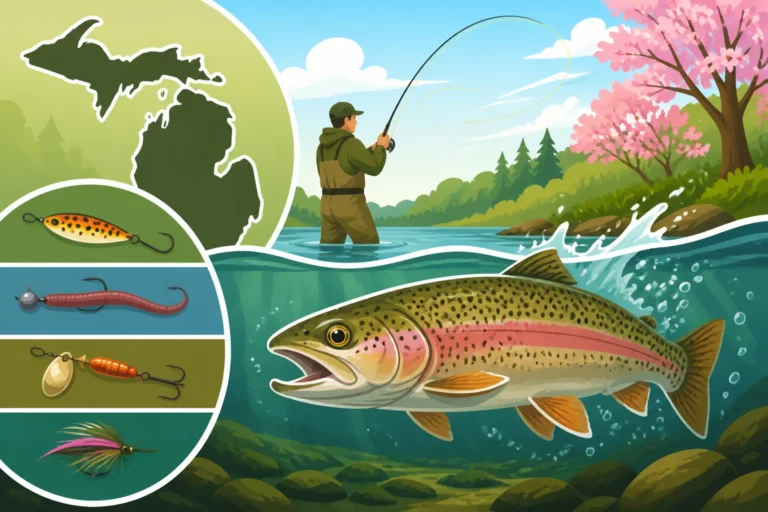
There's a specific kind of magic that settles over Michigan's rivers as autumn arrives, a crisp chill in the air, and the leaves blaze with color. But for many anglers, it’s not just the scenery that draws them; it’s the powerful, chrome-bright steelhead that begin their annual pilgrimage upstream from the Great Lakes. If you’ve ever felt the frustration of missing that perfect run or wondered how to truly connect with these incredible fish, you're in the right place. This guide will take you deep into the heart of Michigan's fall steelhead season, equipping you with the knowledge and confidence to make your next river adventure a roaring success.
Understanding the Fall Steelhead Migration
The fall steelhead run in Michigan rivers is a phenomenon driven by nature’s ancient rhythms, attracting anglers from all over for a chance at these magnificent fish. These aren't just any rainbow trout; steelhead are anadromous, meaning they spend their adult lives growing large and strong in the vast waters of the Great Lakes before returning to their natal rivers to spawn. The fall migration isn’t primarily for spawning, however; it’s more of a pre-spawn staging, a journey fueled by instinct and the changing seasons.
Why Steelhead Run in the Fall
The primary trigger for the fall steelhead migration is often a combination of dropping water temperatures and increased river flows from autumn rains. As the water cools in the Great Lakes, typically into the 50s Fahrenheit, steelhead feel the urge to move towards their spawning grounds. They enter the rivers, staging in deeper pools, runs, and current breaks, conserving energy and waiting for the optimal conditions to eventually spawn in the spring. This pre-spawn behavior means they are in the river systems for an extended period, making them accessible to anglers. They're often aggressive and energetic, having spent months feeding in the rich waters of Lake Michigan, Lake Huron, or Lake Superior. Understanding this biological imperative is the first step to intercepting them effectively.
Beyond just water temperature, increasing flow from fall rains plays a huge role. A good autumn rain can be like ringing a dinner bell, signaling to the steelhead that it's safe to push further upstream, sometimes bringing in waves of fresh fish. They are still actively feeding, though not as voraciously as during their time in the lakes, making them responsive to a variety of presentations. This unique combination of conditions and behaviors creates a thrilling and often challenging fishing experience, a true test of an angler's skill and persistence.
Key Michigan Rivers for Fall Steelhead
Michigan is blessed with an abundance of world-class steelhead rivers, each with its own unique character and challenges. Knowing where to go can make all the difference. Some of the most renowned include the Manistee River, particularly its lower sections near Lake Michigan, which sees incredible runs of both Chinook salmon and steelhead. The Muskegon River is another powerhouse, known for its consistent flows and large numbers of fish, offering excellent opportunities well into late fall. Anglers often flock to these major systems for their sheer volume of returning fish.
The Pere Marquette River, with its designated "flies only" and "artificials only" sections, offers a more specialized experience, often drawing fly anglers seeking a purist challenge. Its wild, self-sustaining steelhead population is a testament to its pristine waters. Further north, the Au Sable River, famous for its trout, also gets strong pushes of steelhead in its lower reaches. On the west side of the state, the St. Joseph River provides ample access and often sees earlier runs due to its more southerly location. Beyond these titans, countless smaller tributaries and coastal rivers also experience significant runs, offering more secluded opportunities for those willing to explore. For a deeper dive into these waterways, check out our guide on the Best Rivers for Trout and Steelhead in Michigan.
The Timing is Everything
When it comes to the fall steelhead run, timing is absolutely crucial, and it's a dynamic dance with Mother Nature. While September and October are generally considered prime time for the initial push, the run can extend well into December, often blending into the winter steelhead season. Early fall runs, usually mid to late September, often coincide with the tail end of the salmon runs. Steelhead will move in behind the salmon, eager to feast on dropped eggs, making for some intense fishing opportunities. As the salmon fishing wanes, steelhead numbers typically increase, peaking through October and November.
Factors like significant rain events, prolonged cold snaps, and consistent water flows dictate the intensity and timing of these runs. A good cold rain will often trigger a fresh push of fish from the big lake into the river systems. Conversely, a long dry spell with stable, low water can slow things down, making fish more concentrated and sometimes more wary. Keeping an eye on weather forecasts and, more importantly, river flow data from the USGS or local fly shops is paramount for predicting peak activity. Our article on Michigan Steelhead Run Timing delves even deeper into these seasonal nuances, helping you plan your trips strategically.
| River Flow Condition | Steelhead Behavior | Angler Approach |
|---|---|---|
| Low & Clear | Fish are spooky, concentrated in deeper pools. | Long leaders, lighter line, subtle presentations, smaller baits. |
| High & Muddy | Fish hug banks, seek current breaks. | Heavier weights, brighter or larger baits, focus on edges. |
| Stable & Optimal | Fish spread throughout the river, actively feeding. | Diverse techniques, adjust to specific river sections. |
| Rising Water | Triggers fresh pushes of fish, often aggressive. | Target new fish moving upstream, bolder presentations. |
| Dropping Water | Fish settle into holding lies, may become wary. | Focus on established holding water, refined techniques. |
Essential Gear and Tackle for Fall Steelhead
Stepping onto a Michigan steelhead river in the fall requires more than just a rod and reel; it demands a thoughtfully assembled arsenal of gear. Steelhead are powerful, acrobatic fish, and the conditions can be challenging, from slippery riverbeds to biting cold. Having the right tools for the job not only increases your chances of success but also ensures a more comfortable and enjoyable experience out on the water. Don't underestimate the importance of reliable equipment when battling a chromer in a swift current.
Rod and Reel Setup
Your rod and reel are the heart of your steelhead setup. For river fishing, a longer rod is generally preferred. Many anglers opt for rods in the 9-foot to 11-foot range, with some centerpin setups extending even further to 13 feet or more. This added length provides several key advantages: better line control for longer drifts, easier mending of your line, and enhanced shock absorption when fighting a strong fish. A medium-light to medium power rod with a fast or moderate-fast action is a popular choice, offering enough backbone to set the hook and control a steelhead, while still having a sensitive tip to detect subtle bites. Brands like St. Croix and G. Loomis offer excellent options known for their durability and performance. You can find a wide selection of these rods on Amazon, along with detailed reviews to help you choose.
When it comes to reels, spinning reels are a common choice for their versatility and ease of use, especially for beginners. A 2500-4000 series reel, spooled with quality line, offers a good balance of line capacity and drag power. For those looking for a more specialized approach, centerpin reels are incredibly popular for float fishing. These free-spooling reels allow for incredibly long, natural drifts, presenting your bait flawlessly. While they have a steeper learning curve, many seasoned steelhead anglers swear by their effectiveness. Pair your chosen reel with a balanced rod, and you'll be well on your way. For more details on pairing your equipment, consider our guide on the Best Rod Length for River Steelhead.
Line and Leader Considerations
The line connecting you to a steelhead needs to be robust yet subtle. Many anglers start with a main line of 8-12 lb monofilament or braided line, particularly if they’re using spinning gear. Monofilament offers good stretch and shock absorption, while braid provides incredible sensitivity and strength for its diameter. The key, however, lies in your leader material. Fluorocarbon leader, typically in the 6-10 lb test range, is almost universally preferred for its low visibility in water, its abrasion resistance against rocks and logs, and its superior knot strength.
The length of your leader is also critical, especially in clear water or when fish are spooky. Leaders can range from 3 to 6 feet, or even longer when float fishing. The idea is to present your bait as naturally as possible, with the lighter, less visible fluorocarbon being the only thing near the bait. Remember, steelhead have excellent eyesight, particularly in the clear, cold waters of Michigan rivers, so minimizing your line's presence is vital. Always check your leader for nicks and abrasions after fighting a fish or getting snagged, as even a small imperfection can lead to a heartbreaking break-off.
Baits and Lures that Get Bites
Steelhead in the fall can be enticed by a variety of offerings, and often, what works best depends on water conditions, clarity, and pressure. One of the most classic and consistently effective baits is the spawn bag. These small mesh bags filled with cured salmon or steelhead eggs mimic the natural food source available in the river, especially during and after salmon runs. They come in various colors and sizes, allowing you to match the hatch or stand out.
Another highly effective option, particularly for visual presentations, is fishing beads. These small, spherical weights are threaded onto your line just above the hook, perfectly imitating a single fish egg. They come in an astonishing array of colors and sizes, from natural translucent roe colors to brighter, more aggressive shades. Many anglers prefer soft plastic beads from brands like TroutBeads or Mad River, which provide a realistic look and feel. For more on this technique, check out our guide on Bead Fishing for Trout and Salmon. When the fish are more aggressive, or in faster, stained water, jigs tipped with wax worms or plastic grubs, small spinners, or even finesse crankbaits can be incredibly productive. Having a diverse tackle box ready to adapt to changing conditions is key to success.
Proven Techniques for Autumn Anglers
Once you have your gear sorted, it's time to talk tactics. Steelhead fishing in Michigan rivers is a nuanced affair, requiring patience, observation, and a willingness to adapt. These fish are smart, powerful, and often finicky, making a thoughtful approach essential. There are several cornerstone techniques that consistently produce results for fall steelhead, each with its own advantages depending on the river conditions and angler preference.
Float Fishing (Centerpinning/Bobber Fishing)
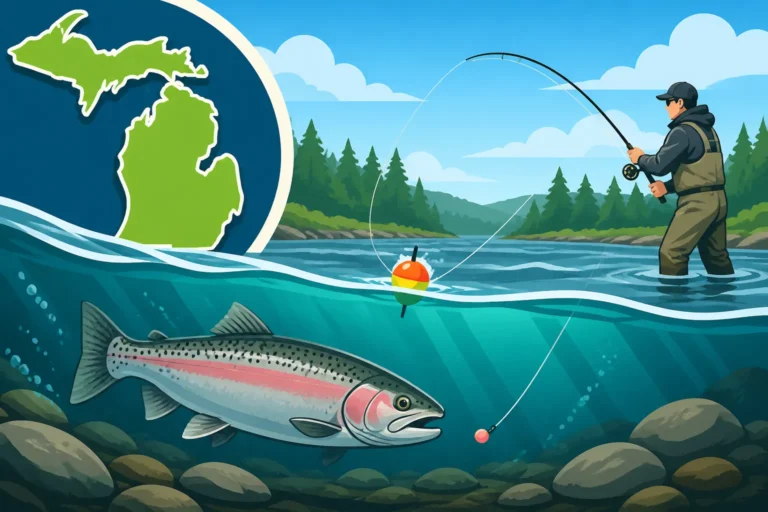
Float fishing, often synonymous with centerpinning, is arguably one of the most effective and popular methods for fall steelhead in Michigan. The beauty of float fishing lies in its ability to present a bait or lure in a perfectly natural, drag-free drift through a steelhead's strike zone. This technique uses a buoyant float (often called a "bobber" by many, though true floats are more specialized) to suspend your bait at a precise depth, allowing it to tumble downstream at the exact speed of the current. This mimicry of a natural, unattached food item is incredibly enticing to wary steelhead.
The setup typically involves a long rod (10-13+ feet), a centerpin reel (or a quality spinning reel), a main line, and a fluorocarbon leader with split shot or pencil lead strategically placed to achieve a perfectly vertical float. The goal is to keep as much line off the water as possible, mending the line upstream of your float to eliminate drag. This allows your bait to move completely naturally, without being pulled ahead or held back by the current. It requires a keen eye to detect subtle takes, as a steelhead often just "stops" the float rather than pulling it under aggressively. Our deep dive into Centerpinning for Michigan Steelhead offers all the intricate details you need to master this art, while the article on Float Fishing for Michigan River Steelhead provides a broader overview of float techniques. Many anglers swear by the effectiveness of this method for presenting spawn bags or beads.
Drifting and Bottom Bouncing
While float fishing focuses on a precise, suspended presentation, drifting and bottom bouncing techniques aim to keep your bait or lure constantly in contact with or just above the riverbed. This is particularly effective when steelhead are holding tight to the bottom, seeking refuge from current or waiting for food to wash downstream. These methods are less about a single, perfect drift and more about covering water and presenting a bait where fish are most likely to be hunkering down.
Drift fishing typically involves using a small amount of weight (often split shot or a slinky weight) to tick your bait along the bottom. The idea is to use just enough weight to maintain intermittent contact, letting your bait tumble naturally with the current. This method is incredibly versatile and works well with spawn bags, beads, or small jigs. You're constantly feeling for that subtle "tick" that indicates a bite, rather than a snag.
Bottom bouncing uses a heavier weight, often a "bottom bouncer" rig, which is designed to drag along the riverbed with minimal snagging. This technique is more about covering wider areas and is particularly useful in deeper, faster currents where keeping a bait down is challenging. The bait or lure, often a worm, minnow, or piece of roe, trails behind the weight. Both methods require an intimate understanding of the river's contours and a sensitive feel for strikes, which can often feel just like a subtle brush against a rock.
Fly Fishing for Fall Steelhead
Fly fishing for fall steelhead is a truly immersive and rewarding experience, connecting anglers directly to the water and the fish in a unique way. It requires a different set of skills and specialized gear, but the payoff can be immense. For those who love the elegance and challenge of the long rod, targeting these powerful fish on the fly is a spiritual endeavor.
A common setup for fall steelhead fly fishing involves a 9 to 10-foot, 7 to 9-weight fly rod, paired with a matching large arbor reel that can hold plenty of backing for those screaming runs. Line choices often include weight-forward floating lines, sometimes with sink tips for getting flies deeper in faster water. The flies themselves range from realistic egg patterns (tied in various colors like peach, orange, or chartreuse to imitate fish roe) to larger streamers that mimic baitfish or even leeches. Nymphs, especially stoneflies or caddis larvae, can also be effective.
Two primary techniques dominate fly fishing for fall steelhead:
- Indicator nymphing: Similar to float fishing, this involves a strike indicator (bobber) to suspend nymph or egg patterns at depth, allowing for long, drag-free drifts. This is incredibly effective when fish are concentrated and feeding on eggs.
- Swinging streamers: This more active technique involves casting larger, often brightly colored, streamer patterns across and down current, letting the current swing the fly through potential holding lies. The strike is often incredibly aggressive and exhilarating. Mastering the art of mending your fly line and reading complex river currents is key to success in either approach. For additional insights on these techniques, consider exploring our guide on Fly Fishing Techniques for Michigan Trout Streams.
Navigating River Conditions and Safety
Fishing for fall steelhead in Michigan rivers is an exhilarating pursuit, but it's one that requires respect for the environment and a strong emphasis on safety. River conditions can change rapidly with autumn weather, and understanding how these changes impact fish behavior and your own well-being is paramount. Being prepared and making smart choices on the water will ensure your day is memorable for all the right reasons.
Reading the Water: Flow, Clarity, Temperature
Successful steelhead anglers are keen observers of the river. The water flow is arguably the most critical factor. High, fast water from recent rains might push fish into slower eddies and seams along the banks, making traditional mid-river runs less productive. Conversely, low, clear water will make fish incredibly spooky, requiring stealthier approaches, longer leaders, and more subtle presentations. Websites like the USGS provide real-time stream gauge data, an invaluable tool for planning your trip.
Water clarity is another major consideration. Clear water demands natural colors and delicate presentations, while slightly stained or turbid water can make brighter, more vibrant baits stand out and attract attention. Steelhead rely heavily on sight, and their willingness to strike often correlates directly with how well they can see your offering. Finally, water temperature is the invisible hand guiding steelhead behavior. As temperatures drop below 50°F, steelhead metabolism slows, and they may become less active. Knowing the temperature helps you anticipate their holding patterns and adjust your retrieve speeds accordingly. A thermometer is an essential, yet often overlooked, piece of gear. When the water is just right after a fresh rain, it can trigger aggressive feeding, as detailed in our guide on Best Time to Fish After Rain for Steelhead.
Wading Safety and River Access
Michigan rivers, especially in the fall, can be treacherous. Cold, swift currents and slippery, uneven riverbeds pose significant risks. Wading safety should always be your top priority. Invest in good quality chest waders and, crucially, a sturdy pair of studded wading boots for superior traction on slick rocks. A wading staff is an absolute game-changer, providing an extra point of contact and helping you gauge depth and stability before taking a step. Never wade alone, or if you must, always inform someone of your plans and expected return time. Knowing your limits is key; if the current feels too strong or the water too deep, turn back.
When it comes to river access, respecting private property is crucial. Many prime steelhead stretches flow through private land. Always look for designated public access points, state game areas, or public easements. Online maps and local fishing guides are excellent resources for identifying legal access points. The Michigan DNR website offers comprehensive maps and information on river access. Be mindful of parking regulations and avoid blocking driveways or gates. Proper etiquette ensures that these precious resources remain open and accessible for all anglers. For gear specific to navigating these challenging waters, check out our recommendations for the Best Waders for River Fishing.
Ethical Angling and Conservation
As stewards of Michigan's incredible fisheries, ethical angling and conservation practices are not just good ideas; they are our responsibility. Steelhead are a precious resource, and how we interact with them ensures their future for generations to come. This means understanding and adhering to all Michigan Fishing Regulations Every Angler Should Know, including specific catch and release rules, tackle restrictions, and season dates which can be found in our comprehensive guide on Michigan Fishing Season Dates and Rules.
Beyond regulations, "leave no trace" is a golden rule: pack out everything you pack in, and perhaps even a little more. When it comes to the fish themselves, responsible handling is paramount. If you plan to release a steelhead, aim to do so quickly and with minimal stress. Keep the fish in the water as much as possible, using a rubberized landing net to protect its delicate slime coat. Avoid dragging fish onto the bank or excessive handling. When taking a photo, do so quickly, keeping the fish low over the water, and support its body properly. These powerful fish can be injured if not handled with care. For detailed guidance, our article on Catch-and-Release Techniques for Michigan Muskellunge offers principles that apply equally to steelhead, helping ensure a healthy release.
The Thrill of the Fight and Post-Catch Care
There’s nothing quite like the electrifying jolt of a steelhead strike, especially on a crisp fall day. These fish are renowned for their incredible fighting prowess, and landing one is a testament to skill, patience, and the sheer power of nature. But the experience doesn't end when the fish takes the bait; the battle, landing, and especially the post-catch care are crucial parts of the angling journey, ensuring these magnificent creatures can continue their vital migrations.
The Steelhead Battle
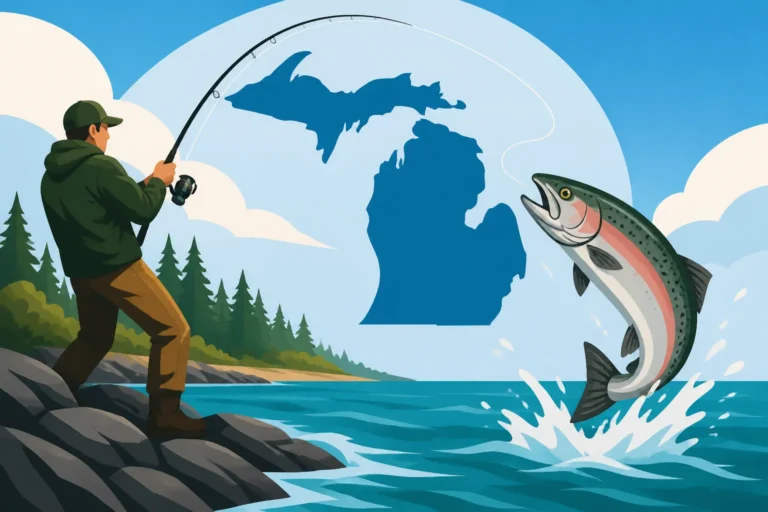
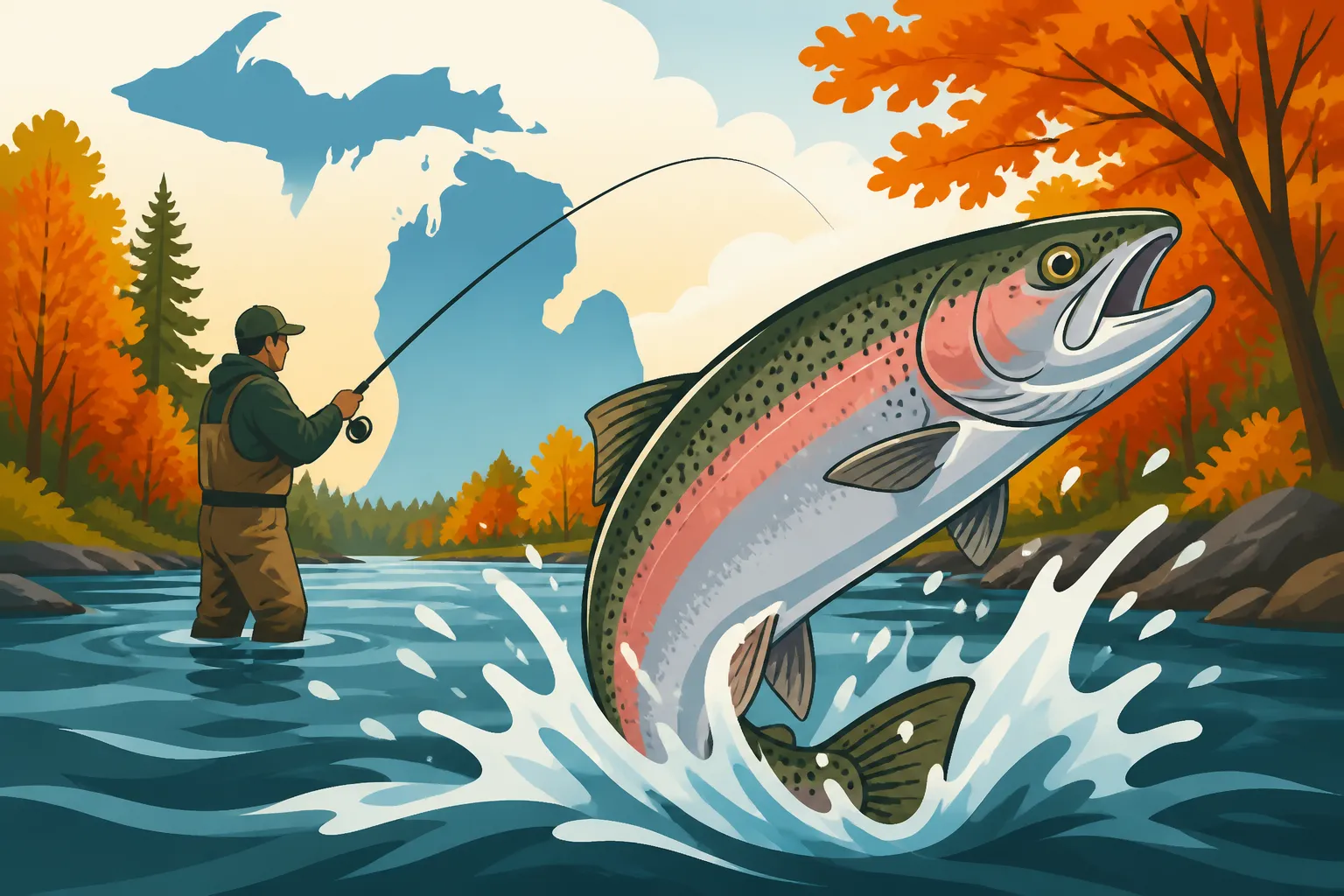
When a steelhead hits, be prepared for an explosive encounter. Unlike some fish that might just peck at a bait, a steelhead often strikes with conviction, immediately launching into powerful runs, head shakes, and often, spectacular aerial acrobatics. Your rod becomes an extension of your arm, absorbing the shock of those initial bursts of energy. Keep your rod tip high, pointed towards the fish, to maintain tension and control. This "bowing to the fish" technique prevents the line from slackening and the hook from pulling free during jumps.
The key to winning the fight is to apply steady, consistent pressure, reeling when the fish pauses its run, and letting the drag do its job when it decides to bolt. Never try to muscle a steelhead in, especially a fresh one from the lake, as this often leads to a pulled hook or a broken line. Instead, patiently guide it, tiring it out until you can gently bring it to the net. The battle might last minutes, feeling like an eternity, but every second is etched into memory.
Handling Fish for Release
For many fall steelhead anglers, the goal is not just the catch, but the successful release, allowing these incredible fish to continue their journey and contribute to future generations. Proper fish handling is critical to ensure a high survival rate. As soon as the fish is netted, try to keep it in the water as much as possible. A large, soft, rubberized landing net (available on Amazon and other reputable tackle retailers) is ideal, as it protects the fish's delicate slime coat, which is its primary defense against infection. Avoid nets with knotty nylon mesh, which can strip scales and damage fins.
If you must remove the fish from the water for a quick photograph, do so swiftly and gently. Cradle the fish horizontally with both hands, one supporting the head/gill plate area and the other under the tail. Never hold a large steelhead vertically by the jaw or gills, as this can cause irreversible internal damage. Minimize its time out of the water to mere seconds. When releasing, hold the fish gently facing into the current in calm water, allowing water to flow over its gills. It will revive itself and swim away when ready. Don't shake it or force it; let it decide when it's strong enough.
Beyond the Catch: Preparing for Your Next Trip
A successful day on the river doesn't just end with the last cast. Taking the time to properly care for your gear ensures its longevity and readiness for your next adventure. Rinse your waders and boots thoroughly to remove any mud or debris, and hang them to dry completely to prevent mildew. Clean your rod and reel, wiping down any dirt or moisture, and check your line for nicks or abrasions. A little bit of preventative maintenance goes a long way in prolonging the life of your equipment.
Beyond the physical gear, reflect on your day. What worked? What didn't? Did you notice anything about the water conditions, fish behavior, or locations that you can apply next time? Keeping a fishing journal can be an invaluable tool for tracking these observations and refining your approach over time. The pursuit of fall steelhead is a continuous learning process, an ongoing dialogue with the river and its inhabitants. Each trip offers new lessons, new challenges, and new triumphs, keeping us coming back to Michigan's beautiful rivers season after season.
Disclaimer
Please note that fishing regulations can change. Always consult the latest Michigan Department of Natural Resources (DNR) fishing guide before heading out on the water. This information is for general guidance and educational purposes only.