What Fish Are Best for Eating in Michigan
There’s nothing quite like the satisfaction of reeling in a beautiful fish here in Michigan. But after the initial excitement, a common question pops into every angler's mind: "Is this fish good to eat?" With our incredible bounty of freshwater species, it can be tough to know which ones will make a delicious meal and which are better left for catch-and-release. This guide will walk you through the most prized edible fish in Michigan, discussing what makes them so tasty and how to best prepare them for your plate.
Michigan's Most Sought-After Edible Fish Species
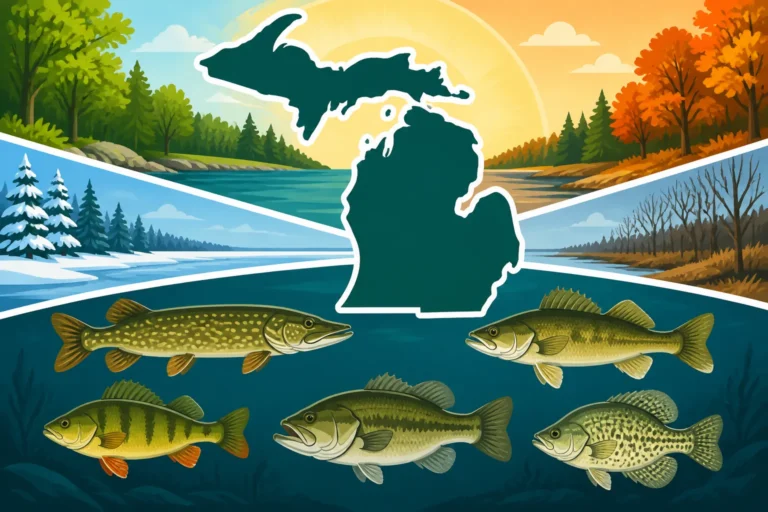
Michigan's waters are teeming with a diverse array of fish, and many of them are absolutely fantastic on the dinner table. From the Great Lakes to our countless inland lakes and rivers, you'll find species that offer firm, flaky, mild, or rich flavors, suitable for any culinary preference.
Walleye: The Freshwater Gold Standard
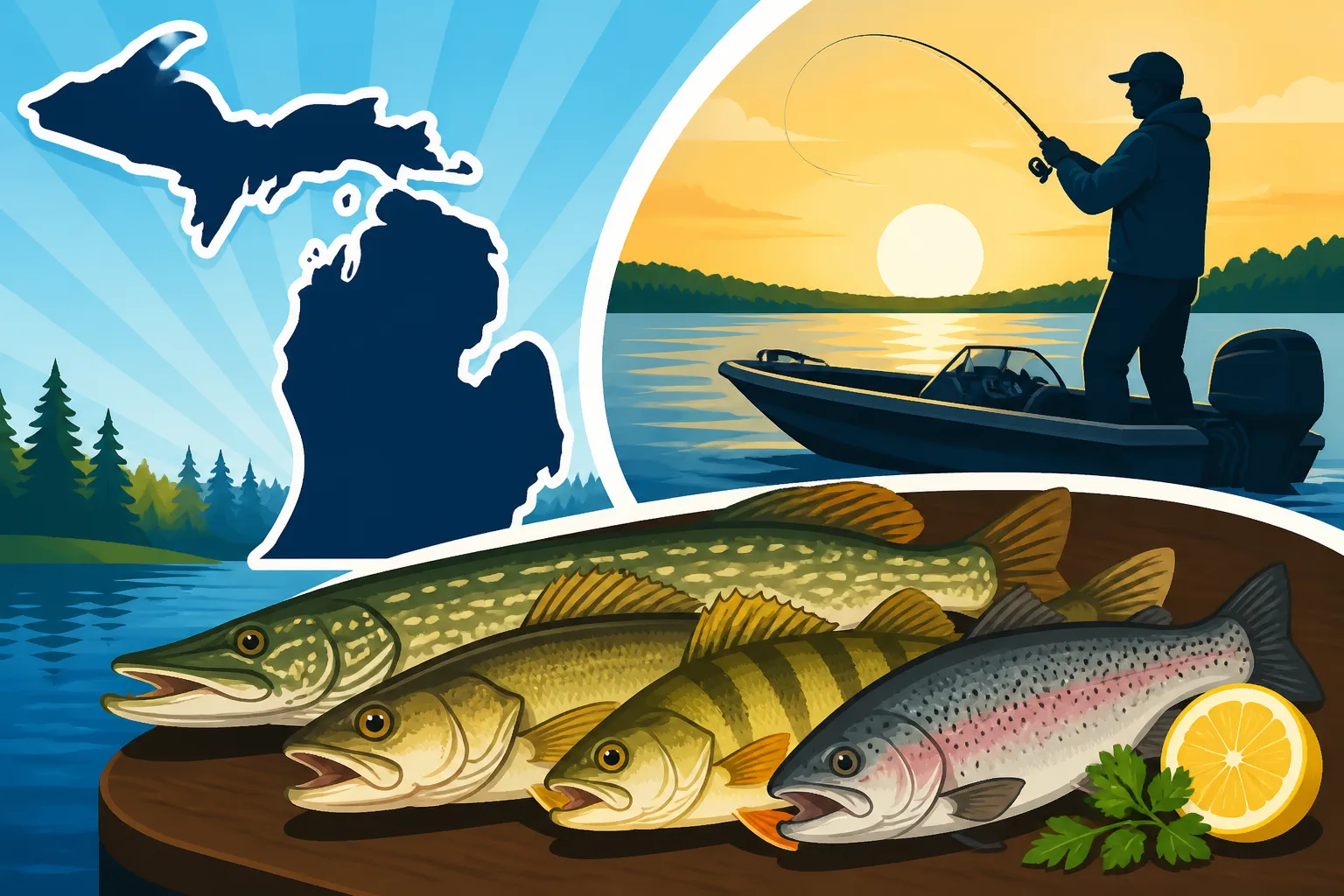
Ah, walleye. If you ask any Michigan angler about the best-eating fish, walleye is almost always at the top of the list. And for good reason! These fish are renowned for their incredibly mild, sweet, and flaky white meat. It's truly a delight to cook with and rarely has that "fishy" taste that some people shy away from.
You can find walleye in abundance across the Great Lakes, especially Saginaw Bay on Lake Huron, and many of our larger inland lakes like Houghton Lake and Muskegon Lake. They thrive in cooler, deeper waters, which contributes to their clean flavor. When you catch a walleye, especially one in the 15 to 20-inch range, you've got yourself a culinary treat. The meat holds up well to various cooking methods, from pan-frying to baking. Many anglers swear by a simple dredge in seasoned flour and a quick fry in butter or oil. It's hard to go wrong with walleye, making it a favorite for family dinners and fish fries alike. If you're targeting them, check out Walleye Fishing in Michigan for tips!
Yellow Perch: Small but Mighty Flavor
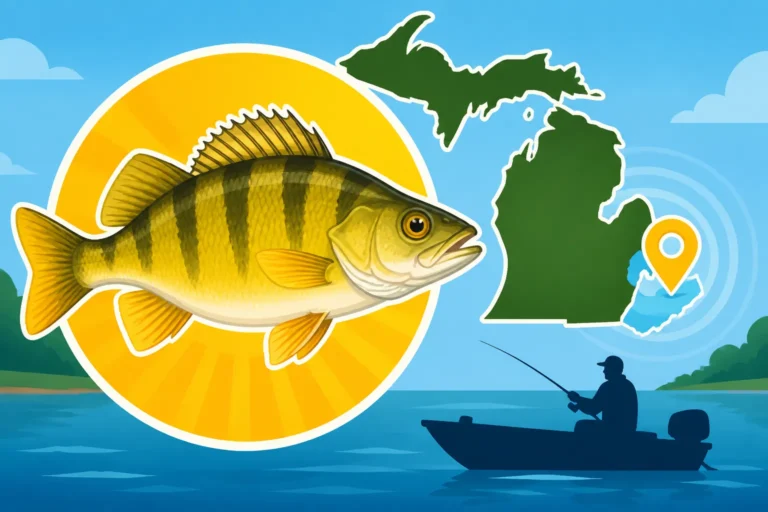
If walleye is the king, then yellow perch is certainly the queen of Michigan's edible fish. These smaller cousins of the walleye share many of the same desirable traits: firm, white, flaky, and exceptionally mild meat. What they lack in size, they more than make up for in sheer deliciousness.
Perch are often caught in large numbers, making them a fantastic option for a big fish fry. They're particularly popular on Lake St. Clair and Saginaw Bay, and in many of our shallower inland lakes. Cleaning a mess of perch can take a bit of time due to their size, but the reward is absolutely worth it. Many anglers prefer to scale and gut them, then fry them whole or butterfly them if they're a bit larger. The flavor is delicate and sweet, perfect for those who might be hesitant about stronger-tasting fish. You might be surprised at just how addictive a plate of perfectly fried yellow perch can be. Want to learn more about targeting them? We have a great guide on Yellow Perch Fishing in Michigan.
Salmon and Trout: Richness from the Great Lakes
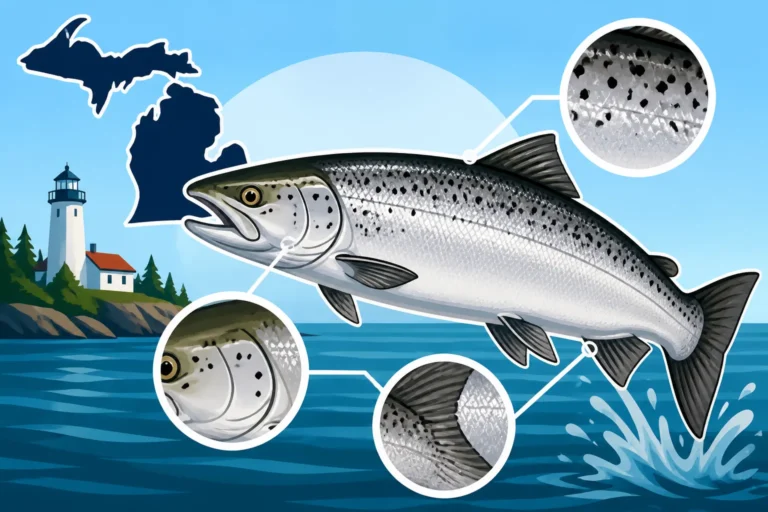
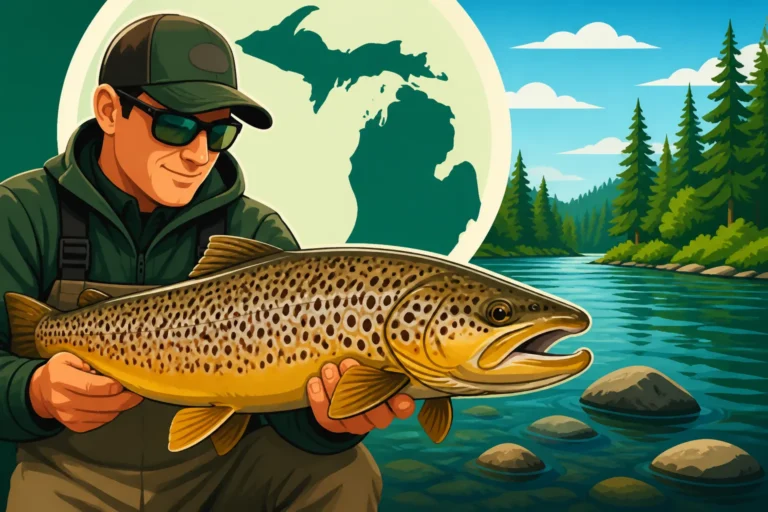
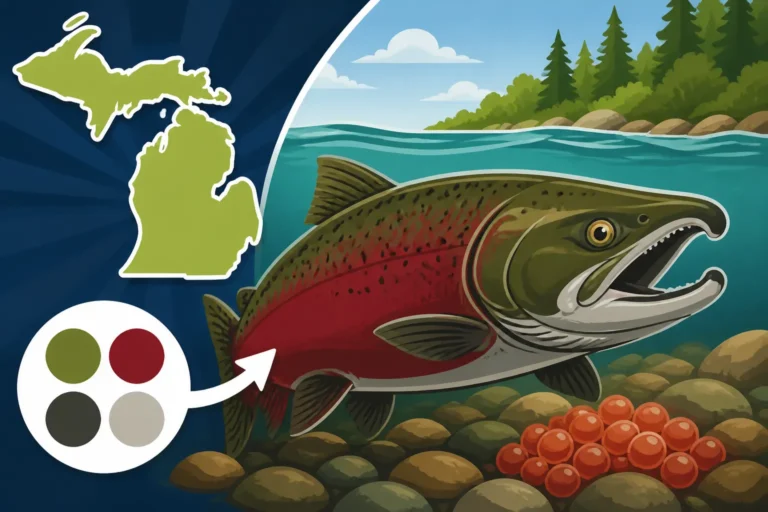
Michigan's Great Lakes are famous for their world-class salmon and trout fishing. These species, including Chinook salmon, Coho salmon, and various types of trout like lake trout and steelhead, offer a completely different flavor profile compared to walleye or perch. Their meat is typically richer, fattier, and more vibrantly colored, ranging from deep orange to light pink.
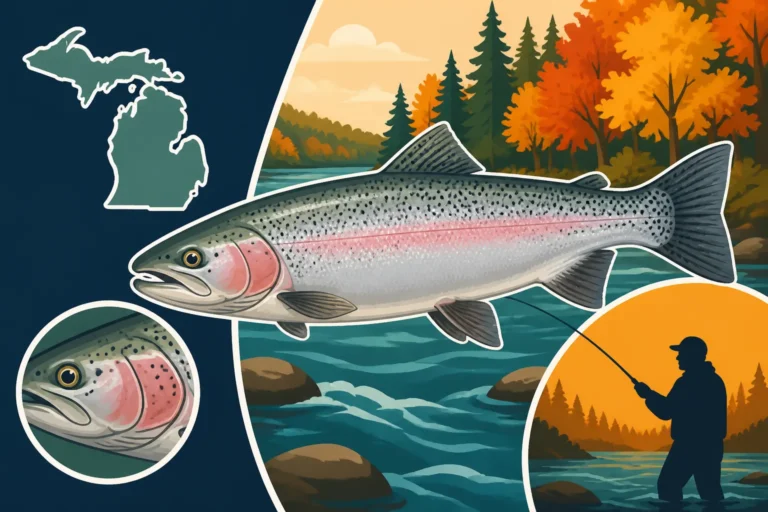
Chinook (King) salmon and Coho salmon are prized for their rich, oily flesh, which is packed with beneficial omega-3s. This richness makes them incredibly flavorful when grilled, baked, or smoked. The oil content also helps keep the meat moist during cooking. Lake trout, particularly those from the colder, deeper waters of Lake Superior, can also be quite fatty, making them excellent for smoking. Steelhead, which are migratory rainbow trout, offer a firmer, milder pinkish flesh that's fantastic baked or grilled. While they have a stronger flavor than walleye, many consider it a delightful, robust taste. Understanding Michigan Salmon Species Explained and Michigan Trout Species Explained can help you differentiate between these fantastic game fish.
Panfish: The Family-Friendly Catch
For many families, especially those with kids, panfish are the entry point into the joys of fishing and eating your catch. This category includes bluegill, crappie, and sunfish – small, abundant, and incredibly fun to catch. Their small size makes them easy to clean (though you'll need a lot of them for a meal!), and their meat is sweet, white, and tender.
Panfish are typically found in inland lakes and calmer river sections, making them accessible to anglers of all ages and skill levels. They’re fantastic for a simple shore lunch, pan-fried with a light breading. The sweetness of bluegill and crappie is a particular highlight, offering a clean taste that is universally appealing. While they might not offer large fillets, the sheer quantity you can often catch means a bountiful meal. They're a great way to introduce new anglers to the delicious rewards of fishing.
Northern Pike: The Challenge and the Reward
Northern pike often get a mixed reputation as table fare, and honestly, a lot of it comes down to how they're handled and prepared. Yes, they have those notorious "Y-bones," which can be a pain if you don't know how to fillet around them. However, if you master the art of the five-fillet method or simply grind the meat for patties, you'll be rewarded with surprisingly white, flaky, and mild meat.
Pike are predators found in many of Michigan's inland lakes and slower-moving rivers. Their diet consists of other fish, and in cleaner, colder waters, their flesh can be quite good. The key is proper handling and preparation. If you're willing to put in a little extra effort, pike can be a fantastic and sustainable option. Don't let the bones scare you off entirely; there are plenty of online tutorials, and even some specialty fillet knives you can find on Amazon, that make the job much easier. If you're interested in pursuing them, check out Northern Pike Fishing in Michigan.
Factors Influencing the Taste and Quality of Your Catch
It's not just the species that determines how good a fish tastes. Several factors come into play, from the environment the fish lives in to how you handle it once it's on the hook. Understanding these can help you maximize the flavor of your Michigan catch.
Water Quality and Diet
This is perhaps one of the most significant factors influencing a fish's taste. Fish from clean, cold, clear waters with abundant natural forage generally taste much better than those from warm, stagnant, or nutrient-rich environments. For instance, a walleye caught from the deep, pristine waters of Lake Superior will often have a cleaner, milder flavor than one from a shallower, warmer inland lake with higher aquatic vegetation.
The fish's diet also plays a crucial role. Fish that feed on a variety of smaller baitfish and invertebrates tend to have a more balanced and appealing flavor. Sometimes, certain diets can impart a "muddy" or "weedy" taste, particularly in species like bass or pike from specific warm, shallow areas. This isn't a hard and fast rule, but it's why anglers often seek out fish from specific lakes or river systems known for their excellent table fare.
Size, Age, and Spawning Condition
Generally speaking, younger, smaller to medium-sized fish tend to have the best flavor and texture. Their meat is often more tender and milder. As fish get older and larger, their meat can sometimes become tougher, coarser, or develop a stronger "fishy" flavor. For instance, a 15-inch walleye is often preferred over a 30-inch trophy for eating purposes. This is why many experienced anglers practice selective harvest, keeping smaller fish for the pan and releasing the larger breeding stock.
The spawning cycle can also affect taste. Fish that are actively spawning or have just finished spawning might have softer flesh or a different flavor due to the physiological demands on their bodies. Their energy reserves are depleted, and their focus isn't on eating, which can impact fat content and flavor.
Immediate Post-Catch Handling
This is arguably the most critical factor within an angler's control. How you treat your fish in the moments after you catch it directly impacts its quality on the plate.
- Bleeding: If possible and legal for the species, bleeding your fish immediately after landing it can dramatically improve flavor and appearance. This removes blood from the flesh, which can contribute to a stronger, more "fishy" taste and a less appealing color. A quick cut to the gills or throat, then placing the fish in a bucket of water or directly into your cooler, allows the blood to drain.
- Cooling: Get your fish on ice as quickly as possible. This stops bacterial growth and preserves the freshness and texture of the meat. A good cooler packed with ice is essential. Never let your fish sit in warm water or direct sunlight. The sooner you get it chilled, the better it will taste.
- Cleaning: Proper and timely cleaning is also vital. Whether you're filleting on the boat, at the cleaning station, or at home, removing the guts promptly prevents digestive enzymes from breaking down the flesh.
Neglecting any of these steps can turn an otherwise delicious fish into a subpar meal, no matter the species.
Preparing Your Catch for the Plate
You've done the hard work of catching and properly handling your fish; now it's time to prepare it for cooking. The right preparation can elevate your meal from good to absolutely unforgettable.
Essential Cleaning and Filleting Techniques
Before you cook, you need to clean. For many species, especially larger ones like walleye, salmon, or trout, filleting is the preferred method. This involves removing the flesh from the bones, leaving you with boneless, skinless (or skin-on, depending on preference) portions ready for cooking. Investing in a good, sharp fillet knife is crucial – you can find excellent options on Amazon that make the job much easier and safer.
- Walleye & Perch: These fish have relatively easy-to-remove fillets. A simple two-sided fillet will yield a boneless piece of meat. For perch, some anglers prefer to just scale and gut, then fry whole.
- Salmon & Trout: These larger fish are also typically filleted. Many prefer to leave the skin on for grilling or baking, as it helps hold the fillet together and adds flavor. You might also find a dedicated guide on How to Fillet a Lake Trout for more specific techniques.
- Northern Pike: As mentioned earlier, pike can be tricky due to the "Y-bones." Learning the five-fillet method or using the meat for grinding can overcome this challenge. Don't be intimidated; with practice, it becomes second nature. There's even a guide on How to Fillet a Muskellunge that shares similar techniques for big, bony fish.
Always rinse your fillets in cold water and pat them dry thoroughly before cooking. Excess moisture can lead to steaming instead of searing, preventing that perfect crispy texture.
Popular Cooking Methods for Michigan Fish
Once cleaned, Michigan fish are incredibly versatile in the kitchen. Here are some of the most popular and delicious ways to prepare them:
- Pan-Frying: This is the classic method for walleye, yellow perch, and panfish. A light dredge in seasoned flour, cornmeal, or a breading mix, then pan-fried in butter, oil, or a combination, creates a crispy exterior and tender, flaky interior. It's simple, quick, and highlights the natural flavor of the fish.
- Baking/Roasting: Ideal for larger fillets of salmon, trout, or even walleye. A little olive oil, lemon, herbs like dill or parsley, and some salt and pepper are all you need. Baking at around 375-400°F (190-200°C) until the fish flakes easily is a healthy and delicious option. Wrapping in foil can help retain moisture.
- Grilling: Salmon and trout, with their higher fat content, stand up beautifully to grilling. The skin-on side cooked first helps prevent sticking. A cedar plank can add a wonderful smoky flavor. Even firmer white fish like walleye can be grilled, especially in a grill basket.
- Smoking: Lake trout and salmon are particularly excellent when smoked. The rich, oily flesh absorbs the smoke flavor beautifully, creating a tender, savory, and long-lasting product. This is a popular way to preserve and enjoy a large catch.
- Deep Frying: While not the healthiest, it's undeniably delicious, especially for fish fries with perch or walleye. A good beer batter or a simple seasoned flour coating, deep-fried until golden brown, is a crowd-pleaser. Just be sure to use oil at the proper temperature for crispiness without greasiness.
No matter the method, don't overcook your fish! Freshwater fish cook quickly, and overcooked fish can become dry and tough. The goal is just until it flakes easily with a fork.
Considerations Beyond Taste: Sustainability and Health
While taste is a huge factor, as responsible anglers and consumers, we also need to consider the broader implications of harvesting fish from our Michigan waters.
Understanding Consumption Advisories
Michigan's Department of Health and Human Services (MDHHS) issues fish consumption advisories for various lakes and rivers. These advisories are based on testing for contaminants like mercury and PCBs, which can accumulate in fish flesh, especially in older, larger predatory fish. It's crucial to check these advisories, particularly if you're frequently eating fish from specific bodies of water.
These advisories don't mean the fish are unsafe to eat at all, but they provide guidelines on how much fish from certain areas or species (especially larger ones) is safe to consume, especially for vulnerable populations like pregnant women or young children. You can usually find these advisories on the Michigan Department of Natural Resources (DNR) website. Making informed choices helps ensure you're enjoying your catch safely.
Practicing Sustainable Harvest
Michigan has strict Michigan Fishing Regulations Every Angler Should Know, including Michigan Bag and Size Limits Explained for a reason: to protect our precious fish populations for future generations. Practicing sustainable harvest means:
- Adhering to Limits: Always respect daily possession limits, like the Michigan Walleye Daily Possession Limit or Michigan's Combined Trout and Salmon Possession Limit. These are put in place to prevent overfishing.
- Selective Harvest: Consider releasing the largest, oldest fish of a species. These "trophy" fish are often the most prolific breeders and contribute significantly to the health of the fishery. Catch-and-release techniques, particularly for species like muskellunge, are vital. You can learn more about this in our guide on How to Catch and Release a Muskellunge.
- Knowing Your Species: Be able to accurately identify what you've caught. This not only ensures you're following regulations but also helps you make informed decisions about consumption.
By fishing responsibly, we ensure that Michigan's waters continue to provide delicious and healthy fish for years to come.
Personal Preference and Experimentation
Ultimately, the "best" fish for eating in Michigan comes down to personal preference. What one person finds mild and delightful, another might find bland. What one loves for its richness, another might find too oily. Don't be afraid to experiment!
Try different species, prepare them with various cooking methods, and explore different seasonings. The joy of fishing is not just in the catch, but in the entire experience, including the culinary adventure afterward. So next time you're out on the water, whether it's the vast expanse of Lake Michigan or a quiet inland pond, consider the bounty Michigan offers and enjoy the fresh, delicious flavors our waters provide.
Michigan's Top Edible Fish at a Glance
Here's a quick comparison of some of Michigan's favorite fish for the dinner plate:
| Fish Species | Flavor Profile | Texture | Common Cooking Methods | Best Size for Eating | Notes |
|---|---|---|---|---|---|
| Walleye | Mild, sweet, clean | Flaky, firm | Pan-fry, bake, grill | 15-20 inches | Freshwater favorite, consistently excellent. |
| Yellow Perch | Mild, sweet, delicate | Flaky, tender | Pan-fry, deep-fry (whole) | 6-10 inches | Small but abundant and incredibly tasty. |
| Chinook Salmon | Rich, oily, robust | Firm, full-bodied | Grill, bake, smoke | Any size | High in omega-3s, distinct salmon flavor. |
| Coho Salmon | Rich, less oily than Chinook | Firm, moist | Grill, bake, smoke | Any size | Great flavor, slightly milder than Chinook. |
| Lake Trout | Rich, often fatty | Firm, can be oily | Bake, smoke, grill | Smaller (under 25") | Flavor varies, best from cold, clean water; excellent smoked. |
| Steelhead | Mild-medium, fresh | Firm, pinkish meat | Bake, grill, pan-fry | Any size | Migratory rainbow trout, clean flavor. |
| Bluegill/Crappie | Sweet, delicate | Tender, flaky | Pan-fry, deep-fry | 6-10 inches | "Panfish" favorites, great for kids and fish fries. |
| Smallmouth Bass | Mild-medium, firm | Flaky, firm | Pan-fry, bake, grill | 12-16 inches | White meat, can be slightly "gamey" depending on water. |
| Northern Pike | Mild, white, firm | Flaky | Bake, pan-fry, grind | Smaller (20-30") | Requires careful filleting due to Y-bones, but rewarding. |
| Whitefish | Delicate, sweet | Flaky, tender | Bake, smoke, pan-fry, broil | Any size | Great Lakes staple, very clean, mild flavor. |
Disclaimer
This article is for general informational purposes only and does not constitute professional advice. Laws, prices and regulations vary by location and change over time. Consult a qualified professional for guidance on your specific situation.