Michigan Salmon Species Explained
It can be incredibly confusing to keep track of all the different salmon species that call Michigan's diverse waters home. You've heard whispers of "Kings" and "Cohos," maybe even "Atlantics," but knowing what makes each one unique, where to find them, and how to tell them apart can feel like deciphering a secret code. This comprehensive guide is designed to unravel that mystery, providing you with a deep understanding of every salmon species swimming in Michigan, so you can approach your next fishing adventure with confidence and knowledge.
The Lure of Michigan Salmon: Why They Matter to Anglers
For many Michigan anglers, salmon fishing isn't just a hobby; it's a passion, a way of life, and a deeply ingrained part of our state's outdoor heritage. These powerful, acrobatic fish offer an unparalleled challenge, whether you're battling them in the vast expanse of the Great Lakes or chasing them up a roaring river during their spawning run. The thrill of a screaming reel as a big Chinook takes line, or the subtle tug of a Coho in a quiet pool, creates memories that last a lifetime. It's an experience that draws people from all walks of life, from seasoned veterans who've spent decades on the water to excited newcomers hoping to catch their first "chrome bright" fish.
More Than Just a Fish: The Cultural Impact
The pursuit of salmon in Michigan carries a significant cultural weight, especially in communities nestled along the Great Lakes shorelines and major river systems. Fall, in particular, transforms these areas into hubs of activity, as anglers descend upon prime spots, waders clad, ready for the annual migration. This shared experience fosters a strong sense of community, where stories are swapped, tips are exchanged, and friendships are forged over the shared love of the sport. Local diners buzz with talk of "the bite," tackle shops become social centers, and the rhythm of life slows down just enough to appreciate the natural spectacle unfolding. The salmon runs are a cornerstone of many local economies and a central theme in countless family traditions, passed down through generations.
The sheer excitement of landing a trophy salmon also inspires storytelling, with tales of epic battles against powerful fish becoming legendary among fishing buddies. You’ll hear seasoned anglers recount their biggest catches, sometimes stretching the truth a bit for dramatic effect, but always rooted in a genuine appreciation for these magnificent creatures. This oral tradition enriches the fishing culture, cementing salmon as an iconic species in the hearts of Michigan residents. It’s a collective experience that binds anglers together, creating a vibrant and enduring legacy for the sport.
Economic Engine: The Sport Fishing Industry
Beyond the cultural significance, salmon fishing is a critical economic driver for Michigan. The influx of anglers each season fuels a substantial industry, supporting countless small businesses and jobs across the state. Think about it: every trip requires gear, from specialized rods and reels to a vast array of lures, lines, and waders. Then there's the bait, the gas for the boat, the charter fees, and the overnight stays at motels or campgrounds. All these expenditures ripple through local economies, supporting tackle shops, bait stores, marinas, restaurants, and lodging establishments. It’s a clear example of how a vibrant natural resource can directly translate into tangible economic benefits for communities, especially those in more rural areas.
Furthermore, the demand for high-quality fishing equipment has spurred innovation and a competitive market. Anglers are always looking for the next best thing, whether it's a new sonar system to mark fish in deep water or a more durable pair of waders for navigating rocky riverbeds. Companies big and small contribute to this bustling marketplace, constantly developing new products tailored to the specific challenges of salmon fishing. This economic activity also helps fund conservation efforts, as a portion of fishing license sales directly supports the Michigan Department of Natural Resources (DNR) in their ongoing work to manage and sustain these valuable fish populations for future generations.
Understanding Michigan's Salmon Species: A Deep Dive
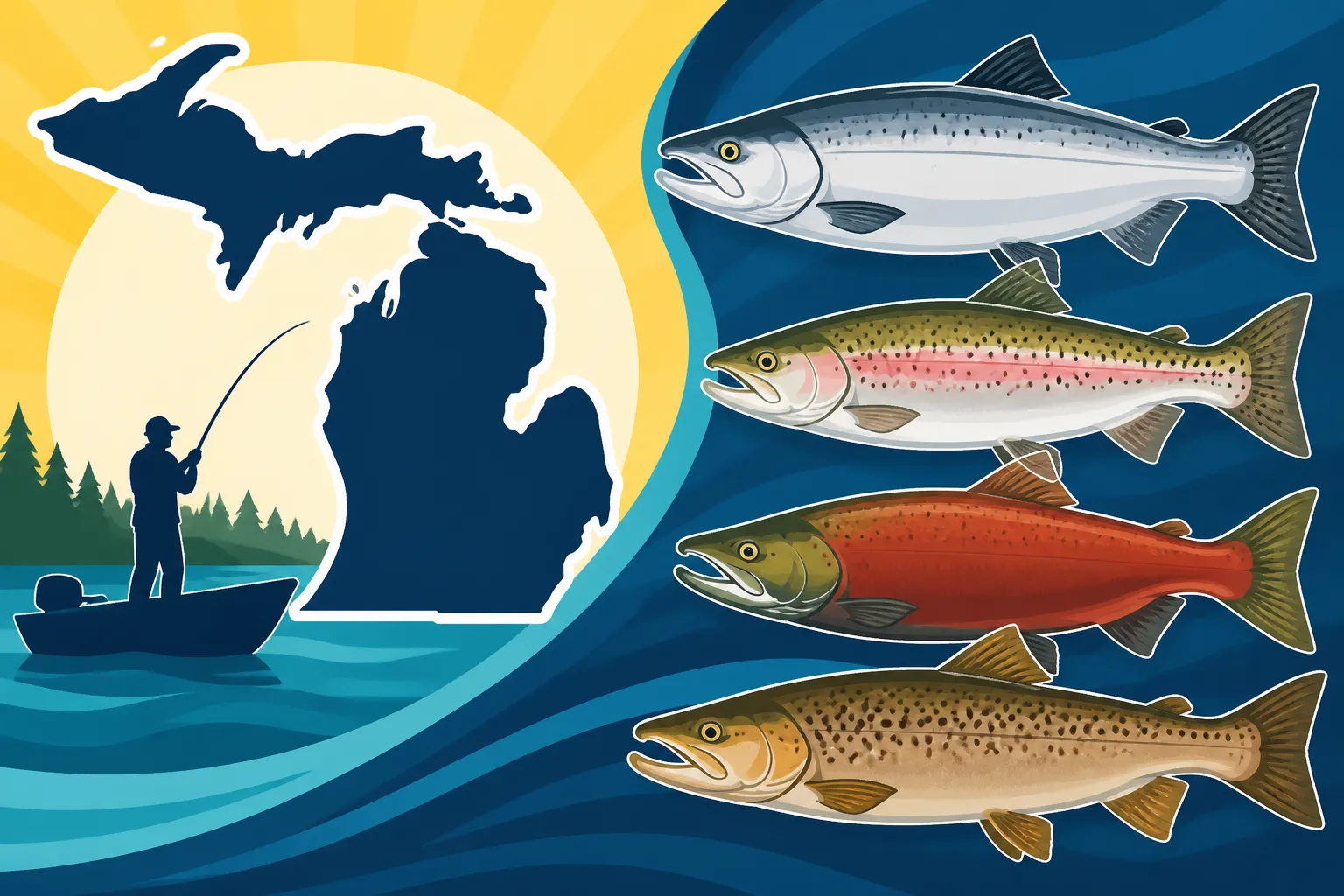
Michigan's waters are home to several distinct species of salmon, each with its own unique characteristics, life history, and preferred habitats. While they all share the general salmonid family traits of sleek bodies and powerful tails, understanding the nuances between them is key to successful angling and appreciation of our diverse fishery. We're primarily talking about Pacific salmon that have been introduced to the Great Lakes, alongside a unique population of Atlantic salmon.
Chinook Salmon: The Kings of the Great Lakes
When most anglers in Michigan talk about "salmon," they're often picturing the mighty Chinook. These fish are true titans, earning them the nickname "King Salmon." They are known for their sheer size and incredible strength, offering a fight that can test even the most experienced angler. Chinook were introduced to the Great Lakes in the late 1960s, primarily to combat the exploding alewife population, an invasive forage fish. They thrived in the cold, deep waters of the lakes, quickly establishing themselves as the premier sport fish.
Chinook salmon spend most of their lives growing large in the open waters of the Great Lakes, feeding voraciously on smaller baitfish. As they mature, typically over three to five years, they can reach impressive sizes, often topping 20 pounds, with some exceptional individuals pushing well over 30 or even 40 pounds. The current state record stands as a testament to their potential. These powerful fish offer incredible runs and deep dives, making them a formidable opponent on the end of a line. When their time comes to spawn, usually in the late summer and fall, they undertake epic migrations into Michigan's major tributary rivers, transforming from chrome-bright lake dwellers into dark, hooked-jawed spawners.
Coho Salmon: The Silver Bullet
Often overshadowed by their larger Chinook cousins, Coho salmon, also known as "Silver Salmon," are magnificent fish in their own right, and a favorite among many Michigan anglers. Like Chinooks, Cohos were introduced to the Great Lakes in the 1960s, primarily from Pacific Northwest stocks, and quickly adapted to the freshwater environment. They are known for their striking silver flanks and vibrant, often orange-red, flesh, which makes them highly prized for the table. While generally smaller than Chinooks, typically weighing between 5 and 15 pounds, they are incredibly acrobatic and put up a fantastic fight, often leaping clear of the water when hooked.
Cohos typically have a shorter life cycle than Chinooks, spending about 18 months in the Great Lakes before returning to rivers to spawn in the fall. This shorter residency means they don't grow as large, but their aggressive feeding habits and spirited battles make them a fantastic target. They tend to school up in nearshore waters before their spawning runs, making them accessible to pier and shore anglers, as well as boaters. During their river migrations, Cohos can be incredibly feisty, often responding well to aggressive lure presentations. Their presence adds another exciting dimension to Michigan's already rich salmon fishing opportunities.
Atlantic Salmon: A Unique Michigan Story
The presence of Atlantic salmon in Michigan is a really cool story, and it sets our state apart from many other freshwater fisheries. While Chinook and Coho are Pacific species, Atlantic salmon are native to the Atlantic Ocean and its tributary rivers. In Michigan, efforts to establish a self-sustaining population have focused primarily on the St. Marys River, which connects Lake Superior to Lake Huron. These fish are unique among the Great Lakes salmonids for their ability to potentially spawn multiple times, unlike their Pacific cousins who typically die after their first spawning run.
Michigan's Atlantic salmon fishery is often considered a trophy fishery, with anglers pursuing these beautiful fish for their challenging fight and elegant appearance. They typically average around 5-10 pounds, but can grow larger, offering a powerful, yet graceful, battle. Unlike the massive runs of Pacific salmon, Atlantics in Michigan are generally found in specific areas, making them a more specialized target for dedicated anglers. Their life history involves spending time in the Great Lakes before returning to rivers like the St. Marys to spawn. The success of this program is a testament to careful management and dedicated stocking efforts, providing a truly unique angling experience in the Great Lakes basin. You'll often find anglers specifically targeting these beauties, appreciating their distinctive characteristics.
Pink Salmon: The Humpbacks of the North
Pink salmon, often affectionately called "humpies" due to the pronounced hump that develops on the backs of spawning males, are the smallest of Michigan's salmon species. They are primarily found in Lake Superior and its tributaries, having established a self-sustaining population after an accidental introduction in the mid-20th century. While not targeted with the same intensity as Chinooks or Cohos, they offer a fun and accessible fishing opportunity, especially for those exploring the northern reaches of the Upper Peninsula.
Pinks are easily identifiable by their small scales, large spots on their tails, and their rapid two-year life cycle. They typically weigh just a few pounds, making them a great target for light tackle. During their spawning runs in late summer and early fall, these fish can be found in incredible numbers in streams and rivers feeding into Lake Superior. Their aggressive nature, despite their size, makes them a blast to catch on small spinners or flies. While they might not be the giants of the salmon world, the abundance of pink salmon provides a unique angling experience, particularly for those exploring the wilder, colder waters of Michigan's far north.
Identifying Michigan's Salmon Species: Key Features
Knowing your salmon species isn't just about bragging rights; it can also be crucial for adhering to specific regulations, as some species might have different size or bag limits. Plus, it just adds to your appreciation of the fish you catch! While the different species share some general characteristics, there are distinct visual cues that will help you tell them apart both in and out of the water.
Visual Distinctions: Color, Shape, and Mouth
One of the first things to notice when trying to identify a salmon is its overall coloration and body shape. Lake-phase Chinook salmon, when fresh from the Great Lakes, are typically dark blue-green on their backs, with silvery sides and a somewhat stout, powerful body. Their mouth often has a dark gum line, sometimes completely black. Coho salmon, also fresh from the lake, tend to be more uniformly silver on their sides with a darker blue-green back, often described as a more "torpedo-like" or streamlined shape than a Chinook. A key identifier for Coho is a white or light-colored gum line along the base of their teeth in the lower jaw, which is a stark contrast to the dark gums of a Chinook.
Atlantic salmon, when caught in the Great Lakes or during their river migrations, are often described as having a more sleek and graceful appearance, with a bluish or greenish back and silvery sides, sometimes with distinct spots. Their body is generally more slender than a Chinook. Pink salmon, as mentioned, are the smallest, with a silvery body that develops into a pronounced hump on males during spawning season, and large, oval spots on their backs and tail. Observing these general body and mouth characteristics can give you a strong initial clue, but it’s often necessary to look closer at other features to confirm your identification.
Fin and Tail Clues: Counting Rays and Spots
Beyond the general appearance, looking closely at the fins and tail can provide definitive identification markers. Chinook salmon typically have small, irregular spots on both lobes of their caudal (tail) fin, and their tail is often deeply forked. They also tend to have a longer anal fin (the fin on the underside near the tail) with 13-19 rays. Coho salmon, in contrast, usually have spots only on the upper lobe of their tail fin, and while their tail is also forked, the spotting pattern is a reliable differentiator. Their anal fin typically has 12-15 rays, which can overlap with Chinook, making the tail spotting more critical.
Pink salmon are perhaps the easiest to identify by their fins and tail. They have large, oval black spots on both lobes of their caudal fin, often extending onto their back, and a very deeply forked tail. Their scales are notably smaller than other salmon, giving them a smoother appearance. Atlantic salmon are a bit trickier; they have fewer spots, usually concentrated on their back and upper sides, and typically have no spots on their tail fin at all, or only a few faint ones. Their tail is also typically less forked than Pacific salmon. Combining these fin and tail characteristics with the mouth and body shape observations will help you confidently identify your catch.
Spawning Phase Transformations: What to Expect
It’s important to remember that salmon undergo dramatic physical transformations as they transition from their lake-dwelling, feeding phase to their river-dwelling, spawning phase. These changes can make identification more challenging if you're only familiar with their "chrome bright" lake appearance. For example, both Chinook and Coho salmon will lose their silvery sheen and become much darker, often brownish, olive, or even reddish, as they enter the rivers. Their skin thickens, and males develop a pronounced kype, or hooked jaw, which is used in aggressive displays with other males.
Spawning Chinook males will become very dark, almost black, with a deep red or brown tint, and their kypes become very exaggerated. Coho males also darken significantly, often taking on a reddish or maroon hue, and develop a kype, though usually less pronounced than a large Chinook. Pink salmon males, as their name suggests, develop a very distinctive hump on their back, making them quite unmistakable. Atlantic salmon, while also changing color to a more bronzed or reddish hue, typically maintain a more streamlined shape and don't develop the same degree of kype or hump as the Pacific species. Understanding these transformations is crucial, as a dark, kyped male salmon in a river might look very different from the sleek, silver fish you might have caught offshore just weeks earlier.
Where to Find Michigan's Salmon: Habitat and Hotspots
Michigan is truly blessed with an incredible variety of waters, and understanding where each salmon species prefers to spend its time is key to successful fishing. Whether you're a seasoned boat captain or a shore-bound angler, there's a place for you to pursue these magnificent fish. The Great Lakes themselves are the primary feeding grounds, while countless rivers and streams serve as vital spawning highways.
Great Lakes Open Water: Trolling Grounds
For much of their lives, Michigan's Chinook, Coho, and Atlantic salmon inhabit the vast, cold waters of the Great Lakes. This is where they grow large, feeding on abundant forage fish like alewives, smelt, and other baitfish. Anglers targeting these "chrome bright" fish typically use specialized trolling techniques from boats equipped with downriggers, planer boards, and advanced sonar systems. Lake Michigan, Lake Huron, and Lake Superior are all prime Great Lakes salmon fisheries, each offering slightly different opportunities.
Lake Michigan is arguably the most famous for its Chinook and Coho fishing. Huge areas of the lake, from the southern basin near St. Joseph all the way up to the waters off Traverse City, are renowned for producing incredible catches. Anglers will often motor miles offshore to find temperature breaks and baitfish schools, where salmon congregate. Trolling for Chinook Salmon on Lake Michigan is a popular technique during the summer months. Lake Huron also boasts excellent salmon fishing, particularly for Chinook and Atlantic salmon, with areas around the Straits of Mackinac and Thunder Bay being particularly productive. Lake Superior, while colder and deeper, offers fantastic Coho and Pink salmon opportunities, especially in its western basin, and even some hardy Chinooks. The vastness of these lakes means opportunities are widespread, but knowing where to start often comes down to tracking water temperatures, bait concentrations, and understanding seasonal patterns. If you're looking to gear up for Great Lakes trolling, remember you can often find good deals on equipment like downriggers, rod holders, and heavy-duty trolling rods on platforms like Amazon, making sure you're ready for the big water.
River Runs: Spawning Migrations
The drama of Michigan salmon fishing truly intensifies when the fish begin their annual spawning migrations into the state's rivers and streams. This usually kicks off in late summer and continues through the fall, turning many of Michigan's iconic waterways into world-class fishing destinations. Michigan's Fall Salmon Run Fishing is an experience every angler should witness, if not participate in. Chinook salmon are often the first to enter the larger river systems, followed by Cohos, and then Pink salmon in Lake Superior tributaries. Atlantic salmon, too, make their way into rivers like the St. Marys.
Michigan boasts an impressive list of rivers famous for their salmon runs. The Manistee River, Pere Marquette River, and Au Sable River in the Lower Peninsula are legendary for their Chinook and Coho runs, attracting anglers from across the country. In the Upper Peninsula, rivers flowing into Lake Superior, such as the Chocolay River and the Two Hearted River, see strong runs of Coho and Pink salmon. These river runs require a different approach than lake fishing, often involving wading, drift fishing, float fishing, or casting from shore. Anglers use everything from spawn bags and beads to twitching jigs and crankbaits to entice these often-aggressive, yet sometimes finicky, fish. Finding access points, understanding river flow, and knowing the timing of the runs are all crucial for success. Best Salmon and Steelhead Rivers in Michigan offers more details on specific river systems.
Specific Lake Preferences by Species
While the Great Lakes are their general home, each salmon species can show a preference for certain lakes or regions within them. For instance, Chinook salmon are widely distributed throughout Lake Michigan and Lake Huron, thriving in the deep, cold waters where their primary forage, alewives, are abundant. You'll find them across a wide range of depths, from nearshore structure to far offshore temperature breaks. Chinook Salmon in Michigan's Great Lakes are a cornerstone of the fishery. Coho salmon also populate Lake Michigan and Lake Huron, but they tend to be found in slightly shallower, often nearshore, waters during certain times of the year, making them more accessible to smaller boats and even pier anglers, especially in spring and fall. Coho Salmon Fishing in Michigan is incredibly popular.
Atlantic salmon, as mentioned, are primarily associated with Lake Huron and Lake Superior, with the St. Marys River being their most significant stronghold. They are a unique challenge, often found in specific current areas or near structure rather than ranging widely in the open lake. Pink salmon are almost exclusively a Lake Superior phenomenon in Michigan, their populations thriving in the colder, pristine waters of the northern Great Lake and its short, steep tributaries. Understanding these specific preferences can help you narrow down your search and maximize your chances of encountering your target species. Knowing the general geographic distribution and ecological niches of each species provides a roadmap for your angling adventures.
Michigan Salmon Life Cycles and Behaviors
The journey of a Michigan salmon is nothing short of extraordinary, involving incredible feats of migration, dramatic physical changes, and a relentless drive to reproduce. Understanding these life cycles and behaviors not only makes you a more knowledgeable angler but also helps you appreciate the resilience and complexity of these fascinating fish. From their humble beginnings as eggs in a riverbed to their final, arduous spawning run, each phase is critical.
The Anadromous Journey: Lake to River and Back (for most)
Most of Michigan's salmon species are anadromous, meaning they spend the majority of their adult lives feeding and growing in saltwater (or in our case, the freshwater "inland seas" of the Great Lakes) before migrating upstream into freshwater rivers and streams to spawn. This is a crucial distinction that defines their life cycle. After hatching from eggs laid in gravel nests (redds) in rivers, young salmon (fry and parr) spend a period of time in their natal streams, feeding and growing. As they mature into smolts, they undergo a physiological transformation that allows them to adapt from freshwater to the Great Lakes environment. This process is called "smoltification."
Once in the Great Lakes, these smolts disperse, growing rapidly as they feast on abundant forage fish. They can travel hundreds of miles, exploring vast areas of the lakes. This period of growth is where they pack on the pounds and develop their incredible strength and fighting prowess. After several years (the exact duration varies by species), an instinctual urge compels them to return to the very rivers where they were born, or where they were stocked as smolts. This incredible homing instinct is one of the marvels of the natural world, guiding them back to complete their life cycle. Only Atlantic salmon have the potential to survive and spawn again, whereas the Pacific salmon (Chinook, Coho, Pink) typically die after their first spawning effort, their bodies nourishing the next generation of aquatic life.
Spawning Rituals and Reproduction
The spawning ritual of salmon is a dramatic and vital part of their life cycle, marking the culmination of their arduous journey. As salmon enter the rivers, their bodies undergo those profound changes we discussed earlier – darkening skin, hooked jaws on males (kypes), and a general shift of energy from growth to reproduction. The females locate suitable gravel beds, typically in areas with good current and oxygen flow, and begin to dig a "redd" – a shallow, oval-shaped nest – using powerful flicks of their tail.
Once a redd is prepared, the female will deposit her eggs into it, while one or more males fertilize them simultaneously. This process is repeated multiple times, with the female covering the eggs with gravel after each deposition. The male salmon vigorously defend their spawning territory, displaying aggressive behavior towards rivals and even other fish. After the eggs are laid and fertilized, the salmon's energy stores are completely depleted. For Chinook, Coho, and Pink salmon, this is the end of their life cycle; they die, their carcasses providing nutrients to the river ecosystem. Atlantic salmon, however, may survive the spawning process and return to the Great Lakes, with the potential to spawn again in future years, though this is less common in freshwater environments than in their native marine habitats.
Diet and Feeding Habits Throughout Their Lives
Understanding what Michigan's salmon eat is crucial for anglers trying to select the right lures and baits, and it also sheds light on their ecological role in the Great Lakes. During their early lives in the rivers, young salmon primarily feed on aquatic insects, insect larvae, and small crustaceans. As they grow larger and prepare for their migration to the Great Lakes, their diet shifts to include more protein-rich foods. This transition to a more piscivorous (fish-eating) diet is essential for their rapid growth in the lakes.
Once in the Great Lakes, their diet consists predominantly of smaller baitfish. Alewives are a primary food source for Chinook and Coho salmon, and their abundance (or scarcity) significantly impacts the health and size of the salmon populations. Smelt, gobies, and even smaller members of their own species or other salmonids can also be part of their diet. This opportunistic feeding behavior makes them active predators in the Great Lakes food web. For anglers, this means imitating these forage fish is often the most effective strategy. Lures that mimic the size, shape, and flash of alewives or smelt, or baits like cut bait or whole minnows, are often highly successful. Understanding these dietary preferences helps explain why certain presentations work better than others at different times of the year and in various locations.
Best Times to Target Michigan Salmon Species
Timing is everything when it comes to salmon fishing in Michigan. The dynamic nature of their life cycle means that opportunities change dramatically throughout the year, from the vast open waters of the Great Lakes to the intimate settings of tributary rivers. Knowing when to target each species significantly increases your chances of success and helps you prepare for the specific conditions you'll encounter. Michigan Fishing Season Dates and Rules are essential to consult before you head out.
Spring and Summer: Open Water Opportunities
The spring and summer months are prime time for targeting salmon in the open waters of the Great Lakes. As the ice recedes and water temperatures begin to rise, salmon become incredibly active, feeding aggressively to build up their energy reserves. In early spring, Coho salmon often dominate the nearshore bite, particularly in Lake Michigan. These "spring Coho" are highly sought after for their feisty fights and excellent table fare. As the water warms further, both Coho and Chinook salmon move into deeper, cooler waters, often congregating around thermal breaks and baitfish schools far offshore.
Summer sees peak Great Lakes trolling action, especially for Chinook salmon. Anglers will head out on Lake Michigan and Lake Huron, deploying multiple lines with downriggers, divers, and planer boards to cover a wide range of depths and present lures to actively feeding fish. This is when the biggest Kings are often caught, showcasing their immense power. Atlantic salmon in Lake Huron and Lake Superior also offer summer opportunities, often holding in specific current-rich areas. Best Months for Salmon Fishing in Michigan gives a detailed seasonal breakdown. Whether you're chasing the early spring Cohos near the piers or the huge summer Chinooks offshore, the warm weather months are synonymous with Great Lakes salmon action. You can find specialized trolling gear, including sturdy rods and reels perfect for battling these powerful fish, at retailers like Amazon, ensuring your setup is robust enough for the challenge.
Fall Runs: River Fishing Frenzy
As summer wanes and the days shorten, a new chapter in Michigan's salmon fishing story begins: the glorious fall river runs. This is arguably the most anticipated time of year for many anglers, as Chinook, Coho, and Pink salmon (in Lake Superior tributaries) leave the Great Lakes and surge upstream into their natal rivers to spawn. The sheer volume of fish and the accessibility of river fishing make this a truly unique and exciting experience. The exact timing of these runs can vary based on water temperatures, rainfall, and river flows, but generally, Chinooks start entering rivers in late August and September, followed closely by Cohos in September and October. Pink salmon runs into Lake Superior streams are typically from late August through September.
River fishing during the fall runs involves a completely different set of techniques and challenges. Anglers don waders and trek into rivers, using everything from float fishing with spawn bags or beads, to casting spinners, spoons, or crankbaits, and even fly fishing. The fish, driven by instinct, can be incredibly aggressive or maddeningly finicky, depending on conditions and their stage of migration. Hooking a fresh, chrome-bright salmon in a river is an unforgettable experience, as they often make powerful runs and spectacular leaps in the confined space. Michigan's Fall Salmon Run Fishing delves deeper into what makes this season so special. This intense period of activity draws thousands of anglers to rivers across the state, creating a vibrant, albeit sometimes crowded, fishing scene.
Seasonal Nuances for Each Species
While there are general seasonal patterns, each salmon species has its own subtle nuances regarding peak fishing times and locations. For Chinook salmon, the summer months (June, July, August) in the Great Lakes are prime for trolling, with the biggest fish often caught later in the season. Their river runs typically peak from late August through September. Coho salmon often offer excellent "pre-spawn" action in the Great Lakes in late summer and early fall, as they stage near river mouths before their own river migration, which usually peaks in September and October. Their spring runs also provide a distinct early-season opportunity.
Atlantic salmon in Michigan tend to be more consistent throughout the open water season, from spring through fall, in their specific habitats like the St. Marys River. They don't undertake the same dramatic mass migrations as Pacific salmon, offering a more year-round (open water) opportunity in their preferred waters. Pink salmon, with their strict two-year life cycle, have very predictable runs into Lake Superior tributaries in late summer and early fall, particularly in odd-numbered years when their populations tend to be larger due to synchronous spawning cycles. Understanding these individual species' rhythms can help you tailor your fishing calendar and strategies for maximum enjoyment and success.
Conservation and Management of Michigan's Salmon Fisheries
Michigan's salmon fishery is a success story born from careful management and ongoing conservation efforts. While these fish are not native to the Great Lakes (with the exception of Atlantic salmon in a very specific context), they have become an integral part of the ecosystem and a vital resource for anglers. Ensuring the long-term health and sustainability of these populations requires a collaborative effort from state agencies, researchers, and, crucially, the anglers themselves.
Stocking Programs and Their Importance
The very existence of widespread Pacific salmon populations in Michigan's Great Lakes is a testament to successful stocking programs initiated decades ago. Because these species don't naturally reproduce in sufficient numbers in most Great Lakes tributaries (due to a combination of habitat limitations, warmer water temperatures, and lack of suitable gravel for redds), regular stocking by the Michigan Department of Natural Resources (DNR) is essential. Millions of young Chinook, Coho, and Atlantic salmon smolts are raised in state hatcheries and released into various rivers and harbors across Michigan each year. This intensive stocking effort ensures a robust supply of fish for anglers to pursue.
These programs are not static; they are constantly reviewed and adjusted based on scientific data, including assessments of forage fish populations (like alewives), disease prevalence, and angler success rates. The goal is to strike a balance: providing ample fishing opportunities while maintaining a healthy Great Lakes ecosystem. Without these consistent stocking efforts, the incredible salmon fishing Michigan offers simply wouldn't exist in its current form. It's a prime example of how active management can create and sustain a world-class fishery, offering a remarkable blend of natural splendor and human intervention.
Regulations and Sustainable Fishing Practices
To ensure the sustainability of Michigan's salmon populations, a comprehensive set of fishing regulations is in place. These rules, developed and enforced by the DNR, cover everything from fishing seasons and daily bag limits to minimum size requirements and specific gear restrictions. The regulations are designed to manage harvest pressure, protect spawning fish, and ensure that enough fish survive to contribute to future generations. For example, Michigan Bag and Size Limits Explained outlines the specific rules for salmon, which can vary by species and even by waterbody.
As responsible anglers, it is our duty to understand and adhere to these regulations. This includes knowing when different seasons open and close, understanding the combined limits for trout and salmon, and correctly identifying our catch. Practicing catch-and-release, especially for certain species or when limits have been met, is another vital component of sustainable fishing. Using proper handling techniques, such as wet hands, minimal air exposure, and quick release, helps ensure that released fish have the best chance of survival. These practices, combined with enforcement, are critical for preserving the quality of Michigan's salmon fishing for years to come.
The Role of Anglers in Protecting Salmon
Anglers are not just beneficiaries of Michigan's salmon fishery; they are also crucial partners in its protection and management. Beyond simply following regulations, active participation and observation from the angling community provide invaluable data and support for conservation efforts. For instance, reporting tagged fish, participating in creel surveys, or simply noting unusual fish behavior or environmental changes can contribute to the DNR's understanding of salmon populations. Many anglers are passionate advocates for habitat protection, volunteering for river cleanup efforts or supporting organizations dedicated to aquatic conservation.
Furthermore, the revenue generated from the sale of fishing licenses and related excise taxes on fishing equipment directly funds state-level fisheries management and conservation programs. When you buy a Michigan fishing license, you are directly investing in the future of the salmon fishery and other aquatic resources. This financial contribution is fundamental to operating hatcheries, conducting research, monitoring populations, and enforcing regulations. The collective commitment of Michigan's angling community to responsible practices and conservation is a powerful force that helps ensure the continued health and abundance of these magnificent fish for all to enjoy.
Essential Gear and Techniques for Michigan Salmon Fishing
Outfitting yourself for Michigan salmon fishing can feel a little overwhelming, especially with the variety of species and the different environments you might encounter. But fear not, my friend! Whether you're planning to chase Kings on the big water or snag some Cohos in a river, having the right gear and a grasp of key techniques will make all the difference. Remember, the right tool for the job makes the job easier and more enjoyable.
Trolling Setups for the Great Lakes
When you're out on the vastness of the Great Lakes, pursuing Chinook, Coho, or Atlantic salmon, trolling is the name of the game. This isn't your grandpa's casual trolling with a single line; Great Lakes salmon trolling is a sophisticated operation. You'll often see boats rigged with multiple rod holders, strategically deploying lines at various depths and distances from the boat. The core of a Great Lakes trolling setup includes heavy-duty trolling rods and reels, typically spooled with braided line or monofilament in higher pound tests, capable of handling the powerful runs of a big King. Best Rods and Reels for Michigan Fishing can help you choose the right ones.
Downriggers are indispensable for getting lures down to precise depths where salmon are feeding, especially in deeper water. These devices allow you to clip your fishing line to a heavy cannonball weight, sending your lure down, and then releasing the line when a fish strikes. Planer boards are another common tool, used to spread lines out away from the boat, covering a wider swath of water and preventing tangles. Lure selection is critical, with spoons, crankbaits, and artificial flies (often fished behind dodgers or flashers) being popular choices. Having a well-organized tackle box filled with a variety of colors and sizes is essential, as salmon can be finicky. For durable tackle boxes and a wide array of trolling lures, checking out options on Amazon can be a great way to stock up before your next big lake adventure.
River Fishing Gear: From Spinners to Fly Rods
Shifting from the open lakes to the intimate setting of Michigan's rivers for the fall salmon runs demands a different approach to gear. River fishing for salmon often involves wading, so a good pair of waders and wading boots is paramount for comfort and safety, especially in cold water and strong currents. You'll typically want a medium-heavy to heavy action spinning or casting rod, anywhere from 8 to 11 feet long, paired with a reliable reel spooled with 12-20 pound monofilament or fluorocarbon line. Longer rods aid in line control and casting heavier baits.
Techniques vary widely in the river. Float fishing (often called centerpinning, though you don't have to use a centerpin reel) with spawn bags, beads (mimicking salmon eggs), or jigs is incredibly effective for drifting baits naturally through current seams where salmon hold. Casting spinners, spoons, or twitching jigs into deeper pools or faster currents can also provoke aggressive strikes. For the purists, fly fishing for salmon offers an incredible challenge. Heavy-weight fly rods (8-10 wt) with powerful reels and sinking lines are used to present large streamers or egg patterns. Regardless of your chosen method, sturdy line, strong hooks, and a reliable net are non-negotiable.
Selecting the Right Lures and Baits
The right lure or bait can be the difference between a triumphant catch and a quiet day on the water. For Great Lakes trolling, spoons are incredibly popular, coming in a dizzying array of sizes, patterns, and colors. Brands offer a massive selection, and you'll want to have a diverse spread to match changing light conditions and water clarity. Crankbaits that dive to specific depths and mimic baitfish are also highly effective, particularly for Coho. For more specific insights, consider exploring Trolling Gear for Michigan's Great Lakes. Many anglers also have success with artificial flies or squid rigs fished behind attractors like dodgers or flashers. Experimentation is key on the big water.
In the rivers, natural baits often reign supreme. Cured salmon or steelhead eggs, fished in mesh bags (spawn bags), are a time-honored favorite, as they directly appeal to the salmon's natural instinct. Artificial beads, designed to imitate single salmon eggs, have also become incredibly popular and effective. Jigs, tipped with wax worms or soft plastics, can also be deadly, particularly for Cohos. For casting, brightly colored spinners or spoons can trigger reactionary strikes from aggressive fish. Having a variety of these options in your tackle box, whether purchased from a local bait shop or ordered conveniently from Amazon, will give you the versatility needed to adapt to different river conditions and fish moods during the intense fall runs.
Disclaimer
This article is for general informational purposes only and does not constitute professional advice. Laws, prices and regulations vary by location and change over time. Consult a qualified professional for guidance on your specific situation.