How Big Do Coho Salmon Get in Michigan
There's nothing quite like the thrill of feeling a powerful tug on your line and knowing you've hooked into a Great Lakes salmon. But once that fish is landed, a common question pops into every angler's mind: "Just how big do Coho salmon get in Michigan waters?" It's a fantastic question, and one that has a few different answers depending on where and when you're fishing. This comprehensive guide will dive deep into the typical sizes you can expect, what factors contribute to a Coho's growth, and what truly makes a trophy Coho in our beautiful state.
Understanding Coho Salmon Size in Michigan's Waters
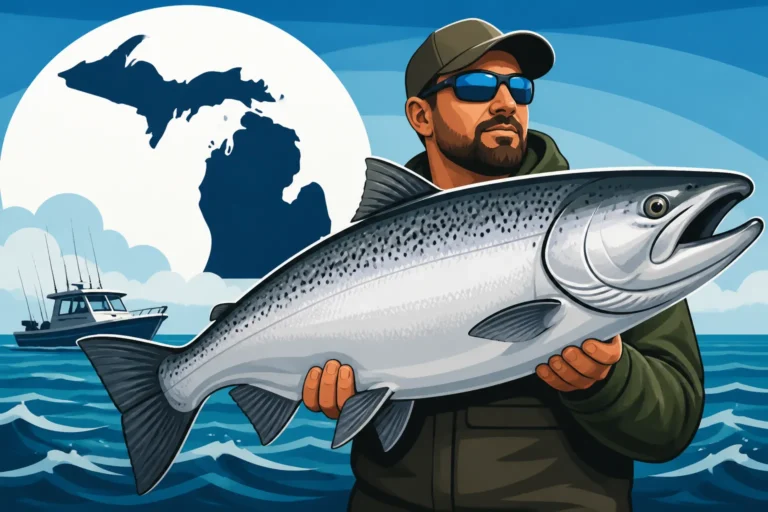
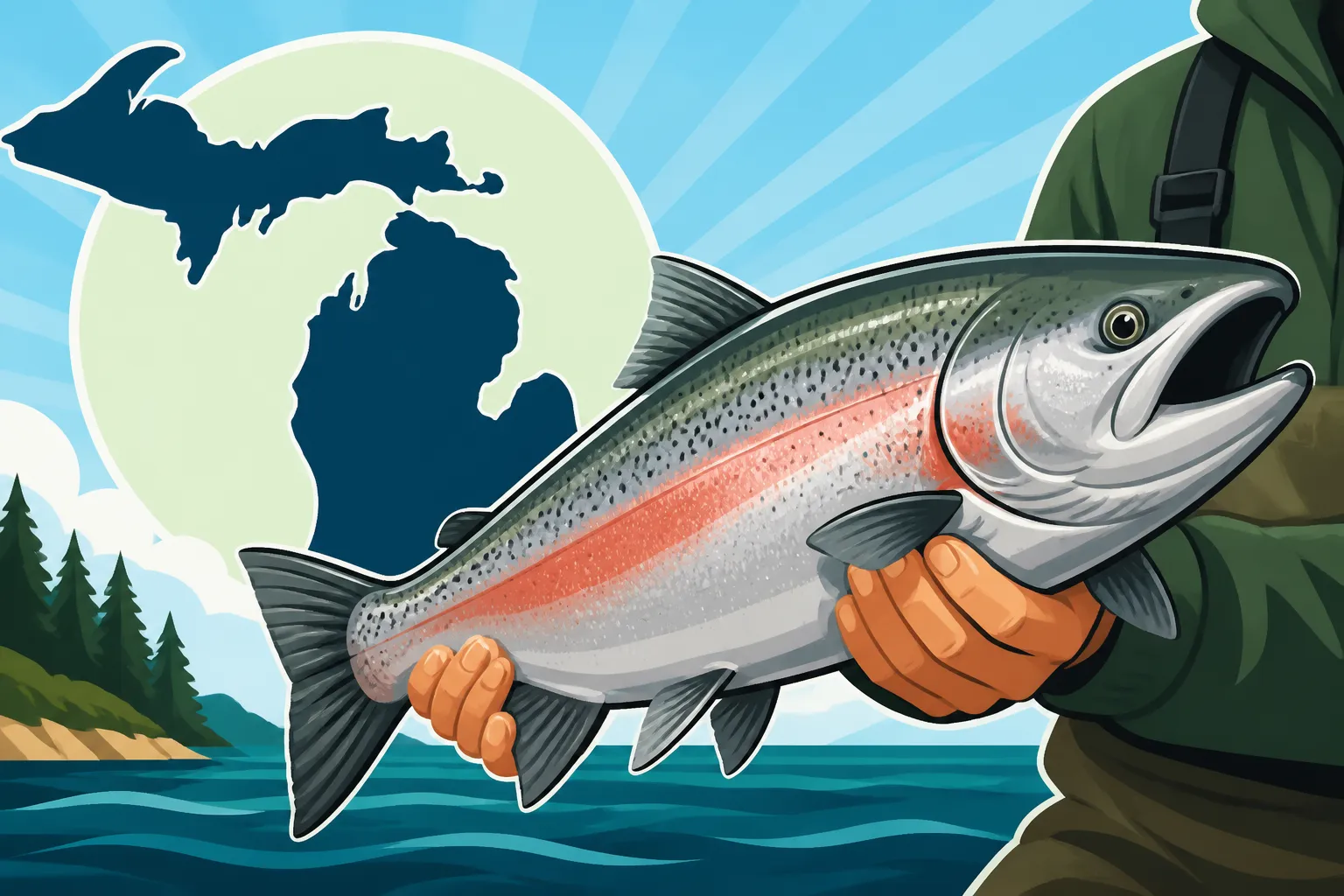
Coho salmon, often called "silver salmon" for their striking, chrome-bright appearance when fresh from the Great Lakes, are a beloved species among Michigan anglers. While they might not reach the sheer monster sizes of their Chinook (King) salmon cousins, Cohos put up an incredible fight and offer a fantastic table fare. Knowing what to expect in terms of size can help manage expectations and appreciate every fish you bring in.
Typically, when you're out on Lake Michigan, Lake Huron, or even the rivers during a spawning run, you'll encounter Coho salmon ranging from about 2 to 10 pounds. Most of the Cohos caught by recreational anglers will fall squarely in the 5 to 8-pound range. These are robust, healthy fish that have spent a couple of years in the vastness of the Great Lakes, feeding voraciously and building up their strength. You might find them a bit smaller early in the season, or larger as they get closer to their spawning run, gorging themselves in preparation for their final journey.
It's important to remember that these are averages. There are always exceptions that make fishing so exciting! An occasional Coho will break into the double-digit weight class, offering a truly memorable experience. These larger fish are often older, have found exceptional food sources, or have simply been lucky enough to avoid predators and anglers for a bit longer than their peers.
Average vs. Trophy Coho Dimensions
Let's break down what you can generally expect in terms of size for Coho salmon in Michigan:
| Characteristic | Typical Michigan Coho | Large Michigan Coho (Trophy Potential) | Michigan State Record (Historical Peak) |
|---|---|---|---|
| Weight | 4-8 pounds | 9-14 pounds | 27.69 pounds |
| Length | 20-28 inches | 29-35 inches | 38.30 inches |
| Age | 2-3 years | 3-4 years | Likely 4+ years |
Catching a Coho that hits 10 pounds is definitely a reason to celebrate. Anything above that, especially a fish pushing 12-14 pounds, is considered a legitimate trophy for many Michigan anglers, a testament to skill and a little bit of luck. The state record, a truly magnificent fish, stands as a high bar that proves the incredible potential of these salmon in our waters.
Factors Influencing Coho Salmon Growth
The size a Coho salmon ultimately achieves is a complex story influenced by several environmental and biological factors. Unlike native species that may live for many years, Coho salmon in the Great Lakes typically have a very distinct and relatively short life cycle, usually returning to spawn after two or three years in the lake. This compressed timeline means their growth is often rapid and heavily dependent on specific conditions.
Think of it like this: if you have a perfectly set up restaurant with an endless buffet, you're going to grow bigger and faster than if you're constantly scavenging for scraps. For Coho, that "endless buffet" is crucial. When conditions are just right, and all these factors align, you'll see a population of bigger, healthier salmon.
Food Abundance and Diet
The primary driver of Coho salmon growth in the Great Lakes is the availability of their favorite foods. For Cohos, this largely means baitfish like alewives, smelt, and even some smaller gobies. When these forage fish populations are thriving and easily accessible, Coho salmon can pack on pounds quickly. They are efficient predators, constantly on the hunt.
Consider Lake Michigan, for example. Historically, abundant alewife populations allowed Coho and Chinook salmon to grow to impressive sizes. A strong year-class of baitfish means a robust food supply for the young salmon entering the lake, allowing them to grow larger before their spawning migration. Conversely, if baitfish populations decline, you might see a noticeable decrease in the average size of salmon, as they simply don't have enough to eat to fuel that rapid growth. This interconnected web of predator and prey is a delicate balance that fishery managers constantly monitor.
Water Temperatures and Habitat Quality
Water temperature plays a significant role in a Coho's metabolism and feeding behavior. Coho salmon prefer cooler waters, typically in the 45-60°F range. Within this optimal temperature band, they are more active, feed more aggressively, and convert food into body mass more efficiently. If lake temperatures are too warm for extended periods, it can stress the fish, reduce their feeding, and thus stunt their growth.
Habitat quality in the rivers and tributaries where they spawn, or where they are stocked as fingerlings, also impacts their initial survival and early growth. While they spend most of their feeding life in the vast Great Lakes, a healthy start in a clean, oxygen-rich stream gives them a better chance at reaching the lake and beginning their rapid growth phase. Places with good water quality and ample cover offer protection from predators and allow young fish to thrive.
Genetics and Stocking Programs
While wild-spawned Coho salmon exist in some Michigan rivers, a large portion of the Great Lakes Coho fishery is sustained by stocking programs. The genetics of the stocked fish can influence their growth potential. Fisheries agencies work to rear healthy, fast-growing strains of Coho to ensure a robust fishery.
Stocking programs aim to introduce fish that are genetically predisposed to thrive in the Great Lakes environment. The number of fish stocked, the timing of the stocking, and the location can all subtly influence how many fish survive, how well they grow, and ultimately, the average size of the Cohos available to anglers. You can learn more about these efforts in articles like Does the DNR Stock Salmon in the Great Lakes?. It’s a huge undertaking to keep these populations healthy and ensure plenty of good fishing opportunities across the state.
Identifying and Measuring Your Coho Catch
Once you've got a beautiful silver salmon in hand, the next step is often to identify it correctly and, if you plan to keep it, to measure its length and possibly weight. Distinguishing Coho from Chinook salmon is a common challenge for new anglers, but there are a few key features that make it easier. And accurate measurement is crucial, especially when considering bag limits or personal bests.
Proper identification ensures you're adhering to specific regulations for each species. For instance, bag limits might differ, and knowing what you've caught is step one for responsible angling. You can check out Michigan Bag and Size Limits Explained for all the specifics. Plus, knowing you've landed a true Coho makes that memory even sweeter.
Coho vs. Chinook: Key Identification Points
While both Coho and Chinook salmon are powerful, silver-sided fish, there are distinct differences:
- Gum Line Color: This is often the most reliable indicator. Coho salmon have a white gum line where their teeth meet the lower jaw, while Chinook salmon have a black gum line. This contrast is usually quite clear.
- Tail Spotting: Coho salmon typically have spots only on the upper lobe of their caudal (tail) fin, or no spots at all. Chinook salmon usually have spots on both lobes of their tail fin, and often heavier spotting across the entire tail.
- Shape and Head: Coho tend to have a slightly more slender body profile and a somewhat pointed snout. Chinook often have a deeper body and a blunter head.
- Pyloric Caeca: For those willing to dissect (not recommended for immediate release!), Coho have 45-80 pyloric caeca (finger-like projections near the stomach), while Chinook have 90-140. This is definitely a scientific method, not a field identification technique!
Learning these visual cues is part of the fun of becoming a more experienced angler. When you're out on the boat or shore, having a good quality fish identification guide from Amazon can be a real asset.
Accurate Measurement Techniques
To accurately measure your Coho salmon, especially if you're chasing a personal best or need to verify it meets any size limits, you'll want a reliable measuring device.
- Lay the Fish Flat: Place the fish on a flat surface, such as a bump board, measuring tape, or even the side of your cooler.
- Close the Mouth: Gently close the fish's mouth.
- Position for Length: Place the head of the fish against a fixed point, typically the start of your measuring device.
- Measure Total Length: Measure to the tip of the longest lobe of the tail fin, with the tail squeezed together (known as total length). This is the standard method for most Michigan regulations.
When you're out on the water, having a reliable scale and measuring tape is crucial. You can find excellent, highly-rated options on Amazon that are waterproof and designed for fishing, making it easy to get accurate measurements quickly before releasing your fish or placing it in your cooler. Remember that quickly and accurately measuring your fish minimizes stress if you plan to release it, ensuring it has the best chance of survival. Many anglers also invest in insulated fish bags or coolers, often available on Amazon, to keep their prized catches in prime condition, particularly important for quality table fare.
Michigan State Records and Trophy Potential
Every angler dreams of landing a record-breaking fish, or at least a personal best that makes for an unforgettable story. When it comes to Coho salmon in Michigan, the bar is set pretty high, but the potential for a truly magnificent catch is always there, whether you're trolling the vast Great Lakes or casting in a pristine river.
Chasing that trophy Coho means understanding not just the averages, but also the outliers – those truly exceptional fish. While the state record might seem out of reach for most, landing a fish that's a personal best or a true "wall-hanger" is incredibly rewarding. Michigan State Fish Records provides an inspiring list of what's possible in our waters, showcasing the incredible diversity and size of fish available.
The Michigan State Record Coho Salmon
The current Michigan state record Coho salmon is a truly impressive specimen, weighing in at 27.69 pounds and measuring 38.30 inches long. This colossal fish was caught in the Platte River in Benzie County, a famous salmon run tributary to Lake Michigan. The fact that it was caught in a river rather than the open lake highlights that these magnificent fish make their final, powerful journey upstream to spawn, often at their peak weight and condition.
This record stands as a testament to the incredible growth potential of Coho salmon in Michigan's ecosystem when conditions are favorable. While most Coho won't reach this gargantuan size, it proves that the Great Lakes can produce world-class salmon. It's the kind of fish that captures the imagination and keeps anglers returning to the water year after year.
What Makes a "Trophy" Coho for Most Anglers?
For the vast majority of Michigan anglers, a "trophy" Coho doesn't need to break a state record. It's often about personal achievement and the sheer joy of a hard-fought battle. Here's what many consider a trophy-class Coho:
- Double-Digit Weight: A Coho weighing 10 pounds or more is widely considered a trophy. These fish are powerful, putting up incredible runs and head shakes, making them a true challenge on any tackle.
- Exceptional Length: A Coho pushing or exceeding 30 inches in length, especially coupled with a solid weight, is also highly prized. Such a fish has likely spent a full growth cycle or more in the Great Lakes, feasting and growing.
- The "First Big One": Sometimes, the definition of a trophy is simply the largest Coho you have ever caught. That first 8-pounder after a string of smaller fish can feel just as significant as a 12-pounder to a seasoned veteran.
Chasing these larger fish often involves techniques like deepwater trolling on the Great Lakes, using specific lures and presentations. You might even find specialized gear like trolling lures or downriggers on Amazon that can help you target these deeper, larger salmon. Timing your trips to coincide with the peak of the Coho Salmon Fishing in Michigan season, especially the fall spawning runs, also increases your chances of encountering those bigger, more mature fish. Understanding the nuances of Trolling for Coho Salmon on the Great Lakes can really improve your odds.
Regardless of whether you're targeting a record or just a delicious dinner, the waters of Michigan offer incredible opportunities to connect with these magnificent silver salmon. Every cast holds the promise of that next big bite!
Disclaimer
This article is for general informational purposes only and does not constitute professional advice. Laws, prices and regulations vary by location and change over time. Consult a qualified professional for guidance on your specific situation.