Trolling for Coho Salmon on the Great Lakes
Oh, the call of the Great Lakes for Coho salmon! There’s nothing quite like the thrill of a screaming reel when a silver bullet hits your spread. But let's be real, many anglers, especially those new to the big water, find themselves just endlessly dragging lines around, wondering where the fish are hiding. It can be incredibly frustrating to spend hours on the water, burning fuel, only to come back with an empty cooler and a bruised ego. This comprehensive guide is here to unravel the mysteries of trolling for Coho salmon on these massive freshwater seas, helping you understand their habits, master the right techniques, and fill your boat with those incredible fighting fish.
Understanding Coho Salmon on the Great Lakes
Coho salmon, often called "silver salmon," are a prized catch in the Great Lakes, known for their aggressive strikes and acrobatic fights. While not native to these waters, they've been successfully introduced and thrive, offering fantastic fishing opportunities. To consistently catch them, you first need to understand their life cycle and how they navigate these vast freshwater systems.
Coho Seasonal Movements and Depths
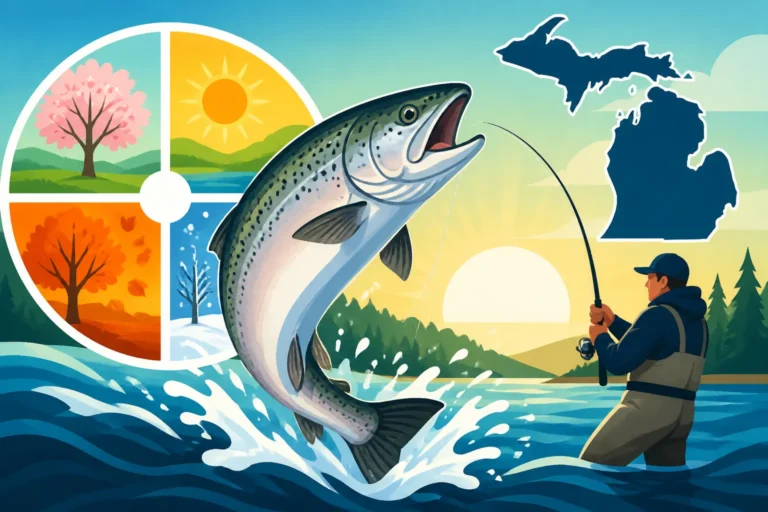
Coho salmon are creatures of habit, yet their habits shift dramatically with the seasons and water conditions. In the spring, after the ice recedes, Coho tend to be found shallower, often in the top 30 feet of the water column, actively feeding on baitfish like alewives. They're drawn to warmer surface waters and often congregate near river mouths or areas where currents concentrate bait. As summer progresses and the lake warms up, Coho will often move deeper to find their preferred cool water, typically around the thermocline—the layer where warm surface water meets cooler, deeper water. This thermocline can be anywhere from 30 to 70 feet down, sometimes even deeper. Smart anglers use a fish finder to locate this critical temperature break, knowing that Coho and their prey will often be lurking nearby. Come fall, as they prepare for their spawning runs up tributary rivers, Coho will once again move shallower, often staging near river mouths before making their final push upstream. Understanding these migrations is key to knowing where to drop your lines.
In the height of summer, when you're out on Lake Michigan or Lake Huron, you might start your day with your lures in the upper water column, perhaps 10-25 feet down, especially early in the morning or on overcast days. However, by midday, if the sun is blazing, those Coho might have dipped to 40-60 feet, following the cooler water and the bait. Keeping an eye on your boat's temperature gauge and your fish finder's thermocline readings, like those on a Garmin or Lowrance unit, is paramount. You're not just guessing; you're actively hunting for that sweet spot where the fish are most comfortable and feeding. This constant adjustment based on conditions is what separates the consistently successful angler from someone just hoping for a bite.
Identifying Coho Salmon Characteristics
Distinguishing Coho salmon from their Chinook (King) cousins is important, especially since regulations can sometimes differ. Coho typically have a lighter mouth with white gums and small, scattered spots on their backs and only on the upper lobe of their tail. Their tail fin usually has no spots or very few, and those are only on the top. When you get one in the boat, take a moment to look closely. Their body shape is generally more slender and torpedo-like compared to the bulkier Chinook. Most Coho caught in the Great Lakes range from 2 to 10 pounds, though bigger ones are certainly out there and offer an incredible fight. Knowing How to Tell a Coho Salmon From a Chinook Salmon can help you properly identify your catch and adhere to any specific size or bag limits.
Their distinctive silver sides and darker backs make them a beautiful fish to behold. When they're fresh out of the lake, especially in the spring and summer, their colors are vibrant and their flesh is a rich orange-red, perfect for the dinner table. As fall approaches and they near their spawning phase, their coloration will darken, and males can develop a pronounced hooked jaw. Being able to identify them quickly helps with proper handling, especially if you're practicing catch-and-release, ensuring they go back healthy if they're not keepers.
Essential Gear for Trolling Coho Salmon
Trolling for Coho salmon on the Great Lakes isn't just about dropping a line in the water; it requires specific gear designed to handle the power of these fish and the vastness of the lakes. Investing in the right equipment will not only increase your success but also make your fishing experience more enjoyable and efficient.
Rods, Reels, and Line Selection
For Coho salmon trolling, you'll want rods that are sensitive enough to detect subtle bites but powerful enough to handle a hard-fighting fish and the drag of trolling gear. Medium to medium-heavy action rods, typically 7 to 9 feet in length, are excellent choices. Many anglers opt for fiberglass or composite rods for their durability and forgiving action, which can prevent hooks from tearing out during a Coho's head shakes. When it comes to reels, level-wind baitcasting reels are the standard. Look for models with a smooth drag system and a line counter, which is absolutely essential for knowing exactly how much line you have out. Brands like Daiwa and Shimano offer reliable options, often found on Amazon with great reviews.
Line choice is critical. For your main line, 17 to 25-pound test monofilament or fluorocarbon is common, offering a good balance of strength and shock absorption. However, many seasoned anglers prefer using braided line (30-50 pound test) as their main line because of its thinner diameter and zero stretch, which provides incredible sensitivity and allows for more line on the spool. If you go with braid, always use a fluorocarbon leader (15-20 pound test) of 6-10 feet, as it's nearly invisible underwater and provides abrasion resistance. Having a good selection of Best Trolling Rods for Michigan Salmon and matching reels will ensure you're ready for any situation on the water. Remember, these are powerful fish, and a strong, reliable setup is paramount to landing them consistently.
Crucial Boat Electronics for Great Lakes Trolling
When you're out on the Great Lakes, your boat's electronics are your eyes and ears beneath the surface. A reliable fish finder with GPS capabilities is non-negotiable. It allows you to mark bait schools, identify the thermocline, and spot individual fish. Integrated GPS helps you navigate, mark productive trolling passes, and get back to those hotspots that yielded fish. Many modern units, like those from Humminbird or Raymarine, offer side imaging and down imaging, providing incredibly detailed views of the bottom and fish structure.
Beyond your fish finder, a marine radio (VHF) is vital for safety and communication, especially on the big water where cell service can be spotty. An auto-pilot or kicker motor with remote steering can make maintaining a precise trolling speed and direction much easier, freeing you up to manage lines. Lastly, don't underestimate the importance of temperature gauges. Surface temperature is easily read, but a probe that measures temperature at various depths, like a Fish Hawk or similar device, can help you find that perfect Coho comfort zone. Combining these tools gives you a significant advantage, turning a vast lake into a manageable fishing ground.
Key Trolling Techniques and Strategies
Trolling for Coho salmon is an art form that blends precision, observation, and adaptability. It's not just about driving a boat around; it's about presenting your lures in the most enticing way possible, at the correct depth and speed.
Mastering Trolling Speed and Direction
Coho salmon are often aggressive feeders, and trolling speed can be a major factor in triggering strikes. Generally, a speed between 2.0 and 3.0 miles per hour over ground (SOG) is a good starting point for Coho. However, the true speed that matters is your speed through the water, which can be affected by currents. Watching the action of your lures – do they have a nice wobble or flash? – will tell you if you're at the right speed. Too slow, and many lures won't perform correctly; too fast, and they might blow out or look unnatural. Experimentation is key; sometimes a slight increase or decrease in speed can make all the difference.
Trolling in S-turns or gentle curves can also be incredibly effective. As your boat turns, the lures on the inside of the turn will slow down and drop, while those on the outside will speed up and rise. This change in action often triggers strikes from Coho that were following but hesitant to commit. Making these turns also helps you cover different parts of the water column horizontally and vertically, increasing your chances of finding actively feeding fish. Keep an eye on your fish finder during these turns; you might notice fish reacting to the change in lure presentation. A consistent trolling speed is crucial, so using your boat's throttle control or an auto-pilot system will significantly enhance your presentation.
Utilizing Downriggers, Dipsy Divers, and Planer Boards
A diverse trolling spread is crucial for covering different depths and presenting multiple lure types simultaneously. Downriggers for Michigan Great Lakes Trolling are fantastic for precisely placing lures at specific depths, especially when Coho are holding deep near the thermocline. You can set a lure at 50 feet and know it's at 50 feet. They also allow for a light line from the rod to the lure, offering a direct fight with the fish. Dipsy divers or similar directional planers are another excellent tool. These devices dive to specific depths and, depending on how they're set, will pull your lure to the side of the boat, helping you spread out your lines and avoid tangles. They come in various sizes and dive depths, so having a few different options on board is a smart move.
To cover a wider area, especially if fish are scattered or feeding near the surface, planer boards are indispensable. What Is a Planer Board Used For? These buoyant boards pull your lines out to the sides of your boat, creating a wide "spread" that allows you to run multiple lines without them crossing. This is particularly effective for Coho that might be surface feeding or when you want to cover a broad swath of water to locate them. Combining these tools allows you to present lures at various depths and distances from the boat, creating a highly effective Coho catching machine. Remember, a varied spread often leads to more fish in the box.
Lures, Baits, and Color Selection
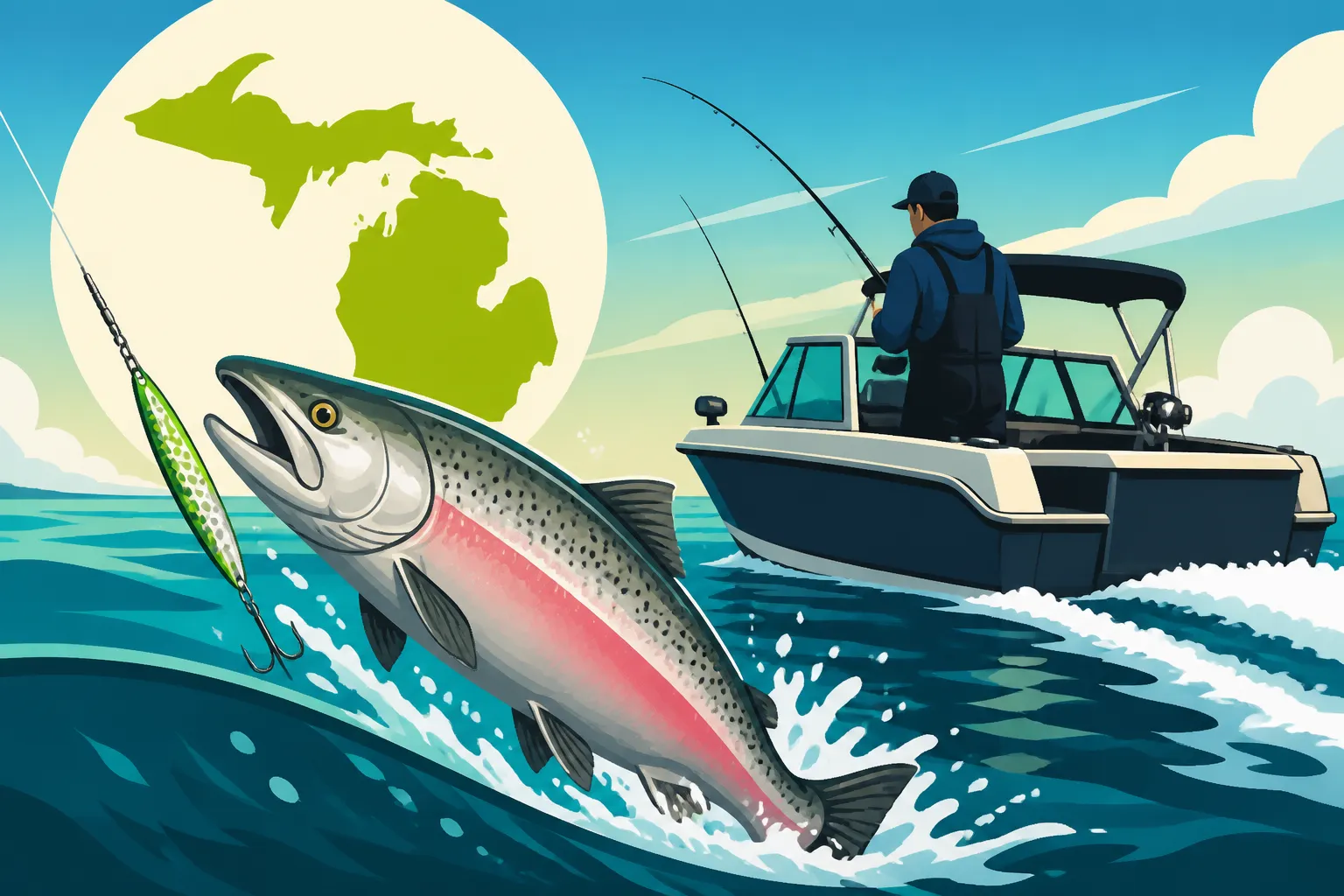
Coho salmon aren't particularly picky, but certain lures and colors tend to outperform others. Spoons are incredibly popular and effective, especially those with a strong wobbling action. Brands like Dreamweaver, Michigan Stinger, and Warrior offer a wide array of patterns. Common sizes range from 2.5 to 3.5 inches. Popular colors for Coho often include bright, flashy options like silver, chartreuse, orange, and combinations with blue or green, especially during sunny conditions or in stained water. On overcast days or in clear water, more subdued colors or natural baitfish patterns might work better. Flasher-fly combinations are also lethal. A flasher, a large blade that rotates and creates attraction, is trolled in front of a small fly or squid-like bait. The flash and vibration draw fish in, and the fly seals the deal.
Cut bait, often herring or alewives, fished behind a dodger or flasher, can also be highly productive, especially when Coho are being a bit more finicky. The natural scent and action are hard for them to resist. It’s a good idea to have a variety of lures and bait colors on hand and not be afraid to experiment. What worked yesterday might not work today, so constantly test different options until you find what the fish are keying in on. Many anglers stock up on their favorite lures through online retailers like Amazon, ensuring they have a broad selection when heading out.
Reading the Water and Weather for Coho
The Great Lakes are dynamic environments, and conditions can change rapidly. Being able to read the water and understand how weather patterns influence Coho behavior is a vital skill for consistent success.
Water Temperature and Thermocline Tactics
Water temperature is arguably the most critical factor when targeting Coho salmon. They are cold-blooded creatures and have preferred temperature ranges for feeding and comfort, typically between 45 and 55 degrees Fahrenheit. In the spring, you'll find them chasing warmer surface water, often congregating in temperature breaks created by river outflows or currents. As the season progresses into summer, the lake stratifies, creating a thermocline – a distinct layer of water with a rapid temperature change. Coho will often hold right at or just above this thermocline, as it's typically where baitfish are most concentrated and the oxygen levels are optimal.
Understanding where this thermocline is located, and how deep it runs, is key. Your fish finder is your best friend here. Look for the distinct line on your sonar screen that indicates this temperature shift. When you find it, adjust your downriggers and dipsy divers to present your lures right within that target zone. If the thermocline is shallow, say 30 feet, you'll focus your spread there. If it's deeper, at 60 feet, then your strategy shifts. Sometimes, Coho will be suspended above the thermocline, especially if there's a dense school of baitfish there. The ability to quickly identify and target these temperature zones will drastically improve your catch rate.
Wind, Waves, and Safe Trolling Practices
The Great Lakes can go from glassy calm to dangerously rough in a matter of minutes. Wind and waves not only affect your comfort and safety but also your trolling effectiveness. A bit of chop on the water can actually be a good thing, as it breaks up the surface and makes your boat and lines less visible, potentially encouraging fish to strike. However, excessively rough water can make it impossible to maintain a consistent trolling speed or properly present your lures. Always check the marine forecast before heading out, and if conditions are questionable, err on the side of caution. Safety should always be your top priority.
When trolling, factor in wind and wave direction. Trolling with the waves can sometimes be too fast, while trolling against them can be too slow or result in your boat pounding, affecting lure action. Often, trolling quartering into or with the waves allows for better boat control and a more stable lure presentation. Strong currents, even without significant wind, can also impact your lures' depth and action, so pay attention to your speed over ground versus speed through water. Knowing when the Best Time of Year to Fish in Michigan is can help you plan trips when conditions are typically more favorable, but always be prepared for change.
Finding Coho Salmon Hotspots on the Great Lakes
The Great Lakes are enormous, and simply heading out into the middle won't guarantee success. Knowing where Coho tend to congregate and what kinds of underwater structures attract them is crucial.
Productive Great Lakes Coho Regions
While Coho can be found throughout the Great Lakes, certain areas are renowned for their consistent Coho action. On Lake Michigan, the eastern shore, from St. Joseph up to Traverse City, is historically productive. Ports like South Haven, Holland, Grand Haven, Muskegon, Ludington, and Manistee are popular starting points. These areas often have strong spring and summer Coho runs. Lake Huron, particularly Saginaw Bay and the waters off Alpena, also holds good numbers of Coho, especially early in the season. Lake Superior offers incredible, though often more challenging, Coho fishing, particularly around the Apostle Islands and in the Keweenaw Peninsula region. While fishing Lake Superior, you might even encounter some Lake Superior Brook Trout Identification and Size.
The key to finding a hotspot is often understanding where baitfish, particularly alewives, are schooling. Coho are predators, and they follow their food source. Local fishing reports, bait shops, and online forums can provide invaluable real-time information about where fish are being caught. Don't be afraid to ask questions; fellow anglers are often happy to share general areas of recent success. However, remember that Coho are mobile, and a hotspot one day might be cold the next, so staying adaptable is important.
Interpreting Lake Structure and Baitfish Presence
Coho salmon, like many predators, are drawn to underwater structures that provide ambush points or concentrate baitfish. Drop-offs, submerged points, current breaks, and offshore reefs can all hold Coho. While trolling, pay close attention to your sonar. You're not just looking for individual fish; you're looking for bait balls. Dense schools of baitfish appearing on your fish finder are a strong indicator that predators, including Coho, are likely nearby. If you mark a substantial bait ball, make several passes through and around it, varying your depth and speed.
River mouths and harbor entrances are particularly hot during spring and fall. These areas often have slightly warmer water or currents that push baitfish into concentrated areas. During the fall, Coho stage near these entrances before their spawning migration. Trolling close to these areas, without getting too shallow or interfering with other boats, can be extremely productive. Learning to connect the dots between water temperature, structure, and baitfish presence is a learned skill that will consistently put more Coho in your cooler.
Advanced Tips and Troubleshooting
Even with the right gear and knowledge, trolling for Coho can present challenges. Developing advanced strategies and knowing how to troubleshoot common issues will keep you on the fish.
The Importance of a Consistent Spread
A well-maintained and consistent trolling spread is paramount for maximizing your chances. This means ensuring your lines are running at their intended depths and distances, not tangled or crossing. Regularly check your line counters, especially after a fish strike, to ensure everything is reset correctly. Pay attention to how your lures are performing in the water; are they clean, free of weeds, and running true? Even a small piece of debris can foul a lure and make it ineffective. Use varying lengths of line out to prevent tangles when making turns. For example, if you're running four lines, space them out by 10-20 feet of line counter reading, with the shortest lines closest to the boat and the longest lines furthest back.
A common setup might involve downriggers running deep, dipsy divers spreading out to the sides at mid-depths, and perhaps some surface lines off planer boards for wider coverage. The goal is to create a "wall" of lures that covers multiple depths and horizontal areas, increasing the likelihood that a Coho will encounter one. Don't crowd your lines; leave enough space to fight a fish without tangling other gear. If you're consistently getting tangles, it might be a sign that your spread is too tight or your trolling speed is inconsistent. Many experienced anglers will often use different colored lines, like those offered by reputable brands, to quickly identify which rod is running where.
Adapting to Changing Conditions
The Great Lakes are notorious for their unpredictable nature. One moment it's sunny and calm, the next it's overcast and windy. Successful Coho anglers are masters of adaptation. If the bite slows down, don't just keep doing the same thing. Change your trolling speed slightly, try a different color lure, or adjust your depth. If you were getting hits on silver spoons, maybe try a chartreuse or orange one. If fish were hitting at 30 feet, try sending a lure down to 40 or 50 feet. Fish can move up or down the water column surprisingly quickly in response to light changes, bait movements, or sudden weather shifts.
Sometimes, the Coho will "turn off" for a bit, especially during the brightest part of the day. This might be a good time to move to a different area or try different techniques. Always be ready to react to what the fish are telling you. If your fish finder shows bait moving deeper, follow it. If the wind picks up, adjust your speed and course to maintain optimal lure action. Having a full tackle box with a variety of lures, colors, and presentation options, easily accessible from storage solutions like those found on Amazon, will allow you to quickly adapt. The more flexible you are, the more consistent your Coho catches will be throughout the Michigan Fishing Season Dates and Rules.
| Lure Type | Best Depth Range (Feet) | Typical Trolling Speed (MPH) | Common Coho Colors | Notes |
|---|---|---|---|---|
| Spoons | 10-60+ | 2.0-3.0 | Silver, Chartreuse, Orange, Blue/Green | Versatile, great action |
| Flasher-Fly Combo | 20-70+ | 1.8-2.5 | Green, Blue, Pearl, UV | Excellent attractant, subtle fly presentation |
| Plugs/Stickbaits | 5-30 | 2.0-3.5 | Chrome, Fire Tiger, Perch | Great for shallow water or top-line fishing |
| Cut Bait (w/ Dodger) | 20-50 | 1.5-2.2 | Natural, Silver, Glow | Scent attraction, slower presentation |
Disclaimer
Fishing conditions and regulations in Michigan can change. Always consult the latest Michigan Department of Natural Resources (DNR) fishing guide before heading out on the water to ensure you are in compliance with all current laws, including licensing, bag limits, and size restrictions. The information provided here is for general guidance and educational purposes only.