What Is the Biggest Fish Caught in Michigan
Every angler dreams of landing that one fish, the absolute behemoth that tests your tackle, your patience, and your will. In Michigan, with its vast network of inland lakes and the mighty Great Lakes, the question of "What is the biggest fish caught?" is one that sparks endless conversations and fuels countless fishing expeditions. This guide isn't just about listing records; it's about understanding the impressive giants that swim in our waters, what it takes to encounter them, and the thrill that comes with pursuing true titans of the deep.
Michigan's Official State Fish Records
When we talk about the "biggest fish caught in Michigan," most people immediately think of the official state records. These aren't just tall tales from the bait shop; they are rigorously verified catches that stand as benchmarks of angling achievement. The Michigan Department of Natural Resources (DNR) maintains these records, acknowledging the largest fish of various species by weight, caught through legal means.
Understanding the Record-Keeping Process
Achieving a state record is no small feat. It involves precise measurements, certified scales, and often, a witness to the catch. Anglers who believe they've landed a potential record usually have to submit an application, have the fish weighed on a state-certified scale, and possibly even have the species verified by a fisheries biologist. This meticulous process ensures the integrity of the records, making each entry a truly remarkable achievement. It’s a testament not just to the angler's skill, but to the health and potential of Michigan's diverse fisheries. Without this system, we'd never know the true monsters that lurk beneath the surface. Michigan Fishing Regulations Every Angler Should Know outlines many of the legalities surrounding fishing in our state, including the rules that apply to record catches.
Imagine the excitement – and the pressure – of knowing you might have a record on your hands. It's not just about getting the fish in the boat; it's about preserving it, finding a certified scale quickly, and navigating the paperwork while your heart is still pounding. This kind of catch is rare, often a once-in-a-lifetime event that many anglers pursue for decades without success. The dedication required to even be in a position to catch such a fish is immense, involving countless hours on the water, experimenting with gear, and studying fish behavior.
Unveiling Michigan's True Giants by Species
Michigan's waters are home to several species capable of truly astonishing sizes. While specific weights can fluctuate or be updated, the sheer scale of some of these fish consistently puts them at the top of the "biggest" list.
- Lake Sturgeon: Without a doubt, the lake sturgeon stands as one of Michigan's most ancient and magnificent giants. These prehistoric fish can live for over 100 years and grow to immense proportions, making them a truly awe-inspiring catch. Their sheer size and incredible fight make them a bucket-list fish for many, though they are often protected and require specific permits for catch-and-release fishing. Encountering one of these titans is like looking back in time, connecting you to the natural history of our Great Lakes. Their protected status means that catching one is a privilege, and proper handling for release is paramount.
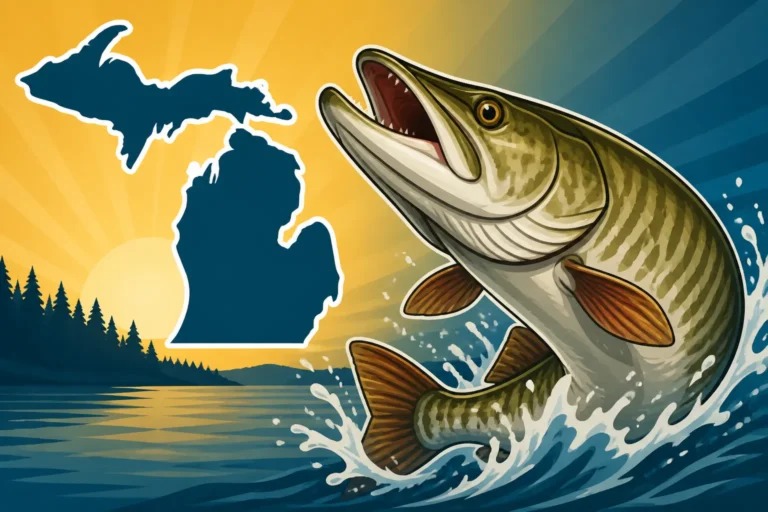
- Muskellunge (Muskie): Often called "the fish of 10,000 casts," the muskellunge is another freshwater leviathan known for its predatory prowess and incredible size. These elongated, toothy fish demand specialized tackle and immense patience from anglers. They are a common target in many Michigan waters, with some lakes producing truly massive specimens. Muskellunge Fishing in Michigan delves into the specific techniques and challenges of pursuing these elusive giants. Just imagine the explosion on the surface as a muskie, easily over 50 inches long, crushes your lure – it's an adrenaline rush like no other.
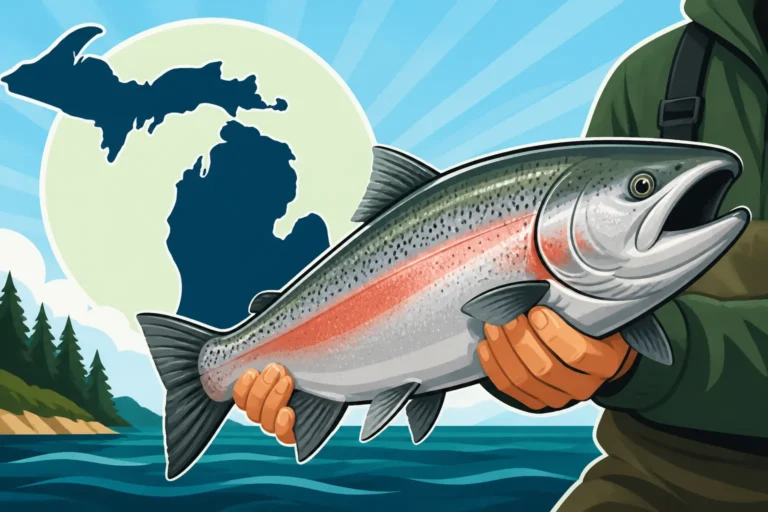
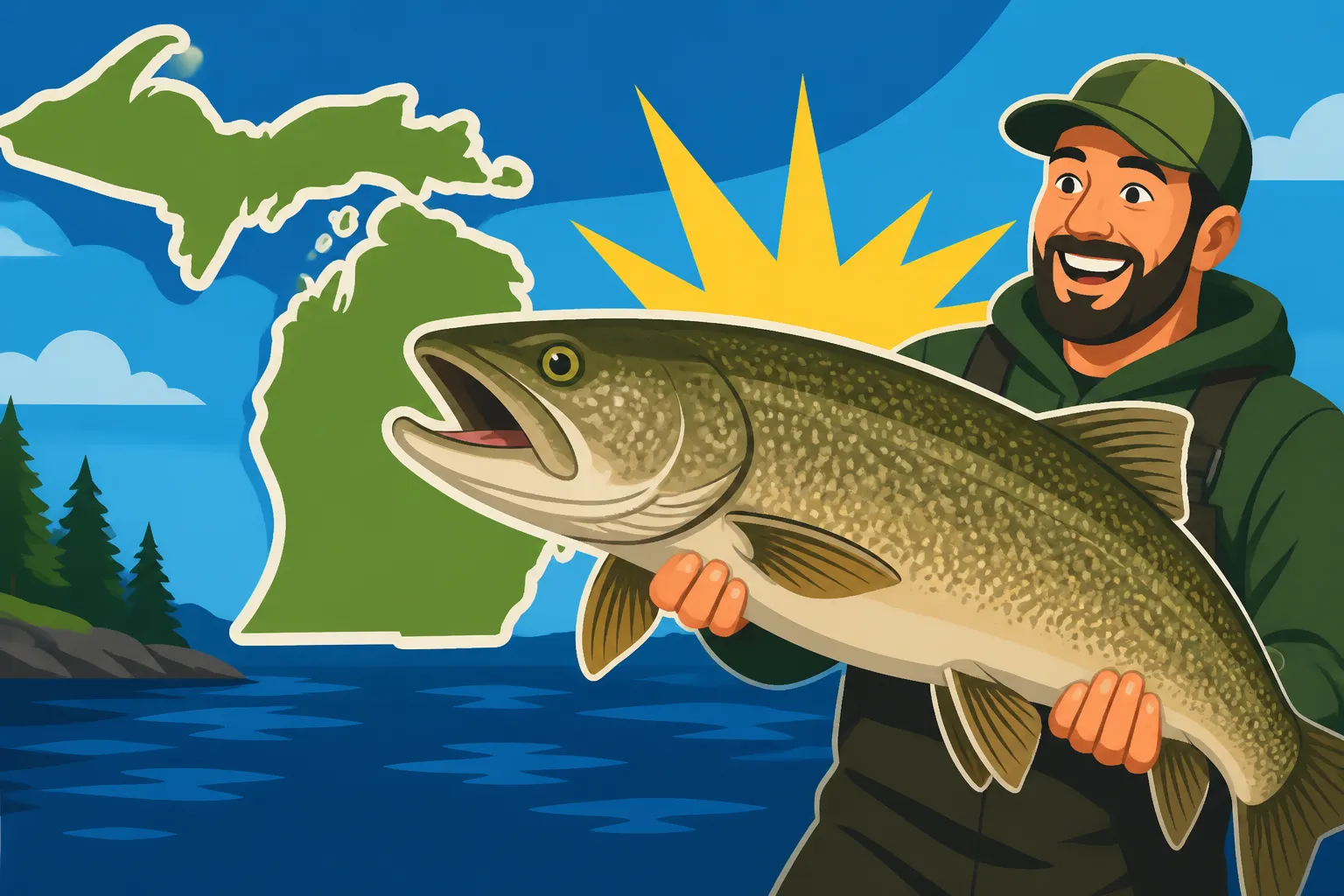
- Great Lakes Salmon and Trout: While not quite reaching the weights of sturgeon or muskie, Chinook salmon, Coho salmon, and lake trout from the Great Lakes can be incredibly large and powerful. Chinook salmon, in particular, are renowned for their strength and size, offering spectacular fights on the open water. These fish are migratory, moving between the vastness of the Great Lakes and the rivers to spawn, creating incredible angling opportunities. How Big Do Chinook Salmon Get in the Great Lakes explores the impressive growth potential of these formidable fish. Catching a 30-pound King Salmon from Lake Michigan feels like wrestling a torpedo, and landing one truly tests your gear and your grit. Michigan's Combined Trout and Salmon Daily Limit is something anglers always need to be mindful of when chasing these impressive fish.
- Walleye: Though typically not breaking the triple-digit weight mark, a trophy walleye in Michigan can still be an incredibly large and rewarding catch. These highly sought-after fish are prized for their delicious meat and their elusive nature. A "big" walleye often means a fish over 30 inches, a true testament to its age and successful hunting. How Big Do Walleye Get in Michigan further explains their size potential in our waters. Imagine the thrill of hooking into a truly massive walleye during a night-fishing excursion on Saginaw Bay – it's a battle of wits and skill.
Here's a quick look at some of the species known for their impressive size in Michigan waters, keeping in mind that actual record weights are dynamic and change over time, so these are general descriptions of their potential:
| Fish Species | Typical Impressive Size (Weight) | Primary Habitat | Notable Characteristics |
|---|---|---|---|
| Lake Sturgeon | Can exceed 100+ lbs | Great Lakes, large rivers | Prehistoric appearance, long lifespan, powerful bottom feeder. |
| Muskellunge | Frequently 30-50 lbs, sometimes more | Inland lakes, Great Lakes tributaries | Aggressive predator, large teeth, "fish of 10,000 casts." |
| Chinook Salmon | Often 20-30 lbs, occasionally larger | Great Lakes, spawning rivers | Powerful fighter, silver sides, highly migratory. |
| Lake Trout | Commonly 10-20 lbs, can be much larger | Deep, cold Great Lakes waters | Native predator, long-lived, dark mottled patterns. |
| Northern Pike | Frequently 10-20 lbs, sometimes larger | Inland lakes, slow rivers | Ambush predator, sharp teeth, elongated body. |
| Channel Catfish | Often 10-20 lbs, can be larger | Warm rivers, inland lakes | Whiskers (barbels), strong current fighters, bottom dwellers. |
Note: The sizes listed are general indications of what would be considered a large or impressive catch for that species, not necessarily maximum record weights, which are subject to change and specific verification.
Understanding "Biggest Fish" Beyond the Record Books
While state records are fascinating, the idea of the "biggest fish" can mean different things to different anglers. For many, it's not always about breaking an official record, but about the personal achievement, the sheer size relative to the species, or even the captivating stories passed down through generations of anglers.
Personal Bests and Trophy Catches
For most recreational anglers, the "biggest fish" they're after is a personal best – a fish larger than any they've ever caught before. This pursuit is deeply personal and incredibly rewarding. Landing a 10-pound walleye, a 25-pound Chinook salmon, or a 40-inch northern pike might not make the state record books, but it certainly earns bragging rights and an indelible memory. These personal bests are often the culmination of years of learning, practice, and persistent effort.
Think about the journey: waking up before dawn, enduring harsh weather, changing tactics, and finally, feeling that powerful tug on your line. The fight is intense, the landing is nerve-wracking, and the moment that fish is in your net (or carefully released) is pure elation. That feeling is universal, whether it's a record or simply your biggest. It's about pushing your own limits and experiencing the thrill of victory over a powerful creature of the water. Many anglers carefully track their Michigan Daily Bag Limits by Species and Michigan Statewide Minimum Size Limits to ensure they're fishing responsibly while still aiming for that trophy catch.
Legendary Fish and Local Lore
Beyond the official records, every fishing community in Michigan has its legends – stories of the "one that got away" or the mythical monster that inhabits a particular lake or river. These tales, often embellished over time, add to the mystique and allure of fishing. They inspire younger generations to cast their lines and keep the spirit of discovery alive. These aren't documented catches, but they certainly shape our perception of what "biggest" truly means.
From tales of gigantic lake trout lurking in the deepest parts of Lake Superior to massive muskie that haunt specific weed beds on inland lakes, these stories are part of Michigan's rich angling heritage. They remind us that there's always something bigger out there, something more challenging, and that the pursuit itself is often as rewarding as the catch. These stories encourage anglers to explore new Best Places to Fish in Michigan and to dream big about what they might encounter.
Pursuing Michigan's Giants: Techniques and Challenges
Catching a truly massive fish in Michigan isn't usually an accident; it's often the result of deliberate planning, specialized gear, and a deep understanding of the species you're targeting. The challenges are numerous, but the rewards are unparalleled.
Specialized Gear for Goliath Encounters
When you're targeting fish that can weigh dozens of pounds or measure several feet long, your standard panfish rod and reel simply won't cut it. You need heavy-duty equipment designed to withstand immense pressure and prolonged fights.
- Rods and Reels: For species like Chinook salmon, lake trout, or muskellunge, anglers often invest in stout rods with strong backbones and sensitive tips, paired with high-capacity reels capable of holding hundreds of yards of heavy monofilament or braided line. The drag system on these reels must be exceptionally smooth and durable to handle the powerful runs of a giant fish. You might find specialized trolling rods for the Great Lakes, or heavy-action baitcasting setups for muskie, perfect for launching those massive lures. For anglers looking to upgrade their arsenal, Amazon is a popular place to browse and compare these specialized fishing rods and reels.
- Line and Leaders: Heavy-test line is crucial to prevent break-offs. For toothy predators like muskie and northern pike, wire leaders or heavy fluorocarbon leaders are essential to prevent the fish's sharp teeth from severing your main line. The last thing you want after a long battle is to lose your monster fish (and an expensive lure!) because your line was too light.
- Lures and Bait: Giant fish often require giant presentations. Muskie anglers are famous for throwing huge bucktails, crankbaits, and soft plastics that would seem outrageous for other species. For salmon and lake trout, specialized trolling spoons, plugs, and flasher-fly combinations are common. Live bait, such as large suckers or ciscoes, can also be highly effective for attracting trophy-sized predators. Anglers frequently search platforms like Amazon for the latest and most effective big-game fishing lures and tackle.
- Landing Gear: Landing a huge fish requires more than just a standard fishing net. Large, rubberized landing nets with wide openings are essential for safely netting and handling bigger species, especially those you intend to release. For muskie and pike, a proper muskie-specific net can be invaluable, sometimes complemented by long-nosed pliers and jaw spreaders for safe hook removal.
The Patience and Persistence Required
The pursuit of Michigan's biggest fish is often a marathon, not a sprint. It demands incredible patience, mental fortitude, and a willingness to learn and adapt.
- Learning the Waters: Knowing where these giants live is half the battle. This means studying lake maps, understanding depth contours, identifying structure, and recognizing prime feeding areas. For river fish, it means learning about current breaks, deep pools, and migration routes. Michigan's Great Lakes Fishing Guide and Best Rivers for Trout and Steelhead in Michigan are excellent resources for understanding where these fish are likely to be found.
- Understanding Fish Behavior: Each species has its own habits, preferred water temperatures, and feeding patterns. Knowing when and how a muskie hunts, or when a salmon run is peaking, is critical for success. This knowledge often comes from years of experience, talking to other anglers, and staying current with fishing reports. Best Time of Year to Fish in Michigan can offer valuable insights into seasonal patterns for various species.
- Dedication and Adaptation: You might spend an entire day, or even several days, without a single bite when targeting these trophy fish. It's easy to get discouraged, but persistence pays off. Successful anglers are those who can adapt their techniques, change locations, and maintain optimism even when the bites are few and far between. This might mean switching from trolling to jigging, or from shallow water to deep. Every outing, even a slow one, is a learning experience. You might even find yourself researching advanced techniques or specific items, like specialized rod holders for trolling, often found on Amazon.
The Thrill of the Fight and Responsible Angling
Hooking into a truly massive fish is an unforgettable experience. The initial strike, the scream of the drag, the powerful runs, and the sheer effort required to bring such a creature to the boat or shore – it's an adrenaline-fueled battle of wills.
However, with great power comes great responsibility. Many of Michigan's largest fish, like the lake sturgeon and muskellunge, are long-lived species that play crucial roles in their ecosystems. practicing catch-and-release, especially for these trophy fish, is increasingly common and vital for conservation. Learning proper handling techniques, minimizing the fish's time out of water, and ensuring a healthy release are just as important as the catch itself. Michigan Muskellunge Harvest Reporting Rules are a prime example of regulations designed to monitor and protect these magnificent fish, even when they are released. The memory of a released giant is often more profound and lasting than a photo of a fish kept.
The quest for the biggest fish caught in Michigan is more than just a pursuit of numbers; it's a journey into the wild, a test of skill, and a deep appreciation for the incredible aquatic life our state has to offer. Whether you're chasing an official state record or simply hoping for your personal best, the thrill of the chase and the wonder of encountering these magnificent creatures make Michigan a truly special place for anglers.
Disclaimer
This article is for general informational purposes only and does not constitute professional advice. Laws, prices and regulations vary by location and change over time. Consult a qualified professional for guidance on your specific situation.