Michigan Statewide Minimum Size Limits
It's incredibly frustrating when you're out on the water, having a fantastic day of fishing, only to catch a beautiful fish and then feel that pang of uncertainty: "Is this one a keeper, or do I need to let it go?" Michigan's fishing regulations, particularly those concerning minimum size limits, can feel like a maze, and nobody wants to inadvertently break the law. This comprehensive guide is here to clear up the confusion, helping you understand the statewide minimum size limits for various species so you can fish with confidence and contribute to healthy fish populations.
Understanding Michigan's Minimum Size Limits
Michigan, with its thousands of inland lakes, rivers, and miles of Great Lakes shoreline, offers an incredible array of fishing opportunities. But with that diversity comes a complex set of rules designed to protect our precious natural resources. Minimum size limits are one of the most fundamental of these regulations, and getting them right is crucial for every angler.
Why Size Limits Matter for Fish Populations
At its heart, a minimum size limit is a conservation tool. The Michigan Department of Natural Resources (DNR) implements these rules to ensure that fish have the opportunity to reach maturity and spawn at least once, if not multiple times, before they're harvested. Think about it: if anglers were to constantly keep smaller, immature fish, those fish wouldn't get the chance to reproduce and contribute to the next generation. Over time, this could severely deplete fish stocks, leading to fewer and smaller fish for everyone. These limits are especially vital for species that are slower growing or highly sought after, like walleye or some trout. They help maintain a healthy age structure within the fish population, promoting strong, resilient fisheries for years to come. When you adhere to these rules, you're not just following the law; you're actively participating in the conservation efforts that keep Michigan fishing phenomenal.
Navigating the DNR Fishing Guide
The official word on all things fishing in Michigan comes directly from the DNR. Their annual Michigan Fishing Regulations Every Angler Should Know digest is your go-to resource. While this guide will give you the statewide minimums, remember that local regulations can and often do supersede these general rules. It's like having a national speed limit, but then individual cities or counties might have lower limits on certain roads. Always, always, always check the specific regulations for the body of water you plan to fish. You can find the digest online as a PDF, pick up a physical copy at any bait shop or DNR office, or even use the convenient DNR Hunt Fish App on your smartphone, which is an excellent tool for having all the rules at your fingertips. Trust me, a quick check of the app or digest before you cast your line can save you a lot of headache and potential fines. Being informed is the first step to being a responsible angler.
Statewide Minimum Size Limits for Popular Game Fish
Michigan boasts some fantastic game fish, drawing anglers from all over. Knowing the general statewide minimum size limits for these popular species is fundamental, even before you dive into the hyper-specific lake or river rules.
Walleye: Protecting the Future Spawners
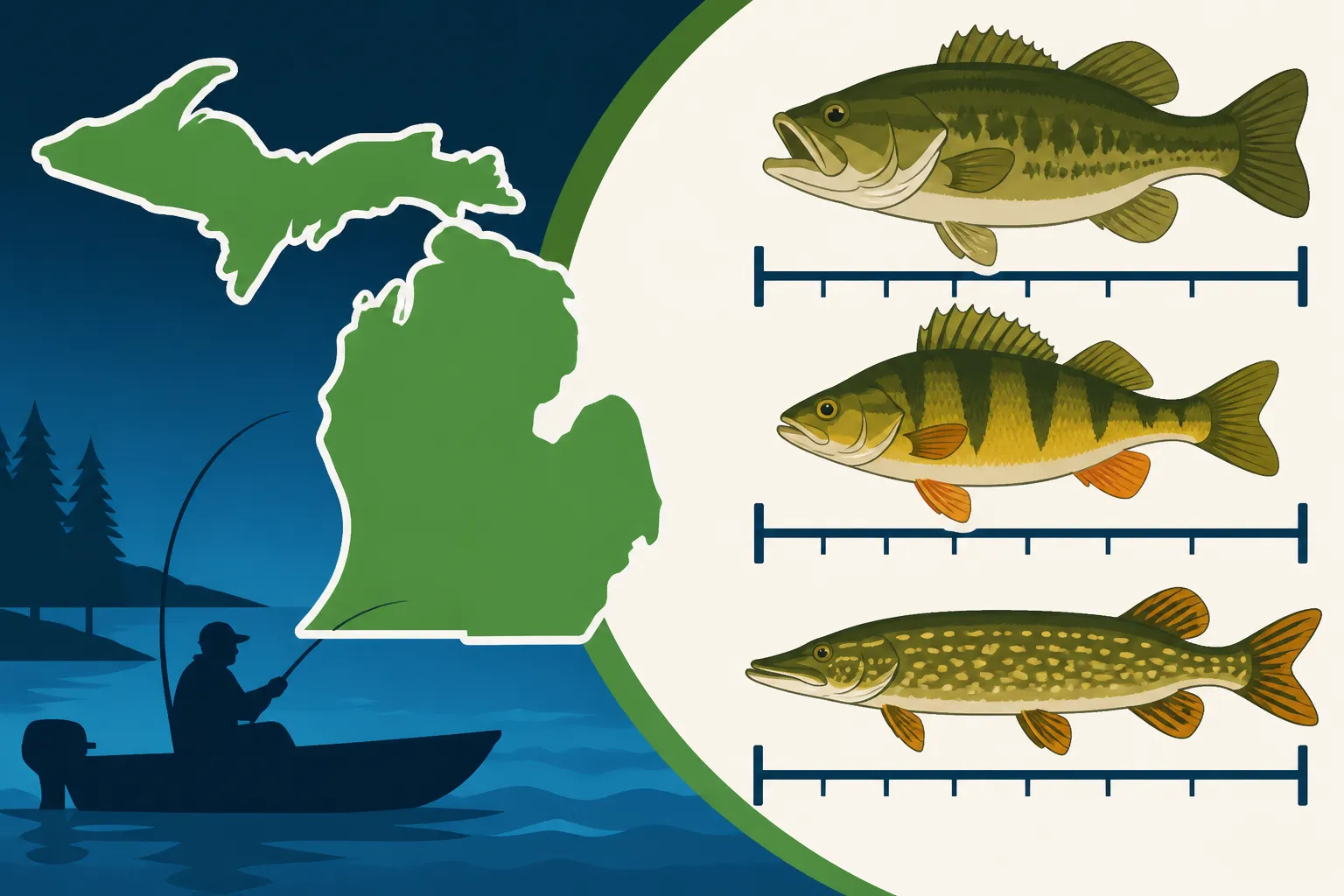
Walleye are a prized catch in Michigan, renowned for their delicious fillets and challenging fight. Generally, for most Michigan waters, the statewide minimum size limit for walleye is 15 inches. This 15-inch rule is in place to allow these fish to reach reproductive maturity, ensuring they have at least one spawning cycle under their belt before they end up on your dinner plate. However, this is one of those species where local rules frequently override the statewide minimum. For instance, certain lakes might have a higher minimum, like 18 inches, or even protective slot limits, where you can't keep fish within a certain size range (e.g., no walleye between 18 and 23 inches), while still allowing fish both smaller and larger than that slot. These special regulations are designed to manage specific walleye populations, often aiming to protect a certain year class or allow trophy fish to grow larger. Always consult the specific regulations for the lake or river you intend to fish. For example, some parts of Lake Erie and Saginaw Bay might have slightly different rules due to their unique productivity and fishing pressure. Don't just assume the 15-inch rule applies everywhere! If you’re ever unsure, a quick measurement using a reliable tape measure or a Michigan Walleye Size and Possession Limits check will clarify things immediately.
Northern Pike: Balancing Harvest and Growth
Northern pike are aggressive predators, providing thrilling action for many anglers. Statewide, the general minimum size limit for Northern Pike is 24 inches. This regulation is put into place to allow pike to grow to a substantial size and also to ensure they contribute to the spawning population. Pike can grow quite large, and allowing them to reach that 24-inch mark ensures a good balance between angler harvest and sustaining healthy populations. However, much like walleye, pike regulations can vary significantly from one body of water to another. Some lakes might have no minimum size limit at all, especially those where pike populations are abundant and growth rates might be stunted due to overpopulation of smaller fish. Conversely, other lakes, particularly those managed for trophy pike, could have much higher minimums, such as 30 or even 36 inches, or once again, implement slot limits. It’s a classic case of tailoring the rules to the specific conditions of the fishery. Before you head out targeting pike, make sure to check the specific regulations for your chosen lake or river in the DNR guide. That way, you’ll know whether that 23-inch fighter needs to go back or if you can take it home for dinner.
Bass Species: Largemouth and Smallmouth Regulations
Michigan is a fantastic state for bass fishing, with both largemouth and smallmouth bass providing exciting opportunities. For both species, the statewide minimum size limit is generally 14 inches. This regulation aims to protect these popular game fish, allowing them to mature and reproduce, which is crucial for maintaining vibrant bass fisheries. The 14-inch limit is a good benchmark, meaning that if you catch a bass smaller than that, it needs to be immediately released unharmed.
However, bass regulations often come with seasonal considerations. While the 14-inch minimum is typical for the regular bass season, some waters might have a catch-and-immediate-release season during pre-spawn or spawning periods, often with no size limits but strict release rules. This protects the fish when they are most vulnerable and concentrated for spawning. Furthermore, certain lakes or tournament waters may have specific slot limits or different minimums to promote a specific population structure. For example, a lake might have a 12-inch minimum, but a slot limit protecting fish between 16-20 inches to allow larger fish to grow. You'll definitely want to cross-reference with the Michigan Smallmouth and Largemouth Bass Daily Limit information to get the full picture, as size and bag limits often go hand-in-hand. Always verify the rules for your specific destination, especially regarding season dates and any special lake-specific designations.
Trout and Salmon: Specific Size Considerations
Trout and salmon fishing in Michigan is legendary, attracting anglers from across the globe. Given the diverse habitats these fish occupy – from cold, pristine inland streams to the vastness of the Great Lakes – their size regulations are often more intricate.
Inland Trout Stream Regulations
Michigan's inland trout streams are a treasure, home to brook, brown, and rainbow trout. When you're fishing these waters, you'll encounter some of the most detailed regulations, often broken down by stream type (Type 1, Type 2, etc.) or even specific river sections. Generally, for brook trout, there's often no minimum size limit in many inland waters, allowing for a healthy harvest of these native fish. However, for brown and rainbow trout, minimum size limits usually range from 8 to 10 inches, depending on the specific stream regulations. These limits ensure that trout have a chance to grow and spawn, maintaining robust populations in our delicate river ecosystems.
But here's where it gets really interesting: some designated "gear restricted" or "flies-only" sections, often managed for trophy trout, will have higher minimum size limits, sometimes as high as 12, 15, or even 18 inches for brown trout. These rules are designed to create a unique fishing experience, fostering larger, older fish that provide a more challenging catch. Always check the DNR digest for the specific section of the river you're fishing. A general rule of thumb when targeting inland trout is to release anything you're unsure about, especially if it looks like a potential breeder or a future trophy. The health of these fragile ecosystems depends on responsible angling.
Great Lakes Salmon and Lake Trout Rules
Fishing the Great Lakes for salmon and lake trout is an entirely different ballgame, offering the chance to hook into truly massive fish. Given the migratory nature of these species and the sheer scale of the Great Lakes, regulations are designed to manage large, interconnected populations. For Chinook (King) and Coho salmon, there generally isn't a statewide minimum size limit in the Great Lakes, though specific bag limits apply. Anglers can usually keep legal numbers of fish regardless of size once they meet the Michigan's Trout and Salmon Season on the Great Lakes rules. This approach recognizes that these salmon species are primarily stocked and have shorter life cycles, with the goal often being to provide ample harvest opportunities.
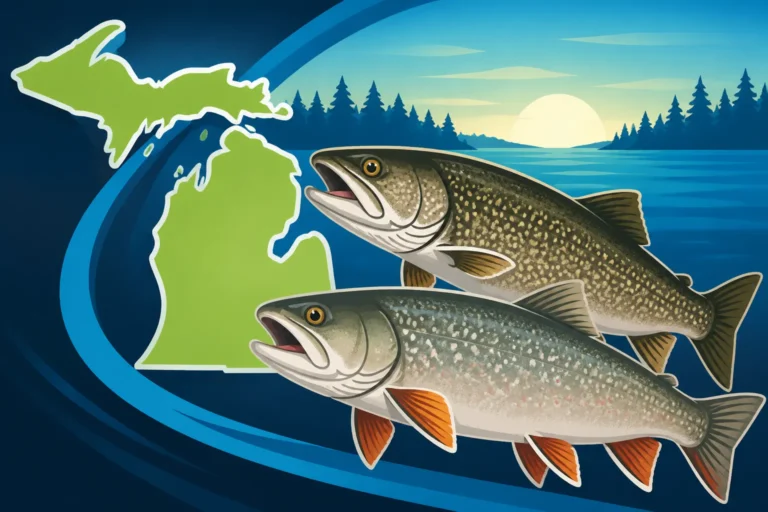
Lake trout, on the other hand, often have a minimum size limit of 15 to 20 inches, depending on the specific Great Lake or even management zone within a lake. For instance, Lake Superior might have different lake trout size limits in its various management units compared to Lake Michigan. Splake, a hybrid cross between brook and lake trout, are also popular in some Great Lakes waters and often share similar size limits to lake trout. These size limits for lake trout and splake are critical for protecting these longer-lived species, allowing them to reach multiple spawning cycles and contribute significantly to the genetic diversity and stability of their populations. Keeping a measuring tape handy, perhaps one you can easily order from Amazon, is absolutely essential when Great Lakes fishing, as the difference between a legal fish and an illegal one can be just an inch or two. Remember that the overall Michigan's Combined Trout and Salmon Possession Limit is also a factor to consider, as it covers multiple species.
Panfish and Other Species: Often Overlooked Limits
While much of the focus is often on trophy game fish, Michigan's panfish and other species offer incredible fishing opportunities, especially for families and new anglers. It's easy to assume there are no limits on these smaller fish, but that's not always the case!
Yellow Perch: Regional Variations and General Rules
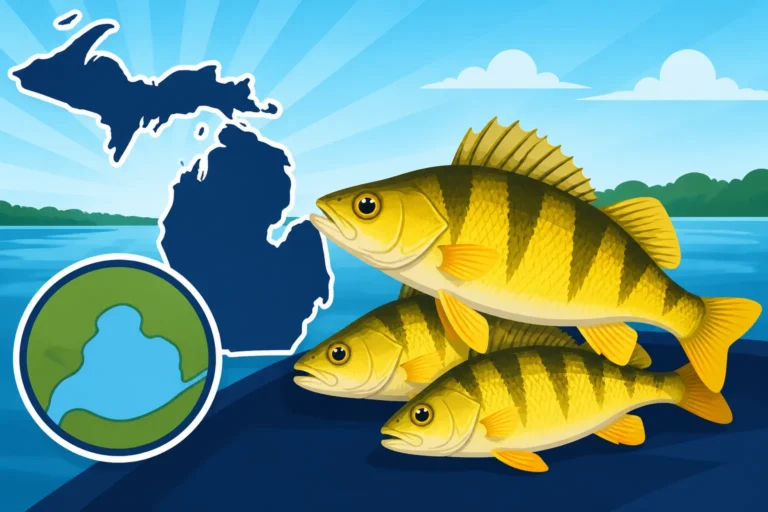
Yellow perch are arguably one of Michigan's most beloved panfish, known for their delicious taste and willingness to bite. For many inland waters, there is no minimum size limit on yellow perch. This means that if you catch a perch, you can generally keep it, as long as you stay within the daily bag limit. This approach is often taken because perch reproduce prolifically, and in some waters, overpopulation of stunted fish can be a problem. Allowing anglers to keep smaller fish can actually help thin the population, leading to better growth rates for the remaining fish.
However, and this is a big "however," certain major bodies of water, particularly the Great Lakes and connecting waters like Lake St. Clair and the St. Clair River, have specific, often higher, minimum size limits for yellow perch. For example, on Lake St. Clair and the St. Clair River, there's a 7.5-inch minimum size limit for yellow perch. This is due to the intense fishing pressure these waters receive and the need to protect the robust perch populations that are so vital to the ecosystem and economy. So, while you might be able to keep a 5-inch perch from your local pond, that same fish would need to go back in the St. Clair River. Always verify these specific regional regulations to avoid any surprises.
Other Panfish and Miscellaneous Species
When it comes to other popular panfish like bluegill, crappie (both black and white), and sunfish, the good news for anglers is that in most Michigan waters, there is no minimum size limit. You can generally keep these fish regardless of their length, as long as you abide by the daily bag limits (which are often quite generous, like 25 fish in any combination of sunfish, bluegill, and crappie). These species tend to reproduce quickly and can easily become overpopulated, leading to stunted growth. By allowing anglers to harvest smaller individuals, the DNR helps manage these populations, often resulting in healthier, larger fish overall.
However, like with all regulations, there can be exceptions. Occasionally, a particular lake or special management area might have an experimental minimum size limit for a specific panfish species, often to try and create a trophy fishery. These are rare, but they do exist, so a quick check of the local rules is never a bad idea. For species like muskellunge, there is a very high minimum size limit, typically 42 or 50 inches depending on the water. These are trophy fish, and the rules reflect that, often coupled with a "one fish per year" bag limit and strict Michigan Muskellunge Harvest Reporting Rules. Then there are species like suckers, carp, and rough fish, for which there are often no size or bag limits at all, as they are not typically managed as game fish. Even if you're just targeting humble panfish, having a small, portable measuring board – you can find many reliable options on Amazon – is a smart addition to your tackle box to ensure you're always within the legal limits, no matter what you hook into.
Special Regulations and Lake-Specific Exceptions
The general statewide minimum size limits are a great starting point, but Michigan's diverse waters demand a more nuanced approach. Many specific lakes, rivers, or even sections of rivers have their own unique regulations that supersede the general rules. Overlooking these can lead to honest mistakes, but unfortunately, ignorance of the law is no excuse.
Designated Trout Waters and "Type" Regulations
Michigan's commitment to its coldwater fisheries means that many trout streams and rivers are managed with highly specific regulations. These waters are often categorized by "Type," such as Type 1, Type 2, Type 3, or Type 4, each with its own set of rules regarding tackle, seasons, and yes, minimum size limits. For instance, a Type 1 stream might have a general 8-inch minimum for brown and rainbow trout, but a specific section within that same stream designated for "flies-only" might have a 12-inch minimum for all trout species. The "Type" classification is detailed in the Michigan Fishing Regulations Digest and is crucial for anglers targeting trout in rivers.
These variations are implemented based on habitat quality, natural reproduction rates, and fishing pressure within that specific stretch of water. They ensure that sensitive trout populations are protected while still providing varied angling experiences, from waters where you can harvest a few pan-sized trout to trophy waters where you're expected to practice catch-and-release with larger fish. Always consult the detailed maps and tables within the DNR digest for the exact segment of the river you plan to fish. You'll find sections of the Au Sable River, Manistee River, and Pere Marquette River are prime examples where these nuanced regulations are critical.
Important Lake and River Specific Rules
Beyond trout streams, many lakes and larger rivers in Michigan also have special regulations that differ from the statewide minimums. These are usually implemented to address specific conservation goals, such as fostering a trophy fishery for a particular species, managing an overpopulated species, or protecting a vulnerable stock. For example, some lakes might have an elevated minimum size limit for walleye (e.g., 18 inches instead of the statewide 15 inches) to allow more fish to reach a larger size and improve spawning success. Conversely, in some lakes, you might find reduced or no minimum size limits for certain species if the population is stunted or overabundant.
The Great Lakes themselves, along with their major connecting rivers like the Detroit River, St. Clair River, and parts of the St. Marys River, often have their own specific regulations for various species due to their unique ecosystems and cross-border management agreements. This is particularly true for yellow perch and occasionally for other species like smallmouth bass. When planning a trip, especially to a new body of water, it's non-negotiable to check the specific regulations. This might mean looking up "Michigan Walleye Size and Possession Limits for Lake X" or "Michigan Yellow Perch Limit on Lake St. Clair" to get the precise details. A few minutes of research can make all the difference, ensuring you're compliant and contributing to sustainable fishing practices.
Here's a quick overview of some common statewide minimum size limits, but always remember to double-check the latest DNR guide for specific water bodies:
| Species | Statewide Minimum Size Limit (Generally) | Common Exceptions/Notes |
|---|---|---|
| Walleye | 15 inches | Many lakes have higher minimums (e.g., 18"), or protected slot limits. |
| Northern Pike | 24 inches | Some waters have no minimum, others have significantly higher minimums (e.g., 30"+). |
| Largemouth Bass | 14 inches | Subject to seasonal catch-and-release rules; some lakes have different minimums/slot limits. |
| Smallmouth Bass | 14 inches | Subject to seasonal catch-and-release rules; some lakes have different minimums/slot limits. |
| Brook Trout (Inland) | Often No Minimum | Some designated trophy waters may have higher minimums. |
| Brown Trout (Inland) | 8-10 inches (varies by stream type) | Designated trophy waters can have 12", 15", or even 18" minimums. |
| Rainbow Trout (Inland) | 8-10 inches (varies by stream type) | Designated trophy waters can have 12", 15", or even 18" minimums. |
| Lake Trout (Great Lakes) | 15-20 inches (varies by Great Lake/zone) | Different zones within Great Lakes have varying limits. |
| Chinook Salmon | No minimum (Great Lakes) | Bag limits apply. |
| Coho Salmon | No minimum (Great Lakes) | Bag limits apply. |
| Yellow Perch | No minimum (Most inland waters) | 7.5 inches minimum on Lake St. Clair and St. Clair River. |
| Bluegill, Crappie, Sunfish | No minimum (Most inland waters) | Rare exceptions might apply to specific lakes. |
| Muskellunge | 42-50 inches (varies by water) | Highly protected, often one fish per year limit. Requires Michigan Muskellunge Harvest Reporting Rules. |
This table provides a snapshot, but it's vital to remember that the specific body of water you're fishing almost always has the final say. Make it a habit to look up the regulations for your chosen spot, every single time. It's truly the only way to ensure you're fishing legally and responsibly. And hey, if you're looking for an easier way to carry and reference all this information, consider checking out the waterproof versions of the Michigan Fishing Regulations Digest, often available from retailers like Amazon, that you can keep right in your tackle box! It's a small investment for peace of mind and compliance.
Disclaimer
Please remember that fishing regulations, including minimum size limits, can change. While this guide provides comprehensive information, it is your responsibility to consult the most current Michigan Department of Natural Resources (DNR) fishing regulations before heading out. This content is for informational purposes only and should not be considered legal advice. Always prioritize safety and adhere to all local, state, and federal laws.