Michigan’s Great Lakes Fishing Guide
Michigan's Great Lakes can feel like an overwhelming expanse, a vast, shimmering frontier that leaves many anglers wondering where on earth to even begin. From the chilly depths of Superior to the bustling waters of Erie, figuring out the best spots, the right gear, and the ever-changing regulations can be a real head-scratcher. This comprehensive guide is here to untangle that complexity, providing you with the insights you need to confidently explore and successfully fish these incredible freshwater seas.
Understanding the Great Lakes Fishery in Michigan
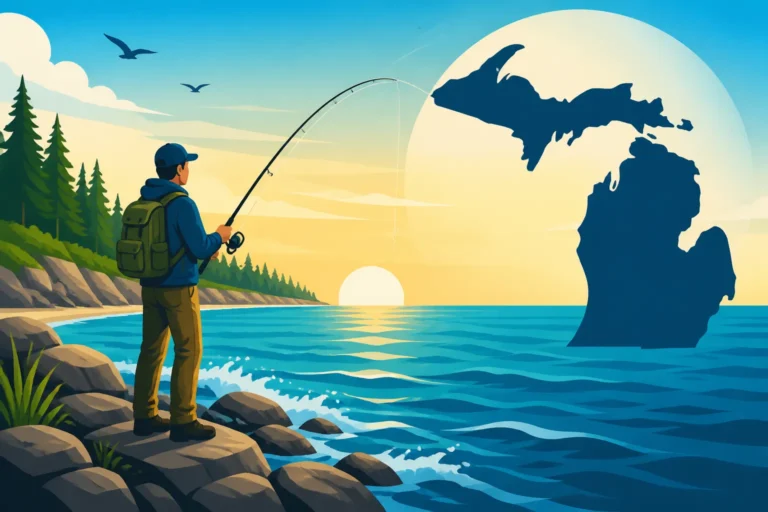
Let's be honest, the sheer size of the Great Lakes is breathtaking, and for an angler, it's both an immense opportunity and a daunting challenge. Michigan is uniquely positioned, bordering four of the five Great Lakes—Superior, Michigan, Huron, and Erie—each offering its own distinct fishing experience. You’re not just casting a line; you’re stepping into an ecosystem that rivals oceans in scale and diversity.
The Sheer Scale and Diversity of Michigan's Great Lakes
When we talk about Michigan's Great Lakes, we're discussing an area so vast it could swallow several states whole. Lake Superior, the deepest and coldest, boasts crystal-clear waters and a rugged, wild coastline. Lake Michigan, with its sandy beaches and diverse bottom structure, offers everything from shallow bays to incredibly deep offshore troughs. Lake Huron, often called the "forgotten" Great Lake, features extensive shoal systems, islands, and the vast, productive Saginaw Bay. Finally, Michigan's slice of Lake Erie, though smaller, is renowned for its incredible walleye population in its shallower, nutrient-rich waters.
This immense scale translates directly into a dizzying array of fishing opportunities. You'll find everything from vast open waters requiring serious offshore vessels to sheltered harbors perfect for a casual pier outing. The diversity in depth, water temperature, and bottom composition means that fish species thrive in different areas and at different times of the year, constantly challenging anglers to adapt. It's a journey, not just a fishing trip, and understanding this vastness is the first step in appreciating what makes Great Lakes fishing so special.
Key Fish Species to Target in the Great Lakes
The Great Lakes are a treasure trove of sportfish, each offering a unique thrill to the angler. While the roster is extensive, a few species stand out as the primary targets for most Michigan Great Lakes enthusiasts. These are the fish that drive the charter fleets, fill the coolers, and spark countless stories.
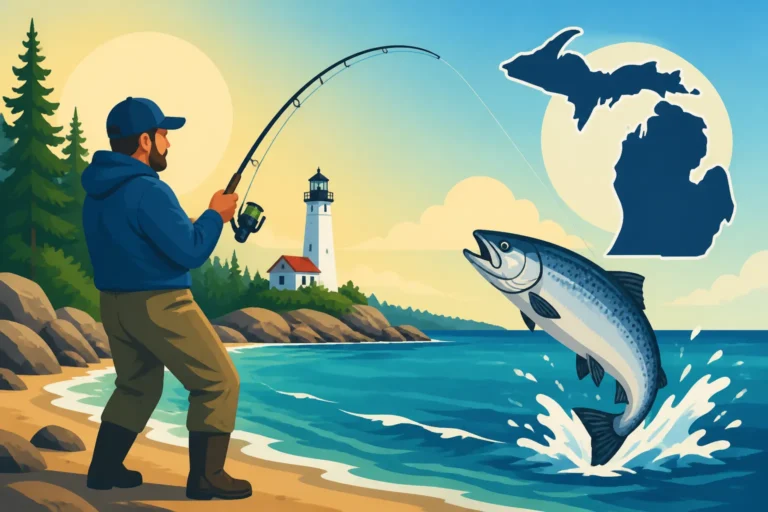
First up are the Pacific Salmon, primarily Chinook (King) and Coho (Silver). These powerhouse fish are legendary for their brutal strikes and blistering runs, particularly during the summer offshore bite and the epic fall spawning runs into tributary rivers. Lake Michigan and Lake Huron are prime hunting grounds for these silver bullets. Then there are the Lake Trout, the native apex predators of the deep, often found hugging cold, dark bottom structures. These can be massive, powerful fish that demand heavy gear.
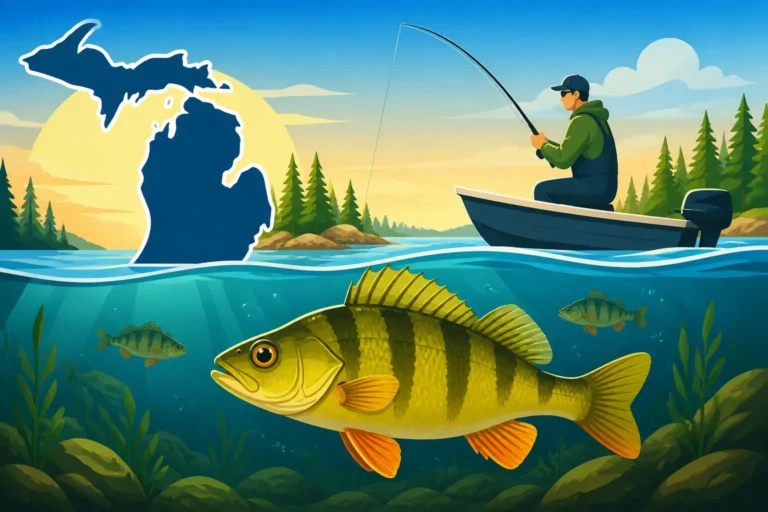
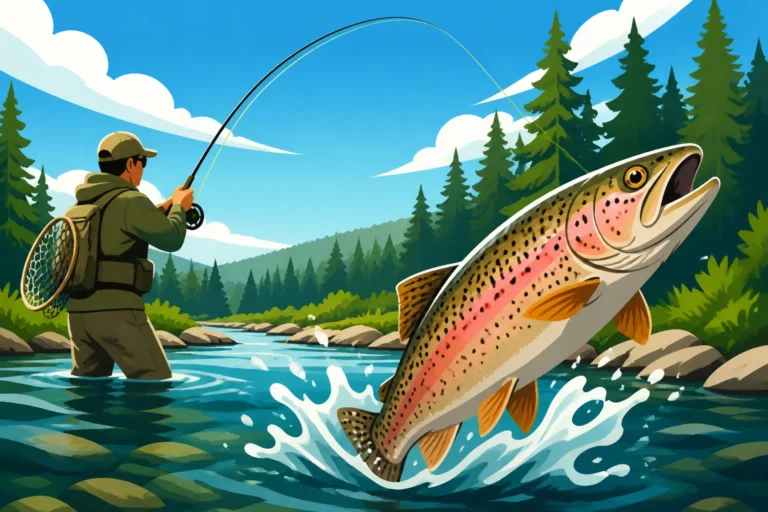
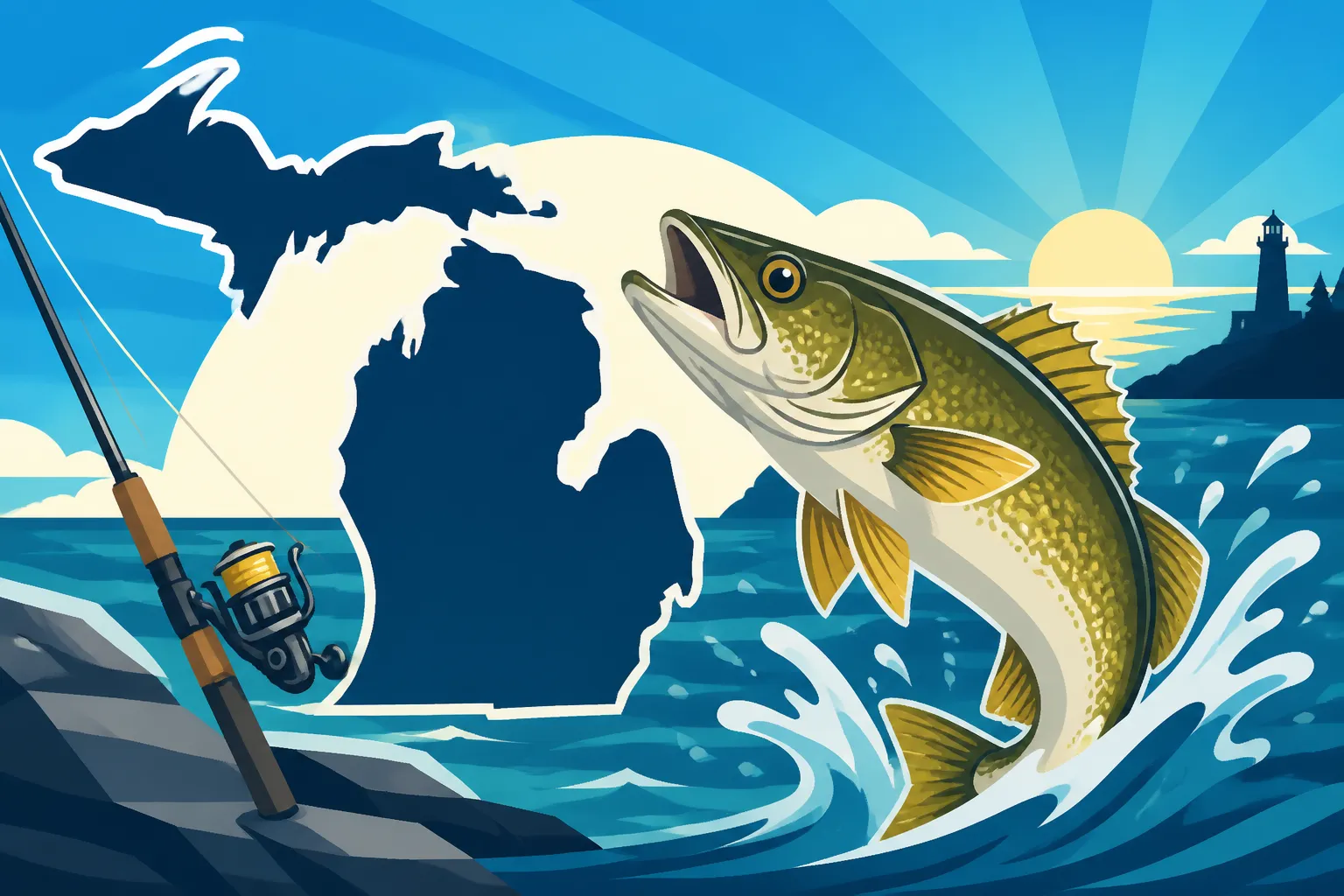
Steelhead, which are migratory rainbow trout, offer another exhilarating challenge. These acrobatic fighters spend years in the Great Lakes before running up rivers to spawn, providing incredible fishing opportunities in river mouths and nearshore areas, especially in spring and fall. For those who love a good fight and even better table fare, Walleye are an absolute obsession, particularly in Lake Erie and Saginaw Bay. These sharp-toothed predators are known for their schooling behavior and delicate bite. And let's not forget the humble yet immensely popular Yellow Perch, a panfish that provides endless fun for families and fills many a frying pan. Targeting these species is at the heart of the Great Lakes fishing experience, and each one offers a distinct and rewarding pursuit.
Navigating the Seasons and Prime Opportunities
One of the biggest lessons you'll learn fishing the Great Lakes is that timing is everything. Unlike a small inland lake that might offer consistent action year-round for a few species, the Great Lakes operate on a grand seasonal cycle. Different times of the year unlock different species and techniques, making it crucial to know what's biting and where.
Spring Fishing: Awakening Waters and Hungry Fish
As the ice retreats and the days lengthen, Michigan's Great Lakes burst to life with spring fishing opportunities. This is a time of transition, where warming water temperatures trigger feeding frenzies in certain species and migratory movements begin. For many, early spring means heading to the piers and river mouths of Lake Michigan and Lake Huron, where hungry Coho Salmon and Steelhead congregate. These fish are often staging before their own spawning runs or simply cruising the warmer nearshore waters, gorging on baitfish. Casting spoons, body baits like Rapalas, or even drifting spawn bags can be incredibly effective during this period.
In other areas, particularly on Lake Erie and Saginaw Bay, spring signifies the spectacular Walleye bite. As ice-out occurs and water temperatures climb into the 40s and 50s Fahrenheit, walleye move into shallower spawning grounds. This is a prime time for vertical jigging, casting crankbaits, or even trolling shallow-diving lures. The fish are often aggressive after a long winter, making for some truly memorable outings. For those looking to get out on the open water early, this awakening period is packed with potential, but remember that spring weather on the Great Lakes can be notoriously fickle, so always keep a close eye on forecasts.
Summer Fishing: Deep Water Trolling and Warmth
Summer on the Great Lakes brings out the big boats and serious offshore anglers. This is prime time for chasing Chinook Salmon and large Lake Trout in the deep, cold waters of Lake Michigan, Lake Huron, and Lake Superior. As surface waters warm significantly, these cold-water species retreat to the thermocline – a layer of rapidly changing water temperature – which can be anywhere from 40 to 100 feet down, sometimes even deeper. This necessitates specialized gear and techniques, primarily trolling.
Charter captains and experienced anglers will deploy an arsenal of downriggers, dipsy divers, lead core line, and copper line to present a variety of spoons, plugs, and flasher-fly combinations at precise depths. The goal is to imitate baitfish like alewives and smelt that these predators feed on. Summer also offers fantastic opportunities for Smallmouth Bass on rocky reefs and shoals, particularly in places like Lake St. Clair and the northern reaches of Lake Michigan. Whether you’re battling a 30-pound King salmon offshore or sight-fishing for bronzebacks in clearer waters, summer fishing on the Great Lakes is about maximizing the long days and productive deep-water patterns.
Fall Fishing: The Spectacle of the Salmon Run
For many, fall fishing on the Great Lakes is the quintessential experience, highlighted by the magnificent salmon run. As water temperatures begin to cool and the days shorten, mature Chinook and Coho salmon, after years of growing fat in the open lake, begin their migration back to the rivers where they were stocked or born to spawn. This triggers an incredible nearshore and river mouth bite. Harbors and embayments become staging areas for massive schools of salmon, offering exceptional opportunities for anglers casting spoons, body baits, or jigging.
Once the salmon enter the rivers, the fishing transforms into a more intimate, often combat-style angling experience. Anglers line the banks of rivers like the Manistee River and Au Sable River, casting flies, drifting spawn, or tossing spinners. Following closely behind the salmon are the Steelhead, also known as "fall-run" or "skamania" steelhead, eager to feast on salmon eggs and the baitfish attracted to the commotion. This overlapping migration provides a "two-for-one" opportunity that draws anglers from all over. The vibrant autumn colors against the backdrop of the Great Lakes make fall fishing not just productive, but truly picturesque.
Winter Fishing: Ice Angling and Open Water Resilience
When winter truly sets in and the Great Lakes' shallower bays and protected harbors freeze over, a whole new world of angling opens up: ice fishing. While the vastness of the main lakes rarely freezes solid, large bays like Saginaw Bay on Lake Huron, Munuscong Bay in the Upper Peninsula, and even protected areas of Lake Erie become popular ice fishing destinations. Here, anglers bundle up and set up shanties, targeting Walleye, Yellow Perch, and Northern Pike through the ice. Jigging small spoons or using tip-ups with minnows are common and highly effective techniques.
Even during the coldest months, open water opportunities can persist. Many of the major rivers that flow into the Great Lakes, such as the Grand River near Grand Rapids, continue to hold good numbers of Steelhead throughout the winter, provided there's no major ice buildup. Anglers brave the cold for these strong fighters, often using float fishing or bottom-bouncing techniques. Additionally, in years with milder winters, some protected Great Lakes harbors can remain ice-free, allowing for shore or boat fishing for late-season Steelhead. Winter fishing demands resilience and proper gear, but it offers a unique tranquility and the chance to hook into some truly impressive fish when others have packed away their rods.
Essential Great Lakes Fishing Techniques
Fishing the Great Lakes isn't just about throwing a line in the water; it requires specific strategies, a keen understanding of fish behavior, and often, specialized gear. The sheer size and depth of these waters, combined with the diverse species, mean that a one-size-fits-all approach simply won't cut it. Mastering a few key techniques will dramatically increase your success rate and enjoyment.
Trolling for Salmon and Lake Trout
When you picture Great Lakes fishing for Chinook salmon or Lake Trout, you're likely imagining trolling. This technique involves dragging multiple lines behind a moving boat, often at specific depths and speeds, to cover vast amounts of water and present lures to suspended fish. It's a highly effective method, but it comes with a learning curve and a significant investment in specialized equipment.
The workhorses of Great Lakes trolling are downriggers, which use heavy weights on cables to precisely position lures at desired depths, triggering a release when a fish strikes. Accompanying these are dipsy divers and planer boards, which spread lines out to the sides of the boat, covering a wider swath and preventing tangles. Lure selection is critical, with popular choices including large spoons (like Dreamweaver or Michigan Stinger), deep-diving crankbaits (such as Mag Lips), and flasher-fly combinations (like the popular Atommik flies paired with Dodgers or Spin Doctors). Maintaining the right boat speed (often between 1.8 to 3.0 mph, depending on species and lure type), finding temperature breaks, and keeping a close eye on your fish finder for baitfish and schools of predators are all crucial for success. For beginners, booking a charter trip, easily found through platforms like FishingBooker, is an excellent way to experience this technique firsthand and learn from seasoned professionals.
River Mouth and Nearshore Strategies for Steelhead and Salmon
Not everyone has a big boat equipped for offshore trolling, and that's perfectly fine because Michigan's Great Lakes offer phenomenal nearshore and river mouth opportunities, particularly for Steelhead and salmon. These areas are accessible to shore anglers, kayakers, and those with smaller boats, making them incredibly popular during the spring and fall runs.
In the early spring and late fall, when Steelhead and Coho are cruising the shallower waters near river mouths, casting spoons (e.g., Little Cleo, Krocodile) or stickbaits (e.g., Storm ThunderStick, Rapala Original Floater) from piers, breakwalls, or small boats can be incredibly effective. The key is to match the baitfish present and work the lures slowly and erratically. For river-bound fish, float fishing (also known as "centerpinning" or "drift fishing") with spawn bags, beads, or small jigs becomes the go-to technique. This involves using a sensitive float to present natural or artificial baits in a dead drift through current seams and deeper holes. Understanding the currents, reading the water for fish-holding structure, and having a good pair of waders are essential for these exciting, often physically demanding, forms of Great Lakes fishing. These methods allow you to target fish in transition, as they leave the vastness of the lake and gather near the familiarity of a river system.
Jigs, Crankbaits, and Live Bait for Walleye and Perch
When it comes to Walleye and Yellow Perch, versatility with jigs, crankbaits, and live bait is paramount. These species often inhabit different depths and structures than salmon and trout, demanding a different approach. For Michigan's phenomenal walleye fishery, especially on Lake Erie and Saginaw Bay, several techniques dominate.
Jigging is a go-to, whether vertical jigging over reefs and humps with lead head jigs tipped with plastics (like Berkley Gulp! Alive! minnows) or live bait (minnows or crawlers), or casting lighter jigs from shore or shallower boats. Another highly effective technique for walleye is trolling with crawler harnesses. These setups, consisting of a snelled hook rig adorned with beads and a spinner blade, are often pulled behind bottom bouncers or inline weights, enticing walleye with flash and the irresistible scent of a nightcrawler. For covering water, crankbaits are also incredibly productive, especially deep-diving models trolled or cast along drop-offs.
For Yellow Perch, the approach is typically more subtle. Vertical jigging small spoons (like Swedish Pimples) or tiny jigs tipped with wax worms, minnow heads, or soft plastics is common, especially through the ice or from a boat in deeper water. Slip bobber fishing with live minnows is another classic and highly effective method for perch, allowing you to suspend bait precisely at the depth where the schools are feeding. Whether you're chasing trophy walleye or filling a bucket with delicious perch, mastering these jigging, casting, and live bait techniques will make you a formidable angler on the Great Lakes.
Key Fishing Locations Across Michigan's Great Lakes
Michigan's Great Lakes shoreline stretches for thousands of miles, offering an incredible variety of fishing environments. Each lake, and even different sections of the same lake, provides unique opportunities for specific species and experiences. Knowing where to go and what to expect is crucial for planning a successful trip.
Lake Michigan: Chinook, Coho, Steelhead, and Lake Trout Galore
Lake Michigan is arguably Michigan's most popular Great Lake for fishing, and for good reason. Its vastness holds incredibly robust populations of all four major Great Lakes salmonids: Chinook, Coho, Steelhead, and Lake Trout. The western coastline of Michigan is dotted with fantastic fishing ports, each with its own loyal following and access to incredible waters.
Ludington, Manistee, and Frankfort in the northern Lower Peninsula are legendary for their summer Chinook salmon fishing. Offshore trolling during July and August in these areas can yield true "King" salmon, often weighing over 20 pounds. These ports also offer excellent Coho and Lake Trout fishing. Further south, cities like Holland, Grand Haven, and St. Joseph provide similar opportunities, with bustling charter fleets ready to take you out. Beyond the offshore action, Lake Michigan's many piers and harbors offer fantastic spring and fall fishing. Anglers can often catch migrating Steelhead and Coho salmon right from the shoreline at popular spots like the piers in Holland, Manistee, or even Grand Traverse Bay. The sheer variety of species and accessible fishing from shore or boat makes Lake Michigan a perennial favorite for many anglers.
Lake Huron: Walleye, Salmon, and Lake Trout Hotspots
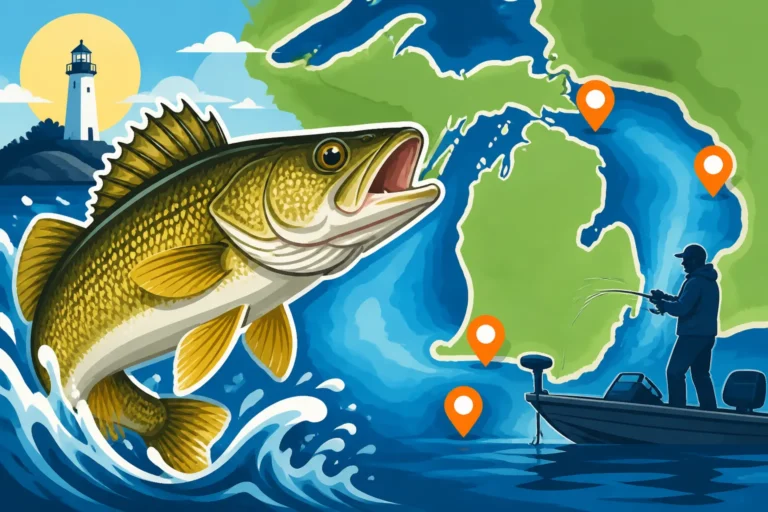
While Lake Michigan often grabs the headlines, Lake Huron offers a phenomenal and diverse fishery that shouldn't be overlooked. This lake is home to some truly world-class fishing, particularly for Walleye and some unique salmonid opportunities. The star of Lake Huron, without a doubt, is Saginaw Bay. This immense, relatively shallow bay is a Walleye powerhouse, consistently producing incredible numbers of these prized fish. Anglers flock to Saginaw Bay from spring through fall, utilizing everything from trolling crawler harnesses to jigging and casting to fill their limits. It's a vast fishery that requires careful navigation and understanding of seasonal patterns, but the rewards are often spectacular.
Further north on Lake Huron, particularly around Thunder Bay near Alpena and the Straits of Mackinac, the fishing transitions to more cold-water species. Here, you'll find excellent opportunities for Lake Trout, often caught by deep trolling. What's more, Lake Huron is home to a unique and thriving Atlantic Salmon fishery, offering a different kind of salmonid battle that's distinct from its Pacific cousins. These fish are known for their incredible aerial displays. The northern reaches of Lake Huron, with its numerous islands and deeper structures, provides a rugged, adventurous fishing experience often less crowded than other Great Lakes hotspots. It's truly a place to experience the diverse offerings of Michigan's Great Lakes fishing.
Lake Superior: Pristine Waters and Trophy Trout
Lake Superior, the largest, deepest, and coldest of the Great Lakes, presents a different kind of fishing challenge and reward. Its vast, pristine waters and dramatic, rocky shoreline are less forgiving, but they hold some truly magnificent fish, particularly trophy Lake Trout and elusive Brook Trout. This isn't a lake for the casual outing; it demands respect, preparation, and often, a sturdy vessel.
The fishing here is dominated by its native cold-water species. Lake Trout grow to immense sizes in Superior's depths, and catching one often involves deep trolling with downriggers or even jigging vertically over deep structures. Popular ports for Lake Superior fishing include Marquette, Munising, and those along the Keweenaw Peninsula. While you'll also find Coho and even some Chinook salmon, they tend to be less abundant than in the warmer Great Lakes. What makes Lake Superior truly special, however, is the chance to catch a rare coaster Brook Trout – a unique strain of brook trout that spends part of its life in the big lake before returning to rivers. These fish are often found in nearshore areas and river mouths, offering a unique opportunity for fly anglers and spin fishermen alike. Fishing Superior is an adventure, a chance to connect with nature on a grand scale and pursue some of Michigan's most impressive fish in a truly wild setting.
Lake Erie and St. Clair System: Walleye and Smallmouth Paradise
While Michigan only claims a smaller portion of Lake Erie, that section, particularly its western basin, is a legendary fishery. Lake Erie is renowned worldwide for its incredible Walleye population, often considered the "Walleye Capital of the World." The shallower, warmer, and more nutrient-rich waters of Michigan's Lake Erie provide ideal habitat for these schooling predators.
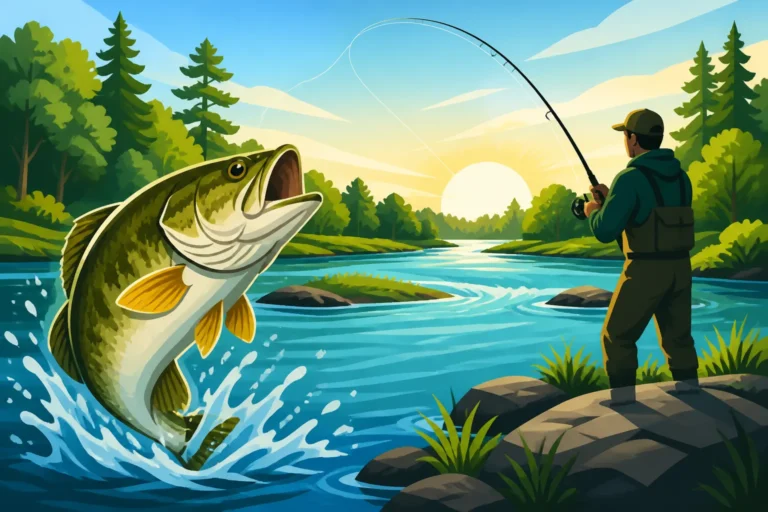
During the spring and early summer, the walleye bite can be phenomenal, with anglers frequently catching limits using techniques like trolling crankbaits, drifting crawler harnesses, or vertical jigging. Towns like Monroe and Luna Pier serve as launch points for this incredible fishery. But Lake Erie isn't just about walleye; it also holds excellent populations of Yellow Perch. Adjacent to Lake Erie, the Lake St. Clair and Detroit River system offer an entirely different, equally world-class experience. Lake St. Clair is famous for its absolutely phenomenal Smallmouth Bass fishing, with trophy-sized bronzebacks abundant across its numerous shoals and weed lines. It's also one of the best places in the world to target gigantic Muskellunge, often requiring a dedicated guide. The Detroit River, connecting Lake St. Clair and Lake Erie, is a migratory highway, offering incredible opportunities for Walleye, Perch, and even Steelhead during their runs. This southern corner of Michigan's Great Lakes provides an embarrassment of riches for anglers targeting these warm-water and migratory species. If you’re ever in the area, a trip to the Best Fishing Spots Near Detroit, Michigan could land you some truly impressive catches.
Essential Gear and Safety Considerations
Fishing the Great Lakes, especially from a boat, is a serious endeavor that requires more than just a rod and reel. The vastness and sometimes unpredictable nature of these inland seas demand appropriate gear, a strong emphasis on safety, and an understanding of boating regulations. Being prepared is not just about catching fish; it's about having a safe and enjoyable experience.
Rods, Reels, and Line for Great Lakes Battles
Matching your rod, reel, and line to the target species and technique is crucial on the Great Lakes. You wouldn't use a panfish rod to troll for Chinook salmon! For offshore trolling for salmon and lake trout, you'll need heavy-action, often fiberglass, trolling rods (7-10 feet in length) paired with line-counter reels spooled with 20-30 lb monofilament or braided line, often with fluorocarbon leaders. These setups are designed to handle the strain of heavy weights, powerful fish, and the constant drag of trolling.
For Steelhead and river-mouth salmon fishing, a medium-heavy spinning rod (8.5-10.5 feet) with a sensitive tip is ideal for casting spoons and body baits, or for float fishing. Reels should be durable, smooth-dragging spinning reels in the 2500-4000 size range, spooled with 8-12 lb monofilament or braid, often with a fluorocarbon leader for stealth. For walleye, a medium-action spinning rod (6-7.5 feet) is versatile for jigging, casting crankbaits, or drifting. Pair it with a 2500-size spinning reel and 6-10 lb test line. And for yellow perch, a light-action rod (5-6 feet) with a small, sensitive reel and 4-6 lb test line will maximize the fun and detect their subtle bites. Investing in quality gear designed for Great Lakes conditions will pay dividends in performance and durability. You might want to consider checking out a guide on Best Rods and Reels for Michigan Fishing for more specific recommendations.
Navigation, Electronics, and Safety Equipment
When you're out on the Great Lakes, especially offshore, good navigation and reliable electronics are non-negotiable. A modern GPS unit or chartplotter is essential for knowing your position, navigating safely, marking waypoints, and returning to productive fishing grounds. Many anglers opt for units that combine GPS with a sonar (fish finder), allowing them to see depth contours, locate baitfish schools, and spot individual fish or bottom structure. Advanced units offer side-imaging or down-imaging, providing incredibly detailed views of the underwater world.
Beyond finding fish, safety is paramount. A VHF marine radio is crucial for communicating with other boats and contacting the Coast Guard in an emergency – cell phone service can be unreliable far offshore. Every person on board must have an easily accessible, Coast Guard-approved life jacket, and children of a certain age are legally required to wear them. Other essential safety equipment includes flares, a horn or whistle, a first-aid kit, throwable flotation devices, and a fire extinguisher. Always check the weather forecast before heading out, as Great Lakes conditions can change rapidly and dangerously. Being prepared for the unexpected is simply part of being a responsible Great Lakes angler.
Charter Boats and Guided Trips
For those new to Great Lakes fishing, or even experienced anglers looking to target a specific species or unfamiliar water, a charter boat or guided trip is an invaluable resource. These professional services provide all the necessary gear, bait, and most importantly, the expertise of a seasoned captain who spends hundreds of hours a year on the water.
Hiring a charter eliminates the need for expensive equipment, boat ownership, and the steep learning curve of finding fish on vast waters. Captains have up-to-the-minute knowledge of where the fish are biting, what techniques are working, and how to safely navigate local conditions. This is particularly beneficial for targeting species like offshore Chinook salmon or Muskellunge on Lake St. Clair, which often require specialized knowledge and gear. A charter is also a fantastic way to learn new techniques and gain confidence before venturing out on your own. Platforms like FishingBooker make it easy to find and book reputable charter captains across Michigan's Great Lakes, allowing you to choose by location, target species, and even boat size. It's an investment in a high-quality fishing experience and a shortcut to success.
Regulations, Licenses, and Conservation
Fishing the Great Lakes isn't just about the thrill of the catch; it's also about respecting the resource and understanding the rules that protect it. Michigan has a comprehensive set of regulations designed to ensure sustainable fisheries for generations to come. Navigating these rules, from licenses to size limits, is a fundamental responsibility of every angler.
Understanding Michigan's Fishing License Requirements
Before you even think about casting a line into Michigan's Great Lakes, you absolutely need a valid Michigan fishing license. This isn't just a suggestion; it's the law. The money generated from license sales plays a critical role in funding the Michigan Department of Natural Resources (DNR) conservation efforts, fish stocking programs, habitat restoration, and enforcement. So, when you buy a license, you're directly contributing to the health of the very fishery you're enjoying.
There are different types of licenses available, depending on your residency status and how long you plan to fish. Michigan residents generally pay less than nonresidents, and you can choose between an annual license, which covers the fishing season from March 1st to March 31st of the following year, or a shorter-term option like the 24-hour license. There are also specific rules for youth; for example, generally, kids under 17 do not need a license. It's easy to purchase a license online through the DNR's website, via their convenient DNR Hunt Fish App, or in person at various license retailers across the state. Always carry proof of your license while fishing, as conservation officers do conduct checks. For a deeper dive, check out our guide on the Michigan Fishing License Guide for Residents and Nonresidents.
Navigating Bag Limits, Size Limits, and Season Dates
Beyond simply having a license, understanding the specific regulations for the fish you're targeting is crucial. Michigan's Great Lakes are managed with species-specific bag limits, size limits, and season dates to ensure sustainable populations and fair angling opportunities. These rules can vary significantly from one species to another, and even by specific body of water. For example, the daily limit for Chinook salmon might be different from that of Walleye, and a Lake Superior Brook Trout size limit might differ from an inland brook trout.
It's imperative to consult the official Michigan Fishing Regulations Digest every year, as rules can change. This digest is available online as a PDF on the DNR website and at most license retailers. Pay close attention to sections covering species like "Michigan Walleye Size and Possession Limits" or "Michigan's Combined Trout and Salmon Possession Limit." These regulations specify how many fish of a certain species you can keep in a day (daily bag limit) or possess at any one time (possession limit), and the minimum or sometimes even maximum length a fish must be to be legally harvested. Ignorance of the law is not an excuse, and violations can result in significant fines and penalties. Staying informed is key to responsible angling. To help you plan, you might find our article on Michigan Fishing Regulations Every Angler Should Know quite useful.
Practicing Responsible Angling and Conservation
Being a successful angler on the Great Lakes goes hand-in-hand with being a responsible one. Practicing ethical angling and conservation ensures that these incredible fisheries will continue to thrive for future generations. One critical aspect is practicing proper catch and release techniques, especially for trophy fish or species with strict harvest limits like Muskellunge. Handle fish gently, minimize their time out of the water, and use appropriate tools like knotless nets and long-nosed pliers to remove hooks quickly. For certain species, like Muskellunge, specific reporting rules often apply, such as the need to report a harvest within 24 hours.
Beyond handling fish, it's about respecting the environment. Always "leave no trace" by packing out everything you pack in, and never litter. Be mindful of private property when fishing from shore, and respect other anglers on the water. Conservation isn't just about laws; it's about a mindset. Understanding "Where Michigan Fishing License Money Goes" helps illustrate how your contributions support these vital conservation efforts. By adhering to regulations, practicing ethical angling, and advocating for healthy ecosystems, we can all play a part in preserving the magic of Michigan's Great Lakes fishing for years to come.
Disclaimer
The information provided in this guide is for general informational purposes only and is not intended as legal advice or a substitute for official regulations. Fishing rules and regulations in Michigan can change frequently. Always consult the most current Michigan Department of Natural Resources (DNR) Fishing Regulations Digest before heading out on the water.