How Big Do Walleye Get in Michigan
If you've ever spent a quiet morning on a Michigan lake or river, rod in hand, you've probably dreamed of reeling in a magnificent walleye. There's a certain mystique around these fish, especially when it comes to their size. Many anglers wonder just how big these prized game fish truly get in our abundant waters, and it's a valid question that impacts everything from the tackle you choose to the spots you target. This guide is here to shed light on the real size potential of Michigan's walleye, from the average catches to the true monsters lurking below the surface.
The Reality of Walleye Sizes Across Michigan
Michigan is blessed with an incredible diversity of waters, from the vast Great Lakes to thousands of inland lakes and winding rivers. This varied habitat directly influences the size and growth rates of its walleye populations. While every cast holds the potential for a surprise, there are some general expectations and thrilling possibilities when it comes to how big these toothy predators can grow.
Average Walleye You'll Encounter
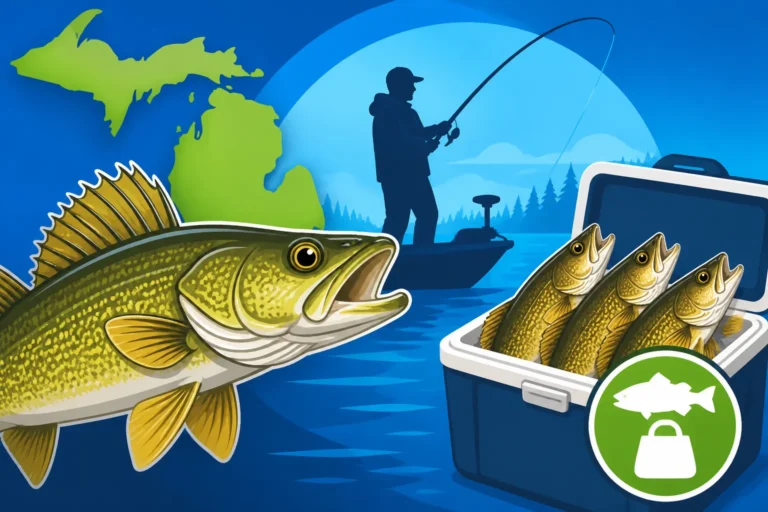
For most Michigan anglers, the average walleye caught will fall into a very respectable and exciting size range. These are the fish that make for a fantastic fight and a delicious dinner. Typically, you'll be looking at walleye between 15 and 22 inches in length. A fish in this range will usually weigh anywhere from 1.5 to 4 pounds. This is the bread and butter of walleye fishing in our state, and honestly, a 20-inch walleye pulling hard on your line is a thrilling experience.
Think about a typical day on Burt Lake or a good run on the Detroit River; most of your keepers will be right in this sweet spot. They're mature enough to have spawned, contributing to the population, and have put on some good weight. These are healthy, vibrant fish that represent the success of Michigan's fisheries management. While it's easy to get fixated on landing a giant, catching a consistent number of these average-sized walleye is what makes a successful outing for many. They're perfect for a shore lunch or a fresh fish fry back at the cabin.
The Elusive Trophy Walleye
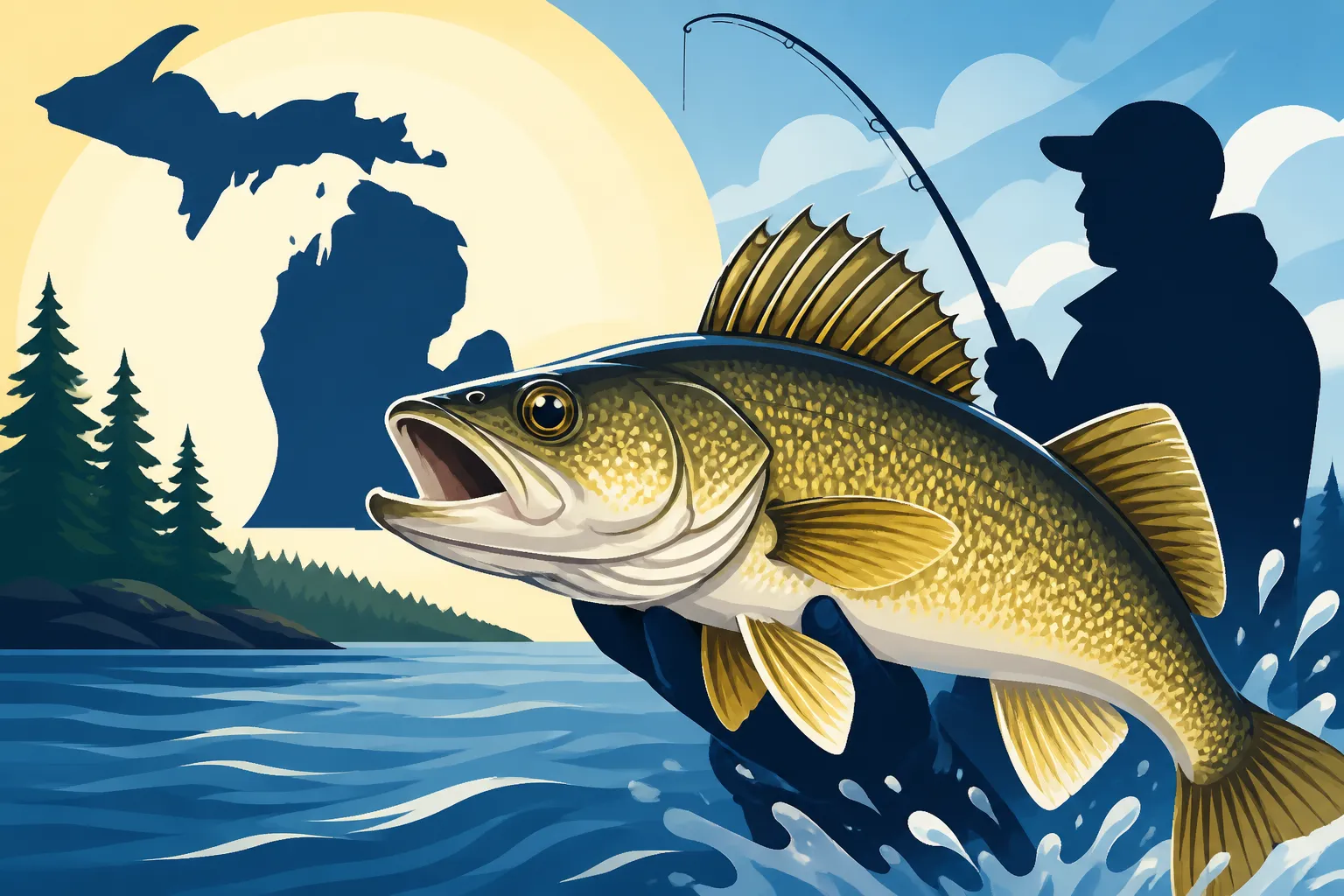
Now, for the really exciting part: Michigan definitely has trophy walleye, those fish that push the boundaries of what most anglers imagine. These are the giants, the true bragging rights fish that anglers dedicate years, even decades, to pursuing. A "trophy" walleye in Michigan generally starts around 25 inches, but truly memorable fish can easily exceed 28 or even 30 inches. When you get into these larger lengths, the weight can jump dramatically, with 8 to 12 pounds being common for these behemoths, and some truly exceptional specimens pushing upwards of 15 pounds or more.
Catching a trophy walleye isn't an everyday occurrence, which is part of what makes it so special. It often requires specific knowledge of certain waters, patience, and sometimes, a little bit of luck. These larger fish are older, wiser, and often much more elusive. They've survived countless encounters with predators and anglers, growing to their impressive sizes by being particularly good at finding food and avoiding trouble. The pursuit of one of these leviathans is a quest that drives many passionate Michigan anglers. You might spend a hundred hours on the water, only to be rewarded with one magnificent strike that changes your perception of walleye fishing forever.
Michigan's State Record Walleye: A Glimpse of True Potential
To really understand the top-end potential of walleye in Michigan, you have to look at the state record. Michigan's current state record walleye weighed in at an astounding 17 pounds, 9 ounces, caught in the waters of the Pine River in 1951. While that record has stood for decades, it serves as a powerful reminder of the incredible size these fish can attain in our state. Imagine a walleye almost as heavy as a bowling ball! This record fish wasn't just big; it was a testament to the rich environment and genetic potential present in Michigan's waters.
Stories of enormous walleye, even if they don't break the state record, circulate among local angling communities, reminding us that there's always a chance for something truly special. These tales often come from the Great Lakes or their connecting rivers, areas with vast food sources and diverse habitats. While the average angler might never come close to the state record, knowing it's out there adds an extra layer of excitement and possibility to every fishing trip. It inspires us to keep learning, keep exploring, and keep dreaming of that one incredible fish.
What Drives Walleye Growth: Key Factors in Michigan Waters
The size a walleye ultimately reaches isn't just a random act of nature; it's a complex interplay of environmental conditions, genetics, and even human influence. Understanding these factors can give you a better idea of why some waters consistently produce bigger fish than others in Michigan.
Forage Base and Water Quality
One of the most critical factors influencing how large walleye grow is the abundance and quality of their food source, often referred to as the "forage base." If a lake or river has a thriving population of baitfish – like gizzard shad, alewives, smelt, or various minnow species – walleye have a buffet readily available, allowing them to grow faster and larger. Conversely, in waters with a sparse or less nutritious forage base, walleye will typically grow slower and reach smaller maximum sizes.
Consider the immense populations of baitfish in Saginaw Bay or Lake Erie; these nutrient-rich waters directly contribute to the exceptional growth rates and large average sizes of the walleye found there. The Great Lakes act as massive food factories, supporting incredible numbers of prey fish that walleye readily consume. Beyond just quantity, the type of forage matters too. High-fat, protein-rich baitfish provide more energy for growth.
Water quality also plays a significant, though often less direct, role. Clean, well-oxygenated water free from excessive pollution supports a healthier ecosystem overall, which in turn benefits the forage base and allows walleye to thrive without stress. Temperature also impacts metabolism; walleye are cool-water fish, and environments that maintain optimal temperature ranges for them allow for more efficient feeding and growth.
Genetic Potential and Population Density
Just like any species, walleye have genetic predispositions that can influence their maximum size. Some strains or populations might simply have the genes to grow larger and live longer than others. While this is harder for the average angler to observe, fisheries biologists consider these genetic factors when managing populations and making stocking decisions.
Population density is another huge piece of the puzzle. If a body of water is overpopulated with walleye relative to its food supply, the fish will compete intensely for resources. This competition often leads to "stunted" growth, where many fish remain small because there simply isn't enough food to go around for everyone to reach a large size. On the other hand, a well-balanced population where walleye numbers are in sync with the available forage typically produces healthier, larger fish. The DNR works hard to monitor these densities. When they conduct surveys, they're not just counting fish; they're assessing the health and growth rates of the population to ensure a sustainable fishery. This is why you often hear about specific stocking programs where the DNR releases walleye fry or fingerlings into waters that can support them, helping to bolster populations in a balanced way, as explored in articles like Does the DNR Stock Walleye in Michigan?.
Angling Pressure and Harvest Practices
The impact of human activity on walleye size cannot be overstated. Waters that experience heavy angling pressure, especially if anglers primarily target and keep the largest fish, can see a reduction in the average size of the walleye population over time. This is because the biggest, fastest-growing fish are removed from the gene pool, leaving smaller, slower-growing fish to reproduce.
This is precisely why regulations like minimum size limits and slot limits are so important. They are designed to protect the very fish that contribute most to future generations and larger overall sizes. By allowing fish to reach maturity and spawn multiple times before being harvested, these regulations help maintain a healthy age structure and genetic diversity within the population. It's a delicate balance between providing recreational opportunities and ensuring the long-term health of the fishery. Catch-and-release practices, especially for trophy-sized fish, also play a vital role in sustaining large walleye populations. Releasing a huge walleye, even if it's a legal keeper, allows that fish to continue growing and contributing its superior genetics to the next generation.
Navigating Michigan's Walleye Regulations and Conservation
Understanding walleye size isn't just about curiosity; it's intrinsically linked to the regulations designed to protect and enhance our fisheries. Michigan's Department of Natural Resources (DNR) implements a variety of rules to ensure sustainable walleye populations, which in turn influences the potential for catching larger fish.
Understanding Minimum Size Limits
One of the most fundamental tools in fisheries management is the minimum size limit. In Michigan, for most waters, this typically means a walleye must be at least 15 inches long to be legally kept. This regulation, outlined in details like Michigan Walleye 15-Inch Minimum Size Limit, isn't arbitrary. It's carefully calculated by fisheries biologists to allow walleye to reach sexual maturity and spawn at least once, and often multiple times, before they are vulnerable to harvest.
Why is this important for size? If anglers were allowed to keep any size walleye, there would be a tendency to harvest smaller, younger fish. This would deplete the population before fish have a chance to grow large and reproduce, ultimately leading to fewer and smaller walleye in the future. By instituting a 15-inch minimum, the DNR ensures that each walleye has the opportunity to contribute to the next generation, helping to maintain a robust population that includes larger, older fish. Always double-check the current Michigan Fishing Regulations Every Angler Should Know digest before heading out, as rules can vary slightly by specific water body.
The Purpose of Protected Slot Limits
Beyond simple minimum size limits, Michigan also employs "protected slot limits" in certain waters, a more nuanced conservation strategy. A slot limit means that you can keep fish below a certain size and above another certain size, but fish within a specified length range must be immediately released. For example, in some Michigan waters, you might find a slot limit that says you can keep walleye under 18 inches and over 23 inches, but any walleye between 18 and 23 inches must be released. This is often explained in regulations like Michigan's Protected Walleye Slot Between 18 and 23 Inches.
The primary goal of a slot limit is often to protect the sexually mature, fast-growing "breeder" fish. These are the fish that are typically in their prime reproductive years and have demonstrated strong growth potential. By protecting these middle-sized fish, the DNR aims to increase the number of spawning adults, which in turn helps produce more young walleye. It also helps shift angler harvest pressure away from these crucial breeding fish, encouraging the population to produce more larger, trophy-sized fish outside the protected slot. It's a sophisticated way to manage the fishery, promoting both population health and the potential for bigger individual fish.
How DNR Management Shapes Walleye Size
The Michigan DNR plays a crucial, active role in managing our walleye fisheries, and their efforts directly influence the sizes of fish we catch. This isn't just about setting rules; it involves extensive research, monitoring, and proactive intervention. DNR biologists conduct regular surveys to assess walleye populations, looking at age structures, growth rates, and overall health. They use this data to inform their management decisions.
For example, if surveys indicate that a particular lake's walleye population is growing slowly or isn't reaching desired sizes, the DNR might adjust regulations, introduce stocking programs, or work on habitat improvements. They also analyze where Michigan fishing license money goes, ensuring it funds these vital conservation efforts. Their work ensures that the next generation of anglers can enjoy the same, if not better, fishing experiences. This holistic approach to management, covering everything from specific bag limits like Michigan Walleye Daily Possession Limit to habitat projects, is why Michigan remains a premier walleye fishing destination. Without these dedicated efforts, the dream of catching a big walleye in our state might be a lot harder to achieve.
Premier Walleye Destinations Known for Size
If you're serious about tangling with a larger-than-average walleye in Michigan, knowing where to focus your efforts is key. While walleye can be found in many waters, some locations consistently produce bigger fish due to their vastness, abundant food sources, and ideal habitat.
Great Lakes Walleye Hotbeds
When it comes to sheer numbers and the potential for true giants, Michigan's Great Lakes waters are unparalleled. Specifically, Saginaw Bay on Lake Huron and Michigan's portion of Lake Erie are world-renowned walleye factories. These vast, nutrient-rich bodies of water support incredible forage bases, allowing walleye to grow quickly and reach impressive sizes.
Saginaw Bay, for instance, is often hailed as one of the best walleye fisheries in the entire country. Its shallow, fertile waters warm up quickly in the spring, promoting plankton blooms that feed baitfish, which in turn feed walleye. Anglers here regularly pull out fish in the 20- to 28-inch range, with much larger fish not uncommon. Lake Erie, particularly its western basin, is another legendary spot, known for both its immense walleye population and the trophy potential of its fish. The sheer volume of fish and abundant food sources (like emerald shiners and gizzard shad) mean that a walleye has every opportunity to grow large. Areas like the St. Clair River and the Detroit River, which connect Lake Huron and Lake Erie, also offer fantastic fishing, especially during the spring spawning runs when massive numbers of walleye move through these channels. These locations are precisely why articles like Michigan's Great Lakes Fishing Guide are so popular, highlighting the incredible opportunities available for anglers seeking big walleye. If you're looking for Best Waters for Michigan Walleye, the Great Lakes dominate the conversation.
Inland Lake Hotspots for Larger Walleye
While the Great Lakes often steal the spotlight, Michigan's inland lakes also offer fantastic walleye fishing, and some are particularly noted for producing larger fish. These lakes typically share characteristics similar to their Great Lakes counterparts: a good forage base, ample habitat, and often a history of successful management.
Houghton Lake, Michigan's largest inland lake, is a prime example. Known for its expansive shallow flats and deep channels, it supports a healthy walleye population that includes many mature, large fish. Anglers on Houghton Lake often find success targeting walleye during low light conditions or over structured areas. Similarly, the waters of northern Michigan, like Big and Little Bays de Noc on Lake Michigan (though technically part of the Great Lakes system, they offer more "inland lake" characteristics), are famous for their trophy walleye potential, particularly during the spring and fall. These bay systems provide sheltered, rich environments where walleye can thrive. Other lakes, too, have their reputations for producing big fish, and dedicated local anglers will often have their favorite secret spots. Exploring a detailed guide like Houghton Lake Fishing Guide: Michigan's Largest Inland Lake can reveal a wealth of information for targeting these inland giants.
River Systems: Seasonal Opportunities for Big Walleye
Michigan's river systems provide a unique and often seasonal opportunity to target large walleye, especially during their spawning migrations. Rivers like the Detroit River, St. Clair River, and parts of the Saginaw River become highways for massive walleye moving from the Great Lakes into their spawning grounds. During these periods, anglers have a chance to intercept some of the biggest, heaviest fish of the year.
The Detroit River, in particular, is legendary for its spring walleye run. Anglers from all over the Midwest flock to its currents to jig for numbers of fish, many of which are well over the average size. The fast current and abundant forage here contribute to thick-bodied, strong walleye. The key to river fishing is often timing – being there when the fish are concentrated and actively feeding or migrating. Knowing when the walleye are on the move is crucial, as is understanding how to fish these powerful currents. For dedicated river anglers, this can be one of the most exciting times of the year, offering a legitimate shot at catching a true Michigan trophy walleye right from the shore or a boat. These seasonal movements highlight the incredible journey many of Michigan's biggest walleye undertake.
Strategies for Targeting Michigan's Bigger Walleye
Catching a truly large walleye in Michigan isn't just about luck; it often comes down to strategy, patience, and knowing how to adapt your approach. While many tactics will catch walleye, targeting the bigger fish requires a slight shift in mindset and technique.
Choosing the Right Gear for Trophy Fish
When you're aiming for larger walleye, your gear choice becomes more critical. You're not just looking for something that can land a fish; you need tackle that can stand up to the power of a determined 10-pound-plus walleye in current or heavy structure. This often means stepping up your rod, reel, and line choices.
For rods, consider a medium-heavy power with a fast action. This gives you the backbone to control a large fish and the sensitivity to detect subtle bites. A good quality graphite rod will transmit those light taps effectively. Reels should be robust, with a smooth drag system that can handle long runs without faltering. Spinning reels in the 2500-3000 size or baitcasting reels with a strong gear ratio are often preferred. As for line, many anglers opt for braided line with a fluorocarbon leader. Braid offers incredible strength and sensitivity, while the fluorocarbon leader provides invisibility in clear water and abrasion resistance against sharp walleye teeth or rocky bottom. You might find a wide selection of these specialized items on retailers like Amazon, making it easy to outfit yourself properly. Don't skimp on hooks either; larger, sharper, and stronger hooks will ensure a solid hookset and reduce the chance of bending out on a big fish.
Optimal Times and Techniques for Big Walleye
Big walleye are often more wary and less aggressive than their smaller counterparts. This means you need to be precise with your timing and techniques. Generally, low-light conditions are prime for targeting larger walleye. This includes dawn, dusk, and especially night fishing, which is a favorite among trophy walleye hunters. During these times, big walleye move into shallower feeding areas where they are more vulnerable. Guides like Best Time of Day to Catch Walleye and How to Catch Walleye at Night in Michigan delve into these specific windows of opportunity.
Technique-wise, jigging with larger baits is a common approach, especially in rivers or over deep structure. A heavier jig tipped with a large minnow, plastic grub, or even a paddle tail can entice a big walleye. Trolling with large crankbaits or crawler harnesses can also be highly effective in open water or along contours in lakes. The key is to present a substantial meal that appeals to a predatory fish looking for a high-reward meal. Large walleye are less likely to chase down small, fast-moving prey; they prefer to conserve energy and ambush a bigger, slower target. Pay attention to structure – drop-offs, submerged humps, rock piles, and weed edges are all prime ambush points for trophy walleye.
Practicing Responsible Catch and Release
Finally, if your goal is to help Michigan's walleye populations continue to produce giants, practicing responsible catch and release, especially for the biggest fish, is paramount. Those truly massive walleye are often the oldest and most valuable breeders in the population. While it's tempting to keep a trophy, releasing it ensures it can continue to spawn and pass on its superior genetics.
When you do catch a big walleye, handle it with care. Minimize its time out of the water, support its body horizontally (never hold a large fish vertically by the jaw), and use wet hands or a wet net. If taking photos, do so quickly and efficiently. Make sure the fish is fully revived before releasing it; gently hold it upright in the water until it swims away under its own power. Some anglers even use specialized tools like large, rubberized landing nets to minimize scale and slime coat damage. This dedication to conservation, alongside adherence to Michigan Fishing Regulations Every Angler Should Know, ensures that the thrill of catching a giant Michigan walleye will be an experience that future generations of anglers can also enjoy.
Disclaimer
This article is for general informational purposes only and does not constitute professional advice. Laws, prices and regulations vary by location and change over time. Consult a qualified professional for guidance on your specific situation.