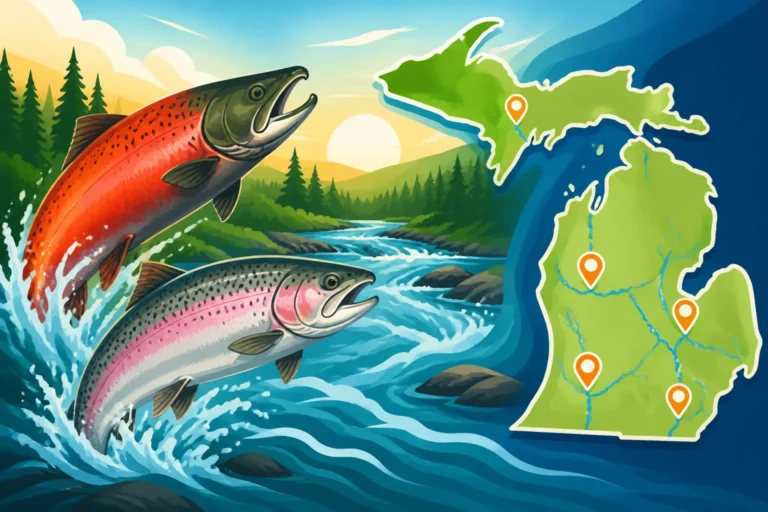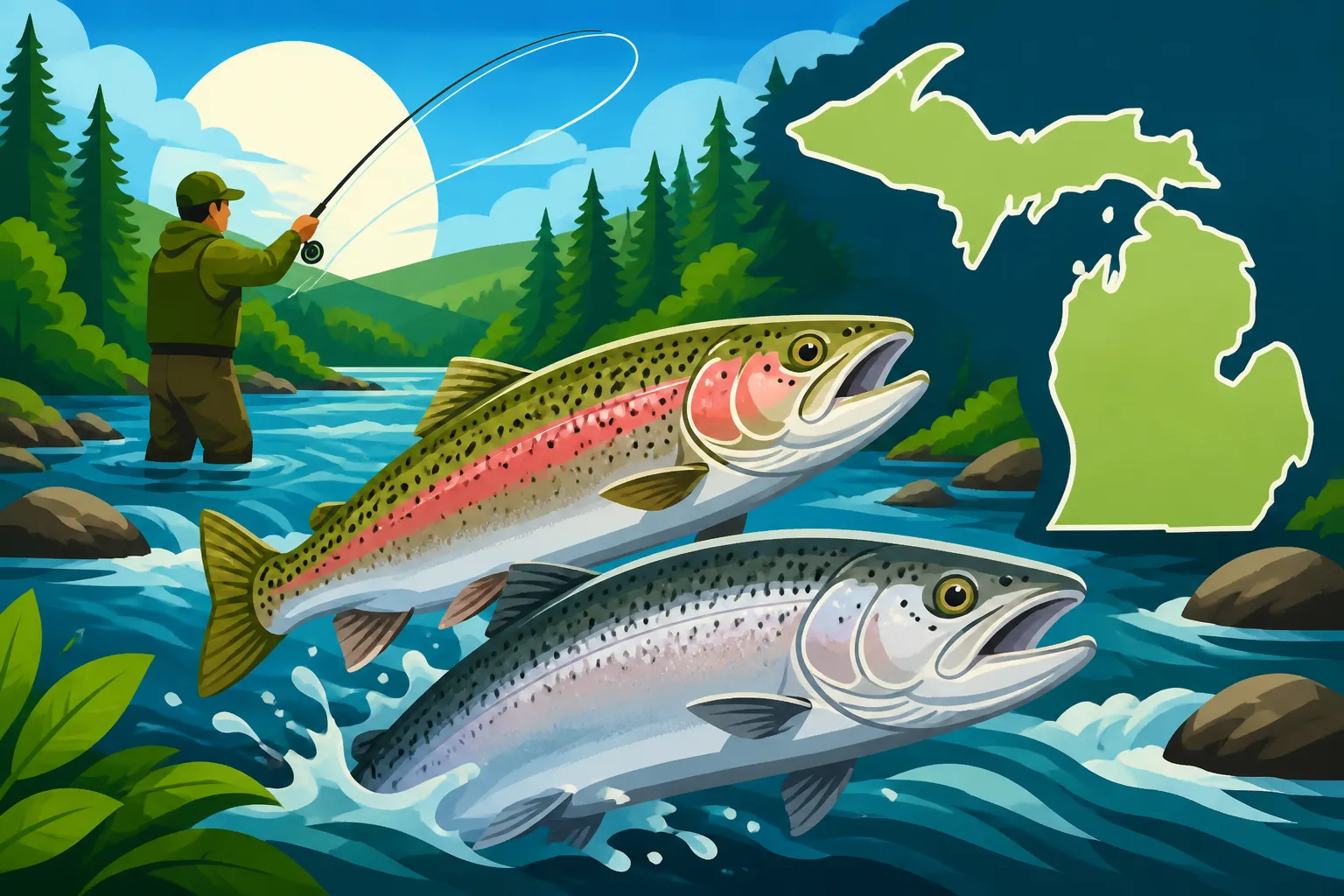
Best Rivers for Trout and Steelhead in Michigan
Ah, the sound of rushing water, the scent of fresh pine, and that thrilling tug on your line – there’s nothing quite like river fishing in Michigan, especially when you’re targeting those magnificent trout and powerful steelhead. But let's be real, with so many incredible waterways winding through our beautiful state, it can feel utterly overwhelming trying to figure out where to even start. You want those trophy fish, but you also want a memorable experience, and this guide is here to cut through the noise and show you the absolute best rivers Michigan has to offer for chasing trout and steelhead.
The Allure of Michigan's Trout and Steelhead Rivers
Michigan is truly blessed with an incredible network of rivers, many of which are renowned far beyond our state lines for their exceptional trout and steelhead fishing. It’s not just about the numbers of fish, though we certainly have plenty; it's about the wildness of the landscape, the challenge of the chase, and the sheer beauty of connecting with nature. For many anglers, there’s a deep satisfaction in understanding the subtle nuances of a river system, reading the currents, and presenting a perfect drift to a wary fish. These rivers aren't just bodies of water; they're living ecosystems that demand respect and offer profound rewards.
Why These Rivers are a Mecca for Anglers
Michigan's rivers offer a unique combination of factors that make them a prime destination for trout and steelhead enthusiasts. First, you have the incredible diversity of fish species. Beyond the native brook trout, our rivers boast robust populations of brown trout and rainbow trout, many of which grow to impressive sizes. Then there are the anadromous fish – the steelhead (lake-run rainbow trout) and various species of salmon – that make epic migrations from the Great Lakes into our rivers to spawn. These powerful, silver bullets offer a fight that seasoned anglers dream of. The sheer variety means you can target different species with different techniques throughout the year, keeping the excitement fresh.
Furthermore, the accessibility varies from wild, remote stretches requiring a careful float or strenuous hike, to easily accessible public lands with well-maintained boat launches and wading opportunities. This means whether you're looking for a wilderness adventure or a quick evening trip after work, there's a river that fits your style. Many of these rivers are also incredibly scenic, winding through dense forests, pristine wetlands, and rolling hills, adding an aesthetic pleasure to every cast. It's truly an immersive experience that goes beyond just the act of fishing itself.
Navigating the Seasons and Species
Understanding when and where to fish in Michigan's rivers is absolutely key to success. It's not a static environment; different fish are active at different times, often dictated by water temperature, light conditions, and their own spawning cycles. For instance, the spring brings the much-anticipated trout opener on inland waters, while the Great Lakes tributaries come alive with impressive steelhead runs. Then there's the fall, often considered the prime time for salmon, which also brings in another wave of steelhead following the salmon upstream, as you can read more about in our guide on Michigan Steelhead Run Timing.
During the summer months, trout in the colder, oxygen-rich stretches of rivers remain active, often requiring more finesse with dry flies or small nymphs. Winter, while challenging, can offer incredible ice fishing opportunities on some river mouths or slower stretches, and for the truly dedicated, the "winter steelhead" can provide some of the toughest fights of the year. Each season has its own charm and its own set of challenges, demanding different approaches and gear. Knowing which of the Michigan Trout Species Explained you're targeting, or when the Michigan Fishing Seasons Explained align with your preferred species, will dramatically increase your chances of a memorable outing.
The Legendary Au Sable River: A Fly Angler's Dream
The Au Sable River, affectionately known as "The Holy Water" by many, is undeniably one of Michigan's most iconic trout streams. Flowing for over 130 miles through the northern Lower Peninsula before emptying into Lake Huron, this river is a mosaic of habitats, offering everything from classic coldwater trout fishing to prime salmon and steelhead opportunities closer to the big lake. It’s a place steeped in fly-fishing history, home to some of the most influential names in the sport, and continues to draw anglers from around the globe.
Upper Au Sable: Pristine Trout Waters
The upper stretches of the Au Sable, particularly above Mio, are what truly define its legendary status for trout. This section, including the "Holy Water" from Wakeley Bridge to the dam at Mio, is predominantly catch-and-release, often with special tackle restrictions (like artificial lures only, or even fly-fishing only sections). The water here is crystal clear, cold, and flows through dense forests, providing ideal habitat for wild brown trout, rainbow trout, and even some native brook trout. It’s a place where stealth and presentation are paramount, and matching the hatch is a sacred art.
Anglers often float this section in traditional Au Sable riverboats or wade carefully through its gravel beds and undercut banks. Famous hatches like the Hexagenia limbata (Hex) in late June bring out massive trout and even more massive angler crowds, creating an electric atmosphere under the twilight sky. But even outside the major hatches, dry fly fishing, nymphing, and streamer fishing can be incredibly productive. It’s a truly immersive experience that demands your full attention and offers profound rewards for those who master its subtle currents. The commitment to preserving this fishery has made it a benchmark for quality trout fishing in the Midwest.
Lower Au Sable: Steelhead and Brown Trout Mix
As the Au Sable flows further downstream, especially below Mio and towards Oscoda and Lake Huron, its character gradually changes. While still a fantastic brown trout fishery, this section also becomes a vital migratory route for steelhead and salmon making their way up from Lake Huron. From the Mio Dam downstream through the Foote Dam and Cooke Dam, and all the way to Oscoda, anglers will find a wider river with more diverse fishing opportunities. The trout here are still abundant, with some very large brown trout that have grown fat on the bounty of the Great Lakes.
When the fall salmon runs begin (usually in late August through October), Chinook and Coho salmon fill the river, attracting legions of anglers. Following closely behind, and often overlapping, are the powerful steelhead. These chrome beauties enter the river in the fall, winter over, and then make their spawning run in the spring. Drift fishing with spawn bags, beads, or jigs is a popular and effective method here, as is casting spoons or crankbaits. For those looking for a different experience, there are excellent opportunities to try How to Fish for Steelhead in Michigan in the lower river, offering explosive fights against these lake-run titans.
Manistee River: Steelhead Powerhouse and More
The Manistee River, often hailed as one of Michigan's premier salmon and steelhead rivers, is a powerhouse that offers incredible fishing opportunities year-round. Originating in the northern Lower Peninsula and flowing southwest to Lake Michigan, the "Big Manistee" is characterized by its wide, powerful currents, gravel spawning beds, and deep runs. It's a river that truly showcases Michigan's diverse anadromous fisheries, while also holding strong populations of resident trout in its upper reaches.
Upper Manistee: Wild Trout and Scenic Floats
Above Tippy Dam, the Manistee River transforms into a classic coldwater trout fishery. This section, particularly the "fly water" near sites like CCC Bridge and Hodenpyl Dam, is celebrated for its wild brown trout and rainbow trout populations. The water is often clearer and colder here, creating excellent conditions for insect hatches. Fly anglers will find ample opportunities for dry fly fishing during prolific hatches, or for nymphing and streamer fishing when fish are holding deeper. The river here offers a mix of faster riffles, deep pools, and challenging currents that make for engaging fishing.
Floating this section in a drift boat or a canoe is a popular way to cover water and reach less-pressured fish. The scenery is breathtaking, with towering pines and secluded banks, offering a sense of wilderness even as you pursue your quarry. While not as famous for its size of trout as some other rivers, the abundance of wild, stream-bred fish in a truly beautiful setting makes the upper Manistee a rewarding destination for dedicated trout anglers seeking a pristine experience.
Lower Manistee: Epic Salmon and Steelhead Runs
Below Tippy Dam, the Manistee River completely changes character, becoming a world-renowned destination for migratory fish. This stretch is a major spawning ground for Chinook salmon, Coho salmon, and, of course, steelhead. From late summer through fall, the river explodes with salmon, drawing anglers from all over. These powerful fish offer incredible fights and a chance at some truly massive catches. Following the salmon, and continuing through the winter and into spring, are the legendary Manistee River steelhead runs. These fish are known for their size and ferocity, often putting on aerial displays that will test any angler's tackle and skill.
Techniques commonly employed here include drift fishing with spawn, beads, or jigs, as well as casting various artificial lures like Hot 'n Tots, spinners, or spoons. Jet boats are common on the lower river to quickly move between prime runs and holes. Guides often book out months in advance during the peak runs, highlighting the popularity of this fishery. If you're looking to experience an unforgettable salmon or steelhead trip, exploring options through a service like FishingBooker could help you find an experienced guide to navigate the powerful currents and put you on fish during these incredible migratory pushes. This lower section of the Manistee truly embodies the phrase "steelhead powerhouse." You might also want to look into Michigan Salmon Species Explained for a deeper dive into what you might encounter here.
Pere Marquette River: A National Scenic River Gem
The Pere Marquette River, or "PM" as it's often called, holds a special place in the hearts of many Michigan anglers. It was one of the first rivers in Michigan to be stocked with brown trout back in the late 1800s, and it's also recognized as the birthplace of modern fly fishing for steelhead. Designated a National Scenic River, the PM flows through a mix of private and public lands in the western Lower Peninsula, maintaining a wild and pristine character for much of its length. Its reputation for wild, stream-bred fish and challenging fishing conditions makes it a true gem.
Wild Brown Trout and Early Season Steelhead
The upper and middle sections of the Pere Marquette are primarily known for their exceptional wild brown trout population. These fish are spooky, smart, and often demand a perfect presentation, particularly for fly anglers. The river is characterized by numerous logjams, undercut banks, and gravel riffles, all providing excellent trout habitat. During the summer, dry fly fishing can be fantastic during hatches, while nymphing and streamer fishing are productive throughout the year. The PM’s commitment to its wild fish population means that many stretches are managed under special regulations, often including catch-and-release only, or single, barbless hook rules, which helps maintain the quality of the fishery.
In the fall, the Pere Marquette also sees an influx of migratory fish. While not typically as heavy as the Manistee or Muskegon for salmon numbers, the PM is famous for its early-season steelhead run. These powerful fish, fresh from Lake Michigan, start entering the river in late September and October, offering exhilarating fights. Anglers often target them with fly-fishing techniques, including spey casting, or by float fishing with beads and small jigs. The wild nature of the river adds an extra layer of challenge and reward to every encounter.
Fly-Fishing Only Sections and Classic Drifts
One of the unique aspects of the Pere Marquette is its "Fly-Fishing Only" section, a stretch from the M-37 Bridge to the Claybanks. This special regulation has helped preserve the pristine nature of the fishery and offers a truly classic fly-fishing experience. Anglers here use traditional fly-fishing gear and techniques, respecting the delicate balance of the river. This section is particularly revered for its dry fly fishing during hatches and its challenging but rewarding nymphing opportunities. For those looking to hone their craft, the PM provides an unparalleled classroom.
Beyond the fly-fishing only water, the river is also a popular destination for drift boat fishing. Guides and experienced anglers navigate the river's winding currents, presenting flies or gear to prime lies. Famous drifts, often discussed in hushed tones among local anglers, offer diverse water types and chances at both resident trout and migratory steelhead. Learning about Fly Fishing Techniques for Michigan Trout Streams is almost essential here. The beauty of the PM is that whether you're a seasoned fly angler or an enthusiastic beginner seeking a guided trip, the river offers endless opportunities for exploration and connection with some of Michigan's finest fish.
Muskegon River: A Year-Round Steelhead Destination
The Muskegon River is a true giant among Michigan's waterways, boasting a remarkable diversity of fish species and year-round fishing opportunities. As the second-longest river in Michigan's Lower Peninsula, it flows from Houghton Lake westward to Lake Michigan, passing through dense forests, farmlands, and urban centers. While known for many species, it truly shines as a consistent and productive steelhead fishery, often referred to as a "working man's river" due to its reliable runs and accessibility.
Lower Muskegon: Consistent Steelhead and Walleye
The lower section of the Muskegon River, particularly below Croton Dam and through Newaygo, is the undisputed king for steelhead. This stretch experiences some of the most consistent and longest steelhead runs in the state, with fish entering the river from Lake Michigan in the fall, wintering over, and then completing their spawn in the spring. This means you can find steelhead in the Muskegon River almost any time of year, though peak runs are typically in October-November and March-April. The river here is wide and powerful, with many deep holes, gravel runs, and current seams that hold fish.
Popular techniques for steelhead include drift fishing with floats and spawn bags, beads, or jigs. Centerpinning has also become a highly effective method for presenting bait naturally to wary steelhead. Many anglers rely on experienced guides, particularly during peak times, to navigate the extensive river and find productive water. The Muskegon is also an excellent walleye fishery, especially in its lower reaches and where it empties into Muskegon Lake. Anglers will often target walleye at night with stickbaits or by jigging. The sheer volume of fish and diverse angling options make the lower Muskegon a standout destination. You may also want to consider the Best Rod Length for River Steelhead when gearing up for this river.
Upper Muskegon: Diverse Trout and Smallmouth Opportunities
Above the Croton and Hardy Dams, the Muskegon River takes on a different personality. While still a large river, it’s less influenced by the Great Lakes migratory runs and supports a healthy population of resident trout, including brown trout and rainbow trout. This section offers good opportunities for fly fishing, nymphing, and streamer fishing in its numerous riffles and pools. While the trout might not be as numerous or as large as those found in the Au Sable or Pere Marquette, they are wild, beautiful fish that provide a satisfying challenge.
Beyond trout, the upper Muskegon is also an excellent smallmouth bass fishery, especially in the warmer summer months. These bronze battlers offer explosive strikes and strong fights, making them a popular target for both fly and spin anglers. Anglers often target them with crankbaits, jigs, or topwater lures. The diverse ecosystem of the upper Muskegon, combining trout, smallmouth, and even some northern pike in certain stretches, provides a different, but equally rewarding, angling experience compared to its lower, anadromous-focused counterpart.
St. Joseph River: Southern Michigan's Steelhead Haven
For anglers in southern Michigan, the St. Joseph River is a vital and easily accessible steelhead fishery. Flowing from its headwaters in southern Michigan and northern Indiana, the "St. Joe" winds its way through several states before emptying into Lake Michigan at St. Joseph. It's a large, often wide river, and while it might not have the pristine wilderness feel of some northern streams, its consistent steelhead runs and urban accessibility make it incredibly popular.
Dam Tailwaters and Productive Drifts
The key to fishing the St. Joseph River for steelhead largely revolves around its numerous dams, which act as natural barriers for migrating fish. The tailwaters below these dams, particularly the Berrien Springs Dam and the Buchanan Dam, are hotspots for staging steelhead. Fish congregate below these structures, making them accessible to both boat and shore anglers. The river here often has deep runs and powerful currents, requiring heavier tackle and careful presentation. Fall steelhead runs typically begin in October, with fish pushing upstream in waves, followed by a strong spring run in March and April.
Drift fishing with floats, spawn bags, or jigs is a highly effective method in these areas. For those who prefer to cast, spoons, spinners, and crankbaits can also entice aggressive steelhead. The St. Joseph River is also known for its strong salmon runs in the fall, particularly Chinook salmon, which provide another exciting challenge before the steelhead fully take over. Local knowledge is invaluable here, and booking a charter through a service like FishingBooker can significantly enhance your experience, especially if you're new to the river's unique dynamics.
Accessibility and Urban Fishing Opportunities
One of the biggest advantages of the St. Joseph River is its accessibility. Winding through several towns and cities, it offers numerous public access points, parks, and boat launches. This makes it a fantastic option for anglers who live in or near population centers in southern Michigan and northern Indiana, reducing travel time to find quality steelhead fishing. While some stretches feel more developed, there are still plenty of beautiful, wooded areas, especially further upstream.
Shore fishing is very popular on the St. Joe, particularly below the dams, offering opportunities even for anglers without a boat. However, a boat often allows access to more productive water and easier navigation of the strong currents. The sheer volume of fish that utilize the St. Joseph River as a migratory pathway from Lake Michigan ensures that there's usually a good chance of connecting with a powerful steelhead, even during crowded periods. Just remember, checking current regulations and respecting private property is crucial in these more populated areas. Don't forget to review Michigan Fishing Regulations Every Angler Should Know before heading out.
Other Notable Michigan Rivers for Trout and Steelhead
While the "Big Five" (Au Sable, Manistee, Pere Marquette, Muskegon, St. Joseph) often grab the headlines, Michigan is blessed with many other fantastic rivers that offer incredible trout and steelhead fishing. These lesser-known, or geographically distinct, rivers can sometimes offer a more secluded experience or unique angling challenges. Exploring these waterways can lead to incredibly rewarding days on the water.
Betsie and Boardman Rivers: Salmon and Steelhead in West Michigan
On the western side of the Lower Peninsula, the Betsie River and the Boardman River are two smaller, but incredibly productive, tributaries to Lake Michigan. Both are renowned for their strong salmon and steelhead runs, often drawing significant angler attention during peak seasons. The Betsie, a relatively short river, is famous for its powerful Chinook and Coho salmon runs in the fall, followed by excellent steelhead fishing throughout the late fall, winter, and spring. Its smaller size means fish are often more concentrated, making for exciting, fast-paced action.
The Boardman River, which flows through Traverse City, offers a unique blend of urban accessibility and wild trout fishing. Its upper reaches hold impressive populations of wild brown and rainbow trout, providing excellent fly-fishing opportunities. As it approaches Lake Michigan, it becomes a crucial migratory route for salmon and steelhead, particularly in the fall and spring. Anglers can often find themselves casting for steelhead just minutes from downtown Traverse City, showcasing Michigan's unique fishing landscape. Both rivers, while smaller, offer intense and memorable encounters with migratory species.
Grand River: A Surprising Urban Fishery
The Grand River, Michigan's longest river, might not immediately come to mind for pristine trout and steelhead. However, its lower stretches, particularly near Grand Rapids and downstream to Lake Michigan, offer a surprisingly robust and highly accessible fishery for migratory species. The river's substantial flow and varied bottom structure create excellent holding water for Chinook and Coho salmon in the fall, and strong runs of steelhead throughout the fall, winter, and spring. The Grand River is a testament to the resilience of Michigan's fisheries and the impact of conservation efforts.
Anglers often target these fish using similar techniques to the larger rivers: drift fishing with floats, spawn, or beads, and casting a variety of artificial lures. The Sixth Street Dam in Grand Rapids is a particularly famous bottleneck where fish congregate, drawing large crowds of anglers. While it might lack the wild aesthetics of some northern rivers, the Grand River provides fantastic opportunities for urban anglers to connect with powerful lake-run fish. It’s a great example of how productive a river can be, even as it flows through populated areas, and a great place to explore if you're in the area without much travel time.
Planning Your Michigan River Fishing Adventure
Embarking on a Michigan river fishing trip, whether for trout or steelhead, is an exciting prospect. But like any adventure, a little planning goes a long way. Beyond knowing which river to visit, understanding the nuances of gear, techniques, and, crucially, the rules, will ensure your trip is both successful and responsible. Michigan’s rivers are a precious resource, and enjoying them means respecting them.
Essential Gear and Techniques for River Success
The gear you'll need can vary widely depending on the river, the species you're targeting, and the time of year. For resident trout, a lightweight fly rod (3 to 5 weight) with matching reel and line is often preferred, allowing for delicate presentations of small flies. Spin anglers might opt for a light to medium-light spinning rod with 4-8 pound test line, suitable for casting small spinners, spoons, or drifted bait. Waders and wading boots are almost universally essential for river fishing, allowing you to safely access prime wading spots and navigate currents. Our guide on Best Waders for River Fishing offers more in-depth advice.
For steelhead and salmon, you’ll need more robust tackle to handle these powerful fish. A medium to medium-heavy spinning or casting rod, often 9-11 feet long for better line control and shock absorption, is standard. Reels should have a smooth drag system and be spooled with 10-15 pound monofilament or fluorocarbon main line, often with a heavier leader. Centerpin rods, known for their incredible ability to achieve natural drifts, are also very popular. Lures and baits include spawn bags, beads, jigs, various spoons, and crankbaits. Learning How to Fish for Steelhead in Michigan will dive deep into these techniques. Always carry a net large enough to safely land your target species, especially for fish you intend to release.
Respecting Regulations and Conservation
Before you even tie on your first lure, it's absolutely critical to familiarize yourself with Michigan's fishing regulations. These rules are designed to protect our fisheries and ensure their sustainability for generations to come. Regulations can vary not only by species but also by specific river, or even different sections of the same river. This might include special size limits, daily possession limits, tackle restrictions (e.g., artificial lures only, single hook only, or even fly-fishing only sections), and season dates. You can find comprehensive information in our articles like Michigan Fishing License Guide for Residents and Nonresidents and Michigan Bag and Size Limits Explained.
Conservation isn't just about following the rules; it's about ethical angling practices. Practicing catch-and-release properly, minimizing stress on the fish, and using barbless hooks can significantly increase the survival rate of released fish. Always pack out everything you pack in, and avoid disturbing spawning beds. If you're using a guide, they will be well-versed in the local regulations and best practices, which is another great reason to consider booking through services like FishingBooker, especially on unfamiliar waters. Our shared responsibility is to leave these rivers better than we found them, ensuring that the thrill of hooking a wild trout or a powerful steelhead remains a possibility for everyone.
| River Name | Primary Species | Peak Seasons | Notable Features / Techniques |
|---|---|---|---|
| Au Sable River | Brown Trout, Steelhead | Spring (Trout, Steelhead), Fall (Steelhead) | Fly-fishing only sections, famous hatches, drift boating |
| Manistee River | Steelhead, Salmon, Brown Trout | Fall (Salmon, Steelhead), Spring (Steelhead) | Powerful runs, large migratory fish, drift fishing, jet boats |
| Pere Marquette River | Brown Trout, Steelhead | Spring (Steelhead), Summer (Trout) | National Scenic River, Fly-fishing only sections, wild fish |
| Muskegon River | Steelhead, Walleye, Brown Trout | Fall (Steelhead), Winter (Steelhead), Spring (Steelhead) | Year-round steelhead, centerpinning, diverse lower river |
| St. Joseph River | Steelhead, Salmon | Fall (Salmon, Steelhead), Spring (Steelhead) | Accessible dam tailwaters, urban fishing, productive drifts |
| Betsie River | Salmon, Steelhead | Fall (Salmon, Steelhead), Spring (Steelhead) | Smaller, concentrated runs, intense action, classic river |
| Boardman River | Brown Trout, Salmon, Steelhead | Spring (Trout, Steelhead), Fall (Salmon, Steelhead) | Urban/wild blend, upper river trout, lower river migratory |
| Grand River | Steelhead, Salmon | Fall (Salmon, Steelhead), Spring (Steelhead) | Urban access, consistent runs, Sixth Street Dam hotspot |
Disclaimer
The information provided in this guide is for general informational purposes only and is not intended as legal advice or a substitute for official Michigan Department of Natural Resources (DNR) regulations. Fishing regulations, season dates, and license requirements are subject to change. Always consult the most current Michigan Fishing Guide published by the DNR before engaging in any fishing activities. Adherence to all local, state, and federal laws is the sole responsibility of the angler.