How Often Are Michigan Lakes Restocked With Fish
It's a question many Michigan anglers ponder: "How often are our beautiful lakes and rivers restocked with fish?" It's not just about curiosity; it speaks to a fundamental desire to understand where our fishing opportunities come from, especially when we hit a slow day and start wondering if the fish just aren't there. This guide is here to pull back the curtain on Michigan's extensive fish stocking programs, explaining the science, the schedules, and how it all impacts your next fishing adventure.
Understanding Michigan's Fish Stocking Philosophy
Michigan's approach to fish stocking isn't a simple "dump and hope" strategy; it's a deeply scientific and carefully managed endeavor. The goal isn't just to put fish in the water, but to enhance, restore, or create sustainable fisheries across the state. This means different waters and different species have vastly different stocking frequencies and purposes. It’s a complex balancing act, considering everything from ecological impact to angler demand.
Why Stocking is Crucial for Michigan Fisheries
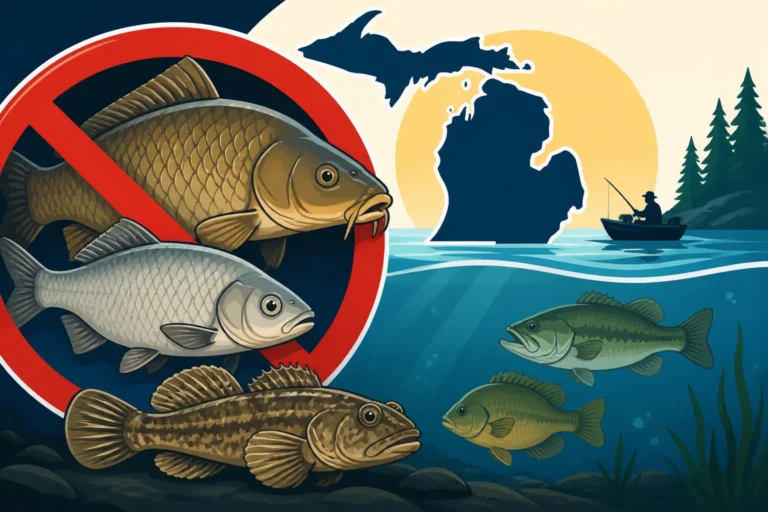
Our state boasts an incredible diversity of aquatic habitats, from the vast expanse of the Great Lakes to countless inland lakes and winding rivers. However, even with such natural abundance, fish populations face numerous challenges. Habitat degradation, historical overfishing, pollution, and the introduction of invasive species have all taken their toll over the years. This is where stocking becomes a vital tool.
For instance, certain Great Lakes salmon and trout populations simply wouldn't exist or thrive at current levels without regular stocking. These fish are often stocked as part of a "put-grow-take" fishery, meaning they're introduced to grow to catchable size, providing exciting opportunities for anglers, but not necessarily expected to reproduce significantly in those waters. For other species, like certain strains of trout in specific rivers, stocking might be rehabilitative, aiming to bring back a native population that was once diminished. The DNR is constantly evaluating fish health and population dynamics to make these critical decisions, trying to ensure that Michigan remains a premier fishing destination. This commitment to maintaining healthy fish populations is a big reason why so many of us spend our hard-earned dollars on gear, maybe even a new tackle box from Amazon, for our next outing.
The Role of the Michigan Department of Natural Resources (DNR)
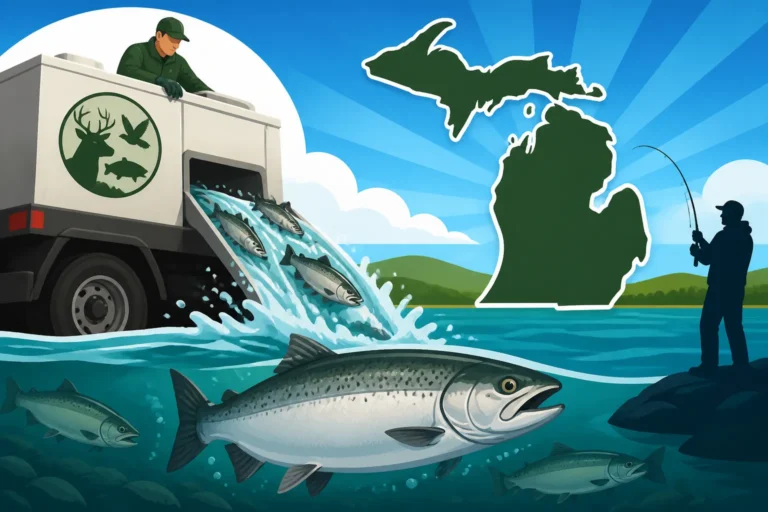
The Michigan DNR is the driving force behind all public fish stocking efforts in the state. They operate several hatcheries, raising millions of fish each year, from tiny fry to robust yearlings. Their biologists conduct extensive research, studying fish genetics, disease resistance, growth rates, and survival in various environments. This isn't just about growing fish; it's about growing the right fish for the right places.
The DNR's stocking decisions are based on a combination of scientific data, angler surveys, and long-term management plans. They consider factors like water quality, available forage, predator populations, and the fishing pressure a particular waterbody receives. For example, some lakes might receive walleye fingerlings, while others are deemed self-sustaining through natural reproduction. This adaptive management means that stocking schedules are not set in stone; they can change based on environmental conditions, disease outbreaks, or shifts in fishery management goals. Understanding their role helps us appreciate the careful planning that goes into every fish released. If you're wondering Does the DNR Stock Walleye in Michigan? or Does the DNR Stock Trout in Michigan Rivers?, the answer is often a resounding yes, but with a lot of thought behind it.
Key Species and Their Stocking Schedules
One of the biggest misconceptions about fish stocking is that every lake and every species is treated the same. That couldn't be further from the truth. Stocking frequency varies wildly depending on the species, the specific waterbody, and the management objectives for that fishery.
Great Lakes Salmon and Trout: Annual Replenishment
For many anglers, the Great Lakes salmon and trout fisheries are synonymous with Michigan fishing. Species like Chinook salmon, Coho salmon, Atlantic salmon, lake trout, steelhead (rainbow trout), and brown trout are often stocked annually, or even multiple times a year in some cases, into the Great Lakes and their tributaries.
Chinook and Coho salmon are prime examples of "put-grow-take" fisheries. They are stocked as smolts (young fish ready to head to the lake) and spend several years growing to impressive sizes in the vast waters of Lake Michigan, Lake Huron, and Lake Superior before returning to spawn (or attempting to) in the rivers where they were stocked. This cycle relies heavily on consistent annual stocking to maintain the thriving populations that attract anglers from all over. Steelhead, which are migratory rainbow trout, also receive significant stocking efforts, particularly in the rivers they ascend for their seasonal runs. Brown trout and lake trout stocking helps to bolster existing populations or re-establish them where they have been historically impacted. The sheer scale of these operations is immense, ensuring that Michigan’s Michigan Salmon Species Explained and Michigan Trout Species Explained opportunities remain world-class.
Walleye Stocking: Targeted and Strategic
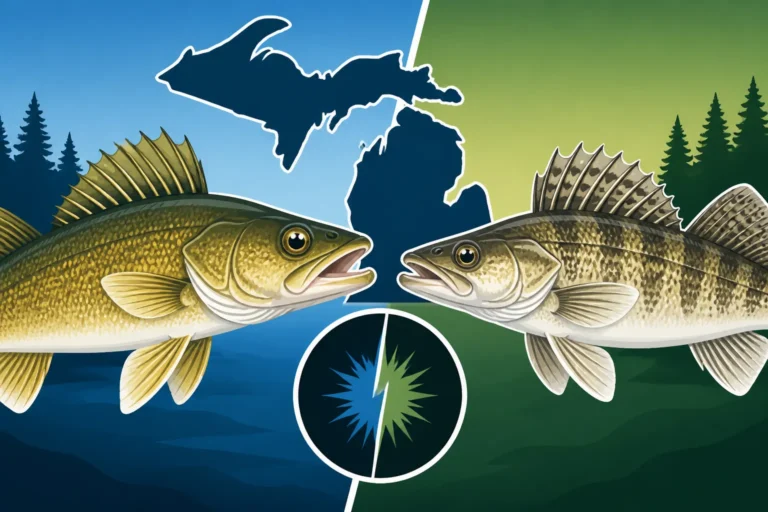
Walleye are another highly sought-after species in Michigan, known for their delicious taste and challenging fight. While some Michigan lakes and rivers boast naturally reproducing walleye populations, many others rely on stocking to maintain a healthy fishery. Walleye stocking is typically more targeted than broad-scale salmon stocking.
The frequency for walleye can vary greatly. Some lakes might receive walleye fingerlings annually for several years to establish a new fishery, while others might be stocked every two to three years to supplement natural reproduction. There are also specific "rehabilitation" efforts where walleye are stocked into waters where their populations have declined due to environmental factors. The decision to stock walleye often comes down to balancing the cost of raising and stocking these fish against the ecological capacity of the lake and the expected return for anglers. Sometimes, the stocking efforts are so significant that anglers might invest in a quality fish finder, many of which can be found on Amazon, to help locate these schools of actively feeding fish. If you're curious, you can delve deeper into Walleye Fishing in Michigan and specific stocking efforts for them.
Muskellunge, Bass, and Panfish: Less Frequent Public Stocking
For species like muskellunge, smallmouth bass, largemouth bass, yellow perch, bluegill, and crappie, public stocking by the Michigan DNR is generally much less frequent, or even non-existent in many waters.
- Muskellunge: These "fish of 10,000 casts" are a trophy species, and their stocking is highly specialized. When they are stocked, it's usually into a limited number of lakes or rivers, and often with larger fingerlings or juveniles, to establish or enhance a trophy fishery. The goal is typically to create a unique fishing experience, not necessarily to provide abundant harvest opportunities. Stocking might occur every few years in these selected waters. If you're targeting these elusive fish, be sure to check out Muskellunge Fishing in Michigan.
- Bass and Panfish: For most inland lakes, species like largemouth and smallmouth bass, yellow perch, bluegill, and crappie rely almost entirely on natural reproduction. Michigan has an abundance of suitable habitat for these fish, and they are generally very successful at reproducing on their own, especially in healthy ecosystems. The DNR rarely stocks these species into natural lakes unless there's been a specific, severe ecological event that has decimated a population and natural recovery isn't expected. Private stocking by lake associations or landowners into private ponds is a different story, but for public waters, natural cycles are usually sufficient.
Here's a simplified overview of common stocking approaches:
| Fish Species | Typical Stocking Purpose | General Frequency (Public Waters) | Key Considerations |
|---|---|---|---|
| Chinook & Coho Salmon | Create / Enhance Great Lakes offshore fishery | Annually | Migratory, "put-grow-take" |
| Steelhead (Rainbow Trout) | Create / Enhance Great Lakes tributary runs | Annually | Anadromous, highly prized for sport |
| Brown Trout | Supplement Great Lakes and some inland streams | Annually / Biennially | Often stocked in streams with marginal wild populations |
| Lake Trout | Restore / Maintain Great Lakes native species | Annually / Biennially | Long-lived, slow-growing, restoration efforts |
| Walleye | Create / Enhance inland lake fisheries | Annually / Every 2-3 years (varies) | Targeted stocking based on lake potential |
| Muskellunge | Create / Enhance trophy fisheries | Infrequent (every few years) | Low-density, specialized management, large fingerlings |
| Smallmouth/Largemouth Bass | Rarely stocked in natural public waters | Very rare | Relies on natural reproduction in most suitable habitats |
| Yellow Perch/Panfish | Rarely stocked in natural public waters | Very rare | Excellent natural reproduction in healthy environments |
Note: This table represents general trends for public waters. Specific stocking plans can vary significantly by individual lake, river, and year based on DNR management goals and conditions.
How Anglers Can Find Stocking Information
You don't have to guess whether your favorite lake is stocked. The Michigan DNR is very transparent about its stocking efforts, and with a little digging, you can find detailed information that can help plan your next fishing trip. Knowing what species are being introduced and where can be a game-changer for your success.
Official DNR Stocking Records
The best and most reliable source for Michigan fish stocking information is the DNR's official website. They typically maintain databases or reports that list stocking events by year, species, and waterbody. You can usually find records stretching back several years, which can give you a historical perspective on stocking trends in a particular area. These reports often specify the number of fish stocked, their size (e.g., fingerlings, yearlings), and the exact location (e.g., specific lake, river section).
Looking at these reports can help you understand the long-term management strategy for a body of water. Is it consistently stocked with certain species? Has stocking increased or decreased over time? This historical data is invaluable for the serious angler. Before heading out, it's always a good idea to check the most recent reports to see if new fish have been introduced to your target waters. This is also important to consider alongside Michigan Fishing Regulations Every Angler Should Know, as stocking often ties into specific harvest goals.
Leveraging Fishing Reports and Local Resources
Beyond the official DNR records, local fishing reports and community resources can offer more current, on-the-ground insights. Many local bait shops, tackle stores, and charter services keep tabs on stocking events because it directly impacts their business and their customers' success. They often hear about stocking as it happens or shortly thereafter.
Online fishing forums and social media groups dedicated to Michigan fishing are also excellent places to find informal reports and discussions about stocking. Fellow anglers are often quick to share news, tips, and even photos when a stocking truck rolls into a popular area. Just remember to verify any information you find informally with official DNR sources whenever possible, as rumors can sometimes spread quickly. Even a quick search on Amazon for local fishing guides might turn up resources that highlight stocked lakes in a particular region.
Beyond the Stocking Truck: Natural Reproduction and Habitat
While stocking plays a vital role in many Michigan fisheries, it's important to remember that it's just one piece of the puzzle. Healthy fish populations ultimately depend on healthy habitats and robust natural reproduction. A truly sustainable fishery is one where fish can successfully spawn and raise their young without constant human intervention.
The Power of Natural Reproduction
For many of Michigan's popular fish species, especially those in inland lakes and rivers like bass, panfish, northern pike, and even some walleye and trout populations, natural reproduction is the primary driver of their abundance. These fish don't need stocking because they have access to suitable spawning grounds, ample food, and good water quality, allowing them to complete their life cycles naturally.
Protecting and restoring these natural spawning habitats is often a more sustainable long-term solution than continuous stocking. Initiatives like stream bank restoration, removing dams, and improving water quality all contribute to stronger wild fish populations. The DNR invests heavily in these efforts, recognizing that a healthy ecosystem benefits all species, stocked or wild. Understanding the difference between stocked and wild populations can influence your fishing techniques; for instance, wild trout in a remote stream might require different approaches than recently stocked fish in a popular access point. Knowing which lakes support strong natural populations, such as those highlighted in guides like Michigan's Great Lakes Fishing Guide or Best Rivers for Trout and Steelhead in Michigan, can lead to incredibly rewarding experiences.
The Importance of Habitat Quality
No amount of stocking can overcome poor habitat. Fish need clean water, diverse underwater structures (like submerged logs, weed beds, and rock piles), and appropriate spawning substrates (like gravel or sand). Without these fundamental elements, stocked fish will struggle to survive and thrive, and natural reproduction will be limited.
Factors like shoreline development, agricultural runoff, and invasive species can all degrade habitat quality. Anglers have a crucial role to play in protecting these habitats by practicing responsible angling, properly disposing of trash, and preventing the spread of invasive species by cleaning their boats and gear. When we support conservation efforts, whether through purchasing our fishing licenses or volunteering for cleanup events, we're investing in the long-term health of our fisheries, ensuring that future generations can enjoy the same incredible fishing opportunities we do today. Whether you're buying new fishing line or a net for landing fish from Amazon, always think about how you can minimize your environmental impact.
Disclaimer
This article is for general informational purposes only and does not constitute professional advice. Laws, prices and regulations vary by location and change over time. Consult a qualified professional for guidance on your specific situation.