What Is the Biggest Fish Caught in the Great Lakes
It's a question that sparks the imagination of every angler who casts a line into Michigan's vast freshwater seas: what's the biggest fish ever pulled from the depths of the Great Lakes? We've all dreamt of that monster catch, the one that bends your rod to its breaking point and pushes your reel to its limits. This guide isn't just about a single fish; it's about the incredible species that call these waters home and the awe-inspiring records they've set, offering a glimpse into the truly colossal creatures lurking beneath the surface.
The Reigning Champion: Lake Sturgeon, a Living Fossil
When it comes to sheer size and weight, one species consistently dominates the conversation about the biggest fish caught in the Great Lakes: the Lake Sturgeon. These magnificent creatures are true living fossils, having plied these waters for millions of years. Their immense size, distinctive prehistoric appearance, and incredible longevity make them a species of legendary status among Michigan anglers.
Tracing the Lake Sturgeon's Titanic Legacy
Historically, Lake Sturgeon were far more abundant and reached truly astounding sizes. There are records and anecdotal accounts from over a century ago that speak of sturgeon weighing upwards of 300 pounds. Imagine reeling in a fish that's longer than you are tall and heavier than a full-grown man! While such giants are rare today due to overfishing in the past and habitat loss, the species still holds the record for the largest fish ever officially recorded in the Great Lakes basin.
The Michigan state record Lake Sturgeon, caught in Mullett Lake, weighed an incredible 193 pounds and was 87 inches long. This fish wasn't just big; it was a testament to the immense potential of these ancient fish. Think about it: an 87-inch fish is over seven feet long! That's bigger than most doorways. It's a reminder of the sheer power and presence these fish command. They are slow-growing, taking decades to reach maturity, and can live for well over a century, which is why encountering a truly massive sturgeon feels like looking back in time.
Why Lake Sturgeon Grow So Immensely Large
Several factors contribute to the Lake Sturgeon's impressive size. Firstly, their long lifespan allows them ample time to grow. Unlike many fish that have relatively short life cycles, sturgeon can continue growing for a significant portion of their lives. Secondly, they are bottom feeders, sifting through substrate for insect larvae, leeches, and other invertebrates. While this diet might seem unassuming, the sheer volume they consume over decades allows for steady, sustained growth.
Their body shape is also designed for efficiency. With their armored plates (scutes) and powerful, elongated bodies, they are built to navigate river currents and lake bottoms. This robust build, coupled with their slow metabolism, helps them conserve energy, dedicating more to growth rather than high-energy pursuits. However, their slow growth and late maturity also make them highly vulnerable to overfishing and environmental changes, which is why stringent regulations and significant conservation efforts are in place to protect them. Catching one often requires specialized gear and patience, and immediate, careful release is paramount.
Other Great Lakes Giants: Contenders for the Title
While the Lake Sturgeon holds the crown for the all-time biggest, several other magnificent species in the Great Lakes can grow to truly impressive, even monstrous, proportions, challenging anglers with their size and fighting spirit. These fish may not break the sturgeon's weight record, but they certainly provide once-in-a-lifetime catches.
Chinook Salmon: The King of the Lakes
When anglers talk about powerful, large game fish in the Great Lakes, the Chinook Salmon (also known as King Salmon) is almost always at the top of the list. These Pacific salmon were introduced to the Great Lakes and have thrived, offering an incredible sport fishery. A mature Chinook can easily weigh over 20 pounds, and many push well into the 30-pound range. The Michigan state record Chinook Salmon, caught in the St. Marys River, weighed an astounding 46 pounds, 1 ounce. Imagine the sheer force of a fish that size!
Chinook are known for their explosive runs and head shakes, making them a formidable opponent on the line. They grow quickly, feeding voraciously on baitfish like alewives and smelt. Their aggressive nature and impressive size make them a top target for trollers on the open waters of Lake Michigan and Lake Huron. Landing a large Chinook is a truly memorable experience, often requiring heavy trolling gear and strong arms. You'll find a wide selection of robust rods and reels suitable for battling these kings on sites like Amazon. For those interested in pursuing these powerful fish, it's worth learning about Michigan Salmon Species Explained and how to effectively troll for them.
Lake Trout: Deepwater Dynamos
Lake Trout are native to the Great Lakes and are another species renowned for their substantial size and longevity. These cold-water dwellers inhabit the deeper, colder parts of the lakes, making them a bit more challenging to target but incredibly rewarding. While typical catches might be in the 5-15 pound range, Lake Trout can grow much, much larger. The Michigan state record Lake Trout, also caught in Lake Superior, weighed an incredible 61 pounds, 8 ounces. That's a truly immense fish, often with thick shoulders and a powerful tail.
Lake Trout are apex predators in their ecosystem, feeding on a variety of smaller fish. They are slow growers, similar to sturgeon, and can live for decades, allowing them to accumulate significant size. Fishing for large Lake Trout often involves deepwater trolling with downriggers or jigging in profound depths. The thrill of hooking into a truly massive Lake Trout from the cold, clear waters of Lake Superior or Lake Michigan is unparalleled. If you're gearing up for deepwater fishing, you'll want to check out the range of specialized Trolling Gear for Michigan's Great Lakes available.
Muskellunge: The "Fish of 10,000 Casts"
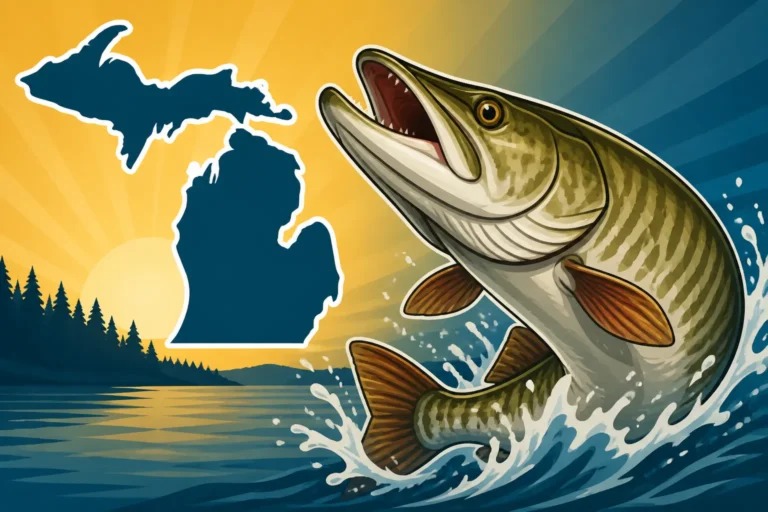
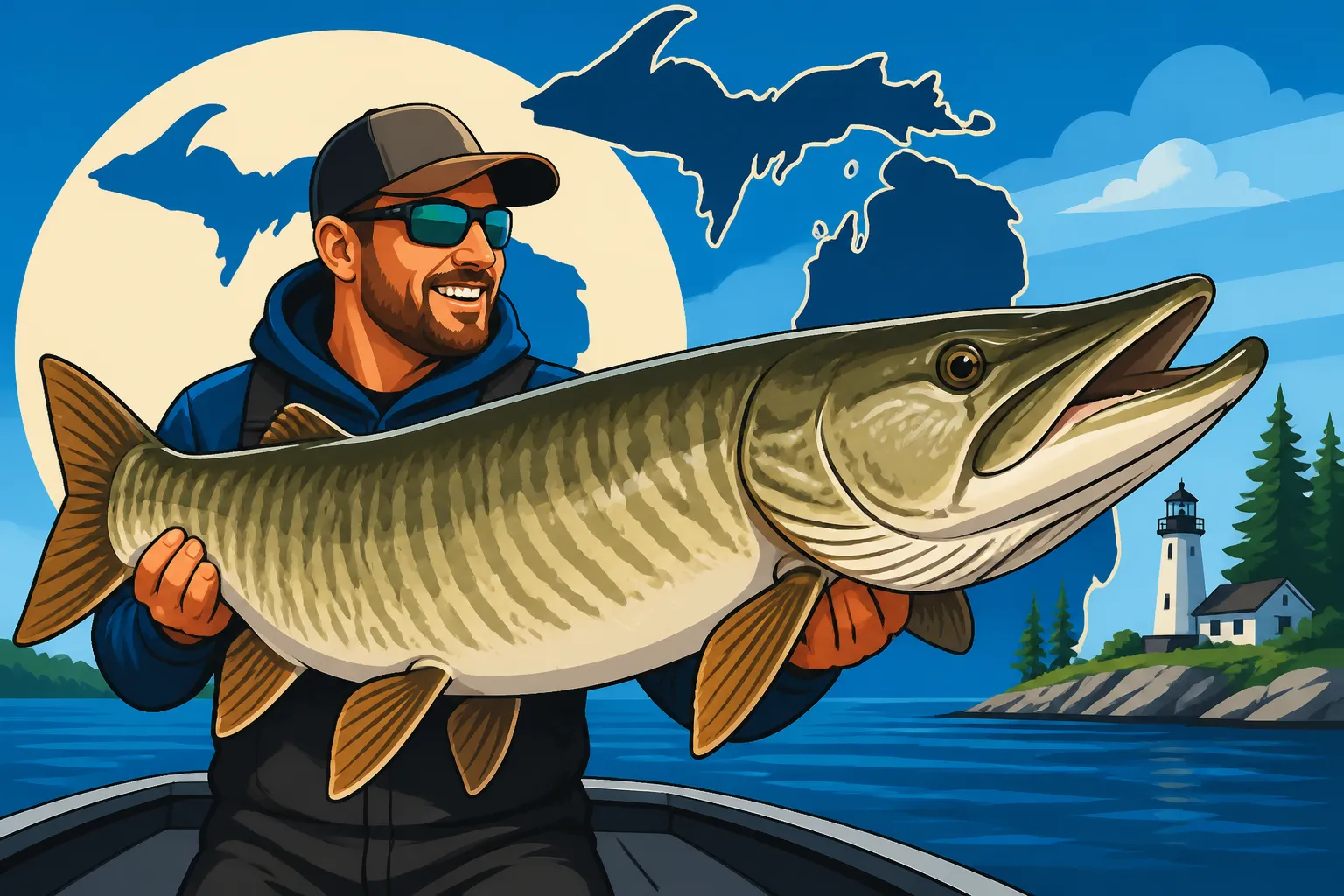
The Muskellunge, or Muskie, is a legendary freshwater predator often referred to as the "fish of 10,000 casts" due to its elusive nature. While not typically as heavy as the record sturgeon or lake trout, a truly large Muskie is an intimidating sight and a trophy catch for any angler. Their long, torpedo-shaped bodies and razor-sharp teeth make them unmistakable. Michigan's record Muskellunge weighed 58 pounds and measured an astonishing 59 inches, caught in Lake Bellaire. A nearly five-foot-long freshwater fish is certainly a Great Lakes giant!
Muskies are ambush predators, lying in wait in weed beds or near structure to explode on unsuspecting prey. They require specific fishing techniques, often involving large, specialized lures and heavy-duty tackle. The fight of a Muskie is characterized by powerful surges and violent head shakes. Due to their protected status and the effort involved, many anglers practice catch and release with these magnificent fish, making proper Catch-and-Release Techniques for Michigan Muskellunge essential. Learning more about Muskellunge Fishing in Michigan can help you prepare for the challenge.
Northern Pike: The Aggressive Cousins
Closely related to muskellunge, Northern Pike are another species that can reach formidable sizes in the Great Lakes and many of Michigan's inland waters. While generally smaller than muskies, a big pike is still a thrilling catch. They are incredibly aggressive, with a mouthful of sharp teeth, and will strike at a wide variety of lures and baits. The Michigan state record Northern Pike, caught in Lake Gogebic, weighed 39 pounds. A fish of that size offers a fierce battle and a memorable experience.
Pike thrive in areas with weed cover and structure, using their camouflage and burst speed to ambush prey. They are often targeted with large spoons, spinnerbaits, and live bait. For those looking to get into Northern Pike Fishing in Michigan, remember that these fish are tough fighters, so a robust leader is crucial to prevent their sharp teeth from cutting your line.
Here's a quick comparison of some of Michigan's largest freshwater fish, highlighting their maximum recorded sizes:
| Species | Michigan State Record Weight (lbs) | Michigan State Record Length (inches) | Typical Large Adult Size (lbs) | Primary Habitat |
|---|---|---|---|---|
| Lake Sturgeon | 193 | 87 | 50-100 | Great Lakes, large rivers |
| Lake Trout | 61 lbs, 8 oz | 51.5 | 15-30 | Deep, cold Great Lakes waters |
| Muskellunge | 58 | 59 | 20-40 | Great Lakes, large inland lakes, rivers |
| Chinook Salmon | 46 lbs, 1 oz | 45.75 | 20-35 | Great Lakes open water, spawning rivers |
| Northern Pike | 39 | 54 | 10-20 | Great Lakes, inland lakes, rivers, weed beds |
Note: All record information is based on historical records. Always check current Michigan's State Fish Records for the most up-to-date figures.
Chasing Your Own Great Lakes Monster: Equipment, Regulations, and Ethics
Dreaming of landing a truly massive fish in the Great Lakes is a common aspiration, and it's absolutely achievable with the right preparation, equipment, and a healthy respect for the ecosystem. However, it's not simply about casting a line; it's about understanding the specific challenges and responsibilities that come with targeting these majestic creatures.
Gearing Up for the Battle
To pursue these Great Lakes giants, you simply cannot skimp on your tackle. This isn't your backyard pond fishing. You'll need heavy-duty equipment designed to withstand immense pressure and powerful fights. For species like Chinook Salmon and Lake Trout, a medium-heavy to heavy action rod, typically 8-10 feet long for trolling, paired with a high-quality baitcasting or levelwind reel is essential. You'll want a reel with a smooth, reliable drag system that can handle sustained runs from powerful fish. Look for reputable brands on Amazon that specialize in saltwater or heavy freshwater applications, as these often translate well to Great Lakes conditions.
Your fishing line is arguably the most critical component. Braided lines in the 30-60 pound test range are popular for their strength and sensitivity, often paired with a fluorocarbon or monofilament leader of appropriate strength to prevent abrasion and provide a bit of stretch. Again, sourcing quality line and leaders is easy through online retailers like Amazon. For Muskellunge and Northern Pike, specialized heavy-duty casting rods and reels are necessary, along with wire or heavy fluorocarbon leaders to prevent bite-offs from their razor-sharp teeth. Don't forget a large, rubberized landing net specifically designed for big fish; it's safer for both you and the fish during the landing process.
Navigating Michigan's Regulations
Before you even think about dropping a line, you absolutely must be familiar with Michigan's extensive fishing regulations. These rules are in place for a reason: to protect fish populations and ensure sustainable fishing for generations to come. Regulations vary significantly by species, body of water, and even time of year. For instance, Lake Sturgeon are a highly protected species, and while you can encounter them, specific harvest tags and very limited seasons (if any) are typically in place, making catch-and-release mandatory in most instances.
You'll need to know about Michigan Fishing License Guide for Residents and Nonresidents, Michigan Fishing Regulations Every Angler Should Know, and specific rules for Michigan's Great Lakes Fishing Regulations Guide. Pay close attention to bag limits, size limits, and any special regulations that apply to the specific lake or river you plan to fish. For example, Walleye often have different size limits depending on the water body. Always carry a current copy of the Michigan Fishing Guide (often available as a PDF online) or use the DNR Hunt Fish app. Ignoring these rules can lead to hefty fines and loss of fishing privileges, which nobody wants.
Ethical Angling and Conservation
Catching a giant fish is an incredible accomplishment, but it comes with a responsibility to the resource. Ethical angling practices are paramount, especially when targeting large, long-lived, or protected species.
- Catch and Release: For many trophy fish, particularly Lake Sturgeon and Muskellunge, catch and release is standard practice and often legally required. Learn proper handling techniques to minimize stress on the fish. This includes quickly landing the fish, keeping it in the water as much as possible, using wet hands or gloves, and reviving it carefully before release.
- Barbless Hooks: Consider using barbless hooks, especially when targeting species you intend to release. They make hook removal much easier and less damaging to the fish.
- Respect the Resource: Understand that these large fish are often older breeding stock, vital to the health of the population. Treating them with respect ensures that future generations can also experience the thrill of encountering a Great Lakes giant.
- Report Violations: If you witness illegal fishing activity, report it to the DNR. It's everyone's responsibility to protect Michigan's valuable fisheries.
Chasing the biggest fish in the Great Lakes is an adventure that requires dedication, knowledge, and respect. With the right gear, a solid understanding of the rules, and a commitment to ethical practices, you might just find yourself battling the fish of a lifetime. The Great Lakes are vast and full of surprises, and the next record-breaker could be waiting just below the surface.
Disclaimer
This article is for general informational purposes only and does not constitute professional advice. Laws, prices and regulations vary by location and change over time. Consult a qualified professional for guidance on your specific situation.