Michigan Daily Bag Limits by Species
Navigating the myriad of rules and regulations for fishing in Michigan can feel like trying to untangle a stubborn fishing knot. It's not just about having the right bait or finding the perfect spot; knowing the daily bag limits for each species is absolutely crucial to stay legal and, more importantly, to help preserve our incredible fisheries for future generations. This comprehensive guide will break down the sometimes confusing world of Michigan's daily bag limits, helping you understand the specifics for popular species across different waters so you can fish with confidence.
Understanding Michigan's Daily Bag Limits
Before we dive into the specifics of individual species, it’s important to grasp the fundamental concepts behind Michigan’s daily bag limits. These regulations are more than just arbitrary numbers; they are carefully crafted by the Michigan Department of Natural Resources (DNR) to manage fish populations, ensure sustainable harvesting, and maintain the ecological balance of our waters. Ignoring these limits not only risks hefty fines but also contributes to the depletion of the very resources we cherish.
Why Bag Limits Exist
The primary reason for daily bag limits is conservation. Fish populations, while resilient, are not limitless. Without regulation, unchecked harvesting could quickly diminish certain species, especially those with slower growth rates or specific spawning requirements. Imagine if every angler kept every fish they caught; some popular species would be decimated in no time. By setting limits, the DNR aims to:
- Protect Spawning Stocks: Limiting the number of fish an angler can keep, especially during critical spawning periods, ensures enough fish reproduce to replenish the population. Many specific size limits also protect younger fish, allowing them to mature and spawn at least once.
- Distribute Harvest Fairly: Bag limits help ensure that the available fish are shared among more anglers, rather than a few individuals taking a disproportionately large share. This promotes a more equitable fishing experience for everyone.
- Respond to Population Changes: The DNR continually monitors fish populations using scientific surveys. If a particular species is struggling, bag limits or size restrictions might be tightened. Conversely, if a population is robust, limits might be adjusted to allow for more harvest. This dynamic approach ensures regulations are always striving for ecological balance.
- Manage Specific Fisheries: Some lakes or rivers have unique ecological conditions or fishing pressures that require different rules. This is why you'll often see specific regulations for a particular body of water that differ from the statewide standard. These hyper-local rules are vital for protecting unique strains of fish or fragile ecosystems.
General Rules and Key Definitions
When you're out on the water, understanding a few key terms will save you a lot of headache. The "daily possession limit" refers to the maximum number of fish of a certain species an angler can have in their possession at any time while on the water or returning from fishing. This means if you've got fish in your livewell, they count towards your daily limit. If you release a fish immediately, it typically doesn't count, but if you put it in your livewell and then decide to release it later, it does count as having been possessed.
The "total daily limit" is the combined number of fish from certain species you can keep in a single day. For instance, you might have a total daily limit for trout and salmon, even if individual species within that group have their own sub-limits. It's important to remember that these limits are per licensed angler, not per boat or per group. Every individual fishing needs to adhere to their own limits.
Also, be mindful of "slot limits," which specify a range of sizes you cannot keep. For example, a regulation might state you can keep fish under 15 inches or over 23 inches, but anything in between must be released. These slots are often used to protect prime breeding-age fish, allowing them to contribute more to the population before being harvested.
It’s always a good practice to carry a copy of the most current Michigan Fishing Regulations Digest. You can often find a physical copy at bait shops or sporting goods stores, or download a PDF directly from the DNR website. Many anglers also find digital copies convenient on their smartphones or dedicated e-readers, readily available through platforms like Amazon. Keeping informed is your first and best defense against accidental violations. If you're wondering, "Do You Need a License to Fish in Michigan?", the answer is almost always yes, and understanding these limits is part of that legal responsibility.
Walleye and Perch: Popular Panfish and Prized Catches
Michigan is renowned for its fantastic walleye and yellow perch fishing. These species are highly sought after for their delicious taste and challenging fight, making their regulations particularly important to understand. The rules can vary significantly depending on where you're casting your line, so always check the specific body of water you plan to fish.
Statewide Walleye Regulations
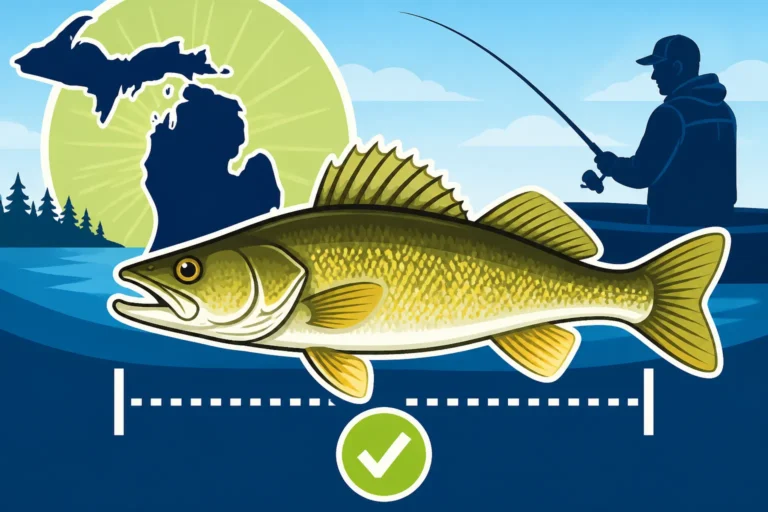
For many inland waters and portions of the Great Lakes, the statewide daily possession limit for walleye is six fish. This sounds straightforward, but there's a crucial 15-inch minimum size limit that applies to most areas. This means any walleye you catch that measures under 15 inches must be immediately released back into the water. This minimum size ensures that fish have a chance to grow and spawn at least once, contributing to the next generation of walleye.
However, Michigan's prized walleye fisheries, particularly in the Great Lakes, often have special regulations. Take Lake Erie and Saginaw Bay on Lake Huron, for example. These areas are walleye factories, attracting thousands of anglers, and thus require more dynamic management. While the six-fish limit often applies, there might be seasonal adjustments or special size restrictions. For instance, some years might see a temporary reduction in the daily limit if populations are showing stress, or an increase if they are booming. These changes are designed to balance angler success with population health.
Beyond the standard minimum, some specific lakes or river sections might implement a protected slot limit for walleye. This means you can keep walleye under a certain size (e.g., 18 inches) and over another size (e.g., 23 inches), but any fish falling within that "slot" (18 to 23 inches) must be released. This protective measure is typically put in place to safeguard the prime breeding-size walleye, allowing them to remain in the population to reproduce. Always consult the Michigan Walleye Size and Possession Limits for the specific body of water you intend to fish, as these nuanced rules are paramount.
Yellow Perch Specifics
Yellow perch are a beloved target for Michigan anglers, especially through the ice. Generally, the daily possession limit for yellow perch is quite generous: 25 fish per angler, with no minimum size limit statewide. This allows for productive days on the water and the opportunity to bring home a good mess of these tasty panfish.
However, just like with walleye, there are critical exceptions, particularly in highly pressured waters. The most notable exception is often found in the southeastern part of the state, specifically on Lake St. Clair and the St. Clair River. In these waters, the daily possession limit for yellow perch is significantly reduced to 10 fish per angler. This lower limit is a direct response to the immense fishing pressure these popular waters receive, coupled with the need to protect local perch populations. The DNR continuously monitors the health of these fisheries, and adjusting the bag limits is one of their key tools for managing sustainability.
Anglers targeting yellow perch should always double-check the local regulations, especially if they are fishing in areas known for high traffic or unique ecological characteristics. What's perfectly legal on Houghton Lake, for example, might not be on Lake St. Clair. If you're planning a trip to the southeastern Michigan area, be sure to confirm the Michigan Yellow Perch Limit on Lake St. Clair before heading out.
Navigating Salmon and Trout Limits
Michigan's Great Lakes and its myriad of inland rivers are famous for their incredible salmon and trout fishing. These powerful, migratory species offer some of the most thrilling angling experiences, but their complex life cycles and diverse habitats necessitate equally complex regulations. Understanding the combined and species-specific limits is crucial for any angler targeting these magnificent fish.
Combined Trout and Salmon Limits
Michigan employs a "combined species" approach for many trout and salmon regulations, which can initially seem a bit confusing. Generally, the daily possession limit for the aggregate of trout and salmon species (including Chinook, Coho, Atlantic Salmon, Pink Salmon, Lake Trout, Brook Trout, Brown Trout, and Rainbow Trout/Steelhead) is five fish.
However, there’s a vital sub-limit within this five-fish total: no more than three of these five fish can be a combination of Lake Trout, Brown Trout, Atlantic Salmon, or Splake. This means you could, for example, keep three Lake Trout and two Coho Salmon for your five-fish limit, or three Brown Trout and two Chinook Salmon. But you couldn't keep four Lake Trout, even if your total was still five fish. This particular rule is designed to put specific harvest pressure on certain species while allowing others to be more freely harvested up to the overall limit. The distinction is key, and understanding the Michigan's Combined Trout and Salmon Possession Limit is essential for compliance.
These combined limits are often in place across Michigan's Great Lakes and many of its larger connecting rivers. They aim to protect the most vulnerable or slowly reproducing species while still providing ample opportunity to catch and keep the more prolific ones.
Species-Specific Trout and Salmon Rules
While the combined limit provides an umbrella rule, several species have their own unique size and possession limits or special rules depending on the water body.
- Chinook and Coho Salmon: For these popular Pacific salmon, there are generally no specific minimum size limits beyond the statewide trout/salmon rules. They are typically counted towards your overall five-fish combined limit. Anglers often target them during their spectacular fall runs into rivers like the Manistee River or the Pere Marquette River, as well as by trolling on the Great Lakes.
- Lake Trout and Splake: These species often have a specific minimum size limit, usually 15 inches, and are subject to the "no more than three" rule within the five-fish combined limit. There can be specific regulations for certain Great Lakes waters to manage their populations. For instance, some areas of Lake Superior or Lake Huron might have slightly different rules due to local population dynamics.
- Brook Trout: Michigan's native Brook Trout, particularly in inland streams, often have a more restrictive daily limit, sometimes as low as five fish, with a minimum size of seven inches. However, the rules for Brook Trout in Lake Superior and its tributaries are distinct. In Lake Superior, for example, the daily limit for Brook Trout can be higher, such as 10 fish, but only three of those can be 15 inches or larger. These precise regulations protect the larger, spawning brook trout while allowing for harvest of smaller, more abundant fish. Always check the specific regulations for the particular stream or lake you are fishing, as inland waters frequently have their own unique nuances.
- Brown Trout: Similar to Lake Trout, Brown Trout typically fall under the general five-fish combined limit with the "no more than three" sub-limit and usually a 10-inch minimum size limit. Brown Trout are a favorite in many Michigan rivers, known for their elusive nature and strong fight.
- Rainbow Trout / Steelhead: Often considered the same for regulatory purposes when they are in their migratory "steelhead" phase, these fish typically have a 10-inch minimum size limit and fall under the combined five-fish limit. Steelhead runs in rivers like the Muskegon River are legendary, and anglers must be careful to distinguish them from other trout if specific rules apply to resident rainbow trout in certain inland lakes.
It's clear that fishing for trout and salmon demands a close look at the current regulations, which you can easily access through the Reading the Michigan Fishing Regulations Digest.
Bass, Pike, and Muskellunge: The Bigger Game
Michigan offers incredible opportunities for anglers pursuing warm-water predators like bass, northern pike, and the elusive muskellunge. These species provide thrilling fights and a rewarding challenge, but their unique characteristics also come with specific regulations designed for their sustained health.
Largemouth and Smallmouth Bass Limits
Michigan's waters are home to both Largemouth and Smallmouth Bass, both highly popular game fish. Generally, the daily possession limit for these two species is a combined total of five fish per angler. For most waters, there's also a 14-inch minimum size limit. This means any bass you catch that doesn't measure up to 14 inches must be released immediately. This minimum size helps protect younger fish, allowing them to grow to a mature, spawning size before they can be harvested.
However, bass fishing in Michigan often involves specific seasons. There's usually a "catch-and-immediate-release" season that runs from roughly January 1 through the Friday before the last Saturday in April. During this period, you can fish for bass, but all fish must be promptly returned to the water unharmed. This protects bass during their pre-spawn and early spawning stages when they are most vulnerable. The "open possession season" typically begins on the last Saturday of April in the Lower Peninsula and the third Saturday of May in the Upper Peninsula, and runs through December 31. During this open season, you can keep bass according to the five-fish, 14-inch minimum limit.
Some specific lakes might have unique bass regulations, such as extended catch-and-release seasons or even different size limits. For example, some heavily fished urban lakes might have more restrictive rules to manage pressure. Always check the specific regulations for your chosen fishing spot, and refer to the Michigan Smallmouth and Largemouth Bass Daily Limit for detailed, up-to-date information.
Northern Pike and Muskellunge Rules
Northern Pike and Muskellunge are both formidable toothy predators, often confused due to their similar appearance, but their regulations are vastly different.
-
Northern Pike: For most Michigan waters, the daily possession limit for Northern Pike is five fish, with a 24-inch minimum size limit. This minimum size is crucial for allowing pike to reach a substantial size and contribute to the breeding population. Like bass, northern pike often have distinct seasons, with a catch-and-release period and an open possession season. Anglers should always consult the current regulations for the specific lake or river they plan to fish, as some waters might have different size or bag limits for pike. For instance, certain shallow, high-density pike lakes might have no size limit or a higher bag limit to encourage harvest and prevent stunting.
-
Muskellunge: This is where the regulations get serious. Muskellunge, or "muskies," are often called the "fish of 10,000 casts" for a reason. They are apex predators that grow to immense sizes and are relatively rare. Michigan's regulations reflect their trophy status and conservation needs. The statewide daily possession limit for muskellunge is a mere one fish per year. Yes, you read that right – one fish per year. Furthermore, the minimum size limit is exceptionally high, typically 42 inches, but in many specific lakes, it's a whopping 50 inches! This extreme size limit ensures that only truly mature, large muskies are harvested, allowing the vast majority to contribute significantly to the population over their long lifespans.
If you are fortunate enough to catch and decide to keep a legal muskellunge (a rare event for most anglers), you are required to register your catch within 24 hours. This is not a suggestion; it's a mandatory step. You can typically do this online through the DNR website or via their Hunt Fish app. This reporting helps the DNR monitor harvest rates and population health. Because of their rarity and the strict rules, most muskie anglers practice catch-and-release, often using specialized handling techniques to ensure the fish's survival. Learning the Michigan Muskellunge Harvest Reporting Rules is critical if you ever land one of these giants.
| Species | General Daily Limit | General Minimum Size | Common Exceptions/Notes |
|---|---|---|---|
| Walleye | 6 fish | 15 inches | Lake Erie & Saginaw Bay may have specific rules; some waters have protected slot limits (e.g., 18-23 inches). |
| Yellow Perch | 25 fish | No minimum | Lake St. Clair / St. Clair River: 10 fish. |
| Trout & Salmon | 5 fish (combined) | Varies by species | No more than 3 of Lake Trout, Brown Trout, Atlantic Salmon, Splake. Lake Superior Brook Trout has special rules. |
| Largemouth Bass | 5 fish (combined) | 14 inches | Catch-and-release seasons apply (typically Jan-late April/May). |
| Smallmouth Bass | 5 fish (combined) | 14 inches | Catch-and-release seasons apply (typically Jan-late April/May). |
| Northern Pike | 5 fish | 24 inches | Some waters may have no size limit or higher bag limits. |
| Muskellunge | 1 fish per year | 42-50 inches | Highly regulated, mandatory 24-hour harvest reporting. |
| Bluegill & Crappie | 25 fish (combined) | No minimum | Statewide. |
This table provides general guidelines. Always consult the official Michigan Fishing Regulations Digest for the most current and specific rules for your chosen fishing location.
Essential Considerations for All Anglers
Fishing in Michigan is an incredible privilege, and with that privilege comes the responsibility to understand and abide by the rules. Ignorance of the law is never an excuse, and staying informed is a key part of being a successful and ethical angler.
Staying Informed and Legal
The Michigan DNR updates its fishing regulations annually, and sometimes even makes in-season adjustments to respond to environmental changes or fish population dynamics. Relying on old information or hearsay is a recipe for trouble. The most reliable source of information is always the Michigan Fishing Regulations Digest. You can find this invaluable resource in several formats:
- Online PDF: The DNR website hosts the most current PDF version of the digest, which you can easily download to your phone or tablet. This is particularly handy for quick look-ups while you're on the water.
- DNR Hunt Fish App: The official Michigan DNR Hunt Fish app is an excellent tool. It provides access to regulations, allows you to purchase licenses, and sometimes even helps with reporting requirements for specific species.
- Printed Copies: Many bait and tackle shops, DNR customer service centers, and even some big-box retailers (like those found on Amazon) carry free physical copies of the digest at the start of each fishing year. Picking up a fresh copy each spring is a good ritual for any dedicated angler.
Beyond the digest, pay attention to local signage at boat launches and fishing piers. These signs often highlight specific regulations or emergency closures for that particular body of water. Engaging with local bait shops or fishing forums can also provide valuable real-time insights into recent regulation changes or local interpretations, though always cross-reference with official sources. Remember, understanding Michigan Fishing Regulations Every Angler Should Know is a continuous process, not a one-time check.
It's also crucial to remember that a valid fishing license is required for most fishing activities in Michigan. Whether you're a resident or a nonresident, and whether you're looking for an annual pass or a short-term permit, there are options available. You can learn more about securing your access to Michigan's waters by reading our guide on How to Buy a Michigan Fishing License.
Enforcement and Consequences
Michigan's conservation officers are out there actively enforcing these regulations, not to ruin your day, but to protect our natural resources. They are highly knowledgeable and take violations seriously. The consequences for violating daily bag limits or size restrictions can range from significant fines to the forfeiture of your fishing equipment, and in some cases, even jail time or loss of fishing privileges.
Imagine spending a beautiful day on Saginaw Bay, reeling in what you think are legal walleye. You head back to the ramp, proud of your catch, only to be stopped by a conservation officer who finds that three of your fish are undersized, or that you've exceeded the combined limit for walleye and other species you also kept. Even if it was an honest mistake due to not checking the latest regulations, the officer might still issue a citation. This can turn a perfect fishing trip into a costly and frustrating experience.
For example, having an undersized fish or exceeding a bag limit could result in a fine of several hundred dollars per offense, plus court costs. Repeated or severe violations can lead to more serious repercussions, including the suspension of your fishing license. These penalties are designed to be a deterrent and to emphasize the importance of responsible angling. Understanding the seriousness of these rules underscores why it's so important to consult resources like the Michigan's Great Lakes Fishing Regulations Guide or even specialized articles like Michigan Fishing License Guide for Residents and Nonresidents before your trip. Always measure your fish carefully and count accurately to ensure you're within the legal limits.
Disclaimer
Please note that fishing regulations in Michigan can change. While every effort has been made to provide accurate and up-to-date information in this guide, it should be used for general informational purposes only. It is the responsibility of each angler to consult the most current Michigan Fishing Regulations Digest published by the Michigan Department of Natural Resources (DNR) before fishing. Always refer to the official DNR website or the printed digest for the definitive and legally binding rules and regulations.