Best Places to Fish in Michigan
Finding the perfect fishing spot in Michigan can sometimes feel like trying to choose a single candy from an entire factory – there are just so many incredible options, and each promises a unique delight! From the vast, sometimes intimidating, Great Lakes to the quiet serenity of a hidden inland gem or the exhilarating rush of a river, anglers often grapple with where to even begin their adventure. This comprehensive guide is designed to cut through that overwhelm, helping you pinpoint the best places to cast your line across the Wolverine State, no matter what species you're after or what kind of experience you crave.
Michigan's Great Lakes: Unrivaled Freshwater Fishing
Michigan is uniquely blessed with access to four of the five Great Lakes, offering an angling experience unlike anywhere else on Earth. These massive bodies of water are truly inland seas, presenting incredible opportunities for trophy fish but also demanding respect for their sheer scale and often unpredictable conditions. Whether you're a seasoned charter angler or planning your first big lake adventure, the Great Lakes hold a special allure, home to some of the most sought-after game fish in the state.
Lake Michigan: Salmon and Steelhead Heaven
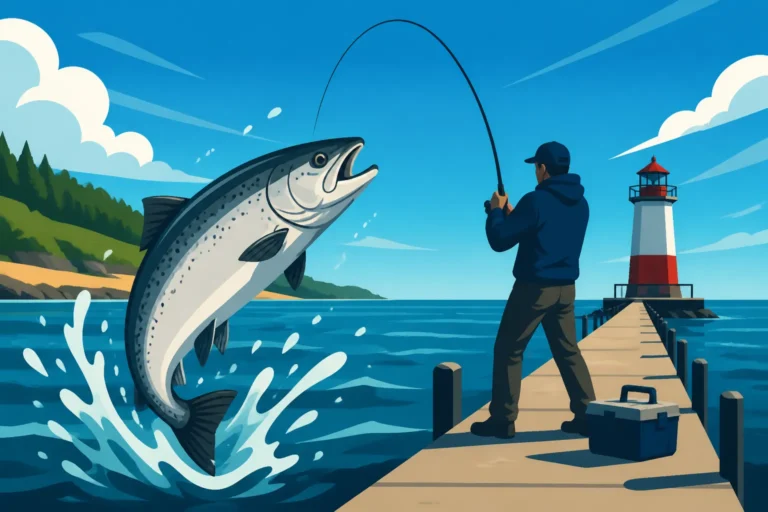
When many anglers think of Lake Michigan, their minds immediately drift to the powerful runs of salmon and steelhead that migrate into its tributaries. This massive lake is a powerhouse fishery, especially known for its Chinook (King) and Coho (Silver) salmon, as well as its incredibly acrobatic steelhead. During the spring and summer months, offshore trolling for these species is a quintessential Great Lakes experience, with charter captains often locating schools of fish in the deeper, cooler waters of the lake.
Throughout the warmer seasons, ports like Ludington, Manistee, Frankfort, and Grand Haven become bustling hubs for anglers hoping to land a magnum King salmon. These fish are renowned for their brutal fights, often peeling line off reels with incredible speed and power. As summer transitions into fall, the focus shifts as these salmon and steelhead begin their annual migrations into rivers like the Pere Marquette and the Manistee River, providing fantastic opportunities for river anglers. You can learn more about specific regulations in our detailed guide on the Michigan Great Lakes Fishing Regulations Guide. The thrill of watching a powerful Chinook jump repeatedly after taking your spoon or flasher is a memory that sticks with you for a lifetime.
Lake Huron: Walleye and Smallmouth Bass Strongholds
While Lake Michigan often grabs the headlines for salmon, Lake Huron offers its own distinct and equally impressive fisheries, particularly for walleye and smallmouth bass. Saginaw Bay, in particular, is widely regarded as one of the finest walleye fisheries in the entire country. Its relatively shallow, fertile waters provide an ideal habitat for these delectable fish, drawing anglers from all over for both boat and ice fishing. During the spring and early summer, trolling or jigging the bay can yield incredible numbers of walleye, with many fish reaching impressive sizes.
Beyond walleye, Lake Huron, especially around Thunder Bay and the Straits of Mackinac, boasts an exceptional smallmouth bass fishery. Anglers targeting smallmouth will find rocky structures, submerged reefs, and transition areas to be prime locations. The clarity of Huron's waters in many areas makes sight fishing for these bronze backs a real possibility, adding an extra layer of excitement to the pursuit. Even areas closer to shore, such as the numerous public access points along the coastline, can provide exciting opportunities for these feisty fighters.
Lake Superior: Pristine Waters, Trophy Trout
Lake Superior, the largest and deepest of the Great Lakes, offers a truly wild and often solitary fishing experience. Its cold, pristine waters are home to a remarkable population of lake trout, some of which are true giants, lurking in the depths. Anglers venturing onto Superior should be prepared for its immense size and sudden weather changes, but the rewards can be extraordinary. Trolling deep with downriggers or even jigging over structure can produce impressive lake trout catches, particularly around the Keweenaw Peninsula and near Marquette.
Beyond lake trout, Lake Superior's tributaries are also vital spawning grounds for wild brook trout, offering a unique opportunity to catch these beautiful native fish in a truly wild setting. While not as heavily targeted for salmon as Lake Michigan, Superior does see runs of Coho salmon and even a limited number of Chinook in certain areas. The sheer beauty and raw power of Lake Superior make any fishing trip there an unforgettable adventure, reminding you of the vastness of nature and the resilience of its aquatic inhabitants.
Lake Erie: Walleye Capital of the World
Though Michigan's portion of Lake Erie is smaller compared to Ohio's, it is still undeniably part of the "Walleye Capital of the World." The shallow, nutrient-rich western basin of Lake Erie provides an incredibly productive environment for walleye, supporting a massive population that offers some of the most consistent and prolific fishing in the Great Lakes. During peak season, typically spring through early summer, anglers can experience phenomenal catches, often reaching daily limits.
Trolling with crankbaits or using crawler harnesses are incredibly effective methods on Lake Erie, as walleye roam its vast open waters. While walleye are the undisputed kings here, anglers can also find excellent fishing for yellow perch, especially in the deeper channels and around structure. Many local guides and charters specialize in targeting these species, making it easy to hop aboard and experience the action first-hand. Whether you're launching your own boat from a marina like Sterling State Park or joining a guide, the potential for a cooler full of delicious walleye is very real on Michigan's sliver of Lake Erie.
Inland Gems: Exploring Michigan's Vast Network of Lakes
Beyond the majestic Great Lakes, Michigan boasts an incredible network of over 11,000 inland lakes, each offering its own unique fishing opportunities. From massive, shallow bowls teeming with panfish to deep, clear lakes holding elusive trout and muskellunge, there's an inland lake to suit every angler's preference. These waters often provide a more serene and accessible experience, perfect for families, kayak anglers, or those seeking a break from the expansive Great Lakes.
Lake St. Clair: World-Class Bass and Muskie
Lake St. Clair is truly a freshwater anomaly, often referred to as the "Sixth Great Lake" due to its immense size and world-class fisheries, despite being technically a shallow extension of the Huron-Erie Corridor. This lake is legendary for its smallmouth bass, consistently ranking among the top bass fisheries in North America. Its clear, fertile waters, abundant weed beds, and diverse forage provide an ideal habitat for these aggressive fighters. Anglers can expect to catch numerous smallmouth, with trophy-sized fish over 5 pounds being a regular occurrence, making it a dream destination for bass fanatics.
But Lake St. Clair isn't just about smallmouth; it's also a premier destination for muskellunge, often called the "fish of 10,000 casts." The lake's vast weed flats and diverse forage base support a healthy population of these toothy predators, with many reaching impressive sizes, including Michigan's state record muskie. Dedicated muskie anglers spend countless hours casting massive baits, hoping for that one explosive strike. If you're looking to target these elusive giants, considering a guided trip with a local expert can significantly increase your chances, and you might even find one through services like FishingBooker. Whether you're after bass or muskie, Lake St. Clair promises an unforgettable angling challenge and the chance at a true fish of a lifetime.
Houghton Lake: Michigan's Largest Inland Lake for Diverse Catches
As Michigan's largest inland lake, Houghton Lake offers a sprawling 20,000 acres of diverse fishing opportunities, making it a favorite for many anglers. This relatively shallow lake, with an average depth of around 7 feet, is a fantastic destination for walleye, yellow perch, northern pike, and a variety of panfish. Its sandy and mucky bottom, combined with extensive weed beds, creates ideal habitat for a wide array of species.
Houghton Lake is particularly popular for ice fishing, transforming into a vibrant "shanty town" during the winter months. Anglers brave the cold for consistent action on walleye and perch, utilizing tip-ups and jigging techniques. In the warmer months, boat anglers troll for walleye, cast for pike along weed lines, and find plentiful panfish like bluegill and crappie in calmer bays. The sheer size of Houghton Lake means there's always a new spot to explore, and its accessibility with numerous boat launches makes it a convenient option for many Michiganders.
Northern Michigan's Deep-Water Wonders: Torch, Higgins, Burt, Mullett Lakes
Northern Michigan is home to a spectacular collection of deep, clear, and cold inland lakes that offer fantastic fishing for a different set of species, including lake trout, brown trout, and impressive smallmouth bass. Lakes like Torch Lake, Higgins Lake, Burt Lake, and Mullett Lake are renowned for their incredible clarity and scenic beauty, providing an amazing backdrop for your fishing adventures.
Torch Lake, Michigan's second-largest inland lake, is famous for its striking turquoise waters and holds populations of lake trout, cisco, and smallmouth bass. Its deep, cold waters are perfect for trout, while its rocky shorelines and drop-offs are prime smallmouth habitat. Higgins Lake is another deep, clear gem, consistently producing quality lake trout, brown trout, and rainbow trout. It's also a popular destination for smelt dipping in the spring. Further north, Burt Lake and Mullett Lake, part of the famed Inland Waterway, offer excellent fishing for walleye, northern pike, smallmouth bass, and panfish, connecting to a network of smaller lakes and rivers for extensive exploration. These interconnected waters provide endless opportunities for various species, offering a taste of almost every kind of freshwater fishing Michigan has to offer.
River Runs: Chasing Salmon, Steelhead, and Trout in Michigan's Flowing Waters
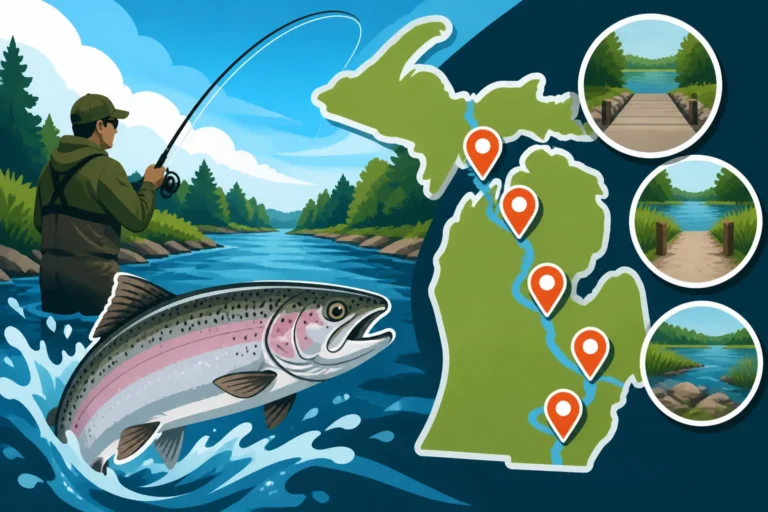
Michigan's rivers are truly the lifeblood of its angling culture, renowned worldwide for their incredible runs of salmon and steelhead, as well as their resident trout populations. These flowing waters offer a dynamic and intimate fishing experience, where reading the water, understanding fish behavior, and precise casting are often key to success. From the pristine fly-fishing-only stretches to powerful, wide rivers navigable by drift boats, Michigan's river systems are a treasure trove for anglers.
Legendary Trout Streams: Au Sable and Pere Marquette
For many fly anglers, Michigan's legendary trout streams are hallowed ground. The Au Sable River, particularly its "Holy Waters" sections, is globally recognized as one of the finest brown trout fisheries. Its clear, cold waters, intricate insect hatches, and challenging fish demand skill and patience, offering a truly rewarding fly-fishing experience. Anglers can spend days wading its gravelly bottom, casting dry flies, nymphs, or streamers to elusive brown trout. The river is meticulously managed, with various regulations for different sections, which you can typically find in the Michigan Fishing Regulations Every Angler Should Know digest.
Similarly, the Pere Marquette River holds a special place in the hearts of trout and steelhead enthusiasts. It was the first river in the world to be stocked with brown trout, and it continues to produce exceptional catches. While famous for its fall and spring steelhead runs, the Pere Marquette also boasts a strong resident brown trout population, providing year-round opportunities for dedicated anglers. Sections are designated for fly-fishing-only, preserving the pristine nature of the experience and ensuring healthy fish populations for generations to come.
Salmon and Steelhead Highways: Manistee, Muskegon, and Grand Rivers
When it comes to migratory salmon and steelhead, several Michigan rivers stand out as major "highways" for these powerful anadromous fish. The Manistee River, particularly the Big Manistee, is a premier destination for Chinook and Coho salmon in the fall, followed by incredible runs of steelhead throughout the fall, winter, and spring. Its wide, varied stretches accommodate both boat and wade anglers, and its fertile waters support strong populations of both wild and stocked fish. Understanding the Michigan Steelhead Run Timing can greatly increase your success on these rivers.
The Muskegon River is another powerhouse, famous for its strong steelhead runs and significant populations of resident brown trout and smallmouth bass. Its lower sections, closer to Lake Michigan, see massive pushes of salmon in the fall, drawing anglers from all over. Drifting spawn, beads, or flies are popular techniques, and the river's size allows for ample space, even during peak seasons. Farther south, the Grand River also sees impressive runs of salmon and steelhead, especially in its lower reaches near Grand Rapids, offering urban angling opportunities close to population centers. These rivers are truly dynamic systems, offering different challenges and rewards depending on the season and the species you're targeting.
Southern Michigan's Productive Waters: St. Joseph River
While some of the northern rivers get most of the attention, southern Michigan also boasts highly productive rivers, none more so than the St. Joseph River. Originating in southern Michigan and flowing into Lake Michigan, the "St. Joe" is a fantastic multi-species fishery. It's particularly renowned for its spring steelhead run, drawing anglers who target these powerful fish using various techniques, from float fishing to fly fishing. The numerous dams and ladders on the St. Joseph River act as natural congregation points, concentrating fish and providing excellent access for shore and boat anglers alike.
Beyond steelhead, the St. Joseph River also hosts strong runs of Chinook and Coho salmon in the fall. During the warmer months, its waters are teeming with smallmouth bass, walleye, and northern pike, making it a year-round destination for diverse angling. The river flows through several towns and offers numerous public access points, making it relatively easy to find a spot to wet a line. For those in lower Michigan looking for consistent action on migratory species without traveling too far north, the St. Joseph River is an excellent choice, providing a fantastic fishing experience from its headwaters to its mouth.
Upper Peninsula Adventures: Wild and Remote Fishing Experiences
Michigan's Upper Peninsula (U.P.) is a vast, wild, and sparsely populated region that offers an unparalleled fishing experience for those seeking solitude and untamed beauty. With endless forests, countless inland lakes, and pristine rivers flowing into the Great Lakes, the U.P. is a true angler's paradise, home to a wide array of species including trophy brook trout, robust walleye, and aggressive northern pike. The rugged landscape and cooler climate provide unique challenges and immensely rewarding experiences.
Keweenaw Peninsula: Lake Superior Tributaries and Inland Lakes
The Keweenaw Peninsula, jutting into the vastness of Lake Superior, is a region defined by its rugged beauty and cold-water fisheries. Here, anglers can explore countless small rivers and creeks that feed into Lake Superior, many of which host healthy populations of wild brook trout. These native char thrive in the cold, oxygen-rich waters, often requiring stealth and precise presentations from anglers. It’s a truly immersive experience, combining challenging fishing with stunning natural scenery.
In addition to the tributaries, the Keweenaw also offers access to smaller inland lakes that dot the peninsula. These lakes often hold good numbers of northern pike, walleye, and panfish, providing a contrast to the cold-water trout fishing. The remoteness of many of these locations means you might have an entire lake or stream to yourself, a rare luxury in today's crowded world. Whether you're targeting elusive brook trout or casting for pike, the Keweenaw Peninsula offers a raw, authentic Upper Peninsula fishing adventure.
Central UP: Lakes Gogebic and Indian Lake for Walleye and Perch
Venturing into the central Upper Peninsula reveals some truly exceptional inland lake fisheries. Lake Gogebic, Michigan's largest inland lake in the U.P., is a renowned destination for walleye and yellow perch. Its sprawling waters, with depths up to 30 feet and ample structure, provide ideal habitat for these popular species. Gogebic is fantastic for both open water and ice fishing, consistently producing good catches of walleye and some impressively sized perch. During the warmer months, trolling crankbaits or drifting live bait are popular methods, while in winter, anglers flock to its frozen expanse with tip-ups and jigging rods.
Further east, near Manistique, Indian Lake stands out as another top U.P. walleye and perch fishery. This large, relatively shallow lake is known for its consistent production and accessibility. It's a great spot for families, offering abundant panfish action alongside opportunities for walleye and pike. The numerous public access points and boat launches make it easy to get on the water and explore. The U.P. might feel remote, but its major lakes like Gogebic and Indian Lake offer fantastic, reliable fishing that rivals many of the Lower Peninsula's best spots.
Eastern UP: St. Marys River and Surrounding Waters
The eastern Upper Peninsula is dominated by the majestic St. Marys River, the sole outflow of Lake Superior, which connects to Lake Huron. This powerful river is an international border and offers exceptional fishing for a variety of species. It's particularly known for its populations of Atlantic salmon, a unique and highly prized sport fish in Michigan, as well as lake whitefish and yellow perch. The St. Marys River also sees runs of migratory salmon and steelhead, offering diverse opportunities depending on the season.
The river's complex currents and varied depths, including the famed "Rapids" area, provide challenging yet rewarding angling. Both boat and shore anglers can find success, though many prefer the mobility of a boat to explore its vast stretches. Surrounding the St. Marys River, the numerous smaller lakes and bays also provide excellent fishing for northern pike, walleye, and panfish, offering a more sheltered experience away from the main river's currents. The Eastern U.P. provides a blend of Great Lakes influence and classic inland fishing, making it a truly diverse region for anglers.
Shore and Pier Fishing: Accessible Angling for Everyone
Not everyone has a boat, and thankfully, Michigan offers an abundance of fantastic shore and pier fishing opportunities, making angling accessible to everyone regardless of their equipment. These spots are often family-friendly, require minimal gear, and can be incredibly productive, especially during migratory runs or when targeting specific species close to shore. It's a great way to experience Michigan fishing without a major investment.
Great Lakes Piers: Productive Spots for Salmon and Perch
Michigan's Great Lakes coastline is dotted with numerous piers that extend into the deeper waters, providing excellent access to migratory fish and resident species. These piers, found in port cities like Grand Haven, Holland, Ludington, Manistee, and Port Huron, become prime locations for salmon and steelhead during their fall and spring runs. Anglers can be seen casting spoons, stickbaits, or floating spawn bags, hoping to intercept these powerful fish as they stage near the river mouths. Our guide on Best Lake Michigan Fishing Piers and Harbors provides more details on specific locations.
Beyond the migratory species, these piers are also fantastic spots for yellow perch. During the summer months, perch schools often move closer to shore, making them accessible from the piers. Using small minnows, pieces of crawler, or specialized perch rigs, anglers can often fill a bucket with these delicious panfish. The convenience of pier fishing, often with nearby parking and amenities, makes it a popular choice for families and casual anglers looking for an easy and productive day on the water.
Riverside Parks and Public Access: Convenient Options
Many of Michigan's productive rivers, both large and small, offer numerous riverside parks and public access points that allow for excellent shore fishing. For instance, sections of the Grand River through cities like Grand Rapids offer designated fishing areas where anglers can target smallmouth bass, walleye, and even migratory salmon and steelhead during their seasonal runs. Similarly, the Kalamazoo River and Flint River have accessible stretches that provide good panfish and bass opportunities.
These public access points are invaluable for anglers who prefer to wade or simply cast from the bank. They often feature clear paths, designated fishing platforms, and sometimes even amenities like restrooms and picnic areas. They are also perfect for anglers experimenting with different techniques, from casting spinners and crankbaits to float fishing with light tackle. Checking local park and DNR websites can often reveal hidden gems and easily accessible spots to try your luck.
Family-Friendly Spots with Amenities
When planning a family fishing trip, ease of access and nearby amenities are often just as important as the fish themselves. Michigan excels in providing family-friendly fishing spots, many of which are designated "Kids' Fishing Ponds" or have accessible fishing docks. State parks across Michigan, like those along the coast of Lake Michigan or inland on lakes like Higgins Lake, often feature excellent shore fishing opportunities, calm waters, and amenities such as playgrounds, picnic areas, and clean restrooms.
For example, many county parks and recreation areas maintain small ponds or lakes that are regularly stocked with trout or panfish, specifically for youth anglers. These spots are fantastic for introducing children to the joys of fishing, offering a high chance of catching something and building confidence. Look for locations that offer accessible fishing piers, paved trails, and clear, weed-free casting areas. Some places might even offer equipment rentals or hosted fishing events during the summer, making it even easier to get the whole family involved in a fun and rewarding outdoor activity.
Ice Fishing Hotspots: Winter Wonderland of Angling
When Michigan's lakes and bays freeze over, a whole new world of angling opens up: ice fishing! This beloved winter tradition transforms many of the state's best fishing spots into bustling communities of ice shanties, augers buzzing, and anglers bundling up for some serious cold-weather action. Michigan offers some of the best ice fishing in the country, with opportunities for walleye, perch, pike, and even some trout. Always remember to prioritize safety and check ice conditions before venturing out.
Saginaw Bay: A Walleye and Perch Ice Fishing Paradise
Saginaw Bay on Lake Huron is arguably Michigan's most iconic ice fishing destination, especially for walleye and yellow perch. As the vast, shallow bay freezes over, it becomes a massive playground for ice anglers seeking abundant catches. Thousands of shanties can dot the ice, forming temporary villages where anglers brave the elements for the chance at a limit of delicious walleye. Using tip-ups with minnows or jigging with small spoons and soft plastics are popular and highly effective methods here.
The sheer size and productivity of Saginaw Bay mean that even during crowded periods, there's usually room to spread out. Access points like those around Bay City, Linwood, and Quanicassee become popular launching points. Many local bait shops provide up-to-date ice reports and local knowledge, which is invaluable for successful and safe ice fishing. For those who want to try their hand at this unique winter sport, Saginaw Bay offers a quintessential Michigan ice fishing experience with a high chance of success.
Houghton Lake and Higgins Lake: Inland Ice Fishing Staples
Beyond the Great Lakes, many of Michigan's large inland lakes become prime ice fishing destinations. Houghton Lake, as mentioned earlier, transforms into a winter hotspot, famous for its consistent walleye and perch bite through the ice. Its relatively shallow depths and widespread weed beds provide excellent habitat, making it easier to locate fish. Anglers often drill multiple holes, setting up tip-ups and jigging lines to cover more water and increase their chances.
Higgins Lake, with its deep, clear waters, offers a different kind of ice fishing challenge, primarily targeting lake trout and whitefish. While it might require more specialized gear and patience, the reward of landing a powerful lake trout through the ice is immense. Anglers often use sonar to locate suspended fish and vertical jigging techniques to entice strikes. Both Houghton Lake and Higgins Lake offer amenities nearby, including bait shops, restaurants, and lodging, making them convenient choices for a winter fishing getaway.
Upper Peninsula's Frozen Bounty: Lake Gogebic and More
The Upper Peninsula truly shines during the ice fishing season, with its colder climate ensuring thicker ice and a longer season on many lakes. Lake Gogebic, as noted for its open-water walleye and perch, becomes an equally popular and productive ice fishing destination. Its generous size provides ample space for anglers, and the quality of its walleye and perch keeps people coming back year after year. The surrounding forests often offer a stunning, snow-covered backdrop to your winter angling.
Beyond Gogebic, countless smaller U.P. lakes freeze solid, offering excellent opportunities for panfish, northern pike, and even some brook trout. Lakes like Indian Lake, Big Manistique Lake, and countless others provide diverse options. Anglers can seek out remote, quiet lakes for a solitary experience or head to more popular spots for camaraderie. Always remember that ice conditions can vary widely, even within the same region, so always check local reports and exercise extreme caution when ice fishing, especially in the more remote areas of the U.P. A crucial read is our Michigan Ice Fishing Guide for safety tips and techniques.
Specialty Fisheries: Targeting Specific Species
While many anglers enjoy a diverse catch, some prefer to specialize, targeting specific species known for their unique challenges or trophy potential. Michigan's diverse waters cater to these specialized pursuits, offering some of the best opportunities in the country for species like muskellunge, smallmouth bass, and abundant panfish. Understanding where and how to target these specific fish can elevate your angling experience to a whole new level.
Michigan's Muskie Sanctuaries: Lake St. Clair and Inland Giants
The muskellunge, often called the "fish of a thousand casts" (or 10,000!), is Michigan's ultimate freshwater predator, and the state offers some truly world-class muskie fisheries. Lake St. Clair, as mentioned, is legendary for its muskie population, regularly producing fish over 50 inches. Anglers come from all over North America to cast massive lures for these elusive giants, and a strong network of guides specializes in helping clients land these magnificent creatures.
Beyond Lake St. Clair, Michigan also boasts several inland lakes known for their muskie populations, providing excellent opportunities closer to home for many. Lakes like Lake Hudson and Thornapple Lake are managed with specific big muskie regulations, including higher minimum size limits (often 50 inches) to protect the breeding stock and encourage trophy growth. For any muskie caught, remember the strict Michigan Muskellunge Harvest Reporting Rules that require registration within 24 hours, even for catch-and-release. These inland muskie lakes often provide a quieter, more intimate setting for pursuing these challenging fish, demanding patience, dedication, and heavy-duty tackle.
Smallmouth Bass Havens: Clear Waters and Rocky Structures
For many, the smallmouth bass is the ultimate freshwater sport fish – aggressive, powerful, and acrobatic. Michigan offers exceptional smallmouth bass fishing across the state, from the Great Lakes to numerous inland lakes and rivers. Lake St. Clair is a standout, widely recognized as a top-tier smallmouth fishery, consistently producing high numbers of quality fish. Its clear water and abundant forage base make it a perfect environment for these bronzebacks.
Other Great Lakes like Huron and Michigan also offer excellent smallmouth opportunities, particularly around rocky structures, shoals, and breakwalls. Inland, lakes like Torch Lake, Burt Lake, Mullett Lake, and numerous smaller, clear-water lakes are prime smallmouth habitat. Rivers such as the St. Joseph, Grand, and Muskegon also hold strong populations. Anglers targeting smallmouth often focus on rocky bottoms, submerged timber, and drop-offs, using a variety of techniques from soft plastics and crankbaits to topwater lures, especially during the spring and summer months when these fish are most active.
Panfish Paradise: Abundant and Fun for All Ages
Sometimes, the most rewarding fishing isn't about landing a giant trophy, but about consistent action and a delicious meal. Michigan is a panfish paradise, offering abundant opportunities for bluegill, crappie, and yellow perch in nearly every corner of the state. These species are fantastic for beginners, children, and experienced anglers alike, providing steady bites and excellent table fare.
Almost every inland lake in Michigan, from the smallest ponds to the largest bodies of water, holds healthy populations of panfish. Lakes like Houghton Lake, Higgins Lake, and countless smaller county and state park lakes are known for their plentiful bluegill and crappie. For yellow perch, Saginaw Bay and Lake Erie are legendary, but many inland lakes also offer great perch fishing. Fishing for panfish typically involves light tackle, small hooks, and live bait like worms or minnows, or small jigs and spinners. They are active throughout the open water season and are also highly sought after during the ice fishing months, making them a reliable target year-round.
Choosing Your Michigan Fishing Destination: Factors to Consider
With such an incredible array of fishing opportunities, deciding where to go can still be a delightful dilemma. To help you narrow down your options and ensure a successful and enjoyable trip, it's helpful to consider a few key factors that will influence your experience.
Target Species and Seasonality
The first and most crucial step is to define what you want to catch. Are you dreaming of a trophy Chinook salmon? Or perhaps a limit of delicious walleye? Maybe it's the thrill of a muskie fight, or simply consistent action with panfish for the kids. Once you know your target, the next step is to align it with the right season. Many species have peak seasons when they are most active or accessible. For instance, if you want to target migratory salmon and steelhead in rivers, fall and spring are your prime times. If you're after walleye in Saginaw Bay, spring and early summer are often best. Our detailed guide, Michigan Fishing Season Dates and Rules, can help you understand the specific timing.
Consider what techniques you prefer as well. If you love fly fishing, a trout stream like the Au Sable is perfect. If trolling big water is your game, then the Great Lakes for salmon or Lake Erie for walleye will be ideal. Knowing your preferred species and understanding their seasonal patterns will dramatically narrow down your potential destinations and increase your chances of a successful outing.
Accessibility and Amenities
Another practical consideration is how easy it is to get to and fish your chosen spot, and what amenities are available. Do you have a boat, or will you be fishing from shore, a pier, or a kayak? If you have a boat, consider the availability and condition of boat launches, especially for larger vessels on the Great Lakes. If you're going without a boat, look for locations with public access points, designated fishing piers, or ample shoreline to cast from.
Think about other amenities you might need. Are there bait shops nearby? Restrooms? Picnic areas? If you're planning a multi-day trip, are there lodging options, campgrounds, or restaurants? Some areas, like Traverse City or Ludington, are renowned fishing towns with a full suite of services, while others, particularly in the Upper Peninsula, might be more remote and require more self-sufficiency. For those seeking a guided experience, services like FishingBooker can help you find local charters and guides, simplifying the logistics significantly, especially on larger bodies of water like Lake Michigan or Lake St. Clair.
Charter vs. DIY: Great Lakes and Big Inland Waters
For the expansive waters of the Great Lakes and larger inland lakes like St. Clair or Houghton, you'll need to decide whether to embark on a do-it-yourself adventure or hire a professional charter or guide. A DIY approach offers freedom and cost savings if you have your own boat and expertise. However, navigating vast waters, understanding complex fish patterns, and having the right gear for species like offshore salmon or deepwater lake trout can be challenging for the uninitiated.
Hiring a charter captain, especially for Great Lakes salmon or Lake Erie walleye, offers a significant advantage. These captains spend hundreds of days on the water, know exactly where the fish are, and provide all the necessary, often expensive, specialized gear. It’s an excellent way to experience world-class fishing with a high chance of success, particularly if you're visiting for a short trip or want to learn the ropes from an expert. Platforms like FishingBooker make it simple to find and book reputable charters across Michigan, ensuring a safe and productive day on the water. For smaller inland lakes or rivers, a local guide can still provide invaluable insights and put you on fish you might otherwise miss.
| Fishing Destination Type | Primary Species | Best Seasons | Key Considerations | Example Locations |
|---|---|---|---|---|
| Great Lakes | Salmon, Steelhead, Walleye, Lake Trout, Smallmouth Bass | Spring, Summer, Fall | Can be rough, specialized gear often needed, charters available | Lake Michigan (Salmon), Lake Erie (Walleye), Lake Huron (Smallmouth Bass), Lake Superior (Lake Trout) |
| Large Inland Lakes | Walleye, Perch, Muskie, Smallmouth Bass, Pike, Panfish | Year-round (incl. Ice Fishing) | Variety of depth/structure, good for boats, some shore access | Lake St. Clair (Bass, Muskie), Houghton Lake (Walleye, Perch), Higgins Lake (Trout) |
| Rivers (Migratory) | Salmon, Steelhead | Fall, Spring, Winter | Best for wading/drift boats, specific techniques | Manistee River, Pere Marquette River, Muskegon River, St. Joseph River |
| Rivers (Trout) | Brown Trout, Brook Trout, Rainbow Trout | Spring, Summer, Fall | Often fly-fishing focused, specific regulations | Au Sable River, Pere Marquette River |
| Upper Peninsula Lakes | Walleye, Perch, Pike, Lake Trout, Brook Trout | Year-round (incl. Ice Fishing) | Remote, wild, rugged beauty | Lake Gogebic, Indian Lake, Keweenaw Peninsula tributaries |
| Piers/Shore Access | Salmon, Steelhead, Perch, Panfish, Bass | Year-round (species dependent) | Highly accessible, minimal gear, family-friendly | Grand Haven Pier, Port Huron Pier, various city parks |
No matter where you choose to cast your line, Michigan's diverse and abundant waters truly offer something for every angler. Just remember to always check the latest Michigan Fishing Regulations Every Angler Should Know and obtain the necessary Michigan Fishing License Guide for Residents and Nonresidents before heading out. Tight lines and happy fishing!
Disclaimer
The information provided in this guide is for general informational purposes only and does not constitute professional advice. Fishing conditions, regulations, and access points can change frequently. Always consult the latest Michigan Department of Natural Resources (DNR) regulations and local advisories before engaging in any fishing activities. Ensure personal safety by checking weather forecasts and ice conditions (if applicable) and always wear appropriate safety gear, such as life jackets. Fishing, especially on large bodies of water or during adverse conditions, carries inherent risks.