Michigan’s Most Popular Fish Species
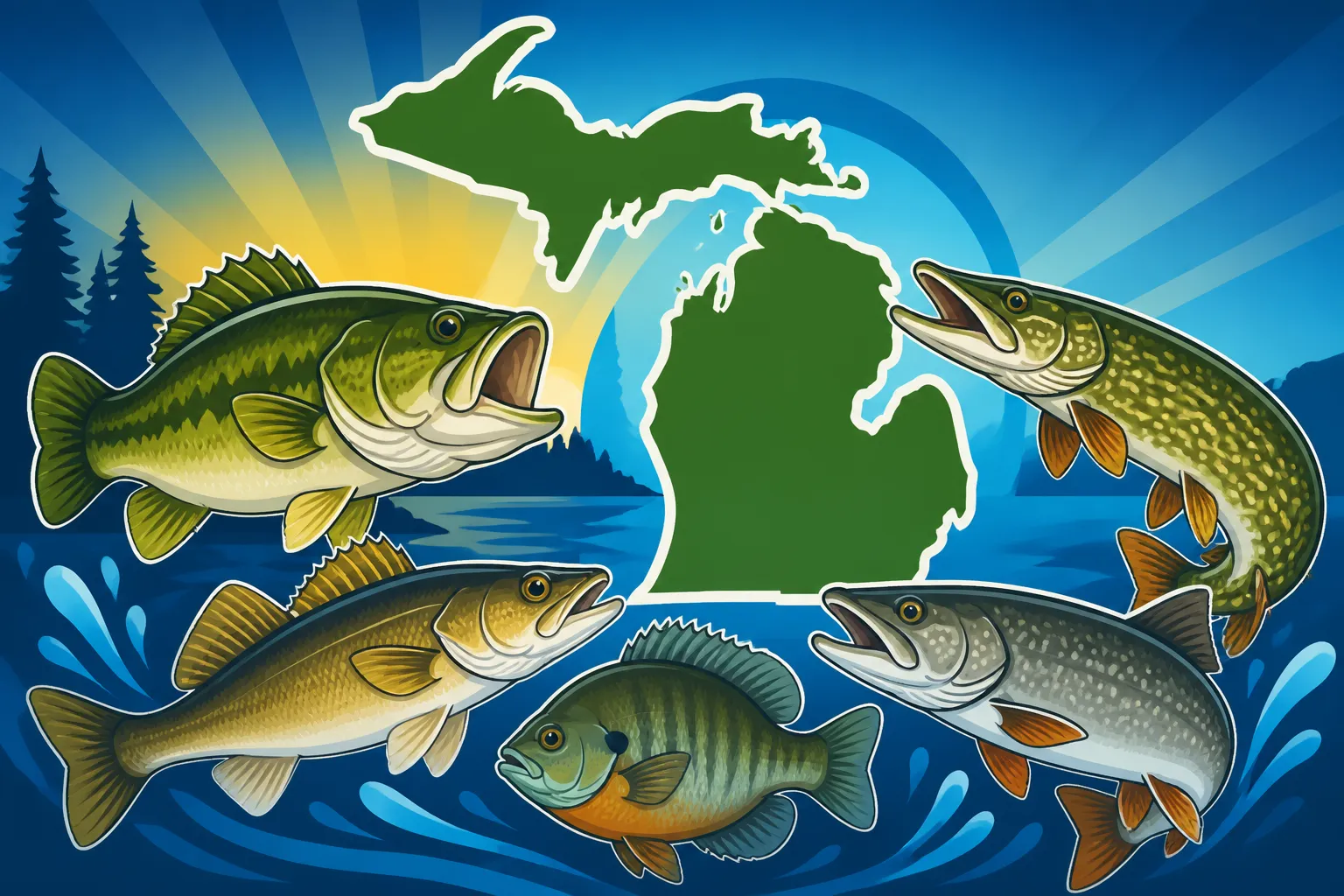
A common frustration for anglers visiting Michigan, or even long-time residents, is knowing which fish species truly define the state's incredible fishing opportunities. With thousands of lakes and rivers, plus the vast Great Lakes, it's easy to feel overwhelmed by the sheer diversity. This comprehensive guide will cut through the noise, detailing Michigan's most popular and iconic fish species, their habitats, and what makes them such sought-after catches, helping you plan your next angling adventure.
Why Michigan's Waters are a Fish Paradise
Michigan is a truly special place for anyone who loves to wet a line. It's not just a state; it's practically a synonym for freshwater fishing, surrounded by four of the five Great Lakes and peppered with countless inland bodies of water. This unique geography creates an almost unparalleled diversity of habitats, supporting an incredible array of fish species that appeal to every type of angler, from the casual weekend warrior to the dedicated trophy hunter. It’s a place where you can chase giant salmon in the morning and be casting for panfish with your kids in the afternoon, all within a reasonable drive.
The sheer volume of water and the variety of ecosystems are what really set Michigan apart. From the deep, cold, oligotrophic waters of Lake Superior to the shallow, warm, and nutrient-rich bays of Lake Erie, the state offers a gradient of conditions that allows for a rich tapestry of aquatic life. This ecological wealth is not accidental; it’s a result of both natural processes and diligent management efforts over many decades. Understanding this foundation helps you appreciate why certain species thrive in specific areas and why Michigan fishing holds such a celebrated place in the angling world.
The Diverse Habitats of the Great Lakes State
Michigan's fishing success hinges on its incredible range of aquatic habitats. We're talking about everything from the roaring, crystal-clear trout streams of the Upper Peninsula to the vast, open expanses of Lake Michigan, teeming with salmon and trout. Inland, you'll find everything from shallow, weedy lakes perfect for largemouth bass and pike, to deep, clear lakes holding cold-water species like lake trout and splake. This geographical spread means that whatever your preferred fishing style or target species, Michigan likely has the perfect spot waiting for you.
Consider the intricate network of rivers that feed into the Great Lakes. Rivers like the Au Sable, Manistee, and Pere Marquette aren't just scenic waterways; they are vital arteries for migratory species like salmon and steelhead, offering world-class fishing opportunities during their seasonal runs. Then there are the smaller streams and creeks, often overlooked, that hold healthy populations of native brook trout. Each body of water, big or small, plays a critical role in supporting the state's overall fishery, creating a complex and vibrant ecosystem that keeps anglers coming back year after year.
The Allure of Michigan's Fisheries
What truly draws people to Michigan's fisheries? It’s a combination of the challenge, the beauty, and the sheer abundance of opportunities. The challenge of outsmarting a wary brown trout on a tiny fly, or the adrenaline rush of hooking into a powerful Chinook salmon on the Great Lakes, provides an unforgettable experience. Beyond the fight itself, there's the aesthetic appeal of fishing in pristine natural settings, whether it's casting against a backdrop of fall colors on an inland river or watching a sunrise over Lake Huron.
The allure also comes from the promise of consistent action and the chance at a trophy fish. Many anglers find themselves pouring over maps and Reading the Michigan Fishing Regulations Digest for the next big adventure. Whether you're chasing that elusive state record muskellunge or simply hoping to fill a cooler with delicious yellow perch for a family fish fry, Michigan delivers. The state's commitment to stocking programs and habitat preservation further solidifies its reputation as a premier fishing destination, ensuring that these opportunities will continue for generations to come.
The Mighty Walleye: A Prized Table Fare
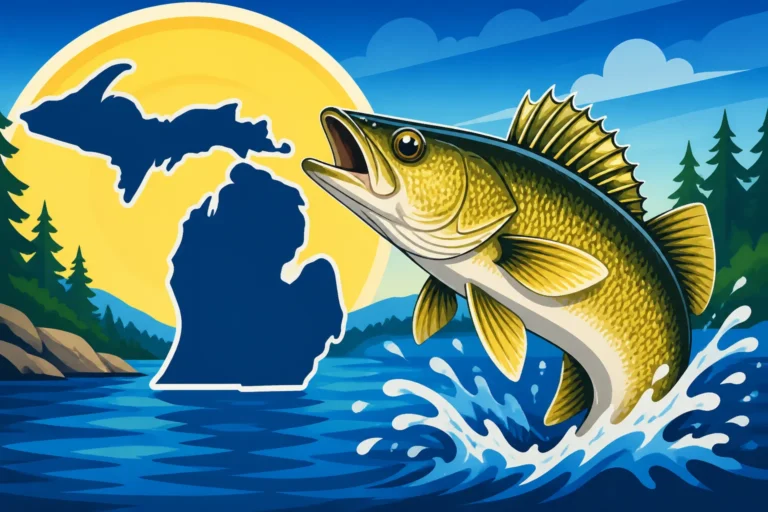
For many Michigan anglers, the walleye is king. This isn't just because they put up a respectable fight, but because they are arguably one of the finest-eating freshwater fish available. Their firm, flaky, white meat is a delicacy, making them a highly sought-after species across the state. The pursuit of walleye is a serious passion for many, driving anglers to learn intricate techniques and invest in specialized gear. It's not uncommon to hear tales of dedicated walleye hunters braving the elements, from the first open water of spring to the depths of winter ice fishing, all for a shot at this delicious fish.
The reputation of Michigan walleye fishing is well-deserved, particularly in certain legendary bodies of water. The pursuit often involves a mix of art and science, requiring knowledge of their habits, preferred depths, and feeding patterns. They are often most active during low light conditions, leading many anglers to embrace pre-dawn launches and sunset fishing trips. The reward, however, is almost always worth the effort, whether it's the thrill of the strike or the anticipation of a memorable meal.
Walleye Identification and Key Habitats
Walleye are easily identified by their torpedo-shaped bodies, large glassy eyes (which help them see in low light), and sharp teeth. Their coloring can vary from olive green to golden brown, often with dark blotches and a distinctive white tip on the lower lobe of their tail fin. Walleye Identification and Size in Michigan is relatively straightforward once you know what to look for, but it's important to differentiate them from their smaller, similar-looking cousin, the sauger, which typically lacks the white tail tip and has more distinct spots on its dorsal fin.
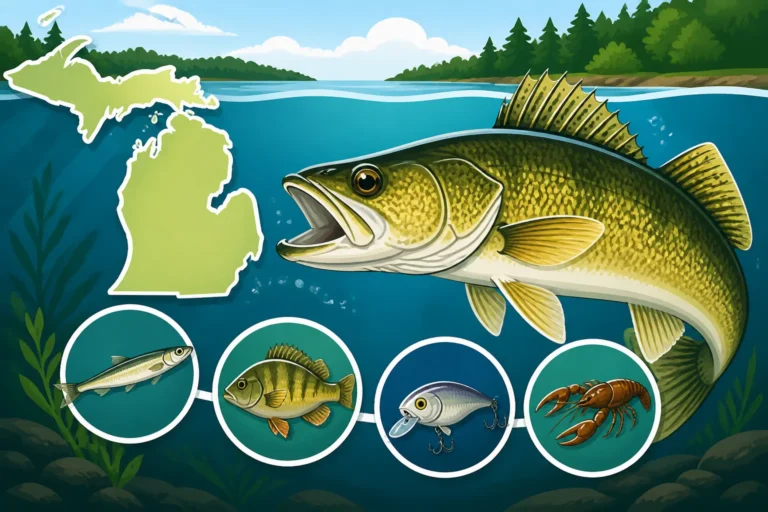
In Michigan, walleye thrive in large, shallow lakes, reservoirs, and slow-moving rivers. Iconic walleye waters include Saginaw Bay on Lake Huron, often hailed as one of the top walleye fisheries in the country, and the Detroit River, known for its incredible spring walleye run. Other fantastic spots include Muskegon Lake and Houghton Lake. These fish prefer areas with gravelly or rocky bottoms, often near drop-offs or structural features, where they can ambush baitfish. They are light-sensitive, so you'll often find them deeper during the day or in stained water.
Techniques and Seasons for Walleye Success
Catching walleye often requires adapting your techniques to the season and specific water body. In spring, as ice recedes and water temperatures rise, walleye become very active in shallow spawning areas. Jigging with minnows, soft plastics, or blade baits is highly effective during this time, especially in rivers like the Detroit or the St. Clair. Many anglers consult the Lower Peninsula Trout and Walleye Opener dates to ensure they hit the peak window. As summer progresses, walleye move to deeper, cooler waters, making trolling with crankbaits or crawler harnesses a popular method, particularly on large lakes like Saginaw Bay.
During fall, as baitfish schools move, walleye can be found congregating in deeper holes or along structure, where vertical jigging or slow-trolling can still be productive. Even in winter, ice fishing for walleye is incredibly popular, with anglers using tip-ups and jigging spoons through the ice. Regardless of the season, understanding current conditions, using electronics to locate structure and fish, and experimenting with various baits (like shiners, leeches, or nightcrawlers) are key to consistent walleye success. Anglers often find the best selection of specialized walleye jigs and crankbaits on platforms like Amazon before heading out.
Salmon and Steelhead: Kings of the Great Lakes and Rivers
The migratory salmon and steelhead runs are arguably Michigan's most dramatic and exciting fishing events. These powerful, ocean-going (or rather, Great Lakes-going) fish draw anglers from across the globe, eager to experience the brutal strikes and incredible fights they deliver. Whether you're battling a chrome-bright Chinook salmon on Lake Michigan or a feisty steelhead in a tributary, the experience is nothing short of exhilarating. These fish represent a significant part of Michigan's angling identity, symbolizing strength, endurance, and the wild spirit of the Great Lakes.
The story of salmon and steelhead in Michigan is one of successful introduction and ongoing management. Originally, these species were not native to the Great Lakes, but their introduction decades ago helped control invasive alewives and created an unparalleled recreational fishery. Today, millions of fish are stocked annually, sustaining these fantastic populations and ensuring that the annual runs remain a highlight for countless anglers. It's a testament to cooperative conservation efforts and the enduring appeal of these magnificent fish.
Chinook and Coho Salmon: The Powerhouses
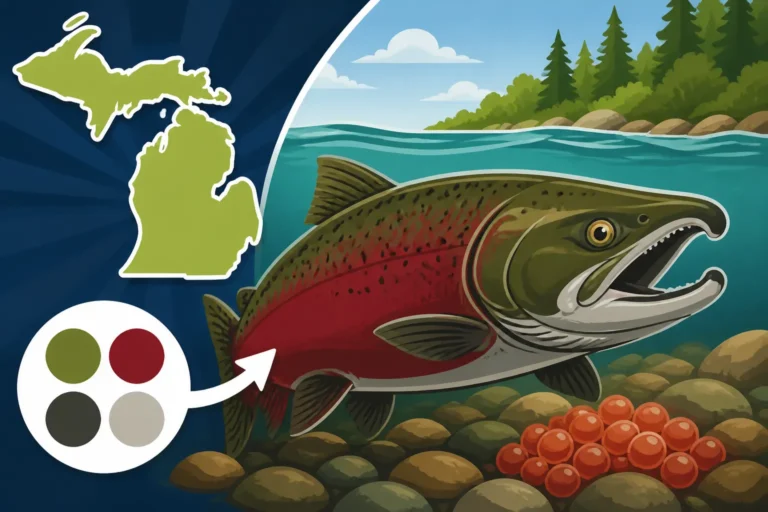
Michigan is home to several species of Pacific salmon, with Chinook (King) and Coho (Silver) salmon being the most popular. Chinook salmon are known for their sheer size and brute strength, often reaching impressive weights and putting up epic battles on both the open lake and in rivers. Chinook Salmon in Michigan's Great Lakes are targeted heavily by trollers offshore during summer, and then by river anglers during their fall spawning runs. Their powerful runs and head shakes are legendary among those who hook them.
Coho salmon, while generally smaller than Chinooks, are equally spirited fighters, often leaping clear of the water during a battle. Coho Salmon Fishing in Michigan is excellent, especially in the spring and early summer on the Great Lakes, where they're known for their aggressive strikes on trolled spoons and flies. As fall approaches, Cohos also enter the rivers to spawn, offering fantastic opportunities for drift fishing or casting hardware. Both species provide a delicious meal, though many anglers prefer to catch and release the larger, spawning fish.
Steelhead: Rainbow Trout's Migratory Marvel
Steelhead are essentially rainbow trout that have migrated to the Great Lakes (or oceans, in their native Pacific Northwest) to grow large before returning to rivers to spawn. In Michigan, they are revered for their acrobatic jumps and powerful runs, earning them the nickname "chromers" when they're fresh from the big lake. Michigan Steelhead Run Timing typically occurs in both spring and fall, with a "winter" run often bridging the gap, providing nearly year-round opportunities in some rivers.
Anglers pursue steelhead with a variety of methods, including float fishing with beads or spawn bags, drift fishing with roe or yarn, and fly fishing with nymphs and streamers. Rivers like the Manistee River and Pere Marquette River are legendary for their steelhead runs, drawing enthusiastic anglers willing to brave cold temperatures for a chance at these magnificent fish. Many anglers dedicated to chasing these migratory beauties often search for the latest fly patterns or centerpin setups on reputable sites like Amazon.
Trout Species: Inland Beauties and Great Lakes Giants
Michigan's trout fishing scene is incredibly diverse, offering something for every type of angler, from those who prefer the solitude of a quiet brook trout stream to those who brave the expansive waters of the Great Lakes for trophy lake trout. These cold-water species are iconic symbols of Michigan's pristine natural beauty and its commitment to conservation. The sheer variety of trout experiences available ensures that anglers can spend a lifetime exploring different waters and techniques without ever getting bored.
The appeal of trout fishing extends beyond just catching fish; it's about connecting with nature, understanding the subtle nuances of a stream, and mastering specialized techniques. Whether you're fly fishing a famous river or ice fishing a deep inland lake, the pursuit of trout in Michigan is a deeply rewarding endeavor. The state's careful management of these fisheries, including extensive stocking programs and habitat restoration projects, helps maintain healthy populations for all to enjoy.
Brown and Brook Trout: Stream Dwellers
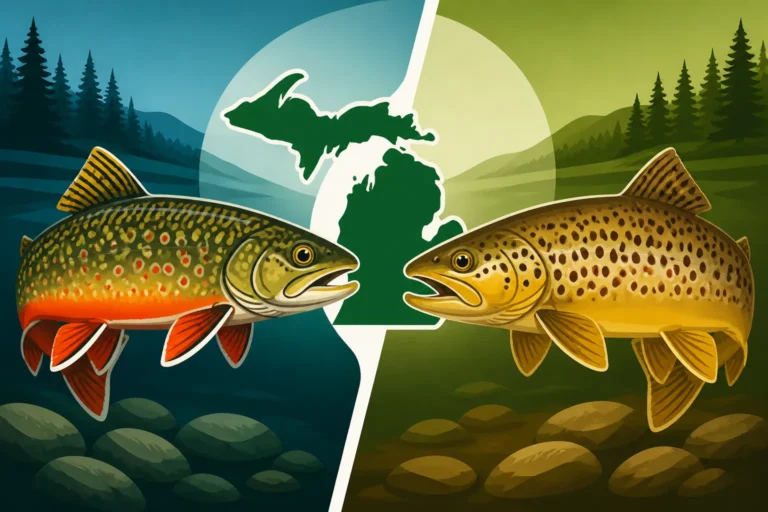
Michigan's inland rivers and streams are a haven for both brown trout and native brook trout. Brown trout, known for their wary nature and often large size, are a favorite among fly anglers. They are incredibly adaptable, thriving in a wide range of stream conditions, from small, brushy creeks to larger, more open rivers. How to Catch Brown Trout in Michigan Rivers involves careful presentation and understanding their feeding lanes, often requiring precise casts with dry flies, nymphs, or small spinners. Their distinctive spots and rich coloration make them a beautiful catch.
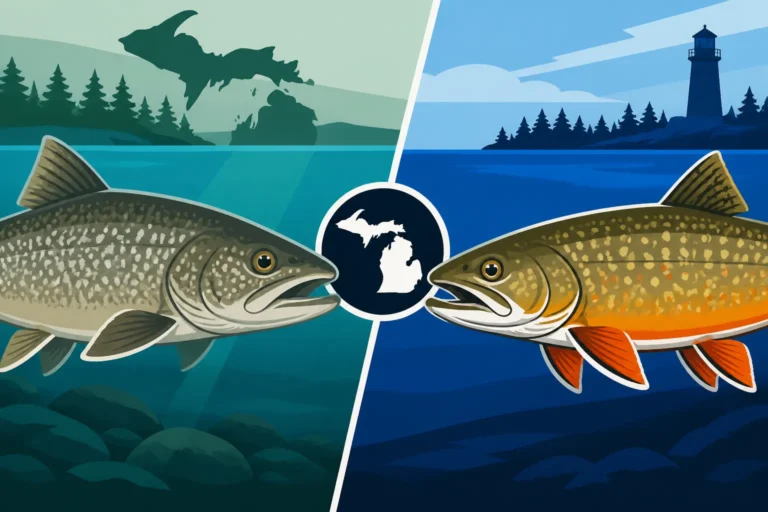
Brook trout, Michigan's only native stream trout, are celebrated for their vibrant colors and preference for cold, clean, oxygen-rich water. Finding them often means exploring remote, pristine headwater streams, where they might not reach large sizes but offer a truly wild fishing experience. Brook Trout in Michigan Rivers are typically caught using small spinners, worms, or simple dry flies. The pursuit of brookies is as much about the journey into untouched wilderness as it is about the fish themselves, often taking anglers to some of the most beautiful corners of the state.
Lake Trout and Splake: Deep Water Wonders
While brown and brook trout dominate the streams, lake trout are the undisputed kings of Michigan's deeper, colder lakes, especially the Great Lakes. These powerful fish can grow to immense sizes, offering a formidable challenge to anglers. Lake Trout Identification in Michigan shows they are characterized by their deeply forked tails and light spots on a dark body. On the Great Lakes, they are often targeted by trolling with downriggers, which allows anglers to present lures at the specific depths where these fish reside. They are also popular ice fishing targets on both the Great Lakes and deeper inland lakes like Higgins Lake.
Splake, a hybrid cross between a brook trout and a lake trout, offer an interesting alternative. They were originally developed and stocked to combine the faster growth rate and larger size of lake trout with the earlier maturity and aggressive nature of brook trout. Splake Fishing in Michigan is popular in many inland lakes where they are stocked, providing excellent opportunities for both open water and ice fishing. They share characteristics of both parents, often having a slightly forked tail and vibrant colors, making them a fun and unique catch for many Michigan anglers.
Smallmouth and Largemouth Bass: The Hard-Fighting Favorites
When it comes to pure fighting fun and widespread availability, it's hard to beat Michigan's bass species. Both smallmouth and largemouth bass are incredibly popular among anglers for their aggressive strikes, acrobatic jumps, and powerful runs. They offer fantastic fishing opportunities throughout the warmer months and are accessible to anglers using a variety of techniques, from sophisticated tournament strategies to simple bait fishing. Bass fishing in Michigan isn't just a hobby; for many, it's a serious sport, complete with tournaments and dedicated clubs.
The appeal of bass fishing lies in its dynamic nature. These fish are masters of their environment, requiring anglers to understand their preferred cover, feeding patterns, and seasonal movements. Whether you're targeting smallmouth on clear, rocky Great Lakes flats or probing the thick weeds of an inland lake for largemouth, the challenge is always exciting. Michigan provides a diverse landscape that caters perfectly to both species, ensuring that bass enthusiasts always have a new spot to explore or a new technique to master.
Smallmouth Bass: River and Rocky Lake Warriors
Smallmouth bass are quintessential Michigan fighters, renowned for their incredible strength and relentless battles. They prefer cooler, clearer water than their largemouth cousins, thriving in rocky areas of large lakes and current-rich sections of rivers. Smallmouth Bass Identification in Michigan reveals their bronze-green coloration, vertical bars, and a mouth that doesn't extend past their eye. Lake St. Clair is a world-famous smallmouth fishery, consistently producing trophy-sized fish, and the Great Lakes shores also hold impressive populations.
Anglers chase smallmouth with a variety of lures, including crankbaits, jerkbaits, soft plastic tubes, and Ned Rigs, often focusing on rocky points, shoals, and current breaks. They are aggressive feeders and will readily strike a well-presented lure. The fight of a smallmouth, characterized by powerful runs and aerial acrobatics, is highly addictive, making them a top target for many Michigan anglers. Their preference for specific structures also makes them a great target for those who enjoy precision casting.
Largemouth Bass: Master of the Weeds
Largemouth bass, on the other hand, are the kings of Michigan's warmer, weedier inland lakes and sluggish river sections. Their olive-green bodies and distinctive dark lateral stripe help with Largemouth Bass Identification in Michigan, along with a jaw that extends well beyond the eye. These fish are ambush predators, perfectly camouflaged in the dense cover they inhabit, waiting to explode on unsuspecting prey. Almost any Michigan inland lake with ample vegetation, fallen trees, or lily pads will hold healthy populations of largemouth.
Fishing for largemouth often involves heavy cover, requiring anglers to use weedless setups like Texas-rigged worms, frogs, or punching jigs. Topwater lures are incredibly exciting to use for largemouth, providing explosive surface strikes that are unforgettable. Whether you're flipping a jig into a dense mat of lily pads or casting a buzzbait across a shallow cove, the thrill of a largemouth strike is hard to match. They offer accessible and exciting fishing, making them a fantastic target for anglers of all skill levels.
Pike and Muskellunge: Michigan's Apex Predators
For anglers seeking a true trophy fish that combines aggression with impressive size, Michigan's northern pike and muskellunge are the ultimate challenge. These toothy predators sit atop the food chain in many of the state's waters, providing heart-pounding strikes and battles that test both tackle and patience. They are a different breed of fish, requiring specific gear and a mindset geared towards pursuing powerful, often elusive, giants.
The pursuit of pike and muskellunge is often a quest for a singular, memorable encounter rather than high catch numbers. These fish are known for their territorial nature and their willingness to ambush prey, which makes targeting them incredibly exciting. Michigan has dedicated programs to manage and protect these populations, recognizing their ecological importance and their appeal to a dedicated segment of the angling community.
Northern Pike: Aggressive and Widespread
Northern pike are widespread throughout Michigan's inland lakes and rivers, offering accessible trophy potential for many anglers. They are easily identified by their elongated, olive-green bodies with light, bean-shaped spots, and a duckbill-shaped mouth full of razor-sharp teeth. Northern Pike Identification in Michigan is fairly distinct, and they are known for their voracious appetites, often striking lures with brutal force. You'll find them lurking in weed beds, submerged timber, or along drop-offs, ready to ambush anything that swims by.
Fishing for northern pike often involves casting large spinnerbaits, spoons, jerkbaits, or even live bait like large shiners under a bobber. They put up a strong, often surprising fight, characterized by powerful runs and thrashing head shakes. While smaller pike are often targeted for their spirited fights, trophy pike exceeding 40 inches are not uncommon, especially in larger, cooler lakes. They are a fantastic fish to target for those who enjoy aggressive strikes and the thrill of a powerful predator.
Muskellunge: The Fish of 10,000 Casts
The muskellunge, or "muskie," is the undisputed apex predator of many Michigan lakes, a fish that commands respect and embodies the spirit of challenge. Known as the "fish of 10,000 casts," muskie fishing is not for the faint of heart; it requires immense patience, dedication, and specialized heavy-duty gear. Muskellunge Identification and Size Limit includes their long, cylindrical bodies, dark markings (spots, bars, or clear), and fearsome rows of teeth. Lake St. Clair is particularly famous for its world-class muskie fishery, attracting anglers from all over for a shot at a true giant.
Targeting muskies involves casting or trolling enormous lures – often 8 to 15 inches long – that imitate large baitfish. These fish can grow to truly enormous sizes, with fish over 50 inches not uncommon, making every strike an unforgettable experience. The intense mental game involved, knowing that every cast could connect with a fish of a lifetime, is what keeps muskie anglers obsessed. When that strike finally comes, it's an explosion of power and an incredible test of skill, often requiring a specialized landing net. Many muskie anglers will search on Amazon for specific oversized baits and heavy-duty rods required for these magnificent fish.
Yellow Perch and Panfish: Accessible Fun for Everyone
While the pursuit of trophy walleye, salmon, or muskellunge grabs a lot of headlines, Michigan's yellow perch and various panfish species offer equally rewarding, and often more accessible, fishing experiences. These smaller, abundant fish are fantastic targets for anglers of all ages and skill levels, providing consistent action, delicious table fare, and countless hours of enjoyment. They are the backbone of many family fishing trips and entry-level angling adventures, proving that you don't need expensive gear or exotic locations to have a great day on the water.
The popularity of panfish stems from their ubiquitous presence and their willingness to bite. They are found in nearly every lake and pond across the state, and their relatively simple dietary preferences make them easy to catch with basic tackle. This accessibility makes them perfect for introducing children to fishing, fostering a love for the outdoors and creating cherished memories. Michigan's panfish populations are robust, supporting a recreational fishery that brings joy to millions each year.
Yellow Perch: Delicious and Abundant
Yellow perch are a classic Michigan staple, cherished for their delicious white meat and their schooling behavior, which can lead to fast and furious action. They are easily recognizable by their golden-yellow bodies with distinct dark vertical stripes. Yellow Perch Identification in Michigan is straightforward, and they are found in almost every lake and river system in the state. Lake St. Clair, Saginaw Bay, and countless inland lakes are renowned for their perch fisheries, especially during the spring and fall.
Anglers target yellow perch with small baits like worms, minnows, or wax worms, often fished under a bobber or on a small jig. They are also incredibly popular for ice fishing, where anglers use tiny jigs and live bait to pull them through the ice by the bucketful. The sheer abundance of perch, combined with their tasty fillets, makes them a favorite for many anglers who prioritize filling a cooler over chasing a single trophy.
Bluegill and Crappie: Panfish for All Ages
Beyond perch, Michigan's waters teem with other fantastic panfish species, notably bluegill and crappie. Bluegill are perhaps the most iconic panfish, known for their round, flat bodies, vibrant colors, and small mouths. They are found in nearly every warm-water lake and pond, and are often the first fish many children catch. Bluegill and Crappie Fishing in Michigan provides endless fun, as these fish readily bite small worms, crickets, or tiny artificial baits. They are excellent table fare and provide consistent action, making them perfect for leisurely afternoons.
Crappie, both black and white varieties, are another highly sought-after panfish, prized for their delicate white meat and their tendency to school up around submerged structures like brush piles, docks, or fallen trees. They can grow larger than bluegill and offer a slightly different challenge. Crappie are often caught using small minnows or jigs, particularly around twilight or after dark when they become more active. Finding a crappie school can lead to incredible numbers of fish, making them a top target for anglers looking to fill a stringer.
Conservation and Future of Michigan Fishing
Michigan's rich fishing heritage is not just about the past; it's about a commitment to the future. The abundance and diversity of fish species we enjoy today are the direct result of ongoing conservation efforts, sound fisheries management, and the collective responsibility of anglers to protect these invaluable resources. Without dedicated programs and an ethos of sustainability, the vibrant fishing opportunities we cherish could easily diminish. This forward-looking perspective is crucial for ensuring that future generations can experience the same joy and connection to nature that we do.
The health of Michigan's aquatic ecosystems is a complex and dynamic challenge, influenced by everything from water quality and habitat preservation to invasive species management and climate change. It requires constant vigilance, scientific research, and collaborative efforts between government agencies, conservation groups, and the angling public. Every angler has a role to play, whether it's understanding and following regulations, participating in clean-up efforts, or simply practicing responsible catch and release.
Protecting Michigan's Aquatic Ecosystems
Protecting Michigan's aquatic ecosystems is a multi-faceted endeavor that goes far beyond just stocking fish. It involves maintaining and improving water quality, which is critical for all fish species, from sensitive trout to robust bass. This means addressing pollution, managing agricultural runoff, and preserving riparian habitats along rivers and lakeshores. Healthy shorelines and diverse underwater structures provide crucial spawning grounds, nursery areas, and feeding habitats for a wide range of fish.
Another significant challenge is the ongoing battle against invasive species. Species like zebra mussels, quagga mussels, and round gobies have dramatically altered the Great Lakes ecosystem, impacting food webs and habitat. Constant monitoring and public education are vital in preventing the spread of new invasives and mitigating the effects of existing ones. For example, understanding Michigan's Muskellunge Harvest Reporting Rules helps managers track populations and ensure sustainability, reflecting a broader commitment to ecosystem health.
Sustainable Fishing Practices
At the heart of future fishing success lies the adoption of sustainable fishing practices by individual anglers. This includes understanding and adhering to Michigan Fishing Regulations Every Angler Should Know, such as daily bag and size limits, which are carefully set to ensure healthy fish populations can reproduce and thrive. Knowing Michigan Bag and Size Limits Explained for various species helps prevent overharvesting and protects younger fish, allowing them to grow to maturity.
Practicing responsible catch and release, especially for vulnerable or trophy-sized fish like muskellunge, is another cornerstone of sustainability. Using proper handling techniques, such as keeping the fish in the water as much as possible and using appropriate landing nets, minimizes stress and injury. Furthermore, supporting conservation organizations and purchasing fishing licenses directly contributes to the funding of fisheries management, habitat restoration, and enforcement efforts across the state. Every angler's actions, big or small, contribute to the long-term health and vitality of Michigan's incredible fishing legacy.
Disclaimer
This article is for general informational purposes only and does not constitute professional advice. Laws, prices and regulations vary by location and change over time. Consult a qualified professional for guidance on your specific situation.