Walleye Identification and Size in Michigan
There’s a unique thrill that comes with targeting walleye in Michigan. These incredible fish, known for their delectable taste and challenging fight, can be found in a surprising number of our diverse waters, from the vast Great Lakes to our smaller inland gems. But as any seasoned angler knows, successfully pursuing walleye isn't just about finding them; it's also about knowing them—how to properly identify them, what size they typically grow to, and crucially, understanding the specific rules that govern their harvest. This comprehensive guide will help clear up the confusion, ensuring you can confidently identify your catch, understand the nuances of walleye size, and navigate Michigan's regulations like a pro.
The Allure of Walleye in Michigan Waters
For countless Michigan anglers, the walleye isn't just another fish; it's the fish. There's a certain magic surrounding them, perhaps because they're often a bit elusive, preferring deeper, darker waters, or maybe it's their distinct flavor profile that makes them a culinary favorite. Whatever the reason, walleye fishing has become a cherished tradition and a significant part of our state's rich angling heritage.
Why Walleye Capture Anglers' Hearts
Think about it: who doesn't love a good walleye fry? Their flaky, white meat is renowned, often considered among the best-tasting freshwater fish available. But beyond the plate, the pursuit itself is incredibly rewarding. Walleye are often finicky, making their capture a true test of skill, patience, and knowledge of their habits. They can be found cruising shallow flats at night, lurking in deep, dark sanctuaries during the day, or suspending over structure, waiting for the perfect meal. Landing a beautiful walleye after outsmarting it is a feeling few other species can replicate, leading many anglers to dedicate themselves to mastering various "Michigan Walleye Fishing Techniques".
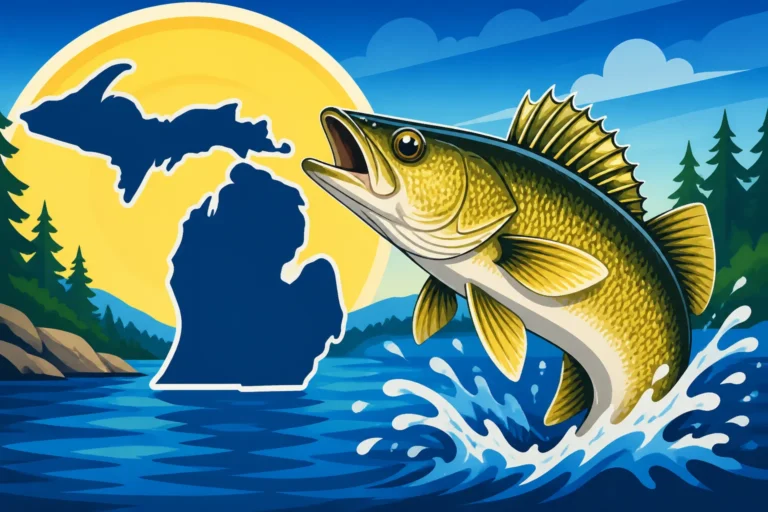
Moreover, their unique golden-eyed appearance is instantly recognizable once you know what to look for. That distinct, reflective eye, almost glowing in low light, is a tell-tale sign that you've hooked into one of Michigan's prized species. The fight, too, is often described as a solid, head-shaking battle, a satisfying tug-of-war that makes all the effort worthwhile.
The Importance of Walleye to Michigan's Ecosystem and Economy
Walleye aren't just important to our dinner tables; they play a crucial role in Michigan's aquatic ecosystems. As a top predator in many lakes and rivers, they help maintain the balance of smaller baitfish populations. A healthy walleye population often indicates a healthy ecosystem overall, reflecting good water quality and a robust food web.
Economically, walleye fishing is a huge driver for many communities across Michigan. From boat launches and bait shops to restaurants and lodging, the pursuit of walleye brings significant revenue to our lakeside towns, particularly around hotspots like Saginaw Bay or Lake St. Clair. Think of the families planning their annual trip to the Upper Peninsula specifically for walleye, or the busy charter boats ferrying excited anglers out onto the Great Lakes. This sport supports livelihoods and fosters a deep connection to our natural resources. Maintaining these populations through thoughtful regulations and conservation efforts is vital for both the environment and the communities that depend on it.
Key Characteristics for Identifying Michigan Walleye
One of the first things you need to master as a walleye angler is simply knowing what a walleye looks like. It sounds simple, but in the heat of the moment, especially when you're excitedly reeling in a fish, it's easy to confuse species, particularly those that share similar habitats or general appearances. Misidentification can lead to inadvertently violating regulations, so a keen eye is your best tool.
Distinctive Physical Traits
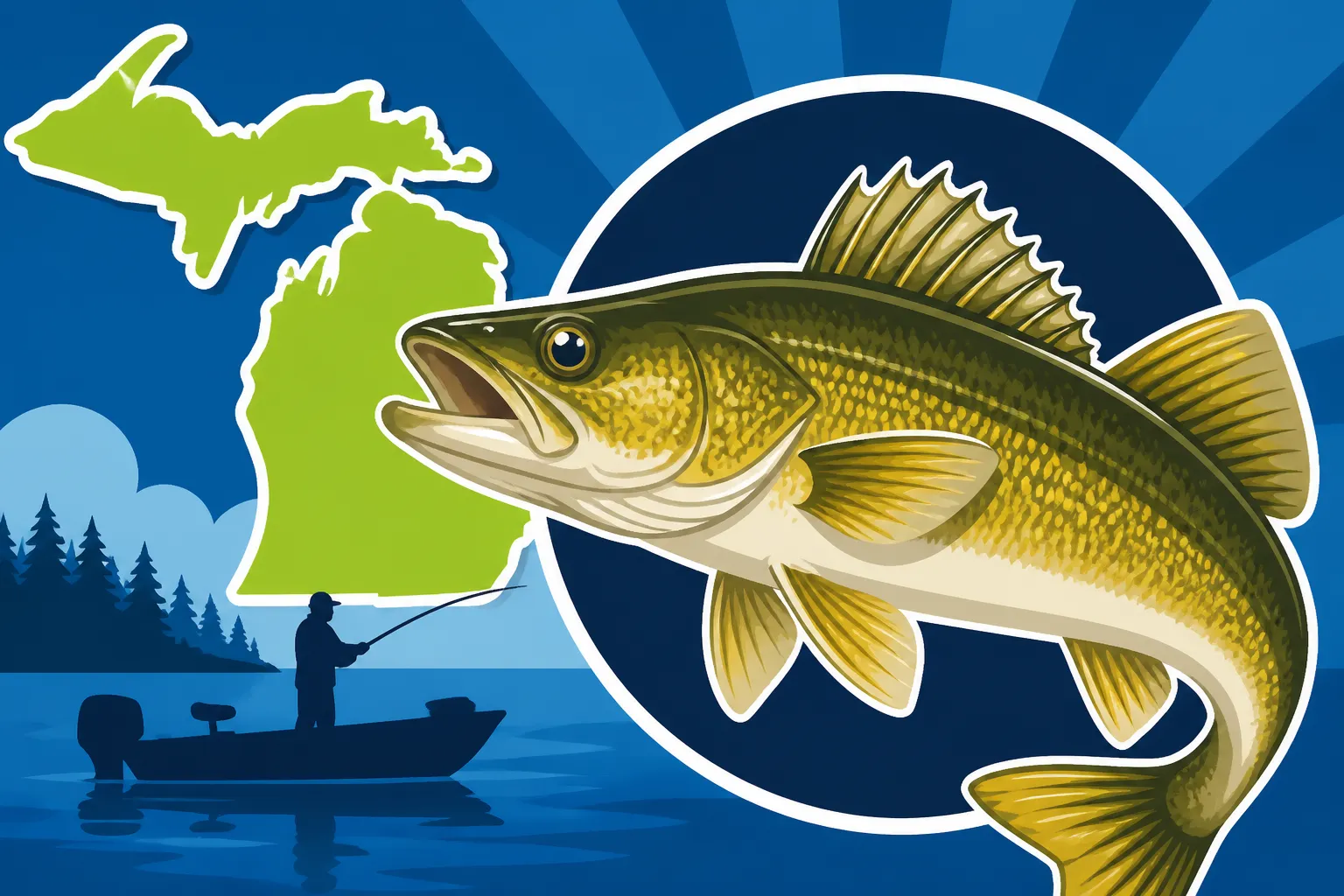
Walleye have several key features that set them apart. The most famous, of course, are their eyes—large, glassy, and often appearing opaque or golden due to a reflective layer called the tapetum lucidum. This layer helps them see in low light, giving them a significant advantage during dawn, dusk, and even night fishing, which is why How to Catch Walleye at Night in Michigan is a popular topic.
Beyond the eyes, look at their dorsal fins. Walleye have two distinct dorsal fins. The first, spiny dorsal fin will have sharp rays and a noticeable dark spot at the base of the last few spines. The second, soft-rayed dorsal fin is typically separate and lacks the sharp spines. Their bodies are generally elongated and cylindrical, with a brownish-gold to olive-green coloration, fading to white on their bellies. This color can vary depending on the water clarity and bottom composition of their habitat. They also possess sharp canine teeth, so always be mindful when handling them!
Telling Walleye Apart from Look-Alikes
Confusion often arises when anglers encounter species that share similar characteristics or inhabit the same waters. The most common look-alike in Michigan is the sauger. While closely related, there are clear differences. Walleye typically have a white tip on the lower lobe of their caudal (tail) fin, which sauger lack. Sauger, on the other hand, usually have distinct dark spots on their first dorsal fin, which are absent or very faint on a walleye, where you just see that single dark blotch. Sauger also tend to have a rougher skin texture and more distinct blotchy patterns on their sides, compared to the walleye's more uniform coloration. Knowing How to Tell a Michigan Walleye From a Sauger can save you a lot of headache and keep you compliant with regulations, as limits can differ.
Another common mix-up, especially for newer anglers, can be with yellow perch. While both are members of the perch family and share some general body shape and fin characteristics, walleye are significantly larger and more elongated, with those unmistakable prominent canine teeth. Yellow perch are much smaller, have distinct vertical bars on their sides, and lack the large, glassy walleye eyes.
Seasonal Coloration and Appearance Changes
It's important to remember that a walleye's exact appearance can subtly shift with the seasons, water conditions, and even their diet. For instance, walleye caught from clear, rocky Great Lakes waters might exhibit a more vibrant golden hue with darker olive patterns, while those from stained, tannin-rich inland lakes could appear darker, almost coppery or muddy brown.
During spawning season, both male and female walleye can exhibit more intense coloration as their bodies prepare for reproduction. Males, in particular, might develop a rougher, "bumpy" texture on their skin. Water temperature, food availability, and the specific substrate they are living over can all influence the intensity of their patterns and overall color. This natural variation is part of the beauty of Michigan's fish populations, but it means relying on those consistent structural markers like fin spots, tail coloration, and eye characteristics for definitive identification.
Understanding Walleye Size and Growth in Michigan
Michigan offers fantastic opportunities for walleye, from pan-sized eaters to true trophy fish. Understanding their typical size and how they grow is crucial for setting expectations, appreciating your catch, and adhering to conservation goals.
Typical Walleye Sizes Across Michigan Waters
Most anglers targeting walleye in Michigan can expect to catch fish ranging from 15 to 25 inches. This size range typically represents a healthy, vibrant population and provides excellent eating. Fish in this range are often referred to as "eaters" or "slot fish" depending on specific regulations. However, Michigan is also home to some truly massive walleye. Our Great Lakes, particularly Lake Erie and Saginaw Bay on Lake Huron, are world-renowned for producing trophy-class fish that can push past the 30-inch mark, with some reaching incredible lengths and weights. Even some of our larger inland lakes can surprise you with a giant.
The average size can vary considerably by water body. For instance, a lake with abundant forage and optimal growing conditions might consistently produce larger fish at a younger age than a lake where resources are scarcer or fishing pressure is higher. This variability is one of the exciting challenges of walleye fishing—you never quite know what you'll pull up! If you're wondering How Big Do Walleye Get in Michigan, the answer is often "pretty darn big!"
Factors Affecting Walleye Growth Rates
Several environmental and biological factors influence how quickly a walleye grows and its ultimate maximum size.
Firstly, food availability is paramount. Walleye are predators, and a rich supply of baitfish—like gizzard shad, emerald shiners, or alewives—means they can consume more calories and grow faster. Lakes with abundant forage often produce fast-growing, robust walleye populations.
Secondly, water temperature plays a significant role. Walleye are cool-water fish, thriving in temperatures generally between 60 and 70 degrees Fahrenheit. Optimal temperatures allow them to metabolize food efficiently and grow without excessive stress. In warmer waters, they might grow slower or seek deeper, cooler refuges.
Thirdly, genetics contribute to growth potential. Just like people, some walleye are simply predisposed to grow larger than others.
Finally, population density also matters. In an overcrowded lake, where too many walleye compete for limited food, growth rates can be stunted, resulting in a higher number of smaller fish. Conversely, a balanced population allows individuals to grow to their full potential.
Michigan's State Record Walleye and Trophy Dreams
Every angler dreams of catching a state record, and for walleye, Michigan has seen some truly impressive fish. While I can't provide the current specific record holder's weight or date (always check the official state records for the most up-to-date information!), know that our waters have yielded walleye well into the double-digit pound range. These aren't just big fish; they're magnificent creatures that represent years, sometimes decades, of growth.
Chasing a trophy walleye requires dedication, specialized techniques, and often, a bit of luck. It means understanding their seasonal movements, deep-water habits, and preferred forage. Many anglers equip themselves with robust gear, sometimes found through retailers like Amazon, to handle these heavy hitters. While most catches will be "eaters," the possibility of hooking into a genuine giant is what keeps many of us coming back, season after season. Remember, a trophy isn't always about the state record; it's often about that personal best, that one fish that makes your heart pound a little faster.
Navigating Michigan's Walleye Size and Bag Limits
Understanding Michigan's fishing regulations, especially those pertaining to walleye, is not just good practice—it's absolutely essential. These rules are put in place for a reason: to ensure the sustainability of our walleye populations for future generations of anglers. Ignoring them can lead to significant penalties, but more importantly, it can harm the very resource we cherish. You can find comprehensive details in the official Michigan Fishing Regulations Every Angler Should Know digest.
Statewide Minimum Size and Daily Possession Limits
For most of Michigan's waters, there's a standard minimum size limit and a daily possession limit for walleye. The minimum size typically ensures that fish have had a chance to reproduce at least once, contributing to the next generation before being harvested. The daily possession limit, on the other hand, is about sharing the resource and preventing overharvesting by a few individuals. Always check the current regulations, as these can change year to year, but generally, you'll see a minimum length requirement and a certain number of fish you can keep per day. It’s critical to measure your fish immediately upon catching it. A quick search on Amazon for a quality fishing ruler or measuring board can make this process accurate and efficient.
It's important to differentiate between a "daily limit" and a "possession limit." Your daily limit is how many fish you can keep in a single day of fishing. Your possession limit is the total number of fish you can have on your person or in your immediate control, including those at your campsite or home, at any given time. If you're fishing for multiple days, understanding this distinction is crucial to avoid violations. Our guide on Michigan Walleye Size and Possession Limits goes into more detail.
Special Regulations and Lake-Specific Rules
Here's where it can get a little tricky. While statewide rules provide a baseline, many individual lakes and river segments in Michigan have special regulations that supersede the general rules. These are often implemented to address specific conservation needs of a particular water body, such as protecting a unique strain of walleye, rebuilding a struggling population, or managing an overabundant one.
For walleye, these special rules might include:
- Different Minimum Size Limits: A lake might have a higher or lower minimum size than the statewide rule.
- Protected Slot Limits: This is common for walleye. A slot limit means you can keep fish below a certain size (e.g., under 18 inches) and above another size (e.g., over 23 inches), but fish within the "slot" (e.g., 18 to 23 inches) must be immediately released. This protects prime breeding-size fish. Michigan's Protected Walleye Slot Between 18 and 23 Inches is a good example.
- Reduced Daily Bag Limits: Some waters might have a lower daily limit to protect their populations.
- Season Dates: While many waters are open year-round for walleye, some specific areas might have closed seasons, especially during spawning.
It is absolutely vital to check the current Michigan fishing guide for the specific body of water you intend to fish. Don't assume the rules are the same everywhere. You can usually find these details online or through the Michigan DNR Hunt Fish App, which is an invaluable resource for anglers.
Why Regulations Matter: Conservation and Future Fishing
Sometimes, regulations can feel restrictive, especially when you're trying to keep a good meal. But these rules are not arbitrary. They are carefully developed by fisheries biologists and management teams based on scientific data about fish populations, spawning success, growth rates, and angler harvest pressure.
The primary goal of walleye regulations is conservation. By setting minimum sizes, we allow fish to reach sexual maturity and reproduce, ensuring future generations. Slot limits protect the most productive breeding fish, often large females, which are crucial for population stability. Daily and possession limits prevent too many fish from being removed, maintaining a healthy balance. Without these regulations, it would be far too easy for walleye populations to become depleted, leading to diminished fishing opportunities for everyone. It's about thinking long-term, not just about today's catch. It's about protecting the Best Waters for Michigan Walleye for years to come.
Strategies for Targeting and Conserving Michigan Walleye
Once you understand walleye identification and regulations, the next step is to embrace responsible angling practices. This not only enhances your fishing experience but also directly contributes to the health and sustainability of Michigan's beloved walleye populations.
Ethical Catch and Release Practices for Large Walleye
Catching a truly large walleye is an exciting accomplishment, but if that fish falls within a protected slot limit or if you simply choose to release it to fight another day, proper handling is paramount. Large walleye, especially the females, are invaluable for the health of the population due to their high reproductive potential.
When you land a big walleye you plan to release:
- Minimize Fight Time: Bring the fish in as quickly as possible without over-stressing your tackle. A prolonged fight exhausts the fish, reducing its chances of survival.
- Use Appropriate Gear: A large, knotless rubber landing net helps cradle the fish, protecting its slime coat and fins. Avoid using nets with abrasive knots that can strip away the fish's protective layer.
- Handle With Care: Keep the fish in the water as much as possible. If you must remove it, support its entire body horizontally. Avoid holding it vertically by the jaw, as this can damage its internal organs and spine. Wet your hands before touching the fish to protect its slime coat.
- Quick Hook Removal: Have pliers or a de-hooking tool ready. If the hook is deep, consider cutting the line as close to the hook as possible; the hook will often rust out or be shed by the fish.
- Revive Properly: If the fish seems sluggish, hold it gently in the water, facing into the current, until it can swim away under its own power. Don't just toss it back; make sure it's strong enough to survive. These practices are especially important for trophy fish, ensuring they can return to contribute to the spawning population.
Essential Gear for Measuring and Handling Walleye
Being prepared with the right gear ensures you can comply with regulations and practice responsible angling.
- Measuring Board or Tape: An absolute must-have. A sturdy, flat measuring board is ideal for accurately determining the length of your catch. Many anglers use a board that can be laid across the gunwale of a boat or on a flat surface. You can find durable, boat-friendly measuring boards on Amazon. Ensure it has clear, easy-to-read markings.
- Pliers or De-Hookers: Long-nosed pliers are essential for safe and quick hook removal, especially with those sharp walleye teeth. De-hooking tools can also be very effective, minimizing direct contact with the fish.
- Digital Scale: While not always necessary for regulations, a scale can help you determine the weight of your catch, which is great for bragging rights or personal records. Look for waterproof models with a strong hook.
- Camera: For preserving memories! Just remember to keep the fish's time out of water to a minimum.
- First Aid Kit: Not for the fish, but for you! Walleye have sharp dorsal spines and those canine teeth. A small kit for minor cuts is always a good idea.
Having these tools readily accessible and knowing how to use them quickly and efficiently will make your walleye fishing trips more enjoyable and responsible.
Contributing to Walleye Conservation
As anglers, we have a vital role to play in the ongoing conservation of Michigan's walleye populations. Our actions on and off the water directly impact the future of this incredible fishery.
Here are a few ways you can contribute:
- Adhere to Regulations: This is the most fundamental step. Know the current Michigan Fishing Regulations Every Angler Should Know for the waters you're fishing and follow them precisely. This includes size limits, bag limits, and any special restrictions.
- Report Violations: If you witness someone violating fishing laws, report it to the Michigan Department of Natural Resources (DNR). Violations undermine conservation efforts and steal from everyone. You can often do this anonymously through the DNR's Report All Poaching (RAP) hotline or online system.
- Support Conservation Organizations: Many local and statewide organizations work tirelessly to improve walleye habitat, conduct stocking programs, and advocate for sound fisheries management. Consider joining or donating to these groups.
- Participate in Surveys or Angler Reporting: The DNR sometimes conducts angler surveys or encourages reporting of specific catches, like muskellunge (though a different species, Michigan Muskellunge Harvest Reporting Rules shows how important data collection can be). Providing accurate information when requested helps biologists make better management decisions.
- Practice Good Stewardship: Pack out all your trash, avoid introducing invasive species by cleaning your boat and gear, and minimize your impact on the environment. Healthy habitats lead to healthy fish.
- Educate Others: Share your knowledge of ethical practices and regulations with fellow anglers, especially newer ones. We're all in this together to ensure Michigan remains a premier walleye fishing destination for years to come.
By taking these steps, you become more than just an angler; you become a steward of Michigan's natural heritage, ensuring that the thrill of walleye fishing can be experienced by generations to come.
Walleye Identification and Regulation Summary
To help keep everything straight, here's a quick reference for distinguishing walleye from sauger and understanding general regulations. Always consult the official Michigan DNR regulations for the most current and specific details for your chosen fishing location.
| Feature | Walleye | Sauger | Regulation Notes |
|---|---|---|---|
| Eyes | Large, glassy, reflective (tapetum lucidum) | Similar, but often smaller relative to head | No direct regulatory impact |
| Caudal (Tail) Fin | Distinctive white tip on lower lobe | Lacks white tip; generally mottled or spotted | Key for differentiation due to species-specific limits |
| First Dorsal Fin | Dark spot at base of last few spines | Distinct dark spots/blotches across the entire fin | Key for differentiation due to species-specific limits |
| Body Shape | More elongated, cylindrical | More slender, somewhat compressed | No direct regulatory impact |
| Body Coloration | Brownish-gold to olive-green, often uniform | Mottled, blotchy patterns; often darker | Varies by water and season |
| Teeth | Prominent canine teeth | Present, but often less prominent | Handle with care |
| General Size | Can grow quite large (20-30+ inches) | Generally smaller (10-18 inches) | Directly relates to Michigan Bag and Size Limits Explained |
Remember, this table provides general guidance. Always cross-reference with the official Michigan DNR fishing guide for the specific body of water you're fishing, as regulations can vary significantly.
Disclaimer
This article is for general informational purposes only and does not constitute professional advice. Laws, prices and regulations vary by location and change over time. Consult a qualified professional for guidance on your specific situation.