Do Michigan Lakes Have Northern Pike?
Oh, the Northern Pike! That toothy grin and explosive strike are enough to get any angler's heart pounding. Many folks wonder, with all the diverse fisheries Michigan boasts, just how prominent are Northern Pike in our lakes? Is it worth dedicating a trip specifically to target these aggressive predators? You're in luck, because Michigan's waters are indeed prime territory for Northern Pike, and this guide is here to shed light on where you can find them, how to catch them, and what makes them such a fantastic sport fish in the Great Lake State.
Unmasking Michigan's Northern Pike Habitat: Where They Lurk
Northern Pike, often simply called "pike" by us seasoned anglers, are a ubiquitous species across Michigan. They're not just in a few isolated spots; they thrive in a vast array of water bodies, from tiny, boggy ponds to expansive inland lakes and even the connecting bays of our mighty Great Lakes. Understanding their preferred habitats is the first step to putting one of these beauties in your net.
The Inland Lake Strongholds
When you think of prime pike habitat, picture a classic Michigan inland lake with plenty of character. We're talking about lakes that have expansive, shallow bays teeming with submerged vegetation like lily pads, coontail, and milfoil. These weed beds aren't just scenery; they're essential hunting grounds for pike. They provide perfect ambush points for these apex predators to lie in wait for unsuspecting baitfish, frogs, or even smaller panfish. Lakes with murky or stained water often hold good pike populations because the reduced visibility aids their ambush tactics.
Imagine casting a spinnerbait along the edge of a thick weed line on a warm summer evening on Houghton Lake, one of Michigan's largest inland lakes. You feel that sudden, jarring strike – that’s often a pike telling you it's home. Other great examples include Burt Lake and Mullett Lake in the northern Lower Peninsula, known for their sprawling weed flats and excellent pike populations. These lakes often feature cool, clear water but still have those crucial vegetated areas that pike adore. Best Michigan Lakes for Northern Pike delves deeper into specific locations.
Great Lakes Connections and River Systems
While many associate pike solely with inland lakes, they're surprisingly present and often quite large in the connecting waters and bays of the Great Lakes. Think of areas like Saginaw Bay on Lake Huron, where extensive shallow flats and dense weed growth create an ideal environment. The St. Clair Flats and Lake St. Clair itself are also renowned pike factories, benefiting from their connection to the Great Lakes system and the rich forage base. Here, pike often grow to impressive sizes, capitalizing on the abundant food supply.
River systems that feed into these larger lakes are also prime real estate for pike, especially in slower-moving sections, oxbows, and backwaters with plenty of cover. The mouth of the Au Sable River, for instance, isn't just for trout and salmon; its lower reaches and adjacent marshy areas can hold some impressive pike. These fish will move in and out of river mouths with the seasons, often congregating in these areas during spawning periods or when seeking cooler waters during intense summer heat. Michigan's Great Lakes Fishing Guide offers more insights into fishing these larger bodies of water.
Preferred Cover and Structure
Pike are ambush predators, meaning they love to hide and dart out to strike. This behavior dictates their preferred cover and structure. Beyond weed beds, look for other features that offer concealment. Fallen trees, log jams, and brush piles are absolute magnets for pike. These structures provide shade, cover from avian predators, and a perfect spot to surprise prey. Dock pilings, bridge abutments, and even submerged rock piles can also hold pike, particularly if they are adjacent to deeper water or current seams.
On a sunny day, you might find a pike lurking in the shadow of a large boat dock, especially one that hasn't seen much activity. Or, after a big storm, a newly fallen tree limb can quickly become a prime pike hangout. The key is to think like a predator: where can I hide, and where will my food be passing by? Areas where sharp drop-offs meet shallow flats are also excellent, as pike can easily move between different depths to feed or seek comfort. Understanding these preferences is critical, whether you're casting from shore or navigating your boat through tricky channels.
Identifying the Northern Pike: A Tooth-Filled Predator
Spotting a Northern Pike isn't usually difficult once you've seen a few, but understanding their specific characteristics helps you appreciate this unique species and, importantly, distinguish it from its equally impressive cousin, the Muskellunge.
Distinctive Physical Characteristics
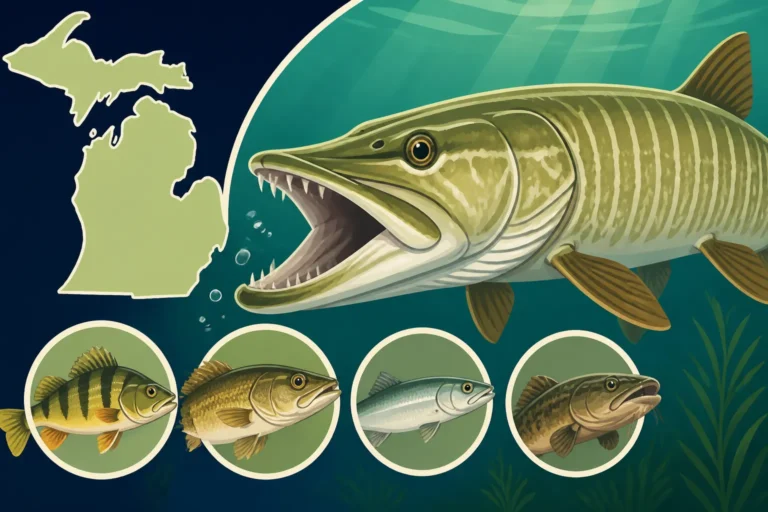
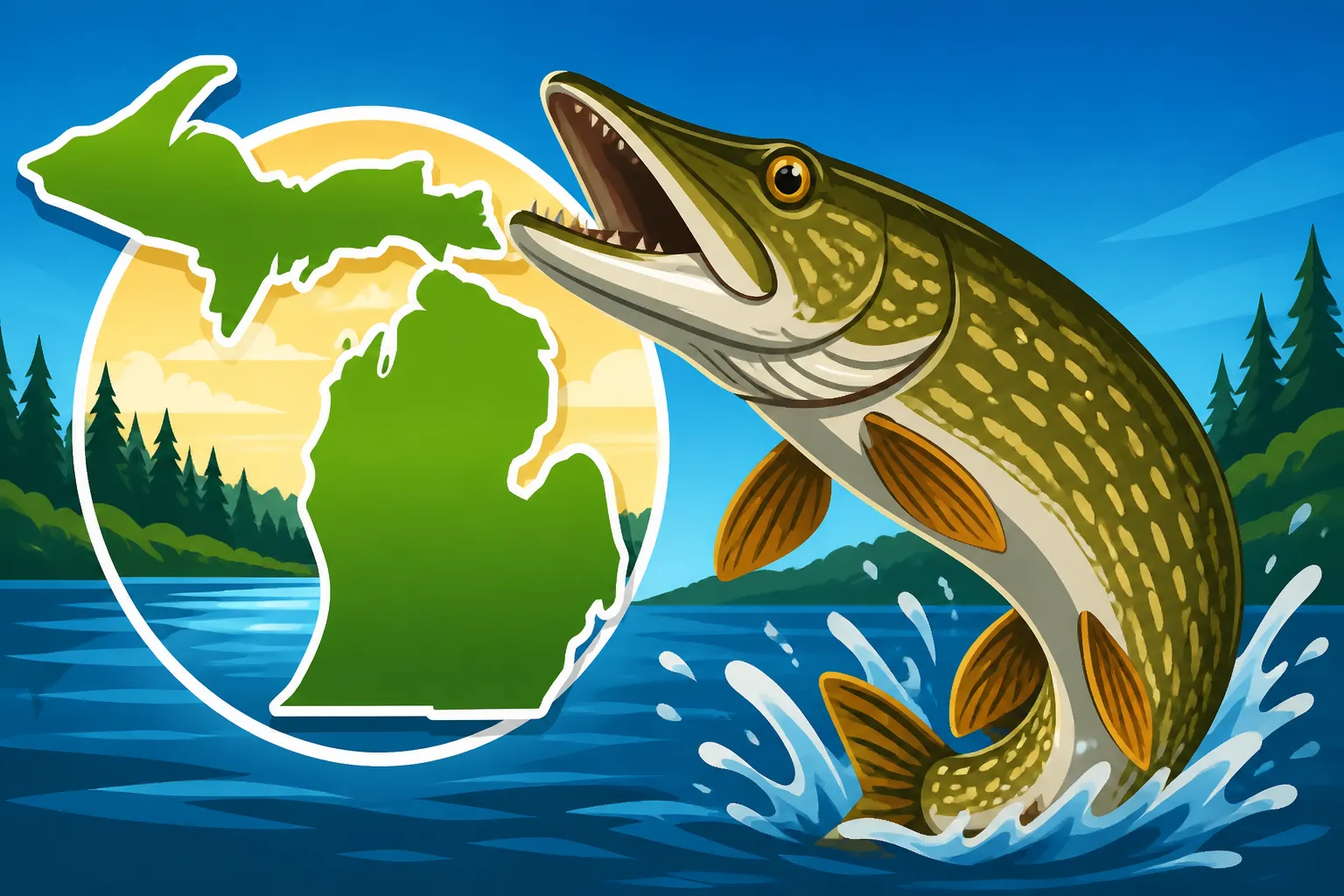
Northern Pike have a very recognizable profile. They possess a long, slender, torpedo-shaped body, perfectly designed for explosive bursts of speed. Their most striking feature is undoubtedly their head: a flattened, duckbill-like snout housing a wide mouth packed with formidable, needle-sharp teeth. These teeth aren't just for show; they're incredibly effective at grasping and holding onto slippery prey. The coloration of a Northern Pike typically ranges from dark green to olive green or even brownish on its back, fading to a lighter, often yellowish or white belly. What really sets them apart are the distinct, light-colored, bean-shaped spots or irregular bars scattered along their flanks. Their dorsal and anal fins are set far back on the body, close to the tail, which enhances their ability to make sudden, powerful lunges.
When you hold a pike, you'll immediately notice its muscular body and the slim profile that allows it to slice through water with incredible speed. Their eyes are typically gold or yellow, giving them excellent vision for spotting prey in various light conditions. The combination of their camouflage, body shape, and dental arsenal makes them one of Michigan's most efficient and exciting freshwater predators.
Telling Pike Apart from Look-Alikes (Especially Muskie)
Here's where many anglers, especially those new to Michigan fishing, can get a little confused. Northern Pike are often mistaken for Muskellunge (muskie), and vice-versa. Both are large, aggressive, toothy predators in the Esox family, but there are clear differences if you know what to look for. The most reliable way to tell them apart is by examining the scale patterns on their cheeks and gill covers, and by their body markings.
Northern Pike:
- Markings: Light, bean-shaped spots on a dark body.
- Cheeks: Fully scaled (scales cover the entire cheek).
- Gill Covers: Upper half scaled (lower half is bare).
- Tail Fin: Often more rounded lobes.
Muskellunge:
- Markings: Dark spots, bars, or tiger stripes on a light, silvery-greenish body. Some muskie can be nearly plain.
- Cheeks: Upper half scaled only (lower half is bare).
- Gill Covers: Upper half scaled only (lower half is bare).
- Tail Fin: Often more pointed lobes.
It's a subtle but critical distinction! If you're unsure, remember: pike have fully scaled cheeks, while muskie do not. Another less common look-alike is the Chain Pickerel, which has a distinct chain-like pattern on its sides and fully scaled cheeks and gill covers, but these are rarely found in Michigan and are much smaller. When in doubt, always err on the side of caution with regulations, especially since Michigan Muskellunge Harvest Reporting Rules are very specific due to their rarity and trophy status.
Here's a quick comparison table to help:
| Feature | Northern Pike | Muskellunge |
|---|---|---|
| Body Markings | Light spots/beans on a dark body | Dark spots/bars/tiger stripes on a light body |
| Cheek Scalation | Fully scaled | Upper half scaled only |
| Gill Cover Scalation | Upper half scaled only | Upper half scaled only |
| Snout Shape | More pointed, "duckbill" | More rounded, "broad" |
| Tail Fin Lobes | Often more rounded | Often more pointed |
| Average Adult Size | 20-30 inches, 2-10 lbs | 30-50 inches, 10-30+ lbs |
Size and Growth Potential in Michigan
Michigan's Northern Pike can range significantly in size. In smaller, less fertile waters, you might primarily catch "hammer handles" – smaller pike, often 18-24 inches long and weighing a few pounds. These are still incredibly fun to catch due to their feisty nature. However, in larger, richer lakes and Great Lakes bays, pike have the potential to grow much larger. It's not uncommon to land pike in the 30-40 inch range, pushing weights into the double digits. How Big Do Northern Pike Get in Michigan goes into more detail, but truly trophy-sized pike in Michigan can exceed 45 inches and weigh over 20 pounds, offering a serious test for your tackle and angling skill.
Factors influencing pike growth include the abundance of forage fish, water temperature, and overall water quality. Lakes with a healthy population of ciscos, smelt, or larger perch often produce bigger pike. While they mature relatively quickly, reaching sexual maturity around 3-4 years old, the largest specimens are often considerably older, having survived many seasons as the top predator in their environment.
Strategies for Targeting Michigan Northern Pike
Catching Northern Pike is an exhilarating experience, whether you're a seasoned angler or just starting out. Their aggressive nature means they'll often hit lures with ferocity, making for some truly memorable battles. Having the right gear and understanding effective techniques will greatly improve your chances.
Essential Gear and Tackle
Given their sharp teeth and fighting power, you need gear that can stand up to the challenge. A medium-heavy to heavy action spinning or casting rod, typically 6'6" to 7'6" in length, is ideal. Pair this with a robust reel spooled with 20-50 pound braided line. Braided line offers superior sensitivity and strength, which is crucial for setting hooks through tough mouths and pulling fish out of thick cover.
The most critical piece of terminal tackle for pike is a strong leader. Because of their razor-sharp teeth, monofilament or fluorocarbon main line will simply be bitten through. A steel leader, heavy fluorocarbon leader (40-80 lb test), or titanium leader of 9-12 inches is absolutely essential. Many anglers buy pre-made leaders, which you can easily find on Amazon.
When it comes to lures, pike aren't overly picky, but certain presentations are consistently effective.
- Spoons: Classic metal spoons like Daredevils, Doctor Spoons, and Little Cleos are fantastic. Their wobbling action mimics injured baitfish, driving pike wild. Bright colors like red and white, five of diamonds, or chartreuse are often deadly.
- Spinnerbaits: Large, flashy spinnerbaits with tandem blades create a lot of vibration and flash, triggering aggressive strikes, especially in weed lines. White, chartreuse, and black skirts are popular choices.
- Crankbaits: Deep-diving or shallow-running crankbaits, particularly those with a strong wobbling action and natural baitfish patterns, can be very effective.
- Soft Plastics: Large swimbaits or paddle-tail grubs on heavy jig heads can also entice strikes, especially when worked slowly through cover.
For bait fishing, large live minnows, such as sucker minnows, shiners, or chubs, are incredibly effective, especially when fished under a float or on a quick-strike rig. Some anglers even use dead bait on the bottom, particularly in colder water or during ice fishing season. Having a well-stocked tackle box, perhaps one you ordered from Amazon, with a variety of these options will keep you prepared for different conditions. If you're looking to broaden your general setup, check out Best Tackle Box Setup for Michigan Anglers.
Popular Fishing Techniques
Pike fishing offers a diverse range of techniques, adapting to different seasons and habitats.
- Casting and Retrieving: This is perhaps the most common method. Cast your chosen lure (spoon, spinnerbait, crankbait) near weed edges, drop-offs, or submerged timber, and retrieve it with a varied retrieve. Experiment with speed and pauses. Pike often hit on the pause or when the lure changes direction.
- Trolling: On larger inland lakes or Great Lakes bays, trolling large crankbaits or spoons can be a very effective way to cover water and find active fish. You can use planer boards to spread your lines and cover a wider area, especially if you're targeting those deeper weed edges or submerged structures.
- Jigging: While often associated with walleye, heavy jigs tipped with a large plastic grub or live bait can be very effective for pike, especially when vertically jigging over structure or through holes in the ice.
- Ice Fishing: When the ice forms, pike fishing really heats up! Tip-ups set with large live minnows are a classic and highly effective method. Jigging with flashy spoons or vertical jigs is also productive. Make sure to have a sturdy ice auger (many reliable models are available on Amazon) and a warm shelter. How to Catch Northern Pike Through the Ice offers a deep dive into winter tactics.
No matter the technique, remember to approach these fish with caution when handling them. Their teeth are no joke, and a good pair of long-nosed pliers or a jaw spreader is essential for safe hook removal.
Seasonal Considerations for Success
Pike activity varies throughout the year, so tailoring your approach to the season is key to consistent success.
- Spring (Pre-spawn & Post-spawn): As soon as the ice melts, pike become very active, moving into shallow, vegetated areas to spawn. Pre-spawn pike are hungry and aggressive. After spawning, they remain in the shallows, recovering and feeding heavily. This is often an excellent time for casting large spoons and spinnerbaits in relatively shallow water.
- Summer: During the heat of summer, pike often retreat to cooler, deeper water during the day, holding along weed lines, deeper breaks, or around submerged timber. Early mornings and late evenings can still find them in the shallows. Trolling deeper diving crankbaits or casting to the deeper edges of weed beds are good strategies. In some lakes, they'll simply burrow into the densest weed beds, making them harder to extract. If you're wondering how to get them out of thick cover, How to Fish for Pike in Weed Beds is a must-read.
- Fall (Feeding Frenzy): As water temperatures drop in autumn, pike enter a pre-winter feeding frenzy. They become incredibly aggressive, putting on weight for the lean winter months. This is arguably the best time to catch large pike, as they will readily chase and strike large lures. Focus on areas where baitfish are congregating, such as points, humps, and the edges of remaining weed beds.
- Winter (Ice Fishing): Pike remain active under the ice, continuing to feed. As mentioned, tip-ups with live bait are paramount. Jigging with large spoons or lipless crankbaits can also be very productive, especially in shallower bays where pike often cruise. This time of year offers a unique and often fruitful angling experience.
Navigating Michigan's Northern Pike Regulations
As with any fishing in Michigan, understanding and adhering to the regulations is paramount. These rules are in place to ensure healthy fish populations for future generations of anglers. Ignoring them can lead to hefty fines and loss of fishing privileges.
Understanding Size and Possession Limits
Michigan has specific regulations for Northern Pike that can vary by water body. Generally, there's a statewide minimum size limit and a daily possession limit, but certain lakes or lake systems may have different, more restrictive rules to manage specific fisheries. For instance, some lakes might have a "slot limit" where you can only keep fish below a certain size or above another larger size, protecting the prime breeding-size fish.
It is absolutely crucial to consult the most current Michigan Fishing Guide (often found online on the DNR website, or as a physical copy at bait shops and license dealers) before you head out. These regulations are updated annually and can change. Always carry a copy, or have the DNR Hunt Fish app on your phone, to reference specific lake rules. For a general overview, Michigan Daily Bag Limits by Species can give you a good starting point, but always double-check the fine print for your specific destination. What Is the Northern Pike Size Limit in Michigan provides more dedicated information on this species' specific rules.
Licensing Requirements
To fish for Northern Pike, or any fish, in Michigan's public waters, you absolutely need a valid Michigan fishing license. This applies to both residents and nonresidents, regardless of whether you're fishing from shore, a boat, or through the ice. There are various license options available, from annual licenses to shorter-term options like a 24-hour license, which might be perfect for a quick weekend trip.
Children typically have different requirements, with those under a certain age often fishing for free, but it's always best to check the current rules. License fees directly support fisheries management, habitat restoration, and stocking efforts across the state. You can purchase your license online through the DNR website, via their mobile app, or in person at various license retailers across the state. Michigan Fishing License Guide for Residents and Nonresidents is your go-to source for all things licensing.
The Importance of Conservation and Responsible Angling
Responsible angling is vital for maintaining Michigan's incredible Northern Pike fishery. If you plan to release pike, use appropriate catch-and-release techniques.
- Minimize Handling: Try to keep the fish in the water as much as possible.
- Use Proper Tools: Use long-nosed pliers or a specialized hook-out tool to quickly and safely remove hooks. A jaw spreader can also be helpful for deeply hooked fish or particularly feisty ones.
- Support the Fish: If you must lift the fish for a photo, support its body horizontally with two hands, especially for larger fish, to avoid damaging its internal organs or spine.
- Revive Gently: If the fish seems sluggish, hold it gently in the water, facing into the current, until it regains its strength and swims away on its own.
Beyond individual practices, supporting organizations that advocate for clean water and healthy habitats also plays a crucial role. These actions ensure that Michigan lakes continue to be excellent destinations for future generations to enjoy the thrill of catching a magnificent Northern Pike.
Disclaimer
This article is for general informational purposes only and does not constitute professional advice. Laws, prices and regulations vary by location and change over time. Consult a qualified professional for guidance on your specific situation.