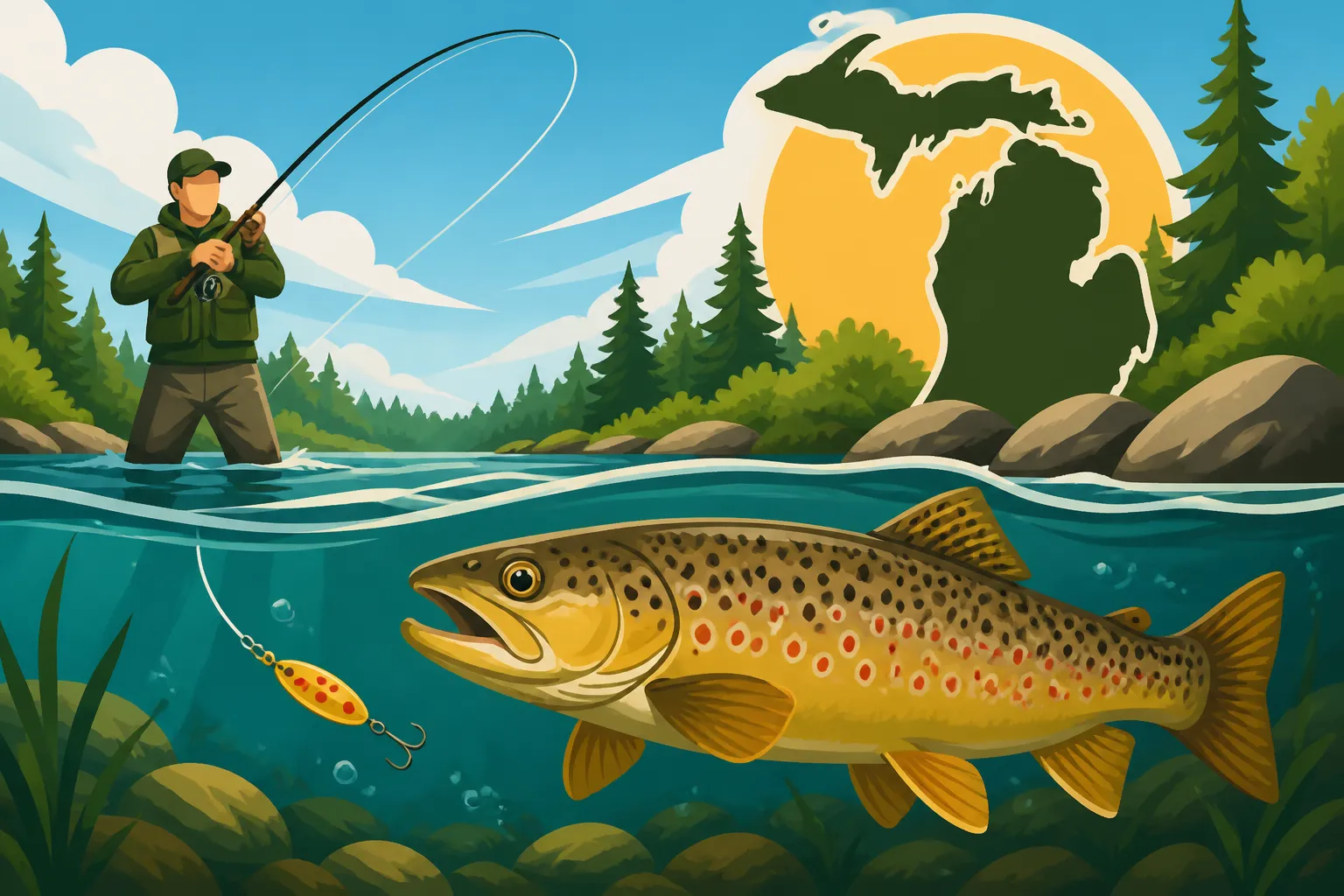
How to Catch Brown Trout in Michigan Rivers
There's nothing quite like the challenge and reward of landing a beautiful brown trout in one of Michigan's storied rivers. For many anglers, the pursuit of these wily, often elusive fish can feel like a lifelong quest, full of frustrating misses and unforgettable triumphs. This guide is designed to cut through some of that mystery, offering practical advice and seasoned tips to help you consistently find and catch brown trout in the diverse waterways of the Great Lakes State.
Understanding Michigan's Brown Trout
Michigan's brown trout population is a testament to the state's incredible freshwater resources, but these fish aren't just handed to you on a silver platter. They're a species known for their intelligence, wariness, and often nocturnal feeding habits, which means understanding their nature is the first step to success.
Where Brown Trout Thrive in Michigan Rivers
Brown trout ( Salmo trutta ) are not native to Michigan, but they've established themselves incredibly well since their introduction, becoming a favorite among local anglers. They prefer colder, well-oxygenated water, often with plenty of cover, which makes many of Michigan's diverse river systems ideal. You'll find them in everything from small, intimate creeks with tight bends and fallen timber to larger, wider rivers with gravel bottoms and deep pools.
Think about rivers like the famous Au Sable River Trout Fishing in Michigan, which has sections specifically designated for trout, or the Pere Marquette River Fly Fishing in Michigan, known for its pristine waters and diverse hatches. These rivers offer the perfect blend of temperatures, food sources, and structures that brown trout adore. They typically hold in areas with overhead cover like undercut banks, fallen logs, or deep pockets beneath overhanging trees. Current breaks, where a slower eddy meets faster water, are also prime real estate, allowing them to expend less energy while waiting for food to drift by. Other great rivers include the Manistee River Steelhead and Salmon Fishing in Michigan, especially its upper stretches, and numerous smaller, lesser-known tributaries across both the Upper and Lower Peninsulas. You can explore more of the best places for these fish in our guide on the Best Michigan Rivers for Brown Trout.
Key Characteristics and Behavior
What makes brown trout such a captivating adversary? Their behavior. They are notoriously spooky and have excellent eyesight, making them wary of shadows, sudden movements, and poorly presented lures or flies. This wariness is often amplified in heavily pressured waters. Unlike some other trout species, brown trout tend to be more solitary and territorial, especially as they grow larger. They will defend prime feeding and holding lies from competitors.
Their diet is quite varied, shifting as they grow. Smaller brown trout might key in on aquatic insects like nymphs and caddis larvae, while larger ones become opportunistic predators, feasting on baitfish, crayfish, frogs, and even small rodents. This makes matching the hatch (for fly anglers) or selecting the right size and profile of lure (for spin anglers) crucial. They're also known for their nocturnal feeding, especially the really big ones, often coming out from deep cover under the cloak of darkness to hunt. This is why some of the most memorable brown trout catches happen at dawn, dusk, or even well after dark. Understanding these nuances, especially how they relate to the Michigan Trout Species Explained, will give you a significant edge.
Essential Gear for Michigan Brown Trout Fishing
Having the right tools for the job is paramount when chasing Michigan's brown trout. While the specific setup might vary depending on whether you prefer fly fishing or spin fishing, the goal remains the same: efficient, effective presentation to these discerning fish.
Rods, Reels, and Line Selection
For fly anglers, a versatile 9-foot, 5-weight fly rod is often considered the workhorse for most Michigan trout streams. It offers enough backbone to handle larger fish and cast a variety of flies, while still being delicate enough for smaller streams. If you're targeting exceptionally large browns with streamers or fishing very tight, overgrown waters, you might opt for a 6-weight or a shorter, lighter 3 or 4-weight rod, respectively. Pair this with a matching reel that has a smooth drag and enough backing. Fly lines usually consist of a weight-forward floating line for general use, with sink-tip or full sinking lines for streamer fishing or nymphing deep runs.
Spin anglers will find a 6 to 7-foot, light to medium-light action spinning rod to be ideal. This length provides good casting distance and accuracy while maintaining sensitivity for subtle bites. A good quality spinning reel in a 1000 to 2500 size, spooled with 4-8 pound monofilament or fluorocarbon line, is generally perfect. Braided line can also be used, especially in heavier cover, but always remember to add a fluorocarbon leader for stealth, as brown trout are easily spooked. Many reputable brands offer excellent options, and you can often find a great selection of Best Rod for Steelhead Fishing or general trout fishing setups on Amazon.
Your leader and tippet selection are incredibly important for stealth. For fly fishing, a tapered leader ending in 4x, 5x, or even 6x tippet is common. For spin fishing, a 6-foot fluorocarbon leader of 4-6 pound test will make a huge difference in getting bites.
Lures and Baits of Choice
Matching your offering to the trout's current diet is a game-changer.
- Flies (for fly anglers):
- Dry Flies: Imitate adult insects on the surface. Patterns like Parachute Adams, Elk Hair Caddis, and various stimulators work well during hatches.
- Nymphs: Represent immature aquatic insects that drift along the bottom. Pheasant Tail, Hare's Ear, and stonefly nymphs are consistent producers.
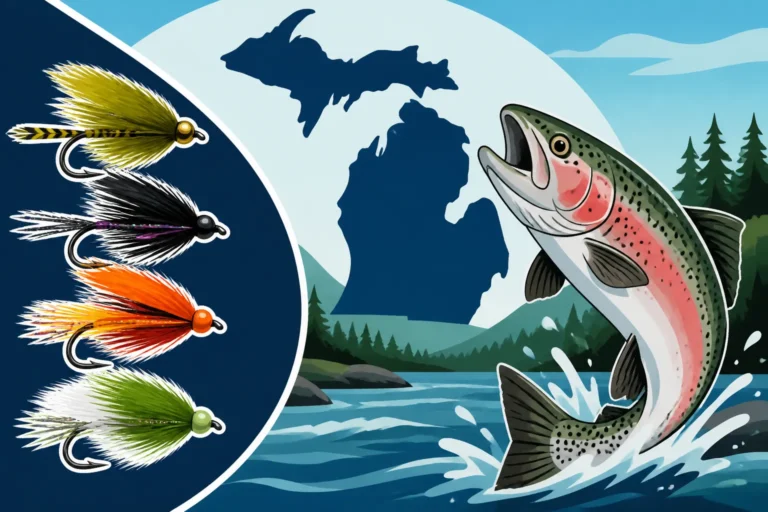
- Streamers: Mimic baitfish, leeches, or other larger prey. Woolly Buggers, Clouser Minnows, and articulated patterns in olive, black, or white are deadly for aggressive browns, especially larger ones.
- Spin Lures:
- Spinners: Classic trout producers like Mepps, Panther Martin, and Roostertail spinners in sizes #0 to #3 are highly effective. Gold, silver, and black are reliable colors.
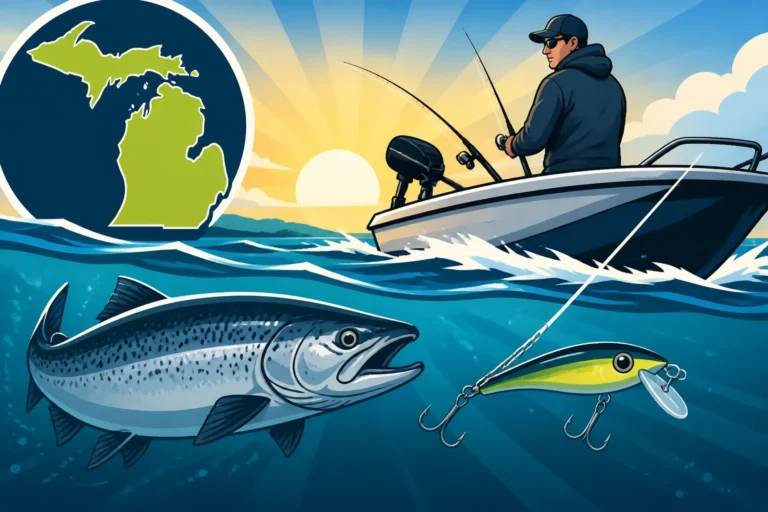
- Crankbaits: Small, shallow-diving crankbaits (e.g., Rapala Countdown, Rebel Wee-R) that imitate minnows can trigger aggressive strikes. Natural baitfish patterns or bright colors can work depending on water clarity.
- Spoons: Tiny Kastmasters or Little Cleos can be surprisingly effective in deeper pools or faster currents.
- Natural Baits: For those who prefer bait, garden worms, nightcrawlers, and salmon eggs (real or artificial like PowerBait) can be very productive, especially when drifted naturally along the bottom. Just be mindful of local regulations on bait use, as some trout streams are restricted to artificial lures only.
Wading Gear and Accessories
Being comfortable and prepared will significantly enhance your brown trout fishing experience. High-quality waders and wading boots are a must for navigating Michigan's rivers. Look for breathable waders for warmer weather and insulated ones for colder conditions. Your wading boots should provide excellent grip on slippery river rocks. Check out options for Best Waders for River Fishing that are durable and comfortable.
Beyond waders, a good vest or chest pack will keep your essential tools organized and accessible – think forceps, nippers, strike indicators, extra tippet, and your fly boxes or lure containers. A quality landing net, preferably a rubberized or knotless net to protect the fish, is crucial for safely landing and releasing your catch. Don't forget polarized sunglasses to cut glare and spot fish, and a brimmed hat for sun protection and stealth. For safety, a wading staff can be a real lifesaver in swift or unfamiliar water, offering stability and preventing slips. Many of these indispensable items can be found conveniently on Amazon.
Proven Techniques for River Brown Trout
Brown trout require a strategic approach, whether you're a seasoned fly angler or prefer the simplicity and effectiveness of spin fishing. The key is often stealth, observation, and meticulous presentation.
Fly Fishing Strategies
Fly fishing for brown trout in Michigan rivers is a truly immersive experience, demanding a keen eye and delicate touch.
- Dry Fly Fishing: This is often the most visually exciting method. When you see trout rising to feed on surface insects, a well-placed dry fly can be irresistible. The key is to match the size, shape, and color of the natural insect as closely as possible. Cast upstream and allow the fly to drift naturally (a "dead drift") over suspected holding lies. Minimize drag by mending your line upstream as the fly floats down. Best Flies for Michigan Steelhead often overlap with effective brown trout patterns, so don't be afraid to experiment.
- Nymphing: When trout aren't rising, they're usually feeding subsurface. Nymphing involves drifting weighted fly patterns near the bottom, where most aquatic insects reside. Techniques like the indicator nymph rig (using a bobber-like indicator to detect strikes) or European nymphing (using a long leader and sensitive rod to feel subtle takes) are incredibly effective. Focus on seams, current breaks, and the heads of pools where food concentrates.
- Streamer Fishing: For targeting larger, more aggressive brown trout, especially during low light or when water levels are up, streamer fishing is hard to beat. These larger flies imitate baitfish and are often fished with a retrieve that mimics a fleeing prey item – strips, pauses, and erratic movements. Cast across and downstream, allowing the streamer to swing, or cast directly upstream and strip it back with authority. This aggressive tactic often elicits vicious strikes from trophy browns.
Spin Fishing Approaches
Spin fishing for brown trout can be just as rewarding and often more accessible for many anglers. The principles of stealth and presentation remain crucial.
- Casting Upstream and Downstream: For spinners and small crankbaits, casting slightly upstream and retrieving as the lure drifts back towards you is a highly effective method. This allows the lure to sink to the fish's level and approach them naturally. Alternatively, casting across and slightly downstream can work, allowing the current to sweep the lure into prime holding lies.
- Retrieve Methods: The speed and action of your retrieve are critical. For spinners, a consistent, slow retrieve that keeps the blade spinning is usually best. For crankbaits, experiment with varied retrieves – short jerks, pauses, and steady winding – to mimic an injured baitfish. Always be ready for a strike on the pause! In many Michigan rivers, the Best Spinning Rods for Michigan Walleye can also double as excellent tools for spin fishing brown trout, offering the sensitivity needed for light lures and subtle takes.
- Understanding the Current: Brown trout face upstream, waiting for food. When casting, try to bring your lure or bait past their nose without spooking them. Use the current to your advantage, allowing your offering to swing into likely holding spots like undercut banks, fallen timber, and rocky eddies. Make accurate casts close to cover, as that's where these wary fish feel most secure.
Reading the River and Locating Trout
Successfully catching brown trout often comes down to your ability to "read" the river and identify prime holding lies. These fish are masters of energy conservation and will position themselves in places where food is readily available with minimal effort.
- Riffles and Runs: These are areas of faster, broken water, often over gravelly bottoms. Trout will hold at the edges of the faster current, picking off dislodged insects or small baitfish. The "tail-out" of a riffle, where the water smooths out before dropping into a pool, is also a highly productive spot.
- Pools and Deep Pockets: Deeper, slower-moving sections of the river provide refuge and can hold larger trout. Look for submerged structures like logs, boulders, or deep depressions in the bottom. Trout will often sit near the bottom in these areas, especially during bright daylight hours.
- Undercut Banks and Fallen Timber: These are absolute gold mines for brown trout. Undercut banks provide excellent overhead cover and a dark, secluded lair where big browns feel safe. Fallen trees and log jams create current breaks and ambush points, making them prime targets. Cast your lure or fly as close to these structures as possible.
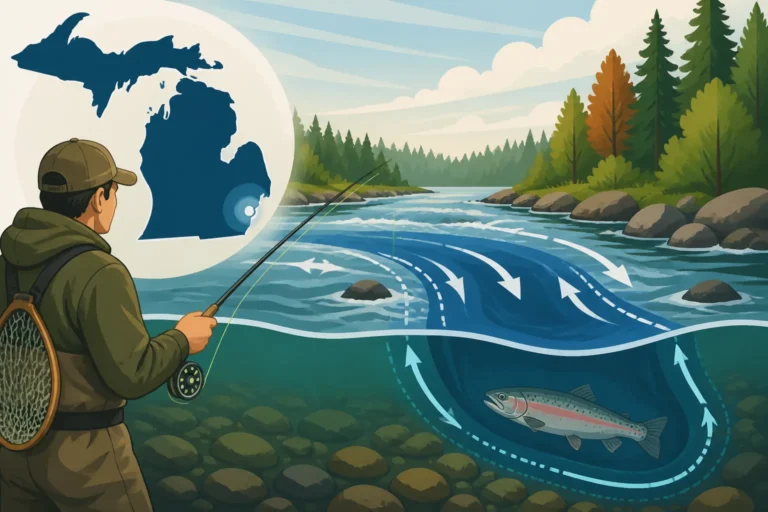
- Seams and Eddies: A seam is where two different currents meet, often creating a line where food concentrates. Trout will sit just inside the slower water, darting out to grab morsels as they pass. Eddies, circular currents, also offer resting spots with conveyor belts of food. Pay attention to any disturbances or subtle changes in the water's surface; these can indicate fish activity or subsurface structure.
Timing Your Michigan Brown Trout Adventures
Timing, as with all fishing, can make a huge difference in your success rate when targeting brown trout in Michigan's rivers. Knowing when to go and understanding the regulations ensures a productive and legal outing.
Best Seasons and Conditions
Michigan offers fantastic brown trout fishing opportunities throughout much of the year, with specific peaks.
- Spring (April-May): The Michigan's Spring Trout Opener Techniques are very popular, as rivers come alive with insect hatches. As water temperatures rise into the 40s and 50s Fahrenheit, trout become more active. Early spring can be excellent for nymphing and streamer fishing, while later spring sees increasing dry fly opportunities. Warmer, rainy days can trigger good fishing as rising water levels bring food to the fish.
- Summer (June-August): While warm, bright days can make brown trout lethargic and push them into deeper, cooler holding lies, summer evenings and nights can offer spectacular fishing, especially for larger browns. Look for twilight hatches of caddis or sulphurs, or fish streamers after dark. Focus on cooler headwaters or tailwater sections below dams, which often maintain colder temperatures.
- Fall (September-November): This is arguably the prime time for trophy brown trout. As water temperatures drop, brown trout become more aggressive, feeding heavily in preparation for winter and their spawning run. Large streamers and aggressive spin techniques can be highly effective. The fall colors along the riverbanks also make for an incredibly scenic experience.
Water temperature is a critical factor. Brown trout are most active and comfortable when water temperatures are between 45°F and 65°F. Pay attention to local water temperature reports if possible, especially on the larger rivers.
Daily Timing Considerations
Just like seasons, the time of day can dramatically influence brown trout activity.
- Early Morning: As the first light hits the water, trout often emerge from their nocturnal feeding to grab a few more bites before the sun gets high. This is a fantastic time for dry flies if there's a hatch, or for prospecting with nymphs and small streamers.
- Late Evening/Dusk: As the sun dips below the horizon, brown trout become more confident and active. This transition period often triggers insect hatches (like caddis) and brings larger fish out of hiding.
- Night Fishing: Many of Michigan's largest brown trout are caught after dark. If you're adventurous, fishing large streamers or mouse patterns can be incredibly effective, targeting their predatory instincts when they feel most secure. Just be sure to use a good headlamp, exercise extreme caution, and know your fishing spot well.
Navigating Regulations
Before you even make your first cast, it’s absolutely essential to be aware of the Michigan fishing regulations. Each river, or even different sections of the same river, can have unique rules regarding tackle, bait, season dates, and size/bag limits. For instance, some designated trout streams might be artificial lures only, while others have specific "flies-only" stretches. Knowing When Does Trout Season Open in Michigan is just one piece of the puzzle.
You'll need a valid Michigan Fishing License Guide for Residents and Nonresidents before heading out. Always consult the most current Michigan Fishing Regulations Every Angler Should Know digest published by the Michigan Department of Natural Resources (DNR). This digest is updated annually and details all specific rules for various waters. Ignoring these regulations can lead to hefty fines and a ruined fishing trip.
| Technique/Lure Type | Best Conditions | Target Size | Fly Fishing Gear | Spin Fishing Gear |
|---|---|---|---|---|
| Dry Fly | Hatching insects, calm water, low light | Small-Medium | 9' 5wt rod, floating line, 5X tippet | Not applicable |
| Nymphing | Subsurface feeding, most conditions | All sizes | 9' 5-6wt rod, floating or nymph line, 4X-6X tippet | Not applicable |
| Streamers | Aggressive fish, high water, low light | Medium-Large | 9' 6-7wt rod, sink-tip line, 0X-2X tippet | 6-7' ML rod, 6-8lb mono/fluoro |
| Spinners | General prospecting, clear water | Small-Medium | Not applicable | 6-7' L-ML rod, 4-6lb mono/fluoro |
| Crankbaits | Aggressive fish, baitfish present | Medium-Large | Not applicable | 6-7' ML rod, 6-8lb mono/fluoro |
| Natural Baits | Slow current, deeper holes (where legal) | All sizes | Not applicable | 6-7' L-ML rod, 4-6lb mono/fluoro |
Disclaimer
The information provided in this guide is for general informational purposes only and is not intended as legal advice. Fishing regulations in Michigan can change frequently. Always consult the official Michigan Department of Natural Resources (DNR) fishing regulations digest for the most current and accurate rules and laws before planning any fishing trip. Adhering to all local, state, and federal regulations is the responsibility of the angler.