Walleye Fishing in Michigan
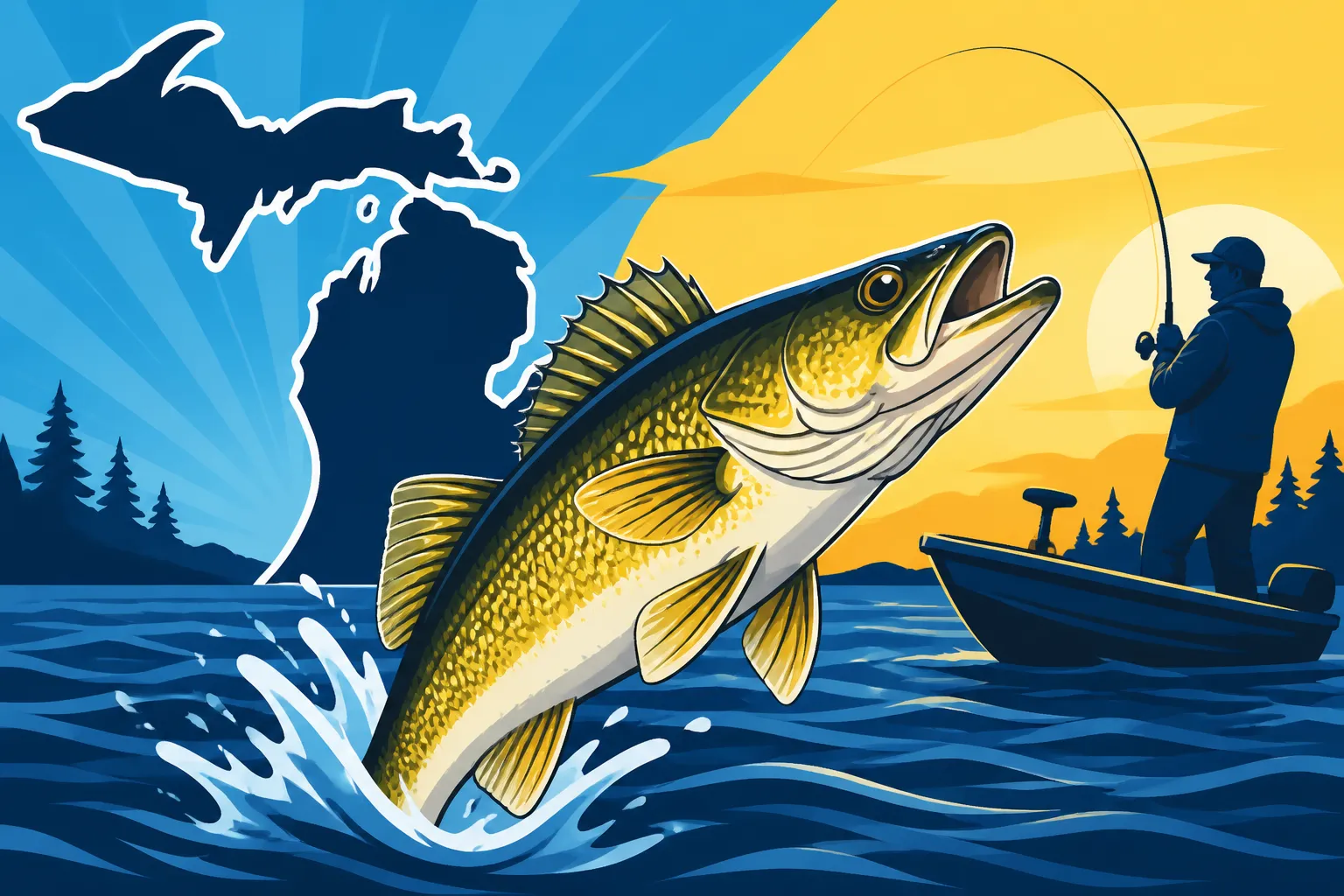
One of the most thrilling and rewarding experiences for any angler in Michigan is hooking into a hefty walleye. Many of us have faced the frustration of knowing these elusive fish are lurking in our waters but struggling to pinpoint their locations or the right techniques to entice a bite. This comprehensive guide is dedicated to demystifying walleye fishing in Michigan, offering detailed insights into where, when, and how to successfully target these highly sought-after game fish, ensuring your next trip is more productive and enjoyable.
The Allure of Walleye in Michigan Waters
There's something truly special about walleye. Their glassy, reflective eyes, their aggressive yet cunning nature, and of course, their absolutely delicious fillets make them a prime target for anglers across Michigan. It's not just about the fight; it's about the entire experience of understanding their habits and successfully outsmarting them in our diverse aquatic landscapes.
Why Walleye are a Prized Catch
For many, catching a walleye isn't just a pastime; it's a passion. These fish are renowned for their flaky, white meat, making them one of the best-tasting freshwater fish you can catch. Imagine a fresh walleye dinner, lightly pan-fried after a successful day on the lake—it's the stuff of legends around the campfire. Beyond the table fare, walleye offer a unique challenge. They can be finicky, responding to subtle changes in light, temperature, and bait presentation, which makes landing one feel like a real accomplishment. It's a true game of cat and mouse, and when you finally feel that tell-tale tap-tap-tap on your line, the adrenaline rush is incomparable. They tend to school, too, so when you find one, there are often more to be had, leading to those unforgettable "hot bite" days that keep us coming back.
Michigan's Diverse Walleye Habitats
Michigan is truly blessed with an incredible variety of waters, and many of them are prime walleye territory. From the vast expanses of the Great Lakes to countless inland lakes and winding rivers, walleye have found a home in almost every corner of our state. The sheer scale of these habitats means there's always a new spot to explore and a different challenge to tackle. The deep, cold waters of the Great Lakes offer opportunities for open-water trolling, while the shallow, weedy bays of inland lakes demand a different approach. Even our rivers, with their varying currents and structures, hold hidden pockets of walleye, especially during spawning runs. This diversity ensures that no matter where you are in Michigan, a fantastic walleye fishing experience is usually just a short drive away.
Identifying Michigan Walleye and Their Cousins
Before you can start reeling them in, it's crucial to know what you're looking for! Walleye have some distinct features that set them apart, and understanding these characteristics is important, especially when you encounter similar-looking species like sauger. Getting it right helps you adhere to regulations and simply gives you a better appreciation for the fish you're catching.
Key Characteristics of a Walleye
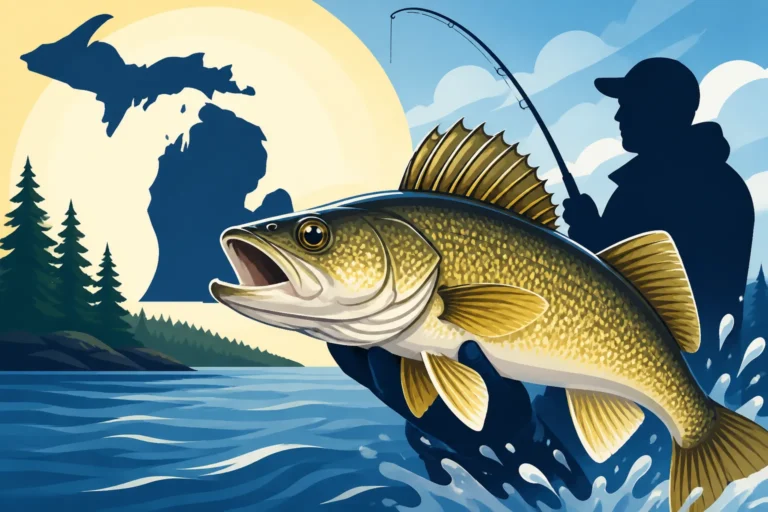
Walleye are instantly recognizable once you know what to look for. Their most prominent feature is their large, opaque, glassy eyes, which have a reflective tapetum lucidum layer that helps them see in low light conditions – a big reason they're often most active during dusk, dawn, and overcast days. Their bodies are elongated and slender, typically a brassy olive-green to gold color on the sides, fading to white on the belly, with dark saddles or blotches along their back. They have two dorsal fins: the first is spiny, and the second is soft-rayed. Look for a distinct black spot at the base of the last rays on the first dorsal fin – that's a classic walleye identifier. Their mouth is fairly large, armed with sharp, canine-like teeth, perfect for grabbing their prey.
Walleye vs. Sauger: Knowing the Difference
Sometimes, especially in certain river systems or the Great Lakes, you might catch a fish that looks incredibly similar to a walleye: the sauger. While both are members of the perch family and share a similar body shape, there are clear distinctions. The easiest way to tell them apart is by looking at their dorsal fins. Walleye have that single, prominent black spot on the first dorsal fin, but sauger will have several distinct dark spots or bars scattered across both dorsal fins, without that single, large spot at the base. Sauger also typically have a rougher, scalier feel to their cheeks, whereas a walleye's cheeks are smoother. Finally, look at the tail fin: a walleye usually has a white tip on the lower lobe of its caudal (tail) fin, which is absent on a sauger. Understanding these differences is not just for bragging rights; it's essential for compliance with Michigan Walleye Size and Possession Limits, as regulations can sometimes differ. For a deeper dive, check out How to Tell a Michigan Walleye From a Sauger.
Michigan Walleye Size and Bag Limits
Michigan takes its walleye populations seriously, and for good reason—they're a valuable resource! That means there are specific rules about how many you can keep and how big they need to be. These regulations are put in place to ensure sustainable fishing for generations to come, so paying attention is key. Generally, there's a statewide minimum size limit and a daily possession limit, but these can vary by specific body of water. For example, some lakes might have a protected slot limit, meaning you can only keep fish outside a certain size range (e.g., only fish under 18 inches or over 23 inches, with fish in between needing to be released). Always, and I mean always, consult the most current Michigan Fishing Guide (available from the DNR or online) before you head out. Ignorance of the rules is no excuse, and violating them can lead to significant fines. It's part of being a responsible angler and helps preserve these amazing fish.
Prime Walleye Fishing Seasons in Michigan
Walleye fishing in Michigan isn't a one-season sport. These fish adapt to changing water temperatures and conditions throughout the year, offering different challenges and rewards in spring, summer, fall, and winter. Knowing when and where to find them can dramatically increase your success rate, regardless of the calendar month.
Spring Walleye Frenzy: Pre-Spawn and Spawn
Spring is arguably the most anticipated time for walleye anglers in Michigan. As the ice recedes and water temperatures begin to climb into the 40s and 50s Fahrenheit, walleye embark on their annual spawning migration. They move from deeper waters into shallower, current-heavy areas like river mouths, rocky shoals, and gravel bars in lakes. This pre-spawn and spawning period, typically from late March through May, creates incredible opportunities. Fish are concentrated and actively feeding before and after the spawn to regain energy.
During the pre-spawn, they are often aggressive, making vertical jigging with minnows or soft plastics, and casting stickbaits near transition areas highly effective. As the actual spawn begins, they can become a bit more focused on reproduction than feeding, but post-spawn, they'll be ravenous. This is When Does Walleye Season Open in Michigan's Lower Peninsula becomes a critical piece of information, as openers are timed to allow for successful reproduction. Many anglers flock to the Detroit River, the Saginaw River, and tributaries feeding the Great Lakes, where immense numbers of walleye gather. It's a fast-paced, exciting time where you can often catch multiple fish in a single outing.
Summer Strategies for Deepwater Walleye
As Michigan's waters warm up through June, July, and August, walleye typically move to deeper, cooler areas where baitfish are abundant. This doesn't mean they disappear; it just means your tactics need to change. Summer walleye often relate to deep structure, like humps, drop-offs, underwater points, and the edges of weed beds in 20 to 40 feet of water, sometimes even deeper in the Great Lakes.
Trolling becomes a dominant strategy during summer. Using crankbaits, crawler harnesses, or spoons behind planer boards or downriggers allows you to cover vast areas and present your lure at the exact depth where walleye are holding. Lead core line can also be effective for reaching specific depths without the need for additional equipment. Night fishing for walleye is also extremely productive in the summer months, as walleye move shallower to feed under the cover of darkness. They use their excellent low-light vision to ambush baitfish, making a well-placed jig or crankbait near shallow structure deadly after sundown.
Fall Feeds and Winter Ice Fishing Walleye
The cooler water temperatures of autumn, typically from September through November, trigger another feeding binge for walleye as they prepare for winter. They'll often move back into shallower areas, especially during low-light conditions, to gorge on baitfish. Casting large crankbaits, jigging spoons, or slowly dragging bottom bouncers with crawler harnesses can be very effective in bays, river bends, and along rocky shorelines. This period can offer some of the largest walleye of the year, as they pack on weight.
And then comes winter, bringing with it the unique thrill of ice fishing. While some assume ice fishing means slower action, walleye can be incredibly active under the ice. Once stable ice forms, walleye will often relate to similar structures as in summer but can be found at varying depths depending on the lake's oxygen levels and baitfish presence. Jigging spoons, vertical jigs tipped with minnow heads, or tip-ups set with live minnows are go-to methods. Key times are usually first and last light. Ice fishing offers a serene yet exciting way to target walleye, and it's a social activity, too, with anglers often gathering in ice shanties across Michigan's frozen lakes. Michigan Ice Fishing Guide offers more insight into this cold-weather pursuit.
Top Walleye Fishing Destinations Across Michigan
Michigan is a walleye angler's paradise, boasting an impressive list of world-class fishing spots. From the vastness of the Great Lakes to the charm of inland waters and the steady flow of our rivers, there’s a walleye haven for every preference and skill level. Knowing these top spots can give you a real edge in planning your next trip.
Great Lakes Hotspots: Saginaw Bay and Lake St. Clair
When it comes to Great Lakes walleye, two names immediately jump to mind: Saginaw Bay and Lake St. Clair. Saginaw Bay, a massive bay off Lake Huron, is legendary. It’s a shallow, nutrient-rich expanse that serves as an incredible spawning ground and nursery for walleye. During the spring, summer, and fall, the bay consistently produces staggering numbers of walleye, including many trophy-sized fish. Anglers here often employ aggressive trolling techniques with crankbaits and crawler harnesses to cover water, or they will drift with jigs and live bait. The sheer size of the bay means finding the fish can be a challenge, but when you do, the rewards are immense. Saginaw Bay, Michigan, Walleye Fishing on Lake Huron provides an in-depth look at this incredible fishery.
Lake St. Clair, while smaller and shallower than the Great Lakes proper, is another undisputed walleye mecca, particularly known for its consistent action and healthy population. While it's perhaps most famous for its smallmouth bass, the walleye fishing here is outstanding. The lake's vast flats and gradual drop-offs are perfect for trolling, especially with spinner rigs and crankbaits. The St. Clair River, connecting Lake Huron to Lake St. Clair, is also a phenomenal walleye fishery, especially during spawning runs. The abundance of baitfish and favorable structure in both bodies of water makes them perennial favorites for walleye fanatics.
Inland Lake Gems: Houghton and Muskegon Lakes
Michigan's inland lakes often get overshadowed by the Great Lakes, but many are true walleye gems. Houghton Lake, the largest inland lake in Michigan, is a prime example. Known for its relatively shallow depths and extensive weed beds, Houghton Lake supports a thriving walleye population. It's a fantastic lake for both open-water trolling in summer and ice fishing in winter. Anglers here find success with jigging, casting crankbaits along weed lines, and using slip bobbers with live minnows. The sheer size of the lake offers plenty of room to explore, and its consistent productivity makes it a popular choice. More detailed information can be found in Houghton Lake Fishing Guide: Michigan's Largest Inland Lake.
Muskegon Lake, located on the western side of the state, emptying into Lake Michigan, is another excellent inland walleye fishery. This drowned river mouth lake offers a diverse environment with varying depths, channels, and structure. Walleye here can be targeted by trolling, jigging, or even casting from shore or piers, especially during low light conditions or periods of high activity. The lake's connection to Lake Michigan also means it sees some migratory walleye, adding to its appeal. These inland lakes often present different challenges and opportunities compared to the Great Lakes, making them perfect for anglers looking for a slightly different experience while still targeting quality walleye.
River Runs for Walleye: Detroit and St. Clair Rivers
Michigan's rivers are critically important for walleye, especially during their annual spawning migrations. The Detroit River, connecting Lake St. Clair to Lake Erie, is arguably one of the best walleye rivers in the world. Each spring, millions of walleye migrate up the river from Lake Erie to spawn, creating an epic fishery that draws anglers from all over. The strong currents and varying depths of the Detroit River make vertical jigging the predominant and often most effective technique. Anglers use heavy jigs tipped with plastics or minnows to bounce along the bottom, targeting the deep channels and current seams where walleye hold. The action can be fast and furious, with limits often caught in a matter of hours.
Similarly, the St. Clair River, connecting Lake Huron to Lake St. Clair, also experiences significant walleye runs, particularly in the spring and fall. The river's cooler, clearer waters and abundant forage support a strong population. Drifting with jigs or bottom bouncers is popular, as is casting crankbaits towards current breaks and shoreline structures. These river fisheries offer a distinct challenge compared to lake fishing due to the constant current, requiring precise boat control and lure presentation. However, the reward of hooking into a powerful river walleye makes all the effort worthwhile.
Essential Walleye Fishing Techniques and Baits
Successfully catching walleye in Michigan often comes down to mastering a few key techniques and knowing which baits to present. Walleye can be particular, but with the right approach, you can consistently put fish in the boat or on the ice. It's all about understanding their feeding habits and preferences.
Trolling and Jigging: Michigan Favorites
Trolling: This is a powerhouse technique, especially effective for covering large expanses of water in lakes and bays, or along vast offshore structures. Trolling allows you to present multiple lures at varying depths and speeds, imitating schools of baitfish. You'll typically use a boat to slowly drag crankbaits, spoons, or crawler harnesses behind it. For deeper presentations, tools like downriggers, planer boards, or lead core line are indispensable. Crankbaits that dive to specific depths are popular, matching the forage and water clarity is key. Experiment with colors and sizes until you find what the walleye are keying in on. Speed is also crucial; often, a slower troll is more effective for walleye, but sometimes a burst of speed can trigger a reaction strike. Trolling is fantastic for summer walleye when they disperse into deeper water. While the linked guide is for salmon, many principles of Trolling for Chinook Salmon on Lake Michigan can be applied to walleye as well, especially regarding gear setup.
Jigging: Often associated with river fishing or ice fishing, jigging is a highly versatile technique that can be deadly in many situations. It involves vertically presenting a jig (a weighted hook, often adorned with a soft plastic body, hair, or feathers) and imparting a specific action to it. In rivers, especially during spring spawning runs, vertical jigging heavy jigs tipped with minnows or soft plastics is king. The goal is to keep your bait near the bottom, where walleye are holding in current seams. For ice fishing, smaller jigs tipped with wax worms or minnow heads are jigged directly over structure. The key to successful jigging is experimenting with retrieve speed, cadence, and pauses. Sometimes a subtle lift-and-drop is all it takes, while other times an aggressive snap-jigging motion can trigger bites. For more detailed insights, check out Jigging Techniques for Michigan Walleye.
Live Bait Rigs and Artificial Lure Selections
Live Bait: There's no denying the effectiveness of live bait for walleye. Minnows (shiners, fatheads, suckers), nightcrawlers (often presented on a crawler harness), and leeches are perennial favorites. Minnows can be fished on a bare hook under a slip bobber, jigged, or used on a Lindy Rig. A Lindy Rig involves a walking sinker, a swivel, and a leader with a hook, allowing the bait to drift naturally along the bottom. Crawler harnesses, featuring multiple hooks and often brightly colored beads or blades, are fantastic for trolling or drifting, especially in summer. Leeches, though less common than minnows or crawlers, can be incredibly effective, especially in clear water or when fish are finicky. Presenting live bait naturally is crucial, letting it drift or swim appealingly to hungry walleye. For a closer look at bait choices, refer to Best Live Bait for Michigan Walleye in Spring.
Artificial Lures: The world of artificial lures for walleye is vast and constantly evolving.
- Crankbaits: These are hard-bodied lures with a bill that causes them to dive. They come in various sizes, colors, and diving depths. Shallow-diving crankbaits are great for casting in shallower waters, while deep-diving models are essential for trolling in deeper lakes.
- Jigs with Soft Plastics: Pairing a jig head with a soft plastic grub, paddle tail, or fluke can be incredibly effective. The soft plastic adds action and scent (especially if scented plastics are used). Colors can range from natural baitfish imitations to vibrant fluorescents, depending on water clarity and light conditions.
- Blade Baits: These vibrating metal lures are excellent for jigging in current or targeting suspended fish. They create a lot of flash and vibration, mimicking a distressed baitfish.
- Spoons: Often used for trolling or vertical jigging, spoons imitate injured baitfish with their wobbling action and flash.
The key to artificial lures is experimentation. Walleye can be incredibly picky, so having a diverse tackle box is beneficial. You can find a huge selection of these lures on Amazon, allowing you to stock up for any condition.
Night Fishing for Walleye Success
Don't let the setting sun signal the end of your walleye pursuit; it often marks the beginning of some of the best fishing! Walleye are nocturnal predators, their oversized eyes perfectly adapted for low-light conditions. As darkness falls, they often move from deeper daytime haunts into shallower areas to feed on baitfish that are also moving up. This makes night fishing an incredibly productive strategy, particularly in warmer months.
Techniques for night fishing typically involve casting shallow-running crankbaits, often with rattling features or glow-in-the-dark finishes, along weed edges, rocky points, and shorelines. Slow-rolling spinnerbaits or using jigs tipped with dark-colored soft plastics (to create a good silhouette against the moonlight) can also be very effective. Live bait, such as a minnow under a slip bobber near structure, is another proven night tactic. When fishing at night, safety is paramount. Make sure your boat lights are working, have a reliable headlamp or spotlight (you can find excellent options on Amazon), and inform someone of your plans. The quiet solitude of night fishing, broken only by the splash of a leaping walleye, is an experience every angler should try.
Gear Up for Walleye Success
Having the right gear makes all the difference when targeting walleye. It's not just about having a rod and reel; it's about having the right tools that match the techniques you'll be using and the conditions you'll encounter. Investing in quality equipment can significantly enhance your fishing experience and your success rate.
Rods, Reels, and Line for Michigan Walleye
Rods: For vertical jigging in rivers or deep lakes, a sensitive, medium-light to medium power fast-action spinning or casting rod, typically 6' to 7' long, is ideal. The fast action allows for quick hook sets and sensitivity to detect subtle bites. For trolling with crankbaits or crawler harnesses, a medium-heavy power moderate-action rod, 7' to 9' in length, is better. The moderate action absorbs the shock of strikes and helps keep fish pinned during the fight. For casting from shore or boat, a 6'6" to 7' medium power fast-action rod is a versatile choice. There are many specialized walleye rods available that optimize for sensitivity and strength. Check out Best Spinning Rods for Michigan Walleye for more specific recommendations.
Reels: Spinning reels are typically preferred for jigging and casting lighter lures, offering ease of use and good line control. A 2000-3000 size spinning reel is generally a good all-around choice. For trolling and heavier presentations, baitcasting reels are often favored due to their power and ability to handle heavier lines and larger lures. Look for reels with smooth drags, as walleye can make powerful runs.
Line: The choice of fishing line is crucial.
- Monofilament: A traditional choice, 6-10 lb test mono offers good knot strength, stretch (which can be forgiving), and is relatively inexpensive.
- Fluorocarbon: Nearly invisible in water, fluorocarbon is a great leader material for its abrasion resistance and low stretch. Some anglers use it as a main line, typically in 8-12 lb test, for enhanced sensitivity.
- Braided Line: Extremely strong, sensitive, and thin for its breaking strength, braided line (10-20 lb test) is excellent for feeling subtle bites and making long casts. Its lack of stretch makes it fantastic for jigging. However, its visibility means it's often paired with a fluorocarbon leader (6-10 lb test) for stealth. The best setup often depends on the technique and water clarity.
Electronics and Accessories: Finding the Fish
In today's world, fishing electronics are not just a luxury; they're an indispensable tool for serious walleye anglers.
- Fish Finders/Sonar: A good fish finder is your eyes below the surface. Modern units offer incredibly detailed views of the bottom, showing depth contours, structure, and most importantly, fish arches. Side-imaging and down-imaging technologies allow you to scan wider areas and pinpoint specific cover where walleye might be holding. GPS capabilities are also vital for marking hotspots, waypoints, and navigating safely, especially on large bodies of water like the Great Lakes. Many units combine these features into one powerful device. For deeper understanding, explore Fish Finders for Michigan Boat Fishing.
- Electric Trolling Motors: For precise boat control, especially when drifting or slow-trolling, a bow-mount electric trolling motor with GPS capabilities (like spot-lock or anchor mode) is a game-changer. It allows you to hold your boat over a specific structure or follow a contour hands-free, leaving you free to focus on fishing.
- Rod Holders: When trolling, quality rod holders are essential. They securely hold your rods, position them correctly, and allow you to react quickly to strikes.
- Landing Net: Walleye have sharp teeth and can be quite feisty. A large, rubberized landing net is crucial for safely landing fish, preventing injury to both the fish and yourself. The rubberized mesh protects the fish's slime coat, especially important for catch and release.
These accessories might seem like an extra expense, but they genuinely improve your chances of success and make your time on the water more efficient and enjoyable. Many reputable brands offer a wide range of these tools, readily available on platforms like Amazon.
What to Pack for a Day of Walleye Fishing
Beyond the core fishing gear, a successful day of walleye fishing in Michigan requires a few essential items to keep you comfortable, safe, and prepared.
- Weather-Appropriate Clothing: Michigan weather can be unpredictable. Dress in layers, including waterproof outer shells, even on sunny days. Sun protection (hat, sunglasses, sunscreen) is also crucial.
- Cooler and Ice: To keep your catch fresh if you plan to keep fish.
- Fishing Pliers and Line Cutters: Essential for handling hooks, cutting line, and general tackle adjustments.
- First-Aid Kit: Small cuts and scrapes happen, especially around sharp hooks and fish fins.
- Food and Water: Stay hydrated and energized throughout the day.
- Navigation Tools: Even with GPS on your fish finder, a physical map or charts of the area can be invaluable, especially if electronics fail.
- Fishing License: Always carry your valid Michigan Fishing License Guide for Residents and Nonresidents. This is non-negotiable!
- Tackle Bag: A well-organized tackle bag or box is key. Consider a specialized walleye tackle bag, often available on Amazon, that helps organize your lures, weights, and other small items, making it easy to access what you need quickly. This helps you have the Best Tackle for Michigan Walleye Fishing ready.
Being prepared for any scenario means you can focus on the fishing and truly enjoy your time on Michigan's beautiful walleye waters.
Conservation and Regulations for Sustainable Walleye Fishing
As passionate anglers, we all have a role to play in ensuring that Michigan's incredible walleye fisheries remain healthy and productive for future generations. This isn't just about following the rules; it's about adopting a mindset of responsible stewardship.
Understanding Michigan's Walleye Rules
Michigan has a comprehensive set of fishing regulations designed to protect its fish populations, and walleye are certainly no exception. These rules can vary significantly depending on the body of water and the time of year, covering everything from minimum size limits, daily possession limits, and even specific season dates. For instance, some lakes might have an 18-inch minimum size for walleye, while others might implement a protected slot limit, requiring anglers to release fish within a certain size range to protect breeding stock.
It's absolutely essential to consult the latest Michigan Fishing Guide issued by the DNR every single year, as regulations can and do change. This guide outlines all the specifics for general inland waters, the Great Lakes, and specific bodies of water that have unique rules. Never assume last year's rules are still in effect. Being informed is your first line of defense against accidental violations and, more importantly, your commitment to ethical angling. The guide is usually available online, at license retailers, and DNR customer service centers. You'll find general information in Michigan Fishing Regulations Every Angler Should Know to get you started, but always get the official guide.
Practicing Catch and Release Effectively
While many anglers enjoy keeping walleye for their delicious fillets, practicing effective catch and release is vital for sustaining healthy populations, especially for larger breeding fish. When you do decide to release a walleye, particularly a larger one, handling it with care is paramount.
- Minimize Air Exposure: Walleye, like all fish, need oxygen from water. Keep the fish in the water as much as possible while unhooking it. Even a few seconds out of water can be stressful.
- Gentle Handling: Support the fish horizontally, ideally with one hand under the belly and the other gently gripping the lower jaw. Avoid squeezing the fish's internal organs or holding it vertically by the jaw, which can damage its spine and jaw.
- De-hooking Tools: Use pliers, hemostats, or a de-hooking tool to remove hooks quickly and cleanly. If a fish is deeply hooked, it's often better to cut the line as close to the hook as possible rather than tearing sensitive internal organs trying to retrieve it.
- Revive the Fish: If the walleye seems stressed, gently hold it in the water, facing into a slight current if possible, and allow water to flow over its gills until it regains strength and swims away on its own.
By following these practices, you give released walleye the best chance of survival, ensuring they can continue to grow and reproduce, contributing to the health of the fishery.
Supporting Walleye Populations
Beyond individual actions, supporting broader conservation efforts is critical. This can take many forms:
- Purchasing Fishing Licenses: The revenue generated from fishing license sales directly funds fisheries management, stocking programs, habitat restoration, and enforcement efforts by the Michigan DNR. Every license you buy contributes to the health of our fisheries.
- Reporting Violations: If you witness illegal fishing activity (e.g., exceeding bag limits, fishing during closed seasons, using illegal gear), report it to the DNR's Report All Poaching (RAP) hotline. These actions can severely impact fish populations, and reporting them helps protect the resource.
- Participating in Local Organizations: Many local fishing clubs and conservation groups actively work on walleye habitat improvement, stocking, and public education. Getting involved or donating to these organizations can have a significant positive impact.
- Educating Others: Share your knowledge and passion for conservation with fellow anglers, especially newer generations. Teaching ethical angling practices and the importance of regulations helps foster a culture of stewardship.
By understanding and adhering to regulations like Michigan Walleye Size and Possession Limits, practicing careful catch and release, and actively supporting conservation initiatives, we can all contribute to ensuring that walleye fishing in Michigan remains exceptional for many years to come.
Disclaimer
This article is for general informational purposes only and does not constitute professional advice. Laws, prices and regulations vary by location and change over time. Consult a qualified professional for guidance on your specific situation.