Reading the Michigan Fishing Regulations Digest
Oh, the Michigan Fishing Regulations Digest. Just the name can send shivers down an angler's spine, especially if you've ever tried to make heads or tails of it during a quick pre-dawn tackle box rummage. It’s easy to feel overwhelmed by the sheer volume of information, the legalistic language, and the constant worry that you might accidentally miss a crucial detail that could lead to a ticket. But trust me, understanding this document isn't just about avoiding fines; it's about confidently navigating Michigan's incredible waters and ensuring you're a responsible, successful angler. This guide will walk you through exactly how to approach, read, and understand this essential resource.
The Indispensable Guide: Why the Digest is Your Best Friend on Michigan Waters
Let's be real, no one enjoys reading dense regulatory documents. But when it comes to fishing in Michigan, the annual Michigan Fishing Regulations Digest isn't just a dry list of rules; it's your primary companion, a critical tool that ensures your time on the water is both enjoyable and lawful. Think of it less as a chore and more as the ultimate cheat sheet for a successful fishing trip. It’s compiled by the Michigan Department of Natural Resources (DNR) and updated annually to reflect any changes in fish management strategies, conservation efforts, or environmental factors.
More Than Just Rules: Understanding its Purpose
At its core, the digest serves as the official legal document outlining all the rules and regulations governing fishing in Michigan. This includes everything from when you can fish for certain species to the tools you're allowed to use, and even what you need to do once you've landed a prize catch. But its purpose extends beyond mere legality. It's a comprehensive resource designed to inform anglers about sustainable practices, protect fish populations for future generations, and manage the diverse ecosystems across our state. It reflects years of scientific research and public input, all aimed at balancing the joy of fishing with the imperative of conservation. For example, knowing the specific rules for the Au Sable River isn't just about avoiding a fine; it's about contributing to the health of one of Michigan's most iconic trout streams.
Why Ignoring it is a Risky Business
Skipping over the digest or simply relying on what you think you remember from last year is truly playing with fire, and not the good kind you use for a shore lunch. First and foremost, you risk legal penalties. Fishing without a valid license, exceeding daily bag limits, or keeping undersized fish can result in hefty fines, confiscation of your catch and gear, and even loss of future fishing privileges. These aren't just minor inconveniences; they can put a significant damper on your day and your wallet. Secondly, you risk harming fish populations. Regulations like "Michigan Bag and Size Limits Explained" or "Michigan Fishing Season Dates and Rules" are in place for a reason: to allow fish to spawn, grow, and maintain healthy populations. Unknowingly violating these rules can have a real impact on the aquatic environment we all cherish. Imagine unknowingly targeting walleye during a critical spawning period or keeping too many yellow perch from a sensitive inland lake – it hurts everyone in the long run.
Navigating the Maze: How to Access Your Copy
In today's digital world, getting your hands on the Michigan Fishing Regulations Digest is easier than ever, but if you're like me, sometimes there's nothing quite like flipping through a physical copy. The Michigan DNR understands that anglers have different preferences, offering multiple convenient ways to access this vital information.
Digital Convenience: The DNR Website and App
For many, the easiest and most up-to-date way to get the digest is online. The Michigan DNR website is the official hub, where you can download the entire document as a PDF. This is fantastic because you can keep it on your phone or tablet, meaning you literally have the regulations at your fingertips while you're out on the water. No more fumbling with wet paper! Plus, the DNR website often includes interactive maps and supplementary information that can clarify specific regulations for certain bodies of water, which is incredibly helpful when dealing with local exceptions.
Beyond the website, the Michigan DNR offers the Michigan's DNR Hunt Fish App for Licenses and Reporting. This app is a game-changer for digital-savvy anglers. Not only can you purchase and display your Michigan Fishing License Guide for Residents and Nonresidents directly through the app, but it also provides quick access to the current year's fishing regulations. This means if you're standing on the shore of Lake St. Clair wondering about the "Michigan Smallmouth and Largemouth Bass Daily Limit," a few taps on your phone will give you the answer without having to trek back to your vehicle. It’s incredibly convenient for checking those last-minute details or when you encounter an unfamiliar waterbody.
Old School Reliability: Where to Find Physical Copies
Sometimes, a good old-fashioned paper copy is just what you need. Maybe you prefer to highlight sections, make notes in the margins, or you simply don't want to risk your phone getting wet near the water. The Michigan DNR prints physical copies of the digest annually, and these are typically available at most locations where you can purchase a fishing license. This includes many bait and tackle shops, sporting goods stores, and even some DNR customer service centers. When you buy your How to Buy a Michigan Fishing License for the season, always ask for a copy of the current digest. It's usually free, and it's always worth having a physical backup, especially if you plan to fish in areas with spotty cell service.
While the DNR is the primary source, sometimes you can find older copies or supplementary guides online on platforms like Amazon. However, for the current and official regulations, always rely on the Michigan DNR's direct sources. They are the most accurate and legally binding.
Decoding the Layout: A Section-by-Section Walkthrough
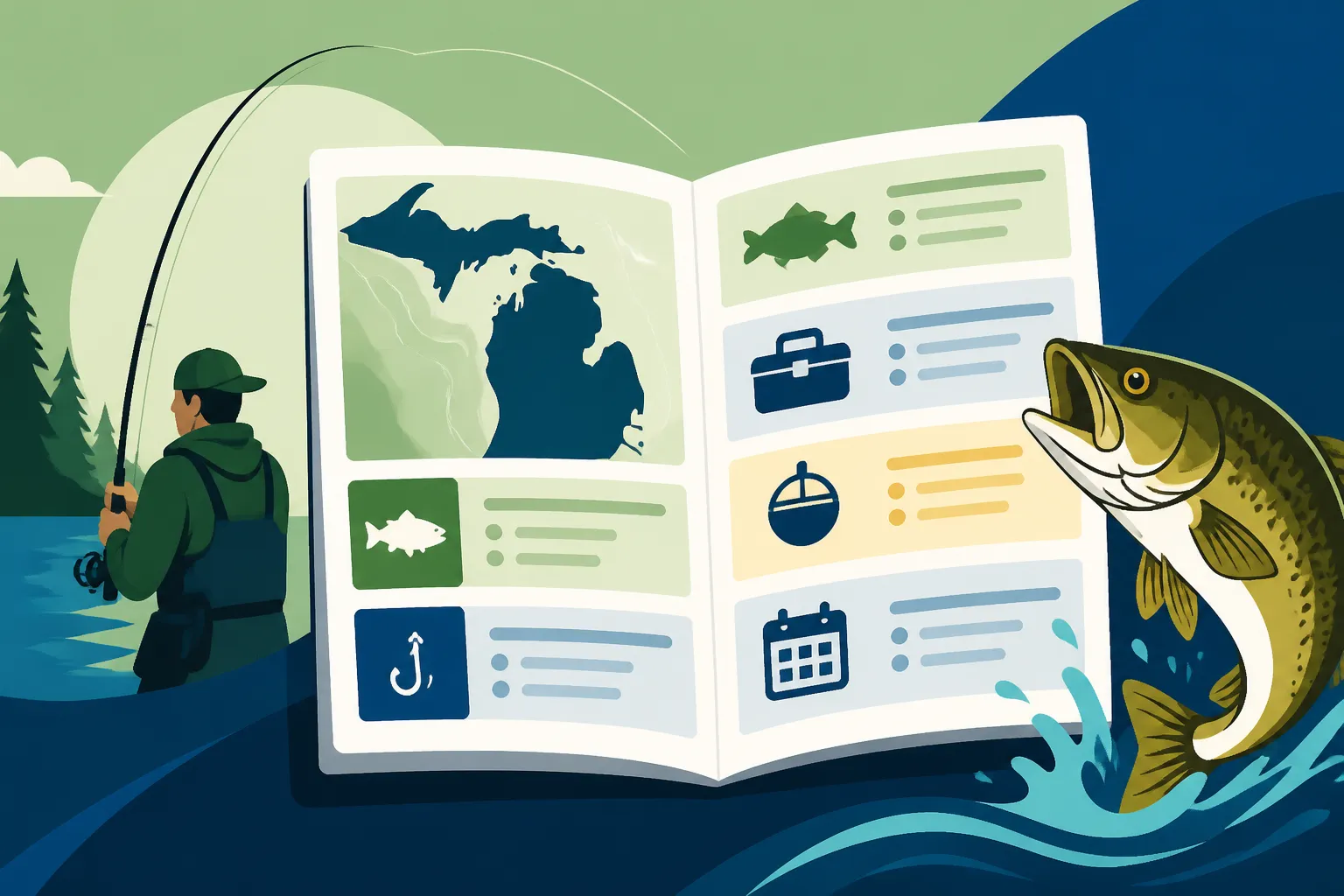
The Michigan Fishing Regulations Digest can seem like a lot to take in at first glance, but it’s actually organized quite logically. Once you understand the general structure, finding the specific information you need becomes much less daunting. Think of it as a roadmap to Michigan's diverse fisheries, guiding you through the general rules before diving into the specifics.
General Regulations and Statewide Rules
Right at the beginning of the digest, you'll find the broad strokes: the general regulations that apply to most waters across the entire state. These are the foundational rules every angler needs to know, regardless of where they're fishing or what they're targeting. This section usually covers things like:
- Licensing Requirements: Who needs a license, the different types available (annual, 24-hour, senior, youth), and when they expire. This is where you'll find details about the Michigan Fishing License Costs and Types Explained.
- General Fishing Methods: What types of gear are legal (e.g., hook and line, spearing for certain species), the maximum number of lines you can use, and rules about chumming or snagging.
- Possession Limits: Often, there's a statewide combined possession limit for certain groups of fish, or a general rule about not possessing more than a daily limit while actively fishing.
- Transportation and Filleting: Rules about how fish must be kept whole or in identifiable pieces until you're back on shore and done fishing for the day, which helps enforcement officers verify compliance with size and bag limits.
- Prohibited Activities: Things like littering, trespassing, or using prohibited bait types.
Understanding these general rules is crucial because they form the baseline. Any other regulations you encounter later in the digest will either supplement or override these general rules for specific species or bodies of water. It's like learning the rules of the road before you get into specific traffic laws for a particular city.
Species-Specific Regulations: Your Target Fish Matters
Once you've grasped the general rules, the digest typically moves into species-specific regulations. This is where you'll find the nitty-gritty details for the fish you're most likely to target. Each major game fish species, and sometimes even panfish, will have its own dedicated section. This part of the digest is particularly important because it outlines:
- Daily Bag Limits: The maximum number of a particular species you can keep in one day. For instance, the "Michigan Walleye Daily Possession Limit" will be clearly stated here.
- Minimum Size Limits: The smallest legal length a fish must be for you to keep it. This is critical for allowing fish to reach reproductive maturity. You'll find details like the "Michigan Walleye 15-Inch Minimum Size Limit" or specific rules for other popular species.
- Special Seasons: While Michigan has a mostly year-round open season for many species, some, especially trout and salmon on inland waters, have specific opening and closing dates. This section will clarify the Michigan Fishing Season Dates and Rules for each species.
- Gear Restrictions: Sometimes, specific gear is prohibited or required for certain species, especially in designated trout streams. For example, some areas might restrict bait types or require single, barbless hooks.
This is the section you'll want to focus on intently if you're planning a trip specifically for walleye, smallmouth bass, or northern pike. Keep in mind that these rules can sometimes vary by waterbody, which leads us to the next crucial section.
Water-Specific Regulations: Know Your Local Laws
This is arguably the most complex, yet incredibly important, part of the digest. Michigan has an immense amount of water – from the Great Lakes to thousands of inland lakes and countless miles of rivers and streams. It's simply not feasible for a single set of statewide rules to apply perfectly to every single one. Therefore, the digest contains extensive sections detailing specific exceptions and rules for particular bodies of water. These might include:
- Great Lakes Regulations: The Great Lakes, being massive and shared with other states and Canada, often have unique rules that differ from inland waters. The Michigan Great Lakes Fishing Regulations Guide is often a separate, yet integrated, component.
- Trout and Salmon Designated Waters: Many rivers and streams are specifically managed for trout and salmon and will have very specific rules regarding season dates, size limits, and even tackle restrictions (e.g., artificial lures only, fly-fishing only).
- Special Management Waters: Certain lakes or river sections might have experimental regulations, catch-and-release only rules, or unique slot limits designed to improve fisheries. For example, some lakes might have a "Michigan Walleye 15-Inch Minimum Size Limit" but also a protected slot where fish between 18 and 23 inches must be immediately released.
- Boundary Water Rules: For waters shared with other states (like Lake Erie with Ohio) or Canada (like Lake St. Clair), special reciprocal agreements or specific boundary water rules apply.
When you're planning a trip to a specific lake or river, make this section your first stop after reviewing the general and species-specific rules. It's often organized by county or region, making it easier to pinpoint your destination.
Important Maps and Special Closures
Throughout the digest, and especially in the water-specific sections, you'll find references to maps. The DNR often includes detailed maps for specific river systems or special regulation zones. These maps are invaluable for visually understanding where a particular rule begins and ends. For example, a map might show you exactly where a "trout stream" designation starts and ends, or identify specific refuge zones where fishing is prohibited during certain times of the year.
Additionally, the digest will highlight "Special Closures" or "Emergency Orders." These are critical notices about temporary fishing closures, new regulations enacted mid-season, or other urgent information that anglers need to know. Always check these sections, as they can change rapidly due to environmental conditions, conservation needs, or unforeseen events. The DNR's website and app are usually the quickest places to find updates on these, but the printed digest will include any known closures at the time of publication.
Here's a simplified overview of how the digest is structured:
| Section Type | What You'll Find | Example | Why It's Important |
|---|---|---|---|
| General Regulations | Basic rules applicable statewide, licensing, common methods. | "Do You Need a License to Fish in Michigan?" | Forms the foundation; applies everywhere unless superseded. |
| Species-Specific Rules | Daily limits, size limits, open seasons for individual fish species. | "Michigan Walleye Size and Possession Limits" | Essential for targeting specific fish; prevents overharvest. |
| Water-Specific Exceptions | Regulations unique to certain lakes, rivers, or Great Lakes areas. | Rules for the Au Sable River or Lake St. Clair. | Local variations can override statewide rules; critical for specific destinations. |
| Maps & Special Notices | Visual guides for regulation zones, emergency closures, reporting requirements. | Map of trout zones, "Michigan Muskellunge Harvest Reporting Rules." | Clarifies boundaries, alerts to temporary changes, ensures compliance with special reporting. |
Common Pitfalls and How to Avoid Them
Even with a copy of the digest in hand, it's surprisingly easy to fall into common traps that can lead to confusion or, worse, violations. Many of these issues stem from relying on old information or simply not digging deep enough into the details.
The Annual Update: Don't Rely on Last Year's Info
This is, hands down, the biggest mistake anglers make. "Do Michigan Fishing Regulations Change Every Year?" You bet they do! While major overhauls might be less frequent, minor tweaks, boundary adjustments, or species-specific rule changes happen almost every single season. Thinking last year's digest is "good enough" is a recipe for trouble. For instance, a new minimum size limit could be implemented for smallmouth bass on a particular lake, or a season opener for walleye might shift by a week.
Always, always pick up or download the current year's digest. The new regulations typically become effective on April 1st each year. So, if you're fishing in March, you're using last year's rules, but come April, you need the new document. Get into the habit of checking the DNR website or picking up a fresh copy when you renew your Michigan Fishing License Renewal Each Spring. It’s a simple step that saves a lot of headaches.
Misinterpreting Legal Jargon: When in Doubt, Ask
Regulatory language, by its very nature, can be dense and precise. Words that seem straightforward in everyday conversation might have a very specific legal meaning within the digest. Terms like "possession limit," "daily limit," "artificial lure," or even what constitutes a "stream" versus a "river" can have nuanced definitions. This isn't meant to trip you up, but to ensure clarity for enforcement. For example, you might wonder, "What Counts as an Artificial Lure Under Michigan's Trout Rules?". The digest usually includes a definitions section to clarify these terms.
If you read a rule and it's not absolutely clear, don't guess. Guessing can lead to unintentional violations. Instead, reach out to the Michigan DNR directly. Their customer service centers are staffed by knowledgeable folks who can interpret the regulations for you. Many bait shops also have experienced staff who are well-versed in local regulations. It's always better to ask a question beforehand than to face the consequences later.
Local Exceptions and Special Waters
Michigan's fishing opportunities are incredibly diverse, and so are its regulations. While statewide rules provide a baseline, almost every single lake or river could potentially have an exception. This is why the "Water-Specific Regulations" section is so crucial. You might be accustomed to a certain walleye size limit, only to find that a specific lake has a different slot limit or even a "no-kill" zone.
For example, on the vast expanse of Lake St. Clair, there are particular nuances for species like muskellunge and yellow perch. You might assume the statewide yellow perch limit applies, but then you read the "Michigan Yellow Perch Limit on Lake St. Clair" and realize there's a specific daily limit for that body of water. Similarly, for trout and salmon anglers, identifying specific river stretches designated as "Type 1," "Type 2," or "Gear Restricted" can drastically change what you're allowed to do. Always double-check the specific waterbody you plan to fish, especially if it's a new destination or a well-known fishery. Trusting general knowledge, even if it's from a seasoned angler, could lead you astray if they haven't checked the latest specifics for that particular spot.
Tools and Resources to Supplement Your Digest Reading
While the Michigan Fishing Regulations Digest is your primary source of truth, there are many other excellent tools and resources available that can help clarify, visualize, and apply the regulations more effectively. These supplements don't replace the digest, but they certainly make understanding and complying with it a much smoother experience.
Online Tools and Interactive Maps
The Michigan DNR has invested heavily in digital resources to assist anglers, and these are incredibly helpful for visualizing complex regulations.
- DNR Website's Interactive Maps: Beyond the static maps in the digest, the DNR website often features interactive maps that allow you to zoom in on specific lakes and rivers. These maps can visually overlay regulation boundaries, identify designated trout waters, or show where special rules apply. This is a fantastic way to confirm you're in the right zone before you even cast a line. For instance, if you're looking at a specific stretch of the Manistee River, an interactive map can clearly show you if it's "flies only" or if bait is allowed.
- Fish Species Information: The DNR website also hosts detailed information pages for various fish species, often cross-referencing their specific regulations. You can find out more about "Walleye Identification and Size in Michigan" or dive into the nuances of "Michigan Salmon Species Explained," all of which help you better understand why certain regulations exist.
- Regulation Updates Page: Given that regulations can change, especially with emergency orders, the DNR website usually has a dedicated page for "How Often Does Michigan Update Its Fishing Regulations" and recent changes or alerts. Checking this before a trip ensures you have the very latest information, even if your printed digest is a few months old.
These online tools are dynamic and can offer context that a static PDF might not. They are particularly useful for planning trips to unfamiliar areas where water-specific rules might be confusing.
Connecting with Fellow Anglers and Experts
Sometimes, the best way to understand a tricky regulation or a local nuance is to talk to someone who lives and breathes Michigan fishing.
- Local Bait and Tackle Shops: These places are goldmines of information. The owners and staff are often passionate anglers themselves and have an intimate knowledge of local waterways and their specific rules. They can explain complex regulations in plain language, offer tips on what works in specific areas, and even point out common mistakes new anglers make. When you're buying bait or tackle, don't be shy about asking questions about local limits or special zones. They're usually happy to help.
- Fishing Forums and Social Media Groups: Online communities dedicated to Michigan fishing can be a great resource. You can often post a question about a specific regulation and get quick, experienced answers from fellow anglers. However, a word of caution: always cross-reference advice from online forums with the official DNR digest. While many anglers are knowledgeable, interpretations can vary, and personal opinions might not always align with the letter of the law. Use these platforms for discussion and general guidance, but verify the definitive answers in the official digest or directly with the DNR.
- DNR Customer Service: As mentioned earlier, if you're truly stumped by a regulation, contacting the Michigan DNR directly is your best bet. Their staff are the official interpreters of the rules and can provide definitive answers, giving you peace of mind that you're fully compliant.
By combining the authoritative information from the digest with the practical insights from online tools and the wisdom of the angling community, you'll be well-equipped to enjoy Michigan's fantastic fishing opportunities responsibly and successfully. Remember, a prepared angler is a happy angler!
Frequently Asked Questions About the Digest
Getting comfortable with the Michigan Fishing Regulations Digest often means having a few common questions answered upfront. Let’s tackle some of the ones I hear most often from fellow anglers.
When Does the New Digest Come Out Each Year?
The Michigan Fishing Regulations Digest is typically updated and released annually, with the new regulations usually taking effect on April 1st. This date marks the start of the new license year as well, so it’s a good mental reminder to grab your fresh copy when you purchase your annual license. So if you're fishing in March, you're operating under the previous year's rules, but once April rolls around, you need to be familiar with the latest edition. It's a key part of the "Michigan Fishing License Renewal Each Spring" process.
Is the Online PDF the Same as the Printed Version?
Yes, absolutely. The online PDF version available on the Michigan DNR website is the exact same document as the printed version you’d pick up at a bait shop or a DNR customer service center. The DNR ensures consistency across all formats to prevent any confusion. The benefit of the PDF is its searchability and portability, allowing you to carry it on your phone or tablet. So, if you're looking for the "Michigan Fishing Regulations Digest PDF for 2026" (or the current year), you can be confident that it contains all the official rules.
How Do I Know if a Regulation Has Changed Since the Digest Was Printed?
This is a really important question, especially for long fishing seasons. While the digest is comprehensive at the time of printing, emergency orders or unforeseen circumstances can lead to mid-season changes. The best way to stay informed about any updates or emergency closures is to regularly check the Michigan DNR website. They have dedicated sections for current fishing regulations and news releases that highlight any significant changes. Additionally, the Michigan's DNR Hunt Fish App for Licenses and Reporting can sometimes push notifications or show updates more quickly than a static printed document. Local bait shops are also usually aware of any recent changes impacting their area.
Do I Need a Separate Digest for the Great Lakes?
While the Great Lakes have some very specific regulations that differ from inland waters, you typically won't need a separate physical digest. The comprehensive Michigan Fishing Regulations Digest usually includes a dedicated section for "Michigan Great Lakes Fishing Regulations Guide." This section will outline the unique rules for fishing on Lake Michigan, Lake Huron, Lake Superior, and Lake Erie within Michigan's boundaries. It covers things like different possession limits for certain salmon and trout species, specific depths for trolling, and any other Great Lakes-specific nuances. So, while the rules are distinct, they are integrated into the main annual digest.
Disclaimer
Please remember that while this guide aims to provide comprehensive and helpful information, it is not a substitute for the official Michigan Fishing Regulations Digest. Fishing regulations can change, and it is every angler's responsibility to review and understand the most current rules published by the Michigan Department of Natural Resources (DNR). Always refer to the latest official digest and any emergency orders from the DNR before you head out on the water.