Best Waters for Michigan Walleye
Finding the best walleye waters in Michigan can feel like searching for a needle in a haystack, especially with our state boasting so many incredible lakes and rivers. It's easy to get overwhelmed by the sheer number of options, often leading to wasted time on the water without a single bite. This comprehensive guide will cut through the noise, revealing the premier destinations across Michigan where you can consistently find and catch walleye, helping you make the most of your angling adventures.
Understanding Michigan Walleye Habitats
Walleye are fascinating fish, and truly understanding where they live and why they choose certain spots is the first step to becoming a successful angler. They're not just found anywhere; they have preferences, often dictated by food availability, water temperature, structure, and spawning needs. Knowing these general habitat characteristics will help you identify productive areas even in waters you haven't fished before.
Preferred Water Characteristics
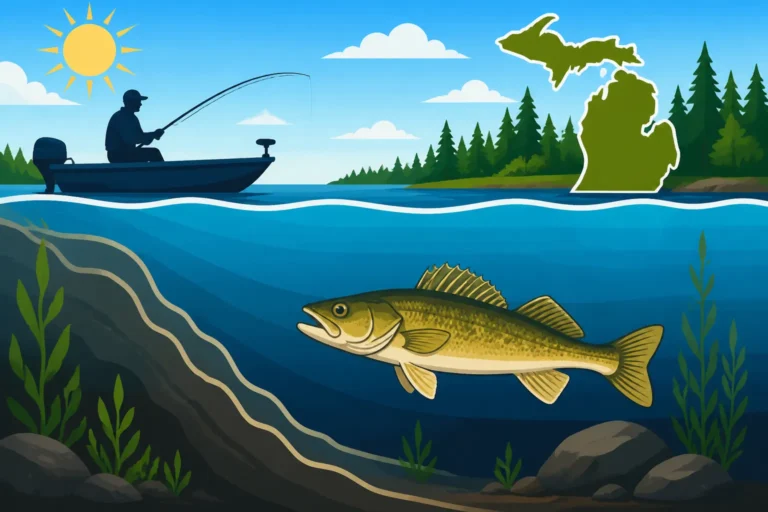
Walleye are often associated with larger, deeper bodies of water, but that's not always the complete picture. They tend to thrive in lakes and rivers with a good mix of structure and cover, from rocky reefs and drop-offs to weed beds and submerged timber. Turbidity can also play a role; while clear water certainly holds walleye, they often prefer a bit of murkiness, which helps them ambush prey with their excellent low-light vision. This means that a little bit of color in the water, or a cloudy day, can actually be a boon for walleye fishing, as it gives them a distinct advantage over their prey.
Additionally, a healthy forage base is non-negotiable for a thriving walleye population. They are predatory fish, and if there isn't an abundance of baitfish like shad, perch, or ciscoes, you simply won't find many walleye. These factors combine to create the ideal walleye environment, driving their movements and concentrations throughout the seasons.
Seasonal Movements and Habitat Shifts
Walleye are creatures of habit, but those habits change significantly with the seasons. In spring, as water temperatures rise, they move into shallower areas for spawning, often concentrating in rivers, tributary mouths, and shallow rocky reefs in lakes. This is a prime time for anglers to target them, though regulations can be strict during these sensitive periods. Many anglers eagerly await the When Does Walleye Season Open in Michigan's Lower Peninsula to get in on the action.
As summer progresses, walleye typically retreat to deeper, cooler waters, often found near thermoclines or congregating around submerged structures and humps where they can find both comfort and food. In the fall, they tend to move back to shallower flats and points as baitfish also move in, providing another excellent opportunity for consistent catches before winter sets in. Even during winter, with the right gear and techniques, Ice Fishing Techniques for Michigan Walleye can be incredibly productive, as walleye will often patrol shallower feeding flats under the ice. Understanding these annual cycles is crucial for targeting them effectively.
The Great Lakes: Walleye Havens
Michigan is blessed with unparalleled access to the Great Lakes, and these vast bodies of water are home to some of the most phenomenal walleye fisheries in the world. The sheer scale and productivity of these lakes mean that massive schools of walleye can be found, offering incredible opportunities for both quantity and trophy-sized fish.
Saginaw Bay (Lake Huron)
Saginaw Bay is, without a doubt, a premier destination for walleye anglers in Michigan, and many would argue, in the entire Great Lakes region. This expansive, relatively shallow bay on Lake Huron provides an ideal environment for walleye to flourish, boasting a robust forage base and diverse habitats. During the spring and fall, the bay's shallower reaches become walleye hotspots as fish move in to feed. Anglers often find success drifting with crawler harnesses or casting crankbaits along the numerous weed edges and shallow flats. The fishing here can be truly phenomenal, with many days yielding limits for those who know the patterns. If you're looking for consistent action and the chance at a true Michigan trophy, Saginaw Bay should be high on your list. Saginaw Bay, Michigan, Walleye Fishing on Lake Huron is a fantastic resource for more details.
Summer brings a different dynamic, with walleye often moving to deeper areas within the bay or concentrating around structure. Trolling with crankbaits or spoons becomes a highly effective strategy, covering vast amounts of water to locate scattered schools. The size of the walleye here is impressive, with plenty of fish in the 20-30 inch range common. Even in winter, the ice fishing on Saginaw Bay can be legendary, drawing shantytowns of anglers braving the cold for a shot at a delicious walleye dinner. It's a year-round fishery that consistently delivers.
Lake Erie
While only a portion of Lake Erie falls within Michigan's borders, that portion, particularly the western basin, is a world-renowned walleye factory. This shallower, nutrient-rich section of the lake provides an incredible spawning ground and feeding area for colossal numbers of walleye. The Michigan waters of Lake Erie are characterized by extensive shallow reefs, shoals, and mudflats, which are perfect for walleye during various times of the year. During the spring spawn, the Detroit River and its mouth, along with the nearshore reefs, become absolutely packed with fish.
Trolling is a popular and effective method for targeting Lake Erie walleye, with anglers often deploying planer boards and a variety of crankbaits or crawler harnesses to cover wide swaths of water. Vertical jigging also excels in certain situations, especially when walleye are holding tight to structure or concentrating in deeper channels. The sheer numbers of walleye in Lake Erie are staggering, offering anglers the chance to catch their Michigan Walleye Daily Possession Limit on a regular basis. Many anglers travel from far and wide to experience the incredible action, often finding top-tier fishing during the spring and late fall.
Other Great Lakes Walleye Opportunities
Beyond Saginaw Bay and Lake Erie, the other Great Lakes also offer fantastic, albeit sometimes more localized, walleye fishing opportunities. Lake Michigan, for example, has excellent walleye fisheries in its bays and river mouths. Green Bay, on the Wisconsin side but easily accessible from Michigan, is another walleye mecca. Closer to home, bays like Grand Traverse Bay and Little Bay de Noc can hold impressive walleye numbers, particularly in early spring and late fall.
Lake Huron, outside of Saginaw Bay, also has scattered walleye populations, with certain areas around the Thumb and in the northern reaches offering good fishing, especially near river mouths like the Au Sable. Even Lake Superior, typically known for its trout and salmon, has a decent walleye fishery in specific bays and river systems, though these are often more challenging to access and less prolific than the other lakes. The key to success on these larger, more diverse Great Lakes areas is often diligent research and understanding local patterns.
Premier Inland Lakes for Walleye
While the Great Lakes grab a lot of headlines, Michigan's inland lakes are equally important and provide incredible walleye fishing close to home for many anglers. These lakes offer a different kind of angling experience, often more intimate and requiring a deeper understanding of specific lake contours and walleye behavior.
Houghton Lake
As Michigan's largest inland lake, Houghton Lake is an absolute powerhouse for walleye fishing. This sprawling, relatively shallow lake in the northern Lower Peninsula provides an expansive habitat perfect for walleye. It's known for its abundant weed beds, sand flats, and drop-offs, which create a diverse ecosystem for both walleye and their forage. During the open water season, anglers often target walleye by trolling spinner rigs with nightcrawlers or casting crankbaits along the weed lines and over the deeper flats. Houghton Lake Fishing Guide: Michigan's Largest Inland Lake is a must-read if you plan a trip here.
Houghton Lake's reputation truly shines during the ice fishing season. It transforms into a bustling community of ice shanties, with anglers flocking from all over to target its prolific walleye population. Jigging spoons and small Rapalas tipped with minnow heads are popular choices, often fished near structure or along contours. The fish here are plentiful, and while not always trophy-sized, consistently catching 15-20 inch walleye is common, making it a favorite for many. Just remember to check the Michigan Walleye 15-Inch Minimum Size Limit before you head out.
Muskegon Lake
Muskegon Lake, connected to Lake Michigan via the Muskegon River, offers a unique and highly productive walleye fishery. This drowned river mouth lake combines characteristics of both a river and a large inland lake, benefiting from both resident walleye populations and those that move in from Lake Michigan or the Muskegon River itself. Its diverse structure, including drop-offs, deep channels, and points, provides excellent ambush points for walleye.
Anglers targeting walleye on Muskegon Lake often find success by trolling crankbaits along the channels or jigging spoons and plastics near structure. The spring and fall runs of walleye from Lake Michigan can provide exceptional opportunities, as fish stage in the lake before or after their spawning migrations up the river. Muskegon Lake, Michigan, Walleye and Perch Fishing details why this lake is so special. This lake also holds plenty of panfish, so it's a great spot to bring the family. You can often find great deals on tackle and bait for a mixed bag of species on sites like Amazon.
Other Notable Inland Walleye Lakes
Michigan is dotted with countless inland lakes that hold impressive walleye populations. Lake Gogebic in the Upper Peninsula is another legendary walleye fishery, known for its dark, stained waters and excellent numbers of fish. In the Lower Peninsula, lakes like Burt Lake and Mullett Lake, part of the Inland Waterway, offer fantastic opportunities, especially around their deeper basins and river connections. These larger, interconnected systems provide ample habitat and a healthy forage base.
Smaller, deeper lakes like Higgins Lake are also worth exploring, though their clear waters might require different Michigan Walleye Fishing Techniques, perhaps focusing on low-light periods or subtle presentations. Black Lake is another Upper Peninsula gem, particularly known for its muskellunge, but it also boasts a respectable walleye population. The key to unlocking these smaller or lesser-known lakes is often local knowledge and a willingness to explore different depths and structures. Always remember to check the current regulations for each specific lake, as some may have unique rules regarding walleye size and possession.
Top Rivers for Walleye Anglers
Michigan's rivers play a critical role in the life cycle of walleye, serving as vital spawning grounds and productive fishing locations themselves. River walleye often exhibit different behaviors than their lake-dwelling counterparts, requiring specific approaches and a keen understanding of current, structure, and seasonal movements.
The Detroit River
The Detroit River is arguably one of the most famous walleye fisheries in North America, particularly during its incredible spring run. Millions of walleye from Lake Erie migrate up the river to spawn, creating an unparalleled angling opportunity. The river's strong currents, deep channels, and abundant structure (including bridge pilings, submerged rocks, and shoals) provide ideal conditions for these migrating fish.
Vertical jigging is the quintessential technique on the Detroit River during the spring, with anglers using heavy jigs tipped with minnows or soft plastics to target walleye holding tight to the bottom in the swift current. The action can be fast and furious, with multiple hookups common. However, it's not just a spring fishery; the Detroit River holds resident walleye year-round, offering good fishing even outside the peak spawning run, particularly in the fall. Anglers should be mindful of boat traffic, especially during the spring, as it can be a very busy waterway. For those venturing out, a good quality depth finder, easily found on Amazon, can make all the difference in locating those fish-holding structures.
The Saginaw River
Flowing into Saginaw Bay, the Saginaw River is another incredibly important walleye river in Michigan. Similar to the Detroit River, it experiences a massive spring spawning run of walleye moving up from Saginaw Bay. The river's slower currents, numerous bends, and varying depths provide excellent staging and spawning habitat. Anglers often line its banks and launch boats during the spring, eagerly anticipating the arrival of these migratory fish.
Drifting with jig and minnow combinations or casting crankbaits are popular and highly effective methods on the Saginaw River. As the season progresses, walleye can be found in deeper holes and along the edges of current seams. The Saginaw River also boasts a healthy resident walleye population throughout the year, meaning that even outside the frantic spring run, dedicated anglers can find success. This river is a fantastic example of how connecting waterways serve as vital arteries for Michigan's walleye populations.
Other Riverine Walleye Opportunities
Michigan has many other rivers that offer fantastic walleye fishing, often overlooked in favor of the larger, more famous systems. The Grand River, especially near its mouth and in its lower stretches, sees strong walleye runs, particularly in spring and fall. Access points near cities like Grand Rapids can be productive for both boat and shore anglers. The Muskegon River is another excellent walleye fishery, with fish moving up from Muskegon Lake and Lake Michigan, providing consistent action throughout much of the year, including a notable fall bite.
Further north, the Au Sable River, while famed for its trout, also holds a respectable walleye population in its lower reaches, especially closer to Lake Huron. Even smaller rivers and tributaries throughout the state can offer surprising walleye opportunities, especially during the early spring spawning period when fish seek out suitable shallow, gravelly bottoms to lay their eggs. Exploring these lesser-known river systems can yield incredible rewards for adventurous anglers.
Optimizing Your Walleye Angling Success
Knowing where the walleye are is only half the battle; knowing how to approach those waters and what gear to use can dramatically increase your success rate. From understanding specific techniques for different environments to being prepared with the right equipment, a thoughtful approach will always pay off.
Essential Gear for Walleye Waters
Having the right tackle makes a huge difference, whether you're battling current in a river or trolling vast open waters. For river jigging, a sensitive medium-light to medium power spinning rod, about 6 to 7 feet long, paired with a reliable spinning reel spooled with 8-10 pound braided line and a fluorocarbon leader, is a common setup. This allows for excellent feel in current and strong hooksets. You can find quality rods and reels for different budgets on Amazon. For trolling, specialized trolling rods with a softer tip but strong backbone are preferred, often paired with baitcasting reels equipped with line counters to precisely control depth.
Lures are, of course, critical. Jigs tipped with live bait (like minnows or nightcrawlers) or soft plastics are staples for vertical jigging and casting. Crankbaits, both shallow and deep-diving models, are indispensable for trolling and covering water. Spinner rigs with crawler harnesses are also incredibly effective, especially when drifted or trolled slowly. Don't forget a good selection of terminal tackle, including hooks, swivels, and sinkers. And always, always check the Best Bait for Michigan Walleye for specific recommendations.
| Water Type | Primary Technique(s) | Typical Lures/Bait | Key Gear Considerations | Best Seasons |
|---|---|---|---|---|
| Great Lakes (Bays) | Trolling, Drifting, Jigging | Crankbaits, Crawler Harnesses, Jigs | Planer Boards, Trolling Rods, Line Counters, Depth Finder | Spring, Summer (deep), Fall, Winter (ice) |
| Inland Lakes | Trolling, Casting, Jigging | Crankbaits, Spinner Rigs, Jigs, Minnows | Sensitive Spinning Rods, Electric Trolling Motor | Spring, Summer (structure), Fall, Winter (ice) |
| Rivers | Vertical Jigging, Drifting | Jigs (minnow/plastic), Crankbaits | Heavy Jigs, Strong Rods for Current, Current-Resistant Boat | Spring (spawn), Fall, Summer (resident fish) |
Reading the Water and Adapting Techniques
No two days on the water are exactly alike, and successful walleye anglers are those who can read the conditions and adapt their Michigan Walleye Fishing Techniques accordingly. In rivers, understanding current seams, eddies, and subtle depth changes can be the difference between a full livewell and an empty one. On lakes, identifying submerged humps, weed lines, rock piles, and transitions in bottom composition are crucial. Pay attention to factors like wind, sunlight, and water temperature – these can all influence where walleye are holding and how aggressively they'll bite.
If you're not getting bites with one technique or lure, don't be afraid to switch it up. Try a different color, change your retrieve speed, or move to a different depth. Sometimes, a subtle change, like going from a jig to a bottom-bouncing spinner rig, can completely turn your day around. Continuous learning and experimentation are part of the joy of walleye fishing, and the more time you spend observing and adapting, the more consistently you'll find success in Michigan's best walleye waters. Whether you're a seasoned pro or just starting out, there's always something new to learn.
Disclaimer
This article is for general informational purposes only and does not constitute professional advice. Laws, prices and regulations vary by location and change over time. Consult a qualified professional for guidance on your specific situation.