Michigan Great Lakes Fishing Regulations Guide
There’s nothing quite like the immense challenge and incredible reward of fishing Michigan's Great Lakes. From the vast, deep waters of Lake Superior to the bustling fisheries of Lake St. Clair, these inland seas offer unparalleled angling experiences. However, the sheer scale and unique ecosystems also mean that fishing here comes with a distinct set of rules. Navigating these regulations can feel overwhelming, but understanding them is crucial not only for avoiding hefty fines but, more importantly, for preserving these world-class fisheries for everyone. This comprehensive guide aims to demystify the Michigan Great Lakes fishing regulations, helping you fish confidently and responsibly.
The Unique Landscape of Great Lakes Regulations
Fishing the Great Lakes isn't just a bigger version of fishing your local inland pond; it’s an entirely different ballgame, and the regulations reflect that. The sheer size and interconnectedness of these waters, coupled with shared borders, introduce layers of complexity that require a careful approach.
Why Great Lakes Rules Differ from Inland Waters
The Great Lakes are truly unique, acting more like freshwater oceans than typical lakes. Their vastness, extreme depths, and complex food webs support migratory fish populations that travel hundreds of miles. This ecological distinction is the primary reason why their fishing regulations often diverge significantly from those governing Michigan's smaller inland lakes and rivers. For instance, the year-round open season for trout and salmon in the Great Lakes contrasts sharply with the seasonal closures found on many inland trout streams. This difference accounts for the diverse life cycles and spawning behaviors of Great Lakes species, many of which are anadromous, meaning they spend most of their lives in the big lakes but run up rivers to spawn. Managing these colossal bodies of water also involves coordination between multiple states—Michigan, Wisconsin, Illinois, Indiana, Ohio, Pennsylvania, New York, and Minnesota—as well as Canada, all of whom have a vested interest in the health of the shared fishery. This multi-jurisdictional aspect means that regulations are often a delicate balance of conservation needs, scientific data, and stakeholder input from various regions. The complexity isn't just about fish; it's about the entire ecosystem, including baitfish populations, water quality, and even the impact of shipping.
Understanding Boundary Water Rules
One of the most perplexing aspects of Great Lakes fishing can be the concept of "boundary waters." Michigan shares significant aquatic borders with neighboring states and Canada, and depending on where you drop your line, the rules can change literally by a few feet. For example, if you're fishing the waters that border Wisconsin on Lake Michigan or Lake Superior, you might find specific regulations that differ from Michigan's standard statewide rules. The same applies to Lake Huron, which borders Canadian waters, or Lake Erie, which borders Ohio and Canada. While Michigan's license generally covers its territorial waters, venturing too close to, or crossing, an invisible state or international boundary could put you in violation of another jurisdiction's laws. This is particularly relevant when fishing highly productive shared areas like the St. Clair River, where Michigan and Ontario regulations apply, or parts of Lake Erie where Ohio and Michigan rules intertwine. It’s not uncommon for anglers to inadvertently cross these lines, especially when trolling or drift fishing, leading to potential issues with licenses, bag limits, or even permitted tackle. Always be aware of your location, perhaps using a reliable GPS unit, and carry a copy of all applicable regulations if you plan to fish near these invisible lines. The complexity means that if you're targeting fish on the Detroit River, for instance, you need to be acutely aware of both Michigan and Ontario’s regulations, which often leads to different rules regarding possession limits, size, and even types of bait or tackle allowed. This isn't meant to scare you, but rather to emphasize the due diligence required to fish these incredible resources legally and responsibly.
Essential Licensing for Great Lakes Anglers
Before you even think about casting a line into the vast waters of the Great Lakes, securing the correct fishing license is step number one. The rules here are quite straightforward, but there are important distinctions to be aware of, especially concerning residency and age.
Who Needs a Michigan Fishing License on the Great Lakes?
Generally speaking, almost everyone needs a valid Michigan fishing license to fish in the Great Lakes, just as they would in any other public water in the state. The rules are pretty clear: if you are 17 years of age or older, you need a license. This applies whether you're casting from a pier in Grand Haven, trolling for salmon on Lake Michigan, or ice fishing for walleye on Saginaw Bay. There are very few exceptions to this rule. One notable exception is during Michigan's two annual Free Fishing Weekends. These special weekends, usually one in February and one in June, allow both residents and non-residents to fish Michigan waters, including the Great Lakes, without needing a license. These weekends are a fantastic opportunity to introduce newcomers to the sport or for seasoned anglers to enjoy a stress-free outing. However, even during these free weekends, all other fishing regulations, such as bag limits and size restrictions, still apply. Otherwise, if you're 17 or older, that license needs to be in your possession. For those wondering, "Do you need a license to fish in Michigan?", the answer is almost always yes for adults. Even if you're fishing from a private boat on the Great Lakes, as long as it's within Michigan waters, a license is required for anyone age 17 and up.
Resident vs. Nonresident Considerations for Great Lakes Fishing
Michigan offers different fishing license options and prices based on your residency status. To qualify as a Michigan resident for licensing purposes, you must generally have continuously resided in the state for at least six consecutive months immediately preceding the application for a license. This means having a valid Michigan driver's license or state ID is usually the easiest way to prove residency. For those who call Michigan home, the annual resident fishing license is the most common and cost-effective choice, providing access to all public waters for a full year. Nonresidents, on the other hand, face higher license fees, which is standard practice in many states to help fund local conservation efforts. However, Michigan is very accommodating for out-of-state visitors who want to experience its world-class Great Lakes fishing. Nonresidents can purchase annual licenses, or if they're only visiting for a short trip, they can opt for a 24-hour license. This short-term option is perfect for a weekend getaway to try your hand at salmon fishing out of Ludington or chasing smallmouth bass on Lake St. Clair. Understanding these distinctions is crucial, as misrepresenting your residency can lead to penalties. You can find detailed breakdowns of these costs and different license types in our guide on Michigan Fishing License Costs and Types Explained and for out-of-state anglers, there's a comprehensive resource on Nonresident Fishing in Michigan: What the Law Requires.
How to Obtain Your Great Lakes Fishing License
Getting your Michigan fishing license is thankfully a pretty straightforward process these days, designed for convenience. You have several easy options to choose from, ensuring you can get your license quickly and efficiently, often without even leaving your home. The most popular method is to buy your Michigan fishing license online through the Michigan Department of Natural Resources (DNR) eLicense system. This platform is available 24/7, allowing you to purchase and print your license from anywhere with internet access. It’s incredibly convenient, especially if you decide on a last-minute fishing trip. Once purchased, you'll receive a digital copy, and carrying it on your smartphone is usually sufficient, though a printed copy is also a good idea. Another increasingly popular option is using the Michigan DNR Hunt Fish App. This mobile application, available for both iOS and Android devices, allows you to purchase licenses directly from your phone, view regulations, and even report certain harvests, like muskellunge, right from the water. It’s a fantastic tool for the modern angler. For those who prefer a more traditional route, licenses are also available in person at hundreds of authorized license retailers across the state, including many sporting goods stores, bait shops, and some big-box stores. This can be a great opportunity to grab some local tackle and get a last-minute fishing report from the knowledgeable staff. No matter which method you choose, ensure you have your personal identification information ready. For more detailed instructions, check out our guide on How to Buy a Michigan Fishing License or for specific digital options, dive into Buying a Michigan Fishing License Online and Can You Buy a Michigan Fishing License on the DNR Hunt Fish App?.
Species-Specific Regulations in Great Lakes Waters
The Great Lakes are home to an incredible diversity of fish species, and each one comes with its own set of rules regarding size, bag limits, and sometimes even seasonal restrictions. Understanding these specifics is paramount, especially when targeting popular game fish.
Salmon and Trout Regulations
Michigan's Great Lakes are world-renowned for their spectacular salmon and trout fishing, attracting anglers from across the globe. You'll find a variety of species here, including powerful Chinook (King) salmon, acrobatic Coho (Silver) salmon, deep-dwelling Lake Trout, vibrant Steelhead (which are essentially migratory Rainbow Trout), elusive Brown Trout, and even some stocked Atlantic Salmon, particularly in Lake Huron. The regulations for these species often involve combined possession limits. For instance, across the Great Lakes, there’s typically a combined daily possession limit for all salmon and trout species. This means you can't just keep your daily limit of Chinook, then another daily limit of Coho, and then another of Lake Trout. You have to count them all together towards a single, overarching limit. It’s crucial to know the specific size limits for each species, too, as they can vary slightly. For example, some Chinook salmon might need to be at least 10 inches, while Lake Trout could have a 15-inch minimum. The good news for Great Lakes anglers is that for trout and salmon, the Great Lakes (and their connecting waters like the St. Marys River or St. Clair River) are generally open year-round, which is a significant difference from many inland streams that have seasonal closures. This allows for fantastic spring, summer, fall, and even winter fishing opportunities. For a deeper dive into these species and their habits, explore our articles on Michigan Salmon Species Explained and Michigan Trout Species Explained, and make sure you're familiar with the Michigan's Combined Trout and Salmon Daily Limit.
A common scenario involves an angler trolling on Lake Michigan. They might catch a 20-inch Chinook, an 18-inch Coho, and a 25-inch Lake Trout. If the combined daily limit is 5, and the minimum size for each is met, they're well within their rights. However, if they caught two more Coho, reaching their combined limit of 5, they couldn't keep any more salmon or trout that day, even if they hooked a giant Steelhead. It’s also important to differentiate Steelhead from inland Rainbow Trout. While genetically the same, Steelhead are migratory, growing much larger in the Great Lakes before returning to rivers to spawn. Their rules often align more closely with salmon in the Great Lakes context. The continuous open season on the Great Lakes for these species, detailed in articles like Michigan's Great Lakes Year-Round Trout Season, provides incredible flexibility for anglers, but it places an even greater responsibility on them to adhere strictly to the daily and possession limits to ensure sustainability.
Walleye and Perch Rules
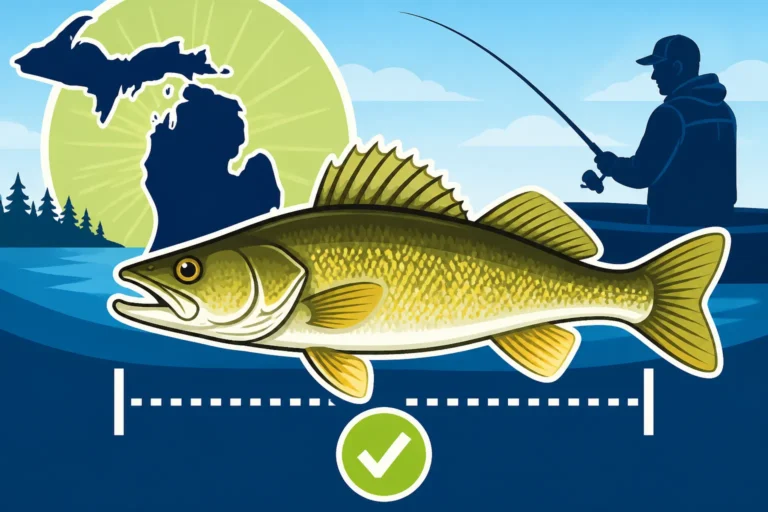
Walleye and yellow perch are two of the most sought-after table fish in the Great Lakes, particularly in Lake Erie, Saginaw Bay (Lake Huron), and parts of Lake St. Clair. Their popularity means their regulations are often meticulously managed to ensure healthy populations for both sport and commercial fishing (where applicable). Walleye, known for their delicious fillets, typically have a minimum size limit and a daily bag limit that can vary by specific body of water. For instance, Lake Erie, being a world-class walleye fishery, often has very specific rules, including potential slot limits. A slot limit means you might be able to keep fish under a certain size and over another size, but not within a "protected slot" in the middle, which is designed to protect prime breeding-age fish. Saginaw Bay also experiences highly regulated walleye seasons and limits due to its immense popularity and critical role as a spawning ground. You'll want to check specific guides like Michigan Walleye Size and Possession Limits before heading out.
Yellow perch, a panfish favorite, are also heavily pursued, especially by family anglers. While often more abundant, perch too have daily bag limits. Areas like Lake St. Clair and the St. Clair River, famous for their perch fishing, often have specific limits that might be different from other Great Lakes waters. It's not uncommon to find areas where the perch limit is generous, but it's never unlimited. For a specific example, the Michigan Yellow Perch Limit on Lake St. Clair details the particular rules for that highly productive waterbody. Given that perch fishing is often a group activity, it's vital for each angler to understand and adhere to their individual limits to avoid communal overharvest. These regulations are often fine-tuned based on annual surveys and population assessments, making it critical to consult the most current Michigan DNR fishing guide for the exact numbers before each season.
Muskellunge and Northern Pike
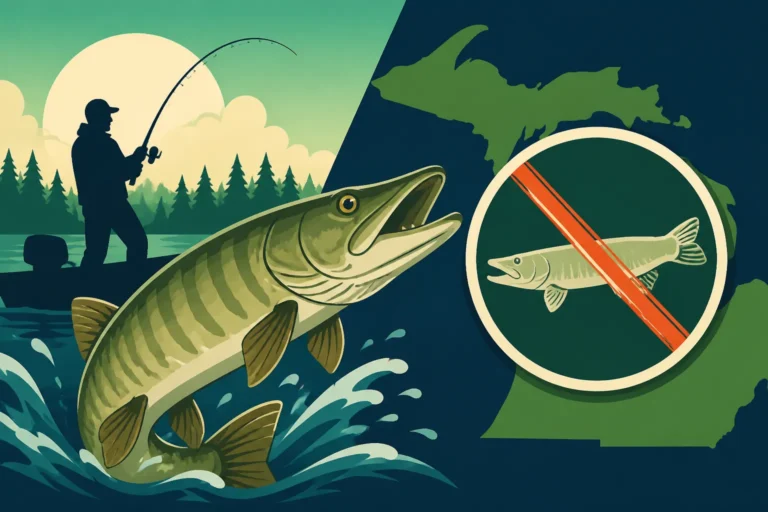
For those seeking a true freshwater apex predator, the Great Lakes offer incredible opportunities for muskellunge (muskie) and northern pike. These toothy giants are revered for their strength and challenging fight, but their management reflects their slower growth rates and importance as trophy fish. Muskellunge, in particular, are almost universally managed as a catch-and-release fishery in Michigan, with exceptionally high minimum size limits – often 42 inches, 50 inches, or even higher, depending on the specific lake. Lake St. Clair, for example, is famous for its muskie fishery and has stringent rules in place. The daily bag limit for muskellunge is typically one fish per angler per year, and if you are lucky enough to harvest one, there is a mandatory 24-hour reporting requirement. This means you must register your catch with the DNR, either online or through the app, within a day of landing it. This data is vital for DNR biologists to monitor populations and adjust management strategies. You can find more information about these crucial steps in Michigan Muskellunge Harvest Reporting Rules and details on limits in Michigan Muskellunge Daily Catch Limit.
Northern pike, while also large and aggressive, are generally more abundant and have more liberal regulations than muskellunge. However, they still have minimum size limits and daily bag limits that must be observed. For both species, identifying them correctly is important, as they can sometimes be confused. Muskies have irregular dark spots or bars on a lighter body, while pike typically have lighter, bean-shaped spots on a darker body. The tail fin shape is also a key identifier. Proper handling is essential for these large fish, especially if you plan to release them, which is often the case with muskellunge. Using a large rubberized net and long-nosed pliers or jaw spreaders (easily found on Amazon) to remove hooks minimizes harm and increases their survival chances. For information on specific lakes that might have unique muskie size limits, explore resources like Michigan Lakes With a 50-Inch Muskellunge Minimum.
Gear, Method, and Boat Regulations
Fishing the Great Lakes often involves specialized gear and techniques, particularly when venturing out on the vast open water. Just like the fish, your equipment and how you use it are subject to regulations, especially concerning boats and certain fishing methods.
Permitted Fishing Methods and Gear Restrictions
In Michigan, standard hook-and-line fishing is the most common and widely permitted method across the Great Lakes. Anglers are generally allowed to use up to three lines per licensed individual, a generous allowance compared to some other states. However, there are nuances to consider regarding terminal tackle and bait. For example, certain areas or specific seasons (particularly in tributary streams during spawning runs) might have restrictions on the use of treble hooks or on the number of hooks per line. The use of live bait is generally allowed, but there are critical regulations concerning the transfer of baitfish. To prevent the spread of invasive species and fish diseases (like Viral Hemorrhagic Septicemia, or VHS), it is illegal to transfer live baitfish from one body of water to another. This means if you catch minnows in Lake Erie, you cannot then take them to Lake Huron to use as bait. You must either use baitfish caught from the same body of water, or purchase certified disease-free bait from a registered dealer. Always dispose of unused bait properly and never dump it into any waterbody. Specific regulations might also apply to spearing, which is only allowed for certain rough fish species like suckers and carp, and often requires specific permits or occurs only during certain times of the year. Always consult the current Michigan DNR Fishing Guide to confirm specific restrictions on bait and tackle for the precise area you plan to fish.
Boat Registration and Safety Requirements on the Great Lakes
For most anglers, fishing the Great Lakes means heading out on a boat, which brings with it a whole other set of regulations. Any boat with a motor, regardless of size, or any sailboat 16 feet or longer, must be registered with the Michigan Secretary of State. This includes even small boats with electric trolling motors. Kayaks and canoes, unless motorized, are generally exempt from registration. Your boat registration must be renewed every three years, and registration numbers must be displayed prominently on the bow, along with current registration decals. Neglecting this is a quick way to draw the attention of the Michigan DNR or the U.S. Coast Guard. Beyond registration, boating safety is paramount on the vast and often unpredictable Great Lakes. All vessels must carry specific safety equipment, including U.S. Coast Guard-approved life jackets for every person on board, a fire extinguisher, a sound-producing device (like a horn or whistle), and navigation lights if operating between sunset and sunrise. Children under 6 years of age are required to wear a life jacket when on any vessel on Michigan waters. Certain operators, particularly those born after December 31, 1978, must also carry a Michigan Boating Safety Certificate when operating a motorboat. You can delve deeper into these requirements in our comprehensive guide on Michigan Boat Registration Requirements and our overview of Michigan Boating Laws for Anglers. Keeping your vessel properly equipped and registered isn't just about avoiding fines; it's about ensuring your safety and the safety of everyone else on the water. For more on renewal, check Michigan Boat Registration Cost and Renewal.
Using Downriggers, Planer Boards, and Other Trolling Gear
Trolling is arguably the most effective and popular method for targeting salmon and trout on the expansive Great Lakes. This technique often involves specialized gear like downriggers and planer boards, which allow anglers to present lures at specific depths and across a wide spread behind the boat. Downriggers are devices that use a heavy weight (often a cannonball) to pull your fishing line and lure down to a precise depth, allowing you to target fish holding in the thermocline or near the bottom. Modern downriggers often come with digital depth counters and can be incredibly precise. Planer boards, on the other hand, are floats that pull lines out to the side of the boat, effectively widening your trolling spread and allowing you to run multiple lines without tangling. This is especially useful for targeting active fish across a broader area or getting lures away from the boat's prop wash. While Michigan generally allows multiple lines (up to three per licensed angler), the use of these advanced trolling accessories is largely unregulated in terms of their mere presence on the boat. However, ensuring you adhere to line limits is still key. Many anglers will set up elaborate trolling spreads with multiple downriggers and planer boards, all running different lures at varying depths and distances. Finding the right downrigger weights and clips, or a full planer board setup, is easily done on Amazon or at local tackle shops. Understanding how to deploy and retrieve this gear safely and efficiently is a skill developed over time, but the rewards of catching a trophy salmon far offshore are well worth the effort. Modern fish finders are almost essential for this type of fishing, helping you locate bait balls and target fish holding at specific depths.
General Great Lakes Angling Best Practices and Conservation
Beyond the black-and-white rules, being a responsible Great Lakes angler means adopting best practices that contribute to the long-term health of these incredible fisheries. This includes careful fish handling, identification, and an awareness of environmental threats.
Understanding and Identifying Your Catch
One of the most common pitfalls for anglers, especially those new to Great Lakes fishing, is misidentifying their catch. Many species have similar appearances, and a mistake can lead to accidental violations of size or bag limits. For example, juvenile Chinook and Coho salmon can look very similar, but their minimum size limits might differ slightly. Even more critical is distinguishing between a Lake Trout and a Splake (a hybrid of a Lake Trout and Brook Trout), as their regulations can be vastly different depending on the waterbody. Lake trout often have a deeply forked tail and worm-like markings, while splake can have a less forked tail and a blend of markings. Our guides like Lake Trout Identification in Michigan and Splake vs Lake Trout: What's the Difference can provide crucial visual cues. The same goes for distinguishing between a Walleye and a Sauger, two species that can be confused but have different management schemes. Always take a moment to positively identify your catch before deciding whether to keep it or release it. Carry a good fish identification chart (many are waterproof and easily stowed in a tackle box or boat compartment) and a reliable measuring device. Quick and accurate measurement against a sturdy bump board is essential. A great tip is to quickly take a photo of an unfamiliar fish with your phone before releasing it, so you can identify it later, or show it to a local expert. Knowledge truly is power when it comes to compliance and conservation.
Catch and Release for Future Generations
While Michigan’s Great Lakes offer fantastic opportunities for harvesting fish for the dinner table, practicing proper catch-and-release techniques is vital for sustaining the populations of sensitive or trophy species. This is particularly true for muskellunge, which grow slowly and are often released due to their large size limits and the "one fish per year" rule. But it also applies to smaller trout and salmon, especially if you've already met your daily bag limit or are targeting specific areas known for healthy juvenile populations. The key to successful catch and release is minimizing stress and injury to the fish. Here are a few tips:
- Handle with Care: Wet your hands before touching the fish to protect its slime coat, which acts as a barrier against disease. Avoid squeezing the fish, especially around its internal organs.
- Minimize Air Exposure: Keep the fish in the water as much as possible. If you must remove it for a quick photo, do so quickly and return it to the water immediately. Every second out of water is stressful.
- Use Proper Tools: Invest in a large, rubberized landing net that doesn’t strip the fish’s slime coat and helps to untangle hooks safely. Long-nosed pliers or a de-hooking tool are invaluable for quickly removing hooks, especially treble hooks, without tearing the fish’s mouth.
- Revive Gently: If a fish seems sluggish after being caught, hold it gently in the water, facing into the current, until it can swim away on its own. Never just toss a tired fish back into the water.
These practices not only ensure the fish's survival but also help to maintain robust fisheries for everyone to enjoy for years to come. Many essential tools for ethical catch and release, such as rubber nets and de-hookers, are readily available on Amazon or at your local tackle shop.
Dealing with Invasive Species
The Great Lakes ecosystem is constantly facing threats from invasive species, which can drastically alter habitats and impact native fish populations. As anglers, we have a critical role to play in preventing their spread and, in some cases, can even help manage them. Species like the Round Goby, Zebra Mussels, and Quagga Mussels are well-established, but new threats constantly emerge. The Round Goby, an invasive bottom-dwelling fish, competes with native species for food and habitat and can even consume the eggs of game fish. While often considered a nuisance, some anglers choose to use them for bait (where legal and only caught from the same body of water), or simply dispatch them if caught, as it is illegal to release them back into the water once caught in Michigan. For a deeper understanding of these threats, our resource on Invasive Fish Species in Michigan Waters is an excellent starting point.
The most important practice for preventing the spread of all invasive species is "Clean, Drain, Dry."
- Clean: Remove all visible mud, plants, fish, and other organisms from your boat, trailer, waders, and fishing gear before leaving the launch area. Pay special attention to anchors and ropes.
- Drain: Drain all water from your boat, live wells, bilge, and engine before transporting it to another body of water.
- Dry: Allow your boat and all gear to dry completely for at least five days before using it in another waterbody. If drying isn't possible, consider washing with high-pressure, hot water.
By diligently following these steps, every angler becomes a front-line defender of Michigan's precious Great Lakes fisheries.
Staying Updated and Informed
Regulations aren't static; they can change annually, and sometimes even mid-season, based on scientific assessments, environmental factors, or public input. Relying on outdated information is a sure path to frustration or, worse, a violation.
The Michigan DNR Fishing Guide and Resources
When it comes to Great Lakes fishing regulations, there is one ultimate authority: the Michigan DNR Fishing Guide. This comprehensive publication is updated annually and contains all the current rules and regulations for every body of water in Michigan, including the specific nuances of the Great Lakes. It details everything from licensing requirements and general fishing rules to species-specific size and bag limits, season dates, and even special regulations for particular lakes or river stretches. You can find the Michigan Fishing Regulations Digest PDF for the current year readily available for free download on the Michigan DNR website. Many sporting goods stores, bait shops, and DNR customer service centers also distribute printed copies. Think of it as your angling bible. Before every season, and especially before venturing into unfamiliar Great Lakes waters, make it a point to download or pick up the latest guide. Regulations can sometimes be adjusted based on fish population health, new scientific data, or emerging ecological concerns, so what was legal last year might not be this year. Taking the time to read through the relevant sections will save you a lot of guesswork and potential trouble. For a detailed walkthrough on how to navigate this essential document, check out Reading the Michigan Fishing Regulations Digest.
Using Technology to Your Advantage
In today's digital age, staying informed about fishing regulations is easier than ever, thanks to technology. The Michigan DNR has embraced these tools to help anglers comply with the rules. The primary technological resource for Michigan anglers is the Michigan DNR Hunt Fish App. This free application, available on both Apple and Android devices, is a powerhouse of information. Not only can you purchase and carry your fishing license digitally on your phone, but it also provides immediate access to the entire Michigan Fishing Guide. This means you can quickly look up a specific regulation or species limit right on the water, even if you don't have a paper copy handy. Furthermore, the app allows for mandatory reporting of certain harvests, such as muskellunge, which is crucial for DNR data collection. It can also help you find DNR customer service centers or licensed dealers if you need in-person assistance.
Beyond the official DNR app, engaging with the broader angling community through online forums, social media groups, and local fishing report websites can also provide valuable, real-time insights into fishing conditions and any urgent regulatory updates. These communities often share localized knowledge about specific areas of the Great Lakes that might have unique challenges or fishing opportunities. However, always remember that while community knowledge is helpful, it should never replace verification with the official DNR guide. Use these platforms to enhance your understanding and connect with fellow anglers, but always cross-reference critical information with the DNR's official sources.
| Species | Typical Great Lakes Season | Common Minimum Size Limit | Common Daily Bag Limit | Notes |
|---|---|---|---|---|
| Chinook Salmon | Year-round (peak summer/fall) | 10 inches | 5 (combined w/ trout/salmon) | Prized for size and fight. |
| Coho Salmon | Year-round (peak spring/fall) | 10 inches | 5 (combined w/ trout/salmon) | Known for acrobatic fights. |
| Lake Trout | Year-round | 15 inches | 5 (combined w/ trout/salmon) | Deep water species, often found on structure. |
| Steelhead (Rainbow Trout) | Year-round (peak spring/fall) | 10 inches | 5 (combined w/ trout/salmon) | Migratory river spawners, strong fighters. |
| Brown Trout | Year-round | 10 inches | 5 (combined w/ trout/salmon) | Often found near shore and river mouths. |
| Walleye | Open year-round (exceptions apply) | 15 inches | 5 | Specific slot limits/closures in certain areas (e.g., Lake Erie, Saginaw Bay). |
| Yellow Perch | Year-round | None (some areas) | 25 | Highly popular panfish; limits can vary by specific waterbody. |
| Muskellunge | June – Nov. 30 (specific dates) | 42-50 inches (varies by lake) | 1 per angler per year | Catch & Release encouraged; 24-hr harvest reporting mandatory. |
| Northern Pike | Year-round | 24 inches | 5 | Generally more liberal limits than muskellunge. |
Note: This table provides common regulations. Always verify with the current Michigan DNR Fishing Guide for specific water bodies and potential seasonal changes.
Disclaimer
Please remember that fishing regulations are subject to change. While this guide provides comprehensive and up-to-date information, it is always your responsibility to consult the current official Michigan Department of Natural Resources (DNR) Fishing Guide before heading out on the water. The DNR guide is the ultimate legal authority on all fishing rules and regulations in Michigan.