Michigan Fishing License Costs and Types Explained
Trying to figure out Michigan fishing license costs and the different types can feel like navigating a maze, especially with all the rules and regulations that seem to shift. It’s not just about slapping some money down; you want to make sure you’re getting the right license for your specific needs, whether you're a lifelong resident eyeing the next walleye run or just visiting for a weekend on the Great Lakes. This comprehensive guide is here to untangle all that confusion, breaking down every facet of Michigan's fishing licenses to ensure you're compliant, informed, and ready to hit the water with confidence.
Why You Need a Fishing License in Michigan
Many anglers, especially those new to the sport or visiting from out of state, often wonder about the necessity of a fishing license. It might seem like just another fee, but in Michigan, your fishing license is far more than a simple permit; it's a critical component of sustaining the very fisheries and natural resources we all enjoy. Without these funds, the vibrant angling opportunities Michigan offers would quickly diminish.
The Importance of Funding Conservation Efforts
Every dollar spent on a Michigan fishing license directly contributes to vital conservation efforts managed by the Michigan Department of Natural Resources (DNR). Think of it as an investment in your passion. These funds are meticulously allocated to programs that ensure our lakes, rivers, and streams remain healthy and teeming with fish. This includes everything from stocking programs that introduce millions of fish annually into state waters, enhancing populations of species like trout, salmon, and walleye, to habitat restoration projects that improve spawning grounds and overall ecosystem health.
Beyond stocking and habitat, license revenue supports crucial scientific research that helps the DNR understand fish populations, monitor water quality, and manage invasive species. It also funds law enforcement efforts by conservation officers, who work tirelessly to ensure fair fishing practices and protect our natural heritage for future generations. When you purchase a license, you're not just buying the right to fish; you're actively participating in the stewardship of Michigan's incredible aquatic resources. For a deeper dive into the broader rules, consider our article on Michigan Fishing Regulations Every Angler Should Know.
Legal Consequences of Fishing Without a License
While the conservation aspect is a compelling reason to get your license, let's be realistic: the legal ramifications of not having one are a powerful motivator. Fishing without a valid Michigan fishing license is a violation of state law, and ignorance is simply no excuse in the eyes of the law. If a conservation officer checks your license and you don't have one, or if it's expired, you could face significant penalties.
These consequences typically include hefty fines that can easily outweigh the cost of an annual license, court costs, and potentially the confiscation of your fishing gear. In some severe cases, especially repeat offenses, you could even lose your fishing privileges for a period. Imagine planning a dream trip to fish for salmon on the Manistee River or walleye in Saginaw Bay, only to have your day cut short by a citation and a substantial fine. It's a frustrating and costly experience that is easily avoided by simply purchasing the correct license beforehand.
Understanding Michigan Resident Fishing Licenses
If you call Michigan home, the state offers a variety of fishing license options tailored to your residency status, providing excellent value for regular anglers. Knowing which license applies to you and what it entails is the first step to a hassle-free fishing season.
Annual Resident Fishing License Details
For most Michigan residents, the annual fishing license is the go-to option. To qualify as a resident, you generally must have resided in Michigan for at least six consecutive months immediately preceding your application, and be able to provide proof of residency, such as a Michigan driver's license or state ID. This single "All-Species" license grants you the privilege to fish for all species in all waters open to fishing across the state, from the smallest stream to the vast expanse of the Great Lakes. The convenience of this "All-Species" approach means you don't need to worry about purchasing separate stamps or endorsements for different types of fish like trout or salmon, or for specific bodies of water. It covers everything. This license is valid from March 1st of the year of purchase until March 31st of the following year, ensuring a full year of angling enjoyment. For the precise breakdown, check out our guide on Michigan Resident Annual Fishing License Cost.
Senior Resident Fishing License Benefits
Michigan highly values its senior residents and recognizes their years of contribution to the state's outdoor heritage. As such, anglers aged 65 and older who are Michigan residents are eligible for a significantly discounted annual fishing license. This is a fantastic benefit, making it more affordable for seasoned anglers to continue enjoying their passion. Applying for a senior license is straightforward, typically requiring proof of age and residency. It's the state's way of saying thank you and encouraging continued participation in Michigan's rich fishing culture. We detail the savings in our article, Michigan Senior Fishing License Discount.
Michigan 24-Hour Fishing License Option
Sometimes, you just can't commit to a full year of fishing, or you might be trying out the sport for the first time. That's where the Michigan 24-hour fishing license comes in handy for residents. This short-term license is perfect for a spontaneous day trip, a weekend getaway where you only plan to fish for a single day, or for introducing a friend or family member to fishing without the larger upfront cost of an annual license. It provides all the same privileges as an annual license but is only valid for a consecutive 24-hour period from the specified start time of purchase. While it offers flexibility, it's crucial to calculate if this option is truly cost-effective if you anticipate fishing more than a few times a year. For a more detailed look, see Michigan 24-Hour Fishing License Explained.
Youth and Legally Blind Resident Licenses
Michigan is keen on fostering a love for fishing in its younger generations, and the licensing rules reflect this. Resident youth under the age of 17 do not need a fishing license to fish in Michigan waters, making it incredibly easy for families to get kids hooked on fishing without additional costs or paperwork. This makes the sport highly accessible for youngsters and encourages early participation.
Additionally, Michigan offers a discounted annual fishing license for residents who are legally blind. This initiative ensures that physical challenges do not become financial barriers to enjoying the state's abundant fishing opportunities. Eligibility for this special license requires specific documentation certifying legal blindness, which can be provided to the DNR when purchasing the license. It's an important program that highlights Michigan's commitment to inclusive outdoor recreation for all its citizens. More information for young anglers can be found in Michigan Youth Fishing License Rules.
Navigating Nonresident Fishing Licenses in Michigan
For those of us who travel to Michigan specifically for its world-class fishing, understanding nonresident license requirements is paramount. While the costs are generally higher than for residents, the state ensures that visitors still have flexible and comprehensive options to enjoy its waters.
Annual Nonresident Fishing License Details
If you're an angler from outside Michigan planning multiple trips throughout the year or an extended stay, the annual nonresident fishing license is your most comprehensive option. Just like the resident version, this is an "All-Species" license, meaning it covers all legal fish species in all Michigan waters open to fishing. However, the price point for nonresidents is significantly higher, a common practice across states to account for the fact that nonresidents do not contribute to the state's natural resource funding through state taxes. This license is valid from March 1st to March 31st of the following year, offering a full season of opportunities. This is the ideal choice for those who frequently visit Michigan's celebrated fishing destinations, from the famed salmon runs of the Pere Marquette River to the bass factories of Lake St. Clair. For a precise breakdown, our article on Michigan Nonresident Annual Fishing License Cost can help.
Nonresident 24-Hour Fishing License Flexibility
For many out-of-state visitors, a full annual license might be overkill, especially if you're only planning a single weekend trip or a brief vacation. This is where the nonresident 24-hour fishing license truly shines. It offers exceptional flexibility and a more budget-friendly entry point for short-term angling. This license is perfect for tourists spending a day or two trying to land a trophy walleye on Lake Erie or casting for trout in an Upper Peninsula stream. It activates from the exact hour of purchase and remains valid for a continuous 24-hour period. While seemingly simple, it's a great way to experience Michigan fishing without committing to a full year's investment. If your trip extends beyond a single day but less than a full year, you might find yourself needing to purchase multiple 24-hour licenses, so it's always wise to compare the total cost against an annual pass if you anticipate more than a couple of short outings.
Special Considerations for Nonresident Youth
Just like with resident youth, Michigan makes it easy for young, nonresident anglers to get involved in the sport. Nonresident youth under the age of 17 do not need a fishing license to fish in Michigan. This policy removes a barrier for families traveling to Michigan, allowing children to participate in fishing trips without the added expense or administrative hassle. It’s an excellent way to encourage young people from all over to experience Michigan's incredible fishing heritage. However, parents or guardians should always be familiar with the current regulations, as rules can occasionally change. Even without a license, all youth must still adhere to all other fishing regulations, including bag limits, size limits, and gear restrictions.
All-Species License Coverage
One of the great things about fishing in Michigan is the straightforward approach to licensing. Unlike some states that require a basic license plus additional endorsements or stamps for specific species or bodies of water, Michigan simplifies the process significantly with its "All-Species" license.
What the All-Species License Truly Means
When you purchase a Michigan fishing license, whether annual or 24-hour, resident or nonresident, you're buying an "All-Species" license. This means that with a single license, you are legally permitted to pursue virtually every fish species that is open to fishing in Michigan waters. You won't need a separate "trout stamp" to fish for brook trout in a secluded UP stream, nor a "salmon endorsement" to troll for Chinook on Lake Michigan. This streamlined system removes a layer of complexity that often frustrates anglers in other states. It means less worrying about having the correct combination of permits and more time focused on actually fishing. From panfish in a local pond to muskellunge in Lake St. Clair, your single license covers it all, as long as you adhere to all other specific regulations for those species and locations, such as Michigan Daily Bag Limits by Species and size restrictions.
Integrated Great Lakes and Inland Water Access
The comprehensive nature of Michigan's "All-Species" license extends to geographical coverage as well. Your single fishing license grants you access to all public waters within the state, encompassing both its vast inland lakes and rivers, and the immense freshwater seas of the Great Lakes system that border Michigan. This is a huge relief for anglers who might fish diverse environments. You don't need one license for Houghton Lake and another for Lake Superior.
This integrated approach provides incredible convenience and peace of mind. Imagine planning a trip that involves fly fishing for brown trout on the Au Sable River, then heading north to pursue lake trout on Lake Huron, and finishing with some bass fishing on an inland lake. With a Michigan "All-Species" license, you're covered for all these adventures without needing to purchase multiple permits. This ease of access encourages anglers to explore the full spectrum of Michigan's diverse fishing opportunities, truly living up to its reputation as a premier fishing destination. Our guide on Michigan Great Lakes Fishing Regulations Guide covers all you need to know about fishing these massive waters.
Michigan Fishing License Costs: A Detailed Breakdown
Understanding the exact costs associated with Michigan fishing licenses is key to budgeting your angling adventures. While prices can occasionally see minor adjustments, the structure remains consistent, differentiating between resident and nonresident, and annual versus short-term options.
Annual Resident vs. Nonresident Costs
The difference in cost between resident and nonresident licenses is the most significant pricing factor. Michigan residents pay a substantially lower fee for their annual fishing license. This disparity exists because residents contribute to the state's infrastructure and natural resource management through their state taxes. Nonresidents, while welcome to enjoy Michigan's outdoor amenities, do not have this same tax contribution, hence the higher license fee to help offset the costs of maintaining these resources. For example, a general annual resident license is significantly less than an annual nonresident license. This difference can be a few tens of dollars, sometimes more, highlighting the value of being a Michigan resident for avid anglers. It's a standard practice seen across many states to balance resource usage and funding. For the most up-to-date pricing, it’s always best to check the official Michigan DNR website or our article on How Much Is a Michigan Fishing License.
Comparing 24-Hour vs. Annual Value
Deciding between a 24-hour license and an annual license boils down to how often you plan to fish. For residents, a single 24-hour license is a small fraction of the annual cost. If you only fish once or twice a year, this might be the most economical choice. However, if you plan to fish three or more times within a year, the annual license quickly becomes the better value. For instance, if an annual resident license costs around $26, and a 24-hour resident license costs about $10, fishing three times with 24-hour licenses ($30 total) already exceeds the annual fee.
The same logic applies to nonresidents, albeit with higher numbers. A 24-hour nonresident license can be a great option for a one-day charter fishing trip on Lake Michigan or a quick visit to a famous steelhead river. However, if you're planning a week-long fishing vacation or multiple trips, an annual nonresident license, while more expensive upfront, will almost certainly save you money in the long run compared to purchasing several 24-hour licenses.
Here's a simplified comparison of typical license costs (prices are approximate and subject to change, always check the current DNR website):
| License Type | Estimated Resident Cost | Estimated Nonresident Cost | Key Benefits |
|---|---|---|---|
| Annual All-Species | ~$26 | ~$76 | Best value for frequent anglers, covers all species and waters. |
| Annual Senior (65+) | ~$11 | N/A | Discounted for Michigan senior residents. |
| 24-Hour All-Species | ~$10 | ~$15 | Flexible for short trips, ideal for occasional or visiting anglers. |
| Youth (Under 17) | Free | Free | Encourages young anglers, no license required. |
| Legally Blind Resident | ~$11 | N/A | Discounted for qualifying Michigan residents. |
Note: These prices are estimates and can change. Always confirm current rates with the Michigan DNR.
Where Your License Money Goes
It's natural to wonder what happens to your hard-earned money once you've purchased a fishing license. Rest assured, these funds are critical to the health of Michigan's natural resources. The majority of the revenue generated from fishing license sales goes directly into the Game and Fish Protection Fund, which is managed by the Michigan DNR.
This fund is the financial backbone for a wide array of activities that directly benefit anglers and the environment. This includes things like:
- Fish Stocking: Funding the rearing and release of various fish species into Michigan waters to enhance populations and provide better fishing opportunities.
- Habitat Improvement: Investing in projects that restore and enhance aquatic habitats, such as improving water quality, stream bank stabilization, and creating fish cover.
- Research and Management: Supporting scientific studies to monitor fish populations, understand ecological dynamics, and implement informed management strategies.
- Public Access: Maintaining and developing boat launches, fishing piers, and shoreline access points to ensure anglers can easily reach fishing spots.
- Law Enforcement: Funding conservation officers who patrol waters, educate the public, and enforce fishing regulations to ensure sustainable practices.
There's also a $1 surcharge on each license that is specifically dedicated to the Fish and Wildlife Council for habitat protection. So, when you buy a license, you're directly contributing to a sustainable future for fishing in Michigan. Our article on Where Michigan Fishing License Money Goes offers even more detail on this important topic.
How and Where to Purchase Your Michigan Fishing License
Getting your Michigan fishing license is easier than ever, with multiple convenient options available to suit your preference. Whether you're a tech-savvy angler or prefer a face-to-face transaction, the Michigan DNR has you covered.
Buying Your License Online Through the DNR Website
The most popular and often most convenient way to purchase your Michigan fishing license is online, directly through the Michigan DNR's eLicense system. The official DNR website provides a secure and user-friendly portal where you can buy licenses 24 hours a day, 7 days a week. The advantages are clear: you can purchase your license from the comfort of your home, print it immediately, and be ready to fish in minutes. The process typically involves creating an online account (or logging into an existing one), selecting the desired license type, providing your personal information, and completing the payment. It's quick, efficient, and ensures you have your license in hand before you even leave for your fishing trip. Make sure you use the official DNR website to avoid any third-party scams. For a step-by-step guide, check out Buying a Michigan Fishing License Online.
Utilizing the DNR Hunt Fish App for Convenience
For the ultimate in mobile convenience, the Michigan DNR offers the "DNR Hunt Fish" app, available for both iOS and Android devices. This free app allows you to purchase and store your hunting and fishing licenses directly on your smartphone, eliminating the need for a physical paper copy. Imagine being out on the water, and a conservation officer asks to see your license; you can simply pull it up on your phone.
Beyond just licenses, the app is a treasure trove of information, providing access to fishing regulations, reporting harvest (for certain species like muskellunge), and even finding nearby DNR offices. It's a fantastic tool for any modern angler in Michigan. You can find the app on the Apple App Store, Google Play Store, or even through the Amazon Appstore, making it accessible to a wide range of smartphone users. This digital solution is not only eco-friendly but also ensures you're never caught without proof of your valid license. For more on this handy tool, read Michigan's DNR Hunt Fish App for Licenses and Reporting.
In-Person Purchase Options at Retailers
While online and app purchases are incredibly popular, some anglers still prefer the traditional method of buying their license in person. Michigan maintains a vast network of authorized license retailers across the state. These typically include sporting goods stores (like your local Cabela's or Dick's Sporting Goods), bait and tackle shops, some general merchandise stores, and even many gas stations or convenience stores.
Purchasing in person offers a few unique benefits. You can ask questions directly to staff who often have local fishing knowledge, and it’s a great opportunity to pick up last-minute bait, tackle, or other essential gear for your trip. Additionally, for those who prefer cash transactions or simply like the tangible feel of a printed license issued on the spot, in-person purchasing remains a reliable option. Many of these locations are also excellent spots to grab a copy of the latest Michigan Fishing Regulations Digest.
Key Dates and Validity Periods for Michigan Licenses
Understanding when your Michigan fishing license is valid and when it expires is crucial to staying compliant. It's a common oversight that can lead to unnecessary fines and frustration, so paying attention to the calendar is just as important as knowing your knot-tying skills.
The Michigan Fishing License Year Cycle
Michigan fishing licenses operate on a specific annual cycle that is important for all anglers to remember. The license year officially begins on March 1st and runs through March 31st of the following year. This means that a license purchased on, say, April 15th, 2024, would be valid until March 31st, 2025. This consistent start and end date makes it easy to remember when it's time to renew, typically coinciding with the excitement of spring fishing. This cycle ensures that all licenses purchased within that period have a clear, unified expiration. It also streamlines the administrative process for the DNR. For a detailed breakdown of the licensing year, be sure to read Michigan's Fishing License Year Runs April to March.
Understanding Expiration Dates
While the general license year runs from March 1st to March 31st, it's vital to always check the specific expiration date printed on your individual license. If you purchase a 24-hour license, its validity will be for exactly 24 hours from the time you specified during purchase, regardless of the March 1st-March 31st general cycle. For annual licenses, the March 31st expiration is non-negotiable.
Many anglers find it helpful to set a reminder on their phone or calendar for early March each year to ensure they renew their license before it expires. The DNR also often sends out email reminders to those who have provided their contact information through their eLicense account. Fishing with an expired license is the same as fishing without one, carrying the same penalties and risks. A quick check of your license before heading out can save you a lot of headache and keep your fishing days enjoyable.
Common Questions and Misconceptions About Michigan Licenses
Even with clear rules, certain aspects of fishing licenses often lead to confusion or common questions. Let's clear up some of the most frequently asked questions to ensure you're fully informed before you cast your line.
Michigan Free Fishing Weekends Explained
One of the most exciting opportunities for both residents and nonresidents to fish without a license are Michigan's annual Free Fishing Weekends. The state typically designates two weekends each year for this fantastic initiative: one in February, often coinciding with peak ice fishing season, and another in June, perfect for warm-weather fishing. During these specific weekends, all fishing license fees are waived. This means you, your family, and any out-of-state guests can enjoy Michigan's abundant fisheries completely free of charge.
These weekends are a fantastic way to introduce new people to fishing, allow experienced anglers to try a new technique or location without the commitment of a license, or simply enjoy a cost-free day on the water. Beyond the waiver of license fees, Michigan's Free Fishing Weekends often include additional perks, such as free entry into state parks and recreation areas, where a Michigan Recreation Passport is typically required. It's important to note that while the license requirement is waived, all other fishing regulations, including bag and size limits, species restrictions, and gear requirements, still apply. You can find more details in our articles like Free Fishing Weekend in February and Summer Free Fishing Weekend in June.
Do Kids Need a Fishing License in Michigan
This is a question that frequently comes up, especially for families planning fishing trips. The answer, thankfully, is quite simple and very angler-friendly: in Michigan, residents and nonresidents under the age of 17 do not need a fishing license. This policy is a huge boon for families, making it incredibly accessible and affordable to introduce children to the joys of fishing.
This means if you're a parent or guardian, you only need to purchase a license for yourself (if you're 17 or older and not legally blind or a senior, of course) and your kids can fish right alongside you without any additional paperwork or cost. It’s a wonderful incentive to foster a love for the outdoors in youngsters. However, while they don't need a license, children must still adhere to all other Michigan fishing regulations, such as obeying catch limits, size restrictions, and season dates for specific species. Always double-check the latest Michigan fishing digest to ensure you're up-to-date on all rules, regardless of age. For a more comprehensive answer, read Do Kids Need a Fishing License in Michigan?.
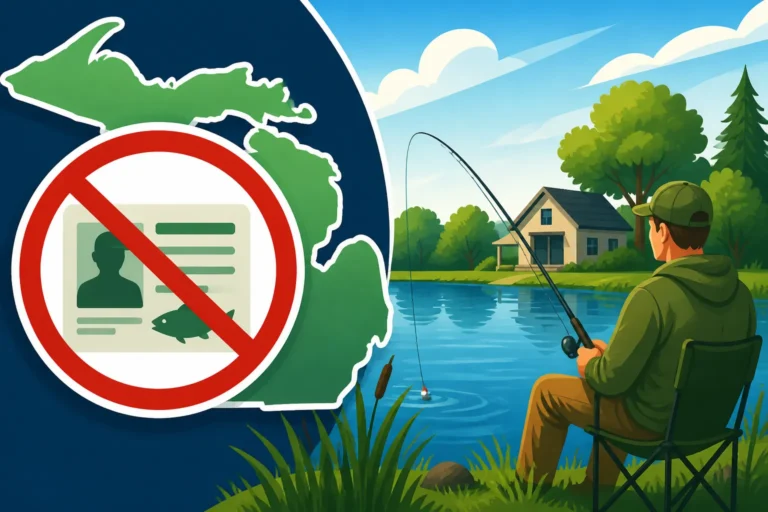
Fishing on Private Property Rules
Fishing on private property can sometimes be a bit of a gray area regarding license requirements, leading to misconceptions. The general rule of thumb in Michigan is that if the water body you are fishing is connected to public waters (like a lake, river, or stream), then a fishing license is required, regardless of whether you're standing on private land or not. This is because the fish in these connected waters are considered a public resource, managed by the state.
For example, if you're fishing from your private dock on Lake Michigan or casting into a river that flows through your backyard, you still need a license. The only exception would typically be if you are fishing in a completely isolated, self-contained body of water that has no connection to other public waters, such as a private pond that is entirely on your property and does not drain into or is fed by public waterways. Even in such cases, it's always wise to confirm local ordinances or consult the DNR if you have any doubts. When in doubt, it’s always safest and simplest to purchase a license.
Disclaimer
Please note that fishing regulations, license costs, and requirements are subject to change. While this guide aims to provide accurate and comprehensive information, it is always your responsibility to consult the official Michigan Department of Natural Resources (DNR) website or their current fishing digest for the most up-to-date and legally binding information before engaging in any fishing activities.