Michigan Fishing License Fee Breakdown and Surcharge
It can feel a bit confusing, staring at those numbers on the Michigan DNR website, wondering exactly what you're paying for when you buy your annual fishing license. Beyond the basic fee, there's always that little extra "surcharge" that pops up, leaving many of us scratching our heads. You're trying to do the right thing, follow the rules, and get out on the water, but it's natural to want to understand where your hard-earned money is going. This guide is here to unravel the mystery, providing a clear breakdown of Michigan's fishing license fees and the critical role that surcharge plays in maintaining our incredible natural resources.
Understanding the Basic Michigan Fishing License Structure
Before we dive into the specifics of the surcharge, it’s important to understand the different types of fishing licenses available in Michigan and how their base fees are structured. Michigan offers a variety of licenses to cater to its diverse angling community, from lifelong residents to visiting tourists, ensuring everyone has an option that fits their needs. The cost of these licenses is the foundation upon which the additional surcharge is built.
Resident Annual Licenses
For those of us lucky enough to call Michigan home, the resident annual fishing license is the most common choice. This license covers a full year of fishing across all waters, from the tranquil inland lakes to the vast expanse of the Great Lakes. The price for a resident annual license is set to be accessible, recognizing that local anglers are often the most consistent contributors to the state’s fisheries. It's a fantastic value when you consider the sheer amount of fishing opportunities Michigan offers, whether you're chasing walleye on Saginaw Bay, trout in the Au Sable, or bass on Lake St. Clair. This single purchase grants you access to countless hours of recreation and the chance to put fresh fish on the dinner table. It’s the go-to for many, and you can learn all about it in our Michigan Resident Annual Fishing License Cost guide.
Nonresident Annual Licenses
If you’re visiting our beautiful state from out of town, you’ll be purchasing a nonresident annual fishing license. These licenses are, understandably, priced higher than resident licenses. This difference helps balance the contribution to conservation efforts between those who live here year-round and those who enjoy Michigan's waters for shorter periods. It’s not meant to be a deterrent, but rather a way to ensure that all who benefit from our state’s rich fishing heritage contribute to its upkeep. Many out-of-state anglers find the investment well worth it, given the unparalleled fishing experiences, especially when targeting trophy Chinook salmon on Lake Michigan or casting for smallmouth bass on the St. Clair River. For a detailed look, check out our piece on Nonresident Fishing in Michigan: What the Law Requires.
Specialty Licenses and Discounts
Michigan does a great job of offering various license options to make fishing inclusive and accessible. For instance, our senior anglers are eligible for a discounted annual license, acknowledging their years of contributing to the state and fostering a love for the outdoors. This is a small gesture of appreciation that goes a long way. Similarly, there are specific provisions for residents who are legally blind, providing them with a reduced-cost license.
And let's not forget the younger generation! While kids often fish for free up to a certain age, there are specific Michigan Youth Fishing License Rules to consider, particularly as they get older and start fishing more seriously. It's important to know the rules, as the Michigan DNR aims to encourage young anglers while also instilling in them the importance of responsible fishing from an early age. Beyond annual options, Michigan also offers a convenient Michigan 24-Hour Fishing License Explained for those short trips or spur-of-the-moment outings, which is perfect for a quick weekend getaway without committing to a full year.
Deconstructing the Michigan Fishing License Surcharge
Now, let's talk about that specific line item that often raises questions: the surcharge. It might seem like a small amount, typically just a dollar, but it's far more than just an arbitrary add-on. This tiny fee plays an outsized role in the intricate web of funding that supports Michigan's invaluable natural resources and ensures the health of our fisheries for generations to come.
What Exactly is the $1 Surcharge?
Every time you purchase a fishing license in Michigan, whether it's an annual resident license or a 24-hour nonresident permit, a small fee—usually $1—is added on top of the base price. This isn't a new sales tax, nor is it a random processing fee. This surcharge is specifically designated and is a critical component of how the Michigan Department of Natural Resources (DNR) funds its conservation and management efforts. Think of it as a direct investment, a micro-contribution from every angler, that collectively forms a significant pool of money dedicated solely to protecting and enhancing our outdoor heritage. It’s separate from the federal excise taxes on fishing equipment, so it's a truly Michigan-specific contribution.
Where Does Your Surcharge Dollar Go?
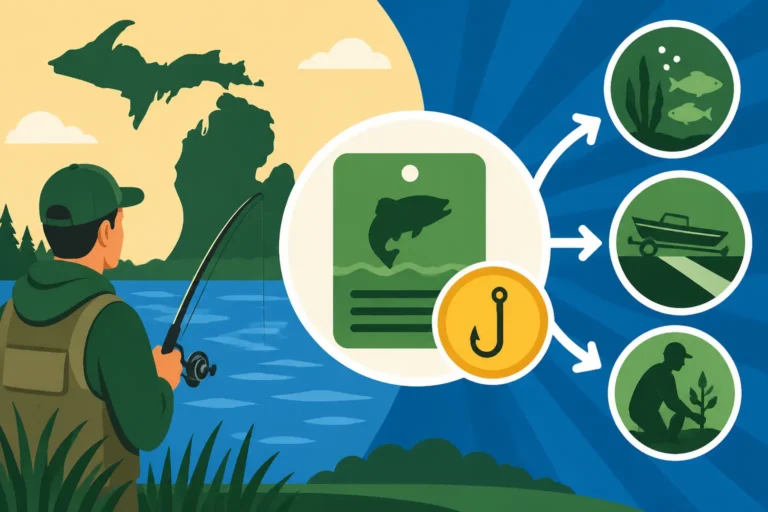
This isn’t money that just disappears into a general government fund. The surcharge, along with the core license fees, is directly deposited into Michigan's Game and Fish Protection Fund. This dedicated fund is the lifeblood of our state's wildlife and fisheries management. When you buy a license, you're literally casting a vote for healthy ecosystems. The money collected from these surcharges and license sales goes directly towards:
- Fisheries Management: This includes everything from monitoring fish populations (like tracking walleye numbers in Lake Erie or trout in the Pere Marquette River) to habitat improvement projects, ensuring that fish have healthy places to live and spawn.
- Fish Stocking Programs: Ever wonder how those salmon and steelhead populations in the Great Lakes stay so strong? A significant portion of these funds supports the hatcheries that raise and release millions of fish each year, providing fantastic angling opportunities.
- Law Enforcement: Conservation officers, funded by this pool, patrol our waters, educate anglers on regulations, and enforce laws to prevent poaching and ensure fair chase, protecting our resources from those who would abuse them.
- Research and Data Collection: Understanding fish migration patterns, disease control, and the impact of environmental changes requires scientific research. Your dollars help fund these vital studies.
- Access Site Maintenance: From boat launches to fishing piers, maintaining safe and accessible public access points across the state is a constant endeavor.
- Aquatic Invasive Species Prevention: These funds also support efforts to monitor and control the spread of invasive species, which pose a significant threat to native fish populations and aquatic habitats.
In essence, that small surcharge is directly responsible for a huge chunk of the work that keeps Michigan's fishing robust and enjoyable. It’s a transparent system designed to reinvest directly back into the resource we all love. For an even deeper dive into this, you might be interested in Where Michigan Fishing License Money Goes.
Why Michigan Fishing License Fees Matter
It's easy to just see the cost, but when you look at the bigger picture, these fees are foundational to everything we cherish about Michigan fishing. Without them, our waters wouldn't be nearly as productive, and our opportunities to enjoy them would be significantly diminished.
Funding Conservation Efforts
Let's get real: protecting our natural resources isn't free. The Michigan DNR, like any agency, needs substantial funding to carry out its mission. The money generated from fishing license sales and the associated surcharges forms a crucial, dedicated revenue stream. This means that when you purchase your license, you're not just buying a piece of paper; you're directly investing in the future of fishing in Michigan.
Consider the immense effort involved in managing trout streams in the Upper Peninsula, or maintaining the delicate balance of species in the Great Lakes. Fisheries biologists are constantly monitoring populations, assessing water quality, and implementing strategies to ensure sustainability. These dedicated professionals, their equipment, and their research are all supported by angler dollars. It’s a self-sustaining model where those who benefit most from the resource also contribute directly to its health, ensuring that the next time you visit a favorite fishing spot, it's still thriving. You can read more about how these efforts are managed in Michigan Fishing Regulations Every Angler Should Know.
Ensuring Sustainable Fisheries for Future Generations
The concept of "sustainable fisheries" might sound like something out of a textbook, but it's incredibly vital. It's about making sure that the fish populations we enjoy today will still be there for our kids and grandkids to enjoy tomorrow. Without the robust funding provided by fishing licenses and surcharges, critical programs would simply cease to exist.
Imagine a scenario where fish stocking declines, habitat improvement projects are halted, or enforcement of regulations weakens. The health of our fish populations would quickly suffer, leading to fewer fish, smaller catches, and ultimately, a less enjoyable experience for everyone. By purchasing a license, you’re not only granting yourself the right to fish; you’re also participating in a long-standing tradition of conservation that directly benefits the ecosystems we rely on. It ensures that Michigan remains a premier fishing destination, a legacy that every angler helps build, one license at a time. This commitment extends to understanding and abiding by rules like Michigan Daily Bag Limits by Species and Michigan Statewide Minimum Size Limits, which are direct results of these conservation efforts.
Navigating License Purchase Options and Renewal
Getting your Michigan fishing license is easier than ever these days, thanks to a variety of purchasing methods. Understanding when and how to buy or renew your license is just as important as knowing what your fees cover.
Buying Your License Online or In Person
The Michigan DNR has made purchasing a fishing license remarkably convenient. The easiest way for most people is to head straight to the DNR's official website. There, you can quickly navigate the options, select the license type that fits your needs (whether it's an annual resident or a temporary nonresident permit), and complete the transaction from the comfort of your home. It’s a straightforward process, and you’ll receive an immediate digital copy of your license. You can also utilize the Michigan's DNR Hunt Fish App for Licenses and Reporting on your smartphone, which is incredibly handy for keeping your license accessible and even reporting harvests if required.
For those who prefer a more traditional approach, you can always visit an authorized license retailer. These can include local sporting goods stores, bait and tackle shops, and even some big-box retailers. It’s a great way to support local businesses and perhaps pick up some extra bait or a new lure while you’re there. You can find detailed instructions on How to Buy a Michigan Fishing License through various channels. After securing your license, you might head to a place like Amazon to stock up on new lures or a tackle box, knowing your fees are funding healthy waters where you'll use them. Perhaps you're looking for a specific type of durable fishing line for Great Lakes trolling or a comfortable fishing vest – online retailers like Amazon offer a vast selection to complement your licensed angling adventures.
The Annual Renewal Cycle
One common question anglers have is, "When does my Michigan fishing license expire?" It's a valid concern, as missing the renewal date can lead to an unexpected hassle on the water. Michigan fishing licenses operate on a consistent annual cycle, typically expiring on March 31st each year, regardless of when you purchased it during the previous license year. This means that even if you bought your license in August, it will still expire the following March.
This consistent renewal date helps simplify the process for both anglers and the DNR. It encourages everyone to renew around the same time each spring, just as the weather starts to warm up and the fishing season really kicks into high gear for many species. It's always a good idea to mark your calendar or set a reminder for late March. Many anglers use the renewal period as an opportunity to assess their gear, maybe even browsing new tackle options on Amazon, and plan their upcoming fishing adventures. The DNR also sends out reminders, but it’s ultimately our responsibility to ensure we're licensed before hitting the water. Our guide on Michigan Fishing License Renewal Each Spring offers more insights into this annual ritual.
Here's a quick overview of typical Michigan fishing license fees, including that important surcharge:
| License Type | Resident Price (Approx.) | Nonresident Price (Approx.) | Includes Surcharge? | Validity Period | Primary Purpose |
|---|---|---|---|---|---|
| Annual All-Species | $26 | $76 | Yes ($1) | April 1 – March 31 | Year-round fishing for all legal species |
| Annual Senior All-Species | $11 | N/A | Yes ($1) | April 1 – March 31 | Discounted annual for Michigan residents 65+ |
| Annual Youth All-Species | Free (under 17) | Free (under 17) | N/A (optional) | April 1 – March 31 | Encourages young anglers, optional for ages 12-16 |
| 24-Hour All-Species | $10 | $10 | Yes ($1) | 24 hours from purchase | Short-term fishing for residents and nonresidents |
| Legally Blind Resident Annual | $11 | N/A | Yes ($1) | April 1 – March 31 | Discounted annual for legally blind residents |
Note: Prices are approximate and subject to change. Always verify current fees on the Michigan DNR website.
So, the next time you're gearing up for a fishing trip, perhaps checking out some new waterproof bags or an updated fish finder on Amazon, take a moment to appreciate that small additional fee on your license. That tiny surcharge isn't just an extra cost; it's a vital investment in the health and future of Michigan's incredible aquatic resources. It's a small but mighty contribution that directly funds the efforts to keep our waters teeming with fish, our habitats healthy, and our fishing traditions alive for generations to come. Happy angling!
Disclaimer
The information provided in this guide is for general informational purposes only and does not constitute legal advice. Fishing regulations and license fees in Michigan are subject to change. Always consult the official Michigan Department of Natural Resources (DNR) website or the current Michigan Fishing Guide for the most accurate and up-to-date information before engaging in any fishing activities.