Michigan Lakes With a 50-Inch Muskellunge Minimum
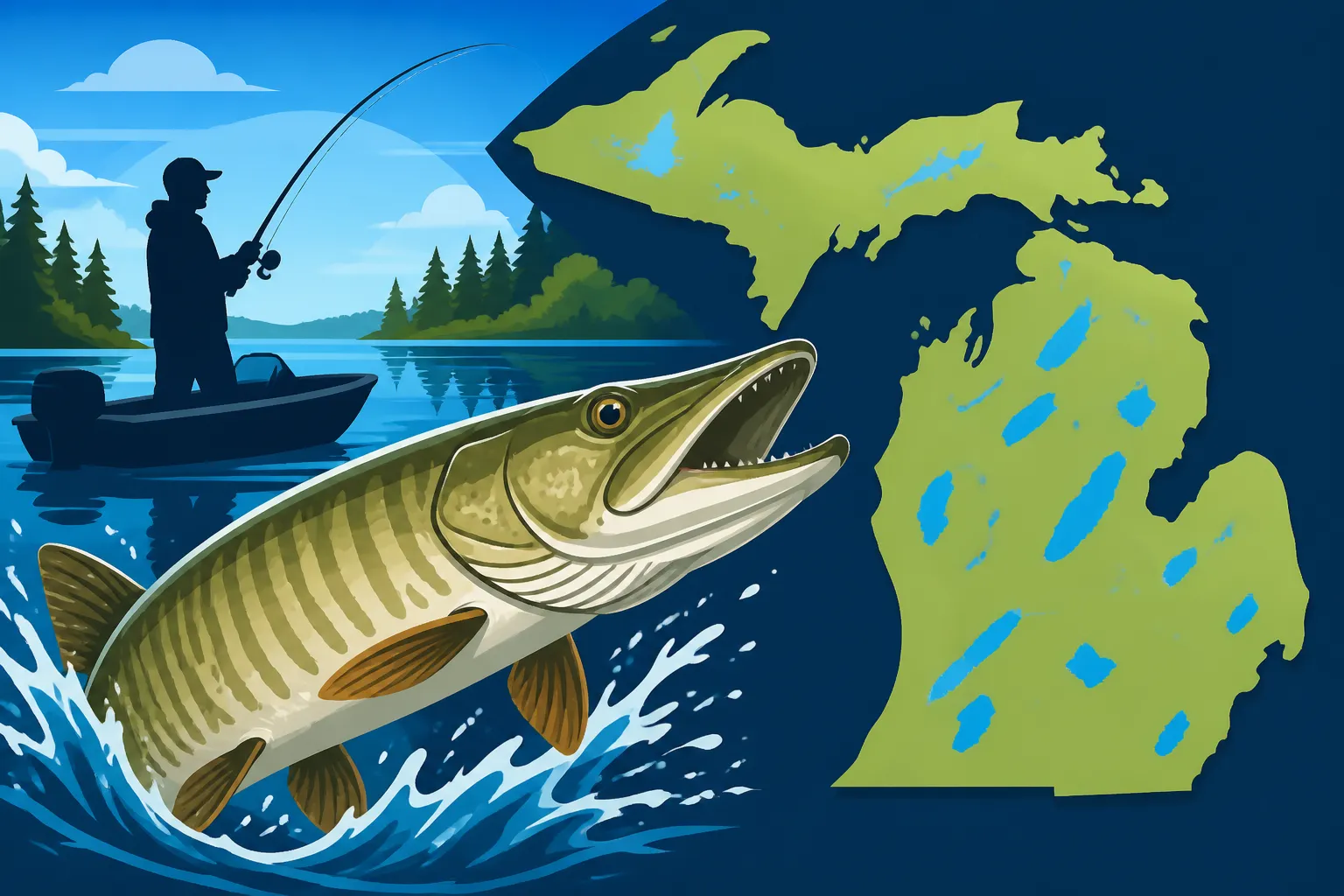
For many anglers, the muskellunge, often called the "fish of 10,000 casts," represents the ultimate freshwater challenge. But trying to find a true giant, a legitimate trophy muskie in Michigan, can feel like an impossible quest if you don't know where to focus your efforts. This comprehensive guide is here to demystify the search, specifically diving deep into the Michigan lakes designated with a formidable 50-inch minimum size limit, explaining why these regulations exist, and how you can approach fishing these special waters.
Understanding Michigan's Trophy Muskellunge Management
Michigan's commitment to protecting its muskie population is evident in its fishing regulations. Unlike many other species, muskellunge have very specific rules designed to ensure their long-term health and the potential for anglers to encounter truly massive fish. The 50-inch minimum size limit isn't just a random number; it's a strategic decision rooted in the biology of these magnificent predators.
Why a 50-Inch Minimum Size Limit?
Muskellunge are notoriously slow-growing fish. They can live for a very long time, sometimes over 20 years, and it takes them many years to reach impressive sizes. A 50-inch muskie is a fish that has likely survived for a decade or more, navigating countless environmental challenges and escaping the lures of many persistent anglers. This lengthy journey to maturity means they are often late to reproduce, with females typically reaching full reproductive potential at larger sizes.
The Michigan Department of Natural Resources (DNR) implements these higher minimum size limits in specific lakes to achieve a few critical goals. First, it's about protecting these large, mature breeders. By ensuring they have ample opportunity to spawn multiple times, these regulations help maintain healthy muskie populations within the designated waters. Second, and perhaps most exciting for dedicated muskie anglers, these limits are designed to cultivate true trophy fisheries. The idea is that by allowing fish to grow exceptionally large, these lakes will become prime destinations for anglers dreaming of tangling with a legitimate giant. It's an investment in the future, promoting an environment where the "fish of 10,000 casts" can truly become the "fish of a lifetime."
The Statewide Context for Muskellunge Regulations
While some lakes boast a 50-inch minimum, it's important to understand that the general statewide minimum size limit for muskellunge in Michigan is 42 inches. This still represents a very respectable fish, and many excellent muskie fisheries across the state adhere to this standard. Waters like Lake St. Clair, the St. Clair River, and the Detroit River, for example, are renowned muskie destinations that operate under the 42-inch minimum. These are incredible fisheries, producing high numbers of fish, many of them large.
However, the select few lakes with the 50-inch minimum are in a league of their own. They are managed with an even stronger emphasis on fostering truly exceptional, old-growth fish. This distinction means that anglers fishing these particular waters need to be even more diligent in knowing and following the rules. It's a testament to the DNR's adaptive management strategies, recognizing that different waters have different potentials and require tailored conservation approaches. Understanding the nuances of these regulations is crucial for any responsible angler, and a good place to start is by regularly checking the most recent Michigan Fishing Regulations Every Angler Should Know or the Michigan Fishing Regulations Digest PDF for 2026.
Identifying Michigan Lakes with a 50-Inch Muskellunge Minimum
Currently, there are two primary inland lakes in Michigan specifically managed with a 50-inch minimum size limit for muskellunge. These are special designations designed to create prime destinations for those seeking out the largest, most mature muskie the state has to offer.
Lake Hudson: A Southern Michigan Gem
Located in Lenawee County in Michigan's southern Lower Peninsula, Lake Hudson is a sprawling inland lake covering approximately 500 acres. It's part of Lake Hudson Recreation Area, offering public access and amenities. What makes Lake Hudson particularly unique, beyond its scenic beauty, is its designation as one of Michigan's premier muskie management lakes. This lake has been intentionally stocked and managed over the years with the goal of producing massive muskies.
The 50-inch minimum size limit here means that any muskie you catch under that impressive length must be immediately released unharmed. This strict rule ensures that the lake's muskie population has the opportunity to grow to immense proportions, creating a truly challenging and rewarding experience for dedicated muskie anglers. Lake Hudson is often considered a "bucket list" lake for many serious muskie hunters, known for its clear waters, varied structure, and the potential for a genuine trophy. If you’re planning a trip, make sure to read up on Lake Hudson's Michigan Muskellunge Size Limit to be fully prepared.
Thornapple Lake: A Central Michigan Challenge
Further north, nestled in Barry County in Michigan's central Lower Peninsula, lies Thornapple Lake. This impressive body of water covers roughly 420 acres and is another cornerstone of Michigan's trophy muskie program. Similar to Lake Hudson, Thornapple Lake has been carefully managed with specific regulations to cultivate a population of exceptionally large muskies.
Thornapple Lake presents its own set of unique fishing conditions, with a mix of shallow and deep areas, various types of cover, and plenty of forage for growing giants. The 50-inch minimum size limit here reinforces the DNR's commitment to developing and sustaining world-class muskie fishing opportunities. Anglers often report that Thornapple Lake requires persistence and specialized techniques, but the reward of potentially hooking a true monster is what keeps them coming back. It’s a lake where patience is truly a virtue, and understanding the specific rules, like those detailed in Thornapple Lake's Michigan Muskellunge Size Limit, is paramount.
Other Notable Muskellunge Waters (with different limits)
While Lake Hudson and Thornapple Lake stand out with their 50-inch minimums, it's worth reiterating that Michigan offers many fantastic muskie fisheries with slightly different regulations. The aforementioned Lake St. Clair, St. Clair River, and Detroit River have a 42-inch minimum and are incredibly productive waters, often considered among the best muskie fisheries in North America. These waters routinely produce large numbers of muskie, many of which are well over the 42-inch mark, with plenty of 50-plus-inch fish caught and released by those targeting them.
It's crucial for any angler to always consult the current Michigan Fishing Guide for the specific regulations of the water they plan to fish. Minimum size limits, daily possession limits, and special regulations can vary significantly from one body of water to another.
Here's a quick overview of Michigan's key muskie waters and their minimum size limits:
| Water Body | County/Region | Minimum Size Limit | Notes |
|---|---|---|---|
| Lake Hudson | Lenawee | 50 inches | Designated trophy muskie water. |
| Thornapple Lake | Barry | 50 inches | Designated trophy muskie water. |
| Lake St. Clair | Macomb/St. Clair | 42 inches | World-renowned for high numbers of large muskie. |
| St. Clair River | St. Clair | 42 inches | Excellent muskie fishing, especially where it meets Lake St. Clair. |
| Detroit River | Wayne | 42 inches | Connects Lake St. Clair to Lake Erie, great for muskie. |
| All Other Waters (General) | Statewide | 42 inches | Unless otherwise specified in exceptions. |
| Specific Exceptions | Various | 38 inches | Check the DNR guide for specific lakes with this lower limit. |
Remember, these regulations are subject to change, so always double-check before heading out.
Strategies for Success on 50-Inch Minimum Waters
Fishing for muskellunge on any water, especially those with a 50-inch minimum, demands a particular mindset, specialized gear, and a deep respect for the fish. It's not just about catching; it's about the hunt, the challenge, and the careful stewardship of these incredible creatures.
Essential Gear and Tackle for Trophy Muskies
When targeting muskie, especially the kind that might hit the 50-inch mark, you simply cannot skimp on gear. These fish are powerful, aggressive, and can quickly expose any weakness in your setup.
First and foremost, you'll need heavy-duty rods. Think stout baitcasting rods, often 8 to 9 feet long, designed to handle large lures and powerful fish. Coupled with these should be robust baitcasting reels, capable of holding heavy line and delivering significant cranking power. Your line choice is equally critical; 80 to 100-pound test braided line is common, often paired with a heavy fluorocarbon or wire leader to withstand their razor-sharp teeth. Don't forget an appropriate leader, as their teeth can slice through regular mono or fluoro like butter. You can often find a wide selection of these specialized items, from heavy-duty reels to muskie-specific lures, on online retailers like Amazon, making it convenient to gear up for your next trip.
Lures for muskie are a category unto themselves. Forget your panfish jigs; we're talking about baits that often measure 8 to 15 inches or more. Large bucktails, deep-diving crankbaits, massive jerkbaits, and oversized soft plastics are the weapons of choice. The sheer size of these lures is often what triggers the aggressive strikes from large muskie. For a deeper dive into what works, check out our guide on Best Lures for Muskellunge.
Beyond the rod, reel, and line, proper handling tools are non-negotiable. A large, rubberized landing net (at least 36 inches wide, often larger) is essential for safely subduing the fish without damaging its protective slime coat. Long-nosed pliers, bolt cutters (for quickly cutting hooks in emergencies), and jaw spreaders are crucial for efficient and safe hook removal. Remember, the faster and more gently you can handle the fish, the better its chances of survival after release. These items are fundamental for Michigan Muskellunge Fishing Techniques.
Mastering Catch and Release for Muskie Conservation
Given the high minimum size limits on Lake Hudson and Thornapple Lake, most anglers will be practicing catch and release. This isn't just a suggestion; it's a critical component of muskie conservation and the very reason these trophy fisheries exist. The well-being of the fish must always be your top priority.
When you hook a muskie, fight it efficiently but don't overplay it to the point of exhaustion. Once at the boat or shore, use your large, rubberized net to secure the fish quickly. Avoid lifting the fish by its head or tail alone, as this can cause severe internal damage, especially to larger fish. If possible, keep the fish in the water while unhooking it. Use your long-nosed pliers or jaw spreaders to gently remove the hooks. If a hook is deeply embedded or too difficult to remove quickly, don't hesitate to cut the hook with bolt cutters. A small piece of metal is far less detrimental than prolonged stress from a poor release.
Once unhooked, cradle the fish horizontally, supporting its belly with both hands if you plan to quickly snap a photo. Keep it low to the water, minimizing its time out of the water to mere seconds. Then, gently release the fish, holding it upright in the water until it regains its strength and swims away on its own. For detailed best practices, refer to Catch-and-Immediate-Release Rules for Muskellunge.
Navigating Michigan's Muskie Reporting Requirements
Michigan has specific rules regarding muskellunge harvest, even though catching a fish that meets the 50-inch minimum and choosing to keep it is a rare occurrence. Anglers are allowed to keep only one muskellunge per license year statewide, regardless of where it was caught. This "one-fish-per-year" rule is a key part of Michigan's muskie management strategy. If you do happen to harvest a muskie, it must be registered within 24 hours of capture. This reporting requirement provides valuable data to the DNR, helping them monitor populations and inform future management decisions.
Even if you're primarily a catch-and-release angler, it's good to be aware of these rules. Knowing that every muskie caught is a special event, and contributing to the conservation effort, is part of the allure. You can learn more about this vital process by checking out Michigan's Muskellunge Harvest Registration Requirement, or by familiarizing yourself with the How to Register a Muskellunge Catch in Michigan guide. The Michigan DNR also offers an Michigan Muskellunge Catch Reporting Online System for convenient reporting.
Catching a 50-inch muskie in Michigan is truly a once-in-a-lifetime achievement for many anglers. It requires dedication, preparation, and a deep appreciation for the effort put into managing these incredible fisheries.
Disclaimer
The information provided in this guide is for general informational purposes only and is subject to change. While we strive to provide accurate and up-to-date details, fishing regulations, season dates, and specific lake rules are determined by the Michigan Department of Natural Resources (DNR) and can be modified at any time. It is the angler's responsibility to consult the official Michigan Fishing Guide or visit the Michigan DNR website for the most current and complete regulations before engaging in any fishing activity. Non-compliance with fishing laws can result in fines and penalties.