Michigan Yellow Perch Limit on Lake St. Clair
The serene waters of Lake St. Clair offer some of Michigan's most fantastic fishing opportunities, attracting countless anglers eager to reel in a prized catch. However, navigating the specific regulations for popular species like yellow perch can often feel like a puzzle, leaving many wondering about the exact daily limits and how to comply. This comprehensive guide is designed to clarify the Michigan yellow perch limit on Lake St. Clair, providing you with the essential knowledge to fish responsibly and successfully.
Understanding Michigan's Yellow Perch Regulations
Fishing regulations aren't just arbitrary rules designed to make your life harder; they are a critical component of conservation efforts, ensuring that Michigan's incredible aquatic resources remain healthy and abundant for generations to come. For yellow perch, a beloved panfish across the state, these rules help manage population levels and prevent overfishing, especially in highly trafficked waters like Lake St. Clair.
The Rationale Behind Fishing Limits
Every regulation, from daily possession limits to size restrictions, is rooted in scientific research and ecological understanding. Fisheries biologists at the Michigan Department of Natural Resources (DNR) constantly monitor fish populations, assessing factors like spawning success, growth rates, mortality, and fishing pressure. When a species like yellow perch faces high demand from anglers, setting a sensible daily limit becomes crucial. Without such limits, it would be all too easy for a few successful days of fishing to significantly impact local populations, potentially leading to fewer fish in the future. These limits ensure that enough fish remain to reproduce and maintain a healthy ecosystem, fostering long-term sustainability. It’s all about balance – letting anglers enjoy their sport while safeguarding the future of the fishery.
General Statewide Yellow Perch Regulations
While specific bodies of water can sometimes have unique rules, the general statewide regulation for yellow perch in Michigan serves as a foundational guideline. Typically, for yellow perch, anglers are allowed to possess a certain number of fish per day, and often there isn't a minimum size limit, making them a popular target for all sizes of fish. It’s important to remember that regulations are subject to change, so always consult the most current Michigan fishing regulations digest before you head out. These statewide rules are the baseline, but special circumstances or localized efforts can lead to variations. Understanding these broader rules sets the stage for appreciating the specifics applied to particular lakes or rivers, like Lake St. Clair. If you're wondering about the big picture, you'll want to check out the comprehensive guide on Michigan Fishing Regulations Every Angler Should Know.
How Regulations are Established and Updated
The process of establishing and updating fishing regulations in Michigan is incredibly dynamic and involves extensive scientific review, public input, and adaptive management. The DNR constantly collects data through surveys, creel censuses (on-the-water interviews with anglers), and population assessments. This information is then analyzed by biologists to identify trends in fish health and abundance. Proposed changes to regulations are often presented to the public for feedback, allowing anglers, conservation groups, and other stakeholders to voice their opinions. This collaborative approach ensures that regulations are not only scientifically sound but also consider the socio-economic impacts on local communities and recreational fishing. Once approved, these updates are incorporated into the annual fishing guide, making it vital for every angler to stay informed.
Specifics of Lake St. Clair Yellow Perch Limits
Lake St. Clair is a fantastic fishery, and while many general Michigan fishing rules apply, it's always smart to double-check for any specific nuances regarding popular species like yellow perch. Being a vast, productive lake, it sees significant fishing pressure, making adherence to limits particularly important for maintaining its renowned perch population.
Current Daily Possession Limits for Yellow Perch on Lake St. Clair
For yellow perch on Lake St. Clair, which is considered part of Michigan's Great Lakes system for regulatory purposes, the daily possession limit is generally consistent with most other Michigan waters. Currently, anglers are permitted to harvest 25 yellow perch per day. This means that by the time you're done fishing for the day and are heading home, you cannot have more than 25 yellow perch in your possession that you caught that day. This limit is designed to spread the catch among many anglers and reduce the overall impact on the perch population, ensuring healthy numbers for future seasons. It’s a generous limit that still encourages conservation. If you're keen to understand how this compares to other species, you might find our guide on Michigan Daily Bag Limits by Species insightful.
Let’s put this into perspective: Imagine you're out on a crisp autumn morning on Lake St. Clair. The perch are biting, and you're having a fantastic time. By noon, you've already caught 20 beautiful yellow perch. You decide to keep fishing, and by 2 PM, you've added another 10 to your cooler, bringing your total to 30. At this point, you've exceeded your daily possession limit. To comply with regulations, you would need to stop fishing for yellow perch or release any additional perch you catch until you are within the 25-fish limit. Discarding fish after you've already accumulated your limit is considered a violation, so it’s critical to manage your catch responsibly as you fish.
The Absence of a Size Limit for Yellow Perch
One aspect of yellow perch fishing in Michigan that often surprises new anglers is the general absence of a minimum size limit. Unlike many other game fish species, which often have strict length requirements, yellow perch can typically be kept regardless of their size, as long as you adhere to the daily possession limit. This doesn't mean you should keep every tiny perch you catch, as releasing smaller fish can contribute to a healthier population of larger, more desirable fish over time. However, from a purely regulatory standpoint, there isn't a specific ruler requirement for yellow perch in Lake St. Clair or most other Michigan waters. This flexibility makes them an excellent target for family fishing trips, where even smaller catches can bring joy. For a broader look at size restrictions across different species, check out our article on Michigan Statewide Minimum Size Limits.
Cross-Border Considerations: Fishing the Canadian Side of Lake St. Clair
Lake St. Clair is a truly unique body of water, shared by both Michigan and Ontario, Canada. This international border running through the middle means that anglers need to be acutely aware of which country's regulations they are operating under. If you launch your boat from a Michigan ramp and stay within Michigan waters, then the Michigan DNR rules apply. However, if you venture across the invisible border into Canadian waters, even just for a few casts, you are then subject to Ontario's fishing regulations. This includes needing an Ontario fishing license, adhering to their specific daily limits, and understanding their size restrictions, which might differ significantly from Michigan's. Failing to comply with Canadian regulations can lead to serious penalties, even if you possess a valid Michigan license. It's a prime example of how important it is to be thoroughly prepared, perhaps by picking up an up-to-date GPS unit from Amazon that clearly delineates international boundaries, ensuring you always know exactly where you are fishing. Always carry appropriate identification and licenses for both countries if you plan to fish internationally on Lake St. Clair.
Distinguishing Yellow Perch from Other Panfish
While yellow perch are distinctive, especially with their prominent vertical bars, it's not uncommon for new anglers or even seasoned ones in a hurry to confuse them with other panfish, particularly in Michigan's diverse waters. Correct identification is not just for bragging rights; it's crucial for staying within legal limits, as different species often have different regulations.
Key Identification Features of Yellow Perch
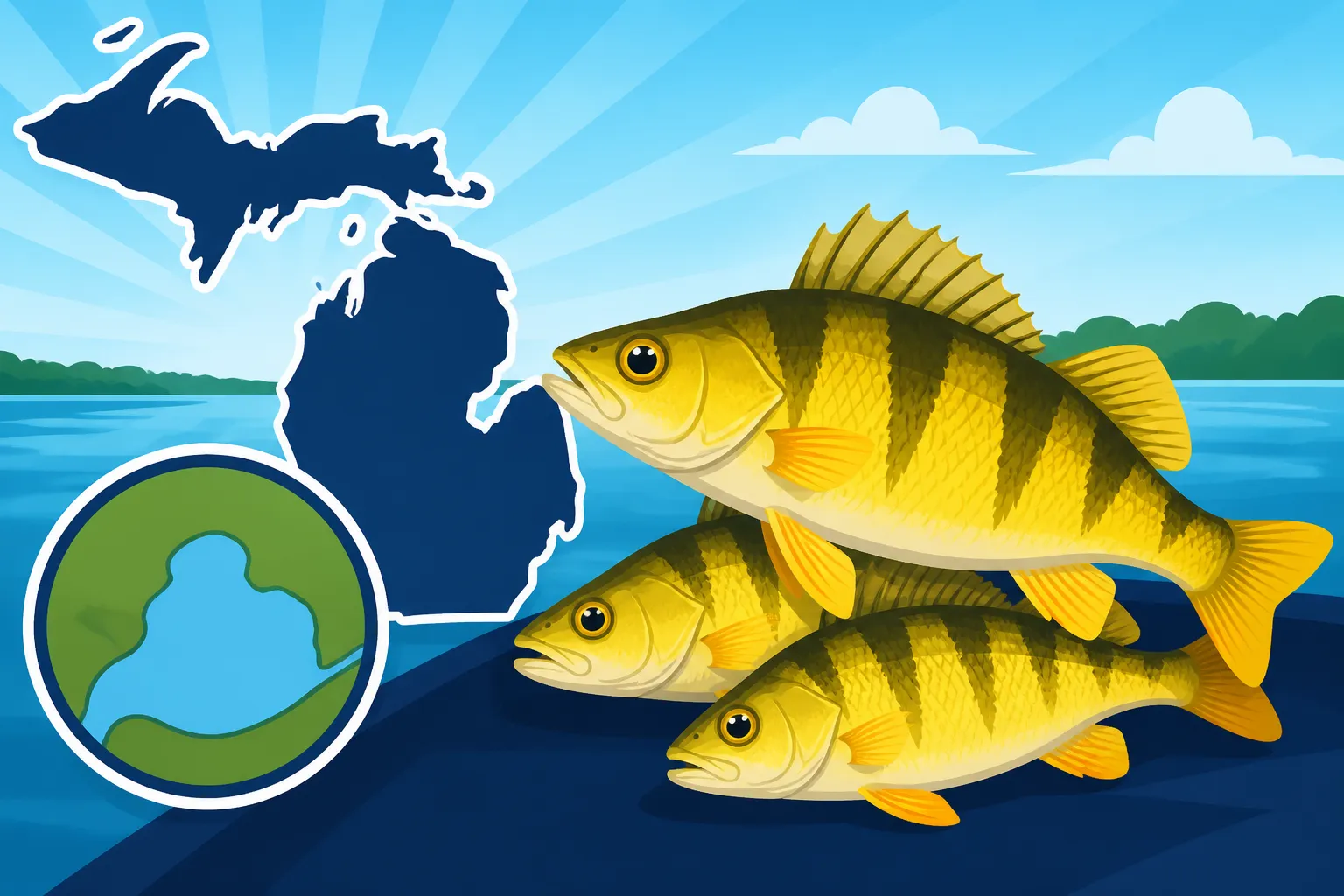
Yellow perch are relatively easy to identify once you know what to look for. Their most striking feature is typically their six to eight dark vertical bars that run down their sides, usually contrasting sharply with their golden-yellow to brassy-green bodies. Their ventral (bottom) fins, particularly the pectoral and pelvic fins, often display a vibrant orange or reddish hue, especially during spawning season or in clear waters. They have two dorsal fins; the first is spiny and the second is soft-rayed. Yellow perch also possess a relatively streamlined body shape, though they can become quite robust as they grow larger. Their mouth is moderately sized, and they have small, somewhat rough scales. A typical yellow perch in Lake St. Clair might range from 7 to 12 inches, though larger specimens are certainly caught.
Common Look-Alikes: Crappie and Bluegill
In Michigan waters, two common panfish that anglers might occasionally confuse with yellow perch are crappie (both black and white) and bluegill.
- Crappie: Crappie (often referred to as "specks" or "papermouths") have a more compressed, disc-like body shape compared to the more elongated perch. They lack the distinct vertical bars of the yellow perch, instead displaying a mottled pattern of black spots or blotches. Black crappie typically have more spots, giving them a "peppered" appearance, while white crappie have more defined vertical bands of spots. Their coloration is also generally silvery to grayish-green, lacking the vibrant yellow of the perch. Crappie also have a larger, more protractile mouth compared to perch.
- Bluegill: Bluegill, a member of the sunfish family, are even more compressed and rounder in body shape than crappie. They typically have a dark spot on the posterior part of their dorsal fin and a distinct dark "ear flap" on their operculum (gill cover). Their bodies are often olive-green to bluish-purple, sometimes with faint vertical bars, but these are never as prominent or as dark as those on a yellow perch. Bluegill also tend to have smaller mouths.
Here's a quick comparison table to help differentiate these popular panfish:
| Feature | Yellow Perch | Crappie (Black/White) | Bluegill |
|---|---|---|---|
| Body Shape | Elongated, somewhat streamlined | Compressed, disc-like | Compressed, rounded |
| Coloration | Golden-yellow to brassy-green | Silvery to grayish-green | Olive-green to bluish-purple |
| Markings | 6-8 distinct dark vertical bars | Mottled black spots/blotches (black crappie), vertical bands of spots (white crappie) | Faint vertical bars, dark spot on dorsal fin, dark "ear flap" |
| Fin Color | Often orange/reddish on ventral fins | Generally lighter, no distinct color | Varied, sometimes yellow/orange |
| Mouth Size | Moderate | Large, protractile (can extend forward) | Small |
| Dorsal Fins | Two distinct (spiny and soft-rayed) | Deeply notched, appears as two joined | One continuous (spiny and soft-rayed) |
Why Proper Identification Matters for Anglers
Accurate fish identification is more than just academic; it's a fundamental responsibility for every angler. As mentioned, different species often have different daily possession limits, minimum size limits, and even open seasons. For example, while yellow perch on Lake St. Clair might have a generous daily limit and no size restriction, a different species caught in the same waters could have a much lower limit and a specific minimum length. Accidentally misidentifying a fish and keeping more than the legal limit, or a fish that is undersized for its species, can result in significant fines, confiscation of your catch and gear, and even loss of your fishing privileges. It's simply not worth the risk. Always take a moment to carefully identify your catch, especially if you’re unsure, before placing it in your cooler. If you're using a fishing app like Michigan's DNR Hunt Fish App for Licenses and Reporting, it often includes helpful identification guides, making it easier to confirm your catch on the spot.
Factors Influencing Perch Populations and Limits
The health and abundance of yellow perch in a dynamic ecosystem like Lake St. Clair are influenced by a complex interplay of natural and human factors. Understanding these elements helps explain why regulations exist and how they contribute to sustainable fishing.
Ecological Role and Habitat of Yellow Perch
Yellow perch play a vital ecological role as both predator and prey in Michigan's aquatic food webs. They are opportunistic feeders, preying on insect larvae, zooplankton, crayfish, and smaller fish, thereby helping to control populations of other species. In turn, yellow perch are a critical food source for larger predatory fish such as walleye, northern pike, smallmouth bass, and even some species of trout and salmon, making them an important link in the chain. Their preferred habitats typically include shallow, vegetated areas of lakes and slow-moving rivers, where they can find cover, forage, and suitable spawning grounds. Lake St. Clair's extensive weed beds and diverse bottom structure make it an ideal home for these prolific fish. Perch are schooling fish, often found in large groups, which contributes to their popularity among anglers. This schooling behavior, however, also makes them vulnerable to overfishing if limits are not observed.
Environmental and Human Pressures on Perch Stocks
Yellow perch populations, like any fish species, are susceptible to various pressures. Environmentally, factors such as water temperature fluctuations, nutrient runoff leading to algal blooms and oxygen depletion, and habitat degradation (e.g., loss of weed beds due to development or invasive species) can all impact perch survival and reproduction. Invasive species, like the round goby, can also compete with perch for food sources or even prey on their eggs. From a human perspective, fishing pressure is perhaps the most direct impact. While recreational fishing is generally managed sustainably, concentrated efforts, especially during peak seasons or in specific areas, can strain local populations. Pollution from industrial and agricultural sources, though regulated, can still affect water quality and, consequently, fish health. The DNR continuously monitors these pressures to ensure that the yellow perch stocks remain resilient.
DNR's Role in Perch Management and Stocking Efforts
The Michigan DNR plays an active and critical role in managing yellow perch populations across the state, including Lake St. Clair. Their management strategies are multifaceted and include:
- Monitoring and Research: Conducting regular surveys to assess population size, age structure, growth rates, and overall health of perch stocks. This data informs regulatory decisions.
- Habitat Protection and Enhancement: Working to protect and restore critical perch habitats, such as wetlands and shallow water vegetation, which are essential for spawning and juvenile growth.
- Regulation Enforcement: Ensuring that anglers adhere to established bag and size limits through patrols and public education.
- Stocking (Less Common for Perch): While many other species like trout and salmon are actively stocked, yellow perch are generally self-sustaining in most Michigan waters due to their prolific spawning capabilities. Stocking efforts for perch are less common, typically reserved for specific restoration projects or new introductions into waters where they are not naturally reproducing. The primary focus for yellow perch is typically habitat protection and harvest management. This sustained management, often supported by revenue generated from the sale of fishing licenses (curious about Where Michigan Fishing License Money Goes) ensures the continued health of the fishery.
Practical Tips for Fishing Yellow Perch on Lake St. Clair
Fishing for yellow perch on Lake St. Clair is a classic Michigan angling experience, offering plenty of action for anglers of all skill levels. To make the most of your trip and ensure you’re adhering to best practices, here are some practical tips.
Best Times and Locations for Perch Fishing
Yellow perch can be caught year-round on Lake St. Clair, but certain times and locations tend to be more productive.
- Seasons:
- Spring: As the ice melts, perch become more active and move into shallower areas to spawn. Look for them in bays and near weed edges. This can be an excellent time for shore fishing or from a small boat.
- Summer: During warmer months, perch often move into deeper water during the day, seeking cooler temperatures, and then return to shallower weed beds in the mornings and evenings to feed. Targeting drop-offs and the edges of expansive weed flats can be highly effective. Early morning and late afternoon are generally prime times.
- Fall: This is often considered one of the best times for perch fishing, as they school up in large numbers and feed aggressively in preparation for winter. Look for them in deeper basins or near structure in 15-30 feet of water.
- Winter (Ice Fishing): Lake St. Clair is a premier ice fishing destination for perch. They tend to congregate in large schools in classic perch haunts, often over soft bottoms in 10-25 feet of water. You can learn more about Ice Fishing Techniques for Perch in our dedicated guide.
- Locations: Key areas on Lake St. Clair include the extensive weed beds in Anchor Bay, the vast flats off the Mile Roads, and the areas around Muskrat Bay. Look for depressions, channel edges, and distinct changes in bottom composition. A good fish finder can be invaluable for locating these schools and bottom structures.
Recommended Gear and Bait for Successful Perch Angling
You don't need highly specialized gear to catch yellow perch, which is part of their appeal. However, a few key items will significantly increase your success.
- Rods and Reels: A light to medium-light spinning rod, 6 to 7 feet long, paired with a small spinning reel (size 1000-2500) spooled with 4-6 pound test monofilament or braided line, is ideal. This setup provides the sensitivity needed to detect subtle perch bites and enough backbone to handle a good-sized fish.
- Terminal Tackle:
- Hooks: Small hooks are essential, typically size 6 to 10. Aberdeen hooks are popular as they are thin and tend to straighten out if snagged, saving your line and weight.
- Weights: Split shot or small bell sinkers (1/8 to 1/2 ounce) are commonly used, depending on depth and current.
- Bobbers: A small slip bobber or fixed bobber can be very effective for suspending bait just off the bottom.
- Bait: Perch are not particularly finicky.
- Live Bait: Minnows (especially shiners or emerald shiners, if legal and available), wigglers (mayfly larvae), and wax worms are perennial favorites and often the most effective. You can usually find a good selection of live bait at local bait shops around Lake St. Clair, or even order specialized ice fishing bait for winter excursions through retailers like Amazon.
- Artificial Lures: Small jigs (1/32 to 1/8 ounce) tipped with a small plastic grub, a piece of minnow, or a wax worm can be deadly. Small spoons, blade baits, and soft plastics resembling minnows are also effective, especially when jigged near the bottom. For more details, explore our guide on Best Bait for Perch.
Ethical Angling Practices and Catch Care
Being an ethical angler goes beyond just following the limits; it’s about respecting the fish and the environment.
- Catch and Release: While you can keep 25 yellow perch, consider practicing selective harvest. If you only want a meal, keep enough for that and release the rest, especially if you’re catching smaller individuals. Handle released fish gently with wet hands, supporting their body, and return them to the water quickly.
- Proper Disposal: Always pack out what you pack in. This includes old fishing line, bait containers, and any other trash. Do not discard fish carcasses or unwanted bait directly into the water, as this can introduce disease or alter the natural ecosystem.
- Fish Care for Consumption: If you plan to keep your catch, ensure you properly care for the fish to maintain its quality. Immediately place fish in a cooler with ice, not just water, to keep them cold and prevent spoilage. This is especially important on warmer days. Investing in a good cooler, readily available on Amazon, can make a huge difference in the freshness of your fillets. Fillet your fish promptly after your trip.
Navigating the Michigan DNR Regulations Digest
The official Michigan DNR Fishing Guide is your ultimate source for all fishing regulations. It's a comprehensive document, but sometimes its sheer volume can feel a bit overwhelming. Knowing how to access and interpret it efficiently is a crucial skill for any responsible angler.
Accessing the Latest Regulations
The easiest and most reliable way to get the most current Michigan fishing regulations is directly from the Michigan Department of Natural Resources (DNR).
- Online: The DNR website hosts a digital version of the "Michigan Fishing Regulations Digest." This is often the quickest way to check specific rules, especially if you're out on the water with a smartphone. They typically update this annually, so make sure you're viewing the latest edition.
- DNR Hunt Fish App: The Michigan's DNR Hunt Fish App for Licenses and Reporting is an invaluable tool for modern anglers. Not only can you buy and store your fishing license digitally, but it also provides direct access to the current regulations digest right on your phone. This makes checking rules on the go incredibly convenient.
- Printed Copies: Physical copies of the digest are usually available for free at most bait and tackle shops, DNR customer service centers, and wherever Michigan fishing licenses are sold. Many anglers prefer a physical copy they can mark up and refer to without needing a signal.
- License Vendors: When you purchase your Michigan Fishing License Guide for Residents and Nonresidents or even a simpler How to Buy a Michigan Fishing License online or in person, you'll often be directed to the latest regulations. Retailers like Walmart, Meijer, and other sporting goods stores that sell licenses will also typically have the current digest available.
Understanding Special Regulations and Exceptions
While the general rule for yellow perch on Lake St. Clair might be 25 per day with no size limit, it's absolutely vital to grasp that special regulations and exceptions exist for various waters and species throughout Michigan. The digest is structured to first outline statewide general regulations, then list specific exceptions by county or individual body of water.
- Local Rules: Some lakes or river stretches might have different daily limits, size restrictions, gear restrictions (e.g., artificial lures only), or seasonal closures for certain species. For instance, while most of Michigan has a 25-perch limit, some smaller, more fragile inland lakes might have a reduced limit to protect localized populations. Similarly, comparing it to species like walleye, where the Michigan Walleye Daily Possession Limit can be much lower, highlights the importance of species-specific and location-specific checks.
- Species-Specific Rules: Beyond perch, other panfish like bluegill or crappie often have their own specific limits, and game fish like bass, pike, trout, and salmon almost always have more complex regulations involving size limits, slot limits, and defined seasons. You can find detailed information on these in the digest.
- Boundary Waters: As discussed with the Canadian border on Lake St. Clair, fishing boundary waters can involve complex rules where agreements between states or countries dictate unique regulations.
Always check the section of the digest pertaining to the specific lake or river you intend to fish. A few minutes of research before your trip can save you from potential fines and ensure a responsible angling experience.
How to Report Violations and Support Conservation
Protecting Michigan's fisheries is a shared responsibility, and every angler plays a part. If you witness a fishing violation, such as someone exceeding the daily limit, keeping undersized fish, or fishing without a license, reporting it to the DNR is crucial.
- Poaching Hotline: The Michigan DNR operates a Report All Poaching (RAP) hotline. You can call or submit tips online anonymously. Providing as much detail as possible—such as location, time, vehicle descriptions, and specific actions—helps conservation officers investigate effectively.
- DNR Officers: If you encounter a DNR conservation officer in person, you can report violations directly to them. They are generally approachable and dedicated to protecting natural resources.
- Support Conservation: Beyond reporting violations, you can support conservation efforts by purchasing your fishing license each year. A significant portion of license fees directly funds fisheries management, habitat restoration, stocking programs, and enforcement. Engaging with local conservation groups, participating in clean-up events, and advocating for responsible fishing practices also contribute immensely to the health of Michigan's waters and its incredible yellow perch fishery. Understanding and adhering to regulations, like the Michigan Fishing Seasons Explained or the nuances of specific species, is the first step in being a true steward of our natural heritage.
Disclaimer
The information provided in this guide is for general informational purposes only and is based on typical regulations at the time of writing. Michigan fishing regulations, including those for yellow perch on Lake St. Clair, are subject to change by the Michigan Department of Natural Resources (DNR). It is the angler's responsibility to consult the most current official Michigan Fishing Regulations Digest or the Michigan DNR website before fishing to ensure compliance with all applicable laws and regulations.