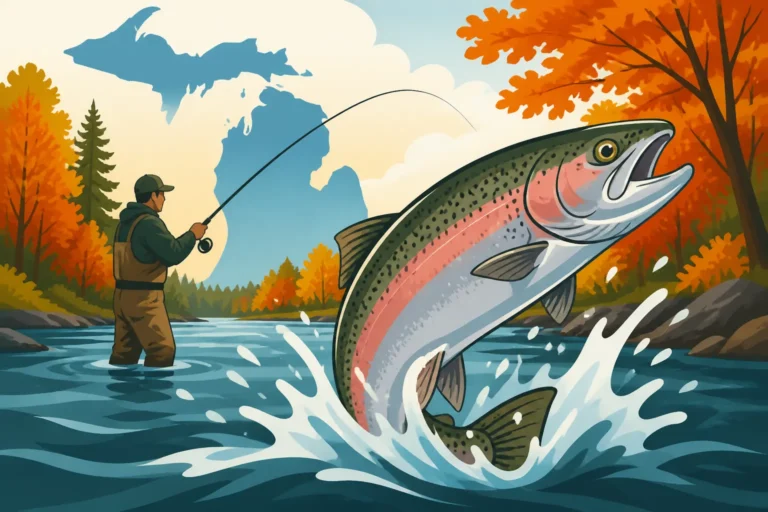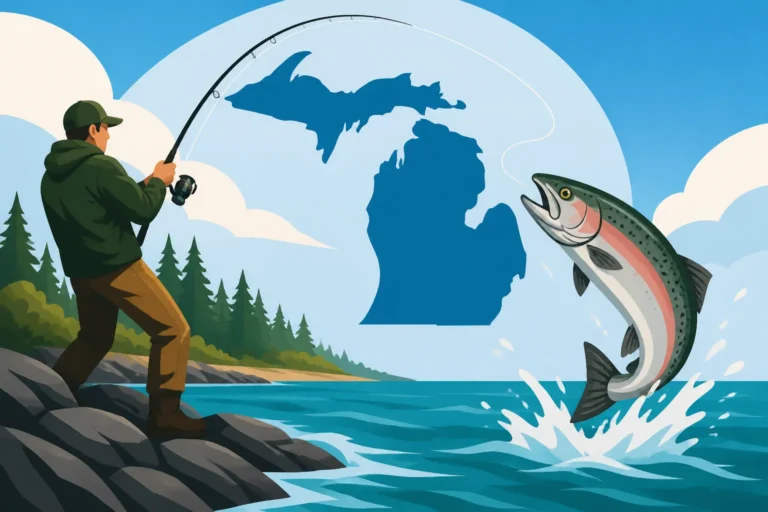
Best Technique for Shore Fishing Salmon in Michigan
Shore fishing for salmon in Michigan's expansive Great Lakes and their tributaries can feel like trying to find a needle in a haystack, especially with such vast waters and ever-changing conditions. Many anglers get frustrated trying to cover endless shoreline without success. This guide aims to cut through the confusion, offering proven techniques and essential insights to dramatically improve your chances of catching powerful salmon right from the bank or pier.
The Salmon Season and Prime Locations for Shore Anglers
One of the biggest hurdles when trying to catch salmon from shore is simply knowing when and where to cast your line. Michigan's salmon runs are epic, but they're also fleeting and highly dependent on natural cues. Understanding these patterns is key to putting yourself in the right place at the right time.
Timing Your Attack: Understanding Salmon Runs
Michigan's salmon fishery is dominated by two main species for recreational anglers: the mighty Chinook (often called "King") salmon and the acrobatic Coho (or "Silver") salmon. While other species like Atlantic and Pink salmon exist, Chinooks and Cohos are your primary targets from shore, especially during their spawning migrations.
The salmon run typically kicks off in late summer and early fall, usually starting in August and peaking through September and into October. This migration is a biological imperative, as mature salmon leave the vastness of the Great Lakes and head upstream into tributary rivers to spawn. Several factors trigger these migrations:
- Water Temperature: As lake and river temperatures begin to cool in late summer, it signals to the salmon that it's time to move. Cooler water is also more comfortable for them as they exert significant energy swimming upstream.
- Daylight Hours: The shortening days of fall also play a role, providing another biological cue for the salmon to begin their journey.
- Rain Events: Significant rainfall can be a game-changer. Heavy rains often raise river levels and slightly drop water temperatures, creating a "push" that encourages salmon to enter and move up rivers from the lake. Many seasoned anglers will watch weather forecasts closely, knowing that a good rain can ignite a sluggish run.
Chinook salmon generally start their migration earlier, often in August and early September, followed closely by Coho salmon, which can run strong well into October. You'll often find both species in the same waters at similar times, offering a fantastic mixed-bag opportunity. For a deeper dive into the specific characteristics and behaviors of these incredible fish, check out our guide on Michigan Salmon Species Explained. Keep in mind that these fish are often aggressive as they prepare for spawning, making them prime targets for shore-based techniques.
Identifying Productive Shore Fishing Hotspots
Once you have a general idea of when the salmon are running, the next crucial step is pinpointing where they'll be accessible from shore. Michigan boasts an incredible amount of coastline and countless rivers, making the choice daunting. However, salmon, especially during their migratory phase, tend to concentrate in specific types of areas.
Your best bets for shore fishing success will be:
- River Mouths: This is the most obvious and often most productive area. As salmon gather to enter their natal rivers, they stage in the cooler lake water near the river's outflow. These areas can be incredibly dynamic, with fish moving in and out with the current and wave action. Examples include the mouths of the Pere Marquette River, Manistee River, Grand River, and St. Joseph River, all flowing into Lake Michigan.
- Piers and Harbors: These man-made structures provide deep water access without a boat and often extend into key migratory paths. Salmon will follow deep channels and natural contours, and piers frequently cut across these routes. Harbors, with their calmer waters, can also be staging areas, particularly after a strong blow on the main lake. Cities like Ludington, Manistee, Muskegon, and Holland offer excellent public piers that are renowned for salmon fishing. If you're looking for more specific locations, our article on Best Michigan Harbor for Pier Fishing can provide some excellent starting points, and you might also find useful tips in How to Fish a Harbor for Salmon in Michigan.
- Near-Shore Structure Along the Great Lakes: While less common for consistent action than river mouths or piers, any significant changes in bottom contour, submerged rock piles, or current breaks along the shoreline can hold salmon, especially when they are "cruising" parallel to the shore before committing to a river. Look for areas where waves are breaking on a sandbar further out, creating a deeper trough closer to shore.
When scouting a location, look for signs of life: jumping fish, boils on the surface, or even other anglers clustered in a particular spot. Don't be afraid to walk and observe for a bit before settling in. Sometimes, the most productive spot is just a short walk down the beach or pier from the crowds. Remember that patience and persistence are key, as salmon can move through an area quickly. For a broader overview of opportunities, consult our Michigan's Great Lakes Fishing Guide.
Gearing Up for Michigan Shore Salmon
Successfully battling a powerful Michigan salmon from shore requires the right tools for the job. You're not just casting for panfish; these fish are strong, fast, and will test your tackle to its limits. Investing in appropriate gear will not only increase your success rate but also make the fight more enjoyable.
Rods, Reels, and Line: Your Essential Setup
The foundation of your shore salmon setup starts with your rod, reel, and line. Each component plays a critical role in casting distance, hook setting power, and fighting control.
- Rods: For shore fishing salmon, you'll want a longer rod than you might typically use. Lengths between 9 and 11 feet are ideal. This extra length provides several advantages:
- Casting Distance: Essential for reaching those distant schools of salmon or getting past the first wave breaks.
- Line Control: Helps keep your line high above the water, reducing drag from waves and current, and allowing you to mend your line more effectively.
- Shock Absorption: The longer blank acts as a shock absorber, helping to cushion the powerful runs and head shakes of a large salmon, preventing hook pulls or broken lines.
- Fish Control: Provides better leverage when fighting a strong fish, especially important when you can't chase after it in a boat.
Look for a rod with a medium-heavy power and a fast action. This combination gives you the backbone to turn a big fish while still having a sensitive tip for detecting subtle bites. While specific salmon rods exist, many anglers find that longer steelhead rods work exceptionally well for this application. You can explore options and learn more in our guide on Best Rod Length for Steelhead Fishing, which applies well to salmon.
- Reels: A durable spinning reel in the 4000 to 6000 size range is perfect. You need a reel with a smooth, consistent drag system that won't falter under the pressure of a screaming salmon run. It should also have a good line capacity to hold enough line for those long casts and powerful fish. Brands like Shimano, Penn, and Okuma offer excellent spinning reels that stand up to the rigors of Great Lakes fishing. Many of these reliable reels are readily available on Amazon, making it easy to find one that fits your budget and needs.
- Line: Your line choice is paramount.
- Mainline: A braided mainline of 20 to 30 lb test is highly recommended. Braid offers superior strength, a much smaller diameter for its breaking strength (allowing for longer casts), and incredibly low stretch. This low stretch means maximum sensitivity to detect even the lightest bites and solid hook sets from a distance.
- Leader: Connect your braided mainline to a fluorocarbon leader using a strong knot like an Albright or an FG knot. A fluorocarbon leader of 12 to 20 lb test is crucial for several reasons: it's nearly invisible underwater, it's highly abrasion-resistant (important when fighting fish near rocks or structure), and it provides a little stretch to absorb shocks that braided line won't. The optimal leader length can vary, but typically 3-6 feet is a good starting point. For more on line choices, consider the insights in What Line Weight for Michigan Steelhead, which offers relevant information for strong salmon.
Lures, Baits, and Terminal Tackle
The specific offerings you present to the salmon can make all the difference. While fish preferences can change daily, having a versatile tackle box will prepare you for various conditions.
- Spoons: Metal spoons are perhaps the most iconic salmon lure. Their fluttering, wobbling action mimics injured baitfish, a prime target for predatory salmon. Popular colors include silver, gold, orange, chartreuse, and combinations thereof. Brands like Little Cleo, Dardevle, and KO Wobbler are mainstays in many Michigan anglers' boxes. Experiment with different sizes and weights to match the casting distance needed and the depth you're targeting.
- Crankbaits and Plugs: These lures dive and wobble, imitating larger baitfish. J-Plugs, Kwikfish, and various Rapala models (like the Shad Rap or Original Floater) are excellent choices. Trolling boat anglers often use these, but smaller versions can be very effective when cast from shore, especially in river mouths or current seams. Colors like blue/silver, black/silver, firetiger, and bright chartreuse are often productive.
- Spawn Bags: When salmon are actively spawning in the rivers, they become highly tuned into egg sacs. A small mesh bag filled with cured salmon or steelhead eggs (available at tackle shops or DIY) can be deadly. These are typically drifted under a float or bounced along the bottom.
- Jigs: Tipped with soft plastic tails (like Berkley Gulp! or Mister Twister) or even a piece of real bait, jigs can be very effective, especially in river current or deeper holes. Experiment with different jig head weights (1/8 oz to 1/2 oz) and colors.
- Terminal Tackle Essentials: Don't forget an assortment of high-quality barrel swivels (to prevent line twist with spoons), snap swivels (for quick lure changes), split shot or pencil weights (for float fishing or bottom bouncing), and floats/bobbers if you plan to drift bait. A small, organized tackle box is key to staying efficient. You can find a vast selection of these items on Amazon, allowing you to stock up on all the necessities before your trip. For more specific lure recommendations, refer to Best Lures for Shore Fishing Steelhead, as many of these crossover for salmon.
Waders, Nets, and Comfort Items
Beyond your rod and reel, several other pieces of gear can significantly enhance your comfort, safety, and success while shore fishing for salmon.
- Waders: Chest waders are almost a necessity for river mouth and river fishing. They allow you to wade out into the shallows, gain better casting angles, and get closer to fish holding areas that might be out of reach from the dry bank. Neoprene waders offer warmth in colder water, while breathable waders are more comfortable for active fishing in milder conditions. Pair them with sturdy wading boots that provide good ankle support and grip on slippery river bottoms. For tips on choosing the right pair, our guide on Best Waders for River Fishing is a fantastic resource.
- Nets: A large, long-handled landing net is crucial for safely landing a powerful salmon. Look for one with a rubberized, tangle-free mesh. This material is gentler on the fish's scales and slime coat if you plan to release it, and it prevents hooks from getting hopelessly snagged in the net. Many anglers prefer nets with a telescoping handle for extra reach. You can find excellent options suitable for salmon in our post about Best Net for Landing Steelhead.
- Comfort and Safety Items: Don't underestimate the importance of comfort and safety, especially during chilly fall mornings or unpredictable Michigan weather.
- Layered Clothing: Dress in layers you can easily add or remove to adapt to changing temperatures.
- Rain Gear: A good waterproof jacket and pants are essential. Michigan weather can turn on a dime.
- Headlamp: For those pre-dawn starts or late evenings.
- Cooler: A reliable cooler is a must for keeping your catch fresh, especially if you plan on filleting your salmon later. Companies like Yeti or Coleman offer fantastic coolers, and Amazon has a wide array of choices to fit any budget. Read more about keeping your catch in Best Cooler for Keeping Fish Fresh.
- Water and Snacks: Stay hydrated and energized.
- Polarized Sunglasses: Not only do they protect your eyes from the sun and errant hooks, but they also cut glare on the water, allowing you to see submerged structure or even cruising fish. A quality pair can be a game-changer and is easily found on Amazon.
- Wading Staff: If you plan on wading in rivers or along rocky lake bottoms, a sturdy wading staff provides essential stability and helps you probe the depth ahead, preventing slips and falls.
Mastering Shore Fishing Techniques for Salmon
Having the right gear is only half the battle; knowing how to use it effectively is what truly brings success. Shore fishing for salmon requires a blend of casting precision, retrieve variations, and a keen understanding of fish behavior.
Casting and Retrieving Lures
The core of shore fishing with artificial lures is casting and retrieving. While it sounds simple, mastering the nuances can significantly increase your hook-up rate.
- Spoon Fishing: This is a fantastic technique for covering vast amounts of water from piers or open shorelines.
- Long Casts: Use your long rod to make the longest casts possible. This allows your spoon to sink and cover more water on the retrieve.
- Varying Retrieve Speeds: Don't just reel it in at a constant pace. Experiment with fast retrieves (to mimic fleeing baitfish) and slow retrieves (for a deeper, wounded presentation).
- Twitching and Pauses: Incorporate short twitches of the rod tip or brief pauses during your retrieve. This erratic action can often trigger a strike from a following salmon.
- "Counting Down": If you suspect fish are holding at a certain depth, cast out, let your spoon sink for a few seconds (counting them), and then begin your retrieve. This helps present your lure in the strike zone.
- Always cast into areas where you suspect fish might be holding, or where current is moving baitfish. Try casting fan-shaped patterns to cover a wider area.
- Plug Fishing (Crankbaits): Plugs can be incredibly effective, especially in current.
- Using Current: If fishing in a river mouth or strong current, cast your plug slightly upstream and allow the current to sweep it downstream. As it swings, it will "swim" naturally.
- Slow Retrieves: Many plugs have their own action, so a slow, steady retrieve is often all that's needed.
- "Walking the Dog" (for some topwater plugs, though less common for salmon): While mostly for bass, some larger stickbaits can be twitched to create an enticing side-to-side action.
The key with plugs is to let the lure do the work. Pay attention to its vibration and action on the retrieve. Salmon often hit plugs aggressively, so be ready for a jarring strike.
Float Fishing and Bottom Bouncing
When salmon are concentrated in rivers or near specific deep structures, or when using natural baits, other techniques become more effective.
- Float Fishing: This is an incredibly precise method, especially popular for river fishing, allowing you to present bait or lures at a consistent depth with the current.
- Setup: You'll typically use a larger, buoyant slip float (like those from Thill or Raven) that can be adjusted to the exact depth you want to fish. Below the float, you'll have a small amount of weight (split shot or small pencil lead) to get your bait down, followed by your leader and hook, usually baited with a spawn bag, bead, or small jig.
- Presentation: Cast upstream and allow the float to drift naturally downstream, keeping pace with the current. The goal is to make your bait look like a natural offering drifting along. Watch the float intently; any hesitation, dip, or sudden movement means a fish has taken the bait.
- Advantages: This technique is fantastic for covering specific runs, seams, or holes in a river without snagging the bottom repeatedly. It's particularly effective when fish are holding in distinct pockets or slower water. You can learn more about this approach, which is very similar for salmon, in our guide on How to Float Fish for Steelhead.
- Bottom Bouncing: When salmon are holding tight to the bottom in current, especially in deeper holes or troughs, bottom bouncing can be the most effective way to reach them.
- Rigging: A common setup involves a three-way swivel. Tie your mainline to one eye, a short leader (6-12 inches) with a bell sinker or pencil weight to the second eye, and a longer leader (18-36 inches) with your bait or lure (spawn bag, bead, or single egg) to the third eye.
- Presentation: Cast upstream and allow the weight to lightly "bounce" or tick along the bottom as it drifts downstream. The bait or lure will trail enticingly just above the bottom.
- Feel for the Bite: This is a "feel" technique. You'll need to distinguish between your weight hitting the bottom and a salmon picking up your bait. A bite will often feel like a subtle tug or a sudden heaviness. This technique is often used in conjunction with a short-shank hook and natural baits.
Reading the Water and Identifying Holding Lies
Knowing how to cast and retrieve is vital, but knowing where to cast is equally important. Salmon, especially in rivers, are particular about where they hold, seeking out areas that offer comfort, safety, and a break from the current.
- Current Seams: Look for areas where fast water meets slower water. These "seams" are prime ambush points where salmon can rest out of the main current while waiting for food to drift by. This is often where two currents merge, or along the edge of a deep channel.
- Deep Pools: After expending energy swimming upstream, salmon will often rest in deeper, slower-moving pools. These provide cover and a respite from the fight against the current. Cast your lures or drift your bait through these deeper sections.
- Structure: Submerged logs, large rocks, boulders, bridge pilings, or even abrupt changes in the bottom contour (drop-offs) all create current breaks and hiding spots that salmon adore. Fish around and through these structures carefully, as snags are common but so are strikes.
- Back Eddies: These are areas of slower, circular current often found behind large obstructions or along inside river bends. Salmon will often stage in back eddies, conserving energy while remaining close to the main current.
- Visual Cues: Pay attention to any visual cues. Are there other anglers consistently catching fish in a specific area? Are fish jumping or rolling on the surface? Sometimes, a jump isn't just a fish clearing its gills; it could be a sign of active fish.
Developing an eye for reading the water comes with practice. Spend time observing the water before you even make a cast. Where is the current strongest? Where does it slow down? Are there any visible structures? By combining this knowledge with the right techniques, you'll dramatically improve your chances of intercepting a migrating salmon. If you're out during the prime time, usually late summer through fall, focus on Michigan's Fall Salmon Run Fishing for your best opportunities.
Important Considerations for a Successful and Ethical Trip
Fishing for salmon in Michigan is a privilege, and it comes with the responsibility of understanding and adhering to regulations, as well as practicing ethical angling. A successful trip isn't just about catching fish; it's also about enjoying the experience safely and respectfully.
Regulations, Licenses, and Responsible Angling
Michigan has very specific rules designed to protect its valuable fisheries. Ignorance of the law is no excuse, and wardens are diligent in enforcing these regulations.
- Fishing License: Before you even cast a line, ensure you have a valid Michigan fishing license. Whether you're a resident or a nonresident, a license is required for anyone 17 years of age and older. There are various types of licenses, including annual and short-term options. All the details you need can be found in our comprehensive guide, Michigan Fishing License Guide for Residents and Nonresidents.
- Regulations Digest: Always carry a copy of the current Michigan Fishing Regulations Digest. This booklet, published annually by the Michigan Department of Natural Resources (DNR), outlines all the rules, including:
- Bag and Size Limits: These can vary by species, body of water, and even time of year. For salmon, there are specific possession limits, and for some species and locations, minimum size requirements. Exceeding these limits can result in significant fines.
- Season Dates: While Great Lakes salmon fishing is generally open year-round, specific river sections or species might have different open seasons. Always double-check.
- Gear Restrictions: Some waters have rules about what type of gear you can use (e.g., single-pointed hooks, no treble hooks, artificial lures only).
- Reporting Requirements: While specific reporting requirements are more common for species like Muskellunge, it's always good practice to stay informed about any new mandates. You can often find up-to-date information, and even purchase your license, through the Michigan's DNR Hunt Fish App for Licenses and Reporting.
- Catch and Release: If you're not planning to keep your catch, practice proper catch and release techniques. Minimize handling, especially when fish are out of the water. Use a rubberized net, keep the fish in the water as much as possible, and revive it carefully before releasing. Barbless hooks can also reduce harm and make unhooking easier. This helps ensure healthy fish populations for future generations of anglers. To fully understand what you can keep, refer to Michigan Fishing Regulations Every Angler Should Know and Michigan Fishing Season Dates and Rules.
Safety First and Environmental Awareness
Michigan's natural beauty comes with its own set of challenges, especially when fishing near powerful Great Lakes currents or slippery riverbeds. Prioritizing safety and environmental stewardship is paramount.
- Wading Safety: If you're wading in a river or near a lake mouth, always use extreme caution.
- Wading Staff: A sturdy wading staff is your best friend. It helps you maintain balance and probe the bottom ahead for sudden drop-offs, slippery rocks, or strong currents.
- Know Your Limits: Never wade in water that's too deep or current that's too strong. If in doubt, don't go.
- Wade with a Buddy: It's always safer to fish with someone else, especially when wading in potentially dangerous conditions.
- PFD (Personal Flotation Device): Consider wearing a PFD, even if you're an experienced wader, especially in cold, fast-moving water.
- Weather Awareness: Michigan weather can change rapidly, particularly in the fall.
- Check the Forecast: Always check the marine or local weather forecast before heading out.
- Dress in Layers: Be prepared for sudden drops in temperature, rain, or even snow. Hypothermia is a real risk in cold water and air.
- Thunderstorms: If you hear thunder, head for shelter immediately. Lightning is extremely dangerous on open water or piers.
- Respecting Others and the Environment:
- Courtesy: Give other anglers plenty of space. Casting over someone else's line is a major faux pas.
- Private Property: Always be aware of property boundaries and respect private land.
- Leave No Trace: Pack out everything you pack in, including fishing line, bait containers, and any other trash. Do your part to keep Michigan's beautiful fishing spots pristine.
By being prepared, staying informed, and exercising common sense, you can ensure your Michigan shore fishing for salmon is not only successful but also safe and enjoyable for everyone.
Salmon Lure Comparison Table
Here's a quick look at some popular lure types for Michigan shore salmon fishing and their typical applications:
| Lure Type | Best Application | Key Characteristics | Pros | Cons |
|---|---|---|---|---|
| Spoon | Piers, open shorelines, river mouths, covering water | Metal, wobbles on retrieve, various weights and colors | Excellent casting distance, mimics injured baitfish, versatile | Can be finicky in heavy current, some action requires faster retrieve |
| Crankbait/Plug | River mouths, deeper holes, moderate current | Hard body, dives to specific depths, distinct wobble | Strong vibration, aggressive action, great for active fish | Shorter casting distance than spoons, more prone to snagging |
| Spawn Bag | River fishing, slower current, staging areas | Natural bait (cured eggs) in a mesh bag | Highly effective when fish are "egg focused," natural scent/taste | Requires natural bait, can be messy, less durable for multiple casts |
| Jig (tipped) | River holes, deep sections, subtle bites | Lead head with hook, plastic or natural bait trailer | Versatile for depth, subtle presentation, good for finicky fish | Can be challenging to detect subtle bites, prone to snagging |
Disclaimer
Please remember that fishing regulations, conditions, and fish behavior are subject to change. Always consult the latest Michigan Department of Natural Resources (DNR) fishing guide or website for the most current rules and advisories before heading out. This guide is for informational purposes only and does not constitute professional advice. Fish responsibly and safely.