Best Waders for River Fishing
Nothing quite ruins a Michigan river fishing trip faster than wet socks, numb toes, or a chilling breeze cutting through inadequate gear. For anyone who's spent hours on the Au Sable, Manistee, or Pere Marquette rivers, battling cold currents and slippery rocks, the right waders aren't just an accessory; they're an absolute necessity for comfort and safety. This guide is all about helping you navigate the sometimes overwhelming world of waders, ensuring your next river excursion is productive and, most importantly, dry.
Why Waders Are Non-Negotiable for Michigan River Anglers
Michigan's rivers are a treasure trove for anglers, but they are also dynamic, often cold, and full of potential hazards. From the swift currents of steelhead streams to the rocky beds of trout rivers, going without proper waders isn't just uncomfortable – it can be genuinely unsafe and limit your ability to fish effectively.
Staying Warm and Dry in Michigan's Chilly Waters
Imagine this: It's early spring, the Michigan Steelhead Run Timing is in full swing, and you're standing in the Muskegon River, the air temperature hovering just above freezing. Without quality waders, that bone-chilling cold would seep through your clothes in minutes, turning an exciting day into a miserable test of endurance. Michigan's waters, even in summer, can be surprisingly cool, fed by deep springs and the Great Lakes themselves. Waders act as a crucial barrier, keeping frigid water away from your body and allowing your base layers to do their job of insulating you. This isn't just about comfort; prolonged exposure to cold can lead to hypothermia, even in seemingly mild conditions. Staying dry is the first step to staying warm, and quality waders are designed specifically for this purpose, preventing water from seeping in as you wade deeper or unexpectedly slip.
Navigating Diverse River Environments Safely
Michigan's rivers present a diverse range of wading conditions. One moment you might be shuffling through a gravelly riffle on the Rogue River, the next you're post-holing through soft mud on a bank, or clambering over slick, moss-covered rocks in a fast-flowing tributary. Without the robust protection and specialized soles that waders provide, you're at a much higher risk of slips, falls, and injuries. The material of the waders themselves offers a layer of protection against scrapes and punctures from submerged branches, sharp rocks, or even hooks that might get tangled. Furthermore, the integrated or accompanying wading boots offer superior ankle support compared to regular shoes, which is vital when navigating uneven and unpredictable river bottoms. It's about confidence in your footing, allowing you to focus on your cast rather than worrying about your next step.
Enhancing Your Fishing Experience and Success
Let's be honest, fishing is about being where the fish are. And often, especially for species like trout and steelhead, "where the fish are" means in the middle of the river. Good waders give you the freedom to explore prime holding water, cross channels to reach untouched spots, and position yourself for the perfect drift or cast. Without them, you're often relegated to shore fishing, limiting your access and reducing your chances of success. When you're comfortable, warm, and confident in your gear, you're more focused, more patient, and ultimately, a more effective angler. You can spend more time on the water, concentrate on Fly Fishing Techniques for Michigan Trout Streams or Drift Fishing Michigan Rivers for Steelhead, and truly immerse yourself in the experience without distractions from cold or wetness. It removes a significant barrier between you and the fish, transforming your day on the river from a chilly chore into a truly enjoyable pursuit.
Understanding Wader Types: Your Options for Michigan Waters
When you start looking at waders, you'll quickly realize there's more than one flavor. Each type is designed with specific wading depths and activities in mind. Knowing the differences is key to picking the pair that will serve you best on Michigan's diverse waterways.
Chest Waders: The All-Around Workhorse
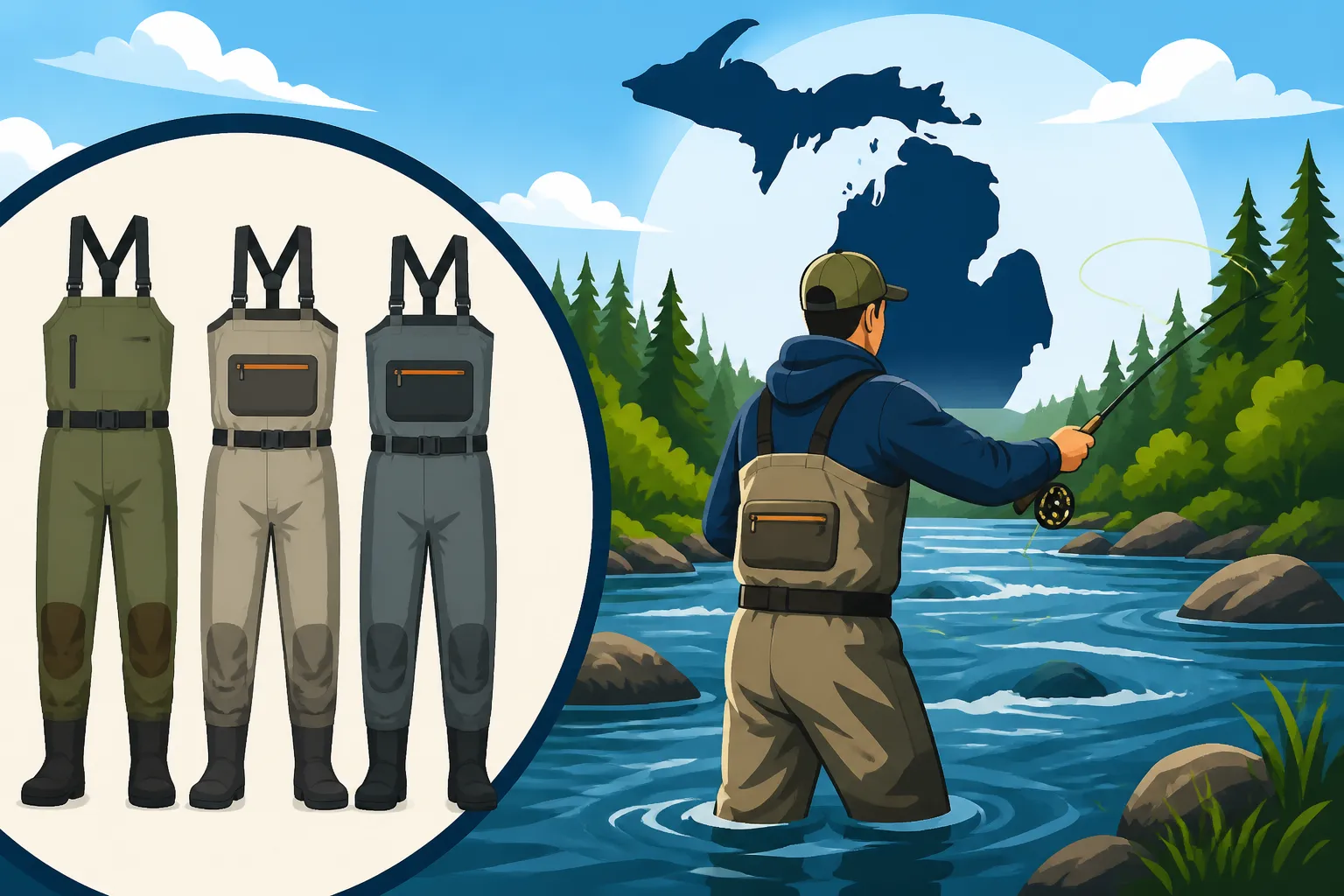
Chest waders are by far the most popular choice for Michigan river anglers, and for good reason. As the name suggests, they extend up to your chest, held in place by suspenders over your shoulders. This maximum coverage is crucial when you're wading in deeper stretches of rivers like the Manistee or when navigating unexpected drops in the riverbed. They offer the greatest protection against immersion, whether you're crossing a swift current or simply wading deep to reach a prime fishing lane.
Many seasoned anglers prefer chest waders because they offer versatility; you can wear them in shallow water just as easily as in deeper sections. They are the go-to option for those who target migrating salmon and steelhead in the larger Great Lakes tributaries, where wading waist-deep or even deeper is often necessary. If you're only going to own one pair of waders for Michigan river fishing, chest waders are almost always the recommended choice due to their adaptability and superior protection against the elements. You'll find a vast selection of reliable chest waders at outdoor retailers like Bass Pro Shops.
Hip Waders: For Shallower Pursuits
Hip waders, sometimes called "wading pants," are a more minimalist option. They extend only to your upper thigh, attaching to your belt to keep them from slipping down. These are excellent for situations where you know you'll be in consistently shallow water, like small trout streams or when working along the edges of larger rivers where the current isn't too strong and the bottom is predictable.
They are lighter, less bulky, and often more comfortable in warmer weather or when you're doing a lot of hiking between fishing spots. However, their limited coverage means you need to be acutely aware of water depth. A single misstep into a deeper hole can quickly leave you soaked and miserable. For anglers primarily targeting small stream trout or those who prefer walking along banks and only making brief forays into ankle-to-knee-deep water, hip waders can be a good choice. They are less common for serious Michigan steelhead or salmon fishing, where deeper wading is the norm.
Wader Boots vs. Stockingfoot Waders: A Crucial Distinction
This is perhaps the most significant choice you'll make after deciding on chest or hip coverage.
-
Bootfoot Waders: These waders have the boots permanently attached to the wader legs. They are generally quicker and easier to put on and take off, making them convenient for short trips or when you're frequently getting in and out of the water. They often provide more insulation for colder conditions due to the integrated boot. However, the fixed boot means you're often limited in terms of fit and support; the boots might not be perfectly comfortable or offer the best traction for challenging terrain. If the boot wears out or gets damaged, the entire wader needs replacement. They are often favored by ice anglers or those who spend most of their time stationary in very cold water.
-
Stockingfoot Waders: These waders end in a neoprene "sock" or "foot," which means you'll need to purchase separate wading boots to wear over them. This system offers superior customization and performance. You can choose wading boots that fit your foot perfectly, provide excellent ankle support, and feature specialized soles (felt, rubber with studs) tailored to the specific river conditions you'll encounter. The separate boots are typically much more durable and grippy than integrated bootfoot options. This modularity means if your boots wear out, you only replace the boots, not the entire wader. While they take a bit longer to gear up, the enhanced comfort, support, and versatility of stockingfoot waders make them the preferred choice for most dedicated river anglers in Michigan, especially those tackling challenging wading conditions and long days on the water. Many top-tier brands offer stockingfoot options on platforms like Amazon.
Best Wading Boots for Michigan Rivers are often discussed in conjunction with stockingfoot waders.
| Wader Type | Coverage | Advantages | Disadvantages | Ideal Michigan Use Case |
|---|---|---|---|---|
| Chest Waders | Chest to Foot | Maximum protection, versatile, deep wading. | Can be bulky, hotter in summer. | All-around river fishing, steelhead/salmon runs. |
| Hip Waders | Thigh to Foot | Lightweight, less bulky, good for warm weather. | Limited depth, risk of getting wet. | Small, shallow trout streams, light wading. |
| Bootfoot Waders | Integrated Boot | Quick on/off, good insulation, simpler. | Less precise fit, limited boot options. | Cold weather, ice fishing, quick trips, minimal hiking. |
| Stockingfoot Waders | Separate Boots Required | Custom fit, superior support/traction, modular. | Takes longer to put on, requires separate boots. | Dedicated river angling, technical wading, long days. |
Diving Deep into Wader Materials and Their Performance
The material your waders are made from profoundly impacts their comfort, durability, and suitability for different fishing conditions. Michigan's four distinct seasons mean you'll likely encounter everything from freezing slush to warm summer flows, so understanding material properties is vital.
Neoprene Waders: Warmth for Winter and Cold-Weather Fishing
Neoprene waders are essentially wetsuits for your legs, and they excel in cold water conditions. Made from the same synthetic rubber material as wetsuits, neoprene provides excellent insulation by trapping a thin layer of water against your skin, which is then warmed by your body temperature. This makes them incredibly warm, often a godsend when you're Best Time to Fish for Steelhead in Michigan during late fall, winter, or early spring. If you find yourself in rivers like the Manistee or St. Joseph when ice sheets are forming on the banks and the water temperature hovers near freezing, neoprene waders will be your best friend.
They are also generally very durable and resistant to punctures, which is a big plus when navigating brushy riverbanks. However, neoprene doesn't breathe. In warmer weather or during strenuous activity like hiking to a remote spot, you'll quickly become sweaty and uncomfortable inside, as moisture has no way to escape. For dedicated cold-weather angling or ice fishing in Michigan, neoprene is an excellent choice, but it's a specialty item rather than an all-season solution. You'll often find a good range of neoprene waders suitable for tough conditions at outdoor specialists like Bass Pro Shops.
Breathable Waders: Comfort in Warmer Temperatures and Active Angling
Breathable waders are the modern standard for most serious river anglers, especially when conditions are milder or when you're covering a lot of ground. These waders are typically made from advanced multi-layer fabrics, often incorporating waterproof yet breathable membranes (like Gore-Tex, Toray, or similar proprietary materials). The magic of these materials is that they allow water vapor (perspiration) to escape from the inside while preventing liquid water from penetrating from the outside.
This breathability is a game-changer for comfort, keeping you drier and more comfortable even when you're hiking to access points or actively wading and casting for hours. They are ideal for Michigan's spring, summer, and fall fishing seasons, when you might be targeting Michigan Smallmouth Bass Daily Limit on the St. Clair River, or Au Sable River Trout Fishing in Michigan in warmer months. While not as inherently insulating as neoprene, you can easily layer underneath breathable waders with fleece or synthetic base layers to adjust to varying temperatures. This versatility makes them the top choice for multi-season use and active anglers. The trade-off is often cost, as the advanced materials can be more expensive, and they can sometimes be less puncture-resistant than thick neoprene, requiring a bit more care.
Hybrid and Specialty Materials
Beyond the main two, you'll also encounter waders that combine materials or use specialized fabrics for specific purposes. Some manufacturers offer hybrid designs that might incorporate neoprene in high-wear areas or for added warmth in the lower legs, with breathable fabrics used for the upper portions. These aim to provide a balance of warmth and breathability. Other waders might focus on extreme durability with rugged nylon or polyester outer layers, perhaps sacrificing a bit of breathability for maximum abrasion resistance.
For instance, some budget-friendly options might use PVC or rubber. While very waterproof and affordable, these materials offer no breathability whatsoever and can be very stiff and uncomfortable, making them generally unsuitable for active river fishing in Michigan. For serious anglers, investing in quality breathable or neoprene waders is almost always worth the initial expense for the comfort, performance, and longevity they offer.
Essential Features to Look for in Quality River Waders
Once you've decided on the type and material, it's time to dig into the details. The small features can make a huge difference in your day-to-day experience on Michigan's rivers, influencing everything from your balance to your ability to access crucial gear.
Boot Design and Traction: Staying Upright on Slippery Bottoms
This is arguably the most critical feature, especially for wading Michigan's often treacherous riverbeds. If you opt for stockingfoot waders, your wading boots become paramount. Look for soles designed for maximum grip on wet, slippery surfaces. Felt soles traditionally offer excellent traction on slick rocks and moss, making them a popular choice for many trout and steelhead rivers. However, felt can pick up invasive species, so many anglers now opt for rubber soles with aggressive lug patterns.
To enhance traction even further, many rubber-soled boots are designed to accept screw-in studs or cleats. These studs bite into slippery surfaces, providing unparalleled grip. It's not uncommon for Michigan anglers to carry extra studs for replacement as they wear down. When trying on wading boots, consider how they feel on uneven surfaces. Good ankle support is also crucial, especially on rivers like the Pere Marquette with its notorious rolling stones. Whether integrated into bootfoot waders or as separate wading boots, the sole and ankle support are your first line of defense against slips and falls in challenging currents.
Pockets, Zippers, and Reinforcements: Practicality and Durability
Thoughtful design details can make a wader go from good to great.
-
Pockets: A good wader will feature at least one, if not several, functional pockets. A large, fleece-lined handwarmer pocket on the chest is invaluable on chilly Michigan mornings, offering a place to thaw your fingers or hold a small fly box. Water-resistant or waterproof pockets, often with YKK AquaGuard or similar zippers, are crucial for safely storing your phone, car keys, or fishing license. Some waders even include internal mesh pockets for additional organization. Think about what you carry and how easily you need to access it when waist-deep in a river.
-
Zippers: While not universal, some higher-end chest waders feature a full front zipper. This significantly improves ease of donning and doffing, especially after a long day or for bathroom breaks. While convenient, these zippers add to the cost and introduce another potential point of failure, so ensure they are high-quality, waterproof zippers. Simpler designs rely on suspenders and belts for entry and exit.
-
Reinforcements: Look for waders with reinforced knees and seat areas. These high-wear zones are prone to abrasion and punctures from kneeling on rocks or sitting on rough surfaces. Additional layers of fabric (often a more robust nylon or Cordura) in these areas drastically extend the life of your waders. Some premium waders even feature integrated gravel guards – elastic cuffs at the bottom of the wader leg that fit over your wading boots to prevent sand and gravel from entering, protecting both your waders and your feet. These small details add up to a much more durable and practical piece of gear for the rigors of Michigan river fishing.
Suspenders and Belts: Achieving a Secure and Comfortable Fit
The right fit ensures both comfort and safety.
-
Suspenders: Most chest waders come with adjustable suspenders. Look for wide, comfortable suspenders, often made from elastic, that distribute the weight evenly over your shoulders. Quick-release buckles are a nice touch, allowing you to easily unhook them. Some advanced designs feature convertible suspenders, allowing you to easily roll the waders down to waist height on warmer days without fully removing them.
-
Wading Belt: A wading belt is absolutely non-negotiable for chest waders. It cinches around your waist, just above your natural waistline, serving two critical safety functions. First, it helps prevent water from rushing up into your waders if you happen to fall or take a deep plunge, mitigating the "bell effect" where water fills the waders and can make it difficult to recover. Second, it helps keep the waders snug and prevents them from sagging uncomfortably. Look for a wide, durable, and adjustable belt, often with a sturdy buckle. Some waders come with integrated belts, while others allow you to use your own. Always wear your wading belt tightened appropriately; it's a small detail that can have huge safety implications on Michigan's rivers.
Sizing, Fit, and Comfort: Getting it Right for Long Days on the Water
Even the most expensive, feature-rich waders are useless if they don't fit correctly. A poor fit leads to discomfort, chafing, restricted movement, and premature wear, turning a pleasant fishing trip into an ordeal. Taking the time to get the sizing right is paramount for your enjoyment and the longevity of your investment.
Taking Accurate Measurements for Your Waders
Unlike regular clothing, wader sizing requires a bit more precision. Manufacturers often provide detailed sizing charts, and it’s critical to consult them. You’ll typically need to measure several key areas:
- Chest/Waist: Measure the fullest part of your chest and around your natural waistline.
- Inseam: Measure from your crotch to the floor, or the length of a well-fitting pair of pants.
- Foot Size: Your regular shoe size is usually a good starting point for stockingfoot waders, but it's important to cross-reference with the manufacturer's specific sizing for the neoprene booties. Remember, these booties need to fit snugly but not constrictively, as they will be worn inside your wading boots.
- Hip: For some wader styles, especially women's or more tailored fits, hip measurements are also important.
Don't guess or assume your regular clothing size will translate directly. Take the time to measure yourself, and if you're between sizes, it's often better to size up slightly to allow for layering and freedom of movement. Many brands, including those found on Amazon, will have their own unique sizing charts, so always double-check.
The Importance of Layering and Roominess
One common mistake anglers make is buying waders that are too snug. Remember, you won't be wearing just your underwear under your waders, especially in Michigan's colder fishing seasons. You'll likely want to wear base layers, fleece pants, or even insulated trousers to stay warm. Your waders need to have enough room to comfortably accommodate these layers without feeling restrictive.
Too tight, and the layers will compress, reducing their insulating properties. Too tight, and you'll feel uncomfortable, unable to bend, squat, or walk naturally, which affects both your casting and your safety while wading. The extra room also allows for better air circulation (in breathable waders) and reduces stress on the seams, extending the wader's life. Think about how much room you need to swing your Best Rod Length for River Steelhead comfortably without the waders binding. Aim for a fit that allows a full range of motion without excessive bagginess that could catch on brush or currents.
Trying Them On: What to Look and Feel For
If at all possible, try waders on before you buy them. If you're purchasing online, make sure the retailer has a good return policy. When trying them on:
- Wear Your Typical Layers: Don't try them on over just shorts. Put on the base layers and fishing clothes you would normally wear.
- Bring Your Wading Boots: If buying stockingfoot waders, bring the wading boots you plan to use to ensure the neoprene booties fit comfortably inside.
- Perform Full Range of Motion: Walk around, squat down, high-step as if climbing over a log, and sit down. The waders should not pull uncomfortably in the crotch, knees, or shoulders. There should be no restriction when lifting your knees high.
- Check for Excess Material: While you need room for layering, excessive bagging, especially in the legs, can create drag in the water and potentially trip you up. Look for a balance.
- Shoulder Straps: Ensure the suspenders are comfortable and don't dig into your shoulders, even with layers on.
- Foot Comfort: For stockingfoot waders, the neoprene foot should fit like a snug sock, with no excess material bunching up, but also no pinching. For bootfoot waders, make sure the integrated boot is comfortable and allows for your intended sock thickness.
Getting the fit right is crucial for long-term satisfaction. Remember, you might be wearing these waders for several hours while How to Fish for Steelhead in Michigan, so comfort is key.
Wader Care and Maintenance for Longevity in Michigan's Rivers
Waders are an investment, and like any good piece of gear, they need proper care to last. Michigan's diverse fishing environments, from sandy river mouths to rocky upstream stretches, can be tough on waders. A little preventative maintenance goes a long way in extending their life and keeping you dry trip after trip.
Cleaning Your Waders After Each Outing
It might seem tedious after a long day of fishing, but a quick clean is essential.
-
Rinse Off Debris: As soon as you're off the water, give your waders a thorough rinse with fresh, cool water. This removes mud, sand, algae, and any other organic matter. Pay special attention to the seams and zippers where debris can accumulate. For stockingfoot waders, also clean your wading boots and gravel guards thoroughly to prevent the transfer of Invasive Fish Species in Michigan Waters. This is particularly important when moving between different river systems or even different sections of the same river.
-
Gentle Cleaning: If your waders are particularly dirty, you can use a mild, non-detergent soap (like a simple hand soap or specialty wader cleaner) and a soft brush or sponge to gently scrub away grime. Avoid harsh chemicals, bleach, or strong detergents, as these can damage the waterproof membranes and seam tape.
-
Dry Thoroughly: This is perhaps the most crucial step. Hang your waders inside out first to allow the interior to dry completely, then flip them right-side out to dry the exterior. Hang them in a well-ventilated area, out of direct sunlight and away from heat sources, which can degrade materials. Never store waders damp, as this can lead to mildew growth, which not only smells terrible but can also compromise the integrity of the fabric and seam tape, making them leak. Ensuring your waders are bone-dry before storing them is a non-negotiable step to prevent premature failure.
Proper Storage to Prevent Damage
How you store your waders between trips is just as important as how you clean them.
-
Hang, Don't Fold: While it might be tempting to fold them up and toss them in a bin, this can create permanent creases in the fabric and stress the waterproof membranes and seam tape, eventually leading to leaks. The best way to store waders is to hang them from a sturdy wader hanger or broad-shouldered hanger in a closet or storage area. This allows them to hang freely without creases. If hanging isn't an option, loosely roll them up rather than folding them sharply.
-
Keep Away from Pests and Chemicals: Store your waders in a cool, dry place away from direct sunlight, extreme temperatures, and any chemicals like gasoline, solvents, or pesticides, which can degrade the materials. Keep them away from rodents or insects that might chew through the fabric for nesting material. A dedicated gear closet or a corner of the garage works well, as long as it meets these conditions. Proper storage prevents unnecessary wear and tear, ensuring your waders are ready for your next adventure, whether you're targeting Michigan's Fall Salmon Run Fishing or enjoying the Michigan Spring Fishing Season Guide.
Repairing Leaks and Extending Wader Life
Even with the best care, leaks can happen. A stray thorn, a sharp rock, or just general wear and tear can eventually lead to a pinhole or seam failure. Don't despair; many waders are repairable!
-
Finding the Leak: The easiest way to find a leak is to turn the waders inside out, spray the suspected area with rubbing alcohol (which evaporates quickly), and look for a dark spot. Alternatively, fill the waders with water (being careful not to overstress them) and look for drips on the outside. A final method is to put the waders on, spray the outside with soapy water, and look for bubbles as you apply gentle air pressure from the inside.
-
Repair Kits: Most wader manufacturers and fishing shops sell specialized repair kits. These typically include small patches made of the same breathable fabric as the wader, along with a waterproof adhesive (often Aquaseal or a similar product). Follow the kit's instructions carefully for cleaning, applying the patch, and allowing adequate drying time. For minor pinholes, a small dab of Aquaseal directly on the leak can be enough.
-
Seam Sealant: Over time, the seam tape on the inside of breathable waders can start to delaminate, leading to leaks. A good quality seam sealant can often re-adhere these seams, giving your waders a new lease on life. Regular inspection of seams and quick repairs can prevent small issues from becoming major blowouts, helping you maximize the lifespan of your waders and continue enjoying Michigan's fantastic river fishing opportunities.
Disclaimer
This article is for general informational purposes only and does not constitute professional advice. Laws, prices and regulations vary by location and change over time. Consult a qualified professional for guidance on your specific situation.