Best Rod Length for Steelhead Fishing
If you've ever stood on the banks of a beautiful Michigan river, rod in hand, watching a majestic steelhead leap from the water, you know the thrill. But if you've also felt the frustration of a missed hookset, a botched cast, or losing control of a powerful fish, you've likely wondered if your gear is really up to the task. One of the most common questions I hear from fellow anglers, especially when targeting those chrome beauties, is about rod length. Choosing the right rod length for steelhead fishing isn't just a minor detail; it can genuinely make or break your day on the water, impacting everything from your casting accuracy to how effectively you fight a fish in heavy current. This guide is all about demystifying rod length, helping you pick the perfect wand for Michigan's diverse steelhead waters and techniques.
Why Rod Length is a Game-Changer for Michigan Steelhead Anglers
Let's be honest, walking into a tackle shop and seeing rows upon rows of rods, all varying in length, can be overwhelming. But for steelhead fishing, that extra foot or two on your rod isn't just for show; it's a critical component that directly influences your success. These aren't your average panfish, and the dynamic environment of a steelhead river demands a rod that can handle the specific challenges.
Reaching Distant Runs and Overcoming Obstacles
Imagine you're on the Pere Marquette River, and you see a prime holding lie on the far bank, just beyond a swift current seam. With a shorter, say, 7-foot rod, reaching that spot accurately and then mending your line to get a natural drift might feel like an impossible task. This is where longer rods truly shine. A 10-foot or 11-foot rod provides the leverage and tip speed needed to propel your float or lure much further, allowing you to present your offering to fish that shorter rods simply can't reach.
Furthermore, Michigan's steelhead rivers often feature snags, overhanging trees, and dense bankside brush. A longer rod allows you to keep more line off the water, steering your drift away from potential snags or lifting your bait over small obstacles. It’s a huge advantage when you’re trying to fish those tight pockets that often hold big fish. Without that reach, you’re either constantly snagging up or just plain missing out on key fishing zones.
Superior Line Control and Hook-Setting Power
One of the most critical aspects of steelhead fishing, especially with techniques like float fishing, is maintaining impeccable line control. You want your bait or fly to drift as naturally as possible, mimicking a free-floating insect or piece of roe. A longer rod helps you achieve this by giving you more line contact with your float or indicator, allowing for subtle mends upstream or downstream to correct your drift. This means your bait spends more time in the strike zone looking natural, which is absolutely crucial for wary steelhead.
And then there's the hookset. Steelhead are powerful, and their mouths are tough. A long rod provides an incredible amount of leverage, allowing you to pick up slack line quickly and drive the hook home with authority, even from a distance. Think of it like this: a longer lever requires less force to move a heavy object. When that object is a 10-pound steelhead trying to spit your hook, that extra leverage from a 10-foot rod means the difference between a solid connection and a heartbreaking miss. This improved leverage also assists in fighting the fish, absorbing runs and protecting your line from breaking under sudden surges.
Navigating Michigan's Diverse River Environments
Michigan is blessed with an incredible variety of steelhead rivers, each presenting its own unique challenges and opportunities. From the wide, open stretches of the Grand River to the more intimate, brush-lined confines of the Au Sable, the environment dictates much of your rod choice. If you're wading a broad river with few obstructions, a longer rod (11-13 feet) for maximum casting distance and drift control might be ideal. This is especially true for techniques like float fishing where you’re trying to cover a lot of water without moving much yourself.
However, if you find yourself on a smaller, tighter stream with heavy cover and limited casting room, wielding a 13-foot noodle rod could be more of a hindrance than a help. In such scenarios, a slightly shorter rod, perhaps in the 9 to 10-foot range, might offer better maneuverability without sacrificing too much control. Knowing your fishing spot and its characteristics, from bank access to water width, is paramount when considering your rod length. It’s all about finding that sweet spot where your rod length complements the conditions, not fights against them.
Matching Rod Length to Your Preferred Steelhead Technique
Just like there are different tools for different jobs, different steelhead fishing techniques call for specific rod lengths to maximize their effectiveness. It’s not a one-size-fits-all situation, and understanding the nuances will significantly improve your chances of success on Michigan's waters, whether you're chasing them during the Michigan Steelhead Run Timing in spring or fall.
The Long Reach of Float and Centerpin Rods
When you talk about float fishing or centerpinning for steelhead, the general consensus leans towards longer rods, and for good reason. For these techniques, you're trying to achieve long, drag-free drifts, often in significant current, and keep as much line off the water as possible. This requires serious rod length.
- Ideal Range: Most dedicated float and centerpin rods for steelhead will fall between 10 feet 6 inches and 13 feet, with some specialized models extending to 15 feet.
- Why it Works: The extra length allows for incredible line control, enabling anglers to mend their line far more effectively, correcting the drift and preventing drag. This is crucial for presenting small baits or spawn bags naturally to wary steelhead. It also aids in setting the hook at longer distances by picking up slack line quickly. For anglers learning How to Centerpin for Steelhead or How to Float Fish for Steelhead, a rod in this range is non-negotiable for proper technique.
- Real-World Application: Imagine fishing a long, sweeping current seam on the Manistee River. A 12-foot rod lets you cast a float rig well upstream and then "reach" out to control the line, keeping it from dragging the float prematurely. This allows your bait to drift naturally, enticing strikes from hidden steelhead. Without that length, your float would likely get pulled by the current, causing an unnatural presentation.
Versatility in Spinning and Baitcasting Rods
For many anglers, spinning and baitcasting setups are the go-to for steelhead, offering versatility for casting spoons, spinners, crankbaits, or bottom-bouncing spawn. While not quite as long as dedicated float rods, these still trend longer than typical bass or walleye rods.
- Ideal Range: A common sweet spot for steelhead spinning and baitcasting rods is between 8 feet 6 inches and 10 feet 6 inches.
- Why it Works: This range offers a good balance of casting distance, hook-setting power, and fish-fighting capability. The added length over a standard 7-foot rod still provides some of that crucial line control and leverage without being overly cumbersome for repeated casting. These rods are often designed with a moderate-fast action, allowing for good shock absorption when a steelhead makes a powerful run, while still having enough backbone to steer fish away from snags. If you're looking for Best Rods for Steelhead Fishing, many popular models fit this profile.
- Real-World Application: If you're casting a 3/8 oz Little Cleo spoon across the Muskegon River, an 9-foot 6-inch spinning rod will allow you to cast further than a shorter rod and still control the retrieve effectively. When a steelhead hits, the rod's length helps absorb the initial shock and provides the leverage to turn the fish's head, guiding it into the net. This length is also a great choice for those who prefer to switch between casting lures and doing some light bottom-bouncing or even for anglers trying to learn How to Catch Steelhead From Shore.
Fly Fishing Rod Lengths for Michigan Steelhead
Fly fishing for steelhead is an art form, and rod length is a critical part of the canvas. Whether you're nymphing, swinging streamers, or even dead-drifting eggs, the rod's length impacts your presentation and ability to fight powerful fish on light tackle.
- Ideal Range: Most steelhead fly rods fall between 9 and 10 feet. While 9-foot rods are standard for many fly fishing applications, a 10-foot rod is increasingly popular for steelhead.
- Why it Works: The longer fly rod provides better line control, especially when high-stick nymphing or mending line during a long swing. It helps keep fly line off the water, reducing drag and allowing for more natural presentations. The added length also acts as a better shock absorber for big fish, protecting lighter tippets. For those who want to learn How to Fly Fish for Michigan Steelhead, a 10-foot rod can be a real advantage for managing complex currents and achieving perfect drifts with egg patterns or nymphs.
- Real-World Application: Consider fishing a medium-sized river like the Rogue with a 10-foot, 7-weight fly rod. This length allows you to perform long, precise roll casts or overhead casts to reach specific pockets. When nymphing, you can keep your rod tip high, minimizing fly line sag and ensuring your flies tick along the bottom without drag. When you hook into a powerful steelhead, the extra rod length helps you apply pressure and absorb head shakes, increasing your chances of landing that fish. Pairing this with the right Best Flies for Michigan Steelhead can make for an unforgettable day.
| Technique | Recommended Rod Length (Feet) | Key Advantage | Common Action/Power |
|---|---|---|---|
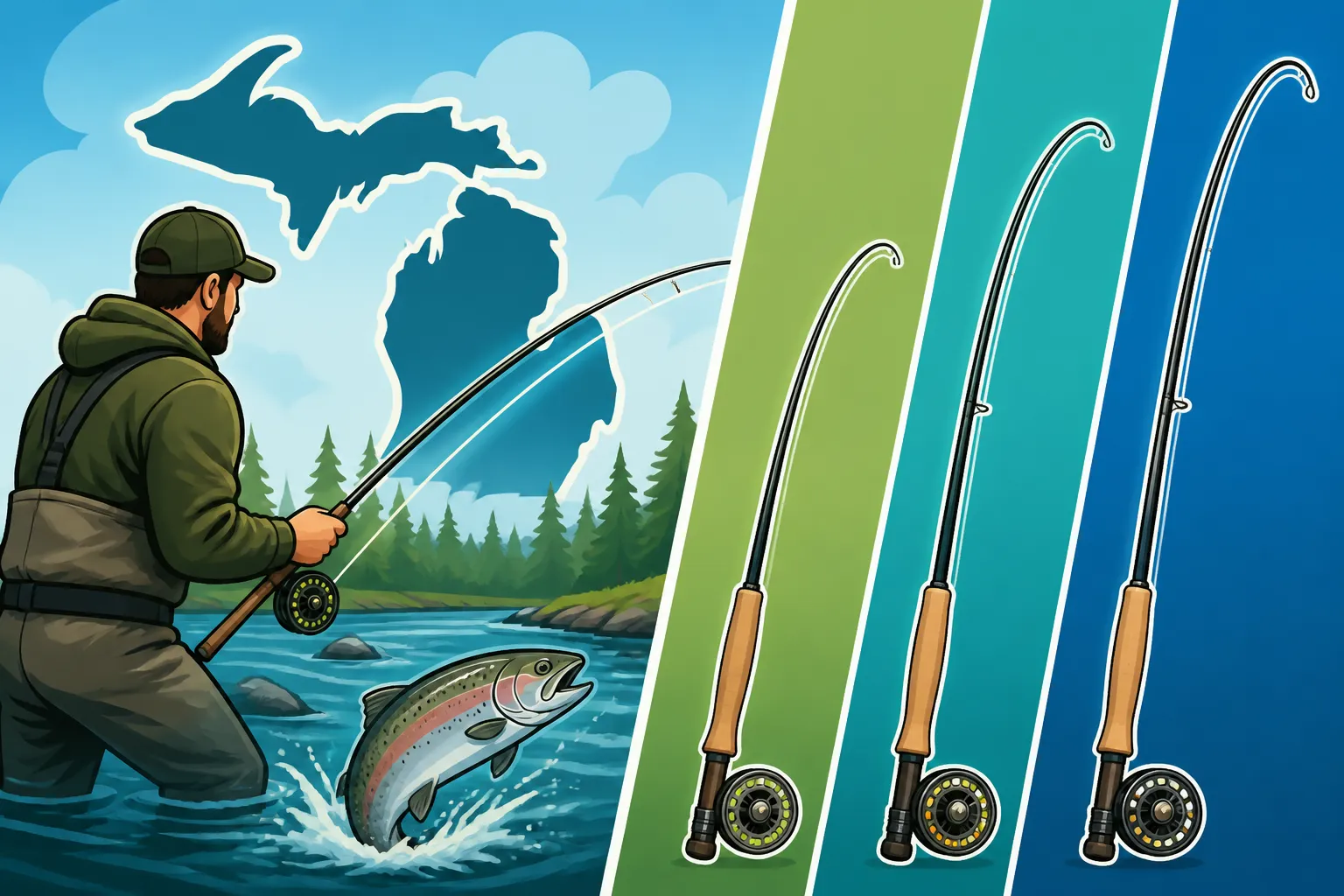
| Float/Centerpin | 10'6" to 13' (up to 15') | Superior line control, long drifts, powerful hooksets at distance | Moderate-fast to Moderate |
| Spinning/Baitcasting | 8'6" to 10'6" | Versatile casting, good leverage, fish fighting | Moderate-fast |
| Fly Fishing | 9' to 10' | Enhanced line mending, shock absorption, delicate presentation | Moderate-fast to Fast |
Critical Considerations for Selecting Your Ideal Rod Length
Beyond the specific technique you plan to employ, there are several overarching factors that should heavily influence your choice of steelhead rod length. These are often personal or dictated by the environment you typically fish, making the "best" choice a highly individualized one.
Personal Comfort and Angler Experience
This might sound obvious, but it’s often overlooked. The "best" rod length for steelhead fishing isn't just about what the pros use; it's about what feels comfortable and effective in your hands. A 13-foot centerpin rod might offer maximum line control, but if you're a shorter angler or just starting out, that much rod can feel unwieldy and tiring to cast and manipulate all day. You might find yourself struggling with casts or fumbling during hooksets, which defeats the purpose of the length advantage.
Conversely, an experienced angler who spends hundreds of hours on the water might effortlessly wield a 12-foot rod, having developed the muscle memory and technique to manage it. Don't be afraid to start with something a bit shorter, like a 9'6" or 10' spinning rod, especially if you're new to steelhead fishing. You can always add longer, more specialized rods to your arsenal as your skills and confidence grow. It's much better to fish effectively with a comfortable rod than to struggle with one that's technically "optimal" but feels awkward to you.
Balancing Rod Length with Line Type and Lure Weight
Your rod length needs to work in harmony with the rest of your setup, especially your line and the weight of your offerings. A rod that's too stiff and short for light line and tiny baits will lead to poor casting distance and potential line breaks. On the flip side, a noodle-y long rod might not have the backbone to properly cast heavier lures or fight larger fish, especially if you're using a stronger line like 10-lb test.
For example, if you're planning on using lighter What Line Weight for Michigan Steelhead for a more stealthy presentation, a longer, more flexible rod (often labeled with a lighter power) can help protect that delicate line by distributing the load more evenly during a fight. If you're throwing heavier spoons or wobbling plugs, a slightly shorter, more powerful rod will give you better casting accuracy and the backbone to really work those lures. Always check the manufacturer's recommended line and lure weight ranges on the rod blank to ensure you're getting a balanced setup. A well-matched rod and reel, like many excellent options you can find on Amazon, will improve both performance and durability.
The Impact of Fishing Location and River Dynamics
Michigan's rivers are incredibly diverse, and the specific section you're fishing will play a huge role in determining your optimal rod length.
- Small, Brushy Streams: If you're targeting steelhead in intimate, brush-choked creeks or smaller sections of rivers like the upper Au Sable River, a shorter rod (8'6" to 9'6") might be more practical. The limited casting room and numerous snags can make a super long rod more of a liability, constantly catching on branches. You need to be able to make short, precise casts and quickly steer fish away from cover.
- Medium-Sized Rivers with Varied Access: For rivers like the Pere Marquette River or the Betsie River, which offer a mix of open stretches and tighter spots, a versatile 9'6" to 10'6" rod often hits the sweet spot. This length gives you enough reach for most situations without being overly cumbersome when you encounter more confined areas. These are often the Best Rivers for a Fall Steelhead Run, and having a versatile rod allows you to adapt to changing conditions.
- Large, Open Rivers: On wider rivers like the Grand River or the Manistee River, particularly if you're wading or shore fishing extensive stretches, longer rods (11' to 13' for float fishing, 10' for spinning) become incredibly advantageous. They allow for long casts across wide currents, superior line mending, and maximum reach to control your drift in expansive water. When you're fishing from a boat on these larger rivers, the need for extreme length might diminish slightly, as the boat itself provides some mobility and positioning advantages.
Ultimately, your fishing habits and the specific waterways you frequent should heavily influence your choice. If you primarily fish small streams, a compact rod is key. If you live for long, sweeping drifts on big water, lean into the longer options.
Practical Tips for Choosing and Testing Your Steelhead Rod
So, you've got a good idea of what rod length you think you need. Now, how do you make that final decision and ensure you're getting the right stick for your Michigan steelhead adventures?
Hands-On Testing and Dealer Consultations
There's truly no substitute for holding a rod in your hands before you buy it. Pictures and online reviews (even really good ones, like those you find on Amazon) can only tell you so much. What feels balanced to one angler might feel tip-heavy to another.
- Visit a Local Tackle Shop: Make a trip to a dedicated fishing store, especially one that caters to river anglers in Michigan. Places like Frank's Great Outdoors in Linwood or Tackle Warehouse (though more of an online presence, they sometimes have retail partners) are excellent spots. Talk to the staff; they're often local experts and can offer invaluable advice based on the specific rivers you fish and your experience level.
- Mimic Casting and Fighting: When you're in the shop, ask if you can "cast" the rod (even without line or lure). Hold it, feel the balance, and swing it around. Pretend to set the hook and fight a fish. This will give you a much better feel for its weight, action, and how it will perform on the water.
- Check the Reel Seat: Make sure your preferred reel (or one of similar size and weight) seats comfortably and securely on the rod. The balance point of the rod can change significantly once a reel is attached.
Don't be shy about asking questions. A good fishing outfitter wants to help you find the right tool for the job, and their expertise is often worth more than any online discount.
Starting with a Versatile All-Around Length
If you're relatively new to steelhead fishing or you only plan on having one or two steelhead rods in your arsenal, it's wise to start with a versatile, all-around rod length. Specializing too early can lead to frustration if your "specialized" rod isn't suited for common conditions.
- The 9'6" to 10'6" Spinning Rod: For many anglers, a quality spinning rod in this length range with a medium-light to medium power and a fast action is an excellent starting point. It's long enough to offer good casting distance and line control for most Michigan rivers, yet manageable enough for various techniques (lures, spawn bags, beads). You can find fantastic options in this range, from brands like St. Croix or Fenwick, which are widely available at sporting goods stores and through online retailers.
- The 10' Fly Rod: Similarly, for fly anglers, a 10-foot, 7-weight fly rod provides a great balance. It's long enough for effective nymphing and swinging, but still manageable for casting in tighter spots.
As you gain experience, you'll naturally start to identify scenarios where a more specialized rod (like a 12-foot centerpin rod or a super-fast action 8'6" casting rod) would significantly enhance your fishing. Building your arsenal slowly based on your evolving needs is a smart approach.
Investing in Quality That Matches Your Passion
While it might be tempting to grab the cheapest rod on the shelf, especially when starting out, consider the long-term value of a quality piece of equipment. Steelhead fishing can be demanding on gear. Powerful fish, cold temperatures, and rugged river environments will test your rod's durability.
- Durability and Performance: A higher-quality rod, often made with better graphite blanks and components (like guides and reel seats), will not only last longer but will also perform better. It will cast more accurately, be more sensitive to subtle bites, and have a more robust backbone to fight those hard-charging steelhead. You'll find that many reputable brands offer excellent rods across different price points, and even their mid-range options can be fantastic investments.
- Enjoyment Factor: Let's face it, fishing is about enjoyment. Struggling with a poor-quality rod that feels like a wet noodle or constantly breaking down can quickly diminish the fun. A well-balanced, responsive rod enhances the entire experience, from the cast to the fight.
- Consider Used Options: If budget is a concern, don't shy away from checking out used gear at reputable consignment shops or online fishing forums. You can often find fantastic deals on high-quality, lightly used rods that still have years of life left in them. Just be sure to inspect them thoroughly for any cracks or damage before purchasing.
Remember, your rod is an extension of yourself on the water. Choosing the right length and a quality build will make your Michigan steelhead fishing more productive and, most importantly, more enjoyable.
Disclaimer
Please remember that fishing regulations, including those related to gear and techniques, can change. Always consult the latest Michigan Department of Natural Resources (DNR) fishing guide before heading out on the water. This information is for educational and entertainment purposes only.