Best Cooler for Keeping Fish Fresh
You've just wrapped up an incredible day on the water, maybe pulling a feisty steelhead from the Manistee River or battling a trophy walleye on Saginaw Bay. The hard part is done – the fish are landed! But now comes the critical next step: getting them home in prime condition. Nothing's more frustrating than a cooler that melts ice too fast, leaving your prize catch compromised. This guide is all about helping you pick the perfect cooler to keep your Michigan fish fresh, ensuring that delicious meal makes it from your hook to your plate, tasting exactly as it should.
Why Your Cooler Choice Matters More Than You Think on Michigan Waters
It might seem like a simple box, but the cooler you choose is a vital piece of gear, especially when you're fishing the diverse and often unpredictable waters of Michigan. From the vast expanse of Lake Michigan to the quiet corners of inland lakes, environmental factors are constantly working against the freshness of your catch.
The Battle Against Michigan's Changing Temperatures
Michigan's weather is a beautiful, albeit sometimes challenging, tapestry. You could be experiencing a scorching summer day in July while chasing smallmouth bass on Lake St. Clair, where temperatures can soar and direct sunlight beats down on your boat. Just a few months later, you might be out in October on the Au Sable River, pursuing brown trout, and while the air might be crisp, even mild fall days can cause ice to melt if your cooler isn't up to snuff. These temperature fluctuations are the enemy of fresh fish. Bacteria multiply quickly in warmer conditions, and fish meat degrades rapidly.
A high-quality cooler acts as a crucial barrier, an insulated fortress that dramatically slows down this process. It's not just about keeping your drinks cold; it's about maintaining a consistently low temperature, ideally just above freezing, to preserve the texture, flavor, and safety of your catch. Without adequate insulation, the ice you painstakingly packed will turn to water in a matter of hours, and your fish will begin to warm up, compromising their quality long before you get them to the cleaning station. This is particularly true if you have a long drive home after a successful trip.
Protecting Your Hard-Earned Catch from Farm to Table (or Boat to Grill)
Think about all the effort, time, and dedication you pour into a fishing trip. You scout locations, study maps, pick the right tackle, wake up before dawn, and spend hours honing your technique. Whether you're drift fishing for steelhead or using specific Michigan Walleye Fishing Techniques, every bit of that effort culminates in the fish you bring to the boat or shore. To then have that effort diminished by a subpar cooler is truly a letdown.
A good cooler doesn't just save ice; it protects your investment. It ensures that the walleye you expertly jigged, the salmon you fought tirelessly, or the perch you patiently reeled in will retain its peak quality for cooking. Food safety is paramount, and keeping fish on ice immediately after they are caught is the best way to inhibit bacterial growth and prevent spoilage. Moreover, the eating experience is directly tied to how well the fish was handled post-catch. Properly iced fish will have a firmer texture and a cleaner, fresher taste compared to fish that have been allowed to warm up even slightly. It’s about respecting the resource and honoring the catch, ensuring that every fish provides the best possible meal.
Key Features to Look for in a Fish Cooler
Choosing the right cooler means understanding what makes one stand out from the rest. It’s not just about brand names; it’s about construction, materials, and smart design that caters to the specific demands of fishing.
Insulation Power: The Heart of a Great Cooler
When it comes to keeping fish fresh, insulation is king. This is the single most important factor determining how long your ice will last and how consistently cold the interior of your cooler will remain. You’ll typically encounter a few main types of insulation. Basic coolers often use a thin layer of foam, which is adequate for short trips but won't hold ice for extended periods. Mid-range coolers might have thicker foam walls, offering better performance.
The gold standard for serious anglers, however, is often found in rotomolded coolers. These are constructed using a rotational molding process, which creates a single, seamless piece for the body and lid. This allows for incredibly thick, uniform walls filled with high-density pressure-injected foam insulation. This type of construction minimizes air gaps and maximizes thermal retention, meaning your ice can last for days, even in hot weather. While these high-performance coolers can be a significant investment, they pay for themselves in preserved catches and peace of mind. Some brands also use injection-molded designs which can offer similar performance with a slightly different manufacturing process. For a long weekend trip targeting salmon on the Great Lakes, this kind of ice retention is non-negotiable.
Size, Shape, and Portability for Michigan Anglers
The ideal cooler size really depends on your fishing habits. Are you mostly doing quick shore fishing trips, perhaps targeting yellow perch on the St. Clair River, where a smaller, more portable cooler might suffice? Or are you heading out on a multi-day charter for Chinook salmon, which might require a large chest cooler capable of holding multiple big fish?
Consider the dimensions carefully. For species like walleye or especially muskellunge, you'll want a cooler that's long enough to lay the fish flat without bending them, which can compromise their appearance and flesh. Standard coolers might be too short for larger trout or salmon, leading to awkward packing. Look for models explicitly designed as "fish coolers" or "game coolers," which tend to be longer and narrower. Michigan Muskellunge Harvest Reporting Rules even require measurements, so having a cooler that accommodates their impressive length is key.
Portability is another major consideration. A huge cooler is great for capacity, but if you have to haul it a long distance from your vehicle to a remote fishing spot on a river like the Pere Marquette, heavy-duty wheels and sturdy, comfortable handles become essential. Some anglers even opt for backpack-style coolers or soft-sided options when they need to be highly mobile, although these typically offer less ice retention than their hard-sided counterparts. Think about how you’ll be transporting it – in a truck bed, in a small boat, or hand-carrying it.
Durability and Practical Design Elements
A fishing cooler takes a beating. It’s exposed to sun, salt (if you’re fishing the Great Lakes), mud, fish slime, and the general rough-and-tumble of outdoor adventures. Therefore, robust construction is paramount. Look for coolers made from UV-resistant, high-impact polyethylene, which can withstand bumps, drops, and prolonged sun exposure without cracking or fading.
The quality of hardware also makes a huge difference. Heavy-duty rubber latches that securely seal the lid are far superior to flimsy plastic ones that break easily or pop open. Strong, rust-resistant hinges (often stainless steel) are crucial for longevity. A large, leak-proof drain plug makes cleanup much easier, allowing you to quickly empty melted ice water without having to tip the entire cooler. Non-slip feet are invaluable for keeping the cooler stable on a wet boat deck or rocky shore. Internally, smooth, easy-to-clean surfaces prevent odors and make sanitizing a breeze. Some coolers even come with thoughtful extras like integrated rulers on the lid for quick fish measurements, which is helpful given Michigan Fishing Regulations Every Angler Should Know often include size limits. You can find many coolers with these robust features at reputable outdoor retailers like Bass Pro Shops.
| Cooler Type | Key Features | Typical Ice Retention | Portability | Best For |
|---|---|---|---|---|
| Rotomolded | Thick, pressure-injected insulation; seamless construction; heavy-duty latches | Excellent (3-10+ days) | Moderate to Low | Multi-day trips, Great Lakes charters, large fish like salmon or muskellunge, extreme conditions |
| Soft-Sided/Backpack | Lightweight fabrics; flexible insulation; zipper closures; shoulder straps | Good (1-2 days) | High | Shore fishing, wading rivers, day trips, carrying provisions, remote access spots |
| Traditional Hard-Sided | Injected foam insulation; hinged lid; plastic or wire latches | Fair to Good (1-3 days) | Moderate | Day trips, weekend camping, general family fishing, smaller boats |
| Insulated Fish Bag | Collapsible fabric; heavy-duty zippers; internal insulation | Good (1-3 days) | High (when empty) | Very large fish (tuna, large salmon); supplementing main cooler; limited storage space on boat; easy to clean, flexible |
Maximizing Your Cooler's Performance: More Than Just Ice
Even the best cooler in the world won't perform optimally if you don't use it correctly. There's an art and a science to icing down fish that can significantly extend freshness.
The Art of Icing Down Your Catch Properly
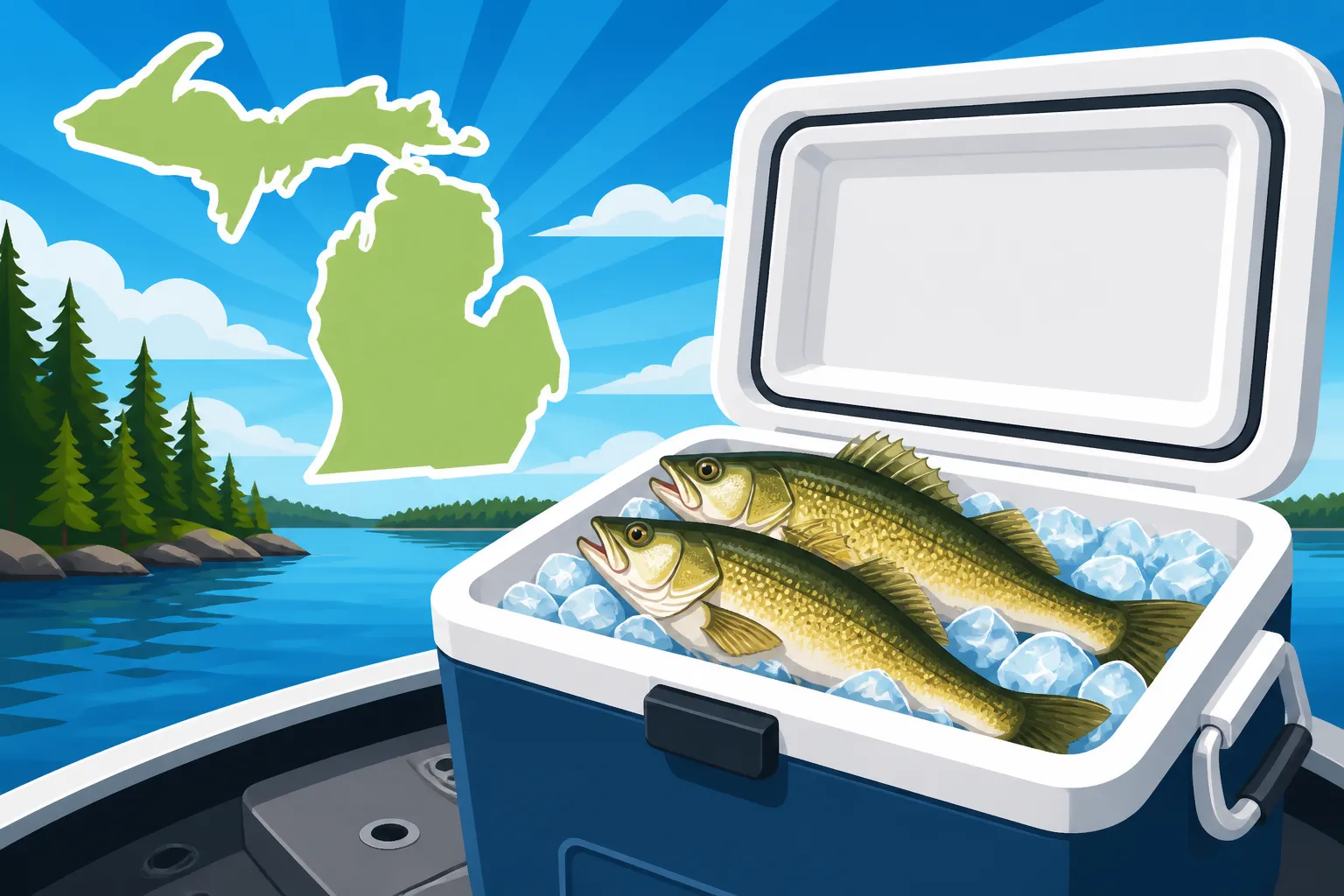
The first rule of superior ice retention is to pre-chill your cooler. If you load ice into a warm cooler, a significant portion of that ice will be wasted simply bringing the cooler's internal temperature down. A day before your trip, throw a bag of cheap ice or some frozen water bottles into the cooler and let it sit with the lid closed. Drain the meltwater before adding your "working" ice.
Next, consider the type of ice. While cubed ice from the gas station is convenient, block ice lasts much longer because it has less surface area exposed to warmer air. A combination often works best: a layer of block ice on the bottom for longevity, followed by cubed ice for filling gaps and making better contact with your fish. For serious cooling, especially on hot days, many anglers swear by an ice slurry. This involves adding a mix of ice and a small amount of water to create a slushy bath. An ice slurry makes better contact with the entire surface of the fish, chilling it down faster and more uniformly than ice cubes alone. You can even add a bit of rock salt to the water to lower its freezing point, making it even colder – just be mindful of how much salt if you don't want your fish directly exposed to it for long periods.
Finally, and perhaps most crucially for fish quality, is proper fish preparation immediately after the catch. For most species, especially salmon, trout, and walleye, bleeding the fish quickly is key. This removes blood from the flesh, resulting in a cleaner-tasting fillet and preventing "blood spots" that can spoil the appearance. A quick cut to the gills or throat, followed by placing the fish head-down in a bucket of water or directly into your cooler's ice slurry, will allow the blood to drain. This step alone can make a huge difference in the final product you bring home from a Michigan lake or river.
Strategic Placement and Handling in the Field
Where you keep your cooler during the day plays a huge role in its performance. Always try to keep your cooler out of direct sunlight. On a boat, this might mean tucking it under a console or covering it with a wet towel. On shore, find some shade under a tree or even cover it with a tarp. The sun's radiant heat can quickly penetrate the cooler's exterior, forcing the insulation to work harder and melting your ice faster.
Every time you open the cooler, warm air rushes in, and cold air escapes. Keep the lid closed as much as possible. If you’re also using the cooler for drinks and snacks, consider having a separate, smaller cooler for those items to minimize opening your primary fish cooler. When you do add a fish, do it swiftly and efficiently.
When placing fish in the cooler, ensure they are fully submerged in ice or the ice slurry. Don't just lay them on top. Layer fish with ice, making sure ice is packed all around and over them. For a successful salmon trip on Lake Michigan, for example, you'll be glad you had a system in place for handling each fish as it comes aboard. Regularly check your ice levels, especially on longer trips, and add more if needed. Even a sturdy, well-insulated cooler like those you might find on Amazon will perform better with mindful use. Remember, the goal isn't just to keep things cool, it's to keep them cold – ideally between 32-35 degrees Fahrenheit – from the moment they leave the water until they hit your kitchen.
Different Types of Coolers for Different Michigan Fishing Adventures
Just as there are different types of fishing, there are different types of coolers, each with its own strengths and ideal uses. Matching the cooler to your adventure is key.
Rotomolded Coolers: The Gold Standard for Serious Anglers
If you're an avid angler who demands the absolute best in ice retention and durability, a rotomolded cooler is likely your top choice. These coolers are built like tanks, designed to withstand extreme conditions and keep ice for incredibly long durations – often for several days, even a week or more, depending on the model and conditions. Their robust, seamless construction means they can take a beating from being tossed in a truck bed, dragged across rocky shores, or enduring rough waters on the Great Lakes without cracking or breaking.
The thick, pressure-injected insulation in their walls and lid is what gives them their superior thermal performance. They typically feature heavy-duty rubber latches, freezer-grade gaskets around the lid for an airtight seal, and sturdy rope or molded handles. While they come with a higher price tag and are generally heavier than other cooler types, their longevity and performance make them a worthwhile investment for serious Michigan anglers. For multi-day camping and fishing trips along the Best Rivers for Trout and Steelhead in Michigan, or for deep-water trolling charters on Lake Superior, a rotomolded cooler provides unparalleled peace of mind that your catch will stay perfectly fresh. You'll find a wide selection of these high-performance coolers at stores like Bass Pro Shops.
Soft-Sided and Backpack Coolers: When Portability is Key
Sometimes, a bulky hard-sided cooler just isn't practical. This is where soft-sided and backpack coolers shine. These are fantastic for lighter loads, shorter trips, or when you need maximum mobility. Imagine hiking to a remote inland lake in the Upper Peninsula, or wading a stretch of the Au Sable River – a backpack cooler allows you to keep a few snacks, drinks, and maybe a couple of smaller trout perfectly chilled without impeding your movement.
Soft-sided coolers are typically made from durable, waterproof fabrics, with some level of foam insulation and a zippered closure. While their ice retention isn't on par with rotomolded coolers, many high-quality soft-sided models can still keep ice for a full day, especially if properly packed. They are much lighter when empty, easier to carry, and more flexible for squeezing into tight spaces in a kayak or small boat. They're also often easier to clean and store when not in use. For a quick afternoon of Shore Fishing Techniques for Michigan's Great Lakes or a paddle on a local pond, a soft-sided cooler is a convenient and effective choice.
Traditional Hard-Sided Coolers: Reliable Workhorses
The traditional hard-sided cooler is the classic workhorse that most people are familiar with. These coolers represent a good balance of cost, capacity, and performance for many anglers. They are generally more affordable than rotomolded options and come in a vast array of sizes and features. While their insulation might not be as thick or as high-tech as their rotomolded cousins, many modern hard-sided coolers still offer excellent ice retention for day trips or even a long weekend, especially in moderate temperatures.
These coolers are perfect for general family fishing outings, keeping drinks and food cold alongside your catch for a day at the beach or a picnic by the lake. They're also great for smaller boats where space might be a premium, or for anglers who don't need multi-day ice retention. While they might not survive being dropped off a cliff like some rotomolded models, they are durable enough for most typical fishing scenarios. You can find reliable traditional hard-sided coolers readily available on Amazon, making them an accessible choice for a wide range of anglers. They're ideal for those who might be just starting out or only fish occasionally but still want a dependable way to keep their catch fresh.
Fish Bags: An Alternative for Large Catches or Limited Space
For anglers targeting exceptionally large fish, or those with limited storage space on their vessel, an insulated fish bag can be an ingenious solution. These bags are essentially large, heavy-duty, soft-sided coolers designed specifically to accommodate big fish like a trophy salmon from Michigan Salmon Species Explained or a massive muskellunge. They are typically long and often come with a heavy-duty, leak-proof zipper and sturdy handles for carrying.
The main advantages of fish bags are their flexibility and collapsibility. When empty, they can be folded or rolled up, taking up minimal space on a boat, which is a huge plus when you're maximizing every inch of deck room. Once you've landed a big fish, you can simply unroll the bag, fill it with ice, and slide your catch inside. They provide excellent insulation for their form factor and are often easier to clean than a hard-sided cooler, as you can simply rinse them out and hang them to dry. While they don't offer the rigid protection of a hard cooler, they are incredibly effective for keeping large fish fresh, especially when combined with a good ice slurry. Many charter captains rely on fish bags to handle their clients' impressive hauls.
Disclaimer
This article is for general informational purposes only and does not constitute professional advice. Laws, prices and regulations vary by location and change over time. Consult a qualified professional for guidance on your specific situation.