Best Summer Technique for Michigan Walleye
Summer walleye fishing in Michigan can sometimes feel like trying to find a needle in a haystack – those elusive, delicious fish seem to vanish when the water warms up! It’s a common frustration for many anglers who are used to more aggressive bites in spring or fall. But don't despair! This guide is here to unravel the mysteries of summer walleye behavior and equip you with the best techniques and strategies to fill your cooler, even when the sun is scorching.
Understanding Summer Walleye Behavior in Michigan
When summer really kicks in, everything changes for walleye. They're not just hanging out in the shallows anymore; they're reacting to profound changes in their environment. Understanding these shifts is key to locating and catching them consistently.
The Deep Water Retreat: Why Walleye Go Down
As Michigan's lakes and rivers warm up significantly, walleye, being cool-water fish, don't just endure the heat; they actively seek out comfort zones. This usually means a retreat to deeper, cooler waters. Think about it: when it’s 90 degrees outside, you’re not going to sit on the pavement, right? You’re heading for the air conditioning. Walleye are no different. They need stable temperatures and sufficient oxygen, which are often found below the thermocline in deeper lakes.
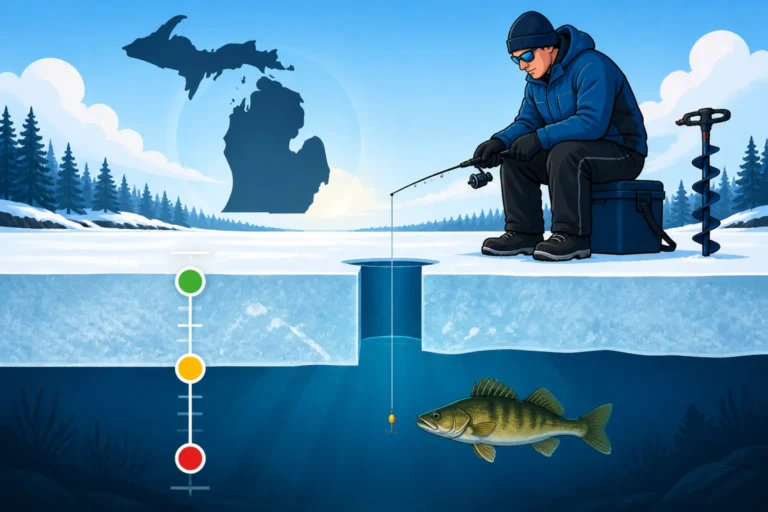
The thermocline is a distinct layer within a large body of water where the temperature changes more rapidly with depth than it does in the layers above or below. Above it, the water is warmer and well-oxygenated. Below it, the water is cooler but might have less oxygen, especially in very deep, stagnant areas. Walleye will typically hold right on or just above the thermocline, finding that sweet spot of cooler water with enough oxygen to thrive. They’ll also follow their food source. Many baitfish species, like ciscoes or shiners, also seek these cooler depths, providing a mobile pantry for the walleye. On vast waters like Saginaw Bay, or even large inland lakes like Houghton Lake, this deep water retreat means anglers have to adjust their tactics dramatically.
Dawn and Dusk Feeding Windows
Even in their deep-water havens, summer walleye don't typically feed aggressively all day long. Their comfort with light levels is a huge factor. Walleye have excellent low-light vision, which gives them a distinct advantage over their prey during twilight hours. This makes dawn and dusk prime feeding windows, even in summer. As the sun begins to dip below the horizon or just as it's peeking up in the morning, walleye will often move shallower, sometimes even to the edges of weed beds or along breaklines, to ambush unsuspecting baitfish.
During the brightest parts of the day, they tend to hug structure or stay tight to the bottom in deeper water, conserving energy and avoiding harsh sunlight. This doesn't mean you can't catch them during midday, but it does mean your chances are often much higher during those limited low-light periods. It emphasizes the importance of precise timing and hitting the water when the fish are most likely to be active. For instance, on a big lake, being out before sunrise and getting lines in the water can make all the difference, much more so than in spring when they might bite throughout the day. You'll find many anglers heading out for Night Fishing Techniques for Walleye during the dog days of summer.
Essential Gear and Setup for Summer Walleye
Having the right tools for the job is crucial, especially when you're targeting summer walleye that can be a bit more finicky. You need gear that allows for precision, sensitivity, and the ability to handle larger, more powerful fish from deeper water.
Rods, Reels, and Line Choices
For summer walleye, your rod and reel setup needs to be versatile enough to handle a variety of techniques, from trolling to jigging. A medium-light to medium-heavy power rod, typically in the 6'6" to 7'6" range, is a great starting point. Look for a fast action tip, which means the rod bends mostly in the top third. This offers the sensitivity needed to detect subtle bites while still providing enough backbone to set the hook firmly and fight a strong walleye. A faster action also gives you more control when you're working a lure.
When it comes to reels, a good quality spinning reel in the 2500-3000 size is excellent for casting lighter jigs or slip bobber rigs. If you're primarily trolling or using heavier bottom bouncers, a baitcasting reel offers more power and control for managing heavier lines and larger lures. For line, many experienced Michigan anglers opt for braided main line, typically 10-20 pound test, due to its incredible sensitivity and lack of stretch. This allows you to feel those delicate taps even when fishing deep. Crucially, always tie on a fluorocarbon leader (8-12 pound test) at the business end. Fluorocarbon is nearly invisible underwater, offers good abrasion resistance, and provides a bit of stretch, acting as a shock absorber. You can find excellent options for Best Spinning Rods for Michigan Walleye and appropriate lines on platforms like Amazon.
Lures and Baits for Warm Water Walleye
The warm water period demands specific lure choices that either mimic baitfish in deep water or trigger aggressive reaction strikes. Live bait always has a place, but artificials can be incredibly effective when presented correctly.
Crankbaits: These are workhorses for summer walleye, especially when trolling. Deep-diving crankbaits are essential for reaching walleye holding on the thermocline or hugging deep structure. Look for models that can dive to 15-30 feet or more. Colors can vary, but natural baitfish patterns, firetiger, or clown patterns are often popular. On clear lakes, go for more subtle colors; in stained water, brighter patterns can be very effective, something explored further in Best Lure Color for Murky Water Walleye. Shallow-running crankbaits can also be deadly during those low-light feeding windows when walleye push into shallower depths.
Crawler Harnesses: This is a classic, unbeatable summer walleye presentation. A crawler harness typically consists of a series of beads, a small spinner blade, and two or three hooks dressed with a live nightcrawler. The spinner creates flash and vibration, attracting walleye. These are usually trolled slowly behind a bottom bouncer or a small weight, keeping the bait just off the bottom. The scent and action of a live nightcrawler are incredibly enticing, making it one of the Best Bait for Michigan Walleye options. You can buy pre-tied harnesses or build your own.
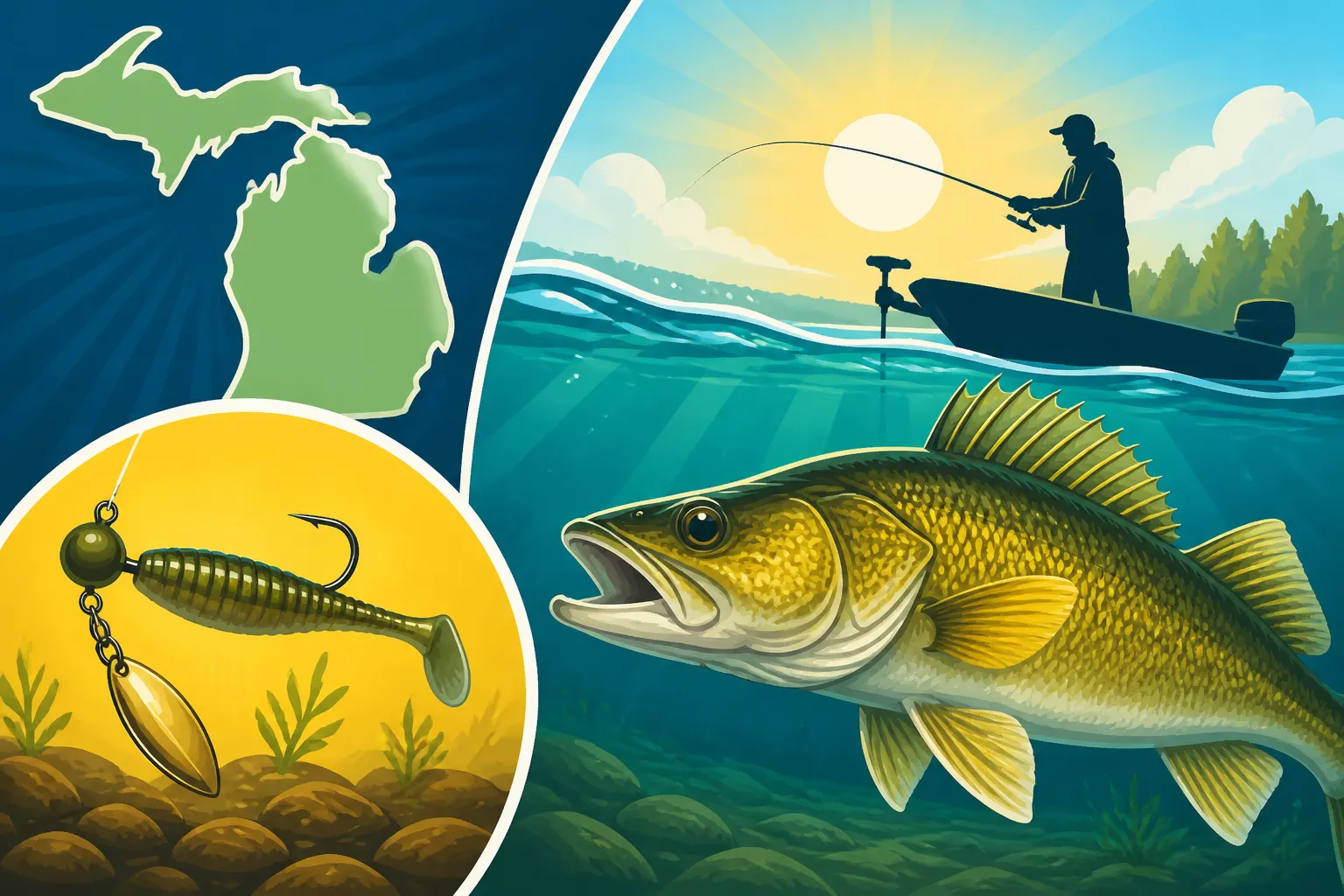
Jigs and Soft Plastics: When walleye are holding tight to structure, vertical jigging can be highly effective. Heavy jigs (1/2 oz to 1 oz+) tipped with a soft plastic swimbait, grub, or even a piece of a nightcrawler work well. The key is to keep the jig right in the strike zone and impart a subtle, lifelike action. Blade baits are another excellent option for deep water jigging, especially for triggering reaction strikes. Their flash and vibration can be irresistible to walleye. Mastering Jigging Techniques for Michigan Walleye can significantly increase your catch rate. Many anglers stock up on a variety of jig heads and soft plastics from online retailers, including Amazon, to have options for different conditions.
Top Summer Walleye Techniques to Master
Now that we understand why walleye behave the way they do in summer and what gear to use, let's dive into the most effective techniques to get them in the boat.
Trolling with Crawler Harnesses
Trolling with crawler harnesses is arguably the most popular and productive summer walleye technique in Michigan, particularly on larger bodies of water like Lake Huron's Saginaw Bay or even Lake St. Clair. It allows you to cover vast amounts of water, presenting a natural bait to scattered fish. The basic idea is to slowly pull a crawler harness behind your boat, often using a bottom bouncer or inline weight to keep it near the bottom where walleye are feeding.
Here’s a common setup: you'll attach a bottom bouncer (typically 1 to 3 ounces, depending on depth and speed) to your main line. Then, tie a 3-5 foot fluorocarbon leader from the bottom bouncer to your crawler harness. The harness itself will feature a colorful blade, beads, and two snelled hooks with a live nightcrawler hooked once or twice to allow for natural movement. The key is to troll at a very slow speed, usually between 0.8 and 1.5 miles per hour. This speed allows the spinner blade on the harness to rotate enticingly and gives the nightcrawler a sinuous, lifelike action. Many anglers use planer boards to spread out their lines, allowing them to cover a wider swath of water without tangling. This tactic is similar in concept to how many anglers approach Trolling for Chinook Salmon on Lake Michigan, just adapted for walleye and often at slower speeds. Pay close attention to your electronics; when you mark fish, make a mental note or drop a waypoint, then circle back through that area. It often signals a small school or a productive piece of structure.
Deep Water Jigging and Blade Baits
When walleye are concentrated in specific deep areas, such as over submerged humps, along dramatic drop-offs, or in river channels, deep water jigging becomes incredibly effective. This technique is all about precision and staying directly over the fish you're targeting. For this, a good fish finder is indispensable, as discussed in Fish Finders for Michigan Boat Fishing.
Vertical jigging involves dropping a heavy jig (often 1/2 to 1 ounce, sometimes more in strong currents or deeper water) directly beneath your boat. You can tip these jigs with soft plastics like paddletail swimbaits, minnow imitations, or even a piece of a nightcrawler. The retrieve is a lift-and-drop motion, keeping the lure active but controlled. The idea is to mimic a stunned or injured baitfish struggling near the bottom. Bites can be subtle – a light tap, or sometimes just a feeling of added weight. Setting the hook quickly is key. Blade baits, like those from popular brands you can find on Amazon, are also fantastic for deep jigging. These lures are essentially a lead body with a metal blade, and they produce an intense vibration on the lift and flutter on the fall. Walleye often strike blade baits out of aggression or curiosity rather than purely as a feeding response. This technique works wonders on clear, deep lakes like Higgins Lake, where walleye might suspend over deep structure or congregate in schools.
Night Fishing for Walleye
When the summer sun beats down, making midday fishing a grind, don't put away your rods! Instead, embrace the darkness. Night fishing for walleye in Michigan is a time-honored and incredibly productive tradition. As mentioned earlier, walleye have superior low-light vision, and the cover of night allows them to move into shallower water with confidence, hunting for baitfish that might be less wary. This makes areas like shallow flats, weed edges, and even shoreline breaks incredibly productive after dark.
One of the most effective night fishing techniques involves casting stickbaits or shallow-diving crankbaits. These lures, often in darker colors or those with rattles, create a silhouette and vibration that walleye key in on. Cast towards shore or along weed lines, using a slow, steady retrieve. Another fantastic method is slip bobber fishing with live bait, especially large leeches or nightcrawlers. Set your bobber stop to suspend your bait just above the weed tops or off the bottom in shallower areas where walleye are cruising. The glow of a small light stick on your bobber adds a visual element, making it easier to track and detect bites. The tranquility of night fishing, combined with the often aggressive walleye bite, makes for a truly unique and rewarding experience. This technique is so popular it has its own dedicated guide: How to Catch Walleye at Night in Michigan.
Locating Summer Walleye in Michigan Waters
Finding summer walleye is often more challenging than catching them. It requires understanding their preferred habitats and using your tools effectively to pinpoint their locations.
Understanding Lake Structure and Features
In large Michigan lakes, walleye are masters of relating to structure. They don't just swim randomly; they hold to specific features that offer comfort, cover, and access to food. During summer, key structures to look for include:
- Humps and Submerged Islands: These elevated pieces of bottom structure often act as magnets for baitfish, and thus for walleye. They provide a high point from which walleye can ambush prey.
- Points and Reefs: Shoreline points that extend into the lake, or underwater reefs, are prime ambush locations, especially where current or wind pushes baitfish past them.
- Deep Breaklines and Drop-offs: The edge where shallow water suddenly drops into deep water is a classic walleye highway. Walleye will patrol these breaks, moving up to feed during low light and retreating to the depths during the day.
- Weed Lines: While deep water is key, don't overlook the outer edges of deep weed beds. Walleye will often stage on the deeper side of these weeds, darting into the cover to hunt.
- Sunken Timber or Rock Piles: Any form of hard structure can attract bait and offer walleye cover.
Your boat's electronics, particularly a good fish finder, are your best friends here. Spend time idling over promising areas, looking for schools of baitfish, individual walleye marks, and interpreting the contours of the bottom. On vast lakes such as Lake Michigan, identifying these subtle structural changes is crucial for consistent success. Many anglers find their first fish finder on Amazon to help them start this process.
River Walleye Strategies in Summer
While many focus on lakes, Michigan's rivers can be fantastic for summer walleye, offering a different set of challenges and rewards. River walleye often behave a bit differently than their lake-dwelling cousins, primarily because current plays a significant role.
In rivers, walleye will seek out current breaks where they can rest out of the main flow but still dart out to grab passing food. Look for:
- Deed Holes and Scours: Especially below rapids or sharp bends, the current will carve out deeper holes. These are prime resting and feeding areas.
- Confluence Points: Where two rivers meet, or where a tributary enters a larger river, the mixing currents often concentrate baitfish and create current breaks that walleye love.
- Log Jams and Rock Piles: These structures break the current and create slack water zones. Walleye will often sit on the downstream side, waiting.
- Bridge Pilings: Similar to natural structure, bridge supports provide excellent current breaks.
Techniques often involve vertical jigging in deeper holes, or casting crankbaits and jigs towards current breaks. Remember that river walleye are often stronger than lake walleye due to constantly fighting current, so be ready for a fight! Rivers like the Grand River in Grand Rapids or the St. Joseph River can hold significant populations of summer walleye for anglers willing to explore. Learning to read the river current and understanding where walleye will position themselves is key for success.
Here's a quick reference table for some of Michigan's top summer walleye techniques:
| Technique | Primary Lure/Bait | Ideal Conditions | Best Depth Range | Key Considerations |
|---|---|---|---|---|
| Trolling Crawler Harnesses | Live Nightcrawlers, Spinner Rigs | Large lakes, open water, scattered fish, midday | Thermocline, 15-35 ft | Slow speed (0.8-1.5 mph), use bottom bouncers or weights, planer boards for spreading lines. |
| Deep Water Jigging | Heavy Jigs (1/2-1oz+), Soft Plastics, Blade Baits | Concentrated fish over structure, humps, drop-offs | 20-50+ ft | Vertical presentation, sensitive rod, quick hook sets, use electronics to stay on fish. |
| Night Fishing (Casting) | Shallow/Mid-Diving Crankbaits, Stickbaits | Low light, clear water, calm nights | 5-15 ft | Focus on weed edges, shallow flats, structure near shore; darker lure colors often effective. |
| Night Fishing (Bobber) | Slip Bobbers, Live Leeches/Nightcrawlers | Calm nights, shallow to mid-depth areas, precise depth | 5-20 ft | Set bait just above cover, use lighted bobbers, patient presentation. |
| River Current Fishing | Jigs, Crankbaits, Live Bait on 3-Way Rigs | Rivers with current breaks, deep holes, structure | Varies | Fish current seams, downstream side of obstructions; heavier tackle may be needed. |
Remember that success in summer walleye fishing often comes down to adaptability. If one technique isn't working, be willing to change depths, locations, or presentations. Persistence and a good understanding of walleye behavior will eventually lead to those memorable Michigan catches. Whether you're chasing them on the massive Great Lakes or a tranquil inland gem, there's a summer walleye bite waiting for you.
Disclaimer
This article is for general informational purposes only and does not constitute professional advice. Laws, prices and regulations vary by location and change over time. Consult a qualified professional for guidance on your specific situation.