Float Fishing for Michigan River Steelhead
Battling the currents of Michigan's magnificent rivers in pursuit of elusive steelhead can feel like an unending challenge, especially when traditional casting methods just aren't cutting it. It's frustrating to know these powerful fish are there, but you can't quite get your offering to them naturally. This comprehensive guide is dedicated to unlocking the secrets of float fishing, a highly effective technique that allows you to present your bait or lure precisely and naturally, increasing your chances of landing that chrome beauty.
Understanding the Appeal of Float Fishing for Steelhead
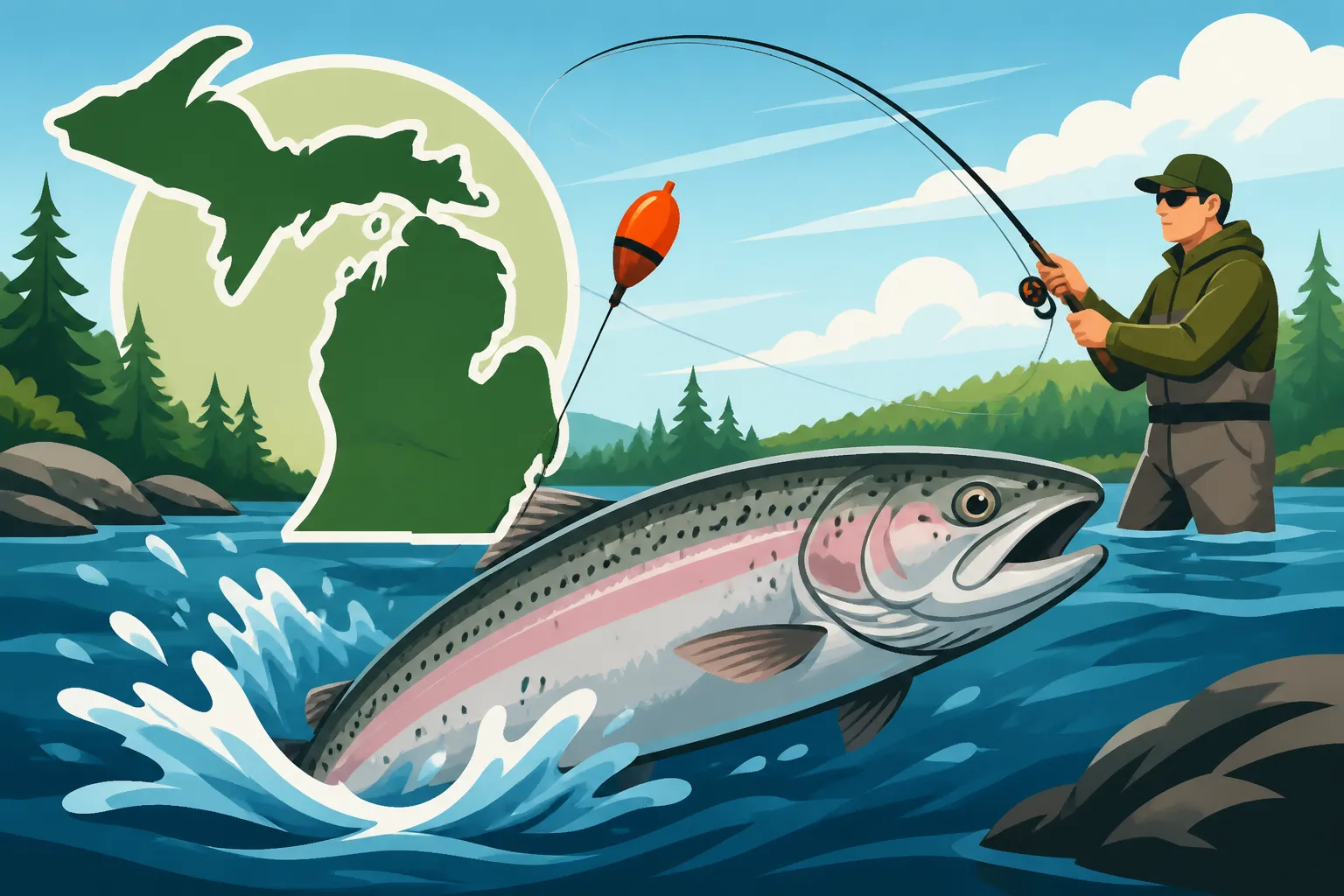
Float fishing, at its heart, is about presenting your bait or lure as naturally as possible to steelhead holding in river currents. Unlike traditional casting and retrieving, where your lure often moves with an unnatural speed or trajectory, float fishing allows your offering to drift downstream at the same pace as the current. This makes it incredibly effective, especially in Michigan's clear, pressured rivers where steelhead can be notoriously finicky. It's a method that truly mimics how natural food sources would drift, making it irresistible to hungry fish.
Why Float Fishing Excels in Michigan Rivers
Michigan's rivers, from the swift flows of the Manistee River to the varied depths of the Muskegon River, present unique challenges. They often feature complex current seams, varying depths, and numerous obstacles where steelhead love to hold. These fish frequently stage in specific "lanes" of current, behind rocks, or in deeper pockets, making it difficult to get a lure into their strike zone without spooking them. Float fishing shines here because it allows for incredible precision and a stealthy approach. You can cast upstream of a suspected holding lie and let your float carry your bait right into the fish's face without dragging or unnaturally pulling the line. This precision is especially critical during the Michigan Steelhead Run Timing, when fish are abundant but also highly sensitive to unnatural presentations.
Moreover, the ability to control depth is a huge advantage. Steelhead often hug the bottom, especially in colder water, and with float fishing, you can easily adjust your leader length to ensure your bait is right at their eye level. This adaptability, combined with the natural drift, makes it a superior technique for covering water effectively and enticing strikes from even the most cautious fish.
The Art of Natural Presentation
The core principle behind successful float fishing is achieving a "dead drift," where your bait moves at precisely the same speed as the surrounding current, completely unimpeded by your line or float. Imagine a small piece of natural debris, like a nymph or a salmon egg, tumbling downstream – that's the movement you're trying to replicate. Steelhead are ambush predators, and they prefer easy meals. A bait that appears to be struggling against the current or zipping by too fast often gets ignored.
Achieving this natural presentation requires a keen eye for reading the water, understanding current dynamics, and skillful line management. Your float acts as a visual indicator, but it also helps suspend your bait. The goal is for the bait to be doing all the work, appearing as a natural part of the environment. When done correctly, the float will move smoothly and predictably, then suddenly dip or dive when a steelhead intercepts your offering. This subtle yet powerful technique is what makes float fishing so deadly effective for steelhead in rivers across the state.
Gearing Up: Specialized Equipment for Float Anglers
While you might already have some general fishing gear, successful float fishing for Michigan river steelhead often benefits greatly from specialized equipment. This isn't just about fancy gadgets; it's about having the right tools that allow for precision, delicate presentation, and the power to tame a hard-fighting steelhead. Investing in the right gear will significantly improve your experience and your catch rates.
Rods, Reels, and Line Choices for Optimal Performance
For float fishing, your rod is your primary tool for casting, mending, and fighting fish. You'll want a longer rod than what you might typically use for spin fishing. A rod between 10.5 and 13 feet is ideal for most Michigan rivers. This extra length allows for better line control (mending), longer drifts, and softer landings, protecting light leaders. A medium-light to medium power rod with a fast or moderate-fast action is perfect – it needs enough backbone to handle a large steelhead but a sensitive tip to detect subtle bites and protect light lines. You'll find a fantastic selection of purpose-built steelhead rods on Amazon, often with detailed reviews from other anglers that can guide your choice. For a deeper dive into rod selection, you might want to check out our guide on the Best Rod Length for River Steelhead.
When it comes to reels, many float anglers swear by centerpin reels, which are essentially sophisticated fly reels designed for long, drag-free drifts. They offer unparalleled line control for the ultimate natural presentation. However, a good quality spinning reel (size 2500-3500) with a smooth drag system can also be highly effective, especially for beginners. The key is a smooth, reliable drag that won't falter when a powerful steelhead makes a blistering run. Our article on What Size Reel for Michigan Steelhead Fishing offers more specific recommendations.
For line, you'll typically run a braided mainline (15-20 lb test) for its sensitivity and lack of stretch, which helps with hook sets at a distance. To this, you'll attach a fluorocarbon leader (6-10 lb test, depending on water clarity and fish aggressiveness). Fluorocarbon is nearly invisible underwater and has excellent abrasion resistance, which is crucial when fishing around rocks and snags. The main line floats, and the leader sinks, creating a natural presentation. Remember, line quality makes a huge difference, so don't skimp here. Understanding What Line Weight for Michigan Steelhead is also vital for balancing your setup.
Selecting the Right Floats and Weights
The float is your eye on the water and helps suspend your bait. There are many types, but for river steelhead, you'll primarily use pencil floats, cigar floats, or fixed-stem balsa floats. The choice depends on the current speed and water depth. Pencil floats are very sensitive and ideal for slower water, while fatter cigar or balsa floats offer more buoyancy for faster currents or heavier baits. The key is to use the smallest float possible that can still support your weight and bait without sinking or dragging. When it comes to specialized floats like Drennan or Raven, Amazon is a reliable place to check if your local tackle shop doesn't carry them.
Weights are crucial for getting your bait down to the desired depth quickly and efficiently. You'll use split shot or specialized float weights (like slinky weights) distributed along your leader. The trick is to "shot-gun" your weights, meaning you place smaller weights gradually closer to your hook. This creates a natural, slow fall for your bait and reduces snags. The amount of weight needed varies with current speed and depth, but the goal is to use just enough to cock your float properly, with only a small portion showing above the water. Too much weight will make your presentation unnatural; too little, and your bait won't get down to the fish.
Hooks, Bait, and Artificials
The terminal tackle for float fishing should be robust yet subtle. For hooks, a sharp, strong, light-wire hook in sizes #6 to #10 is generally sufficient. Gamakatsu and Owner are popular brands known for their quality. Light wire hooks penetrate easily and allow for a more natural presentation of your bait.
When it comes to bait, natural offerings are often king for steelhead. Cured salmon eggs (single eggs or roe bags), worms (especially wigglers or pieces of nightcrawler), and wax worms are perennial favorites. The scent and natural appearance can be irresistible. Many anglers collect eggs during the Michigan's Fall Salmon Run Fishing to cure them for the upcoming steelhead season.
Artificial baits also have their place. Soft plastic beads, often resembling salmon eggs, are incredibly popular. They come in various colors and sizes, and when rigged correctly (often pegged a couple of inches above a small hook), they offer a fantastic presentation. Small jigs tipped with a wax worm or maggot can also be very effective. Our guide on How to Rig a Bead for Steelhead provides excellent tips for this setup. You might also incorporate techniques from Best Flies for Michigan Steelhead by using small nymphs under a float.
Mastering the Float Fishing Rig
Setting up a float fishing rig correctly is paramount to your success. A poorly balanced or improperly assembled rig will lead to unnatural drifts, missed bites, and endless frustration. Taking the time to build a precise rig will pay dividends on the water, transforming hesitant nibbles into solid hook sets. It's a skill that takes practice, but the principles are straightforward.
Building Your Ideal Steelhead Setup
Let's break down the components of a typical Michigan steelhead float rig, starting from your main line and working down to the hook. First, you'll want to slide your float onto your main line. Some floats are "fixed" (attached at both ends), but for most river applications, a "slip" float is better. A slip float allows the line to pass through it, with a bobber stop (a small knot or piece of rubber) on the main line setting your desired fishing depth. This allows you to reel your float all the way to your rod tip for casting, even when fishing in deep water.
After your float, you'll typically tie a small swivel to connect your main line to your leader. This swivel helps prevent line twist, especially important when using baits that might spin. From the swivel, your fluorocarbon leader extends down to your hook. The length of this leader is critical and will be adjusted based on the water depth you're targeting. A good starting point is usually 4-6 feet of leader, but it can be much longer in deep holes. Many anglers prefer specific brands of fluorocarbon leader, which you can easily stock up on through Amazon. Remember, the strength of your leader should be appropriate for the water conditions and potential size of the fish you're targeting.
Achieving Perfect Balance and Depth
The true art of float fishing lies in balancing your rig. This means using just enough weight to get your bait to the desired depth and make your float stand up properly, without making it sink or cause an unnatural drag. You'll typically distribute small split shot weights along your leader, below the swivel. Start with your heaviest weight closest to the swivel, and then progressively smaller weights as you get closer to the hook. This "shot-gun" weighting strategy helps your bait sink naturally and vertically, rather than swinging wildly.
To determine the correct amount of weight, add split shot until only the top ¼ to ½ inch of your float is visible above the water. This provides maximum sensitivity; any subtle take by a steelhead will cause the float to dip or disappear. If your float is lying flat or riding too high, adjust your weights accordingly.
Setting your depth is also crucial. Your bobber stop should be set so your bait is drifting just above the river bottom, generally within 6-18 inches. Steelhead are often bottom-oriented, especially in colder water. You'll adjust this depth frequently as you move to different spots in the river. If you're constantly snagging the bottom, shorten your leader. If you're not getting bites in deeper water, lengthen it. This dynamic adjustment is part of the constant refinement that makes float fishing so engaging and effective.
| Component | Recommended Use | Key Considerations |
|---|---|---|
| Rod | 10.5 – 13 ft, medium-light to medium power, fast action | Length for line control, backbone for fighting fish |
| Reel | Centerpin or 2500-3500 Spinning reel | Smooth drag, good line capacity |
| Main Line | 15-20 lb Braided Line | Sensitivity, no stretch, good for long casts |
| Leader | 6-10 lb Fluorocarbon (4-8 ft length) | Low visibility, abrasion resistance, natural presentation |
| Float | Pencil, Cigar, or Balsa (Slip Float System) | Buoyancy for current, sensitivity for bites |
| Weights | Various sizes of Split Shot or Slinky Weights | Distributed ("shot-gunned") for natural sink |
| Hook | #6-#10 Light-wire, sharp | Easy penetration, strong enough for steelhead |
| Bait/Lure | Cured eggs, worms, beads, small jigs | Natural presentation, color, scent |
Effective Techniques for Michigan Steelhead on a Float
Once your gear is properly set up, the real fun (and challenge!) begins: putting your rig into action. Effective float fishing for Michigan steelhead is a dance of observation, precision, and quick reflexes. It's about more than just casting and waiting; it's an active, engaging form of fishing that demands your full attention.
Reading the Water and Identifying Holding Lies
Before you even make your first cast, take a few minutes to "read the water." This is arguably the most important skill in river fishing. Look for changes in current speed, depth, and structure. Steelhead will hold in areas where they can expend minimal energy while still having access to food. Prime holding lies include:
- Current Seams: The distinct line where fast water meets slow water. Fish often sit just out of the main current, waiting for food to drift by.
- Pocket Water: Small, calmer pockets behind large rocks or logs in faster currents.
- Runs and Riffles: Deeper stretches of moving water after a shallow, fast section.
- Deep Pools: Especially at the tail end of a run, where fish can rest.
- Under Overhangs or Along Cut Banks: Areas that provide cover and shade.
Observe how the current flows, where eddies form, and where the water slows down. If you see debris drifting, note its speed and trajectory – that's how you want your bait to travel. Identifying these prime spots is crucial for success, especially when fishing during the busy Fall Steelhead Run in Michigan Rivers or the challenging Winter Steelhead Run in Michigan Rivers. Don't forget a good pair of polarized sunglasses, which you can find a wide range of options for on Amazon, making it easier to spot fish in the water.
Casting, Mending, and Drifting with Precision
Your cast should be smooth and controlled, aiming to land your float and bait upstream of your target holding lie, ideally without a big splash that might spook fish. The goal is to give your rig enough time to sink to the desired depth before it reaches the fish.
Once your float lands, the work of "mending" begins. Mending is the act of repositioning your main line on the water to eliminate drag and ensure your float continues its natural, unimpeded drift. If your line gets caught in a faster or slower current than your float, it will pull your float, causing an unnatural presentation. To mend, simply lift your rod tip and flip a loop of line upstream (or downstream, depending on the current) to correct the drag. This keeps your float moving at the same speed as the current directly below it. This constant vigilance and adjustment are key to success. This technique is similar to aspects of Drift Fishing Michigan Rivers for Steelhead.
As your float drifts, watch it intently. Any hesitation, dip, or sudden movement that doesn't align with the current flow could indicate a bite. Even a slight pause can mean a steelhead has picked up your bait.
The Art of the Hook Set and Fighting Fish
Detecting a bite with float fishing is often subtle. It's rarely a violent jerk; more often, the float will simply disappear, hesitate, or move sideways in an unnatural way. When you see any of these indicators, set the hook immediately! A strong, sweeping hook set, often to the side or upstream, is necessary to drive the hook home in a steelhead's tough mouth. Because you're often fishing with light leaders, a gentle but firm set is better than a huge, violent jerk.
Once hooked, steelhead are known for their powerful runs, acrobatic jumps, and head shakes. Keep your rod tip high to maintain pressure and absorb shocks, and let your reel's drag do its job. Don't try to horse the fish in, especially on light leaders. Patience is key. Let the fish run when it wants, but regain line whenever it pauses. If the fish jumps, drop your rod tip towards the water to reduce slack and prevent the hook from pulling free. Bringing a large net is highly recommended for safely landing and releasing these magnificent fish. For more on the life and fight of these fish, consider reading about the Steelhead Life Cycle in Michigan Rivers.
Advanced Strategies and Troubleshooting Common Challenges
Even the most experienced float anglers encounter challenges. Rivers are dynamic environments, and conditions can change rapidly. Knowing how to adapt your strategy and troubleshoot common problems will save you time, reduce frustration, and ultimately lead to more fish in the net.
Adjusting for Varying River Conditions and Currents
Michigan rivers are rarely static. Water levels can rise or fall with rainfall or snowmelt, and temperatures fluctuate. These changes directly impact how steelhead behave and how your float rig performs.
- High and Murky Water: When the water is high and stained, fish tend to move closer to the banks, seeking refuge from the strong currents. They also rely more on scent. This is a good time to use larger, brighter baits like an orange or chartreuse roe bag, or a bead with strong scent attractant. You might need to add more weight to ensure your bait gets down through the strong current.
- Low and Clear Water: In low and clear conditions, steelhead become incredibly spooky. This is when stealth is paramount. Downsize your leader (e.g., to 6lb fluorocarbon), use smaller, natural-colored baits like single salmon eggs or natural beads, and fish from a distance. Longer casts and precise mends are critical to avoid spooking fish.
- Fast Currents: In sections with swift currents, you'll need a more buoyant float to prevent it from dragging under. You'll also likely need more weight to get your bait down quickly. Focus on shorter, more controlled drifts in these areas, perhaps targeting seams or pockets rather than trying to drift across the entire river.
- Slow Currents: For slower stretches, use a smaller, more sensitive pencil float and minimal weight. The key here is to slow down your presentation, allowing the fish ample time to inspect your bait. Longer drifts can be effective in these situations.
Understanding these dynamics and making quick adjustments is a hallmark of a successful float angler. It's about constantly evaluating and adapting to what the river is telling you.
Dealing with Snags, Break-offs, and Finicky Fish
Snags are an inevitable part of river fishing, especially when you're targeting bottom-holding fish. While frustrating, there are ways to minimize them.
- Minimize Snags: If you're constantly snagging, it usually means your bait is too deep. Shorten your leader slightly or reduce your weight. Pay close attention to the drift of your float; if it's pausing unnaturally, it might be dragging the bottom. Use the "shot-gun" weighting method to ensure your bait tumbles naturally rather than dragging. Fishing with a lighter wire hook can also help; sometimes, they'll straighten out before you break off your entire leader.
- Break-offs: A break-off usually occurs when a fish runs into an obstacle, or your knot fails. Regularly check your knots and leader for nicks and abrasions, especially after landing a fish or getting snagged. Re-tying your leader periodically is a good practice. When fighting a fish, try to steer it away from known snags like fallen trees or large rocks.
- Finicky Fish: Some days, steelhead just aren't interested, no matter how perfect your drift. This is when experimentation comes in handy. Try changing your bait color or size. Switch from roe to a bead, or add some scent to your artificials. Sometimes, a subtle change in your presentation, like fishing a slightly shallower or deeper depth, can trigger a bite. If you're getting no bites in a prime spot, move on and come back later. Sometimes, a short break can reset the fish. For those looking to upgrade their winter steelhead gear, browsing ice fishing shelters or warm base layers on Amazon can be quite helpful.
Timing Your Trip: Seasonal Considerations for Float Fishing
Float fishing for steelhead in Michigan is a year-round pursuit on some waters, but certain seasons offer prime opportunities. Understanding the seasonal patterns of steelhead migrations and behavior will help you plan your trips for maximum success and enjoyment.
Prime Seasons for Michigan Steelhead Runs
Michigan is blessed with distinct steelhead runs throughout the year, primarily influenced by spawning cycles and water temperatures.
- Fall Run: The fall run typically begins in September and can extend through November. This is when adult steelhead migrate from the Great Lakes into tributary rivers, often following the salmon runs to feast on salmon eggs. The Fall Steelhead Run in Michigan Rivers is a highly anticipated time for many anglers. Fish are often aggressive as they feed heavily before the colder winter months. This is an excellent time for float fishing with cured salmon eggs, beads, and jigs.
- Winter Steelhead: As water temperatures drop and ice forms, steelhead activity can slow, but they don't disappear. Many fish will overwinter in the rivers. Winter float fishing requires patience and specialized gear, but it can be incredibly rewarding. Fish often hold in deeper, slower pools. Smaller baits and a very delicate presentation are key. Consider reading about the Winter Steelhead Run in Michigan Rivers for more specialized tips.
- Spring Run: The spring run, usually from March through May, is arguably the most popular time for Michigan steelhead. These fish are actively spawning, and fresh fish are constantly entering the rivers from the Great Lakes. They are often very aggressive and will readily strike a well-presented bait. This is a fantastic time for float fishing with roe bags, beads, and even small flies under a float. This overlaps with When Does Trout Season Open in Michigan for inland waters.
Understanding these seasonal windows, as covered in guides like Michigan Fishing Seasons Explained, will help you tailor your tactics and increase your chances of intercepting these magnificent fish.
Best Practices for a Responsible Angler
As you enjoy the thrill of float fishing for Michigan steelhead, it's essential to practice responsible angling. These fish are a precious resource, and their future depends on our stewardship.
- Catch and Release: Many steelhead anglers practice catch and release, especially for wild or native fish, to help sustain populations. If you choose to keep a fish, ensure you are within legal Michigan Bag and Size Limits Explained. Handle fish gently, keep them in the water as much as possible, and use a net designed for safe handling.
- Respect the Resource: Adhere to all Michigan fishing regulations, including specific bait restrictions or gear limitations that might apply to certain rivers or seasons. Always have your Michigan Fishing License Guide for Residents and Nonresidents readily available.
- Leave No Trace: Pack out everything you pack in. Dispose of all fishing line, bait containers, and trash properly. Protect riverbanks by treading lightly and avoiding unnecessary disturbance.
- Respect Other Anglers: Rivers can get crowded, especially during peak runs. Give other anglers ample space and avoid crowding their fishing spots. A friendly nod and respect go a long way in fostering a positive fishing community.
By embracing these best practices, you not only enhance your own fishing experience but also contribute to the long-term health of Michigan's steelhead fisheries, ensuring that future generations can enjoy the same incredible opportunities.
Disclaimer
The information provided in this guide is for educational and informational purposes only. Fishing regulations and conditions in Michigan can change frequently. Always consult the latest Michigan Department of Natural Resources (DNR) fishing guide or website for the most current and accurate rules and regulations before heading out on the water. Following all local and state laws is your responsibility.