Centerpinning for Michigan Steelhead
Trying to achieve that perfect, natural drift for wary Michigan steelhead can often feel like an uphill battle with conventional spinning or baitcasting gear. The subtle movements of your bait or float are crucial, and any drag or unnatural presentation can send these finicky fish scattering. This guide is designed to immerse you in the world of centerpinning, a specialized angling technique that offers unparalleled bait presentation, helping you achieve truly seamless drifts and connect with more of these elusive chromers in Michigan's famed rivers.
Understanding the Essence of Centerpinning
Centerpinning is more than just a different kind of reel; it's a philosophy of fishing that prioritizes natural presentation above almost all else. If you've ever watched a piece of natural river debris drift downstream, seemingly suspended in the current, that's the ideal you're trying to replicate with your bait. This method has garnered a dedicated following among steelhead and salmon anglers across the Great Lakes region, especially here in Michigan.
What Sets a Centerpin Apart?
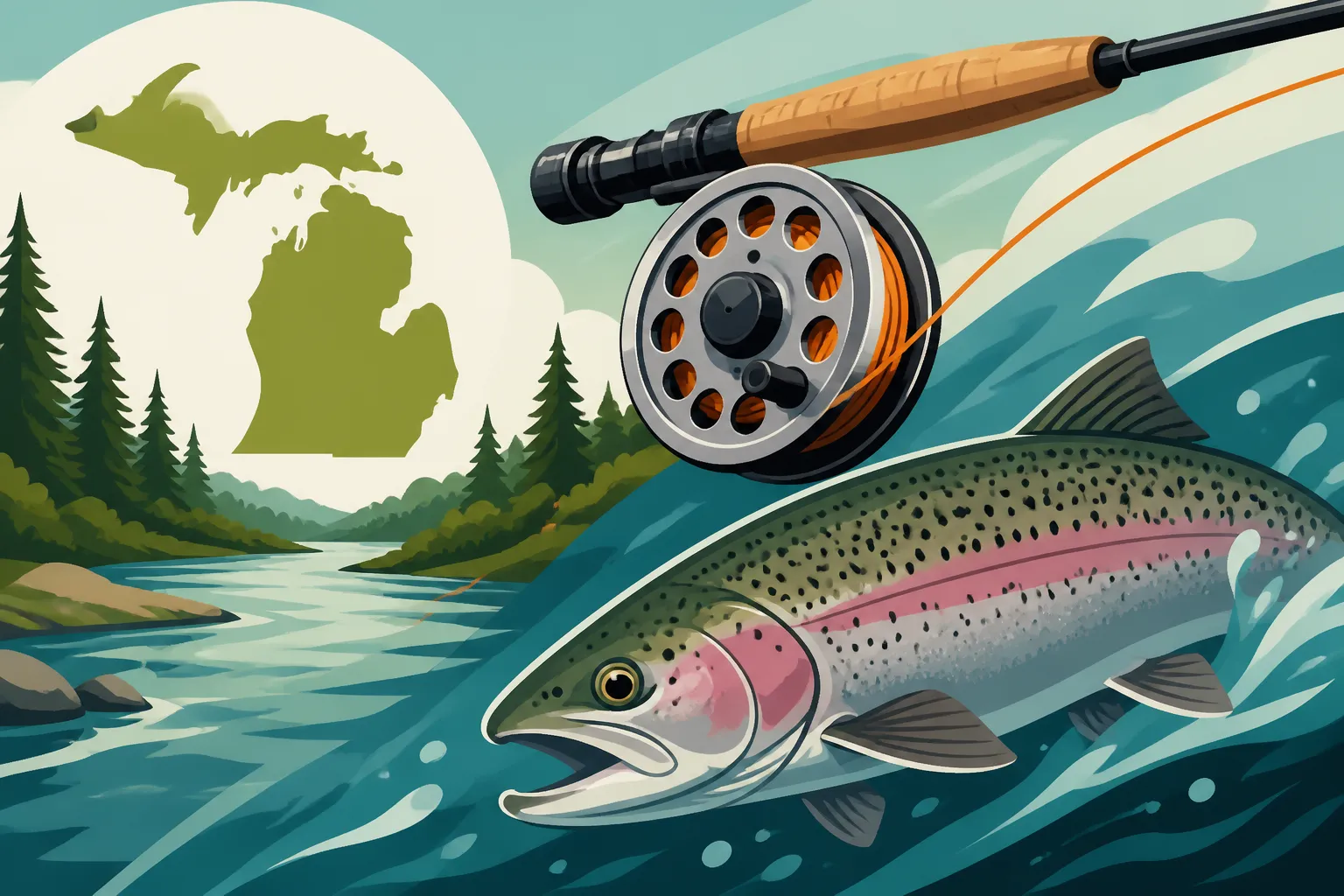
At the heart of centerpinning is the reel itself. Unlike a spinning reel or baitcaster, a centerpin reel is a simple, free-spooling design, often resembling a fly reel but mounted on a long, single axle. There's no mechanical drag system in the traditional sense; instead, the spool rotates with incredible freedom, allowing your line to peel off effortlessly with the current. This lack of resistance means your bait, float, and line can drift downstream at precisely the same speed as the surrounding water, making it virtually undetectable to a cautious steelhead.
Think about it: with a spinning reel, even the slightest friction from the bail or spool can cause your float to travel just a hair faster or slower than the current. This creates an unnatural "drag" that a steelhead, with its keen senses honed by years of surviving in swift river currents, can immediately pick up on. A centerpin eliminates this. The learning curve can be steep for those used to thumbing a baitcaster or reeling with a spinning rod, but the payoff in superior presentation is undeniable. This difference is key to understanding why many anglers consider it the ultimate method for presenting natural baits like roe bags or beads.
A Brief History and Philosophy
The origins of centerpinning can be traced back to the rivers of England, where it was developed for targeting coarse fish like chub and barbel. Over time, its effectiveness for drifting natural baits was recognized and adopted by anglers pursuing anadromous species like salmon and steelhead, eventually making its way to North America. Here in the Great Lakes basin, and especially in Michigan, it’s experienced a significant resurgence, becoming a staple for serious river anglers.
The philosophy behind centerpinning goes beyond just catching fish; it's about the connection. With no drag to rely on, the angler is entirely responsible for managing the fight. This involves "palming" the spool – applying manual pressure with your hand to slow a running fish – and manipulating the rod to absorb powerful surges. This direct, unmediated connection to the fish, feeling every head shake and tail kick directly through the line and onto your palm, is an incredibly exhilarating experience. It demands skill, focus, and a deep understanding of how fish move and fight in current, elevating the entire angling experience into a more engaging and rewarding art form. It's truly a test of your angling prowess, where success feels earned through precise technique and careful fish handling.
The Core Components of Your Centerpin Setup
Building a proper centerpin setup is crucial for success. Each component plays a vital role in achieving that coveted natural drift and managing the powerful runs of a Michigan steelhead. This isn't just about buying expensive gear; it's about selecting tools that work harmoniously to achieve a specific fishing goal.
Selecting the Right Centerpin Rod
Centerpin rods are distinctive. They are typically much longer than conventional spinning or casting rods, often ranging from 11 to 15 feet, sometimes even longer. This extended length serves several critical purposes: it allows for superior line control, enables longer and more accurate drifts, and provides excellent shock absorption when fighting powerful fish on light leaders. The length helps you keep more line off the water, reducing drag from conflicting currents and improving your ability to mend the line.
When it comes to action, most centerpin rods are designed with a moderate to slow action, meaning they bend deeply into the blank rather than just at the tip. This parabolic bend is essential for two reasons: first, it acts like a giant shock absorber, protecting light leaders from the sudden, explosive runs of a steelhead. Second, it helps to cast the often light presentations (like a small float and a few split shots) and keeps the fish pinned during the fight. While you can find specialized rods from brands like Raven, Okuma, or Lamiglas, many good options are available through various fishing retailers, and you can often find a wide selection of different lengths and actions if you search for "centerpin rods" on platforms like Amazon. Choosing a rod that balances well with your chosen reel and feels comfortable in your hands is key. Consider its power too; while sensitive, it needs enough backbone to handle a 10-pound steelhead in swift current. You might find our guide on the "Best Rod Length for River Steelhead" helpful for specific recommendations.
Choosing Your Centerpin Reel
The centerpin reel itself is a masterpiece of minimalist engineering. As mentioned, it's a direct drive, free-spooling reel with no mechanical drag system. The spool rotates on precision ball bearings, allowing for unbelievably smooth and continuous line release. When a fish runs, you control the line directly by applying pressure to the rim of the spool with your palm, a technique known as "palming."
Key considerations when choosing a centerpin reel include the smoothness of its rotation, the diameter of the spool, and its overall build quality. A larger spool diameter facilitates faster line retrieval and helps reduce line memory, which is important for long drifts. Look for reels made from durable, corrosion-resistant materials, as they'll be exposed to the elements constantly. While high-end reels can be a significant investment, their performance and durability are unmatched. Brands like Islander, Kingpin, and Raven are highly regarded for their craftsmanship. The lack of a mechanical drag system means you're totally in tune with the fish, but it also demands a high level of concentration and quick reflexes to prevent break-offs when a steelhead decides to bolt.
Line Choices and Float Systems
Your line setup is just as critical as your rod and reel. Most centerpin anglers use a high-visibility monofilament mainline, typically in the 8- to 12-pound test range. The high visibility (like bright orange, yellow, or green) allows you to easily track your line on the water, especially important for detecting subtle takes and controlling your drift. Underneath this, you'll want a quality backing, often braided line, to fill the spool and provide extra capacity for long runs.
The leader system is where stealth comes into play. Most anglers use fluorocarbon leader material, which is virtually invisible underwater and offers excellent abrasion resistance. Leader lengths can vary from a few feet to over ten feet, depending on water clarity and how spooky the fish are. The pound test for leaders usually falls between 6 and 8 pounds for steelhead, though some anglers go lighter in very clear, low-water conditions.
Finally, the float system is your primary indicator and drift control device. There's a wide variety of floats designed for different current speeds and depths – from slender stick floats for slow water to bulkier Drennan or Raven floats for faster, deeper runs. The key is to match your float to the water conditions and ensure it's shotted correctly so that only the tip is showing above the water. This subtle presentation ensures the float offers minimal resistance to the current, further enhancing that natural drift. You might want to explore our article on "What Line Weight for Michigan Steelhead" for more details on matching your line to your target species.
| Component | Description | Key Considerations |
|---|---|---|
| Rod | 11-15 ft, moderate to slow action, sensitive tip | Length for reach and line control, parabolic bend for shock absorption |
| Reel | Free-spooling design, no mechanical drag, direct line control | Smoothness of rotation, spool diameter, manual palming skill required |
| Mainline | High-visibility monofilament (8-12 lb) or thin braid | Visibility for tracking, minimal stretch, low memory, often brightly colored |
| Float | Various styles (stick, waggler, Drennan), matched to water conditions | Buoyancy, visibility, ability to hold bait at precise depth |
| Split Shot/Weight | Non-toxic, strategically placed to achieve natural drift | Proper distribution to "dead drift" bait, matching current speed precisely |
| Leader | Fluorocarbon (6-8 lb), typically 4-10 ft long for stealth | Stealth (invisibility), abrasion resistance, specific to water clarity and depth |
| Hook | Small, sharp, appropriate for bait (e.g., #8-#14 octopus or roe hooks) | Hook-up ratio, bait presentation, typically barbless for easy release |
Mastering the Art of Presentation and Drift
The true magic of centerpinning lies in the flawless presentation of your bait. It’s a dance between angler, current, and fish, where precision and subtlety are your most valuable assets. Achieving that perfect, drag-free drift is what separates a good centerpinner from a novice, and it takes practice, observation, and an intimate understanding of the river environment.
Reading the River and Identifying Holding Water
Before you even make a cast, your eyes should be doing most of the work. Steelhead are migratory fish, and while they move through rivers, they often hold in specific areas where they can rest, conserve energy, and dart out to feed. Look for seams where fast and slow currents meet, current breaks created by large rocks or submerged logs, and areas of varied depth. Deep pools, runs behind gravel bars, and the slower water on the inside bends of a river are all prime steelhead real estate. Eddies and backwaters, while not always holding fish, can sometimes hold stragglers or provide a momentary resting spot.
Understanding how the current moves through these areas is paramount. Notice the speed, the direction of different currents, and where the water slows down enough for a fish to hold comfortably without expending too much energy. Michigan's rivers, from the broad sweeps of the Manistee to the tighter bends of the Pere Marquette, each have unique characteristics that demand careful study. The better you can read the water, the more effectively you can target potential holding lies and present your bait directly to the fish.
The Perfect Drift: Casting, Mending, and Controlling Your Float
Once you've identified a likely holding spot, the process of achieving a perfect drift begins. A centerpin cast is typically an upstream cast, sometimes called a "lob" or "swing" cast, allowing your float and bait to settle into the current before it reaches the targeted zone. The goal is to cast far enough upstream that by the time your bait reaches the fish, it has had ample time to sink to the desired depth and is traveling at the exact speed of the current.
As your float drifts downstream, you'll constantly be "mending" your line. Mending involves lifting a section of your line off the water and repositioning it upstream, effectively "feeding" line to the float without pulling it or causing it to slow down unnaturally. This action is critical for minimizing drag and keeping your mainline aligned with the float. It's a subtle flick of the wrist and arm, keeping tension just enough to feel the float, but not so much that it interferes with the drift. Imagine the goal is for your float, split shot, and bait to all move as one, without anything pulling ahead or lagging behind. If you've ever experimented with "How to Float Fish for Steelhead," you'll recognize many of these principles. Maintaining a slight belly in the line can actually help you detect light bites, as the line will straighten out or twitch.
Hooksets and Fighting Michigan Steelhead
Detecting a bite with a centerpin can sometimes be subtle, a mere hesitation or dip of the float. However, when a Michigan steelhead decides to take your bait, there's often no mistaking it! Your float might completely disappear, or shoot sideways with surprising speed. At that moment, a quick, firm hookset is necessary, typically a sweep of the rod upstream or to the side, to drive the hook home. Because you're often fishing with light leaders, a gentle but immediate response is key.
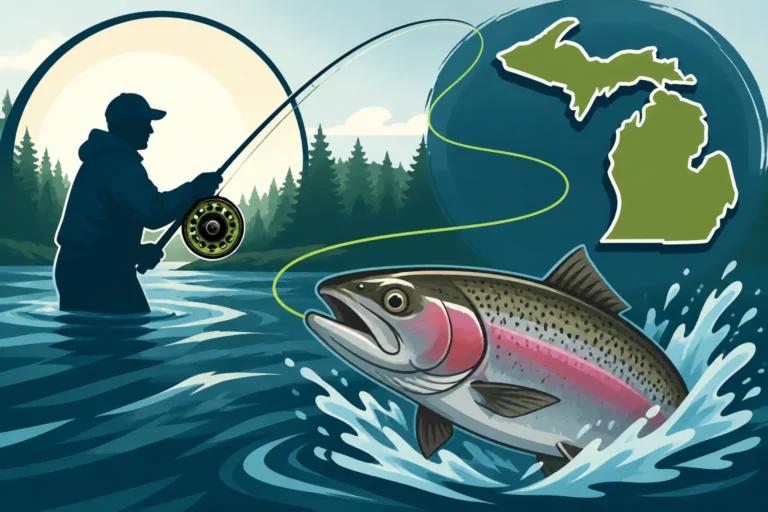
Now comes the real test of centerpinning skill: fighting the fish without a mechanical drag. As the steelhead bolts, your line will peel off the free-spooling reel. You control its run by "palming" the spool – applying varying degrees of pressure with your hand to the rim of the spool. This requires a delicate touch; too much pressure, and you risk snapping your light leader; too little, and the fish might spool you or run into an obstruction. Your long, flexible centerpin rod is your ally here, absorbing the shocks and surges, acting as a giant spring. Keep the rod tip high and maintain constant pressure, letting the rod do its work. It's a thrilling, adrenaline-pumping experience that truly connects you to the raw power of these magnificent fish, making every landed steelhead an even greater accomplishment.
Baits, Techniques, and Strategic Considerations
Centerpinning is exceptionally versatile when it comes to bait presentation, but certain offerings and tactical adjustments will increase your success rates depending on the season and specific river conditions. Understanding these nuances can make the difference between a frustrating day and an unforgettable one on the water.
Top Baits for Centerpinning Steelhead
The strength of centerpinning lies in its ability to present small, natural baits in the most lifelike manner possible. For Michigan steelhead, certain baits consistently outperform others.
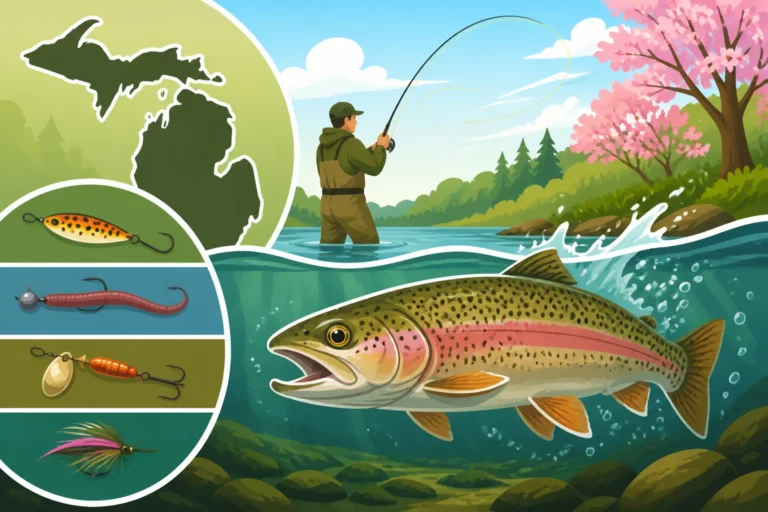
Spawn Bags: These are arguably the most popular and effective baits. A small mesh bag filled with salmon or steelhead eggs perfectly mimics the natural food source in the river, especially during spawning runs. The subtle scent and visual appeal are irresistible to hungry steelhead. You can tie your own using various mesh colors and egg sizes, or purchase pre-tied options.
Beads: Hard plastic or glass beads, tied on the leader a few inches above the hook, are another highly effective option. They imitate individual fish eggs and come in a dazzling array of colors and sizes. The key is to match the color and size to the natural eggs in the river at that time. Learning "How to Rig a Bead for Steelhead" correctly is vital for a natural presentation and effective hook-up.
Worms and Larvae: Wax worms, spikes, or even small artificial worms can be deadly, particularly in colder water or when fish are less aggressive. Their subtle movement and natural protein content make them appealing. Sometimes a single garden worm, presented perfectly, can be the ticket.
Small Jigs: While less common for pure float fishing, tiny jigs tipped with a wax worm or a piece of plastic can be effective, especially when dead-drifted deep in pools. The float still helps you maintain depth and detect strikes.
The common thread among all these baits is their natural appearance and subtle presentation. The centerpin's ability to make these small offerings drift as if they were naturally dislodged by the current is why it’s so lethal.
Seasonal Tactics for Michigan Steelhead
Steelhead behavior changes dramatically with the seasons, and so too should your centerpinning approach. Understanding the "Michigan Steelhead Run Timing" is fundamental to planning your trips.
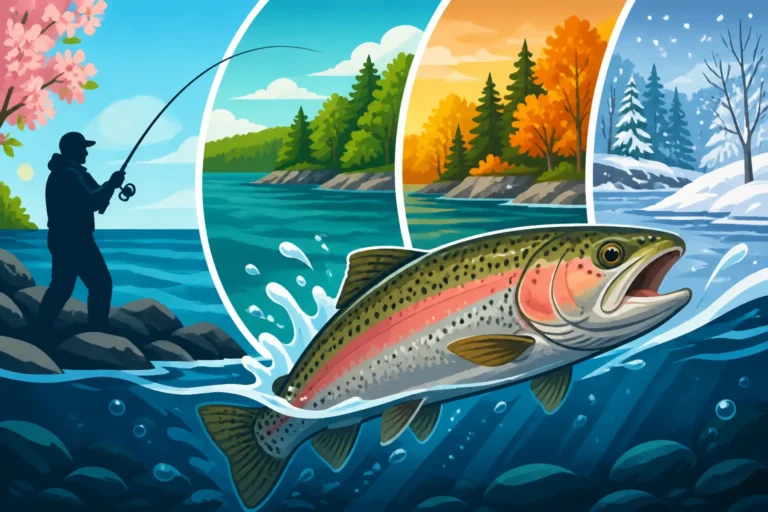
Fall Run: As water temperatures begin to drop in autumn, the first push of steelhead enters Michigan rivers from the Great Lakes. These fish are typically aggressive, driven by the instinct to feed before the long winter and to prepare for spring spawning. They'll often hold in faster runs and gravelly areas. This is a prime time for spawn bags and brighter colored beads, as the fish are actively looking for food. Read more in our guide to the "Fall Steelhead Run in Michigan Rivers."
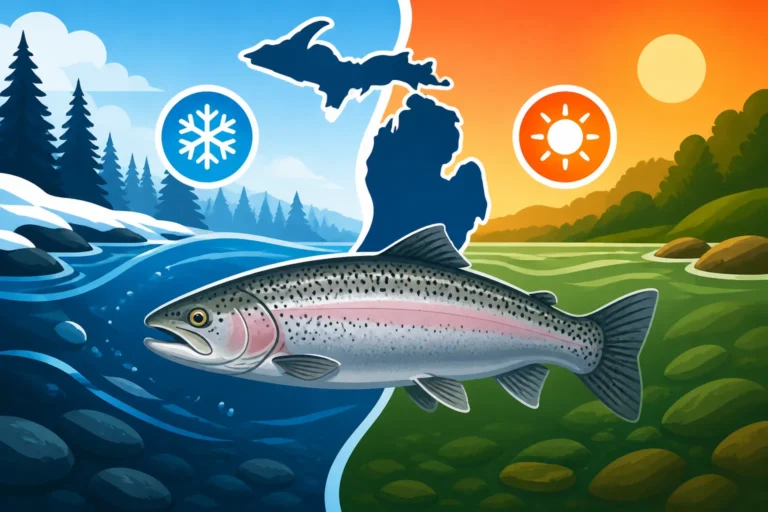
Winter: Once winter sets in and water temperatures plummet, steelhead become lethargic. They'll seek out deeper, slower pools where they can conserve energy. Presentations need to be slower, deeper, and often smaller. Delicate floats and tiny baits like single eggs or wax worms, fished almost static in the deepest pockets, are often the most productive. Detecting bites can be incredibly challenging during this time, making the sensitivity of a good float and high-visibility line essential. For more cold-weather tips, check out our insights on the "Winter Steelhead Run in Michigan Rivers."
Spring: As ice breaks up and water temperatures gradually rise, steelhead become increasingly active. This is the spawning season, and fish will move onto gravel beds. Pre-spawn fish are still feeding, post-spawn (or "drop-back") fish are hungry and recovering. Spawn bags and beads remain highly effective, but don't shy away from brighter, more aggressive presentations if the water is slightly stained from snowmelt. The fish are often more willing to chase during this period, but also very sensitive to pressure on their spawning grounds.
When to Choose Centerpinning Over Other Methods
While centerpinning excels in many situations, it's not always the only answer. However, there are specific scenarios where it truly shines:
- Clear, Low Water: When rivers are crystal clear and steelhead are exceptionally wary, the unparalleled natural drift of a centerpin setup can fool fish that would otherwise ignore a dragging fly or a heavy lure.
- Long Drifts: The long rods and free-spooling reels allow for exceptionally long, uninterrupted drifts, covering vast stretches of prime water without needing to recast. This is incredibly effective for searching out fish in extensive runs.
- Wary Fish: Heavily pressured fish that have seen every lure and fly imaginable can often be enticed by a perfectly presented natural bait on a centerpin.
- Slow, Deep Water: Achieving a precise, deep drift in slow currents can be challenging with other methods, but a centerpin allows for meticulous control over your bait's depth and speed.
Compared to fly fishing, centerpinning typically allows for heavier, more visible lines and often heavier baits, making it less technique-dependent in terms of casting and sometimes more versatile in varied flows. Compared to traditional spinning gear, it offers a degree of finesse and natural presentation that spinning reels simply can't match, particularly for that true drag-free drift. It's a method for the angler who prioritizes finesse and natural presentation above all else, and for those who relish the direct, manual fight with a powerful fish.
Premier Michigan Rivers for Centerpinning
Michigan is blessed with an abundance of world-class steelhead rivers, many of which are perfectly suited for the centerpin technique. Each river offers its own unique challenges and rewards, but all provide excellent opportunities for the dedicated angler. Understanding these waterways is key to planning a successful centerpinning adventure.
Iconic Western Michigan Steelhead Rivers
The western side of Michigan's Lower Peninsula is home to some of the most famous steelhead rivers in the Great Lakes region. These rivers often boast robust runs and excellent public access, making them prime targets for centerpin anglers.
Manistee River: The Big Manistee is a legendary river for steelhead and salmon, renowned for its sustained runs and diverse fishing opportunities. From Tippy Dam downstream, anglers can find miles of excellent water. The river features a mix of broad, deep runs and faster, shallower riffles. Centerpinning here often involves long drifts through deeper sections, especially during the fall and winter when fish hold in more stable lies. Access points are numerous, and the river is wide enough to accommodate many anglers without feeling crowded, though popular spots can get busy. For more detailed insights, explore our "Manistee River Steelhead and Salmon Fishing in Michigan" guide.
Pere Marquette River: The "PM" is a designated Wild and Scenic River and is famous for its wild, self-sustaining populations of steelhead, brown trout, and salmon. It's a more intimate river than the Manistee, with numerous bends, logjams, and gravelly stretches. Centerpinning on the Pere Marquette requires precise casting and careful wading, often targeting fish holding tight to cover. The emphasis here is on stealth and presenting natural baits to wary fish in its clear waters. While often associated with fly fishing, the principles of delicate presentation make it an outstanding centerpin fishery. Learn more about fishing this fantastic waterway in "Pere Marquette River Fly Fishing in Michigan" – many of the access points and fish habits discussed apply equally well to centerpinning.
Muskegon River: The Muskegon River is another major steelhead fishery, especially known for its powerful fall and spring runs. Below Croton Dam, the river offers varied habitat, from fast gravel runs to slower, deeper holes. Its larger size means you can often find unpressured water, especially during the week. Centerpinning tactics here can involve longer rods to manage drifts in the wider sections and heavier floats to get baits down in the deeper pockets. The "Muskegon River Michigan Steelhead Run Timing" tends to be consistent, providing ample opportunities throughout the seasons. The river's dynamics require anglers to be adaptable, changing up bait and drift speeds to match the varying currents.
Other Productive Michigan Waterways
While the "Big Three" on the west side get a lot of attention, Michigan boasts many other excellent rivers for centerpinning steelhead, providing diverse experiences for anglers willing to explore.
St. Joseph River: In southwestern Michigan, the St. Joseph River offers a robust steelhead run, particularly in its lower stretches. It's a larger river, often with more varied flows due to dam releases, which can influence fish movement and preferred holding lies. Centerpinning here is effective in the long, consistent runs and deeper pools. The sheer size of the river can mean less crowded fishing at times, and the steelhead here can grow to impressive sizes.
Grand River: As one of Michigan's largest rivers, the Grand River near Grand Rapids and further downstream to Lake Michigan also receives strong steelhead pushes. Fishing on the Grand can be highly productive, especially around warmer effluent discharges during winter, or in the numerous gravel runs during the spring and fall. The size of the river demands heavier floats and careful line management, but it offers plenty of room to spread out and target fish.
Au Sable River: While primarily renowned as a world-class trout stream, particularly for brown trout, the lower sections of the Au Sable River, especially below Foote Dam, also see respectable steelhead runs. Centerpinning here targets these anadromous fish, often in clearer, more challenging conditions that demand the utmost finesse. The upper reaches, of course, are famous for "Au Sable River Trout Fishing in Michigan," and while the target species differs, the delicate presentation techniques of centerpinning can be equally effective for fooling large resident trout.
For a comprehensive look at even more options, our guide to the "Best Rivers for Trout and Steelhead in Michigan" offers a broader perspective on Michigan's fantastic river fishing landscape. Always remember that river conditions, especially flow rates and water clarity, can change rapidly, so checking local reports before heading out is always a good idea.
Maintaining Your Gear and Ethical Angling
Investing in quality centerpin gear is just the first step; proper maintenance ensures its longevity and performance, allowing you to enjoy countless seasons on the water. Beyond gear care, responsible angling practices are crucial for preserving Michigan's incredible steelhead fishery for generations to come.
Keeping Your Centerpin Setup in Top Condition
Your centerpin rod, reel, and line are constantly exposed to the elements – water, grit, sand, and fluctuating temperatures. Regular cleaning and inspection are paramount.
Reel Care: After each outing, especially if you've been wading in silty or sandy rivers, wipe down your centerpin reel with a soft, damp cloth to remove any debris. Pay close attention to the axle and bearings. While many modern centerpins are built with sealed bearings, a light application of high-quality reel oil (specific for fishing reels, often available on Amazon or at local tackle shops) to exposed moving parts can prevent corrosion and maintain smooth rotation. Never submerge your reel or blast it with high-pressure water, as this can force grit into sensitive areas. If your reel ever feels sticky or rough, it might be time for a more thorough cleaning or professional servicing.
Rod Care: Rinse your rod blank, guides, and reel seat with fresh water after each trip to remove any dirt or corrosive elements. Pay special attention to the guide inserts, ensuring there are no nicks or cracks that could damage your line. Periodically check all guide wraps and the reel seat for any signs of loosening. Store your rod in its protective sleeve and tube when not in use to prevent damage.
Line Management: Inspect your mainline and leaders frequently for abrasions, nicks, or signs of weakening. Steelhead fishing is hard on lines, especially when rubbing against rocks or logs. It's a good practice to cut off a few feet of mainline after several trips, as the section closest to your float takes the most abuse. Replace your entire mainline at least once a season, or more frequently if you fish often. Fluorocarbon leaders, while tough, should be replaced regularly, especially after tangles or multiple fish.
Proper care not only extends the life of your expensive gear but also ensures that your equipment performs flawlessly when that trophy steelhead finally takes your bait.
Practicing Responsible Catch and Release
Michigan's steelhead fishery is a precious resource, and responsible angling plays a vital role in its sustainability. While regulations allow for keeping certain fish, many centerpin anglers prioritize catch and release, especially for wild steelhead.
Gentle Handling: Minimize the time a fish is out of the water. If you plan to release it, try to unhook it while it's still in the water, or cradled gently in a net. If you must bring it ashore for a quick photo, keep it over soft, wet ground and return it to the water immediately. Avoid touching the fish by its gills or eyes, and handle it with wet hands to protect its delicate slime coat.
Barbless Hooks: Using barbless hooks, or crimping down the barbs on your regular hooks, makes it much easier to remove the hook cleanly and quickly, causing less damage to the fish. This is a simple step that significantly improves a fish's chances of survival.
Net Selection: A large, soft rubber-mesh net is ideal for landing steelhead. It protects the fish's fins and slime coat better than traditional knotted nylon nets, and hooks are less likely to tangle in the rubber mesh. A net is also invaluable for securing the fish while you remove the hook.
Understanding Regulations: Always be aware of the current "Michigan Fishing Regulations Every Angler Should Know." Pay attention to specific river rules, catch limits, size limits, and any special bait restrictions. These regulations are designed to protect the fishery, and adherence is every angler's responsibility. By practicing these ethical guidelines, we can ensure that future generations of anglers will continue to experience the thrill of centerpinning for Michigan steelhead.
Disclaimer
Please note: Fishing regulations and conditions in Michigan can change. Always consult the latest Michigan Department of Natural Resources (DNR) fishing guide or website for the most current rules and advisories before heading out on the water. This guide provides general information and recommendations for educational purposes only.