Jigging Techniques for Michigan Walleye
There's nothing quite like the subtle thump or the sudden jolt that signals a walleye has committed to your jig, yet many anglers struggle to consistently connect with these elusive, delicious fish. It can be incredibly frustrating to spend hours on the water, meticulously working your presentation, only to come up empty-handed while others are reeling them in. This comprehensive guide will break down everything you need to know about jigging for walleye in Michigan, from understanding their nuanced behavior to mastering the techniques that put more fish in your boat or on the ice.
Understanding Walleye Behavior and Jigging Fundamentals
Before you even think about dropping a jig into the water, it’s crucial to understand the fish you’re after. Walleye are predators, often described as "low-light feeders," meaning they are most active during dawn, dusk, and cloudy days, or in deeper, stained waters. Their large, light-sensitive eyes give them a distinct advantage in these conditions, making them fantastic hunters.
Walleye's Preferred Habitats and Feeding Patterns
Walleye in Michigan can be found in a vast array of environments, from the expansive waters of the Great Lakes and their connecting rivers to hundreds of inland lakes. They are generally drawn to structure – anything that breaks up the bottom contour or provides ambush points. Think rocky reefs, weed lines, sunken timber, drop-offs, and channel edges. In rivers, they'll often hold in current breaks, behind boulders, or in deeper pools adjacent to faster flows. Their feeding patterns are heavily influenced by water temperature, forage availability, and light conditions. During warmer months, they might spread out more, but in colder water, they tend to school up and become more lethargic, often holding tight to the bottom. Understanding these nuances is key to knowing when and where to present your jig effectively.
For instance, on a bright summer day on Lake Erie or Saginaw Bay, walleye will often seek refuge in deeper water or dense weed beds, only venturing out to feed during lower light periods. Conversely, in the spring, after the ice recedes, they might be shallower, aggressively feeding in river mouths or along rocky shorelines as they stage for or recover from spawning. This shift in behavior directly impacts where you should be jigging and what kind of retrieve you should employ. Knowing their typical haunts is just the first step; understanding why they are there and what they are doing is where true angling success begins.
The Science Behind Jigging for Walleye
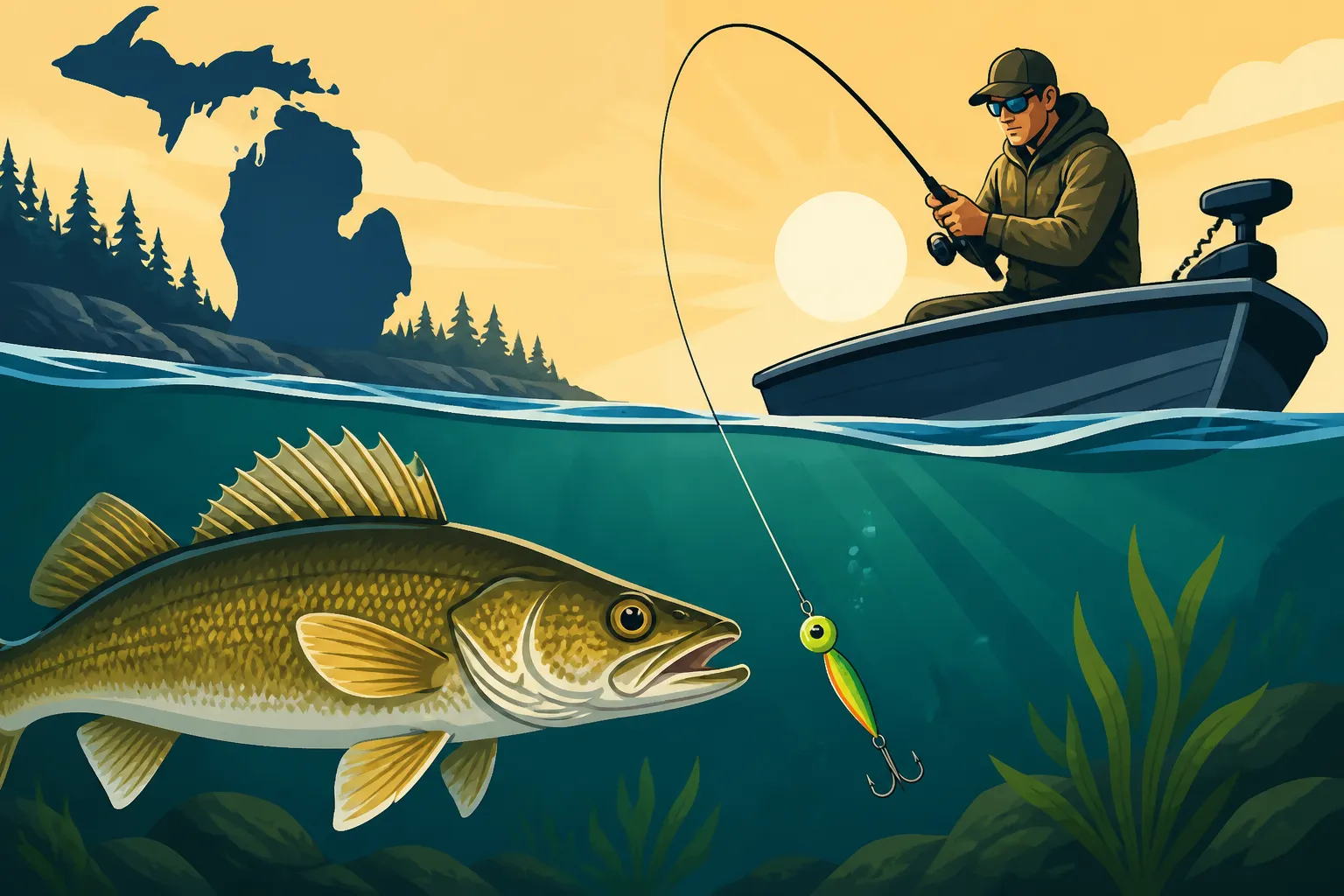
Jigging is essentially presenting a weighted lure with an attached hook in a vertical or near-vertical manner, mimicking a wounded baitfish or an easy meal fluttering to the bottom. The "jig" itself is the lead head, often dressed with soft plastics, hair, or tipped with live bait. The action imparted by the angler makes the jig dance, swim, or hop. This presentation capitalizes on a walleye’s predatory instincts and their tendency to feed on bottom-dwelling creatures or disoriented baitfish. The subtle vibrations and movements created by a well-fished jig can trigger bites even from cautious walleye.
What makes jigging so effective is its versatility. You can adjust the weight of the jig, the size and color of the soft plastic, and the aggressiveness of your retrieve to match various conditions. When fish are active, a more aggressive snap-jigging motion might provoke a reaction strike. When they are sluggish, a slow, methodical drag-and-pause might be the ticket. It’s a dynamic technique that requires a feel for the bait and a keen understanding of what the fish are responding to on a given day. This continuous feedback loop between angler, rod, and fish is what makes jigging such an engaging and rewarding method for targeting walleye.
Selecting the Right Gear for Michigan Walleye Jigging
Having the right tools for the job can make a world of difference when you're trying to coax a bite from finicky walleye. Your rod, reel, line, and, of course, the jigs themselves, all play a critical role in your success. Don't fall into the trap of thinking "any old setup" will do; specialized gear enhances your feel and improves your presentation.
Rod and Reel Combinations for Optimal Sensitivity
For jigging walleye, sensitivity is paramount. You need to feel those subtle "thumps," "ticks," or even just a sudden heaviness on your line that signals a walleye has taken your bait. This is where a good quality spinning rod and reel combo really shines.
Rods: Look for a fast or extra-fast action rod, typically in the 6'6" to 7'6" range, with a medium-light to medium power. A fast action means the rod bends mostly in the tip section, allowing for quick, precise jig movements and excellent sensitivity, while still having enough backbone to drive the hook home and fight a decent fish. A graphite blank is preferred over fiberglass for its lighter weight and superior sensitivity. Brands like St. Croix, Fenwick, and Shimano offer excellent walleye-specific jigging rods. Many anglers find that a high-modulus graphite rod, while potentially more expensive, offers an unparalleled ability to transmit even the lightest bite. If you're often fishing deeper water or stronger currents, a slightly longer rod (7' to 7'6") can help with line control and casting distance, especially when you need to cover more ground from the boat.
Reels: A high-quality spinning reel in the 2000-3000 size range is ideal. It should have a smooth drag system, a good retrieve ratio, and be lightweight to balance with your rod. Brands such as Shimano, Daiwa, and Pflueger are popular choices. A smooth drag is essential for fighting walleye, especially when they make those powerful runs near the boat. You don't want any stuttering or sticking, as that can lead to broken lines or pulled hooks. When selecting a reel, consider one with a comfortable handle and a fluid retrieve to reduce fatigue during a long day of jigging. You can find a wide range of reliable spinning reels on platforms like Amazon, often with helpful customer reviews to guide your choice.
Line Choices and Jig Styles
The line you choose directly impacts your ability to feel bites and manage your jig. There are three main types of line to consider, each with its own advantages and disadvantages for walleye jigging.
Line Types:
- Braided Line: This is a favorite among many walleye jigging enthusiasts for its incredible sensitivity and zero stretch. You'll feel everything, from the lightest tap to your jig hitting the bottom. Use 6-10 lb test braid. However, braid is visible in clear water, so it's almost always recommended to use a fluorocarbon leader (6-10 lb test, 3-6 feet long) tied to your braid with a strong knot like an Albright or an FG knot. This gives you the best of both worlds: sensitivity with invisibility.
- Fluorocarbon Line: A good compromise if you prefer a single line. It's nearly invisible underwater and offers more sensitivity than monofilament, though not as much as braid. It also has some stretch, which can be a benefit when fighting fish, acting as a shock absorber. Use 6-10 lb test.
- Monofilament Line: The most affordable and forgiving option, monofilament has significant stretch, which can cushion hard strikes but reduces sensitivity, making it harder to detect subtle bites. It's generally not the preferred choice for dedicated jigging but can work in situations where fish are very aggressive or in stained water. Use 8-10 lb test.
For a deeper dive into optimal line choices, consider checking out our guide on "Best Rods and Reels for Michigan Fishing".
Jig Styles: The variety of jigs available is astounding, but a few stand out for Michigan walleye:
- Ball Head Jigs: The most common and versatile. Pair them with soft plastic grubs, paddle tails, or minnow imitators.
- Stand-Up Jigs: Designed to stand upright on the bottom, presenting your bait directly to the walleye. Great for slow retrieves or when fish are lethargic.
- Erie Jigs (Mushroom Head Jigs): Named for their popularity on Lake Erie, these have a mushroom-shaped head that makes them ideal for dragging live bait (like minnows or crawlers) along the bottom.
- Blade Baits: While technically not a "jig" in the traditional sense, these vibrating metal lures are jigged vertically and are incredibly effective for walleye, especially in colder water or for provoking reaction strikes. Brands like Silver Buddy or Heddon Sonar are popular.
- Hair Jigs: Often overlooked, hair jigs (bucktail, marabou) offer a natural, subtle pulse in the water that can be irresistible to walleye, especially in clear water or during colder periods.
Tipping Your Jigs: While soft plastics are highly effective, live bait can often seal the deal, especially on tough days. Minnows (shiners, fatheads), nightcrawlers (especially a portion of one), and leeches are prime choices. Tipping a jig with a minnow head or a piece of a nightcrawler adds scent and a natural profile that walleye often can't resist. You can find a good selection of quality jig heads and soft plastics from brands like Northland Tackle, VMC, and Z-Man on retail platforms like Amazon.
| Jig Type | Best Use Cases | Ideal Tipping Bait | Key Advantage |
|---|---|---|---|
| Ball Head | All-around, versatile, with soft plastics | Minnow, plastic grub | Adaptable to many conditions, widely available |
| Stand-Up | Slow retrieves, bottom contact, lethargic fish | Minnow, nightcrawler | Presents bait upright on the bottom |
| Erie/Mushroom | Drifting, dragging live bait, subtle presentation | Nightcrawler, minnow | Excellent for bottom feel, natural presentation |
| Blade Bait | Reaction strikes, cold water, vertical jigging | None (self-contained lure) | Strong vibration, highly reflective |
| Hair Jig | Clear water, subtle presentations, cold water | Minnow head, small plastic | Natural, lifelike movement, finesse |
Mastering Diverse Jigging Techniques for Every Scenario
Jigging isn't just one motion; it's a dynamic approach with a variety of techniques you can employ depending on the conditions and the mood of the fish. Developing a repertoire of these methods will make you a much more versatile and successful walleye angler.
Vertical Jigging Strategies
Vertical jigging is perhaps the most fundamental technique, often employed when fishing directly over a known school of fish or specific structure, like a rock pile or a submerged hump. This is a common strategy when fishing from a boat with a good fish finder, or through the ice.
Understanding the Drop: The key to vertical jigging starts with the drop. You want your jig to reach the bottom quickly and naturally. Pay attention as it falls; sometimes a walleye will strike on the drop, especially if it looks like an injured baitfish. Keep a slight bit of tension on the line, but not so much that it impedes the fall. Once it hits bottom, you're ready to start working it.
The "Lift and Drop": This is the classic jigging motion. After your jig hits the bottom, lift your rod tip a few inches to a foot, then let the jig fall back down on a semi-slack line. The goal is to make the jig appear to "hop" or "swim" off the bottom and then flutter back down. Most bites occur as the jig is falling. The speed and height of your lift, and the duration of the pause, should be varied until you find what the fish prefer. Some days, a sharp, aggressive rip is best; other days, a subtle quiver and slow fall will entice a bite. For tips on how water temperature impacts walleye behavior, you might find our guide on "How Water Temperature Affects Steelhead Runs" (while for steelhead, the principles of temperature influence on fish activity are universal) helpful for adaptation.
Dead Sticking and Subtle Quivers: Sometimes, walleye are incredibly lethargic and won't chase an aggressive presentation. This is when "dead sticking" or very subtle quivers come into play. After letting your jig hit the bottom, lift it just a couple of inches, hold it still for several seconds, perhaps imparting only the slightest vibration with your wrist, then let it fall. The idea is to make the bait look like an easy, almost stationary meal. This is particularly effective in cold water or when ice fishing for Michigan walleye. If using live bait on your jig, this technique allows the natural action of the bait to do most of the work.
Casting and Dragging Techniques
While vertical jigging is powerful, walleye don't always hold directly beneath your boat. Casting and dragging allow you to cover more water and present your jig to fish that might be spread out or holding a distance from your position.
Fan Casting and Retrieving: When you suspect walleye are in an area but haven't pinpointed their exact location, fan casting is an excellent search technique. Cast your jig out, let it sink to the bottom, and then use a series of short lifts and drops as you slowly retrieve the line. You can vary the retrieve speed and jigging action to cover different parts of the water column and trigger bites. Focus on covering different angles and depths until you find where the fish are holding. This is particularly effective when fishing along weed edges, rocky flats, or points from shore or a drifting boat. The key is to keep your jig in contact with the bottom as much as possible while maintaining a retrieve speed that allows the jig to dance.
Dragging and Snap Jigging: This technique is often used from a slowly drifting or trolling boat, especially effective on large, relatively featureless flats or humps. Cast your jig out behind or to the side of the boat, allow it to sink to the bottom, and then let the boat's movement slowly drag it along. Every so often, give your rod tip a sharp "snap" upwards, lifting the jig a foot or two off the bottom, then allow it to flutter back down. This snap-jigging motion can provoke aggressive reaction strikes from walleye that might not respond to a slower presentation. The combination of the steady drag and the sudden snap imitates a fleeing baitfish or crawfish trying to escape. This is a fantastic method for fishing vast areas like those found on Saginaw Bay or Lake St. Clair. For more specific methods, you'll want to review our guide on "Jigging Techniques for Michigan Walleye" to refine your skills.
Seasonal Strategies and Locating Walleye Hotspots
Walleye behavior changes dramatically with the seasons, driven primarily by water temperature and their spawning cycles. Successful jigging means understanding these seasonal shifts and knowing where to find them and how to entice them to bite.
Spring and Fall Transitions
Spring and fall are prime times for Michigan walleye jigging, as these are periods of significant feeding activity.
Spring Walleye: As the ice recedes and water temperatures climb into the 40s and low 50s Fahrenheit, walleye begin to stage for their spawn or are actively spawning. This makes them highly predictable. They'll often congregate in shallower, current-rich areas like river mouths, rocky points, and shallow reefs where they can lay their eggs. Jigging in these areas can be incredibly productive. Focus on depths of 5-15 feet, sometimes even shallower if there's good cover or low light. Use lighter jigs (1/8 to 1/4 ounce) and a slower, more methodical retrieve, especially during cooler water periods. Live minnows, like shiners, tipped on jigs are often irresistible. If you're wondering when the walleye season opens in different parts of the state, our article on "When Does Walleye Season Open in Michigan's Lower Peninsula" will provide precise dates.
Fall Walleye: As autumn progresses and water temperatures drop into the 50s and low 40s, walleye go on a major feeding binge to bulk up for winter. They often move to deeper main-lake basins, channel edges, and drop-offs, especially those near summer foraging grounds. Schools can be massive, and if you find them, the action can be fast and furious. Jigging with larger soft plastics or blade baits can be very effective now, as walleye are looking for bigger meals. Focus on depths of 20-40 feet, sometimes even deeper in the Great Lakes. A more aggressive snap-jigging approach can work well to call them in. Pay close attention to your fish finder during this time; walleye will often stack up on structure, making them easy to mark.
Summer Deep Water and Winter Ice Jigging
Summer and winter present different challenges and opportunities for the walleye jigger in Michigan.
Summer Walleye: During the heat of summer, walleye generally retreat to deeper, cooler water, often suspending over structure or holding tight to the bottom in 20-50+ feet. They might move shallower to feed during low-light hours or on very cloudy days. When jigging in summer, you'll want heavier jigs (3/8 to 1/2 ounce or more) to reach these depths effectively. Focus on main lake humps, deep rock piles, thermoclines, and channel edges. Trolling with jigs (often called "jig trolling" or "bottom bouncing" with a jig trailer) can also be productive to cover more ground. In summer, walleye can be quite aggressive, so don't be afraid to try a more active retrieve. For those seeking night fishing adventures, our guide on "How to Catch Walleye at Night in Michigan" offers excellent insights into summer low-light tactics.
Winter Ice Jigging: Michigan offers fantastic ice fishing opportunities for walleye. As lakes freeze over, walleye tend to congregate in predictable areas: deep weed edges, main lake humps, and subtle breaklines. You'll often find them schooled up. Ice jigging requires shorter rods (24-36 inches), but the principle remains the same: use sensitive gear to detect subtle bites. Lighter jigs (1/8 to 1/4 ounce) tipped with a minnow head or a wax worm are standard. Small blade baits and spoons can also be deadly for provoking bites through the ice. A flasher or an ice fishing sonar unit is almost essential for targeting fish and presenting your jig at the correct depth. Drill a series of holes to locate active fish, and be patient – winter walleye bites can be extremely light. Our comprehensive "Michigan Ice Fishing Guide" provides a wealth of information to get you started.
Advanced Jigging Strategies and Common Mistakes
Once you've got the basics down, it's time to refine your approach and learn to think like a walleye. Advanced jigging isn't just about technique; it's about observation, adaptation, and avoiding those common pitfalls that can cost you fish.
Reading Your Electronics and Boat Control
Modern fishing electronics are your eyes underwater, and mastering their use is an advanced jigging strategy in itself. Your fish finder is crucial for locating structure, schools of baitfish, and, most importantly, the walleye themselves.
Interpreting Sonar: Learn to distinguish between baitfish, individual walleye, and bottom structure. Walleye will often appear as distinct arches or thick lines near the bottom or suspended just above it. Pay attention to the bottom composition – is it hard rock, soft mud, or gravel? This can tell you a lot about where walleye might be holding. Use your GPS to mark waypoints on productive spots, so you can return to them easily. Side imaging and down imaging technologies can help you scout wide areas and precisely locate submerged timber or rock piles that walleye are relating to. This technology helps you present your jig exactly where the fish are hiding.
Precise Boat Control: When vertical jigging, especially in current or wind, maintaining your boat's position directly over the fish or structure is critical. A good trolling motor with GPS Spot-Lock (like those from Minn Kota or Garmin) is invaluable. It allows you to stay on a specific spot without constantly adjusting, freeing you up to focus on your jigging presentation. If you're drifting, use drift socks to slow your boat down and control your drift path. Understanding how current and wind affect your boat's movement and your jig's presentation is an advanced skill that comes with practice. The ability to "walk" your jig along a specific contour or structure, precisely mimicking a natural food source, is a game-changer. For more on maximizing your boat's potential, check out our guide on "Best Boats for Michigan Fishing".
Avoiding Common Jigging Pitfalls
Even experienced anglers can make mistakes. Recognizing and correcting these common errors will significantly improve your walleye jigging success.
1. Not Fishing Vertically Enough (Open Water): When casting and retrieving, if you're not allowing your jig to get back to the bottom between lifts, you're not presenting it to bottom-hugging walleye effectively. In a boat, if you're drifting too fast or your line is at too much of an angle, your jig isn't truly vertical. This reduces sensitivity and makes it harder to detect light bites. Always strive for as vertical a presentation as possible, adjusting jig weight or drift speed as needed.
2. Imparting Too Much or Too Little Action: Walleye can be incredibly finicky. Some days they want an aggressive, erratic presentation; other days, they want a subtle twitch. The biggest mistake is assuming one retrieve will work all day. Constantly experiment with the height of your lifts, the speed of your snaps, and the length of your pauses. Start with a moderate retrieve and then go more aggressive or more subtle until you find what triggers bites. A common mistake is to retrieve too fast or too aggressively when fish are lethargic, or too slowly when they are chasing.
3. Ignoring Light Bites: Walleye bites are often not the dramatic "yank" you might expect. They can be incredibly subtle – a slight tick, a spongy feeling, a sudden heaviness, or even just your line going slack (meaning the fish picked up the jig and moved towards you). Many anglers miss these subtle cues. Keep a close eye on your line, especially where it enters the water or near the rod tip, for any unnatural movement. Use sensitive gear (braid to fluorocarbon leader is key here) and be ready to set the hook at the slightest indication of a bite. If you feel anything out of the ordinary, set the hook! It's better to set on a snag than to miss a fish.
4. Wrong Jig Weight or Size: Using a jig that's too heavy for the depth or current will make your presentation unnatural and can spook fish. Too light, and you can't get to the bottom effectively or maintain contact. Match your jig weight to the conditions. Similarly, using a jig/plastic combination that's too large or too small can be a mistake. If walleye are feeding on small baitfish, a large jig will be ignored. If they're looking for a substantial meal, a tiny jig might not grab their attention. Be willing to change frequently until you find the right combination. This also applies to jig colors; while "Best Jig Color for Michigan Walleye" can give you general guidelines, local forage and water clarity often dictate the best choice on a given day.
5. Not Tipping with Live Bait (When Needed): While soft plastics are amazing, there are days when the natural scent and action of a live minnow, nightcrawler, or leech tipped on your jig is the only thing that will seal the deal. Don't be too proud to use live bait when conditions call for it, especially during colder water periods or when fish are slow to bite.
Responsible Angling and Walleye Conservation
Michigan is a fantastic place to fish for walleye, and it's up to all of us to ensure these opportunities remain for future generations. Responsible angling practices, adherence to regulations, and a commitment to conservation are paramount.
Adhering to Michigan Walleye Regulations
Before you even launch your boat or step onto the ice, you must be intimately familiar with Michigan's fishing regulations. These rules are in place to protect the fishery and ensure sustainability. Ignoring them can result in hefty fines and the loss of your fishing privileges.
License Requirements: First and foremost, you need a valid Michigan fishing license. Whether you're a resident or nonresident, annual or 24-hour, make sure your license is current. You can easily purchase one online through the Michigan DNR website or app, or from licensed retailers. For detailed information, see our guide on "How to Buy a Michigan Fishing License".
Bag and Size Limits: Walleye have specific daily possession limits and minimum size limits, which can vary by water body. For example, many Michigan waters have a 15-inch minimum size limit for walleye, but some have slot limits or different minimums. It's critical to know the rules for the specific lake or river you're fishing. Always measure your fish carefully! Releasing undersized fish promptly and carefully is essential. Our article on "Michigan Walleye Size and Possession Limits" offers a detailed breakdown. Also, be aware of "Michigan's Protected Walleye Slot Between 18 and 23 Inches" if you're fishing waters with those specific regulations.
Season Dates: While many Michigan waters offer year-round walleye fishing, some, particularly rivers and spawning grounds, have specific closed seasons or restrictions to protect spawning fish. Always consult the current Michigan Fishing Guide (available digitally on the DNR website) for the most up-to-date regulations.
Catch and Release Best Practices
Even if you plan to keep a few fish for a delicious meal, practicing good catch and release techniques for the walleye you don't intend to harvest is vital for maintaining healthy populations.
Minimizing Stress: When you catch a walleye you intend to release, try to land it quickly to minimize its fight and stress. Avoid dragging it onto rocks or abrasive surfaces. Keep the fish in the water as much as possible, especially during warmer months when oxygen levels are lower.
Proper Handling:
- Wet Hands: Always wet your hands before handling a fish. Dry hands can remove the fish's protective slime coat, making it vulnerable to disease.
- Support the Fish: If you must remove the fish from the water for a quick photo, support its body horizontally with two hands – one under the belly and one gripping the lower jaw. Never hold a large walleye vertically by the jaw alone, as this can damage its internal organs and spine.
- De-hooking: Use needle-nose pliers or a de-hooking tool to quickly remove the hook. If the fish is deeply hooked in the gills or stomach, it's often best to cut the line as close to the hook as possible. The hook will eventually rust out, and attempting to remove it can do more harm than good.
- Revival: If the fish seems stressed or disoriented, hold it gently in the water, facing into the current (if applicable), until it regains its strength and can swim away under its own power. Don't just toss it back; ensure it's ready.
By following these practices, you're contributing directly to the health of Michigan's walleye fisheries and ensuring that the thrill of the jigging bite can be experienced by generations to come.
Disclaimer
Fishing inherently involves risks. Always prioritize your safety, wear appropriate personal flotation devices, and be aware of weather conditions. Regulations mentioned are subject to change; always consult the most current Michigan Department of Natural Resources Fishing Guide before heading out on the water. This guide is for informational purposes only and does not constitute legal advice.