Drift Fishing Michigan Rivers for Steelhead
There’s a unique thrill that comes with chasing steelhead in Michigan’s legendary rivers. These chrome beauties are powerful, elusive, and demand a nuanced approach. Many anglers, especially those new to the game, find themselves frustrated, wondering why their offerings aren't getting bit, or how to properly present a bait in a powerful current. This comprehensive guide is designed to demystify drift fishing for steelhead, helping you understand their habits, master the essential techniques, and ultimately increase your success on the water.
Understanding Michigan Steelhead and Their River Habits
Before you even think about casting a line, it's crucial to understand the magnificent creature you're pursuing: the Michigan steelhead. These fish are not your typical resident trout; they are anadromous rainbow trout, meaning they spend most of their lives growing large in the vast expanse of the Great Lakes before returning to their natal rivers to spawn. This migratory behavior profoundly influences where and how we target them, especially when drift fishing.
The Steelhead Life Cycle in Michigan Rivers
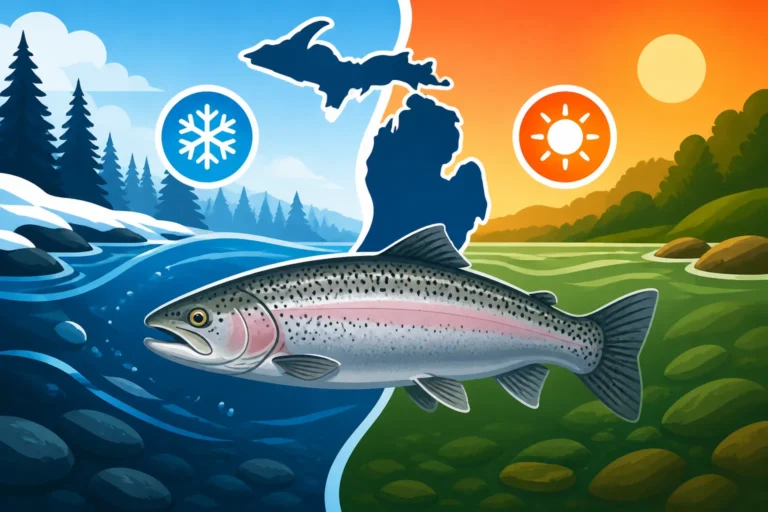
Steelhead enter Michigan's rivers in distinct "runs," driven by instinct and environmental cues like water temperature and flow. You'll primarily encounter them in three main phases throughout the year. The fall run often starts as early as September, drawing fish in who are anticipating the spawn but may not be ready to drop eggs just yet. These fish are aggressive and opportunistic, feeding heavily before the lean winter months. As winter sets in, the winter run brings in hardier fish that brave the cold temperatures, often holding in deeper, slower pools. They become more lethargic, requiring a subtle presentation. Finally, the spring run, typically from March through May, is the main event. This is when the majority of mature steelhead push upstream to spawn, and post-spawn "drop-backs" are also encountered, eager to replenish their energy reserves before heading back to the lakes. Understanding these cycles and how they affect the fish's behavior is the first step to successful drift fishing. Each run presents different challenges and opportunities, requiring slight adjustments to your approach. For a detailed breakdown of when these majestic fish are on the move, check out our guide on Michigan Steelhead Run Timing.
Why Drift Fishing is So Effective for Steelhead
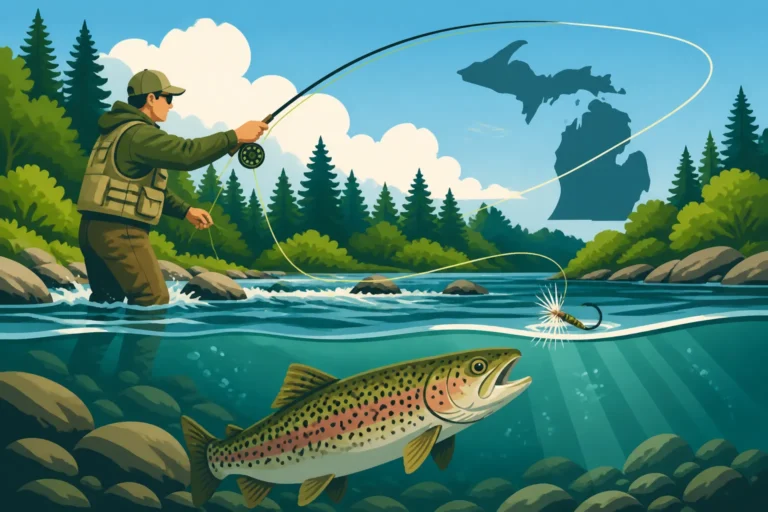
Drift fishing, at its heart, is all about natural presentation. Steelhead in rivers are constantly on the lookout for food items dislodged from the bottom or washed downstream by the current. This could be anything from insect larvae and eggs to small baitfish. A properly executed drift mimics this natural movement, presenting your bait or lure as if it were a helpless morsel floating freely with the current. It's a subtle approach, but incredibly powerful. Unlike casting and retrieving, which can often look unnatural, a good drift allows your offering to move at the same speed as the water around it, making it irresistible to a holding steelhead. It's also an incredibly efficient way to cover water, allowing your bait to bounce along the bottom where steelhead often hold, without spooking them with repeated casts or retrieve actions. The key is allowing your bait to travel unencumbered, without any drag from your line pulling it faster or slower than the surrounding water. This "drag-free" drift is the holy grail of effective steelhead fishing.
Key Rivers for Michigan Steelhead Runs
Michigan is blessed with an abundance of world-class steelhead rivers, each with its own character and prime fishing windows. Knowing which rivers to target and when is essential.
- Manistee River: Often hailed as a jewel, the Big Manistee is famous for its incredible runs of steelhead, as well as salmon. Its diverse structure, from deep holes to gravel runs, holds fish throughout the season. You can learn more about fishing this incredible waterway in our article, Manistee River Steelhead and Salmon Fishing in Michigan.
- Muskegon River: Another powerhouse, the Muskegon offers extensive opportunities for steelhead, particularly during the fall and spring. Its accessibility and robust runs make it a favorite for many anglers. If you're planning a trip there, our guide on Muskegon River Michigan Steelhead Run Timing can give you an edge.
- Pere Marquette River: This designated "natural river" is renowned for its pristine waters and strong wild steelhead populations. Fly fishing is very popular here, but drift fishing with traditional gear is also highly effective.
- St. Joseph River: In southwest Michigan, the St. Joe offers a fantastic urban steelhead experience, particularly in the lower stretches, with robust runs that draw anglers from across the region.
- Grand River: Flowing through Grand Rapids, the Grand River is surprisingly productive, offering excellent steelhead fishing right in the city limits and extending upstream.
- Au Sable River: While primarily known for its trout fishing, the lower sections of the Au Sable also see good steelhead runs, especially during the spring.
Each of these rivers has its own unique nuances, from current speed to bottom composition, and understanding these local characteristics will make your drift fishing efforts far more fruitful.
Essential Gear for Successful Michigan Steelhead Drift Fishing
You wouldn't attempt to build a house with a butter knife, and similarly, you won't have much success drift fishing for steelhead without the right tools. Michigan steelhead are powerful, and the rivers they inhabit can be challenging. Having the appropriate rod, reel, line, and terminal tackle is paramount to not only hooking these magnificent fish but also landing them.
Rod and Reel Selection for Sensitivity and Control
When it comes to steelhead drift fishing, your rod and reel are your direct connection to the fish, and their performance can make or break your day. You're looking for a setup that offers both exceptional sensitivity to detect subtle takes and enough backbone to handle a hard-fighting fish in strong current.
- Rods: Most experienced steelhead anglers opt for long, medium-light to medium-action spinning rods, typically ranging from 9 to 13 feet. This extended length serves multiple purposes: it helps with line control, allowing you to keep more line off the water for a better, drag-free drift; it acts as a shock absorber against powerful runs; and it aids in casting lighter rigs. A faster action tip is desirable for detecting those faint nibbles, while the more moderate action throughout the rest of the blank helps protect light leaders from breaking under sudden stress. For a deeper dive into choosing the right stick, our article Best Rod Length for River Steelhead is a must-read. Brands like Fenwick, Lamiglas, G. Loomis, and St. Croix are popular choices among serious steelhead anglers, offering the blend of sensitivity and power needed. You can find a wide selection of these specialized rods on Amazon.
- Reels: Matching your long rod with a high-quality spinning reel in the 2500-4000 series size is common. Look for reels with a smooth, reliable drag system – this is non-negotiable for steelhead. They will make blistering runs, and a sticky or jerky drag will lead to snapped lines and lost fish. A high retrieve rate can also be beneficial for quickly taking up slack line or fighting a fish that's charging upstream. Shimano, Daiwa, and Okuma offer excellent options known for their durability and smooth performance. If you're specifically looking for advice on reel choices, check out our guide on the Best Reel for Steelhead Fishing. Centerpin reels are another popular choice, particularly for purists, offering the ultimate drag-free drift, though they have a steeper learning curve.
Line Choices and Terminal Tackle for Optimal Drifts
The line you choose, and how you rig your terminal tackle, are critical for achieving that perfect, natural drift. Every component works together to present your bait effectively.
- Mainline: Many anglers prefer a braided mainline, typically 15-20 pound test, for its low stretch and incredible sensitivity. This allows you to feel even the slightest tap. The low diameter of braid also cuts through the water better, reducing current drag on your line. However, because braid is highly visible, you'll always connect a fluorocarbon leader. Some anglers still prefer monofilament mainline, usually 8-12 pound test, for its stretch properties which can act as an additional shock absorber. For specific recommendations, our article on What Line Weight for Michigan Steelhead offers excellent insights.
- Leader Material: This is where stealth comes in. A fluorocarbon leader, typically 6-10 pound test, is essential. Fluorocarbon is nearly invisible underwater, extremely abrasion-resistant, and has minimal stretch. The length of your leader will vary depending on water clarity and depth, but a 3-6 foot leader is a common starting point.
- Weights: This is the magic ingredient for a good drift. You need just enough weight to get your bait down to the bottom and keep it ticking along without getting snagged constantly or flying too fast. Split shot (often lead-free alternatives these days) is popular, crimped directly onto your leader. Slinky weights, made of lead shot encased in paracord, are another excellent option, as they are less prone to snagging on rocky bottoms. A popular rigging method is to use a small swivel to connect your mainline to your leader, and then add your weights incrementally above a shot-line dropper (a shorter, lighter piece of mono tied to the swivel) or directly onto your fluorocarbon leader, spaced out to distribute the weight.
- Hooks: Stick with small, sharp, single hooks, typically size 8 to 12. Octopus-style hooks are a favorite for their wide gap and ability to hold bait securely. Barbless hooks are highly recommended, and often required, for quick and easy catch-and-release, minimizing harm to the fish.
Baits and Lures That Entice River Steelhead
Once you have your gear sorted, it's time to talk about what to put on the end of your line. Steelhead are opportunistic feeders, but they can also be incredibly selective.
- Spawn Bags: Without a doubt, spawn bags are a top producer for steelhead, especially during and around their spawning runs. These are small mesh bags filled with cured salmon or trout eggs, mimicking the natural eggs that wash downstream. The scent and natural appearance are highly effective. You can buy pre-tied bags or make your own. The color of the mesh (pink, orange, chartreuse) and the size of the bag can be critical.
- Beads: Beads have become incredibly popular and effective. These small, plastic or glass spheres are designed to imitate a single fish egg. They are rigged to slide freely on your leader, typically stopped by a small peg or toothpick just above your hook. The color of the bead can be crucial, with variations of orange, pink, and chartreuse being common. If you're curious about the legality or proper rigging, our article How to Rig a Bead for Steelhead provides excellent guidance. You can find a vast array of bead sizes and colors on Amazon to match local conditions.
- Worms: Soft plastic worms, particularly those in natural colors like pink, red, or even natural brown, can be incredibly effective, especially when dead-drifted. Brands like Berkley PowerBait and Gulp! offer scented options that can really turn on finicky fish. Rigged on a small jig head or weightless under a float, they present a subtle, natural profile.
- Small Artificials: While drift fishing often leans towards natural baits, small artificial lures like tiny jigs (tipped with wax worms or plastics), or even small marabou jigs can be effective, particularly when fish are aggressive. The key is to keep them small and present them naturally.
Mastering the Art of Drift Fishing Techniques
Now that you're geared up, it's time to get down to the business of actually fishing. Drift fishing is more than just casting and hoping; it's a dynamic interplay of reading the water, precise casting, line management, and quick reflexes. It truly is one of the most productive Michigan Steelhead Fishing Techniques.
Reading the River: Identifying Prime Steelhead Lies
Understanding where steelhead hold in a river is perhaps the most critical skill for a drift angler. Steelhead, especially when migrating or holding before the spawn, prioritize two things: cover and current breaks, which allow them to conserve energy.
- Seams and Current Breaks: Look for areas where fast water meets slower water. These "seams" are prime holding areas. Steelhead will often sit just out of the main current, letting food wash to them without expending too much energy. This includes the edges of riffles, behind large boulders, or on the inside bends of a river.
- Deep Pools and Runs: Deeper sections of the river provide security and stable temperatures. Steelhead often stack up in deep pools, especially during colder months. Runs are stretches of moving water with relatively consistent depth and current, offering excellent travel corridors and feeding lanes. Your drift should cover the full length of these areas.
- Log Jams and Undercut Banks: Any form of structure that breaks the current or provides overhead cover is a potential steelhead lie. Log jams, fallen trees, and severely undercut banks offer excellent hiding spots. However, fishing these areas also means a higher risk of snags, so be prepared to lose some tackle.
- Tailouts: The downstream end of a pool, where the water shallows out and speeds up, is known as a tailout. These areas can be fantastic, especially for staging fish before they move into shallower spawning grounds, or for aggressive fall fish feeding on dislodged eggs.
Practice looking for these features and visualizing how the current will carry your bait through them. The more you can "read" the water, the more precise and effective your drifts will become.
Executing the Perfect Drift: From Cast to Presentation
This is where the art truly comes into play. The goal is to make your bait move as naturally as possible, as if it were simply tumbling along the bottom with the current.
- Casting Angles: Your cast should typically be upstream and slightly across the current, forming an angle that allows your bait to sink and begin its drift naturally as it approaches your target area. The exact angle will depend on current speed and the depth you're trying to reach.
- Mending Line: This is arguably the most crucial aspect of drift fishing. As your bait drifts downstream, the current will inevitably create a "belly" in your line, pulling your bait unnaturally. To combat this, you need to "mend" your line. This involves quickly lifting your rod tip and flipping slack line upstream, repositioning it so that it's directly above your bait. This ensures a drag-free drift. It's a continuous process throughout the drift.
- Maintaining Tension: While you want a drag-free drift, you don't want completely slack line. You need just enough tension to feel subtle bites and maintain control. This is a delicate balance, achieved by constant line mending and subtle rod tip adjustments. Too much slack, and you'll miss bites; too much tension, and you'll create drag.
- Detecting Bites: Steelhead bites can be incredibly subtle, sometimes just a slight hesitation or a barely perceptible "tick" on your line. Other times, they can be aggressive tugs. Pay close attention to your line where it enters the water and your rod tip. If anything feels different, assume it's a bite. You'll often feel the weight of your sinker lightly tapping the bottom; learn to distinguish this from a fish.
Hook Sets and Fighting Michigan Steelhead
When that moment finally comes, and you feel the tell-tale tap, your reaction needs to be immediate and decisive.
- The Hook Set: With a long rod and often a fair bit of line out, you'll need a powerful, sweeping hook set. Many anglers advocate for a "sweep" rather than a vertical "lift." When you feel a bite, drop your rod tip slightly towards the fish, then sweep it hard and low to the side (upstream or downstream, depending on the current), taking up slack and driving the hook home. Don't be timid; these fish have tough mouths.
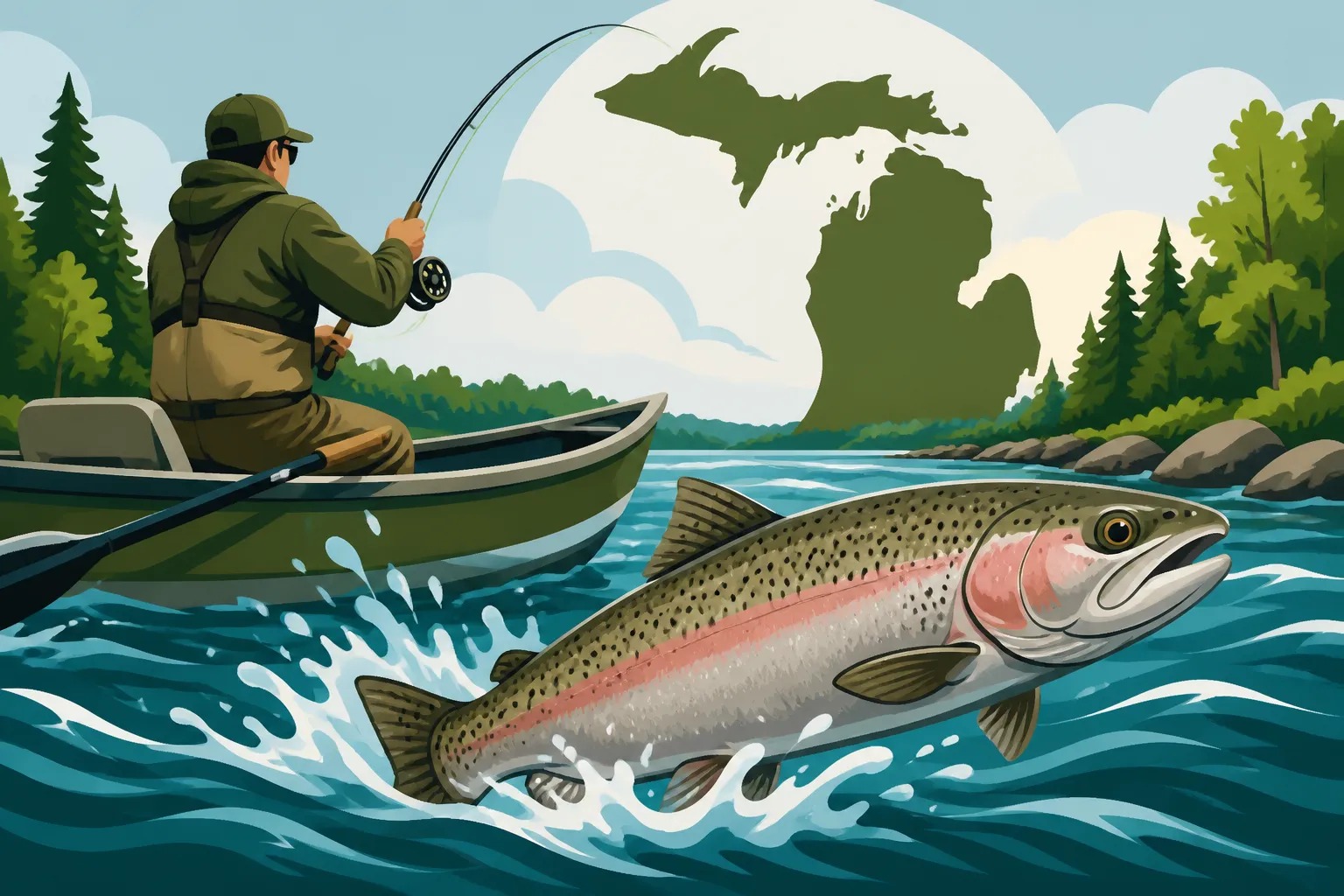
- Fighting the Fish: Once hooked, a Michigan steelhead will put up an incredible fight. They are known for their blistering runs, acrobatic jumps, and tireless pulling power. The key is to let your rod and reel's drag do the work. Keep your rod tip high (but not locked) to maintain constant pressure and cushion surges. Avoid "horsing" the fish, especially on lighter leaders. Let the fish run, apply steady pressure, and pump them in when they tire. Be ready for sudden changes in direction and for them to charge towards you, creating slack. Remember, a smooth drag system is your best friend here. If you're looking for pointers on safely releasing these magnificent fish, our general guide on Catch-and-Release Techniques for Michigan Muskellunge offers principles that can be adapted for steelhead.
Advanced Strategies and Considerations for Michigan Steelhead Anglers
Drift fishing for steelhead isn't a static art; it requires constant adaptation and a deep understanding of the river environment. Beyond the basic techniques, there are advanced strategies and crucial considerations that can elevate your success and ensure a responsible angling experience.
Adapting to Water Conditions and Weather Changes
Michigan's rivers are dynamic, and conditions can change rapidly. The most successful steelhead anglers are those who can read these changes and adjust their approach accordingly.
- Water Clarity: This is a huge factor. In clear water, steelhead are incredibly spooky. You'll need longer, lighter leaders (e.g., 6-pound fluorocarbon), smaller baits (single beads, smaller spawn bags), and a more subtle approach. Stealth becomes paramount. Conversely, in stained or slightly murky water, fish feel more secure and can be more aggressive. You can often get away with heavier leaders (8-10 pound), larger baits, and brighter colors (chartreuse, hot pink) that stand out.
- Water Levels: High water, often due to heavy rains or snowmelt, can push steelhead into slower, shallower seams or back into flooded banks. The current will be stronger, requiring more weight to get your bait down. Low water concentrates fish but also makes them more wary. You'll need extreme stealth and precise casts. Always be mindful of the current, especially in high water; wading can become treacherous.
- Water Temperature: Steelhead are cold-blooded, and water temperature dictates their metabolism and activity levels. Colder water (below 40°F) makes them lethargic, requiring slower drifts and more subtle presentations. As temperatures warm (40-50°F), fish become more active and aggressive, often willing to chase baits. Knowing the optimal temperature ranges for different runs is key to timing your trips.
- Weather: Overcast days often bring out more active fish, as they feel less exposed. Bright, sunny days can make them retreat to deeper water or heavy cover. Wind can make casting and line control incredibly challenging, requiring heavier setups or adjusting your position. Always check the forecast and dress appropriately, especially during the Fall Steelhead Run in Michigan Rivers or the challenging Winter Steelhead Run in Michigan Rivers.
Safety and Ethical Practices on Michigan Rivers
Steelhead fishing, particularly wade fishing in rivers, comes with inherent risks and responsibilities. Being prepared and practicing good etiquette is essential.
- Wading Safety: Rivers can be deceptive. Currents can be powerful, and bottoms can be slick and uneven. Always wear a good pair of felt-soled or studded wading boots, and consider using a wading staff for stability. Never wade alone, and always let someone know where you're going and when you expect to return. Be especially cautious in high water or when crossing unknown sections of the river. Our guide on Best Waders for Cold River Fishing offers tips for staying warm and dry.
- Catch-and-Release: Many steelhead anglers practice catch-and-release, especially for wild or native fish. Handle fish gently, keep them in the water as much as possible, use a knotless rubber net to protect their slime coat, and revive them properly before release. Avoid dragging them onto the bank or excessive handling.
- Respecting Other Anglers and Property: Michigan's steelhead rivers can get crowded, especially during peak runs. Always maintain a respectful distance from other anglers, and never "cut" someone's drift. If a spot is occupied, move on or ask politely if you can fish nearby. Respect private property signs and always pack out everything you pack in. The health of our fisheries depends on all of us adhering to these principles.
- Knowing the Regulations: Michigan's fishing regulations are detailed and can vary by river section or time of year. Always carry a copy of the current digest (or have it on your phone) and understand the specific rules for the water you're fishing regarding limits, seasons, and gear restrictions. A great starting point is our comprehensive Michigan Fishing Regulations Every Angler Should Know.
Understanding Michigan Steelhead Run Timing
As briefly touched upon, timing is everything when it comes to Michigan steelhead. Their runs are predictable but influenced by many environmental factors.
| Run Type | Typical Months | Water Temperature Range | Behavior & Focus | Key Baits/Techniques |
|---|---|---|---|---|
| Fall Run | September – November | 45-55°F | Pre-spawn, aggressive feeding | Spawn bags, beads |
| Winter Hold | December – February | 32-40°F | Lethargic, holding in deep pools | Slow drifts, subtle baits |
| Spring Run | March – May | 40-50°F | Spawning, post-spawn drop-backs | Spawn bags, beads, worms |
This table provides a general overview, but conditions can fluctuate. For example, a warm fall might extend the aggressive feeding period, while a harsh winter could delay the main spring push. Paying attention to local fishing reports and water conditions will always give you the most accurate picture. Don't forget, a valid Michigan fishing license is always required, and you can find out all you need to know in our Michigan Fishing License Guide for Residents and Nonresidents.
Common Challenges and Troubleshooting for Drift Fishing
Even the most seasoned steelhead anglers face frustrating days on the river. Snags, finicky fish, and crowded conditions are all part of the game. Learning how to anticipate and overcome these common challenges will significantly improve your overall experience and success. It's about resilience and having a bag of tricks when the going gets tough.
Dealing with Snags and Lost Gear
Snags are an inevitable part of drift fishing, especially when you're targeting fish holding near the bottom or around structure. The cost of lost tackle can add up quickly, not to mention the frustration of breaking off a perfect drift.
- Minimizing Snags: Prevention is the best cure. Use just enough weight to bounce the bottom, but not so much that your rig constantly wedges into rocks. Slinky weights often snag less than traditional split shot. When your weight touches down, try to keep your rod tip high and maintain a slight upward angle to help your rig "walk" over obstacles rather than getting stuck. Actively feeling your weight tap the bottom allows you to react instantly if it gets hung up.
- Retrieving Hung Lures: If you do get snagged, don't just yank. Try to change the angle of your pull. Often, moving downstream and pulling directly from above the snag can free it. Sometimes, walking upstream and trying to pull it free in the opposite direction works. A useful trick is to put your reel into free spool and allow a bow in the line to form downstream, then tighten up and snap the rod in an attempt to dislodge the weight. If all else fails, a quick, sharp snap can break off the leader at the knot, saving your mainline.
- Being Prepared: Always carry plenty of extra terminal tackle: split shot, slinky weights, swivels, and hooks. It’s also wise to have pre-tied leaders ready to go. You don't want to waste valuable fishing time fumbling with knots when you could be fishing. Keep your extra gear organized in a small tackle box or bag that's easy to access, perhaps one you ordered from Amazon.
The Frustration of No Bites: When Steelhead Are Finicky
There will be days when you feel like you're doing everything right, but the fish simply aren't biting. This is often the most disheartening part of steelhead fishing.
- Change Your Presentation: If your current setup isn't working, don't be afraid to switch it up. Try different bait colors (e.g., from pink spawn to chartreuse beads). Vary the size of your bait. Adjust the amount of weight you're using – maybe they want it ticking harder, or maybe they want a slower, higher drift. Sometimes, simply changing the length of your leader can make a huge difference.
- Adjust Your Location: If a spot isn't producing, move! Steelhead are often congregated in specific areas, and a few feet can make all the difference. Work different types of water: if you're in a slow pool, try a faster run; if you're in a riffle, try the tailout. Don't get stuck fishing "dead water."
- Vary Your Drift: Experiment with different casting angles and mending techniques. Try a slightly longer drift or a shorter, more controlled one. The slightest variation can sometimes trigger a strike from a previously uninterested fish.
- Consider the Time of Day: Early morning and late afternoon are often prime feeding times, but steelhead can bite throughout the day, especially on overcast days. If the middle of the day is slow, take a break and return when the light changes.
- Persistence is Key: Steelhead fishing often rewards patience and persistence. Even on tough days, a single, perfect drift can lead to a hookup. Keep a positive attitude and believe that the next cast could be "the one."
Navigating Crowded Rivers and Angler Etiquette
Michigan's steelhead rivers, especially during peak runs, can become quite popular. This can lead to frustration if proper etiquette isn't observed.
- Give Space: The golden rule is to give other anglers ample space. A general guideline is to allow at least 50-100 feet between anglers, or even more if the river allows for longer drifts. This prevents tangles and ensures everyone has a fair chance at fishing.
- Respect the Drift: If an angler is actively drifting a section of water, don't walk into their drift or cast over their line. Wait for them to finish their drift or move to another spot. Observe how others are fishing and respect their "water."
- Communicate: A simple "How's it going?" or "Mind if I fish below you?" can go a long way in fostering good relationships on the river. Most anglers are friendly and willing to share information if approached respectfully.
- Wade Smartly: When wading, try to stay out of prime fishing lanes unless you are actively fishing that spot. If you need to cross the river, do so quickly and quietly, choosing a shallow section that minimizes disturbance. Avoid stomping or splashing, which can put down fish.
- Be Patient: Sometimes, the best spot is simply occupied. Rather than getting frustrated, either find another promising section of river or wait patiently for a spot to open up. A little patience can prevent a lot of tension on the river. Remember, we're all out there to enjoy the beauty and challenge of Michigan steelhead fishing.
Disclaimer
The information provided in this guide is for general informational purposes only and should not be taken as legal advice regarding Michigan fishing regulations. Fishing rules and regulations can change frequently. Always consult the latest Michigan Department of Natural Resources (DNR) fishing guide or website for the most current and accurate information before heading out on the water. Following all local, state, and federal laws is the responsibility of each angler. Fishing inherently carries risks; exercise caution and prioritize safety at all times.