Fly Fishing Techniques for Michigan Steelhead
Many anglers dream of the incredible fight of a Michigan steelhead, but translating that dream into a successful fly fishing experience can feel like navigating a complex maze. From choosing the right fly to understanding river currents and fish behavior, the learning curve can be steep and frankly, a bit intimidating. This comprehensive guide is here to unravel the mysteries of fly fishing for steelhead in Michigan, breaking down techniques, gear, and strategies to help you connect with these chrome beauties.
The Allure of Michigan Steelhead and Their Unique Habits
Michigan's rivers host some of the most sought-after freshwater game fish: the steelhead. These incredible fish offer a challenging yet incredibly rewarding experience for fly anglers, drawing enthusiasts from across the country to our cold, clear waters. But what exactly makes them so special, and why do they demand a unique approach with a fly rod?
What Makes Michigan Steelhead Special?
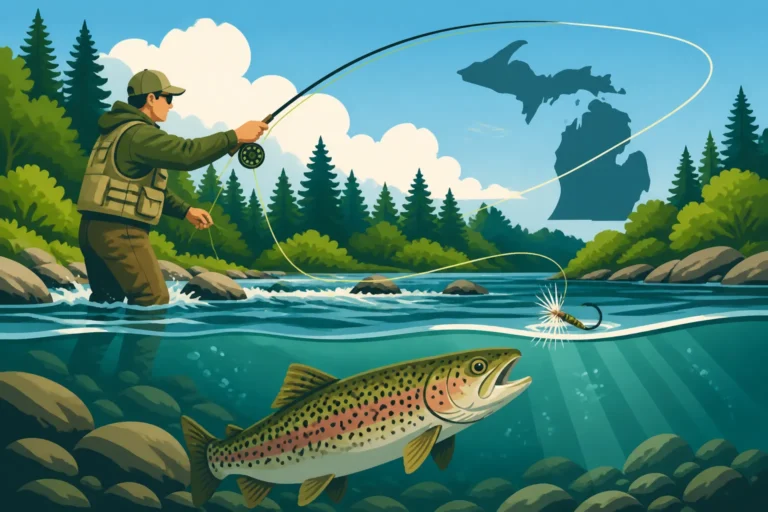
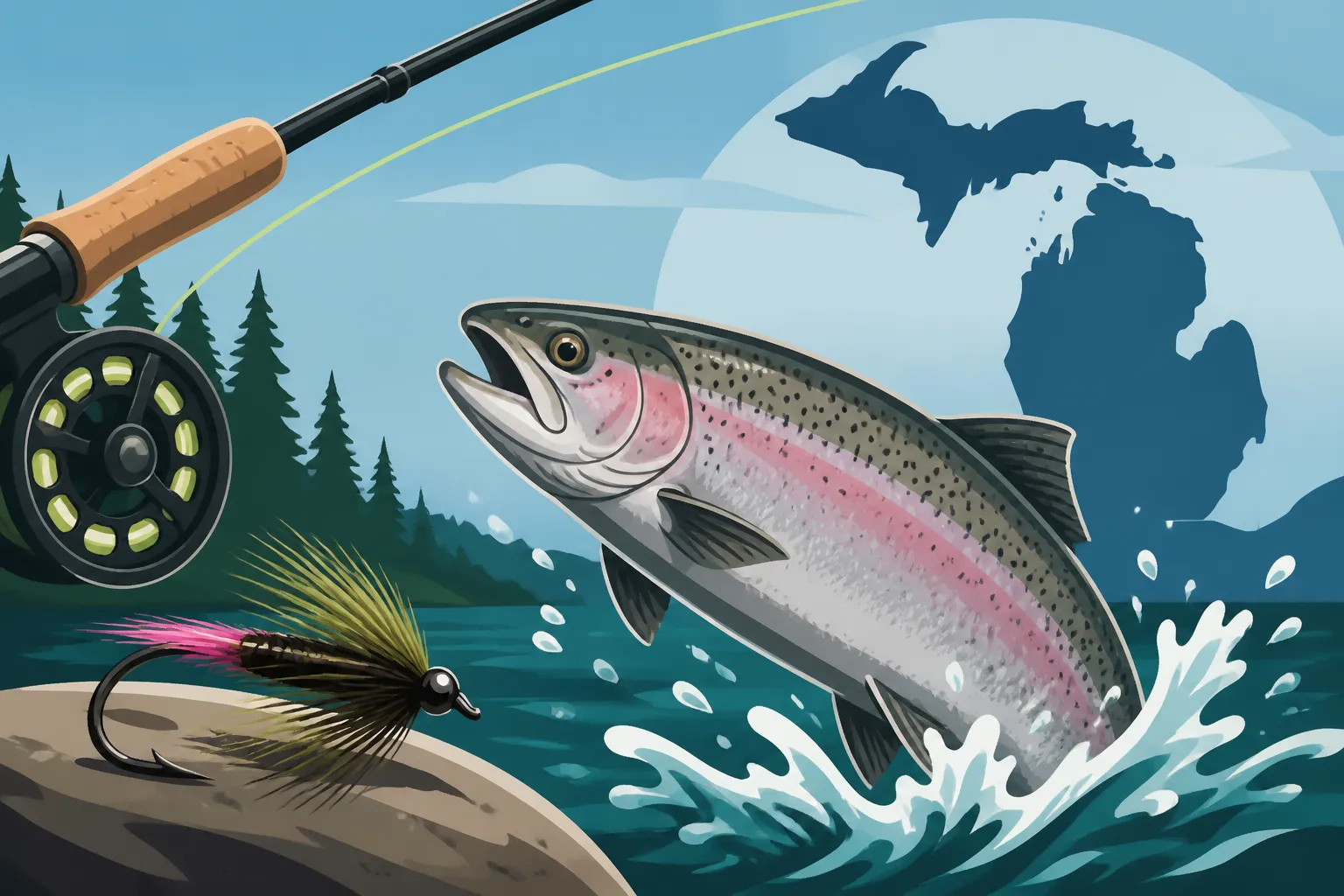
Michigan steelhead are essentially rainbow trout that have migrated from the Great Lakes into tributary rivers to spawn. This anadromous lifestyle imbues them with incredible strength, stamina, and a highly tuned predatory instinct. Unlike their resident stream trout cousins, steelhead are built for open water, developing massive shoulders and powerful tails from years of feeding in the expansive Great Lakes. When they return to the relatively confined rivers, they become formidable opponents on a fly rod, often making blistering runs, acrobatic leaps, and deep, stubborn fights.
Their intelligence is another factor. Having survived in a vast ecosystem, they can be incredibly wary, especially in the clear, low-flow conditions often found in Michigan's rivers. They've seen it all, from natural predators to countless lures and flies, making presentation and fly selection paramount. Hooking one is a victory, but landing one often feels like a wrestling match, a true testament to their resilience. This combination of raw power, cunning, and the beauty of their chrome-plated scales is what makes them such a captivating target for fly anglers in places like the Manistee River, Pere Marquette River, or the Muskegon River.
Understanding Their Life Cycle and River Migrations
To successfully fly fish for Michigan steelhead, it’s crucial to understand their life cycle and, more importantly, their river migration patterns. The term "steelhead run" refers to these migrations, and knowing when and why they move upstream is key to being in the right place at the right time. The Steelhead Life Cycle in Michigan Rivers typically involves these magnificent fish spending anywhere from one to five years in the open waters of the Great Lakes, growing large and fat on baitfish.
When the urge to spawn calls, usually triggered by changing water temperatures and river flows, they embark on their upstream journey. We generally see two main runs in Michigan: the fall run and the spring run. Fall-run fish enter the rivers in autumn and overwinter there, often holding in deeper pools and slow runs, feeding opportunistically. These fish will then spawn in late winter or early spring. The spring run brings a fresh push of fish into the rivers, usually from March through May, explicitly for the purpose of spawning. Post-spawn, some "drop-back" steelhead, often skinny but still incredibly strong, will migrate back to the Great Lakes. Understanding these patterns, which you can delve into further with guides like Michigan Steelhead Run Timing, will significantly increase your chances of intercepting them with a fly.
Gearing Up for Michigan Steelhead Fly Fishing
Embarking on a steelhead fly fishing adventure in Michigan requires more than just a passing interest; it demands the right tools for the job. These powerful fish, coupled with often challenging river conditions, mean your gear needs to be up to the task. Skimping on quality here can lead to heartbreak and frustration on the water.
Rods, Reels, and Lines: The Foundation of Your Setup
For Michigan steelhead, you'll want a fly rod that can handle strong fish and often heavy indicator rigs or large streamers. A 9- to 10-foot rod in a 7- to 9-weight range is typically ideal. The extra length helps with line management, mending, and controlling drifts in larger rivers. For instance, a 10-foot 8-weight rod offers a fantastic balance of casting power and shock absorption. If you're looking for recommendations, check out a guide on the Best Rod for Steelhead Fishing. Many anglers find excellent options available through retailers like Amazon, ensuring a wide selection and competitive pricing for quality graphite rods.
Your reel is equally important. It needs a smooth, reliable disc drag system to handle the powerful runs of a hooked steelhead and enough backing capacity (at least 150-200 yards of 20-pound dacron or gel-spun) to prevent getting spooled. A large arbor reel is beneficial as it helps retrieve line quickly. As for lines, a weight-forward floating line is standard for indicator nymphing. However, incorporating sinking tips or even a full sinking line can be crucial for swinging streamers or getting flies down deep in strong currents, especially during colder months. For specific recommendations on line choices, consider exploring What Line Weight for Michigan Steelhead, as the correct line can make a huge difference in presentation.
Essential Flies and Terminal Tackle
The world of steelhead flies is vast, but a few categories are indispensable for Michigan waters. Egg patterns are often the first choice, especially during or after a spawn, mimicking the eggs that naturally drift downstream. Popular colors include orange, pink, chartreuse, and white. Nymphs, such as stoneflies, caddis larvae, and even general attractor nymphs like the Prince Nymph or Hare's Ear, are also highly effective, as steelhead will feed on aquatic insects. Streamers, like the Woolly Bugger, Clouser Minnow, or elaborate articulated patterns, are fantastic for aggressive fish and searching deeper pools. You can find excellent selections of these patterns by looking up Best Flies for Michigan Steelhead.
Beyond the flies, your terminal tackle is critical. This includes strong fluorocarbon leader and tippet material (ranging from 8 to 15-pound test, depending on water clarity and fish activity), split shot or lead-free weights for getting nymphs down, and strike indicators. Indicators can be simple yarn, cork, or even sophisticated adjustable models. For swinging flies, you might opt for polyleaders or integrated sinking tips to achieve depth without external weights. Always carry a variety of sizes and weights to adapt to changing conditions and currents.
Waders, Boots, and Safety Gear
Staying warm and dry is paramount when steelhead fishing in Michigan, especially during the colder fall, winter, and spring months. High-quality breathable chest waders are a non-negotiable item. Look for durable construction, reinforced knees, and a good fit that allows for layering underneath. Paired with your waders, felt-soled or rubber-soled wading boots with studs offer superior grip on slippery river bottoms. A dedicated guide on Best Waders for River Fishing can offer more detailed insights into selecting the right pair.
Beyond comfort, safety is crucial. A wading belt should always be worn snugly around your waders to minimize water intrusion in case of a fall. A wading staff is invaluable for navigating swift currents and uneven riverbeds, providing an extra point of contact and stability. Other essential safety gear includes polarized sunglasses (for spotting fish and protecting your eyes from errant hooks), a hat, and a small first-aid kit. Consider carrying a personal flotation device (PFD) if you're wading in deep or fast water, or if you plan to use a boat or kayak. A good pair of nippers and forceps (hemostats) for hook removal are also essential tools for any responsible angler.
Mastering Core Fly Fishing Techniques for Michigan Steelhead
Fly fishing for Michigan steelhead isn't a one-size-fits-all endeavor. These fish inhabit diverse river environments and react differently based on conditions, time of year, and their stage in the spawning migration. To be consistently successful, you'll need a repertoire of techniques at your disposal.
Nymphing: The Bread and Butter
Nymphing is arguably the most consistent and popular method for catching Michigan steelhead, especially when they are holding in deeper runs and feeding subtly. The goal of nymphing is to present a subsurface fly (or flies) that mimics an aquatic insect or an egg, drifting naturally with the current at the same speed as the surrounding water – what anglers call a "dead drift."
- Indicator Nymphing: This is perhaps the most common approach. You attach a strike indicator to your leader, typically 3-6 feet above your weighted fly (or flies, often a two-fly rig with a heavier lead fly and a lighter trailing fly). The indicator serves two purposes: it suspends your flies at a desired depth and, more importantly, signals subtle takes when it dips, pauses, or moves unnaturally. To execute, cast upstream or up-and-across, and then immediately begin mending your fly line to eliminate drag, allowing the indicator and flies to drift freely. Focus on matching the speed of the current with your rod tip. The goal is a perfect, uninterrupted drift, often through a seam or current line where steelhead might be holding. Adjusting your split shot or fly weight is key to getting down to the fish without continually snagging the bottom.
- Euro Nymphing (Contact Nymphing): This technique has gained immense popularity for its sensitivity and direct connection to the flies. Instead of an indicator, a brightly colored sighter is tied into the leader, allowing you to detect strikes visually and by feel. This method uses longer, lighter rods (often 10-11 feet, 2-4 weight) and relies on shorter casts, leading the flies directly beneath the rod tip. You maintain constant contact with the flies, feeling every bump and subtle take. It's incredibly effective in faster, shallower runs and pockets where a perfect dead drift is crucial, allowing for precise depth control and immediate strike detection. While it has a steeper learning curve, mastering Euro nymphing can be a game-changer for elusive steelhead.
Swinging Flies: The Art of the Search
Swinging flies, particularly with spey or switch rods, is often considered the most aesthetic and traditional method for steelhead fly fishing. It's less about matching a specific hatch and more about presenting a broad, suggestive fly that entices a predatory strike. This technique appeals to the aggressive nature of steelhead, especially fresh-run fish or those actively moving through a system.
- Streamers and Wet Flies: This technique involves casting a fly (typically a weighted streamer or a classic wet fly) down and across the current, allowing the current to "swing" the fly across the river in an arc. As the fly swings, it often imitates a baitfish or a larger insect drifting past a holding fish. The key is to control the swing's speed and depth. Often, a "stop-and-go" retrieve or a slight twitch can impart enticing action. Strikes can be savage, often feeling like the line just stops dead. This technique requires patience but can be incredibly rewarding when a steelhead slams a swinging fly. Using an integrated sinking tip or a polyleader is often necessary to get the fly down to the fish's level in deeper water. While not exclusively fly fishing, the concept of a searching presentation is similar to how many anglers approach Centerpinning for Michigan Steelhead, trying to cover water and entice a strike.
Stripping Streamers: Aggressive Tactics
When steelhead are particularly aggressive, often in warmer water conditions (relative to steelhead fishing, meaning above 40°F) or when fresh from the lake, stripping streamers can be deadly. This technique involves actively retrieving a baitfish or attractor pattern to trigger a reactionary strike.
- Mimicking Baitfish: You'll typically cast a larger, often articulated, streamer pattern across or slightly downstream and immediately begin an aggressive retrieve, stripping the line in short, quick pulls. This makes the fly dart and dive, mimicking a fleeing baitfish or a sculpin hiding in the rocks. Vary your retrieve speed and pause lengths until you find what triggers a strike. This method is particularly effective in larger, slower pools or near current breaks where steelhead might be ambushing prey. Don't be afraid to experiment with different retrieve styles and fly colors – sometimes a bright, flashy fly on a fast retrieve is exactly what an aggressive steelhead wants. Retailers like Amazon offer a wide array of streamer patterns in various sizes and colors that are well-suited for this technique.
Reading Michigan Rivers and Locating Steelhead
You can have the finest gear and perfect casting stroke, but if you're not fishing where the steelhead are, you're just practicing. Learning to "read the water" is a critical skill for any successful fly angler, especially when targeting migratory fish like steelhead in Michigan's dynamic river systems.
Identifying Prime Holding Water
Steelhead, like most fish, are creatures of efficiency. They're looking for places where they can rest, hide from predators, and ambush food, all while expending minimal energy. Understanding these prime holding lies is half the battle.
- Runs and Riffles: These are stretches of river with a consistent, moderate current. Steelhead will often hold in the deeper sections of these runs, just out of the main current, where they can easily dart out for passing food without fighting the strongest flow. Riffles, especially those with good depth transitions, can also hold fish. Look for sections where the current slows just enough to allow a fish to hold comfortably.
- Pools: Deeper, slower-moving sections of the river are classic steelhead holding water, particularly during colder temperatures or periods of high flow when fish need to conserve energy. Look for the "head" of the pool (where the faster water enters), the "belly" (the deepest part), and the "tailout" (where the water shallows and speeds up again). Steelhead can be found throughout a pool, but the tailout is often a hot spot for fresh-run fish preparing to move upstream, and the head of the pool can be a good place for fish entering to rest.
- Seams and Structure: Any distinct current break creates a "seam" – the transition zone between fast and slow water. Steelhead frequently position themselves in the slower water of a seam, facing into the faster current, waiting for food to drift by. This includes seams created by fallen trees, large rocks, log jams, gravel bars, or even subtle depressions in the riverbed. Undercut banks also provide excellent cover and current breaks. When you see these features, approach them systematically with your chosen technique, as they are high-percentage spots for a holding steelhead.
Understanding Water Conditions and How They Affect Fish
Water conditions are arguably the most influential factor dictating steelhead behavior and location. The seasoned Michigan fly angler always considers flow, clarity, and temperature.
- Flow (Water Level): High water levels, often due to rain or snowmelt, typically mean faster currents and potentially dirtier water. In these conditions, steelhead will seek refuge closer to the banks, behind large obstacles, or in slower, deeper pools where the current is less punishing. Conversely, low water levels mean slower, often clearer currents. Fish become warier and may push further upstream into smaller, less accessible holding lies or seek deeper, shaded areas. Adjusting your approach, presentation, and even leader length becomes crucial.
- Clarity: Clear water makes steelhead incredibly spooky. Long, fine leaders (e.g., 10-12lb fluorocarbon) and subtle presentations are often necessary. You might need to cast further and avoid wading directly into prime holding water. In stained or slightly off-color water, steelhead often become less wary and more aggressive. They can't see as well, relying more on lateral line detection, so larger, brighter, or more vibrantly colored flies might be more effective.
- Temperature: Water temperature is a primary driver of steelhead metabolism and activity levels. Colder water (below 40°F) generally means sluggish fish that are less willing to move for a fly. You'll need to present flies right on their nose, using slower, deeper drifts (nymphing) or very slow swings. As water temperatures rise (into the 40s and 50s), steelhead become more active and aggressive. They'll chase flies more readily, and stripping streamers or swinging larger patterns can become highly effective. Pay attention to how Water Temperature Affects Steelhead Runs, as even a few degrees can make a world of difference.
Approach and Presentation: Stealth is Key
Steelhead are incredibly sensitive to disturbance. A heavy-footed approach or sloppy cast can send them scattering, making them nearly impossible to catch.
- Minimizing Disturbance: Always approach the water cautiously. Walk softly, especially on gravel banks, and avoid casting a long shadow over the water. If possible, approach from downstream, wading upstream. This allows you to fish undisturbed water first and keeps you out of the fish's direct line of sight. When wading, shuffle your feet and use a wading staff to avoid dislodging rocks or stirring up sediment.
- Casting Angles and Mending: Your casting angle dictates how your fly presents and drifts. For nymphing, an upstream or up-and-across cast allows for a longer, drag-free drift. Immediately after the cast, "mend" your line (throwing an upstream loop of line) to counter the different current speeds and keep your indicator and flies drifting naturally. For swinging flies, a down-and-across cast is typical. The goal with any technique is to present the fly as naturally as possible, as if it were an unattached food item drifting with the current. Consider practicing different mending techniques on the lawn before hitting the river. Even subtle adjustments to your casting and mending can turn a refusal into a hookup.
Seasonal Strategies for Michigan Steelhead
Michigan's steelhead rivers offer angling opportunities throughout much of the year, but the specific tactics and locations change dramatically with the seasons. Understanding these shifts is crucial for success. Much like you'd consult the Michigan Fishing Seasons Explained for general angling, a focused approach is needed for steelhead.
Spring Runs: The Spawning Frenzy
Spring is arguably the most popular time for Michigan steelhead fly fishing, coinciding with the peak of their spawning migration. From March through May, as ice breaks and water temperatures begin to climb into the 40s, large numbers of steelhead push into rivers from the Great Lakes.
- Timing: The exact timing varies by river system and year-to-year weather patterns. Earlier spring rains or warm spells can trigger earlier pushes, while prolonged cold snaps might delay the main run. Generally, the Lower Peninsula rivers like the Manistee River Steelhead and Salmon Fishing in Michigan or the Pere Marquette River Fly Fishing in Michigan see their peak earlier than their Upper Peninsula counterparts. Keep an eye on local fishing reports and river gauges.
- Specific Techniques: During the spring, steelhead are primarily focused on spawning, but they are also opportunistic feeders. Egg patterns, mimicking the roe from spawning salmon and trout, are incredibly effective. Cluster egg patterns, single eggs, or "nuke eggs" in various colors (pink, orange, chartreuse) should be a staple in your fly box. Nymphing with these patterns, often trailed by a stonefly or caddis nymph, is the go-to technique. Look for fish holding in gravelly runs, especially above or below redds (spawning beds). Target areas with moderate current, where fish can comfortably rest and stage. While some aggressive fish might hit streamers, the majority of spring steelhead are caught on dead-drifted subsurface presentations. Remember to approach redds with respect, avoid disturbing spawning fish, and use proper Catch-and-Release Techniques for Michigan Muskellunge (which apply to all fish) to ensure the fishery's health.
Fall and Winter Runs: The Hard-Earned Rewards
While spring gets much of the fanfare, the fall and winter months offer truly unique and often solitary steelhead experiences. These are often the biggest, freshest fish entering the rivers, offering incredible fights for those willing to brave the cold. Check out the Fall Steelhead Run in Michigan Rivers for more specifics on this timing.
- Pre-Spawn: Fall steelhead enter the rivers primarily as "pre-spawn" fish, meaning they won't spawn until the following spring. They are often more aggressive and willing to chase flies than their spring counterparts. As water temperatures drop into the 40s and 30s, these fish will hold in deeper pools, runs, and under cut banks. Streamers and larger nymphs are often highly effective. Target these areas with both nymphing rigs and swinging tactics. During the peak of the salmon run (typically September-October), steelhead will gorge on salmon eggs, making egg patterns very productive then, too.
- Low and Clear Water Challenges: Winter steelhead fishing often means contending with low, clear water and freezing temperatures. Fish are incredibly wary and lethargic. You'll need to scale down your tippet, lengthen your leader, and use smaller, more subtle flies. Getting your flies down deep and presenting them with a perfect, drag-free drift is critical. Think long, slow drifts through the deepest parts of pools and runs. The Winter Steelhead Run in Michigan Rivers can be tough, but the rewards are often chunky, chrome-bright fish that have spent months in the Great Lakes. Layering clothing, insulated waders, and hand warmers are essential for comfort and safety.
Summer Steelhead: An Inland Lake Phenomenon
While most Michigan steelhead fishing focuses on river runs, there are limited opportunities for "summer steelhead" in certain areas. These aren't typically fish that run far up rivers during the hot months but rather those that linger near river mouths or are targeted in the cooler waters of the Great Lakes themselves.
- Focus on Tributary Mouths: During late spring and early summer, some smaller numbers of steelhead might still be found near the mouths of major tributaries as they transition back to the Great Lakes. These can often be targeted by casting spoons or spinners from shore or trolling from a boat, but a fly angler might find success by swinging small, flashy streamers or presenting nymphs in the cooler, deeper flows near the lake interface, especially during low light conditions like early morning or late evening.
- Early Morning/Late Evening: Cooler water temperatures and lower light during these times make fish more comfortable moving into shallower areas to feed. Focus on areas where cool river water mixes with the warmer lake water, as these can create attractive feeding zones. While not the primary focus of fly fishing for migratory steelhead, it's a unique seasonal opportunity for those looking to extend their season, even if it’s outside of the traditional river fishing window.
Common Challenges and Troubleshooting on the Water
Even the most experienced fly anglers face challenges when targeting Michigan steelhead. These fish are notorious for being finicky, and river conditions are constantly changing. Knowing how to troubleshoot common problems can turn a frustrating day into a successful one.
Dealing with Finicky Fish and Tough Bites
It's a common scenario: you've found good holding water, seen fish, but they just aren't biting. This is where patience and adaptability truly pay off.
- Adjusting Depth: The first and most frequent culprit in a tough bite is often depth. Steelhead are often glued to the bottom, especially in colder water. If you're not getting bumps or strikes, chances are your flies aren't getting deep enough. Add more split shot, use a heavier lead fly, or lengthen the distance between your indicator and your flies. Conversely, if you're constantly snagging, you might be too deep or have too much weight. Experiment with small adjustments until you find the "zone."
- Fly Size and Color: Sometimes, a subtle change in fly presentation is all it takes. If fish are ignoring your standard egg patterns, try a smaller size, or switch to a different color. Sometimes a fluorescent chartreuse will work wonders, while other times a natural cream or peach is the only thing they'll touch. The same goes for nymphs – sometimes a tiny pheasant tail or a micro-egg is preferred over a bulky stonefly. Don't be afraid to cycle through your fly box.
- Presentation: Beyond depth, the quality of your drift is paramount. Are your flies tumbling naturally, or are they dragging due to tension in your line? Perfecting your mend, using longer leaders, and finding the right casting angle can make a huge difference. In clear water, fish might be spooked by a heavy indicator or a fly line waving overhead. Try a smaller, less obtrusive indicator, or switch to Euro nymphing for a more direct connection. The ultimate goal is for your fly to look like a completely natural, unattached food source.
Managing Snags, Break-offs, and Tangled Lines
Anyone who fly fishes for steelhead will tell you that snags and break-offs are part of the game. Fishing heavy flies with weights in turbulent, snag-filled rivers makes it inevitable.
- Prevention: The best defense is a good offense. When nymphing, use just enough weight to get your flies down, but not so much that you're constantly snagging the bottom. Learn to "read the retrieve," feeling for the subtle ticking of your weight on the bottom. If it stops or feels heavy, lift your rod tip to clear it. For swinging flies, be mindful of your depth and where your fly is in relation to potential snags downstream.
- Quick Fixes: When you do snag, try a few tricks before breaking off. Pull directly upstream, sometimes the current can help dislodge it. A quick "bow and arrow" release of your line can also sometimes pop a snag free. Always carry extra tippet, split shot, and a good selection of flies, because you will lose some. Knowing how to quickly and efficiently tie on new flies and re-rig your leader is a skill developed over time. Keep an eye out for What Counts as an Artificial Lure Under Michigan's Trout Rules, especially if you're incorporating beads into your rigging, as regulations around artificial lures can sometimes be nuanced.
- Tangled Lines: Wind, poor casting form, and heavy rigs can all lead to frustrating tangles. Practice your casting to minimize tailing loops, which often cause knots. When fishing with multiple flies, use heavier tippet for your lead fly and lighter for your dropper to reduce tangles. If a tangle occurs, take a deep breath, lay your rod down, and methodically work out the knot. Rushing it only makes it worse. A simple fly fishing knot tool can often help untangle stubborn knots, and storing your flies neatly in a fly box can prevent them from getting snarled before you even cast.
Ethical Angling and Catch-and-Release Practices
Michigan's steelhead fishery is a precious resource, and responsible angling practices are essential for its long-term health. Most steelhead fly fishing is centered around catch-and-release, especially during spawning periods.
- Fish Care: When you hook a steelhead, fight it efficiently and land it as quickly as possible to minimize stress. Keep the fish in the water as much as you can. If you need a photo, lift it briefly for a quick shot, ensuring your hands are wet to protect its slime coat. Never drag a fish onto dry ground or sand.
- Proper Handling: Use a large, knotless rubber net to safely land the fish. This minimizes damage to its fins and scales. Use forceps or pliers to carefully remove the hook. If the hook is deeply embedded, it's sometimes better to cut the line and leave the hook in, as the hook will rust out. Support the fish gently, facing it into the current until it regains its strength and swims away on its own. Avoid squeezing the fish or holding it by the gills. Understanding and applying these practices, detailed further in guides like How to Catch and Release a Muskellunge (principles apply broadly), ensures that these magnificent fish can continue their life cycle.
- Regulations Awareness: Always be aware of the current Michigan Fishing Regulations Every Angler Should Know, including specific season dates, bag limits (if any), and special regulations for the river you're fishing. Consulting the Reading the Michigan Fishing Regulations Digest annually is a smart habit for every angler to ensure compliance and contribute to sustainable fishing.
Michigan Steelhead Fly Fishing Technique Comparison
| Technique | Best Conditions | Fly Types | Rod/Line Considerations | Pros | Cons |
|---|---|---|---|---|---|
| Indicator Nymphing | Deep runs, pools, slower currents, clear to stained water | Egg patterns, stoneflies, caddis, attractor nymphs | 9-10 ft, 7-9 wt rod; Weight-forward floating line; Strike indicator, split shot | Excellent for consistent bites; Detects subtle takes; Versatile | Less active; Can be cumbersome with multiple weights/indicators |
| Euro Nymphing | Faster, shallower runs, technical water, clear conditions | Weighted nymphs (jig-style), small egg patterns | 10-11 ft, 2-4 wt rod; Specialized nymphing line/leader; Sighter for strike detection | Max sensitivity; Direct contact; Great depth control; Fast hooksets | Steep learning curve; Limited casting distance; Requires specialized gear |
| Swinging Streamers | Moderate to fast currents, prime for active/fresh fish | Larger streamers, articulated flies, wet flies | 9-10 ft, 7-9 wt rod (or Switch/Spey rods); Sinking tip/full sinking line | Appeals to aggressive fish; Visually exciting strikes; Covers water | Less consistent than nymphing; Fewer bites in lethargic conditions |
| Stripping Streamers | Warmer water (relative), aggressive fish, slower pools | Baitfish imitations, flashy streamers | 9-10 ft, 7-9 wt rod; Floating or intermediate sinking line | Triggers aggressive reaction strikes; Active fishing style | Less effective on cold/finicky fish; More physically demanding |
Disclaimer
Fishing regulations and conditions in Michigan can change frequently. Always consult the latest Michigan Department of Natural Resources (DNR) regulations before heading out. This guide is for informational purposes only and should not replace official rules or local expertise. Always prioritize safety on the water.