Does the DNR Stock Salmon in the Great Lakes?
If you've ever cast a line into the vast expanse of the Great Lakes and pulled in a magnificent salmon, you might have paused to wonder: did this powerful fish swim here naturally, or did someone give it a helping fin? It's a common question, and honestly, it's easy to assume such thriving populations must be entirely wild. But the reality is a rich, complex story of conservation, sport, and ecological balance. This guide dives deep into the Michigan Department of Natural Resources' (DNR) crucial role in stocking salmon in the Great Lakes, explaining the history, the species involved, and why it's so vital to the incredible fishery we enjoy today.
The Genesis of Salmon Stocking in Michigan: A Tale of Necessity
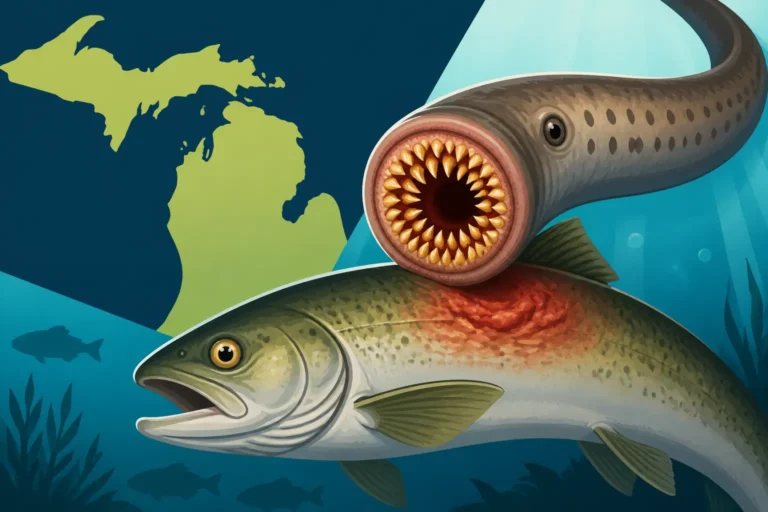
Back in the day, the Great Lakes fishery was a very different beast. The native species, particularly lake trout, faced immense pressure from overfishing and the devastating invasion of sea lamprey. By the mid-20th century, the ecosystem was in trouble. Lake trout populations had plummeted, and another invasive species, the alewife, exploded in numbers, creating massive die-offs that fouled beaches and offered little in the way of sport fishing. Something had to be done to restore balance and create a vibrant fishery.
Battling Invasive Alewives and Building a Sport Fishery
The problem with alewives wasn't just their dead bodies washing ashore. These small, plankton-eating fish outcompeted native species for food and even preyed on the young of other fish, further disrupting the ecosystem. Michigan's DNR, alongside other state and provincial agencies, realized they needed a predator to control the booming alewife population. And that's where salmon came into the picture. They weren't native to the Great Lakes, but they were voracious eaters of alewives and could thrive in the lakes' open waters. The idea was to introduce a non-native predator to manage an invasive prey species, a bold and somewhat controversial move at the time, but one that ultimately proved incredibly successful in creating the world-class fishery we know today.
A Historical Look at Stocking Initiatives
The first significant salmon stockings began in the mid-1960s with coho salmon in Lake Michigan, followed shortly by Chinook salmon. The results were almost immediate and absolutely spectacular. Anglers, who had long lamented the decline of the native fishery, suddenly had incredible opportunities to catch powerful, acrobatic fish. The success spurred further stocking efforts and a commitment to maintaining these populations. It wasn't just about catching fish; it was about revitalizing entire coastal communities, driving tourism, and creating an economic engine around sport fishing. The initial stocking efforts laid the groundwork for decades of active management.
Which Salmon Species Does the DNR Stock in the Great Lakes?
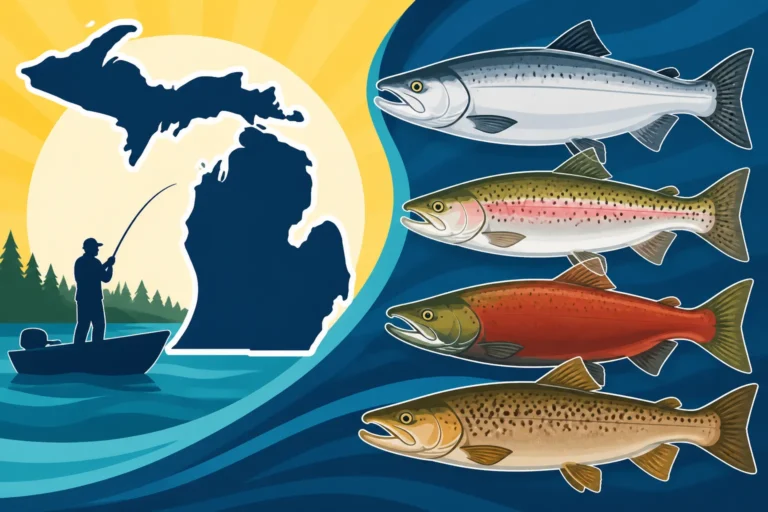
When we talk about salmon in the Great Lakes, most people immediately think of Chinook and Coho. And they'd be right – these are the superstars of the Great Lakes fishery, providing thrilling action for countless anglers. But the stocking efforts extend to other species as well, each playing a unique role in the complex ecosystem and fishery management strategy. Understanding Michigan Salmon Species Explained is key to appreciating the efforts.
Chinook Salmon: The Kings of the Great Lakes
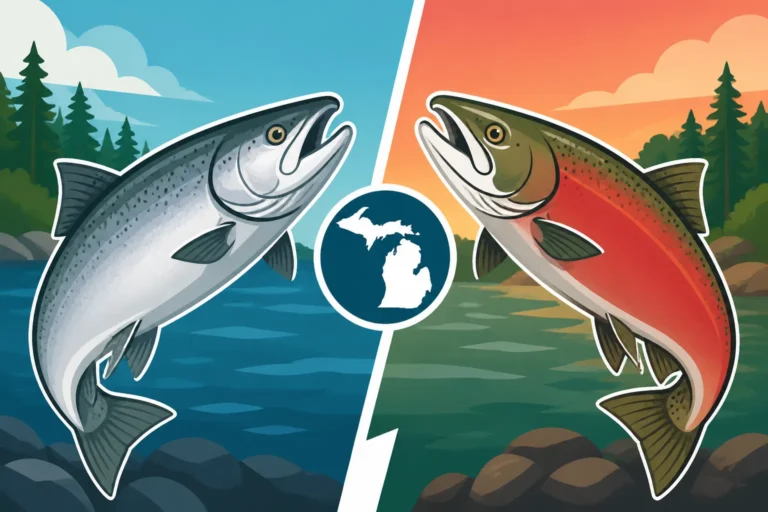
Chinook salmon, often called "Kings" by anglers, are truly majestic fish. They grow large, fight hard, and are a primary target for many Great Lakes trollers. The DNR consistently stocks Chinook salmon in Lake Michigan and Lake Huron, where they help keep alewife populations in check and provide an incredible sport fishing opportunity. These fish are raised in state-of-the-art hatcheries, often released as smolts (juvenile fish that are ready to migrate to open water), and then spend several years growing to impressive sizes in the vastness of the Great Lakes before returning to rivers to spawn. Without consistent stocking, the sheer numbers of these incredible fish would likely dwindle significantly, as natural reproduction is limited in many Great Lakes tributaries due to habitat changes and lack of suitable spawning grounds. You can find robust trolling gear for targeting these giants on platforms like Amazon.
Coho Salmon: The Silver Leapers
Coho salmon, often called "Silvers," are another staple of the Great Lakes. While they don't typically grow as large as Chinooks, they are renowned for their aggressive strikes and aerial acrobatics. Coho stocking is also a significant part of the DNR's program, particularly in Lake Michigan and Lake Huron. They mature faster than Chinooks, often providing earlier returns to anglers. These salmon, like Chinooks, thrive on the abundant baitfish populations, contributing to the overall health of the Great Lakes food web while thrilling anglers from spring through fall. If you're wondering about the differences, check out Chinook vs Coho Salmon: What's the Difference.
Atlantic Salmon: A Resurgent Fishery on Lake Huron
While Chinook and Coho dominate the conversation, the DNR has also been working to establish a robust Atlantic Salmon on Lake Huron fishery. Atlantic salmon are native to the Atlantic Ocean and its tributary rivers, not the Great Lakes, but they were stocked in the Great Lakes over a century ago with limited success. However, modern stocking programs have shown much more promise, particularly in Lake Huron. The goal is to provide a diverse sport fishery and potentially utilize different prey bases than the more abundant Chinook and Coho. These efforts are often focused on specific areas of Lake Huron, aiming to create a unique angling experience for those looking for something a little different.
The Role of Native Lake Trout in the Stocking Picture
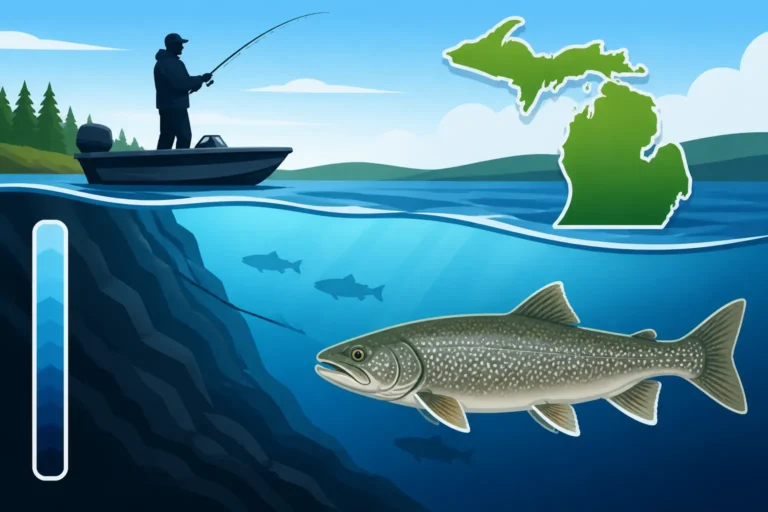
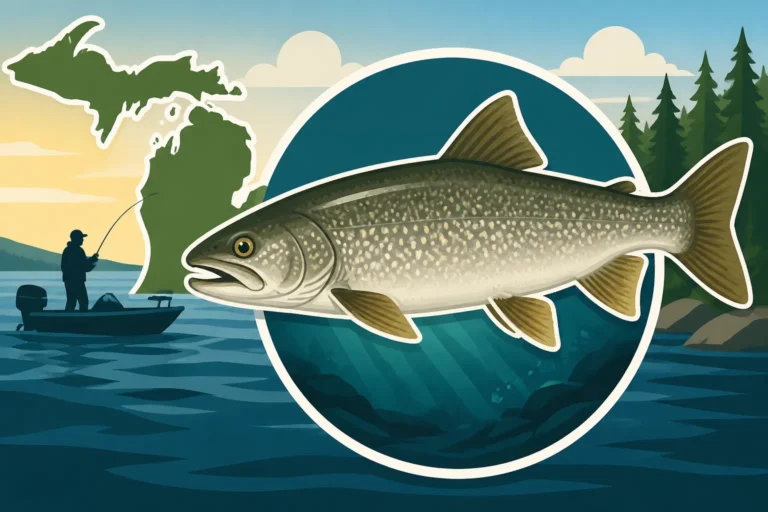
While not salmon in the strict biological sense, native lake trout also play a crucial role in the Great Lakes ecosystem and are heavily managed by the DNR through stocking programs. Before the invasive species decimated their numbers, lake trout were the apex predators of the deep, cold waters. Today, extensive stocking programs aim to restore self-sustaining populations in all the Great Lakes. So, while you might be asking "Does the DNR stock salmon?", it's important to remember that the broader picture of managing these majestic waters includes both introduced salmon and native fish like lake trout, all working towards a healthier, more diverse, and more exciting fishery for everyone. This holistic approach is a testament to the dedication of fisheries biologists.
The Michigan DNR's Stocking Operations and Strategy
The Michigan DNR doesn't just randomly dump fish into the lakes; their stocking program is a meticulously planned and scientifically driven operation. It involves everything from specialized hatcheries to careful site selection and ongoing research to ensure the efforts are effective and sustainable. It's a massive undertaking, but absolutely essential for maintaining the world-class fishery we enjoy. You can learn more about how all these programs are funded by exploring Where Michigan Fishing License Money Goes.
From Hatchery to Great Lakes: The Stocking Process
The journey of a salmon from a tiny egg to a Great Lakes giant begins in one of Michigan's state-of-the-art fish hatcheries, such as the Platte River State Fish Hatchery, which is renowned for its salmon production. Here, millions of salmon eggs are carefully incubated, hatched, and raised in controlled environments. The young fish, called fingerlings or smolts, are fed, monitored for health, and grown to a size where they have the best chance of survival when released into the vastness of the Great Lakes.
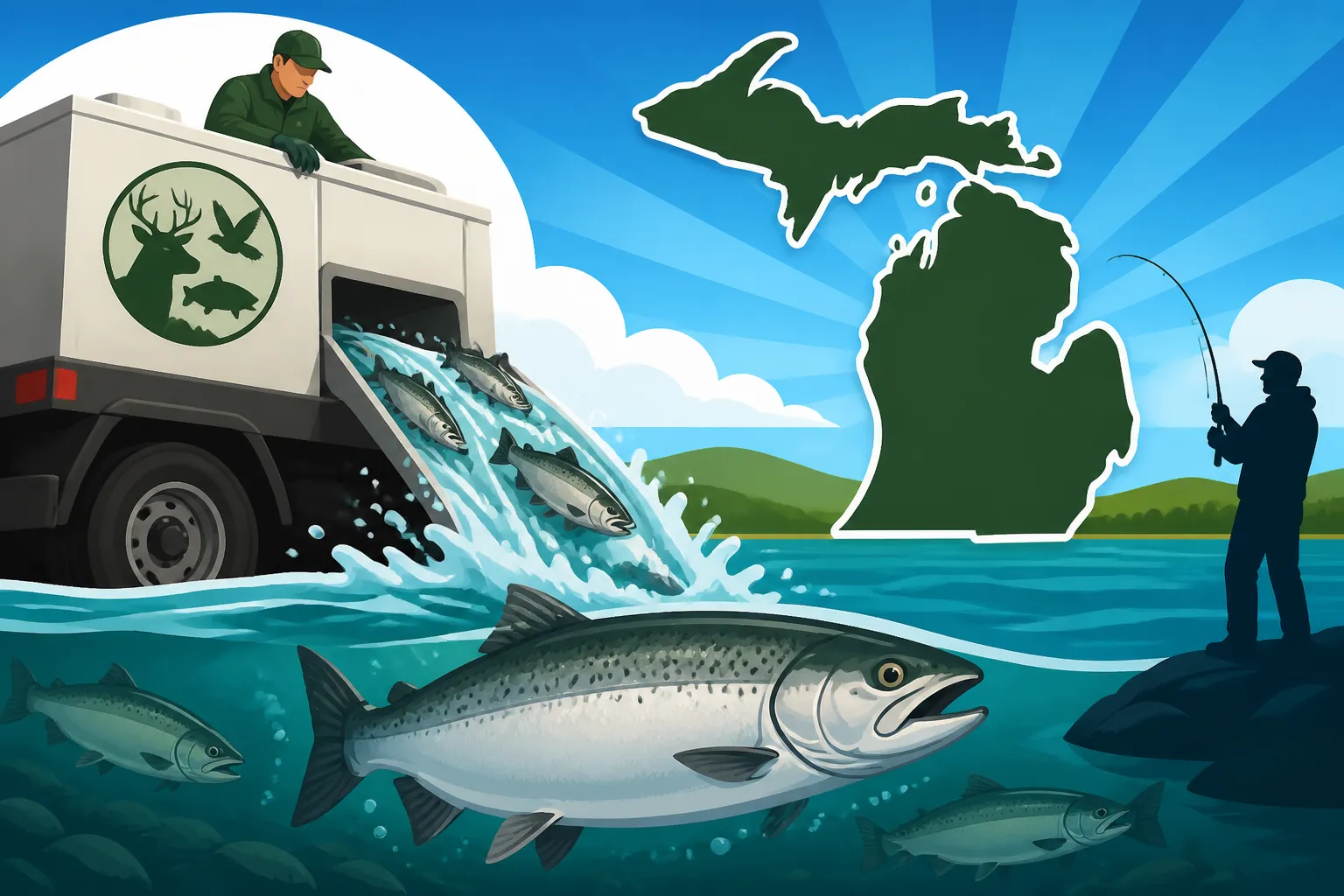
When they reach the appropriate size, these young salmon are transported in specialized trucks to designated release sites. These sites are strategically chosen, often near river mouths or protected embayments, to allow the smolts to imprint on the specific water chemistry. This imprinting is crucial because it's what guides the adult salmon back to these very same locations to spawn years later, creating the famous salmon runs that draw anglers from all over. The timing of these releases is also critical, aligning with natural migration patterns and water conditions to maximize survival rates.
Scientific Monitoring and Adaptive Management
The DNR's work doesn't stop after the fish are released. A significant part of their strategy involves extensive scientific monitoring. Biologists track survival rates, growth, diet, and migration patterns of the stocked salmon. They use tagging programs, angler creel surveys, and sophisticated sonar technology to gather data. This information is vital for adaptive management – meaning the DNR continuously adjusts its stocking numbers, species mix, and release locations based on what the science tells them. For example, if alewife populations decline, stocking numbers might be adjusted to prevent over-predation. If natural reproduction increases in certain rivers, hatchery production might be reduced to allow wild populations to thrive. It's a constant balancing act to ensure both ecological health and excellent fishing opportunities.
Funding and Public Engagement
Running a stocking program of this magnitude requires significant resources. A portion of the funds generated from fishing license sales, like your Michigan Resident Annual Fishing License Cost or Michigan Nonresident Annual Fishing License Cost, goes directly back into these vital conservation and management efforts. This ensures a sustainable funding source for hatcheries, research, and personnel. The DNR also encourages public engagement, often holding events during stocking times or seeking angler input on fishery management decisions. This partnership between the state and its angling community is fundamental to the continued success of Michigan's Great Lakes fishery.
The Impact and Future of Salmon Stocking
The decision to stock non-native salmon in the Great Lakes was monumental, and its impact has been profound. It transformed a struggling ecosystem into one of the world's most dynamic freshwater sport fisheries. However, it's also a strategy that comes with ongoing considerations and a need for forward-thinking management.
Ecological Benefits and Challenges
The primary ecological benefit of salmon stocking has been the control of invasive alewife populations. By providing a natural predator, the DNR helped bring the alewife boom under control, which in turn alleviated pressure on native species that struggled with competition. The Great Lakes ecosystem, while forever changed by invasive species, found a new equilibrium with the introduction of salmon.
However, the strategy isn't without its challenges. Maintaining a put-grow-and-take fishery means the lakes are always somewhat dependent on human intervention. There are ongoing concerns about disease transmission between stocked and wild fish, the long-term impact on native prey species if baitfish populations fluctuate, and the overall cost of maintaining such extensive hatchery operations. The DNR continually evaluates these factors, trying to find the sweet spot between a thriving sport fishery and a healthy, resilient ecosystem. Michigan Great Lakes Fishing Regulations Guide outlines many of the current efforts to manage these fish.
Economic and Recreational Value
Beyond the ecological impact, salmon stocking has created an undeniable economic powerhouse. Charter fishing businesses, tackle shops (both local and online, like those you might find on Amazon), marinas, hotels, and restaurants in coastal towns like Manistee, Frankfort, and Ludington all benefit immensely from the salmon fishery. Anglers travel from across the country, spending money on boats, gear, fuel, lodging, and dining. This influx of tourism and recreation supports thousands of jobs and injects millions of dollars into Michigan's economy every year.
For recreational anglers, the value is immeasurable. The thrill of hooking into a powerful Chinook or the joy of a successful How to Troll for Salmon on the Great Lakes trip with family creates memories that last a lifetime. It's an accessible sport that offers incredible rewards, and much of that opportunity stems directly from the DNR's stocking programs.
The Evolving Landscape of Salmon Management
Looking ahead, the DNR's salmon stocking strategy will continue to evolve. Research into climate change, new invasive species, and shifting prey bases will inform future decisions. There's a constant effort to enhance natural reproduction where possible, reducing the sole reliance on stocking, while still ensuring abundant fishing opportunities. For example, efforts to improve river habitats could potentially allow more salmon to spawn naturally, complementing the hatchery programs.
The balance between Chinook, Coho, and Atlantic salmon stocking might shift based on performance and ecological indicators. Fishery managers are always looking for ways to maximize the benefits while minimizing any potential negative impacts. So, while the answer to "Does the DNR stock salmon in the Great Lakes?" is a resounding yes, it's important to understand that it's not a static operation, but a dynamic, scientifically-backed commitment to one of Michigan's most cherished natural resources. Whether you're buying new lures from a local shop or browsing for Trolling Gear for Michigan's Great Lakes on Amazon, remember that your participation in the fishery helps fund this ongoing, vital work.
| Salmon Species | Primary Great Lake Stocked | Key Characteristic | Main Prey | Stocking Status |
|---|---|---|---|---|
| Chinook Salmon | Lake Michigan, Lake Huron | Large, powerful | Alewives | Active & High |
| Coho Salmon | Lake Michigan, Lake Huron | Aggressive, acrobatic | Alewives | Active & High |
| Atlantic Salmon | Lake Huron | Unique challenge, good fight | Varies | Active & Moderate |
| Lake Trout | All Great Lakes | Native, deep water | Alewives, Smelt | Active & High |
This table provides a simplified overview, but it highlights the diverse efforts in managing the Great Lakes fishery, showcasing not just the commitment to salmon, but also to the native species that define these magnificent waters.
Disclaimer
This article is for general informational purposes only and does not constitute professional advice. Laws, prices and regulations vary by location and change over time. Consult a qualified professional for guidance on your specific situation.