Does the DNR Stock Trout in Michigan Rivers?
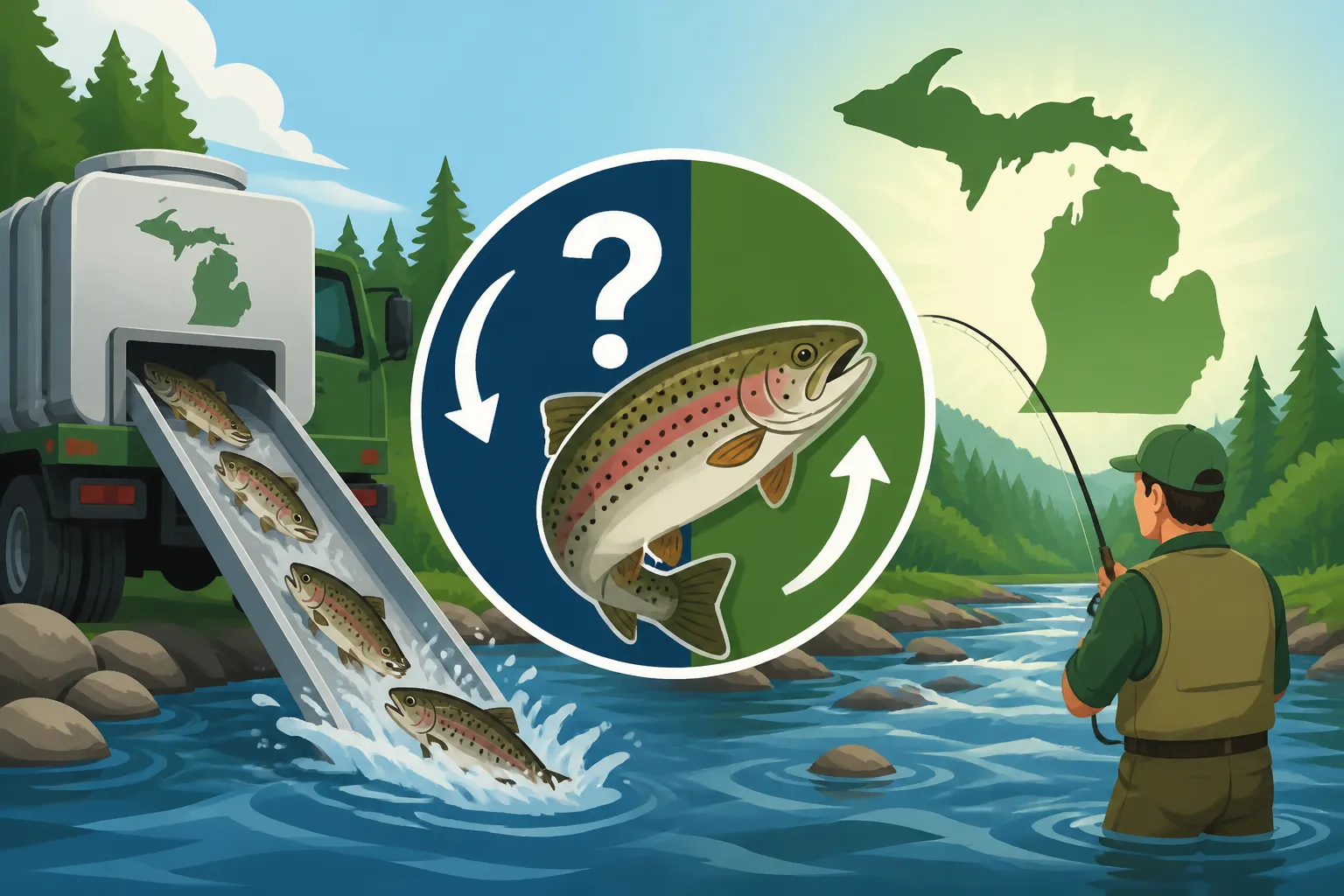
It's a common thought many of us anglers have as we cast our lines into Michigan's crystal-clear rivers: just how much of this incredible trout fishing is naturally occurring, and how much is thanks to the diligent efforts of the Michigan Department of Natural Resources (DNR)? It's a fair question, especially when you consider the sheer abundance and diversity of trout species we're lucky enough to pursue here in the Great Lakes State. This guide is going to peel back the layers and thoroughly explain the role the DNR plays in stocking trout in Michigan rivers, covering the where, why, and how of their efforts.
Understanding the DNR's Role in Michigan's Trout Fisheries
The Michigan DNR has a monumental task: managing and protecting the state's vast natural resources, including its incredible fisheries. When it comes to trout, their approach isn't a one-size-fits-all solution; it's a careful balance of conservation, habitat improvement, and, yes, strategic stocking. Many people imagine the DNR simply dumping fish into every river, but it's far more nuanced than that. Their goal is primarily to enhance angling opportunities and, in some cases, to restore or establish populations where natural reproduction might be struggling or non-existent.
Think of it this way: some of Michigan's rivers, especially those colder, cleaner streams in the Upper Peninsula and northern Lower Peninsula, boast fantastic wild trout populations. These are fish born and raised in the river, relying entirely on natural reproduction and healthy habitats. In these cases, the DNR's focus is less on stocking and more on protecting the delicate ecosystems that allow these wild fish to thrive. This might involve habitat restoration projects, managing angler harvest limits, or monitoring water quality. However, other rivers, or even sections of rivers, might not have the optimal conditions for natural trout reproduction due to historical degradation, warmer temperatures, or other environmental factors. That's where stocking often comes into play. The DNR isn't just about putting fish in the water; it's about making informed decisions to create and sustain viable fisheries for all of us. You can find more details on how these decisions factor into the broader picture in the Michigan Fishing Regulations Every Angler Should Know.
Why the Michigan DNR Stocks Trout in Rivers
The decision to stock trout isn't made lightly; it's part of a larger, scientifically-driven management plan. There are several key reasons why the DNR chooses to supplement wild populations or create "put-and-take" fisheries in various Michigan rivers.
Enhancing Recreational Angling Opportunities
One of the primary drivers behind trout stocking is to provide more fish for us anglers to catch. Let's be honest, nothing beats a successful day on the water, and sometimes, stocking ensures there are enough fish to go around, especially in popular areas that see heavy fishing pressure. This is particularly true for "put-and-take" fisheries, where the expectation is that most of the stocked fish will be harvested by anglers. These areas are often chosen because they are easily accessible and provide immediate gratification for many types of anglers, from beginners to seasoned veterans.
Imagine taking a new angler, or perhaps your grandchild, out for their first trout fishing experience. Knowing that a particular river section has been recently stocked can significantly increase their chances of success, sparking a lifelong love for the sport. It's about creating accessible, rewarding experiences. The DNR recognizes that fishing is a vital recreational activity and a significant draw for tourism in many Michigan communities.
Supporting Populations Where Natural Reproduction is Limited
Not every river or stream in Michigan is ideal for wild trout to reproduce and thrive. Factors like water temperature, stream flow, substrate type (the gravel and rocks on the riverbed), and predator populations can all impact how successfully trout eggs hatch and how well young trout survive. In areas where these natural conditions aren't perfect, stocking can provide a crucial boost.
For example, a river might have excellent habitat for adult trout but lack the pristine, cold-water spawning grounds that trout need to reproduce effectively. In such cases, the DNR might stock fingerlings or yearlings to maintain a fishable population. This isn't about replacing wild fish; it's about compensating for natural limitations. It's an important distinction that highlights the DNR's thoughtful approach to fishery management. They want to ensure that even in less-than-ideal natural conditions, there are still opportunities for anglers to target trout.
Restoring and Establishing New Trout Fisheries
Sometimes, stocking is used as a tool for restoration. Historically, certain Michigan rivers might have had robust trout populations that were decimated by pollution, habitat destruction, or overfishing. As these rivers are cleaned up and habitats are restored, the DNR might introduce stocked trout to help re-establish a self-sustaining population. This can be a long-term process, involving careful monitoring and continued habitat work alongside stocking.
Additionally, in some cases, the DNR might introduce trout into waters where they haven't historically been abundant but where conditions have become favorable. This can create entirely new fishing opportunities for species like brown or rainbow trout in areas that might have previously only supported warm-water species. This kind of program is often undertaken with extensive research to ensure that the introduced species won't negatively impact existing native fish populations. You can learn more about specific species in Michigan Trout Species Explained.
Where the DNR Stocks Trout in Michigan Rivers
The DNR's trout stocking program is highly specific, targeting particular rivers and sometimes even distinct sections within those rivers. It's not a random process, but rather a carefully planned operation based on fishery surveys, habitat assessments, and angler demand.
Key Trout Rivers and Stocked Species
Michigan has thousands of miles of rivers and streams, but only a fraction of them receive stocked trout. The focus is typically on rivers that can support trout but either lack sufficient natural reproduction or are managed for high recreational use. You'll often find stocking efforts concentrated in both the Lower and Upper Peninsulas.
Here’s a general overview of what you might expect:
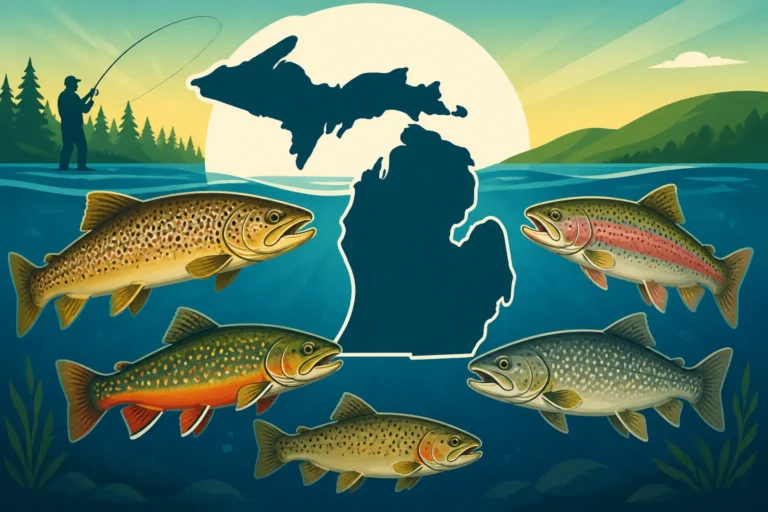
- Brown Trout: Often stocked in rivers with a mix of cold and cool water, especially in the northern Lower Peninsula. Brown trout are known for their resilience and ability to grow to impressive sizes, making them a popular target. Rivers like the Au Sable, Manistee, and Pere Marquette have strong wild populations but may also see supplemental stocking in certain areas to boost angling opportunities. Au Sable River Trout Fishing in Michigan and Pere Marquette River Fly Fishing in Michigan offer great insights into these specific rivers.
- Rainbow Trout (including Steelhead): While many steelhead (migratory rainbow trout) populations in Michigan rivers are wild, the DNR does stock rainbow trout in some rivers, particularly to create diverse angling experiences. Some rivers that don't have direct access to the Great Lakes for a steelhead run might still offer rainbow trout fishing due to stocking.
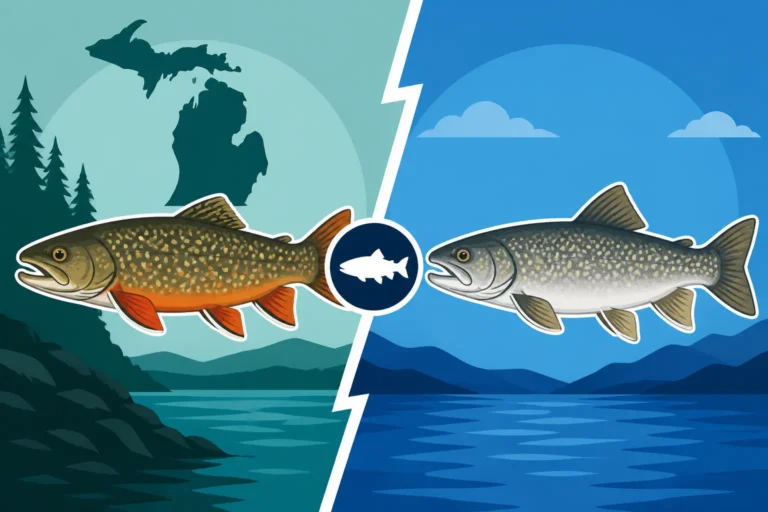
- Brook Trout: Often found in the coldest, most pristine headwater streams, many brook trout populations are wild. However, in certain instances, the DNR might stock brook trout, especially in smaller streams or lakes that have good habitat but limited natural reproduction. These efforts help restore a native species in areas where they might have declined.
It's crucial to remember that stocking locations and species can change based on ongoing assessments and environmental conditions. The DNR publishes annual stocking reports that provide detailed information on specific rivers, species, and quantities. These reports are invaluable resources for anglers trying to plan their next trip.
Accessing Stocking Schedules and Information
If you're wondering if your favorite river, or a river you plan to visit, receives stocked trout, the best place to start is the Michigan DNR's official website. They typically provide detailed stocking schedules and summaries, often broken down by county or water body. These resources are incredibly helpful for planning your fishing adventures.
You might also find information through local tackle shops, fishing clubs, or online fishing forums. Anglers who consistently fish certain areas often keep up-to-date on stocking efforts and can share valuable insights. However, always double-check with official DNR sources for the most accurate and current information. Understanding when and where fish are stocked can significantly improve your success rates, allowing you to time your trips for optimal opportunities, especially around events like When Does Trout Season Open on Inland Michigan Waters.
| Trout Species | Typical Stocking Purpose | Common River Characteristics | Example Regions/Rivers |
|---|---|---|---|
| Brown Trout | Supplementation, "Put-and-Take" | Cold to cool, varied structure | Northern Lower Peninsula rivers |
| Rainbow Trout | Recreational Enhancement, Lake Tributaries | Cool, good flow, often near Great Lakes | Many rivers, esp. LP |
| Brook Trout | Restoration, Remote Streams | Very cold, pristine, small | Upper Peninsula, remote LP streams |
How Anglers Benefit from DNR Trout Stocking Efforts
DNR trout stocking isn't just an ecological management tool; it directly impacts the fishing experiences of thousands of Michigan anglers every year. The benefits are wide-ranging, from increased catch rates to diversified fishing opportunities.
Increased Catch Rates and Angler Success
Let's face it, one of the most immediate and tangible benefits of trout stocking is the potential for higher catch rates. When a river is stocked, especially with catchable-sized trout, it means more fish are available for anglers. This can be particularly encouraging for newer anglers or families with children, where a successful day can be the difference between a new passion and a forgotten hobby.
More fish in the water also means more opportunities to experiment with different techniques and lures. You might try your hand at fly fishing, spin casting, or even bait fishing, knowing that the odds of hooking up are more favorable. This leads to a more enjoyable and rewarding experience on the water, validating the time and effort you put into your trip. Whether you're using classic lures or exploring new options on Amazon, having more fish present certainly helps.
Diverse Fishing Opportunities and Experiences
Stocking programs help diversify the fishing experiences available across Michigan. Some rivers might be managed for wild trout, offering a challenging pursuit for experienced anglers, while others, thanks to stocking, might provide a more accessible "fish-every-cast" type of experience. This variety ensures there's something for everyone, regardless of skill level or preference.
For instance, an angler might enjoy the solitude and challenge of stalking wild brook trout in a remote UP stream one weekend, and then the next, take their family to a stocked river in the Lower Peninsula for a lively day of catching rainbow trout. This breadth of opportunity is a hallmark of Michigan's fisheries, and strategic stocking plays a role in maintaining it. The Best Rivers for Trout and Steelhead in Michigan showcases some of these diverse opportunities.
Economic Impact on Local Communities
Beyond the direct angling benefits, DNR stocking efforts have a significant economic ripple effect. When rivers are stocked, they attract anglers, who then spend money in local communities on things like gas, food, lodging, and fishing gear. This supports local businesses, from small-town diners to sporting goods stores.
Consider a popular trout opener weekend: streamside communities buzz with activity as anglers descend, eager to hit the water. This influx of visitors translates into vital revenue for these areas. Even online purchases for specific flies or waders from retailers like Amazon can be influenced by the promise of good fishing in a stocked river. The continued health and accessibility of our fisheries, partly maintained by stocking, are crucial for these economies.
Common Misconceptions About Trout Stocking in Michigan
Despite the clear benefits, trout stocking sometimes comes with its own set of misunderstandings. It's important to separate fact from fiction to fully appreciate the DNR's comprehensive approach to fishery management.
"Stocked Fish Are Inferior to Wild Fish"
This is a common sentiment you'll hear around the campfire or at the bait shop. While there can be differences, the idea that all stocked fish are inherently "inferior" is too simplistic. It's true that wild trout, honed by natural selection, often exhibit stronger instincts for survival and might have more vibrant coloration or fighting prowess. However, modern stocking practices emphasize raising healthy, robust fish that can adapt well to river environments.
Many stocked fish, especially those released as fingerlings, spend significant time in the river, growing and becoming more "wild" in their behavior. They feed on natural insects, develop strong muscles, and can be just as challenging and rewarding to catch as their wild counterparts. The fight a trout gives you often has more to do with its size, the water temperature, and its immediate environment than whether it hatched in a hatchery or on a redd. When you're trying to figure out How to Catch Brown Trout in Michigan Rivers, you'll find that many of the same techniques apply to both wild and stocked fish.
"Stocking Harms Wild Fish Populations"
Another concern sometimes raised is that stocking trout might negatively impact existing wild populations. This is a legitimate concern, and it's something the DNR takes very seriously. Modern stocking programs are designed to minimize any potential negative effects.
For example, the DNR avoids stocking in rivers or sections of rivers that have robust, self-sustaining wild trout populations. The goal is to supplement, not replace. When stocking does occur in proximity to wild fish, efforts are made to use strains of trout that are genetically similar to local wild populations, if possible, to reduce genetic mixing concerns. Furthermore, stocking densities are carefully managed to avoid overpopulation, which could lead to competition for food and habitat. The DNR's primary focus in many blue-ribbon trout streams is habitat protection, understanding that a healthy ecosystem is the best foundation for wild fish.
"Stocking is the Only Reason for Good Fishing"
While stocking undeniably contributes to excellent fishing in many Michigan rivers, it's rarely the only reason. Habitat quality, water temperature, stream flow, insect hatches, and proper management (like Michigan Fishing Season Dates and Rules) are all critical factors. A river with poor habitat, even if heavily stocked, won't sustain a healthy fishery for long.
The DNR invests heavily in habitat restoration projects, managing riparian zones, improving stream structures, and controlling erosion. These efforts create the foundational environment where both wild and stocked fish can thrive. Stocking is often a piece of a much larger, integrated management puzzle. So, while you might find fantastic fishing in a recently stocked section, remember that the underlying health of the river is what truly makes it a great trout fishery. Anglers often contribute to habitat conservation through their license fees and by practicing responsible catch and release, especially when using specialized gear like a Best Fly Rod for Michigan Trout Streams.
The Future of Trout Stocking in Michigan
The Michigan DNR continually evaluates its stocking programs, adapting to new scientific findings, changing environmental conditions, and evolving angler preferences. As climate patterns shift and new challenges emerge, the strategies for managing Michigan's trout rivers will continue to evolve. This might include further emphasis on native species restoration, more precise stocking locations, or developing new strains of trout better suited to changing river conditions.
Anglers play a vital role in this process by providing feedback, participating in surveys, and advocating for healthy aquatic environments. Understanding that stocking is a carefully considered tool, rather than a blanket solution, allows us all to appreciate the complexity and dedication involved in managing one of Michigan's most cherished natural resources: its incredible trout rivers.
Disclaimer
This article is for general informational purposes only and does not constitute professional advice. Laws, prices and regulations vary by location and change over time. Consult a qualified professional for guidance on your specific situation.