How to Fish for Steelhead in Michigan
The thrill of chasing Michigan steelhead is unparalleled, but for many anglers, especially newcomers, the sheer complexity of understanding these incredible fish and how to consistently catch them can feel overwhelming. From deciphering river conditions to choosing the right gear and mastering presentation, it’s a journey riddled with questions and often, frustration. This comprehensive guide is here to demystify the art of steelhead fishing in Michigan, offering you the insights and actionable advice needed to tackle these silvery ghosts with confidence and success.
Understanding Michigan's Elusive Steelhead
Before you can even think about casting a line, it's crucial to understand what makes Michigan's steelhead so special – and so challenging. These fish aren't just any trout; they're an anadromous form of rainbow trout, meaning they live most of their lives in the vast expanse of the Great Lakes and only return to rivers to spawn. This unique life cycle dictates their behavior, their movements, and ultimately, how and when we can best intercept them.
What Exactly is a Steelhead?
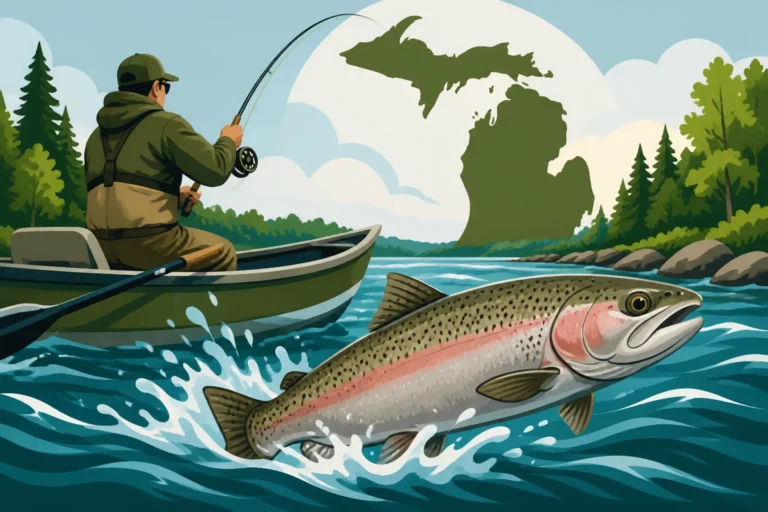
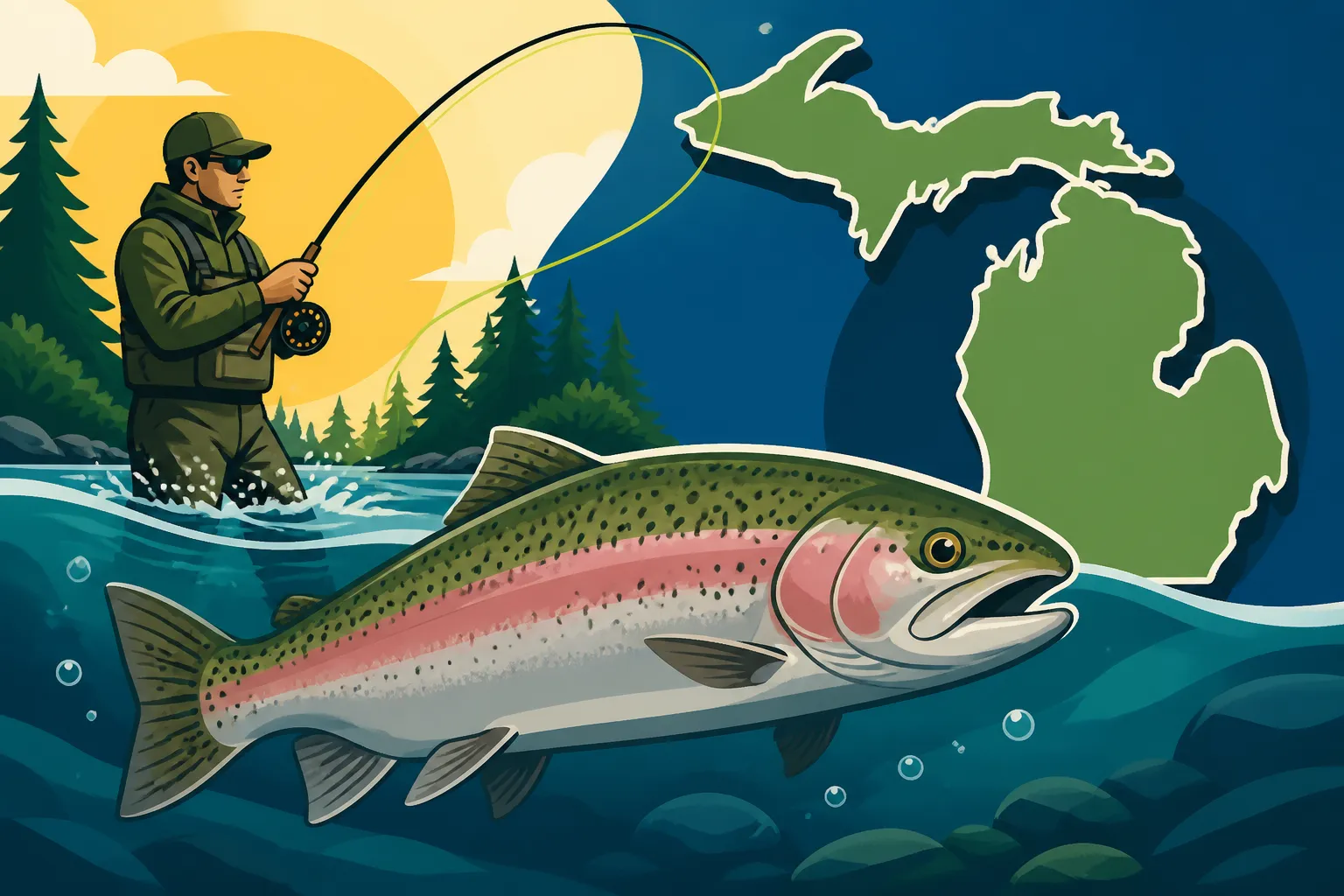
Let's clear up a common point of confusion right from the start. A steelhead is, in essence, a rainbow trout that has migrated from freshwater lakes into rivers to spawn. Unlike resident rainbow trout, which spend their entire lives in rivers and typically don't grow as large, steelhead benefit from the abundant food sources and growth potential of the Great Lakes. They return to their natal rivers (or rivers where they were stocked) as powerful, chrome-bright fighters, often weighing several pounds, sometimes even reaching double digits. This journey infuses them with incredible strength and a distinct "steel" appearance, hence their name.
The transformation from a vibrant, spotted river trout to a sleek, silver bullet of the Great Lakes is truly remarkable. These fish are driven by instinct to reproduce, pushing them upstream against strong currents, making them a formidable opponent on the end of a line. Their size and power are a direct result of their lake-dwelling years, where they feast on baitfish like alewives and smelt, building up the energy reserves needed for their arduous spawning migration. Knowing this helps us appreciate the challenge and reward of pursuing them.
The Michigan Steelhead Run Cycle
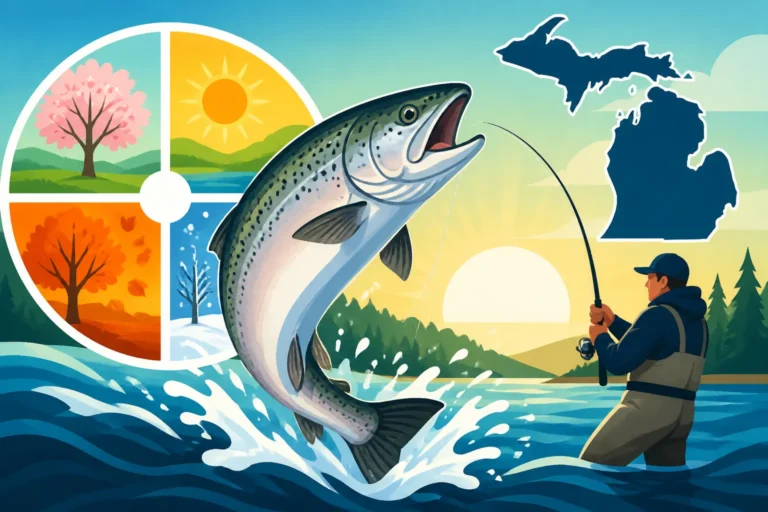
Michigan is blessed with distinct steelhead runs throughout much of the year, each presenting its own unique opportunities and challenges. Understanding these cycles is paramount, as it directly influences where the fish will be, what they'll be doing, and which techniques will be most effective. There are generally three main "runs" to be aware of: fall, winter, and spring.
The river systems in Michigan, particularly those flowing into Lake Michigan and Lake Huron, see fish entering at different times, sometimes influenced by water temperatures and rainfall. The initial push of fish often triggers other fish to follow, creating a continuous influx. This staggered entry means that while there are peak windows, you can often find some steelhead in Michigan rivers for a significant portion of the year. For a deeper dive into these seasonal movements, check out our guide on Michigan Steelhead Run Timing.
Identifying a Healthy Steelhead
When you finally hook into a Michigan steelhead, you'll immediately know it. These fish are notorious for their acrobatic jumps, powerful runs, and stubborn refusal to give up. A healthy steelhead, especially one fresh from the lake, will be a gleaming, chrome-silver color, often with a hint of purple or pink along its lateral line. Their fins will be crisp and undamaged, and their bodies torpedo-shaped, indicative of their powerful swimming abilities.
As steelhead spend more time in the river, particularly during the spawning season, their coloration can change. Males, in particular, will often develop a more pronounced red stripe along their sides and a darker, more mottled appearance as they prepare to spawn. Females tend to retain their silvery sheen longer. Regardless of their river coloration, a healthy steelhead will feel incredibly strong and spirited when hooked, offering a fight that few other freshwater species can match. Learning to recognize these traits helps you appreciate the fish and understand its stage in the spawning cycle.
Key Seasons and When to Target Steelhead
Steelhead fishing in Michigan isn't just a spring affair; it's a multi-season pursuit that can keep you on the water for much of the year. Each season offers unique conditions, challenges, and rewards, making it essential to adapt your approach to the specific time of year.
The Vibrant Fall Steelhead Run
The fall run typically kicks off as water temperatures in the Great Lakes begin to drop and consistent rainfall raises river levels, usually from late September through November. These fish, often referred to as "early run" or "fall-run" steelhead, enter the rivers to feed and overwinter, staging in deeper pools and runs. They are often aggressive and willing to strike a variety of presentations because they're focused on feeding before the lean winter months. This is a fantastic time for anglers who enjoy active fishing with plugs, spoons, or drifting natural baits.
During the fall, the rivers can be stunning with changing foliage, but the weather can be unpredictable. You might experience crisp, sunny days or cold, drizzling rain, sometimes all in the same outing. Water levels can fluctuate wildly with rain, so it’s crucial to keep an eye on river gauges. Fish tend to be scattered throughout the lower and middle sections of the rivers during this period, gradually moving upstream as the season progresses. More details on this can be found in our Fall Steelhead Run in Michigan Rivers guide.
Challenging Winter Steelhead Fishing
For the truly dedicated, winter offers some of the most rewarding, albeit challenging, steelhead fishing opportunities. While many anglers pack away their gear, hardy souls brave the cold from December through February. Steelhead are still present in the rivers, hunkering down in deeper, slower pools and holding areas, conserving energy. Their metabolism slows, making them less active, but they can still be enticed to bite with a subtle, well-presented offering. This is often a game of patience, finesse, and thermal layers.
Ice can be a major factor in winter, sometimes forming along river banks or even covering entire sections, limiting access. However, warmer winter days or thaws can bring a fresh push of fish and increased activity. Techniques during this period often involve very slow drifts with small, natural baits like single beads or carefully presented spawn bags, targeting specific holding lies. Success in winter often comes down to precise drifts and an intimate understanding of where fish are likely to seek refuge from the cold current. It’s not for the faint of heart, but the rewards of a chrome winter steelhead are immense. For those ready to brave the chill, our Winter Steelhead Run in Michigan Rivers guide offers more in-depth advice.
The Exciting Spring Steelhead Spawning Run
The spring run, peaking from March through May, is arguably the most anticipated steelhead season in Michigan. As water temperatures rise and daylight hours lengthen, the majority of steelhead push into the rivers with a singular mission: to spawn. Fish that overwintered in the rivers become more active, and fresh waves of chrome-bright fish surge in from the Great Lakes. This is when the rivers are teeming with fish, and the bite can be incredibly hot, especially on good weather days following a rain event.
During this peak period, steelhead will move into shallower gravel beds to lay their eggs, but they can be found throughout the river system. Their aggression levels vary; some fish are focused solely on spawning, while others are still willing to feed, particularly post-spawn "drop-backs" heading back to the lake. Anglers will see success with a wide range of techniques, from drifting spawn bags and beads to twitching jigs and even swinging flies. The sheer volume of fish and the energy of the river during spring make it an unforgettable experience, though it can also lead to crowded conditions on popular rivers.
Essential Gear for Michigan Steelhead Fishing
Chasing Michigan steelhead demands specific gear designed to handle powerful fish in strong currents. Skimping on tackle can lead to heartbreak, so investing in quality equipment tailored for the job is crucial. You don't need the most expensive gear, but reliability and suitability are key.
Rods and Reels for River Steelhead
For river steelhead, your rod and reel are your primary tools, and choosing the right setup can make all the difference. Generally, anglers opt for longer, more sensitive rods, typically ranging from 9 to 13 feet, which provide better line control, easier mending, and superior shock absorption when fighting a strong fish. Medium-light to medium power with a fast action is a popular choice, allowing for delicate presentations yet enough backbone to tame a leaping steelhead. When looking for a new setup, consider brands like Shimano, Okuma, or Fenwick, readily available through retailers like Amazon.
Reel choice often depends on your preferred technique. Spinning reels in the 2500-4000 size range are versatile for drifting floats, casting jigs, or throwing spoons. Look for smooth drags and good line capacity. For those serious about float fishing, a centerpin reel is a fantastic option. These specialized reels offer unparalleled line control for perfect, drag-free drifts, mimicking natural presentations. They have a steeper learning curve but are incredibly effective. Our guide on Best Rods for Steelhead Fishing and Best Reels for Steelhead Fishing delves into more specific recommendations.
Line and Leader Setups
Your line and leader setup are critical, as they are the direct connection between you and the fish. Mainline choice varies; some anglers prefer braided line (15-20 lb test) for its sensitivity and strength, using a fluorocarbon leader (8-12 lb test) for its invisibility and abrasion resistance. Others stick with monofilament mainline (10-14 lb test) for its stretch, which can act as a shock absorber. Whatever you choose, ensure it's fresh and in good condition, as old line is a common cause of break-offs.
Leader material is almost exclusively fluorocarbon for its low visibility in clear water. Steelhead can be incredibly line-shy, especially in heavily pressured rivers. The length and pound test of your leader will depend on water clarity, current speed, and the size of fish you expect to encounter. Typically, leaders range from 3 to 8 feet in length, sometimes longer for ultra-clear conditions. Connecting your mainline to your leader with a small swivel helps prevent line twist and provides a smooth transition. Strong knots, like the blood knot or double uni knot, are essential to ensure your connection holds under pressure.
Terminal Tackle and Baits
This is where things get really diverse, as steelhead can be enticed by a wide array of offerings. For drifting techniques, split shot weights (often non-toxic tin or tungsten) are used to achieve the perfect drift, along with sensitive floats that indicate subtle bites. Hooks should be sharp, strong, and sized appropriately for your bait, usually a size 6 or 8 octopus hook for spawn bags or beads.
Popular baits include:
- Spawn Bags: Small mesh bags filled with cured salmon or trout eggs, mimicking natural food sources. These are incredibly effective, especially during spawning runs.
- Beads: Small, brightly colored plastic or glass beads (often 8-10mm) that imitate a single fish egg, fished a few inches above a bare hook.
- Jigs: Small marabou or rabbit fur jigs (1/32 to 1/8 oz) tipped with a wax worm or piece of plastic.
- Plugs and Spoons: For aggressive, actively feeding fish, especially in fall. Brands like Kwikfish, Hot-N-Tot, and Little Cleo are staples.
- Scent: Many anglers add a commercial fish scent to their baits to further entice bites.
Having a good selection of these items, often stored in a compact tackle box, is key to adapting to changing conditions and fish preferences. You can find a vast array of these supplies, from quality floats to various jigs and beads, by browsing fishing sections on Amazon.
Waders and Apparel
Steelhead fishing in Michigan often means spending hours in cold rivers, sometimes in freezing temperatures. Quality waders are non-negotiable for comfort and safety. Neoprene waders offer excellent insulation for cold weather, while breathable waders are more comfortable for warmer days or if you do a lot of walking. Ensure they fit well, allowing for layering underneath without being too bulky. Stockingfoot waders paired with sturdy wading boots (with felt or rubber soles for grip) are the preferred choice for river fishing. Our guide on Best Waders for River Fishing can help you choose the right pair.
Beyond waders, layering is crucial. Think waterproof outerwear, warm base layers (wool or synthetics), fleece or down mid-layers, and warm hats and gloves. Sunglasses are essential for eye protection and spotting fish, while a good fishing vest or pack keeps your essential tools and tackle organized and accessible. Being comfortable and dry allows you to focus on fishing, not on shivering.
Popular Techniques for River Steelhead
Once you have your gear sorted, it's time to explore the various techniques used to fool Michigan's steelhead. Each method has its strengths and is often favored depending on water conditions, fish behavior, and personal preference.
Float Fishing and Centerpinning
Float fishing, often paired with a centerpin reel, is one of the most effective and popular methods for river steelhead, especially in Michigan's clear rivers. The technique involves using a buoyant float (often a large balsa or plastic float) to suspend your bait at a precise depth, allowing it to drift naturally with the current. The goal is a completely drag-free drift, mimicking a natural food item tumbling downstream. When the float dips, pauses, or disappears, it's time to set the hook!
Centerpin reels, with their free-spooling design, excel at achieving these perfect drifts, allowing your line to peel off effortlessly with the current. However, a spinning reel can also be highly effective for float fishing with the right setup and technique. The key is to "mend" your line – lifting and repositioning it upstream – to prevent the current from pulling on your float and creating drag. This method is incredibly visual and exciting, as the take is often telegraphed by the float's movement. For more in-depth instruction, check out Centerpinning for Michigan Steelhead and Float Fishing for Michigan River Steelhead.
Drifting Spawn Bags and Beads
Spawn bags and beads are consistently top producers for Michigan steelhead, particularly during the spawning runs and in cooler water conditions. These baits imitate the natural eggs that steelhead feed on, making them irresistible to hungry or instinct-driven fish. When drifting, the idea is to present these baits just off the bottom, in the same zone where natural eggs would be found.
For spawn bags, you'll typically use a small, colored mesh material (like spawn net) to tie up a cluster of cured salmon or trout eggs. Different egg cures and colors can be experimented with. Beads are small, round, plastic or glass spheres, usually fished about 1-2 inches above a bare hook on your leader, resembling a single egg. The key to both is to use enough split shot to get your bait down quickly and keep it in the "strike zone" as it tumbles along the bottom. Proper weight distribution and a sensitive rod tip are essential for detecting the often subtle takes.
Casting Lures and Jigs
While drifting natural baits is highly effective, casting artificial lures can also be a potent tactic, especially for actively feeding steelhead or when covering broader sections of river. This method is often more active and requires frequent casting and retrieving.
- Plugs: Diving plugs, such as the famous Kwikfish or Hot-N-Tot, are excellent for covering water and triggering aggressive strikes, particularly in the fall. They are often "back-trolled" from a boat or cast and slowly retrieved in deeper pools and runs. The wobbling action of these lures can draw fish from a distance.
- Spoons: Metal spoons like the Little Cleo or Dardevle cast well and have a fluttering action on the retrieve that mimics injured baitfish. They are versatile and can be effective in both rivers and from Great Lakes piers.
- Jigs: Small marabou or rabbit fur jigs, often tipped with a wax worm or piece of soft plastic, can be deadly when fished under a float or cast and slowly retrieved with a twitching action. The pulsating material provides an enticing movement that steelhead find hard to resist.
Experimenting with different colors, sizes, and retrieve speeds is crucial when fishing lures, as steelhead can be picky depending on water clarity and their mood.
Fly Fishing for Steelhead
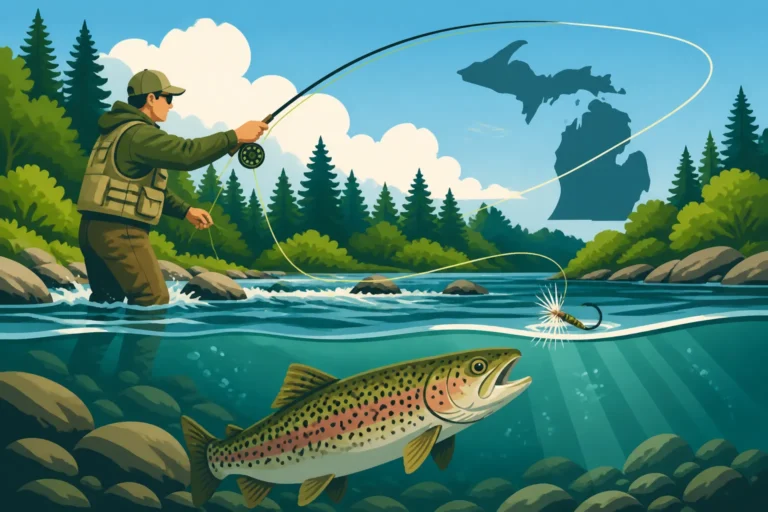
For many anglers, fly fishing for steelhead represents the pinnacle of freshwater angling. It’s a challenging yet incredibly rewarding pursuit that demands finesse, precise casting, and an understanding of river dynamics. Fly fishing for Michigan steelhead can involve several distinct approaches:
- Nymphing: Similar to drifting natural baits, nymphing uses weighted fly patterns (often stoneflies, caddis, or egg patterns) under an indicator, drifting them dead-drift along the bottom. This is highly effective when fish are holding deep and not actively chasing.
- Swinging Flies: This classic technique involves casting a streamer or spey fly across and down-current, allowing the current to swing the fly through potential holding lies. The anticipation of a steelhead grabbing a swinging fly is legendary among fly anglers. This method works well for aggressive fish.
- Skating Dries: While less common for migrating steelhead, during specific insect hatches or for resident rainbows, skating a dry fly can be thrilling. However, for true steelhead, subsurface presentations are generally more productive.
Fly fishing gear for steelhead typically involves a heavier fly rod (7-9 weight), a strong fly reel with a good drag and plenty of backing, and specialized lines (floating, sink-tip, or full sinking) to match the technique. It's an art form that requires dedication, but the connection to the fish and the environment is profound. Learn more in our Fly Fishing Techniques for Michigan Steelhead guide.
Reading the Water and Finding Steelhead
You can have the best gear and know all the techniques, but if you're fishing in the wrong spot, your chances of success are slim. Learning to "read the water" is perhaps the most critical skill for consistent steelhead success. It involves understanding how current, depth, and structure create prime holding and travel lanes for these migratory fish.
Understanding Steelhead Lies
Steelhead, like most fish, are energy conservers. They will seek out areas in the river that offer a balance of current break, depth, and proximity to travel lanes or feeding opportunities. These areas are known as "lies."
- Current Seams: These are lines in the water where fast current meets slower current. Steelhead often sit in the slower water, waiting for food to drift by in the faster current. Look for subtle changes in water texture.
- Log Jams and Undercut Banks: These provide overhead cover, protection from predators, and a break from the main current. Fish will often hold deep within or just downstream of these structures.
- Deep Pools: Especially in winter and early fall, steelhead will congregate in the deepest sections of the river, where water temperatures are more stable and they can conserve energy.
- Riffles and Runs: Shallower, faster-moving sections that contain gravel are prime spawning grounds in the spring. During other seasons, the slower edges of these runs can be travel corridors.
- Tailouts: The shallower, faster water at the end of a deep pool can also hold staging fish, especially as they prepare to move into or out of a spawning area.
The more time you spend observing the river, the better you'll become at identifying these key features and predicting where fish will be holding.
River Conditions and Water Temperature
River conditions are dynamic, constantly changing with weather patterns, and they profoundly impact steelhead behavior. Pay close attention to:
- Water Level: High water often means fish are pushing upstream, and they might be hugging the banks to avoid strong currents. Low, clear water makes fish more skittish and visible, requiring a stealthier approach and lighter leaders.
- Water Clarity: Stained or slightly turbid water can be excellent, as it gives fish a sense of security and makes them less wary. Very clear water calls for small baits, light leaders, and subtle presentations. Muddy water, however, is generally poor for fishing.
- Water Temperature: This is perhaps the most critical factor. Steelhead are cold-blooded, and their metabolism is directly affected by water temperature.
- 38-42°F: Very cold, slow metabolism. Fish are lethargic, holding deep. Requires slow, precise presentations. (Typical winter conditions).
- 42-48°F: Optimum temperature range for active feeding and spawning migrations. Fish are more aggressive and spread out. (Peak fall and spring).
- 48-55°F: Still good, but fish may start to push harder upstream or drop back to the lake. (Late spring).
Monitoring water temperatures with a thermometer is a habit worth developing. Several online resources provide real-time river data, including flow rates and temperatures, which can be invaluable for planning your trip.
Scouting and Approaching Fishing Spots
Successful steelhead anglers are often great scouts. Before you even cast, spend time observing the water. Look for subtle signs of fish: a flash, a jump, or even disturbances on the surface. Approach fishing spots stealthily; steelhead are easily spooked by heavy footsteps on the bank or shadows cast over the water.
When you start fishing a run, work it thoroughly. Don't just cast to the most obvious spot. Start upstream and work your way down, making sure your drifts cover all potential lies. Fish the closest water first, then gradually extend your casts. If you're drifting, make sure your bait is presented effectively through the entire length of the holding water. Patience and persistence are key. Sometimes, it takes dozens of perfect drifts to convince a steelhead to bite, but the reward of a screaming reel is worth every effort.
Top Michigan Steelhead Rivers and Locations
Michigan is renowned for its world-class steelhead fishing, boasting numerous rivers that draw anglers from across the globe. While many rivers across the state offer opportunities, some stand out as premier destinations.
Premier Lower Peninsula Steelhead Rivers
The Lower Peninsula is home to Michigan's most famous steelhead rivers, largely due to their size, consistent runs, and excellent public access. These rivers offer varied experiences, from wide-open stretches to intimate, tree-lined sections.
- Manistee River: A true jewel, the Big Manistee is perhaps Michigan's most legendary steelhead river. Known for its strong runs of both fall and spring steelhead, as well as salmon, it offers diverse fishing opportunities from its upper reaches down to Lake Michigan. Sections below Tippy Dam are particularly popular. For detailed information, consult our Manistee River Steelhead and Salmon Fishing in Michigan guide.
- Muskegon River: Another powerhouse, the Muskegon River boasts impressive steelhead numbers and is known for its relatively stable flows due to upstream dam control. This stability can make it a consistent producer, especially for winter steelhead. Access points are plentiful, and it’s a favorite for both boat and wade anglers. You can find more specific run timing information in our Muskegon River Michigan Steelhead Run Timing article.
- Pere Marquette River: This federally designated Wild and Scenic River is famous for its natural reproduction of steelhead and is a renowned fly fishing destination. It's a "flies-only" and "artificials-only" stretch for much of its length, offering a unique challenge. The PM is often considered a true "steelhead factory." Our Pere Marquette River Fly Fishing in Michigan guide offers insights into this special river.
- Grand River: While often overlooked for its more famous counterparts, the Grand River, particularly around Grand Rapids, receives strong pushes of steelhead. It's a large, urban river, but it offers fantastic fishing opportunities, especially in the spring and fall near the city's fish ladders.
- St. Joseph River: Located in Southwest Michigan, the St. Joe offers some of the earliest steelhead fishing opportunities in the state. Its warmer waters mean fish can enter earlier in the fall and stay later into the spring. It's a popular choice for both boat and shore anglers.
These rivers, among others, provide excellent public access, often with designated boat launches and wading access points maintained by the Michigan Department of Natural Resources (DNR).
Upper Peninsula Steelhead Opportunities
While the Lower Peninsula rivers get most of the attention, Michigan's Upper Peninsula offers fantastic, often wilder, steelhead fishing experiences. The rivers here are generally smaller, less pressured, and flow through breathtaking wilderness. The runs tend to be more dependent on snowmelt and rainfall, making timing crucial.
Rivers like the Two Hearted, Ontonagon, Manistique, and Fox rivers offer intimate experiences for those willing to explore. These waters often see more "skamania" strain steelhead, known for their aggressive nature and acrobatic fights. Access can be more challenging, often requiring some hiking or even four-wheel drive, but the solitude and pristine environment make the effort worthwhile. If you're looking to escape the crowds and find a true wilderness steelhead experience, the U.P. is calling.
Great Lakes Shoreline and Pier Fishing
You don't always need a boat or to hike deep into a river system to catch steelhead. The Great Lakes shoreline and many public piers can offer excellent opportunities, especially during the peak of the fall and spring runs. Steelhead will cruise along the shallow waters near shore and congregate around river mouths and harbor entrances before making their push upstream.
Popular locations include the piers in Ludington, Manistee, Muskegon, Grand Haven, and Holland, to name a few. Anglers can cast spoons, spinners, or even float spawn bags or jigs under a bobber from these structures. This type of fishing is accessible to many and can be incredibly productive when fish are staging. It’s also a great way to experience steelhead fishing without the complexities of navigating a river from a boat or wading. Always check local regulations for specific pier fishing rules and remember that Michigan's Great Lakes system offers Michigan's Great Lakes Year-Round Trout Season.
Catch and Release Practices for Steelhead
Steelhead are a precious resource, and their populations rely heavily on successful natural reproduction and sustainable angling practices. Practicing proper catch and release is not just a good idea; it's a vital component of conservation that ensures these magnificent fish will continue to thrive for future generations. Many anglers choose to release all wild steelhead and selectively harvest only hatchery-reared fish (identifiable by a clipped adipose fin, though not all hatchery fish are clipped).
Minimizing Harm
When you hook a steelhead, the goal is to land it as quickly and efficiently as possible to minimize stress. Prolonged fights exhaust the fish, reducing its chances of survival after release.
- Use appropriate tackle: Don't "undersize" your gear. A stout rod and properly spooled reel will help you land fish faster.
- Barbless hooks: Using barbless hooks (or crimping down barbs on barbed hooks) makes removal much easier and reduces tissue damage. Many rivers have barbless hook regulations, so always check the Michigan DNR's latest digest.
- Rubberized landing net: A net with a knotless, rubberized or silicon mesh cradle the fish safely, protecting its slime coat, fins, and eyes. Avoid old nylon nets that can strip off scales and cause damage.
- Keep fish in the water: Whenever possible, keep the fish submerged or partially submerged during the entire de-hooking process. Their gills and internal organs need water to function properly.
Proper Release Techniques
Once you've landed a fish, quick and gentle handling is paramount for a successful release.
- Wet hands: Always wet your hands thoroughly before touching a fish. Dry hands can remove the protective slime coat, leaving the fish vulnerable to disease.
- Support the fish: If you must lift the fish for a quick photo, support its body horizontally with one hand under the belly and the other gently gripping the tail. Never hold a large fish vertically by the jaw or tail alone, as this can damage its internal organs or spine.
- Remove hook gently: Use forceps or pliers to quickly remove the hook. If the hook is deeply swallowed, cut the line as close to the hook as possible. The hook will often rust out over time.
- Revive the fish: Hold the fish gently in the current, facing upstream, allowing water to flow over its gills. Move it gently back and forth if the current is weak. Release only when it starts to swim strongly on its own. It's ready when it can hold itself upright and tries to pull away from your hand.
Remember, a successful release means the fish swims away strong, ready to spawn and contribute to the future of the fishery. Every effort you make in proper handling adds to the sustainability of Michigan's amazing steelhead populations.
The Importance of Conservation
The continued health of Michigan's steelhead fishery depends on the collective efforts of all anglers. By understanding the life cycle of these incredible fish, respecting regulations, practicing catch and release, and supporting conservation initiatives, we all play a part in protecting this invaluable resource. The DNR, along with various conservation groups, works tirelessly to manage and enhance steelhead populations through stocking programs and habitat restoration.
Your participation in responsible angling helps ensure that the thrilling experience of hooking into a Michigan steelhead remains a possibility for generations to come. Respect the resource, respect fellow anglers, and leave the river better than you found it.
Conclusionary Thoughts on Steelhead Fishing
Steelhead fishing in Michigan is more than just a hobby; it’s an obsession for many, a challenging pursuit that connects us deeply with nature. It’s a game of patience, skill, and adaptability, where success often hinges on reading subtle signs and making educated guesses. From the vibrant reds and golds of the fall runs to the stark, icy beauty of winter and the explosive energy of spring, Michigan offers a steelhead experience that is truly world-class. Embrace the learning curve, enjoy the journey, and celebrate every chrome torpedo you encounter. Tight lines!
Disclaimer
The information provided in this guide is for general informational purposes only and is subject to change. Fishing regulations, season dates, and license requirements in Michigan are set by the Department of Natural Resources (DNR) and can be updated annually. Always consult the most current Michigan Fishing Regulations Handbook or the official Michigan DNR website before planning any fishing trip to ensure compliance with all state and local laws. Following regulations is the responsibility of each individual angler.