Michigan Spring Fishing Season Guide
Spring in Michigan is a beautiful but often frustrating paradox for anglers. One day you’re shedding layers in the sunshine, the next you’re bundled up against a sudden snow squall, all while trying to decipher what the fish are thinking. This guide will take a deep dive into the nuances of Michigan's spring fishing season, helping you understand the conditions, target species, and techniques to make your early-season angling adventures successful and genuinely enjoyable.
Understanding Michigan's Spring Transition and Its Impact on Fish
Michigan's spring isn't a single event; it's a dynamic, often erratic period that profoundly influences fish behavior and fishing opportunities. From the moment the ice begins to recede to the consistent warmth of late May, conditions are constantly shifting, and successful anglers are those who can read the subtle cues nature provides.
The Thaw: Early Spring Conditions
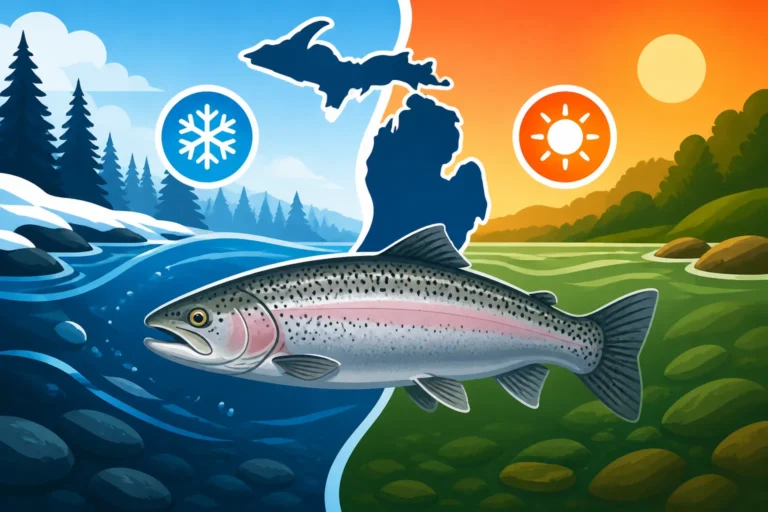
When the ice finally relents its grip on Michigan's lakes and rivers, usually from late March through early April, it ushers in a period of cold, often turbid water. This is a critical time for many species. Rivers swell with snowmelt and rain, creating powerful currents. Lake temperatures hover just above freezing, and fish are often lethargic, conserving energy after a long winter under the ice. For many anglers, this is a transitional phase, moving from the last vestiges of ice fishing to open water. If you've just put away your auger, this is when you really start thinking about where to buy a Michigan fishing license online for the new season, which typically begins April 1st.
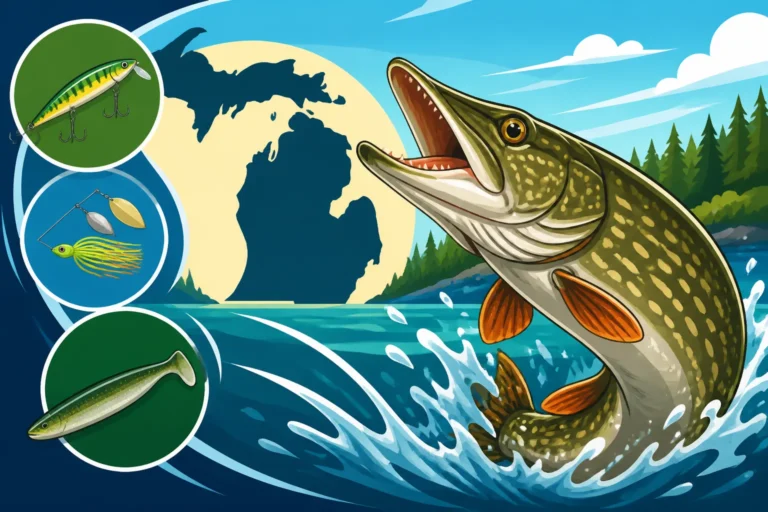
During this early thaw, fish that were previously schooled up in deeper, stable waters under the ice will begin to disperse, seeking out shallower areas where sunlight can penetrate and warm the water even a few degrees. These small temperature increases can trigger feeding activity. Predators like pike and muskie might be staging for their own spawning rituals, while some trout species, particularly those that overwintered in larger bodies of water, might start to become more active in their feeding lanes. It's a challenging time, requiring patience and often slower presentations, but it can be incredibly rewarding for those who brave the chilly, unpredictable weather. Think heavy lines and subtle movements.
Mid-Spring: Rising Temperatures and Active Fish
As April progresses into May, Michigan truly awakens. The sun sits higher in the sky, and daily air temperatures climb, gradually warming the water. This period is often marked by the first major pushes of anadromous fish (those that migrate from the Great Lakes into rivers to spawn) and the awakening of resident warmwater species. The ice is typically gone from all but the deepest, most northern lakes. This is when the true "spring fishing" season often feels like it's in full swing. The rivers might still be high, but the overall water temperature is increasing, signaling fish to become much more active.
Mid-spring sees peak activity for many species. Steelhead runs are in full swing, with fish actively spawning or "dropping back" to the Great Lakes. Walleye begin their spawning migrations, especially noticeable in the Lower Peninsula Walleye Opener around certain river systems. Panfish like crappie and bluegill start moving into shallower, vegetated areas, preparing for their own spawn. Bass, particularly smallmouth, emerge from their deep wintering holes, looking for food and warmer waters. Anglers will find more consistent bites and a wider variety of techniques becoming effective as fish metabolism rates increase significantly. This is a prime time to be on the water.
Late Spring: Pre-Summer Patterns Emerge
By late May and into early June, Michigan's spring begins to transition seamlessly into summer. Water temperatures are much more stable and comfortable for both fish and anglers. Rivers will start to drop to more normal summer levels, and lakes will have established distinct thermal layers. This period often sees the tail end of many spawning cycles and the beginning of more predictable summer feeding patterns.
Many fish species, having completed their spawning rituals, are now focused on recuperating and feeding heavily. This can lead to some truly aggressive bites. Bass, both smallmouth and largemouth, will be very active in their post-spawn recovery and feeding frenzies. Panfish will be on their beds, offering excellent sight-fishing opportunities. Larger predators like pike and muskie will be patrolling weed lines and structure, ambushing prey. For those targeting salmon, some of the earliest Chinook salmon might start to appear in nearshore Great Lakes waters. Understanding Michigan's fishing regulations every angler should know becomes even more crucial as you transition between various species and their specific seasonal rules. It’s a fantastic time to explore different fishing spots in Michigan.
Key Species to Target During Michigan's Spring
Michigan boasts an incredible diversity of fish, and spring brings prime opportunities for many of them. Knowing which species are active and where to find them is the first step to a successful outing.
Walleye: The Spring Opener Rush
Oh, walleye! The elusive, delicious fish that drives countless anglers to brave chilly, often miserable spring weather. In Michigan, spring walleye fishing is practically a religion, especially around the major river systems like the Maumee (just over the border, but a huge influence on Lake Erie walleye), Detroit, and Saginaw Rivers, which are renowned for their massive spawning runs. The season typically opens in most Lower Peninsula waters in late April, bringing an electrifying rush for anglers.
During the spring, walleye migrate en masse from larger lakes into rivers to spawn. This means they are concentrated and often incredibly aggressive. Early in the run, when water temperatures are still quite cold (in the low 40s Fahrenheit), they'll be found in deeper holes and current breaks, conserving energy before moving onto spawning grounds. As temperatures tick up, they'll push into shallower, gravelly areas to deposit their eggs. After spawning, they drop back into the deeper river channels and eventually back into the Great Lakes or larger inland lakes, feeding heavily to recover. Anglers typically use jigging techniques with live minnows or soft plastics, or troll crankbaits to intercept these migrating fish. You'll find a lot of essential tackle for walleye, including quality jigs and minnow imitations, available on Amazon.
Steelhead: Post-Spawn and Drop-Back Action
Steelhead, those chrome beauties, are a cornerstone of Michigan's spring fishing. While some fish enter rivers in the fall and overwinter, the bulk of the spring run occurs from March through May, with fish actively spawning through April and into early May. Following the spawn, many "drop-back" steelhead remain in the rivers, feeding aggressively on eggs and whatever else they can find before returning to the Great Lakes.
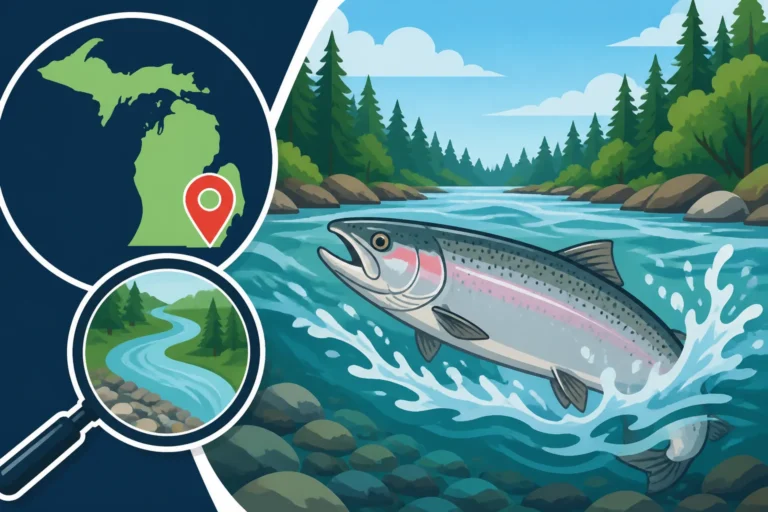
Michigan Steelhead Run Timing varies slightly by river, but prime time for drop-backs is usually late April into May. These post-spawn fish are often larger and notoriously feisty, putting up incredible fights. They'll be found throughout the river system, sometimes in deeper pools, other times in shallower riffles, actively searching for food. Techniques like float fishing with spawn bags or beads, casting spinners, or even fly fishing with egg patterns and nymphs are highly effective. The Au Sable River and Manistee River are iconic destinations for this, offering incredible opportunities. Understanding their life cycle and habits, as covered in a guide on Steelhead fishing in Michigan, can greatly improve your success.
Smallmouth and Largemouth Bass: Pre-Spawn and Spawning Frenzy
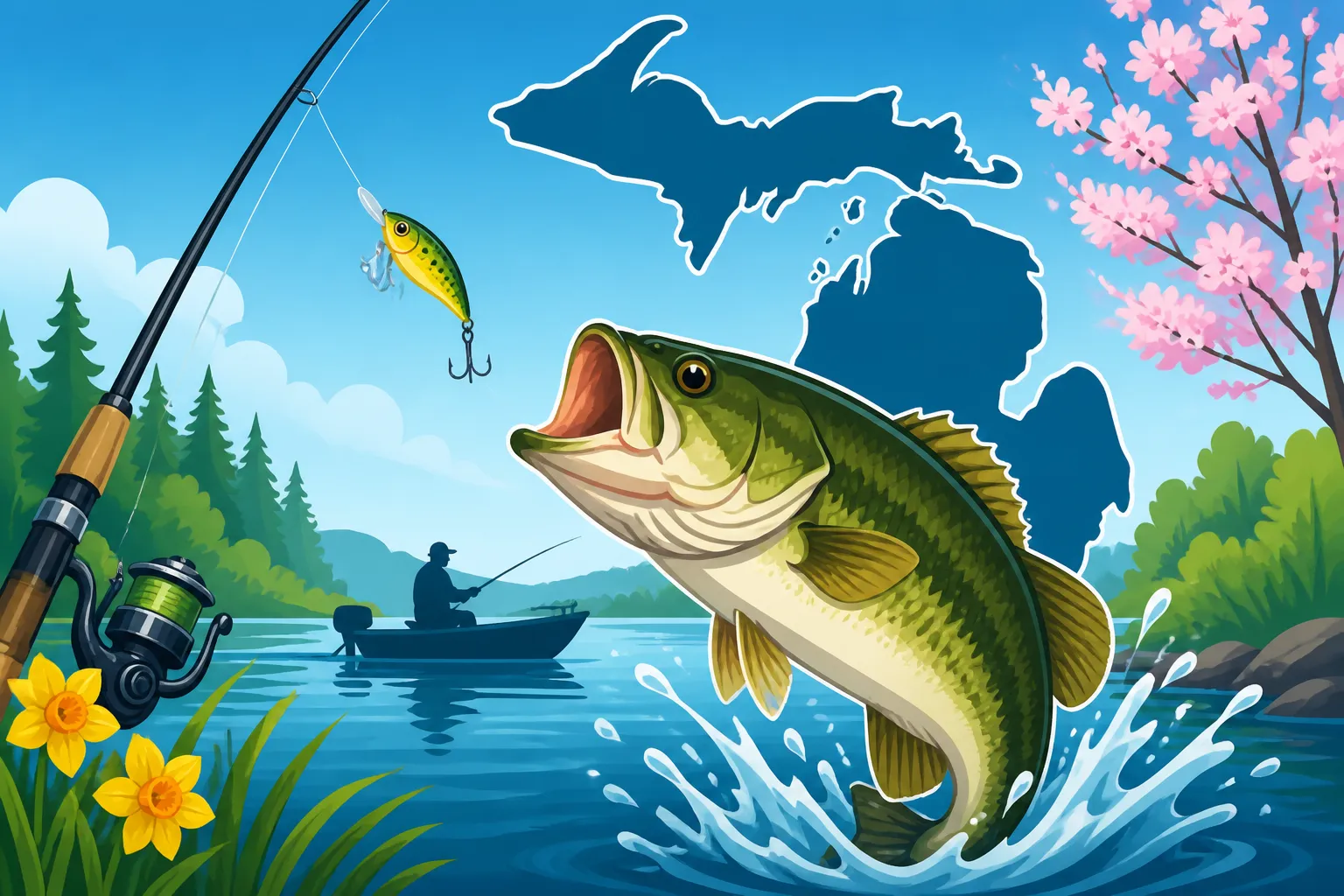
Spring marks the awakening of Michigan's bass population. As water temperatures rise, typically into the high 40s and 50s Fahrenheit, smallmouth and largemouth bass transition from their deep wintering haunts to shallower, warmer waters. This pre-spawn period is characterized by aggressive feeding as they pack on calories for the upcoming spawn.
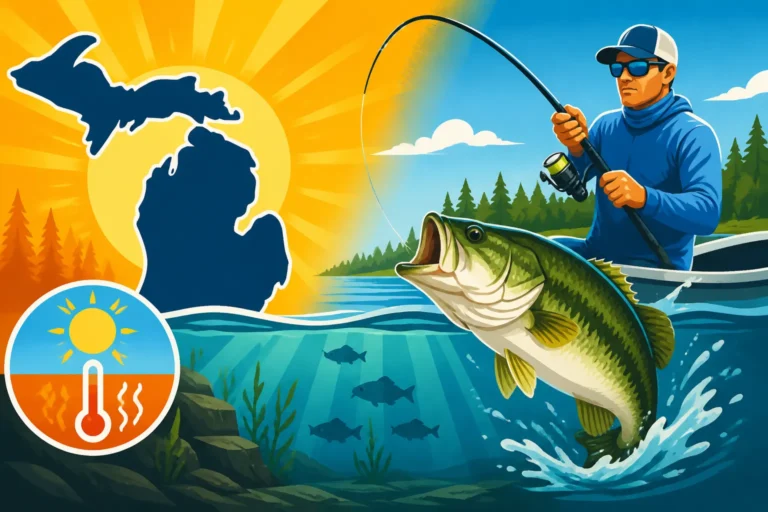
Smallmouth bass fishing in Michigan is fantastic in the spring, especially on the Great Lakes and larger inland lakes like Lake St. Clair. They'll stage on rocky points, reefs, and humps adjacent to deeper water, ambushing baitfish and crayfish. Largemouth bass will move into shallow bays, lily pad fields, and woody cover in inland lakes. Once water temperatures hit the low 60s, typically late May into June, both species will begin spawning, constructing nests in shallow, protected areas. While some anglers target them on beds, many prefer to target them during their aggressive pre-spawn feeding. Jerkbaits, crankbaits, spinnerbaits, and soft plastics (like tubes and grubs) are deadly during this period. Remember to check local regulations for bass season openers, as they can vary by water body.
Panfish: Crappie, Bluegill, and Perch Action
For many families and casual anglers, spring panfish fishing is what it's all about. These abundant, feisty fish offer consistent action and are often the first species to become highly active after ice-out. Crappie, bluegill, and yellow perch are the main stars.
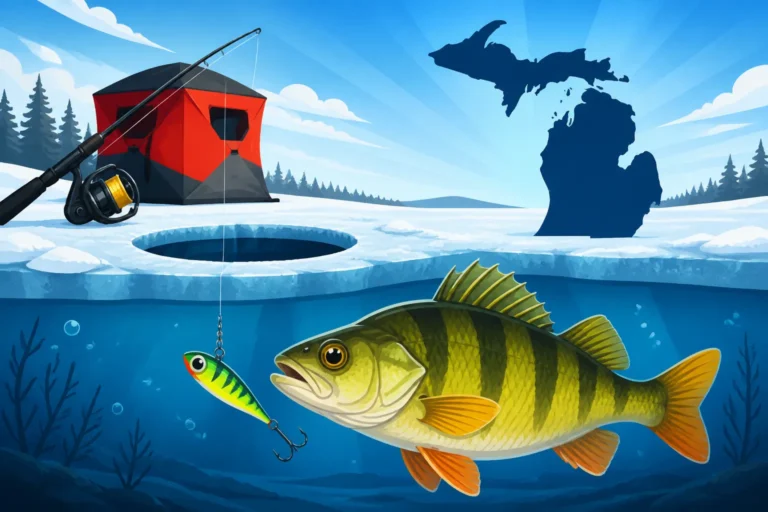
Crappie are often the first panfish to get going, moving into shallow, brushy areas, fallen trees, and weed beds as water temperatures creep into the upper 40s and 50s. They're notorious for congregating in large schools, and once you find them, the action can be non-stop. Small jigs tipped with a minnow or soft plastic are irresistible. Bluegill follow suit as waters warm further (mid-50s to low 60s), moving into shallow, sunny bays to feed and eventually spawn. Their beds are often visible in clear water, presenting a fun sight-fishing opportunity with worms or small poppers. Yellow perch, while sometimes found shallower in lakes, often offer a different challenge, especially in connecting rivers or deeper bays. They can be caught with small minnows or pieces of crawler fished on the bottom. Lake St. Clair yellow perch limit on the St. Clair River is a prime example of specific regulations you need to know for these popular species. Spring is an excellent time to introduce kids to fishing due to the consistent action panfish provide.
Essential Spring Fishing Techniques and Strategies
Spring's variable conditions demand a versatile approach. What works one week might be completely ineffective the next. Successful spring anglers are constantly adapting their techniques to match the fish's behavior and the prevailing weather and water conditions.
River Fishing for Anadromous Species
River fishing in Michigan during spring is synonymous with chasing steelhead and walleye, but you might also encounter brown trout or suckers. The key to success here is understanding current, depth, and water temperature. Early spring often means high, fast water from snowmelt and rain. Fish will use current breaks, seams, and deeper pools to escape the strongest flows.
For steelhead, float fishing with a long rod, sensitive float, and a small jig, spawn bag, or bead is a popular and highly effective method. You're trying to present your bait naturally in the current, mimicking drifting food. Centerpinning for Michigan Steelhead is a specialized form of float fishing that excels in these conditions. Another common technique is bottom bouncing, using a lead weight to keep your bait (often spawn or a minnow) near the riverbed in slower currents. Fly fishing with nymph rigs or egg patterns can also be incredibly productive. For walleye in rivers, vertical jigging with a minnow-tipped jig or blade bait in deep holes and current seams is a classic technique. Trolling small crankbaits can also be effective in wider, slower sections. Always be aware of safety, as cold, fast-moving rivers can be dangerous.
Lake Fishing: Covering Water and Finding Structure
Lake fishing in spring offers a different set of challenges and rewards. After ice-out, large lakes remain cold, but bays and shallow areas warm up faster. This draws fish to these sun-exposed zones. Later in spring, fish will relate more to traditional structures like humps, points, and weed lines as they prepare for or recover from spawning.
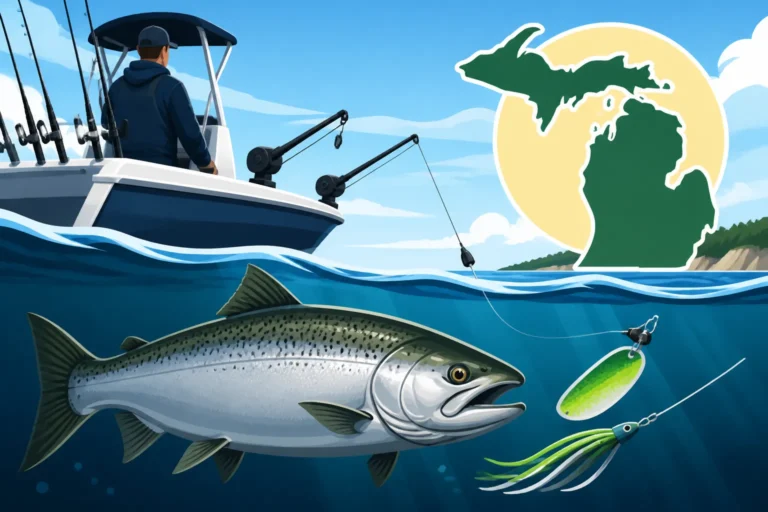
For early spring crappie and bluegill, look for the warmest, shallowest water you can find – often dark-bottomed bays, areas with emergent vegetation, or around docks and fallen trees. A bobber and a small jig or minnow are often all you need. For bass, jerkbaits and slow-rolling spinnerbaits are excellent for covering water and triggering strikes from cold, lethargic fish. As the water warms, crankbaits, lipless crankbaits, and soft plastics (like Ned rigs or tubes) become incredibly effective around rocky points and drop-offs for smallmouth. For largemouth, target visible cover like logs, laydowns, and sparse weed growth with spinnerbaits and jigs. When dealing with Great Lakes species, like early season Chinook or lake trout, trolling techniques using downriggers and various spoons or stickbaits are common. A detailed guide like How to Troll for Salmon on the Great Lakes will walk you through the specifics.
Shore and Pier Fishing Tactics
You don't need a boat to have a successful spring fishing season in Michigan. Many public piers, harbors, and accessible shorelines on both the Great Lakes and inland waters offer fantastic opportunities. These spots often warm up faster than deeper open water and provide easy access to fish moving into shallower areas.
For steelhead, many Great Lakes piers and river mouths can provide excellent access, especially during and after a rain event that draws fish in. Casting spoons (like Little Cleos or Koho spoons) or suspending stickbaits can entice these migratory fish. For walleye, particularly in areas like Saginaw Bay or the Detroit River shoreline, casting jigs or ripping lipless crankbaits can be very effective, especially at dawn or dusk. Perch and crappie are often found around piers and docks, making them perfect targets for shore anglers. Simple bobber rigs with minnows or worms are usually all you need. You might even find some aggressive northern pike patrolling shallow weed lines from shore. Always remember to respect private property and clean up your fishing spot. Many excellent Great Lakes piers and harbors can be found by researching Best Lake Michigan Fishing Piers and Harbors.
Gear and Tackle Considerations for Spring Fishing
Michigan's spring is notorious for its fickle nature, meaning your gear needs to be just as adaptable. One day you're fishing in a warm drizzle, the next you're battling a stiff north wind. Having the right tools, from your rod and reel to your clothing, makes all the difference.
Rods, Reels, and Line Choices
When it comes to rods and reels for spring fishing, versatility is key. For river steelhead and walleye, a medium-light to medium power spinning rod, 8 to 11 feet in length, is ideal. The longer rod helps with line control, mending, and fighting powerful fish in current. Pair this with a reliable spinning reel in the 2500-3000 size range, spooled with 10-15 lb braided line, a fluorocarbon leader of 6-10 lb test. Many anglers find quality setups, including reputable brands like Shimano and Daiwa, on Amazon. This allows for sensitive presentations while still having the backbone to land larger fish.
For bass and panfish in lakes, a 6'6" to 7' medium-light spinning rod with a fast action is a great all-around choice. This rod will handle light jigs and soft plastics but still have enough power for fighting a feisty smallmouth. Pair it with a 2000-2500 size reel spooled with 6-8 lb monofilament or braided line with a fluorocarbon leader. When you're fishing around heavy cover for largemouth, a medium-heavy baitcasting setup with 15-20 lb fluorocarbon or heavy braid might be more appropriate. Always ensure your drag is set correctly; spring fish can be sluggish one moment and explode with power the next.
Baits and Lures for Spring Success
The choice of baits and lures in spring is often dictated by water temperature and clarity. Early spring, with cold, often murky water, favors slower presentations and baits with strong scents or vibrations. Live bait is often king during this period.
- Live Bait: Minnows (for walleye, crappie, perch), worms (for panfish, trout, bass), and spawn bags (for steelhead) are incredibly effective when fish are lethargic. You can often buy these at local bait shops across Michigan.
- Jigs: Small jigs (1/16 oz to 1/4 oz) tipped with minnows, scented soft plastics (like Gulp! or PowerBait), or even just a piece of plastic grub are deadly for walleye, crappie, and perch. Jigging spoons can also be effective in deeper spots for walleye.
- Crankbaits & Jerkbaits: For bass and walleye, suspending jerkbaits worked with long pauses are excellent in cold water. As temperatures rise, lipless crankbaits and diving crankbaits in shad or crayfish patterns can be very productive. Look for these in various sizes and colors on Amazon to match the conditions.
- Spinnerbaits & Chatterbaits: These are fantastic for covering water and drawing reaction strikes from bass, especially largemouth, in shallow, vegetated areas.
- Spoons: Casting spoons (e.g., Little Cleo) in bright colors are great for pier and shore fishing for steelhead and salmon, or for trolling in lakes.
- Beads: For steelhead and trout, natural-looking beads drifting under a float are highly effective, mimicking fish eggs. Learn about How to Rig a Bead for Steelhead to maximize your chances.
Essential Accessories for Variable Spring Weather
Beyond your rod and reel, having the right accessories for spring fishing in Michigan is paramount for comfort and safety. You'll often experience four seasons in a single day.
- Layered Clothing: This is non-negotiable. Start with a moisture-wicking base layer, add insulating layers (fleece or wool), and finish with a waterproof and windproof outer shell. Being able to shed or add layers as the weather changes will keep you comfortable.
- Rain Gear: A good quality rain jacket and pants are essential. Michigan springs can feature sudden, heavy downpours. Staying dry is crucial for staying warm and enjoying your trip. Many reliable and affordable options can be found on Amazon.
- Waders and Wading Boots: If you plan on river fishing, breathable chest waders and sturdy wading boots with good ankle support are a must. They allow you to safely access prime fishing spots that aren't reachable from shore.
- Warm Hat and Gloves: Even on seemingly warm days, cold winds and chilly water can quickly chill you. Fingerless gloves or convertible mittens are great for maintaining dexterity.
- PFD (Personal Flotation Device): If you're fishing from a boat, kayak, or even wading in strong currents, wear a PFD. Cold water immersion is a serious risk in spring.
- Sun Protection: Don't forget sunscreen, a wide-brimmed hat, and polarized sunglasses. The spring sun, especially reflecting off water, can be intense, even on cloudy days.
- Thermos: A thermos filled with hot coffee, tea, or soup can be a real morale booster on a cold, damp spring morning.
Navigating Michigan's Spring Fishing Regulations
Michigan's fishing regulations are designed to protect fish populations and ensure sustainable angling for everyone. However, they can be complex, especially in spring when many species are spawning. It's crucial to be informed before you cast a line. The DNR website and the annual Michigan Fishing Regulations Digest PDF are your best friends.
Understanding Season Openers and Closures
Spring is a critical time for season openers and closures, as many species have specific windows for harvest. For instance, the Lower Peninsula Walleye Opener is a highly anticipated event, usually in late April, while other species like bass might have a delayed opener in certain waters to protect spawning fish. Trout streams often have specific opening dates, differentiating between general trout season and specific types of waters, such as designated trout streams which might open later or have special regulations.
It's not uncommon for different lakes or sections of rivers to have unique rules, so don't assume statewide regulations apply everywhere. Always check the specific body of water you intend to fish. Fishing during a closed season, even accidentally, can result in significant fines and penalties. This is where your Michigan Fishing License Guide for Residents and Nonresidents becomes invaluable, detailing when and where you can legally pursue your target species.
Daily Limits and Size Restrictions
Once a season is open, daily possession limits and minimum size restrictions dictate what you can keep. These rules are in place to allow fish to reach maturity and contribute to the breeding population. For example, walleye often have a 15-inch minimum size limit and a specific daily possession limit. Smallmouth and largemouth bass also have minimum size and daily limits that can vary by lake or region, often tied to their spawning cycles.
For trout and salmon, Michigan's combined trout and salmon daily limit means you can only possess a certain number of fish across multiple species, not simply a limit for each type. For instance, you might be allowed five trout and salmon in combination, with no more than three of a certain species. Keeping undersized fish or exceeding your daily limit is a serious violation. Always carry a measuring tape or have markings on your rod to ensure your catch meets the legal requirements before deciding to keep it. The Michigan Daily Bag Limits by Species and Michigan Statewide Minimum Size Limits are pages you should be familiar with.
Catch and Release Best Practices
Even when a season is open and you're within limits, practicing responsible catch and release is vital, especially for vulnerable spawning fish or if you choose to release a fish you've caught. Spring often means cold water, which can be both a blessing and a curse for fish. While cold water holds more oxygen and can aid recovery, a fish handled improperly in cold water can still suffer from shock or injury.
When practicing catch and release:
- Minimize handling: Keep the fish in the water as much as possible.
- Wet hands: Always wet your hands before touching a fish to protect its slime coat, which is crucial for its health and disease resistance.
- Support the fish: Support its body horizontally, especially larger fish, to avoid damaging internal organs or its spine.
- Use appropriate tools: Barbless hooks reduce damage, and a good pair of long-nosed pliers or forceps makes hook removal easier and quicker.
- Avoid prolonged fights: Use tackle appropriate for the size of fish you're targeting to reduce stress.
- Revive gently: If a fish seems sluggish, hold it gently in the water, facing into the current, until it can swim away on its own. Never throw a fish back into the water.
By following these practices, you help ensure that Michigan's fish populations remain healthy for future generations of anglers.
Top Michigan Destinations for Spring Fishing
Michigan is a vast state, blessed with an incredible abundance of water, from the mighty Great Lakes to countless inland gems. Spring opens up a plethora of fantastic fishing destinations, each offering unique opportunities.
Great Lakes Tributaries and Bays
Michigan's Great Lakes tributaries truly shine in the spring. Rivers like the Manistee River, Pere Marquette River, and Muskegon River are legendary for their steelhead runs, offering incredible fishing from March through May. These rivers are not just about the big fish; they also hold resident brown trout and rainbow trout that become more active as insect hatches begin. You'll find a lot of information on these in the Best Rivers for Trout and Steelhead in Michigan.
Beyond the rivers, the shallow bays and nearshore waters of the Great Lakes themselves become prime fishing grounds. Saginaw Bay on Lake Huron, for example, is world-renowned for its spring walleye fishing. As ice recedes, walleye move into these warmer, shallower bays to feed heavily before and after spawning. Likewise, the various bays and harbors of Lake Michigan can offer early season salmon (especially coho) and lake trout, often caught by trolling or pier fishing. These areas warm faster than the main lake and attract baitfish, which in turn attract predators.
Inland Lakes for Warmwater Species
While the Great Lakes tributaries get a lot of attention, Michigan's thousands of inland lakes burst with life in the spring. Many of these lakes offer fantastic opportunities for bass, pike, and panfish. Lakes like Houghton Lake, Michigan's largest inland lake, become vibrant fishing destinations as crappie, bluegill, and perch move into shallower spawning areas and weed beds. Higgins Lake and Torch Lake in Northern Michigan are known for their lake trout and cisco, but also offer great opportunities for smallmouth bass as waters warm.
Smaller, shallow lakes often warm up the fastest, making them excellent choices for early spring panfish and pike. Look for lakes with extensive weed beds, fallen timber, and dark bottomed bays that absorb heat from the sun. These "backwater" spots often hold the most active fish first. A guide to Michigan Inland Lakes Worth Fishing will help you discover many lesser-known but equally productive waters. Remember to consult your Michigan Fishing Regulations Every Angler Should Know for specific rules on individual lakes, as some may have unique size or bag limits.
Northern Michigan's Secluded Gems
Don't overlook the beauty and solitude of Northern Michigan's more secluded lakes and streams in the spring. While the seasons start a bit later up north due to colder temperatures and later ice-out, these areas can offer incredible fishing pressure once conditions are right. Lakes in the Upper Peninsula, for example, will start producing walleye, pike, and bass a few weeks after their southern counterparts, but the fishing can be exceptional.
Many small, lesser-known lakes and ponds hold abundant panfish and aggressive northern pike, providing a fantastic escape from crowded popular spots. Spring is also an excellent time to explore the region's many smaller trout streams for brook trout and brown trout, especially as insect hatches become more prevalent. While these might not yield trophy fish, the experience of fishing in pristine wilderness is its own reward. Just remember to pack extra warm layers, as spring weather can linger longer in the northern reaches of the state.
Adapting to Unpredictable Spring Weather and Water Conditions
Spring in Michigan is beautiful, but it's also a meteorological roller coaster. One day you're fishing in a t-shirt, the next it's sleeting sideways. Being prepared for anything and understanding how these changes affect fish behavior is paramount for success.
Dealing with Cold Fronts and Rain
A sudden cold front after a period of warm weather is a classic spring fishing killer. Air temperatures plummet, often followed by clear skies and high pressure. Fish, especially warmwater species, can become lethargic and shut down their feeding activity. When this happens, slow down your presentation even more. Switch to smaller baits, lighten your line, and target deeper water where temperatures are more stable. Live bait, presented slowly, often outperforms artificials during these tough conditions.
Rain, on the other hand, can be a mixed blessing. A gentle, warm rain can actually improve fishing, especially for river-dwelling species like steelhead, as it can raise water levels slightly and provide cover. However, heavy rains can muddy the water, increase current, and drop water temperatures, making fishing challenging. If the water becomes too turbid, focus on areas where clearer water might be entering the main body, such as small tributaries or protected pockets, or switch to baits with strong vibrations or scents that fish can find by feel and smell rather than sight.
Monitoring Water Clarity and Levels
Water clarity and levels are two of the most critical factors influencing spring fishing in Michigan, especially in rivers and nearshore Great Lakes areas. Heavy snowmelt or rain can quickly turn a clear river into a chocolate milk flow, drastically reducing visibility for both fish and anglers.
When water is murky, fish rely more on their lateral line (to detect vibrations) and sense of smell. This is the time to use larger, noisier lures (like rattling crankbaits or spinnerbaits with large blades) or natural baits with strong scents. Bright colors like chartreuse, orange, or white can also stand out better. If the water is unusually clear, downsize your baits, lighten your line, and use more natural colors and stealthy approaches, as fish will be more wary. Regarding water levels, high water often means fish move out of the main current into slack water and eddies. As water levels drop, fish may return to main current seams and structure. Always check current conditions before you head out, and utilize resources like river gauges from the USGS or local fishing reports.
Safety First: Cold Water Awareness
The biggest safety concern during spring fishing in Michigan is cold water. Even if the air temperature feels warm, lake and river temperatures in early spring can be dangerously cold, often in the 30s or 40s Fahrenheit. Falling into water this cold can lead to hypothermia in minutes.
- Wear a PFD: Always wear a properly fitted personal flotation device, especially when on a boat, kayak, or wading in rivers.
- Dress in layers: As mentioned, dress appropriately to stay warm and dry.
- Fish with a buddy: Never fish alone, especially in cold or remote areas.
- Know your limits: Don't wade into currents that are too strong or water that is too deep.
- Inform others: Let someone know where you're going and when you expect to return.
- Have an emergency plan: Carry a fully charged cell phone (in a waterproof case), a whistle, and extra warm, dry clothes in a dry bag.
Cold water immersion can incapacitate you quickly, so taking precautions is not just about comfort; it's about survival.
Preparing for Your Michigan Spring Fishing Adventure
A successful spring fishing trip is often the result of thorough preparation. From gathering your gear to checking forecasts, a little planning goes a long way in ensuring a memorable and fruitful experience on Michigan's waters.
Pre-Trip Checklist and Planning
Before you even think about putting a line in the water, take the time to plan your trip effectively. This means more than just grabbing your rod.
- Check Regulations: First and foremost, verify the current Michigan Fishing Regulations Every Angler Should Know for your specific target species and location. Seasons, limits, and special rules can change.
- License Check: Ensure your Michigan fishing license is valid for the current season. The license year runs from April 1st to March 31st, so spring is usually when you need to renew. If you’re a nonresident, make sure you have a Nonresident Fishing in Michigan: What the Law Requires license.
- Weather Forecast: Check the forecast meticulously. Spring weather is notoriously unpredictable. Plan for all conditions – rain, wind, sun, and temperature swings.
- Gear Inspection: Go through all your fishing gear. Check your lines for nicks, sharpen hooks, make sure your reels are spooled properly, and ensure your waders don't have leaks. Replace old lures or stock up on new ones.
- Bait & Tackle: Purchase fresh bait if using live bait, and ensure your tackle box is stocked with appropriate lures for the conditions you anticipate (e.g., bright colors for murky water, natural for clear). Many essential tackle items can be ordered from Amazon well in advance.
- Safety Gear: Confirm your PFDs are in good condition, and that any boat safety equipment (fire extinguisher, sound-producing device) is on board and functional.
- Vehicle & Trailer: Ensure your vehicle is ready for the trip and your boat trailer is roadworthy (tires, lights, hitch).
- Maps & Directions: Know how to get to your fishing spot and potential alternative spots. Have physical maps or downloaded digital maps in case cell service is spotty.
Using Technology for Real-Time Information
In today's connected world, technology can be a huge asset for spring fishing in Michigan. Don't underestimate the power of real-time information.
- Michigan's DNR Hunt Fish App for Licenses and Reporting: This app is a game-changer. You can buy your fishing license, check regulations, and even report certain harvests (like muskellunge) directly from your phone. It's an indispensable tool for every Michigan angler.
- Weather Apps: Beyond general weather forecasts, look for apps that provide hyper-local weather, wind direction, and radar data. Apps like AccuWeather, Dark Sky (though integrated into Apple Weather), or NOAA Weather Radar can give you real-time updates.
- River Gauges & Water Data: Websites like the USGS Water Data portal provide real-time river levels, flow rates, and sometimes even water temperatures. This information is invaluable for river anglers, helping you predict how high or low the water might be and how fast it's running.
- Fishing Reports & Forums: Many local tackle shops and online fishing forums provide up-to-date fishing reports. While take them with a grain of salt (not everyone shares their best spots!), they can give you a general idea of what's biting, where, and on what.
- Sonar & GPS: If you're boat fishing, your fish finder and GPS unit are crucial. They help you identify structure, locate schools of fish, and navigate safely, especially on larger bodies of water. Even affordable models can significantly enhance your success.
By combining careful planning with smart use of technology, you can drastically increase your chances of a successful and enjoyable Michigan spring fishing season.
Disclaimer
Please note that fishing regulations in Michigan can change. While this guide provides comprehensive information, it is your responsibility to consult the most current Michigan Department of Natural Resources (DNR) fishing regulations before engaging in any fishing activities. Always prioritize safety and practice responsible angling.