Au Sable River Trout Fishing in Michigan
Finding that perfect trout stream in Michigan can feel like searching for a hidden gem, especially when you're dreaming of classic dry fly fishing or a challenging encounter with a wary brown trout. The sheer number of options in the state can be overwhelming, making it hard to pinpoint a river that truly lives up to the hype. This comprehensive guide will take you on a deep dive into the legendary Au Sable River, uncovering its unique characteristics, prime fishing spots, and the techniques you'll need to successfully pursue trout in its storied waters.
Why the Au Sable River is a Trout Mecca
The Au Sable River isn't just a river in Michigan; it's the river, often considered the heart of fly fishing in the Midwest. Its reputation isn't built on folklore alone; it's a testament to its remarkably stable cold-water flows, diverse aquatic insect life, and a legacy of dedicated conservation efforts. For many anglers, the very mention of the Au Sable conjures images of pristine currents, rising trout, and the quiet camaraderie of fellow enthusiasts. It's a place where tradition meets exceptional natural beauty, offering an experience that transcends mere fishing.
Historical Significance and Wild Trout Population
The Au Sable's legacy as a premier trout stream dates back over a century, championed by early conservationists and angling legends. It was on these very waters that much of modern American fly fishing technique and etiquette were refined. Unlike many rivers that rely heavily on stocking programs, a significant portion of the Au Sable, particularly its upper reaches, boasts a thriving population of wild brown trout and, in some areas, native brook trout. These wild fish are a product of the river's self-sustaining ecosystem, offering a challenging yet incredibly rewarding experience for the discerning angler. Catching a wild Au Sable brown trout is a badge of honor, a true test of skill and patience against a fish that has grown up entirely within the river's complex currents, honing its instincts against natural predators and ever-present angling pressure.
Unique Habitat and Insect Hatches
What truly sets the Au Sable apart is its incredible diversity of habitats, from slow, meandering stretches perfect for delicate dry fly presentations to swift riffles and deep pools holding larger, more aggressive trout. The river is primarily fed by numerous cold springs, which maintain consistent water temperatures even during the hottest summer months, creating ideal conditions for trout survival and growth. This stable environment fosters an incredibly rich aquatic insect community. The Au Sable is famous for its prolific hatches of mayflies, caddisflies, and stoneflies throughout the warmer seasons. Anglers flock to experience the 'Hex' hatch – the emergence of the giant Hexagenia limbata mayfly – which often brings enormous brown trout to the surface under the cover of darkness. Understanding these hatches and being prepared to "match the hatch" is crucial for success, offering windows of opportunity to target actively feeding fish. The variety of insects means that even when one hatch is tapering off, another is often just beginning, providing continuous action for those who know what to look for.
Understanding the Au Sable's Distinct Sections
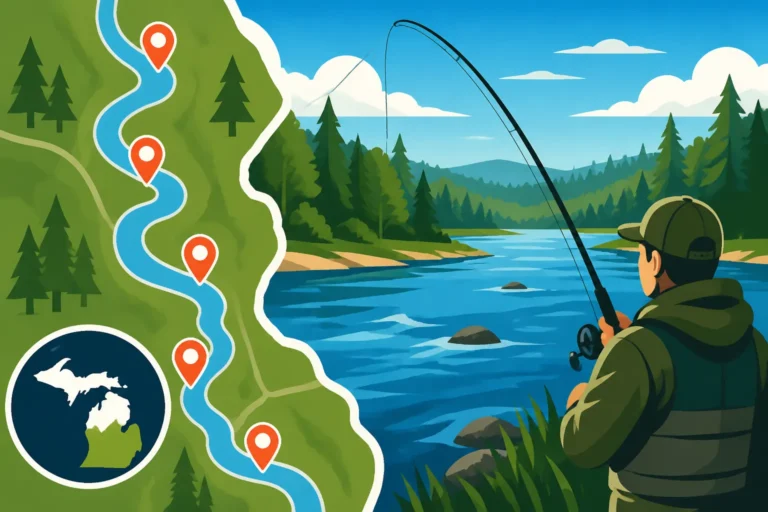
The Au Sable River is a sprawling system, stretching over 138 miles from its headwaters in Crawford County down to Lake Huron. It's not a monolithic body of water; rather, it's a collection of distinct sections, each with its own character, challenges, and charm. From the heavily regulated upper reaches to the wider, more diverse mainstream, understanding these differences is key to planning your perfect Au Sable fishing adventure. Each segment offers a unique experience, from intimate wading opportunities to broader stretches best explored by drift boat or canoe.
The Legendary Holy Water Upper Au Sable
Just upstream from Grayling, Michigan, lies the famed "Holy Water," a stretch of the Au Sable often considered the pinnacle of trout fishing in the Midwest. This section, particularly from Burton's Landing to Wakeley Bridge, is known for its pristine beauty, gin-clear water, and abundant insect life. It's primarily a catch-and-release, flies-only section, emphasizing conservation and the pursuit of wild trout. Anglers here can expect to find good numbers of wild brown trout, along with some brook trout in the colder feeder creeks. Wading is common, though the riverbed can be soft and challenging in places. The Holy Water demands a delicate approach, precise casting, and a keen eye for subtle rises. It's an immersive experience where the quiet solitude is often only broken by the splash of a rising fish or the whisper of the current. This is where many anglers come to test their skills against truly wild and wary fish.
North Branch: Seclusion and Wild Browns
The North Branch of the Au Sable, flowing northeast from its source and joining the mainstream near Lovells, offers a more secluded and intimate experience compared to the Holy Water. It's a narrower, often brushier river, providing excellent habitat for wild brown trout. Access points can be less frequent, and navigating the river might require more effort, but the reward is often less angling pressure and a greater sense of wilderness. Fly fishing is still the predominant method, and nymphing or streamer fishing can be particularly effective in its deeper pools and undercut banks. The North Branch is a fantastic option for those looking to escape the crowds and challenge themselves in a more rugged setting. Its winding nature and often tight casting lanes make for a more technical fishing experience, where stealth and presentation are paramount.
South Branch: A More Accessible Experience
The South Branch of the Au Sable, originating from Lake St. Helen and flowing into the mainstream near Roscommon, generally offers a wider, more accessible, and often warmer experience than its northern counterparts. While still an excellent trout stream, it can sometimes hold a more mixed bag of fish, including some warm water species in its lower reaches. The upper sections of the South Branch, however, remain excellent for trout, particularly brown trout. It’s a good choice for anglers who prefer a bit more room to cast or those who might be newer to river fishing, as wading can be easier in many spots. The South Branch is also a popular canoeing and kayaking river, so anglers should be mindful of recreational traffic, especially during peak summer months. Despite the potential for more traffic, careful planning can still lead to fantastic fishing, especially during shoulder seasons or by exploring less-frequented access points.
Mainstream: From Grayling to Mio
Below the confluence of the North and South Branches, the Au Sable transforms into its Mainstream section, broadening significantly and offering different fishing opportunities. From Grayling downstream through Mio, the river features a mix of faster water, deep runs, and hydroelectric dams that influence its flow and character. This section is often best fished from a drift boat or by canoe, allowing anglers to cover more water and access areas that are difficult to reach on foot. While still renowned for its trout, especially larger brown trout that have grown substantial in the richer, broader environment, this section also supports a wider array of species as it progresses downstream, including pike and smallmouth bass. Steelhead and salmon also make seasonal runs up from Lake Huron into the lower stretches of the Mainstream, offering exciting opportunities for different types of angling. For those interested in diverse fishing, exploring Michigan's Great Lakes Fishing Guide can provide more context on the migratory fish species connecting to these river systems.
Au Sable River Section Overview
| Section | Primary Species | Dominant Technique | Typical Water Flow | Access Difficulty | Special Regulations |
|---|---|---|---|---|---|
| Holy Water (Upper) | Wild Brown, Brook Trout | Dry Fly, Nymphing | Moderate, clear | Moderate wading | Flies-only, Catch & Release |
| North Branch | Wild Brown Trout | Nymphing, Streamers | Moderate, brushy | Challenging wading | Often catch & release sections |
| South Branch (Upper) | Brown Trout | Dry Fly, Nymphing | Moderate, wider | Easier wading | Mixed regulations, check specific areas |
| Mainstream (Upper) | Brown Trout, Rainbow | Nymphing, Streamers | Fast, deep runs | Boat/Wade combo | General trout regulations apply |
| Mainstream (Lower) | Brown, Steelhead, Salmon, Pike | Trolling, Spin, Fly | Wider, dam influenced | Boat primary | Migratory fish rules |
Key Trout Species and When to Target Them
The Au Sable River is a prime destination for trout anglers because it hosts a healthy population of several sought-after species. Each species has its own habits, preferred habitats, and peak activity periods, making it important for anglers to understand what they're targeting and when. Knowing the seasonal patterns of these fish will significantly increase your chances of success on the water. The river's stable ecosystem supports both resident and migratory trout, offering diverse angling experiences throughout the year.
Brown Trout: The River's Dominant Resident
Brown trout (Brown Trout in Michigan Rivers) are the undisputed kings of the Au Sable, thriving in its diverse waters. These opportunistic feeders can grow to impressive sizes, especially in the richer, wider sections of the mainstream. Brown trout are known for their wary nature and selective feeding habits, especially when targeting surface insects. However, they are also aggressive predators, often willing to chase streamers and larger nymphs. While they can be caught year-round, the spring and fall are particularly productive for brown trout. Spring sees them actively feeding on emerging insects, while the fall brings about their spawning migration, during which larger fish become more vulnerable. Early morning and late evening, particularly during active insect hatches, are prime times to target these elusive fish, but they can be caught throughout the day with the right presentation.
Brook Trout: Native Gems in Cooler Tributaries
While less prevalent than brown trout in the main stem of the Au Sable, native brook trout (Brook Trout in Michigan Rivers) can be found in the colder, smaller tributaries and headwater springs feeding the river. These beautiful, colorful fish prefer pristine, oxygen-rich water and are often found in more remote, overgrown stretches. Pursuing brook trout typically involves a stealthy approach, using small dry flies or nymphs in tight quarters. They rarely grow to the same size as brown trout, but their vibrant colors and native status make them a cherished catch for many anglers. The late spring and early summer, when insect activity is high and water temperatures are still cool, are excellent times to seek out these indigenous treasures. When fishing these delicate areas, practicing responsible catch and release is paramount to protecting these vulnerable populations.
Rainbow Trout and Seasonal Runs
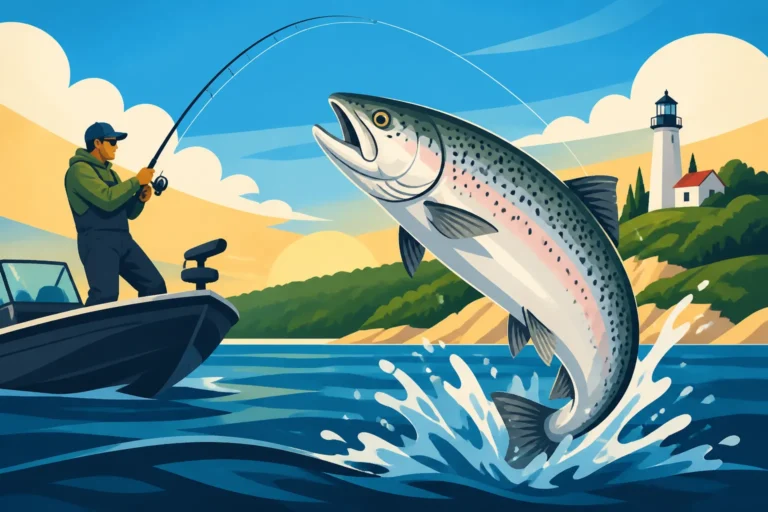
While not as abundant as wild brown trout in the upper Au Sable, rainbow trout are present and can provide thrilling fishing, especially in the lower main stem. These fish are often found mixed with brown trout populations. Additionally, the lower reaches of the Au Sable River experience significant migratory runs of steelhead – which are simply lake-run rainbow trout – from Lake Huron (Michigan's Great Lakes Fishing Guide). These powerful fish enter the river in the fall, seeking spawning grounds, and continue to be present throughout the winter and into the spring. The fall steelhead run and the spring steelhead run offer exceptional opportunities for anglers using various techniques, from traditional fly fishing to float fishing with spawn bags or beads. These migratory rainbows are known for their acrobatic fights and incredible strength, making them a top target for many Michigan anglers. Understanding the specific run timing can significantly impact your success, as these fish move through the system in waves.
Effective Fishing Techniques for Au Sable Trout
The Au Sable River, with its diverse habitats and selective trout, calls for a versatile approach to fishing. While fly fishing is deeply intertwined with the river's identity, successful anglers often employ a range of techniques, adapting to conditions, hatches, and the specific section of river they're exploring. Being prepared with various strategies will significantly enhance your experience and your chances of success, whether you're chasing surface sippers or probing deep lies.
Mastering the Art of Fly Fishing
Fly fishing is arguably the most iconic method for targeting trout on the Au Sable. The river's consistent hatches make dry fly fishing a truly magical experience, especially during the legendary Hex hatch in late June and early July. Beyond dry flies, nymphing is a consistently productive technique, allowing anglers to target trout feeding on subsurface insects. High-stick nymphing or indicator nymphing can be deadly in the Au Sable's riffles and runs. Streamer fishing, particularly with larger patterns, is also highly effective for enticing aggressive brown trout, especially during low-light conditions or when the fish are less active on the surface. For those looking to refine their skills, guides available through platforms like FishingBooker often specialize in teaching specific fly fishing techniques tailored to the Au Sable's unique characteristics. Learning How to Fly Fish for Michigan Steelhead can also provide valuable insights, as some of those techniques translate well to the larger resident brown trout. The key to successful fly fishing here is often presentation – a delicate, natural drift that doesn't spook wary fish.
Spin Fishing for Deeper Pockets and Larger Trout
While fly fishing holds a special place, spin fishing should not be overlooked on the Au Sable. In many sections, particularly the wider, deeper runs of the mainstream or during high water events, spin tackle can be incredibly effective. Small spinners (like Mepps Aglias or Panther Martins), spoons, or even tiny crankbaits can entice aggressive trout that might not be looking up for flies. For targeting deeper pockets or around structure, drifting small artificial worms or soft plastics on light jig heads can also produce excellent results. Spin anglers often find success covering more water, casting to areas that might be difficult for a fly angler to reach. The ability to cast heavier lures further and deeper can sometimes be the ticket to finding those larger, less pressured fish that hold in complex underwater lies. Remember to use light line and a subtle approach, as Au Sable trout are notoriously skittish.
Matching the Hatch: Insect Strategies
One of the most rewarding aspects of Au Sable trout fishing is the challenge and satisfaction of "matching the hatch." This involves identifying the prevalent aquatic insects emerging from the water and selecting an artificial fly or lure that closely imitates them in size, shape, and color. The Au Sable sees a succession of hatches throughout the spring, summer, and fall. Early spring often brings midges and small mayflies (like Blue-Winged Olives). As summer progresses, larger caddisflies, sulfurs, and eventually the famous Hexagenia mayflies dominate. Fall can see a return of smaller mayflies and terrestrial insects (like grasshoppers and ants). Carrying a diverse selection of flies or lures that imitate these insects, and paying close attention to what the fish are feeding on, is critical. Sometimes, simply observing the water for a few minutes before casting can tell you exactly what the trout are looking for. Knowing the general timing of these hatches, which you can often learn from local fly shops or fishing reports, will greatly improve your preparedness and overall success on the water.
Essential Gear and Tackle for the Au Sable
Successfully navigating the Au Sable's diverse waters and challenging trout demands the right equipment. Having the proper gear not only makes your fishing more comfortable but also increases your effectiveness and ensures you can adapt to various conditions and techniques. From specialized rods to the right footwear, every piece of tackle plays a role in your Au Sable adventure.
Fly Rods and Reels: The Classic Setup
For dedicated fly anglers, a versatile setup is key. A 9-foot, 5-weight fly rod is often considered the standard workhorse for the Au Sable, capable of handling dry flies, nymphs, and smaller streamers. However, some anglers prefer a lighter 3 or 4-weight rod for delicate dry fly presentations on the Holy Water, while a heavier 6 or 7-weight might be beneficial for throwing larger streamers or targeting migratory steelhead in the lower sections. Paired with a matching reel spooled with a good quality weight-forward floating line, this setup provides balance and control. Consider a reel with a smooth drag system, especially if you anticipate hooking into larger brown trout or steelhead. For those venturing into Best Fly Fishing Gear for Trout Rivers, the Au Sable is an excellent proving ground for high-quality equipment. Always have extra leaders and tippet in various sizes (from 3X to 6X) to adjust to changing conditions and wary fish.
Spin Fishing Essentials for Versatility
If spin fishing is your preference, or if you want a versatile option, a light to medium-light spinning rod (6 to 7 feet in length) paired with a small, smooth-action spinning reel is ideal. Spool your reel with 4-6 pound test monofilament or fluorocarbon line. This lighter setup allows for delicate presentations and maximizes the fight of Au Sable trout. A selection of small inline spinners (like sizes 0-2), tiny spoons, and small crankbaits that imitate baitfish or crayfish are essential. Keep a few jig heads (1/32 to 1/8 ounce) with small soft plastics on hand for probing deeper pools. Remember, the clear waters of the Au Sable demand a stealthy approach even with spin gear, so long casts and minimal disturbance are crucial.
Waders, Boots, and Safety Gear
Wading is an integral part of fishing the Au Sable, especially in the upper sections, so reliable waders and wading boots are non-negotiable. Breathable chest waders are recommended for comfort in varying temperatures, allowing you to stay dry whether it's a cool spring morning or a warm summer afternoon. Pair them with sturdy wading boots that offer good ankle support and felt or rubber soles for traction on slippery river bottoms. Best Waders for River Fishing will give you more options. Don't forget a wading staff for added stability, as some sections can have uneven or soft bottom conditions. Beyond waders, always carry essential safety gear: a small first-aid kit, a whistle, a headlamp (especially for those twilight or night hatches), and plenty of water. A PFD (Personal Flotation Device) is also a wise choice, particularly if you're fishing alone or in unfamiliar, deeper sections. Being prepared for varying weather conditions is also important, as Michigan weather can change rapidly.
Navigating Regulations and Conservation on the Au Sable
Fishing the Au Sable River is not just about catching fish; it's about respecting the river's legacy and ensuring its health for future generations. This commitment is reflected in Michigan's fishing regulations, which include specific rules designed to protect the Au Sable's valuable trout populations. Understanding and adhering to these guidelines is a non-negotiable part of any angling trip to this hallowed water. It's not just about avoiding a fine; it's about being a responsible steward of a precious natural resource.
Michigan Fishing License Requirements
Before you even think about wetting a line in the Au Sable, or any Michigan water, you'll need a valid fishing license. Michigan residents and non-residents alike are required to purchase a license to legally fish. There are various license options available, from annual licenses to shorter 24-hour or multi-day options, catering to different needs. For a detailed breakdown of costs and types, refer to the Michigan Fishing License Guide for Residents and Nonresidents. These licenses can be purchased online through the Michigan DNR website, at authorized license retailers, or via the DNR Hunt Fish App. Your license fees play a crucial role in funding conservation efforts, fish stocking programs, and habitat restoration throughout the state, directly contributing to the health of rivers like the Au Sable. Always carry proof of your license while fishing, as DNR officers frequently patrol the river.
Special Regulations and Catch Limits
The Au Sable River is subject to specific regulations that often vary by section, reflecting the unique management goals for different stretches of the river. For instance, the "Holy Water" and other designated quality fishing zones often have "flies-only" restrictions and mandatory catch-and-release rules for trout. Other sections might have different Michigan Bag and Size Limits Explained or tackle restrictions. It is absolutely critical to consult the most current Michigan Fishing Regulations Digest before you head out. This digest, available online from the Michigan DNR or at license retailers, provides detailed maps and rules for every specific stretch of the river, including special seasons, hook requirements, and legal bait. For example, some stretches may have a single hook artificial lure only rule, while others are more liberal. These regulations are designed to protect the wild trout populations and ensure sustainable fishing, so understanding them is paramount. When Does Trout Season Open in Michigan, these regulations might also shift or have specific start and end dates for certain sections.
Practicing Responsible Catch and Release
Given the value and often wild nature of the Au Sable's trout, practicing responsible catch and release is not just a recommendation, but a fundamental ethic for most anglers on this river. If you plan to release your fish, use barbless hooks to minimize damage. Land fish quickly and gently, keeping them in the water as much as possible. Avoid excessive handling, especially touching their gills or eyes. If you need a photo, do it swiftly with the fish still partially submerged. Use a rubber mesh net to protect their slime coat. For more information on ethical angling, many guides found on FishingBooker emphasize these practices to preserve the river's health. The goal is to ensure that every released fish swims away strong, able to spawn and provide sport for others in the future. Remember, conservation is a collective effort, and your actions on the river contribute directly to its long-term health.
Disclaimer
Please note that fishing regulations in Michigan can change. While this guide provides comprehensive information, it is essential to always consult the current Michigan Department of Natural Resources (DNR) fishing guide or website for the most up-to-date regulations before you head out on the water. This information is for general guidance only and should not be considered legal advice.