Best Time to Fish for Steelhead in Michigan
There's nothing quite like the anticipation of a Michigan steelhead run, but knowing exactly when to hit the rivers can feel like trying to solve a complex puzzle. Many anglers, myself included, have wasted precious days on the water because they misjudged the timing, leading to frustration and empty nets. This comprehensive guide will unravel the mysteries of Michigan's steelhead seasons, helping you pinpoint the best times to pursue these chrome beauties and maximize your success.
Understanding Michigan's Steelhead Runs
Steelhead, which are sea-run rainbow trout, are truly magnificent fish that spend most of their lives in the vast waters of the Great Lakes before making their incredible spawning migrations up Michigan's rivers and streams. Their movements are highly dependent on environmental cues, making timing everything for anglers.
The Annual Steelhead Cycle
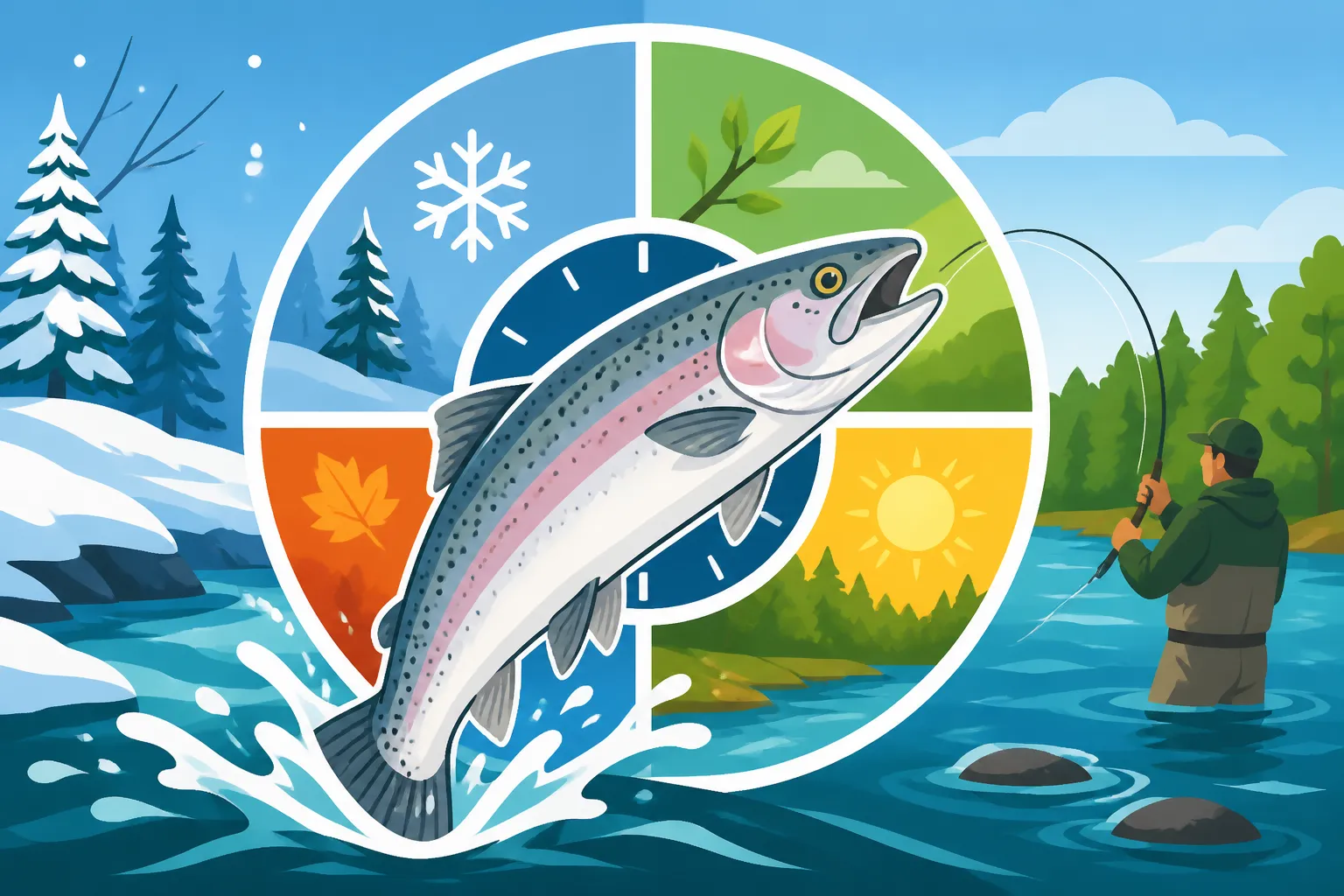
Michigan's steelhead exhibit two primary runs: a fall run and a spring run. While they are essentially the same fish, their motivations for entering the rivers differ. In the fall, adult steelhead begin migrating into the lower sections of rivers, staging for the winter. These "fall-run" fish are often aggressive, feeding heavily as they prepare for the rigors of winter and the eventual spring spawn. They might move further upstream if conditions are favorable, but typically hold in deeper pools or slower stretches. As winter progresses, their activity slows down significantly as water temperatures drop.
Come spring, the true spawning migration kicks into high gear. This is when the majority of steelhead push far upriver to find suitable gravel beds. The fish that entered in the fall will resume their journey, joined by a fresh wave of fish moving directly from the Great Lakes. After spawning, these "spent" or "drop-back" steelhead, often called "kelts," begin their downstream journey back to the Great Lakes. They are usually very hungry and can offer fantastic fishing opportunities as they regain strength. Understanding this full cycle is crucial for anyone looking to master Michigan fishing seasons.
Key Factors Influencing Run Timing
The primary drivers behind when steelhead decide to run are water temperature and water flow. Steelhead are cold-blooded creatures, and their metabolism, activity levels, and urge to migrate are directly linked to the temperature of the river.
- Water Temperature: Generally, steelhead prefer water temperatures between 38 and 52 degrees Fahrenheit for active migration and feeding. Below 38 degrees, they become sluggish, holding in deep pools and expending minimal energy. Above 52 degrees, they can get stressed, and their bite often tapers off. A slow, steady rise in temperature in spring, or a gradual drop in fall, often signals prime conditions. Many experienced anglers closely monitor online river gauges and temperature readings, often available through local fishing reports or the Michigan DNR website, to get a real-time pulse on conditions.
- Water Flow (Rainfall/Snowmelt): A significant bump in river flow, whether from heavy rainfall or melting snow, is a huge trigger for steelhead. Increased flow provides cover, makes it easier for fish to move upstream over obstacles, and often brings in fresh food sources. Too much flow, however, can make rivers muddy and unfishable. The "perfect" scenario is often a rising or stable flow after a period of low water, providing just enough push without turning the river into chocolate milk. This is particularly true for rivers that might become low and clear during dry spells.
- Photoperiod (Daylight Hours): While not as direct as temperature or flow, the lengthening or shortening of daylight hours also plays a role, signaling the change of seasons and influencing the fish's biological clock. It's one of the underlying cues that tells them it's time to start thinking about migration.
Spring Steelhead: The Main Event
For many anglers, spring is synonymous with steelhead fishing in Michigan. This is when the rivers truly come alive with chrome, offering some of the most exciting action of the year.
Peak Spring Run Windows
The spring steelhead run typically kicks off in earnest around mid-March and can extend well into May, depending on the river system and specific weather patterns. In some of the larger, slower-to-warm rivers like the Manistee River or the Muskegon River, the run might start a bit later, as these larger bodies of water take more time to heat up. Smaller, faster-flowing rivers, especially those with more southern exposure, can see earlier pushes of fish.
The peak usually occurs when water temperatures consistently hold in the low to mid-40s Fahrenheit. This is when the majority of fish are actively migrating and beginning to stage for spawning. You'll often find concentrated numbers of fish in holding pools, gravel runs, and around natural river features that offer cover and current breaks. After the initial spawn, usually in late April to early May, the "drop-back" or "post-spawn" steelhead offer another fantastic opportunity. These fish are incredibly hungry after expending all their energy on spawning and will readily hit a wide variety of baits and lures as they move back towards the Great Lakes. This is often an overlooked, yet highly productive, period.
Techniques and Conditions for Spring Success
Spring steelhead fishing in Michigan requires versatility and adaptability. When the fish are actively running and water temperatures are ideal, you might find success with a variety of methods.
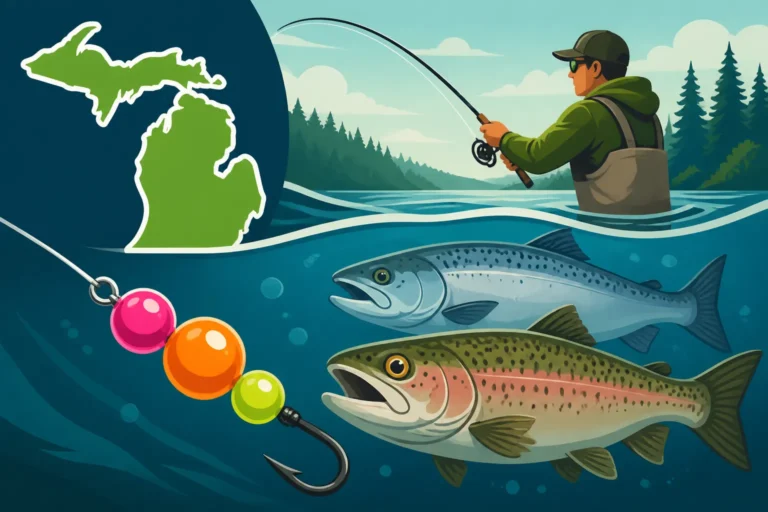
- Float Fishing and Centerpinning: These techniques are incredibly popular and effective, especially on rivers like the Pere Marquette River. They allow you to present natural baits like spawn bags, beads, or small jigs directly to the fish in a natural drift. Gear can be critical here; you'll want to ensure you have the Best Rod Length for River Steelhead to mend line effectively and a smooth reel. Many anglers find excellent float fishing gear available through retailers like Amazon, offering a wide selection to suit different river conditions and budgets.
- Fly Fishing: For the purist, spring is prime time for fly fishing. Nymphing with egg patterns, stoneflies, or caddis larvae imitations can be deadly on spawning beds or in holding water. Streamer fishing can also be effective for aggressive, pre-spawn fish. If you're looking to delve deeper into this, consider checking out specific resources on Fly Fishing Techniques for Michigan Steelhead for detailed approaches.
- Spin Fishing: Traditional spin fishing with small spoons (like Little Cleos or Koho spoons), spinners (Mepps Aglia), or small crankbaits can also entice active steelhead. This is particularly effective for covering water quickly and locating aggressive fish. Remember to match your lure size and color to the water clarity and current conditions.
Regardless of your chosen technique, pay close attention to water clarity. After heavy rains, the river might be high and murky, requiring brighter colored baits or those that produce more vibration. As the water clears, more natural colors and subtle presentations often become more effective.
Fall Steelhead: A Pre-Spawn Opportunity
While spring gets most of the glory, the fall steelhead run is a highly anticipated and productive season for many Michigan anglers, offering a unique challenge and rewarding catches.
Timing the Fall Migration
The fall steelhead run typically begins in late September and can run through November, sometimes even extending into early December if water temperatures remain mild. This is often referred to as a "pre-spawn" run, as these fish are entering the rivers to stage for the winter and to prepare for the spring spawn. They aren't actively spawning yet, but their biological clock is certainly ticking.
Initially, these fish will mostly hold in the lower sections of the rivers, close to the Great Lakes. As water temperatures drop further and significant rain events or increased flows occur, they'll push further upstream. Unlike the spring, where fish might be concentrated on spawning gravel, fall steelhead can be more spread out, often found in deeper pools, current breaks, and log jams. The early fall run, coinciding with the salmon run, can offer a "two-for-one" opportunity, as steelhead will often key in on stray salmon eggs. Understanding Michigan Steelhead Run Timing throughout the year gives you the upper hand.
Fall Fishing Strategies and Gear
Fall steelhead are typically aggressive feeders, making them a blast to catch. Your strategies will often differ slightly from spring.
- Drift Fishing with Spawn Bags: This is arguably the most popular and effective method. Steelhead love to eat salmon eggs, and a properly tied spawn bag, drifted naturally along the bottom, can be irresistible. Use clear or lightly colored fluorocarbon leaders to maintain stealth in often clearer fall water.
- Casting Spoons and Spinners: Aggressive fall steelhead will readily chase down spoons and spinners. Popular choices include the classic Little Cleo, Koho, or Hot Shot spoons in various colors (e.g., orange, chartreuse, silver, gold). Spinners like Mepps Aglia or Blue Fox Vibrax can also be highly effective. Casting these across current and allowing them to swing through holding water is a great way to cover ground.
- Float Fishing: Similar to spring, float fishing with beads or small jigs tipped with wax worms can also produce results, especially in areas where fish are holding or actively feeding on smaller prey items.
The key in fall is often covering water and adapting to what the fish are telling you. If they're hitting aggressive lures, keep casting. If they're more lethargic, slow down your presentation and focus on natural drifts. Don't forget proper layering for varying fall temperatures; you can find excellent cold-weather fishing apparel on Amazon.
Winter Steelhead: The Hardy Angler's Reward
For the dedicated and hardy angler, winter offers some incredible, albeit challenging, steelhead fishing opportunities in Michigan. While the runs aren't as prolific as spring or fall, catching a chrome bright steelhead against a backdrop of snow and ice is an unforgettable experience.
Navigating Cold-Weather Challenges
The winter steelhead season typically runs from December through February, and often into early March, before the true spring thaw. During this period, river temperatures can drop into the mid-30s Fahrenheit, making steelhead lethargic. They'll generally hold in deeper, slower pools where they can conserve energy. Access can also be a challenge, with icy banks and snowy trails requiring extra caution and appropriate gear.
Patience is paramount when chasing winter steelhead. The bites are often very subtle, and you might go long stretches without action, but the reward of hooking into a powerful winter chrome is well worth the effort. It's a fantastic time for solitude on the river, as fewer anglers brave the cold. If you’re looking for deeper insights into braving the cold, articles like Winter Steelhead Run in Michigan Rivers can be quite helpful.
Specialized Winter Techniques
Winter steelhead demand a refined approach, focusing on slow, deliberate presentations.
- Subtle Float Fishing: This is often the most effective winter technique. Presenting small spawn bags, beads (often in brighter or more natural egg colors), or tiny jigs (tipped with a single wax worm or a small plastic) under a sensitive float is key. The slower metabolism of the fish means they won't chase, so your presentation needs to be perfect, drifting right into their strike zone.
- Nymphing with Fly Rods: Fly anglers will often use heavy nymphs or egg patterns, sometimes with split shot to get them down, and dead-drift them through deep pools. Indicator nymphing is the name of the game, looking for the slightest hesitation or dip of the indicator.
- Focus on Deep, Slow Water: Steelhead will seek out thermal refuge in the deepest, slowest pools in the river. Look for areas with minimal current where they can hold without expending much energy. Don't overlook log jams or undercut banks that provide both cover and reduced current.
Layering your clothing, wearing waterproof and insulated waders, and having a good pair of insulated gloves are absolutely essential for comfort and safety during winter fishing. You can find robust, reliable gear on platforms like Amazon to ensure you stay warm and dry.
Daily and Hourly Considerations
Beyond the broader seasonal windows, success in steelhead fishing often comes down to understanding daily and hourly nuances, as well as reacting to immediate weather and water conditions.
Best Times of Day
While steelhead can technically be caught at any time of day, certain periods tend to be more productive.
- Low Light Conditions (Dawn and Dusk): Just like many other predatory fish, steelhead are often most active during the low light periods of dawn and dusk. This is when they feel most secure and are more likely to move and feed. If you're planning a trip, try to be on the water before sunrise and stay until sunset for the best chances.
- Mid-Day Warmth (Winter): In contrast to other seasons, mid-day can sometimes be surprisingly productive during the depths of winter. As the sun rises higher, it can slightly warm the shallow edges of pools or even the water column itself, leading to a brief increase in fish activity. This might be the only window where you get a sustained bite.
- Consistent Activity (Spring/Fall): During the peak spring and fall runs, if water temperatures are stable and favorable, steelhead can be active throughout the day, particularly when there's good cloud cover or if the water is slightly off-color.
Weather and Water Conditions
Being observant and adaptable to immediate conditions can make or break a steelhead outing.
- Post-Rain Bumps: A fresh rain that brings a slight rise and tint to the river is often a magic trigger for steelhead, especially in the fall and spring. It can encourage new fish to enter the river and stir up existing fish. However, too much rain can blow out a river, making it high, fast, and muddy, rendering it unfishable for a day or two.
- Falling Barometric Pressure: A dropping barometer, often associated with an approaching storm front, can sometimes trigger a feeding frenzy, as fish sense a change in weather and may feed more actively.
- Water Clarity: Clear water often demands lighter leaders and more subtle presentations (smaller baits, natural colors). Murky or stained water allows for heavier line, brighter colors, and lures that create more vibration. Having a variety of lure colors and sizes on hand, which you can easily stock up on through online retailers like Amazon, is a smart move.
- Temperature Swings: Rapid temperature drops can shut down the bite quickly, while a gradual warming trend, particularly in spring, can ignite it. Pay attention to sudden changes in air temperature as well, as this directly impacts water temperature. Checking the How Water Temperature Affects Steelhead Runs guide can provide further insights.
Here's a quick overview of the best times to target steelhead in Michigan:
| Season | Typical Timing | Key Conditions | Primary Focus | Techniques |
|---|---|---|---|---|
| Fall | Late Sept. – Nov. | Falling temps, rain/flow bumps, low to mid 40s°F | Pre-spawn, aggressive feeders | Spawn bags, spoons, spinners, float fishing |
| Winter | Dec. – Feb. | Cold temps (mid-30s°F), low activity, deep pools | Slow presentations, patience | Small spawn bags, beads, jigs under floats |
| Spring | Mid-March – Early May | Rising temps (high 30s-low 50s°F), snowmelt/rain | Spawning, post-spawn (drop-backs) | Float fishing, fly nymphing, spawn bags, beads |
The Michigan Department of Natural Resources (DNR) updates their fishing regulations annually, so always ensure you check the current Reading the Michigan Fishing Regulations Digest before you hit the water. This will ensure you're aware of any specific rules, closures, or special regulations that might apply to the river you're fishing. Also, while you might already be familiar with How to Fish for Steelhead in Michigan, revisiting your techniques seasonally can often pay dividends.
Ultimately, the "best" time to fish for steelhead in Michigan isn't a single date on a calendar; it's a dynamic window influenced by Mother Nature. By understanding the seasonal runs, monitoring environmental factors, and adapting your techniques, you'll significantly increase your chances of landing one of Michigan's most prized game fish.
Disclaimer
Fishing conditions and regulations in Michigan can change frequently. Always consult the latest Michigan Department of Natural Resources (DNR) fishing guide and local regulations before heading out. This guide is for informational purposes only and should not replace official sources.