When Do Steelhead Run in Michigan Rivers
The crisp, cold snap in the air, the rush of swollen rivers – for many Michigan anglers, these sensations spark an immediate thought: "Are the steelhead running yet?" It's a question that can bring both immense anticipation and a fair bit of head-scratching, as these magnificent chrome-sided beauties are notorious for their sometimes unpredictable migration patterns. This guide is here to demystify the timing of steelhead runs in Michigan's incredible rivers, helping you understand when and why these elusive fish make their journey, so you can plan your next unforgettable trip.
Understanding Michigan's Steelhead Runs Throughout the Year
Steelhead, which are essentially migratory rainbow trout, offer some of the most thrilling freshwater fishing opportunities Michigan has to offer. Unlike salmon, they don't necessarily die after spawning, which means they can make multiple trips from the Great Lakes into our rivers, making them a prize catch. Their runs, however, aren't a simple, static event; they are dynamic, influenced by a myriad of environmental cues and can happen across much of the year, providing distinct challenges and rewards in each season.
The Epic Spring Steelhead Run
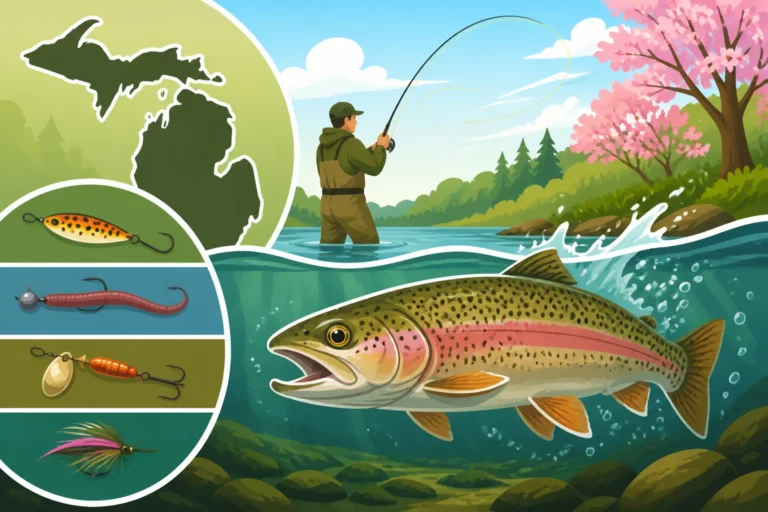
Ah, the spring run! This is often what most anglers picture when they think of steelhead fishing. After the long, cold Michigan winter, there's nothing quite like feeling the tug of a fresh steelhead in the warming waters. This run primarily consists of fish moving upstream from the Great Lakes to spawn.
Typically, the spring steelhead run kicks off in late March, sometimes earlier if we have a mild winter with an early thaw, and can stretch well into May. What truly triggers this migration is a combination of factors, but rising water temperatures and increased river flows from snowmelt are the primary drivers. As the Great Lakes shed their icy grip and inland rivers swell with fresh water, steelhead sense the ideal conditions for their spawning ritual. Anglers often look for water temperatures to climb into the 38-45 degree Fahrenheit range as a good starting point. Early in the run, you might encounter fish that have just entered the river system, often referred to as "chrome" fish due to their bright, lake-fresh appearance. As the season progresses, you'll find more "darker" fish that have been in the river for a while, already spawning or preparing to spawn. Some of these fish will even be "drop-backs" – fish that have successfully spawned and are making their way back to the lake, looking to regain strength and often feeding aggressively. For a deeper dive into what else is biting during this vibrant time, check out our Michigan Spring Fishing Season Guide.
The Anticipated Fall Steelhead Run
While spring gets a lot of the spotlight, the fall steelhead run is a truly magical time in Michigan, offering a unique set of challenges and rewards. This run often starts subtly in September, gaining momentum through October and November.
The fall run is primarily driven by the salmon spawning cycles. As Chinook and Coho salmon enter the rivers to complete their life cycle, they bring with them a bounty of nutrient-rich eggs – a primary food source for hungry steelhead. Steelhead will follow the salmon upstream, staging in deeper pools and runs below spawning beds, gorging themselves on loose eggs. This pre-spawn feeding frenzy makes them incredibly active and willing to strike. Water temperatures beginning to drop, often into the 40s and 50s, also signal to steelhead that it's time to move. These fish are generally in prime condition, strong and robust, having spent the summer growing fat in the Great Lakes. They aren't necessarily moving up to spawn themselves at this point, but rather to feed and stage, preparing for their own spawning efforts in the coming spring. The vibrant fall foliage, coupled with the sheer power of these fish, makes for an unforgettable angling experience. To really get a handle on what drives these autumn migrations, our guide on the Fall Steelhead Run in Michigan Rivers is a must-read.
The Resilient Winter Steelhead Run
For the truly dedicated and hardy angler, Michigan's rivers can offer fantastic winter steelhead opportunities. This isn't a "run" in the same sense as spring or fall, where large waves of new fish push in. Instead, the winter run consists of fish that entered the rivers during the fall and have decided to hold over, often joined by smaller trickles of new fish throughout the colder months.
Winter steelhead fishing typically spans from December through February, and sometimes into early March, depending on ice conditions. It demands patience, specialized techniques, and a tolerance for cold, but the rewards can be immense: fewer crowds and incredibly strong, often larger, fish. The challenges are clear: brutally cold temperatures, icy river banks, and fish that are less active and concentrated in specific holding lies, usually deep, slow-moving pools where they can conserve energy. Mild winters, or periods of thaw that keep rivers largely ice-free, can provide surprisingly good fishing. These fish are primarily focused on survival, conserving energy until the spring spawn. Presentation needs to be perfect, and subtle bites are the norm. Finding open water can be the biggest hurdle, especially on smaller tributaries. However, for those willing to brave the elements, catching a chrome bright steelhead against a snowy backdrop is a truly unique experience. Our in-depth look at the Winter Steelhead Run in Michigan Rivers provides even more detail on how to tackle these chilly conditions.
Key Factors Influencing Steelhead Movement
Understanding the broad seasonal windows is just the first step. To consistently intercept steelhead, you need to grasp the finer environmental cues that dictate their daily movements and when they decide to push upstream from the Great Lakes. Steelhead are highly sensitive to their environment, and paying attention to these factors can significantly improve your success rate.
Water Temperature and Flow
If there's one factor that dictates steelhead behavior more than any other, it's water temperature and flow. These two elements are intrinsically linked and provide the primary signals for steelhead to enter and move within river systems.
Steelhead generally prefer a specific temperature range, typically between 38 and 55 degrees Fahrenheit, though they will tolerate colder or warmer for short periods. In the spring, a steady rise in water temperature is crucial. Think of those first few warm, sunny days after a long winter; as snow melts and surface water warms, that thermal cue tells steelhead that spawning conditions are approaching. Conversely, a sudden cold snap can shut down a run almost instantly, pushing fish back into the lakes or making them incredibly lethargic. River flow also plays a critical role. High water, often from spring rains or snowmelt, can draw a fresh push of fish into the river, providing cover and easier passage upstream. However, too much high water, especially if it's muddy and swift, can make fishing difficult or even dangerous. Conversely, extremely low and clear water conditions can make steelhead spooky and concentrate them in deep pools, requiring a much stealthier approach. It's a delicate balance that anglers constantly monitor. For a deeper understanding of this crucial aspect, check out How Water Temperature Affects Steelhead Runs.
Salmon Spawning Cycles
The mighty salmon runs of fall are not just fantastic fishing opportunities in their own right; they are a beacon for hungry steelhead. This symbiotic relationship is a major driver of Michigan's autumn steelhead fishery.
Chinook and Coho salmon begin entering Michigan rivers in late summer and early fall, with peak spawning typically occurring in October and November. As these salmon deposit their eggs, many are swept downstream, becoming a readily available, high-protein food source. Steelhead, being opportunistic predators, follow these salmon upstream, positioning themselves downstream of spawning redds (nests) to feast on the loose eggs. This phenomenon, often called "egg-sucking," makes fall steelhead incredibly aggressive and willing to strike egg imitations or natural spawn bags. The presence of salmon and their eggs acts as a powerful magnet, drawing steelhead into the rivers long before their own spawning urge kicks in during the spring. Understanding the peak timings of Michigan's various salmon runs is key to predicting when and where fall steelhead will be most abundant. If you want to dive into this fascinating connection, our article on What Triggers the Fall Salmon Run in Michigan will provide valuable insights.
Weather Patterns and Barometric Pressure
While less direct than water temperature and flow, broader weather patterns and changes in barometric pressure can subtly but significantly influence steelhead behavior and angler success. It’s not just about comfort for us; it impacts the fish too.
Periods of stable weather, especially overcast skies or light rain, often lead to more consistent fishing. Steelhead can feel vulnerable under bright, sunny skies in clear water, often retreating to deeper, darker holding lies. Conversely, a rapidly dropping barometer, signaling an approaching storm front, can sometimes trigger a feeding binge or a push of new fish into the river as they sense changes in their environment. However, a prolonged period of severe weather, like a heavy downpour that muddies the river or a drastic drop in air temperature, can make fishing incredibly tough. Anglers often keep a close eye on weather forecasts, not just for their own comfort, but to anticipate how the fish might react. Knowing when to hit the river right before a front moves in, or when to wait for conditions to stabilize after a storm, can be the difference between a tough day and a memorable one.
Navigating Different Michigan Rivers for Steelhead
Michigan is blessed with an abundance of incredible rivers that host strong steelhead runs, each with its own character, challenges, and peak timings. While the general principles of water temperature and salmon runs apply, the specifics can vary from one river to the next, making local knowledge and adaptability crucial for success.
Iconic Lower Peninsula Rivers
The Lower Peninsula is home to some of Michigan's most famous and productive steelhead rivers, drawing anglers from across the country. These rivers often empty directly into Lake Michigan, providing easy access for migrating fish.
The Manistee River is perhaps one of the most celebrated, known for its consistent and strong runs throughout the year. Its size and diverse structure make it a favorite. Fall runs here are legendary, as steelhead follow enormous pushes of Chinook salmon. Spring sees a massive influx of spawning fish. For a detailed look at this river, check out Manistee River Steelhead and Salmon Fishing in Michigan. The Pere Marquette River is another gem, unique for its "flies-only" and "artificial lures only" stretches, making it a favorite among fly anglers. Its spring run is particularly strong, and it also hosts robust fall and winter populations. Our guide to Pere Marquette River Fly Fishing in Michigan offers specific strategies. The Au Sable River, particularly its lower sections, also offers excellent steelhead opportunities, though often with a bit more solitude. It's a fantastic spot for those seeking a classic Michigan river experience. Learn more about it in Au Sable River Trout Fishing in Michigan. Further south, the Muskegon River is another big-water steelhead powerhouse, boasting impressive numbers of fish during both fall and spring, and often remaining fishable through much of the winter due to its consistent flow. These rivers, with their diverse structure, from deep pools to gravel runs, provide ample holding water and spawning grounds, making them prime steelhead destinations.
Upper Peninsula Opportunities
While the Lower Peninsula rivers get a lot of attention, Michigan's Upper Peninsula offers incredible, often wilder, steelhead fishing experiences. These rivers tend to be colder, later, and often more remote, appealing to anglers seeking solitude and pristine environments.
The UP's steelhead runs generally occur later than their Lower Peninsula counterparts due to the colder climate and prolonged winter conditions. Spring runs might not peak until late April or even May, and the fall runs can be intense but also weather-dependent. Rivers like the Two Hearted River (yes, of Hemingway fame) and countless smaller, unnamed tributaries flowing into Lake Superior or Lake Michigan, hold robust populations. These rivers are often characterized by rugged terrain, crystal clear water, and a higher proportion of native or wild-reproducing steelhead. Fishing here can be more challenging, requiring longer hikes and perhaps more exploratory effort, but the rewards are often chunky, hard-fighting fish in breathtaking natural settings. Ice jams and snow cover can influence access and timing significantly. For a broader overview of the fantastic fishing available up north, our Michigan's Upper Peninsula Fishing Spots Guide is a great starting point.
| Season | Typical Start | Peak Months | Triggering Factors | General Characteristics | Recommended Rivers (Examples) |
|---|---|---|---|---|---|
| Fall | September | October – November | Salmon spawning, dropping water temps | Pre-spawn, aggressive, strong, feeding on eggs | Manistee, Muskegon, Pere Marquette |
| Winter | December | January – February | Holding over from fall, mild weather pushes | Less active, concentrated in deep pools, challenging | Muskegon, Grand, St. Joseph |
| Spring | Late March | April – Early May | Rising water temps, snowmelt, spawning | Spawning fish, drop-backs, strong fighters | Pere Marquette, Manistee, Au Sable |
Gear and Strategies for Each Run
Once you know when and where to expect steelhead, the next step is gearing up and employing the right techniques. Steelhead fishing demands specific tackle and nuanced strategies that change with the seasons and river conditions. Having the right tools and knowing how to use them can significantly impact your success.
Essential Gear for Steelhead Anglers
Steelhead fishing isn't just about a rod and reel; it requires a thoughtful setup to handle these powerful fish in often challenging river environments. Investing in quality gear pays off in Michigan's demanding conditions.
A good rod and reel combo is paramount. For river fishing, a medium-heavy spinning rod, typically 9-11 feet long, paired with a smooth spinning reel in the 3000-4000 size range, spooled with 8-12 lb monofilament or fluorocarbon main line, is a versatile choice. Longer rods help with line control and casting lighter presentations. For those who prefer baitcasting, a similar length rod with a low-profile baitcaster is effective. Fly anglers often opt for 8-10 weight, 10-11 foot fly rods for nymphing and swinging flies. You'll also want good quality waders and wading boots with felt or studded soles for grip on slippery riverbeds. Layered clothing is crucial for Michigan's unpredictable weather, especially in fall and winter. A reliable landing net with a rubberized mesh is essential for safely handling and releasing fish. Don't forget a well-stocked tackle box with a variety of weights, swivels, hooks, and leader material (fluorocarbon is preferred for its invisibility). You can find a huge selection of all these items, often with helpful reviews, on platforms like Amazon, making it easy to prepare for your trip. To get really specific about your setup, our guides on Essential Gear for Michigan Steelhead Fishing and Best Rods and Reels for Michigan Fishing offer excellent advice.
Techniques for Different Seasons
Steelhead don't bite the same way year-round, or even week-to-week. Adapting your technique to the specific season and conditions is a hallmark of a successful Michigan steelhead angler.
In the fall, as steelhead feed on salmon eggs, techniques like float fishing with spawn bags, beads, or small jigs suspended under a bobber are incredibly effective. Float Fishing for Michigan River Steelhead goes into great detail here. The key is a natural, drag-free drift. Drift fishing with bottom-bouncing rigs using eggs or yarn can also be deadly. When waters are colder in winter, steelhead are less active, and presentations need to be slow and precise. Nymphing with tiny egg patterns or small stoneflies under an indicator, or slow rolling jigs, often shines. Fish will be holding in deeper, slower pools, so getting your offering right on their nose is crucial. In spring, as fish prepare to spawn, centerpinning becomes a highly popular and effective method, allowing for incredibly long, natural drifts with light tackle. Centerpinning for Michigan Steelhead is an excellent resource for mastering this technique. Fly fishing with egg patterns, nymphs, or streamers can also be very productive. As fish drop back to the lake post-spawn, they might chase larger flies or swung lures. Always prioritize clean, natural drifts, use light leader, and be mindful of your presentation. Being able to switch between methods and adapt to what the fish are telling you is a valuable skill developed over many hours on the water.
Disclaimer
Please remember that fishing regulations in Michigan can change. Always consult the latest Michigan Department of Natural Resources (DNR) fishing guide or website for the most current rules and regulations regarding seasons, bag limits, and licensing before heading out on the water. This article is intended for informational purposes only and does not constitute legal advice.