What Is the Michigan State Fish
It’s a common question that pops up around campfires and fishing boats across the state: "What is the Michigan State Fish?" With so many incredible species gracing our Great Lakes and abundant inland waters, it’s easy to get confused or assume it's one of the big, flashy ones like a Chinook salmon or a trophy walleye. But Michigan's official state fish holds a special place, not just for its beauty but for its deep roots in our natural heritage, and this guide is here to clear up any confusion and celebrate this remarkable creature.
Unveiling Michigan's Official State Fish: The Brook Trout
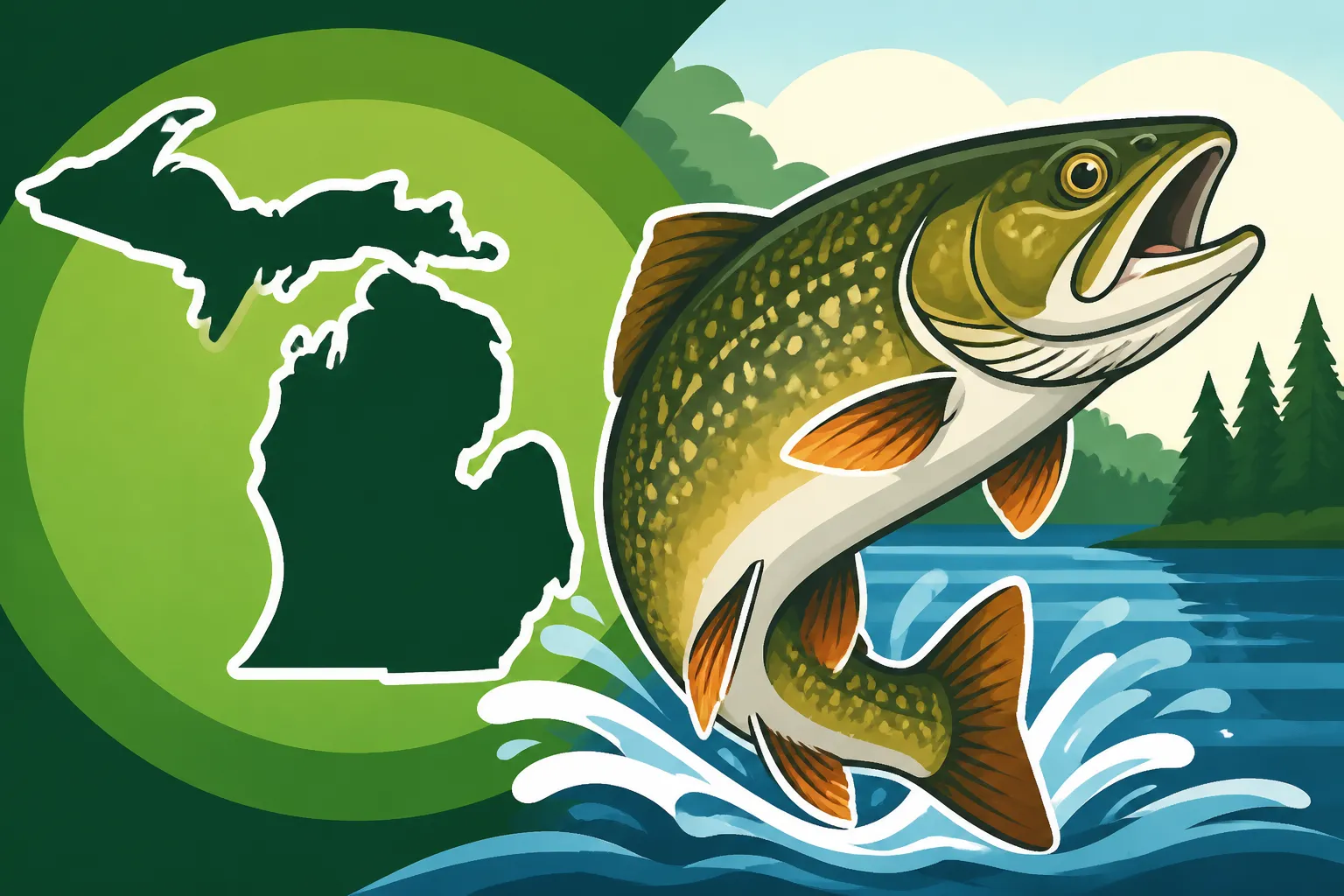
Michigan's official state fish is the Brook Trout (Salvelinus fontinalis). It's not the largest fish you'll catch in our waters, nor is it always the easiest to find, but it represents something truly special about our wild, pristine environments. Unlike many of the popular game fish that have been introduced or extensively stocked over the years, the brook trout is a true native of Michigan. It’s a species that has called these cold, clear waters home for millennia, long before any of us ever cast a line.
The designation of the brook trout as the state fish wasn't a snap decision. It was a recognition of its intrinsic value, its beauty, and its role as an indicator of healthy aquatic ecosystems. This isn't just a fish; it's a living symbol of the clean water and wild places that define Michigan's natural landscape. When you see a brook trout, especially a wild one, darting through a stream, you're looking at a piece of Michigan history, a testament to the enduring health of our forests and rivers.
Many anglers might be surprised, perhaps even thinking of other popular trout species. But the brook trout stands apart. Its vibrant colors and elusive nature make it a prized catch for those who appreciate the challenge and beauty of connecting with a truly wild fish. It’s a species that demands respect for its habitat and a gentle hand when handled, embodying the conservation ethic that so many Michigan anglers hold dear.
Characteristics and Habitat of the Michigan Brook Trout
The brook trout is a stunning fish, often described as one of the most beautiful freshwater species. Its appearance is a mosaic of rich, earthy tones and bright, almost jeweled, spots that make it instantly recognizable once you know what to look for. These distinguishing features, combined with its specific habitat requirements, are key to understanding why it's such a cherished part of Michigan's natural heritage.
Distinguishing Features of the Brook Trout
When you pull a brook trout from the water, you're immediately struck by its unique coloration. Its back and sides are typically dark olive-green to black, adorned with distinctive, worm-like patterns known as "vermiculation." These patterns are usually lighter in color, creating a striking contrast that helps the fish camouflage itself against stream beds and fallen timber. Below this, along its sides, you'll see scattered light spots, often yellow or cream, interspersed with brilliant red spots, each encircled by a halo of blue. This blue halo is a hallmark of the brook trout and one of the easiest ways to distinguish it from other trout species like brown trout or rainbow trout.
The lower fins, especially the pectoral, pelvic, and anal fins, are typically orange-red, tipped with a stark white leading edge, followed by a black stripe. This "white-tipped fin" is another key identifier. During spawning season, these colors become even more vivid, with males often displaying a deep orange or red belly. They typically have a relatively large mouth extending back beyond the eye, and their body shape is torpedo-like, perfectly suited for navigating fast-moving currents. For more on identifying different species, check out Michigan Trout Species Explained.
Preferred Habitats and Environment
Brook trout are creatures of purity. They thrive in very specific conditions: cold, clear, highly oxygenated water. This means you'll typically find them in the headwaters of streams, small to medium-sized rivers, and some deep, spring-fed inland lakes, particularly in the northern Lower Peninsula and throughout the Upper Peninsula. They absolutely cannot tolerate warm, silty, or polluted water, making them excellent bio-indicators of environmental health. If you find wild brook trout in a stream, you know that water is in good shape.
They seek out cover relentlessly. Look for them holding in deep pools, under cut banks, behind large rocks, submerged logs, and in the shade of overhanging vegetation. These spots provide both protection from predators and a break from strong currents, allowing them to ambush prey. Their dependence on these specific, pristine environments highlights the importance of protecting Michigan’s remaining wild and undeveloped lands. Knowing their preferred haunts is half the battle; the other half is understanding the specific rules that apply to these delicate ecosystems, which you can find in resources like Michigan Fishing Regulations Every Angler Should Know.
Diet and Behavior
Brook trout are opportunistic feeders with a varied diet that largely depends on what's available in their cold-water ecosystems. Their primary food sources include aquatic insects like caddisflies, mayflies, and stoneflies, both in their larval and adult stages. They'll also readily consume terrestrial insects that fall into the water, such as ants, grasshoppers, and beetles. As they grow larger, they become more piscivorous, preying on smaller fish, minnows, and even the fry of other trout species. Crayfish, leeches, and various worms are also on their menu.
Their behavior is typically cautious and somewhat reclusive. Wild brook trout are often spooked easily by shadows, vibrations, or sudden movements, making them a challenging target for anglers. They tend to be most active during cooler parts of the day, particularly early mornings and late evenings, or on overcast days. During the heat of summer, they will retreat to the coldest sections of a stream or lake, often near spring seeps, to find thermal refuge. This shy demeanor and reliance on pristine conditions contribute to the mystique and appeal of fishing for Michigan's state fish.
The Brook Trout's Ecological and Angling Importance in Michigan
The brook trout isn't just another fish in the water; it's a cornerstone of Michigan's aquatic ecosystems and a prized symbol for anglers who cherish the wild outdoors. Its presence tells a story of pristine waters, and its pursuit offers a unique connection to nature.
A Native Treasure and Environmental Indicator
What truly sets the brook trout apart in Michigan is its status as a native species. While many of our popular trout—like brown trout and rainbow trout (which become steelhead in the Great Lakes)—were introduced, brook trout have been here since time immemorial. This makes them a precious part of our natural heritage, a living link to the pre-settlement wilderness of Michigan. They are a "char," actually, part of the Salvelinus genus, closely related to lake trout and arctic char, rather than true trout from the Oncorhynchus or Salmo genera.
Beyond their native status, brook trout serve as vital environmental indicators. Their strict requirement for cold, clean, highly oxygenated water means that a healthy population of wild brook trout signals a healthy ecosystem. If pollution, habitat degradation, or warming water temperatures occur, brook trout are often among the first species to decline or disappear. Therefore, their presence is a natural barometer of water quality and overall ecological integrity, making conservation efforts surrounding them incredibly important for the broader environment.
Challenges, Conservation, and Restoration Efforts
Despite their hardiness in their preferred environments, brook trout face numerous challenges in Michigan. Habitat loss due to deforestation, agricultural runoff, and urban development has historically fragmented their populations. Competition from introduced species, particularly brown trout and rainbow trout, can also put pressure on brook trout populations, as these introduced species often tolerate slightly warmer temperatures and can outcompete brook trout for food and spawning grounds. In some cases, overharvesting in accessible areas has also taken its toll on wild populations.
Thankfully, significant conservation and restoration efforts are underway across Michigan. The Department of Natural Resources (DNR), alongside numerous conservation groups, works tirelessly to protect and restore brook trout habitats. This includes initiatives like removing dams to reconnect stream sections, planting native vegetation along stream banks to provide shade and reduce erosion, and implementing special regulations in certain waters to protect wild brook trout populations. Many of these efforts focus on enhancing stream structure, ensuring cool water temperatures, and advocating for responsible land use. You can read more about efforts to support native species and general regulations in articles like Michigan's Trout and Salmon Season on the Great Lakes and Does the DNR Stock Trout in Michigan Rivers?.
Anglers also play a crucial role in conservation. Practicing catch-and-release, especially for larger, older brook trout which are important for reproduction, helps ensure sustainable populations. Using proper handling techniques—like wetting your hands before touching the fish, keeping it in the water as much as possible, and using barbless hooks—minimizes stress and increases survival rates.
Angling for Michigan's State Fish
Fishing for brook trout, particularly wild ones, is a unique and rewarding experience that often transcends the simple act of catching fish. It's about the journey to remote, beautiful places, the quiet solitude of a pristine stream, and the challenge of outsmarting a wary, native species. Unlike chasing a massive King salmon, brook trout fishing often requires a stealthier approach and lighter tackle.
Anglers often favor ultralight spinning gear or, more traditionally, fly fishing setups. Small inline spinners, tiny spoons, and natural baits like worms or crickets can be effective with spinning gear. For fly anglers, presenting small dry flies, nymphs, or wet flies accurately and subtly is key. The fight of a brook trout, while not as powerful as a steelhead, is spirited and acrobatic, especially on light tackle. Many experienced anglers consider a wild Michigan brook trout to be the ultimate prize, not for its size, but for its beauty and the pristine environment it represents. This pursuit really deepens your appreciation for Michigan's Great Lakes Fishing Guide and all the unique opportunities our state offers.
Where to Find Michigan's State Fish and Best Practices
Finding Michigan's state fish means seeking out the state's most pristine and undeveloped waterways. While brook trout are found across the state, certain regions and types of water offer better opportunities for encountering these native beauties. Success also hinges on understanding the right gear and, crucially, respecting the regulations designed to protect them.
Top Regions and Waters for Brook Trout
If you're looking to catch a brook trout in Michigan, your best bet is to head north. The Upper Peninsula is arguably the premier destination, with countless cold, spring-fed streams and small rivers flowing through dense forests. Areas around Marquette, Munising, and the Copper Country offer abundant opportunities in wilderness settings. Many of these streams are small, sometimes barely more than trickles, but they can hold surprisingly vibrant populations of wild brook trout. You'll find yourself hiking through thick woods, listening to the whisper of the wind, truly earning your fish.
In the northern Lower Peninsula, particularly the northeastern and northwestern parts, you'll also find excellent brook trout waters. Tributaries to larger, well-known rivers like the Au Sable, Manistee, and Pere Marquette often hold native brook trout, especially in their upper reaches where the water remains cold and clear. Remote forest lakes with significant cold-water inflows can also harbor brook trout. These lakes often require a canoe or kayak to access the best spots. For general fishing spots, explore Best Places to Fish in Michigan. Specific rivers like parts of the Au Sable River Trout Fishing in Michigan are famous, and many smaller feeder streams hold populations too.
When exploring these areas, look for public lands managed by the DNR or National Forests. These areas often have numerous small stream crossings that can lead to excellent, but sometimes overlooked, brook trout fishing. Just be prepared for a bit of a hike and possibly some bushwhacking to reach the more secluded spots.
Gear Recommendations for Brook Trout Anglers
Given the typically smaller size of brook trout (though trophy-sized ones exist!) and their wary nature, light tackle is the name of the game. You want to present your lure or fly as naturally and subtly as possible.
- Spinning Gear: An ultralight spinning rod (4-foot to 6-foot, 6-inch range) paired with a small, sensitive spinning reel spooled with 2-4 pound test monofilament or fluorocarbon line is ideal. Small inline spinners (size 0 or 1, like those from Panther Martin or Mepps), tiny spoons, or micro jigs under a small bobber are excellent choices. You can find a good selection of these small lures and ultralight gear on retailers like Amazon, making it easy to stock up before your trip.
- Fly Fishing Gear: For the fly angler, a 2-weight to 4-weight fly rod, 6-foot to 8-foot in length, with a matching fly reel and floating fly line is perfect. Leaders should be long and tapered, typically 7.5 to 9 feet, ending in a tippet of 5X to 7X. Favorite flies include small dry flies (like Elk Hair Caddis, Adams, or Parachute Adams), nymphs (Pheasant Tail, Hare's Ear), and small streamers (Woolly Bugger). Fly fishing for brook trout is a classic pursuit, and you can delve deeper into the techniques with Fly Fishing Techniques for Michigan Trout Streams or Best Fly Fishing Gear for Trout Rivers.
- Waders and Boots: Since you’ll often be wading in small streams, a good pair of breathable waders and sturdy wading boots with felt or rubber soles (for grip on slippery rocks) are essential. Best Waders for River Fishing can guide you in choosing the right gear.
- Other Essentials: A small net with a rubber mesh (kinder to fish), forceps or hemostats for easy hook removal, polarized sunglasses to spot fish and protect your eyes, and a small backpack for water, snacks, and extra tackle are all must-haves.
Respecting Regulations and the Resource
Fishing for brook trout comes with a heightened sense of responsibility. Michigan has specific regulations designed to protect these vulnerable native populations, and it's critical to know and follow them. These regulations can vary significantly by water body, with some streams having catch-and-release only rules, special tackle restrictions (e.g., artificial lures only), or different size and possession limits.
Always consult the most current Michigan Fishing Guide, available from the DNR website or local license retailers, before heading out. Pay close attention to county-specific or stream-specific rules. For instance, some sections of streams might have reduced daily possession limits for brook trout compared to other species. Also, remember that handling brook trout gently and releasing them quickly is paramount, especially if you're fishing in a wild, self-sustaining population area. Their survival after release depends heavily on careful handling. This approach helps ensure that future generations can also experience the joy of catching Michigan’s beautiful state fish.
| Feature / Species | Brook Trout (Salvelinus fontinalis) | Brown Trout (Salmo trutta) | Rainbow Trout / Steelhead (Oncorhynchus mykiss) |
|---|---|---|---|
| Native to Michigan? | Yes | No (Introduced) | No (Introduced) |
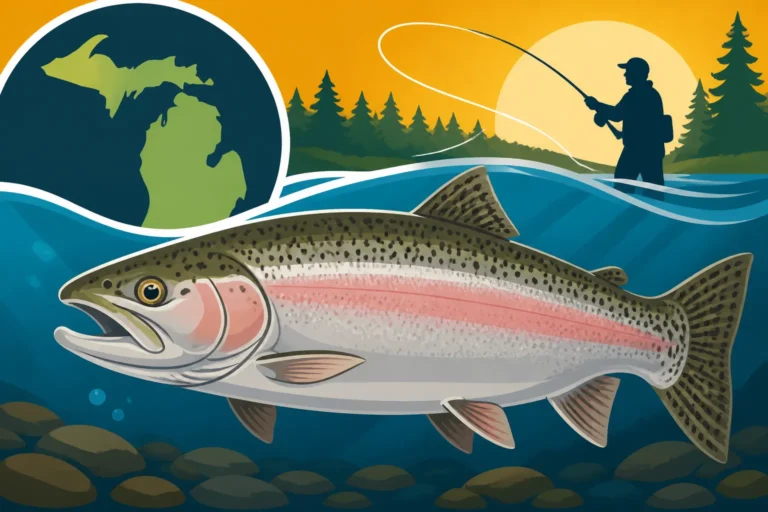
| Key ID Marks | Distinctive white leading edge on lower fins, blue halos around red spots, vermiculation (worm-like patterns) on back. | Dark spots, often with red or orange halos, but no blue halos. More golden-brown body color. | Black spots (often uniform) on body and tail, often a reddish-pink stripe on sides. |
| Preferred Habitat | Very cold, clear, highly oxygenated headwater streams, spring-fed lakes. | Tolerates warmer water, found in larger rivers and lakes. More adaptable. | Rivers, Great Lakes. Tolerates a wider range of conditions than brook trout. |
| Average Size | Smaller (6-12 inches common), though larger specimens exist. | Can grow quite large, especially in lakes and larger rivers. | Highly variable, with steelhead (lake-run rainbows) being very large. |
| Conservation Status | Focus on protecting native populations due to habitat sensitivity. | Widespread and self-sustaining in many areas. | Widespread and extensively stocked. |
Disclaimer
This article is for general informational purposes only and does not constitute professional advice. Laws, prices and regulations vary by location and change over time. Consult a qualified professional for guidance on your specific situation.