Is a Saugeye Found in Michigan?
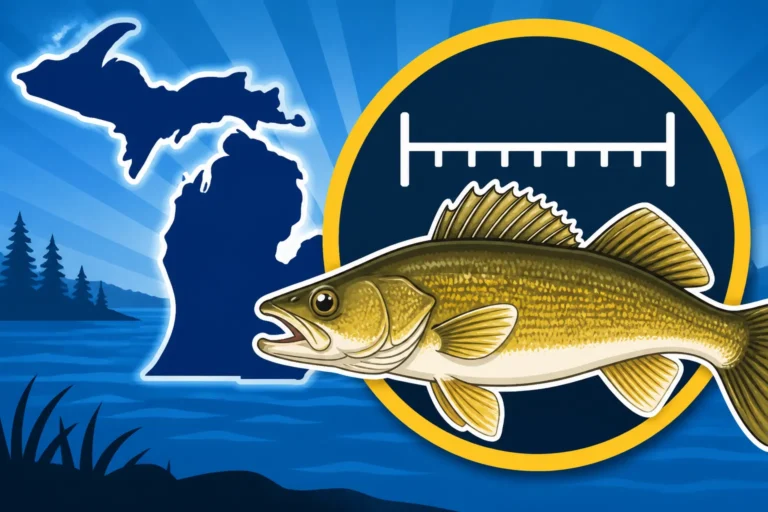
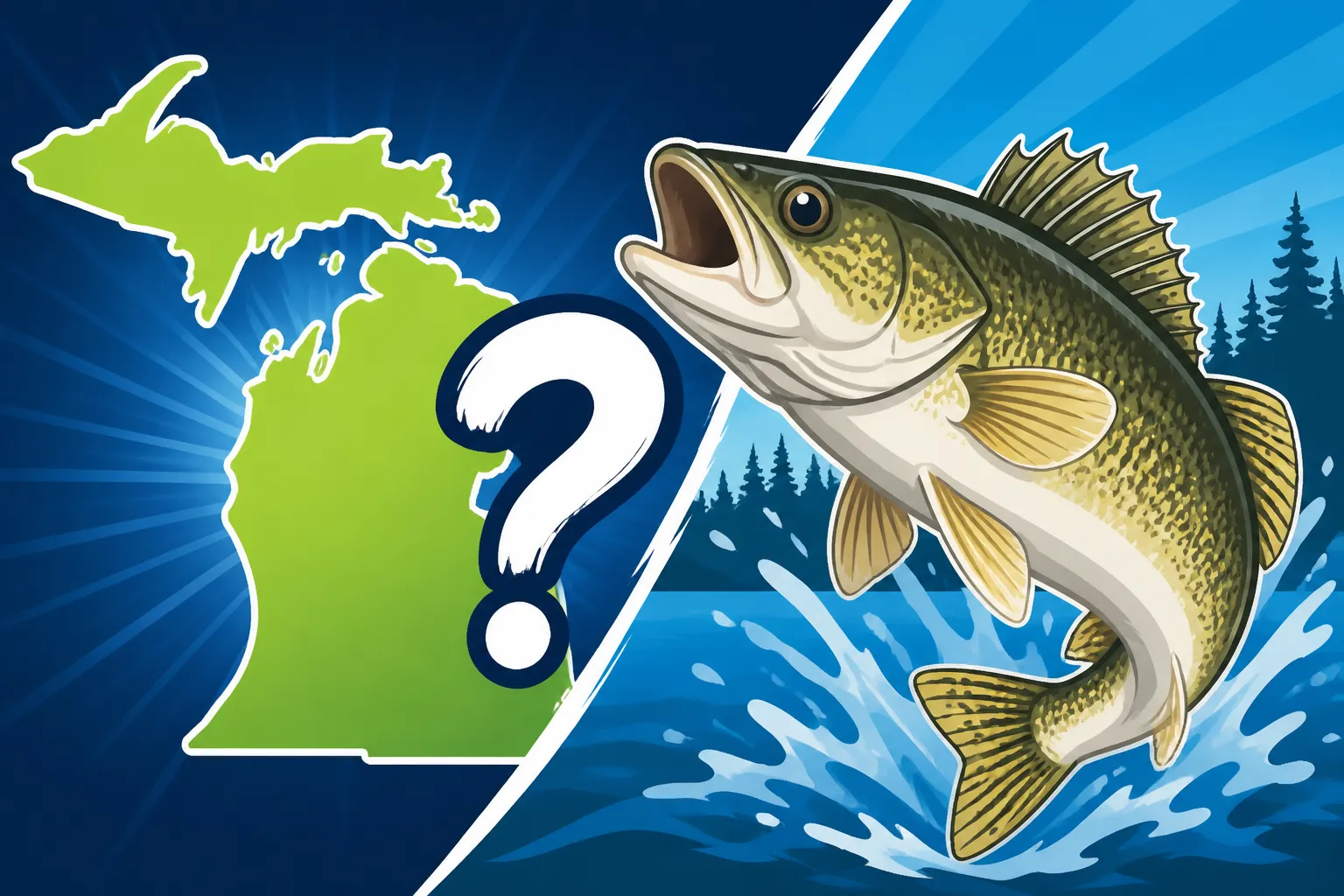
There's often a bit of confusion among anglers about some of Michigan's lesser-known or hybrid fish species. Many of us know and love chasing walleye, and some are familiar with their close cousin, the sauger, but what about the saugeye? You might have heard whispers or seen reports from other states, leaving you wondering if this unique hybrid fish calls Michigan's bountiful waters home. This guide is here to clear up that mystery, helping you understand what a saugeye is, whether you're likely to encounter one in the Great Lakes State, and how to tell it apart from its parent species.
Understanding the Saugeye Hybrid
Before we can even begin to discuss their presence in Michigan, it's really helpful to understand what a saugeye is. It's not a naturally occurring species like a brown trout or a northern pike; instead, it's a fascinating hybrid, a crossbreed created when two distinct species successfully reproduce. This often happens in controlled hatchery environments, though it can occasionally occur naturally where the parent species' ranges overlap.
The Walleye-Sauger Connection
The saugeye is, quite literally, a blend of a walleye (Sander vitreus) and a sauger (Sander canadensis). These two fish are incredibly similar, belonging to the same genus, Sander. They share many characteristics, from their elongated bodies and spiny dorsal fins to their preference for cool, clear to slightly turbid waters. However, they also have distinct differences that help biologists and anglers tell them apart, and these differences are what make the saugeye a unique mix. Walleye are generally larger and prefer larger bodies of water, while sauger tend to be a bit smaller, often found in rivers and turbid streams. Knowing these fundamental traits of the parent species is the first step in understanding their hybrid offspring. If you want to dive deeper into these two, check out Walleye vs Sauger: What's the Difference for a complete breakdown.
How Saugeye are Typically Created
Most saugeye populations you hear about in other states, particularly in the Midwest and South, are the result of deliberate stocking programs. Fisheries managers have found that saugeye offer a "best of both worlds" scenario in certain impoundments or river systems. They tend to grow faster than sauger and are often more tolerant of turbid, warmer waters than pure walleye, making them a great sport fish for areas where walleye stocking might struggle. These fish are typically produced in hatcheries by fertilizing walleye eggs with sauger milt, or vice-versa. This controlled breeding allows fisheries departments to create robust populations tailored to specific environmental conditions, providing excellent fishing opportunities for local anglers. This approach is a testament to how fisheries science can adapt to unique ecological challenges and angler demands, but it also means that saugeye populations are generally found only where they have been intentionally introduced.
Are Saugeye Established in Michigan Waters?
This is the million-dollar question for many Michigan anglers! Given the popularity of both walleye and sauger, it's natural to wonder if their hybrid cousin, the saugeye, is also swimming around our abundant lakes and rivers. The short answer, based on current fisheries management in Michigan, is that saugeye are not a recognized or actively managed species in the state's waters.
Official Stance and Stocking Efforts
Unlike some other states that specifically stock saugeye for their unique characteristics, the Michigan Department of Natural Resources (DNR) does not include saugeye in its fish stocking programs. The focus in Michigan has traditionally been on maintaining and enhancing robust populations of native walleye and naturally occurring sauger. The DNR dedicates significant resources to managing walleye populations, with extensive stocking programs in various lakes and rivers across both the Lower and Upper Peninsulas. Similarly, sauger populations are monitored, especially in river systems like the Detroit River and St. Clair River, where they thrive. Because saugeye are hybrids and not a distinct native species, and given the DNR's strong focus on native fisheries, there's no official push to introduce them here. You won't find a special "saugeye season" or specific regulations for them in the Michigan Fishing Regulations Every Angler Should Know digest.
While there's no official stocking, it's always possible for an incidental, natural hybridization to occur in areas where both walleye and sauger coexist and spawn. However, such instances would be extremely rare and not form a self-sustaining population. These "one-off" hybrids wouldn't be distinguishable from the general walleye or sauger population without genetic testing, making them practically nonexistent for the average angler. So, if you're out on the water and think you've caught a saugeye, it's far more likely to be a walleye or a sauger.
Why the Distinction Matters for Anglers
Understanding that saugeye are not a managed species in Michigan is crucial for a few reasons. Firstly, it shapes your fishing expectations. If you're targeting a walleye-sauger hybrid, you're looking for a fish that isn't really here. Instead, your efforts should be focused on the fantastic walleye and sauger fishing opportunities that Michigan does offer. You'll find plenty of information on Walleye Fishing in Michigan to guide your pursuits.
Secondly, it's important for regulatory compliance. Fishing regulations in Michigan, including bag and size limits, are species-specific. For example, Michigan Walleye Size and Possession Limits are clearly defined. If you mistakenly identify a walleye as a saugeye, or vice-versa, and it leads to misinterpreting regulations, you could inadvertently violate fishing laws. While the chances of catching a true saugeye in Michigan are negligible, knowing the correct identification of walleye and sauger is paramount to ensure you're fishing legally and responsibly. It’s always best to be absolutely certain about what you’ve reeled in, especially when it comes to keeping fish.
Telling Apart Walleye, Sauger, and Potential Saugeye
Okay, so we've established that saugeye aren't really a thing in Michigan's managed fisheries. But what if you're convinced you've seen something a little different, or you just want to be absolutely sure you're properly identifying a walleye or a sauger? It's a common struggle, even for seasoned anglers, because these fish look incredibly similar. Let's break down the key visual cues you can use to tell them apart, as well as some habitat insights.
Key Visual Differences
When you pull a fish out of the water, it's the subtle details that will help you determine its identity. Don't just look at one feature; combine several to make a confident ID.
- Dorsal Fin: This is often the easiest starting point. A true sauger will have distinct, dark spots or blotches across its spiny dorsal fin. Think of it like a leopard print, but with more irregular shapes. A walleye, on the other hand, typically has a clear or subtly barred dorsal fin, without those prominent spots. A saugeye, if you were to encounter one, would likely have some spotting on the dorsal fin, but perhaps less distinct or more mottled than a pure sauger.
- Tail Fin (Caudal Fin): Look at the very bottom tip of the lower lobe of the tail fin. A walleye will almost always have a prominent, creamy white tip here. This is a classic walleye marker. A sauger will not have this white tip; its tail will be uniformly colored or faintly barred. For a saugeye, this white tip might be present, but it would likely be much fainter and less defined than on a pure walleye.
- Body Pattern: Sauger often display distinct dark saddle-like markings or blotches along their sides, giving them a camouflaged, mottled appearance. Walleye generally have a more uniform, golden-olive to brown body color, without such pronounced blotches, though they can have subtle bars. Again, a saugeye might show a blend, with some lateral blotching, but perhaps not as strong as a sauger.
- Scales on Operculum (Cheek Plate): This one requires a closer look. If you gently run your finger over the operculum (the bony plate covering the gills) of a walleye, it will feel relatively smooth. However, a sauger will have a patch of small, rough scales on its operculum, making it feel rougher to the touch. This is a very reliable, though less visually obvious, distinguishing feature.
- Size: While not a definitive identification feature, walleye generally grow larger than sauger. If you've landed a fish over, say, 20 inches, it's far more likely to be a walleye than a sauger. Of course, individual growth rates vary, but it's a general trend.
To summarize these tricky identification points, here’s a quick comparison:
| Feature | Walleye | Sauger | Saugeye (Hypothetical) |
|---|---|---|---|
| Dorsal Fin | Clear, no distinct spots, sometimes barred | Distinct dark spots/blotches | Milder spots, more mottled than sauger |
| Lower Caudal Fin Tip | Prominent white tip | No white tip | Faint or no white tip |
| Body Pattern | More uniform, golden-olive to brown | Dark saddle-like blotches along sides | Variable, may show some blotches/bars |
| Operculum (Cheek) | Mostly smooth to the touch | Patch of small, rough scales | May feel slightly rough, intermediate |
| General Size | Generally larger, thicker body | Generally smaller, more slender | Intermediate, often faster growing than parents |
For even more specific details on how to tell these two apart, refer to How to Tell a Michigan Walleye From a Sauger or What Is the Difference Between Walleye and Sauger. Having a good field guide, perhaps one you ordered from Amazon, can be incredibly helpful when you're on the water trying to make these distinctions.
Habitat and Behavior Clues
Beyond physical appearance, where and how you catch the fish can offer additional clues to its identity.
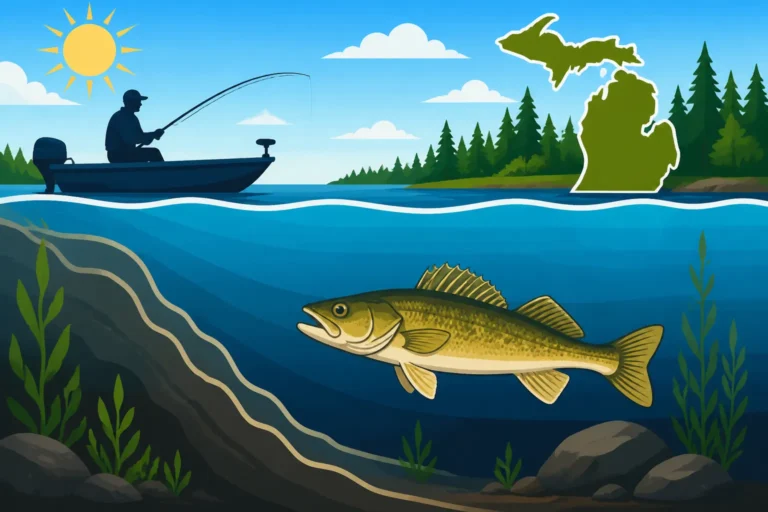
- Preferred Habitat: Walleye are highly adaptable and are found in a wide range of Michigan waters, from the vast expanses of the Great Lakes (like Saginaw Bay, Lake Erie, and Lake Michigan) to large inland lakes such as Houghton Lake and Higgins Lake, and even larger rivers. They often prefer clear to moderately turbid water and can be found over various bottom structures. Sauger, on the other hand, tend to prefer larger, often turbid rivers and deeper pools within those systems. In Michigan, they are most commonly associated with the Detroit River and St. Clair River, as well as some of the deeper, murkier Great Lakes tributaries. If you're fishing a vast, clear inland lake, you're almost certainly catching walleye. If you're targeting deep holes in a muddy river, a sauger is a more likely candidate.
- Feeding Habits and Aggression: Both walleye and sauger are predatory fish, but their typical behaviors can sometimes differ. Walleye are known for their strong bite and often feed actively at dawn, dusk, and even at night. They can be found cruising structure or suspended over open water. Sauger tend to be a bit more subtle feeders, often hugging the bottom in current and preferring smaller baits. They are often caught through the ice in river systems where walleye might be less prevalent. While these aren't hard-and-fast rules, they can lean your identification towards one species over the other if the habitat aligns.
Targeting Walleye and Sauger in Michigan (If Not Saugeye)
Since the saugeye isn't really on the menu for Michigan anglers, let's focus on the incredible opportunities to catch its parent species: the mighty walleye and the feisty sauger. Michigan offers some of the best fishing for both, with diverse waters and plentiful populations. Understanding where to find them and how to target them will significantly increase your chances of a successful outing.
Where to Find Michigan's Walleye
Michigan is renowned for its walleye fishing, offering world-class opportunities across the state. These fish are a favorite among many, not just for their challenging fight but also for their delectable taste.
- The Great Lakes and Connecting Waters: When you think of Michigan walleye, Saginaw Bay on Lake Huron often comes to mind. It's legendary for its sheer numbers of walleye, attracting anglers from all over the Midwest. Lake Erie, particularly its western basin which Michigan shares, is another walleye paradise, often yielding trophy-sized fish. The Detroit River and St. Clair River, connecting Lake Erie and Lake St. Clair, are also fantastic for early season walleye runs. Michigan Great Lakes Fishing Regulations Guide provides important details for these expansive waters.
- Inland Lakes: Michigan boasts thousands of inland lakes, many of which are home to thriving walleye populations, thanks to natural reproduction and extensive stocking efforts. Lakes like Houghton Lake, Higgins Lake, and Burt Lake are consistent producers. These lakes often offer diverse structures like weed beds, drop-offs, and rocky reefs where walleye love to ambush prey. Knowing Best Waters for Michigan Walleye can really help narrow down your options.
- Rivers: Many of Michigan's larger rivers, especially those emptying into the Great Lakes, also experience excellent walleye runs, particularly in spring. The Grand River, Muskegon River, and St. Joseph River are examples where you can target walleye as they move upstream to spawn.
When fishing for walleye, presentation is key. Many anglers rely on jigging with live bait (like minnows or nightcrawlers) or soft plastics, trolling crankbaits, or slip-bobber fishing. The best bait for Michigan walleye often depends on the season and water temperature, so it’s worth researching local conditions. You might even find some excellent walleye lures or a specific Best Bait for Michigan Walleye on Amazon that local anglers swear by!
Best Practices for Catching Sauger
While not as widespread as walleye, sauger offer a unique challenge and are highly prized by anglers who specifically target them. They generally don't reach the same trophy sizes as walleye but are equally good eating and put up a spirited fight.
- River Systems: As mentioned, the Detroit River and St. Clair River are prime sauger territory in Michigan. These fast-flowing, often turbid waters provide the ideal habitat for sauger, which tend to hug the bottom and avoid bright light. You'll often find them in deeper holes, behind current breaks, or along channel edges.
- Jigging and Bottom Bouncing: Because sauger are bottom-oriented fish, techniques that keep your bait or lure close to the riverbed are most effective. Vertical jigging with small lead head jigs tipped with minnows or soft plastics is a classic sauger tactic. Bottom bouncing rigs with crawler harnesses can also be very productive, especially when drifting downstream. Pay close attention to subtle bites, as sauger can be quite finicky.
- Cold Water Fishing: Sauger are active in colder water and can be a fantastic target during the late fall, winter (through the ice), and early spring, particularly in rivers that remain open. Michigan Fishing Seasons Explained will give you a good overview of when and where different species are active, but for sauger, cold weather is often prime time.
- Reading the Water: Understanding current, depth, and structure is crucial for sauger. Look for areas where the current slows, allowing fish to rest and ambush prey, or deeper depressions where they can hide from predators and strong flows. A good fish finder can be invaluable for locating these bottom-hugging fish, helping you pinpoint their exact location before you even drop a line.
Whether you're after the widespread walleye or the more localized sauger, Michigan's fisheries offer incredible experiences. Focus on learning their specific habits and preferred habitats, and you'll be well on your way to a successful day on the water.
Disclaimer
This article is for general informational purposes only and does not constitute professional advice. Laws, prices and regulations vary by location and change over time. Consult a qualified professional for guidance on your specific situation.