Best Waters for Whitefish Fishing in Michigan
Finding the best waters for whitefish fishing in Michigan can sometimes feel like chasing a ghost – they're there, you know it, but pinning down their precise haunts can be a real challenge for many anglers. If you've been wondering where to drop your line for these delicious, often underrated fish, you're in the right place. This guide will walk you through Michigan's top whitefish hotspots, from the deep clear waters of the Great Lakes to more accessible fishing piers, ensuring you're well-equipped for a successful outing.
Understanding Michigan Whitefish and Their Habitat
Before we dive into specific locations, it's really helpful to understand the fish themselves. Whitefish are a fascinating and important part of Michigan's fishery, but they're not always found in the same places or caught with the same methods as, say, a walleye or a bass. Knowing what makes them tick is key to finding them.
Identifying Michigan Whitefish
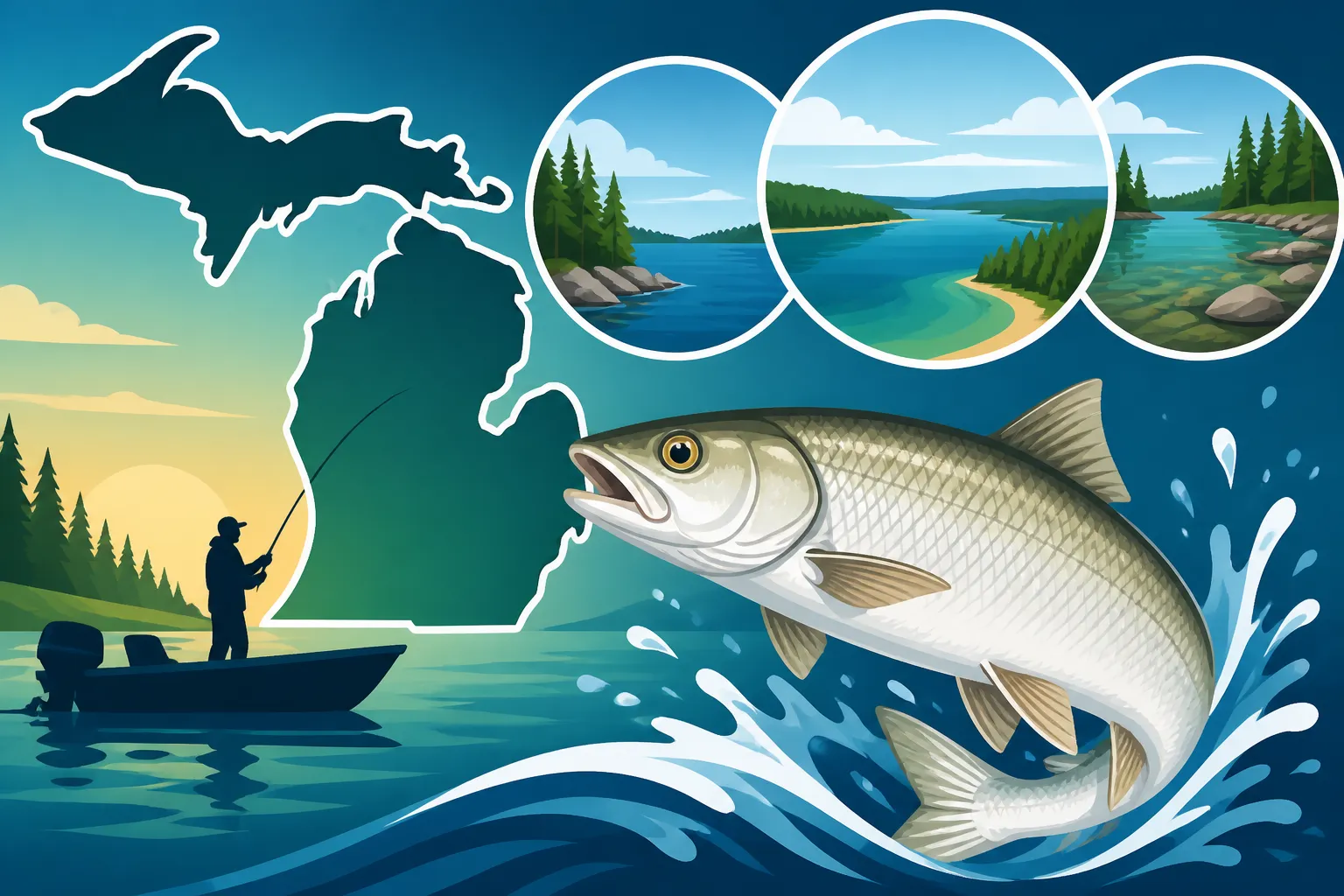
When you pull up a whitefish, you'll notice a few distinct characteristics. They typically have a silvery body, often with a slightly darker back that can range from olive-green to brownish. Their scales are relatively large, and they possess a small, almost beak-like mouth that's adapted for feeding on the bottom. Unlike salmon and trout, which are their close relatives, whitefish have an adipose fin (that small, fleshy fin between the dorsal and tail fin) but lack the strong teeth associated with predatory fish.
A typical Michigan whitefish might weigh anywhere from 1 to 5 pounds, but they can grow significantly larger, especially in the deeper, colder parts of the Great Lakes. Their meat is firm, white, and famously delicious, making them a highly prized catch for the dinner table. They're often mistaken for other species, but once you've seen a few, their unique mouth and overall body shape become quite recognizable. They're built for sifting through the bottom for invertebrates, which dictates a lot about where you'll find them and how you'll catch them.
Where Whitefish Thrive in Michigan Waters
Whitefish are primarily coldwater fish, meaning they prefer cooler temperatures. This is why you'll find them in the deeper sections of Michigan's Great Lakes, and occasionally in a few very deep, cold inland lakes. They tend to congregate around areas with plenty of structure on the lakebed – think rock piles, deep reefs, gravel beds, and drop-offs. These structures not only provide cover but also host the benthic (bottom-dwelling) invertebrates that make up the bulk of their diet, such as insect larvae, amphipods, and small crustaceans.
Their preference for these deeper, structured environments means that while you might occasionally catch one closer to shore, the real whitefish action often requires getting out on the water in a boat or targeting specific piers that extend into deeper waters. During certain times of the year, particularly late fall and early winter, whitefish will move into shallower areas to spawn, offering more accessible shore and pier fishing opportunities. Understanding these seasonal movements is crucial for successful whitefish angling. They're not going to be lurking in shallow, warm weedy bays like a largemouth bass; they need that deep, cool, clean water.
Prime Great Lakes Waters for Whitefish Fishing
Michigan is blessed with an abundance of freshwater, and our Great Lakes offer some of the absolute best whitefish fishing opportunities you'll find anywhere. Each lake has its own character and hot spots, but they all share the common theme of deep, cold, and often clear water that whitefish adore.
Lake Michigan's Productive Whitefish Grounds
Lake Michigan is arguably one of the most consistent producers of whitefish in the state. Its vast expanse and varied bottom structure create ideal habitats for these bottom-dwellers. Anglers often find success jigging or drop-shotting for whitefish in deeper waters off the western coast of the Lower Peninsula.
Think about areas around Traverse City, the Grand Traverse Bays (both East and West), and deeper sections near Ludington and Manistee. These spots are known for significant drop-offs and underwater reefs that hold impressive numbers of whitefish. During the late fall and early winter, when whitefish move closer to shore to spawn, pier fishing can become incredibly productive. Piers in towns like Frankfort, Manistee, and Ludington, which extend into deeper water, can offer fantastic opportunities. Look for sharp breaks in depth, where the lakebed transitions from shallower flats to deeper troughs, usually in 40 to 100 feet of water or more. These areas are often where the whitefish are foraging for their preferred diet. While these piers are popular for salmon and steelhead runs, a lot of anglers overlook the whitefish potential right under their noses. Best Lake Michigan Fishing Piers and Harbors can give you an idea of some prime shore access points that might extend into whitefish territory.
Lake Huron's Untapped Whitefish Potential
Lake Huron might not be as widely celebrated for its whitefish as Lake Michigan, but it holds some fantastic, often less-pressured, opportunities. The deeper, colder waters of northern Lake Huron, particularly around the Straits of Mackinac and the surrounding islands, are excellent whitefish territory. This includes areas near Alpena and into the larger bays like Thunder Bay. While many anglers focus on the excellent walleye fishing in places like Saginaw Bay, the deeper sections of Lake Huron outside these bays hold a robust whitefish population.
Ice fishing for whitefish on Lake Huron can be particularly rewarding in the late winter, as they remain active under the ice. Just like Lake Michigan, look for structural elements like reefs, shoals, and deep channels. The critical difference with Lake Huron often lies in finding those less-publicized spots. A good marine map can reveal contour lines and underwater structures that point to potential whitefish staging areas. Don't be afraid to explore areas that might seem a little off the beaten path; sometimes the greatest rewards come from those overlooked spots. Saginaw Bay, Michigan, Walleye Fishing on Lake Huron might be a popular destination for walleye, but knowing the depths and contours of the wider lake can also lead you to whitefish.
Lake Superior: A Coldwater Whitefish Haven
If you're truly seeking big, healthy whitefish in their natural, pristine coldwater environment, then Lake Superior is your destination. As the deepest and coldest of the Great Lakes, it provides an ideal habitat for whitefish to grow to impressive sizes. The waters off the Upper Peninsula, particularly around Marquette, Munising, and the Keweenaw Peninsula, are prime whitefish territory.
Here, whitefish can be found in a wider range of depths, sometimes shallower than in the other Great Lakes due to the consistently cold water temperatures. Trolling or deep jigging over submerged reefs and steep drop-offs are common and highly effective methods. Ice fishing on Lake Superior's sheltered bays, like Munising Bay, can offer incredible whitefish action, with anglers targeting depths of 60 to 100 feet or more. The sheer size and wildness of Lake Superior mean that while the whitefish population is strong, finding them can require a bit more effort and specialized deep-water gear. However, the reward of landing a chunky Lake Superior whitefish is an experience every angler should have. It's a truly unique fishery, where the whitefish are a testament to the lake's pristine conditions. Lake Superior Brook Trout Fishing might be a different target species, but it highlights the cold, deep-water environment that whitefish also call home.
Key Techniques and Gear for Michigan Whitefish
Catching whitefish isn't about brute force; it's about finesse and presenting a small, appealing meal to a fish that's often sifting the bottom. Your techniques and gear need to be matched to this specific approach.
Effective Whitefish Fishing Methods
Whitefish are primarily bottom feeders, so your techniques need to reflect that. The most common and effective methods include jigging, drop-shotting, and sometimes even a simple slip-bobber rig when they move shallower.
- Jigging: This is probably the most popular method, especially when fishing from a boat or through the ice. Small jigs, often tipped with a piece of bait like a waxworm, minnow head, or even a kernel of corn, are lowered to the bottom. The key is to impart a subtle action – short lifts and drops – to entice the whitefish. They often pick up the bait very gently, so you need to be constantly feeling for even the slightest tap. Specialized jigging spoons or small lead-head jigs are excellent choices.
- Drop-Shotting: This technique positions your bait off the bottom, just above a lead weight. It's incredibly effective for whitefish because it keeps your presentation in their strike zone without getting fouled in the bottom debris. You can use small plastic baits, live minnows, or even pieces of crawlers on the hook. The beauty of the drop-shot is that you can hold it perfectly still, allowing the fish to investigate without the weight interfering with the bait's natural presentation.
- Pier and Shore Fishing: As mentioned, during the late fall spawning run, whitefish move shallower, making them accessible from piers and even some shorelines. A slip-bobber rig with a small jig or hook tipped with bait can be very effective. Casting out and slowly retrieving small spoons or even fly-fishing nymphs can also work if you're targeting those shallower, spawning fish. Just remember, these are seasonal opportunities, so timing is everything.
No matter the technique, sensitivity is paramount. Whitefish bites can be incredibly subtle, feeling like nothing more than a slight pressure or a tiny tap. You need to be dialed into your rod tip and line.
Essential Gear for Success
Your gear setup for whitefish should prioritize sensitivity and light presentation. Heavy, clunky tackle will only hinder your ability to detect those delicate bites.
- Rods: Opt for a light to medium-light action rod, typically in the 6 to 7-foot range for open water, or shorter, specialized ice rods for hard water. A fast action tip is highly beneficial, as it allows you to feel those subtle takes and set the hook quickly. Graphite rods are excellent for this as they transmit vibrations better than fiberglass. Many great options are available, and you can often find fantastic sensitive rods on platforms like Amazon that won't break the bank.
- Reels: A small spinning reel (size 1000-2500) spooled with light line is perfect. It should have a smooth drag system, as even modest whitefish can put up a surprisingly strong fight, especially in current.
- Line: Light monofilament (4-6 lb test) or braided line (6-10 lb test) with a fluorocarbon leader (4-8 lb test) is ideal. Braided line offers superior sensitivity, allowing you to feel every bump and tick on the bottom. The fluorocarbon leader provides invisibility and abrasion resistance. Remember, whitefish often feed in clear water, so a nearly invisible leader can make a big difference.
- Lures & Baits: Small jigging spoons (like Swedish Pimples, Crippled Herrings, or Do-Jiggers) in silver, gold, or glow colors are perennial favorites. Small lead-head jigs (1/16 to 1/8 oz) tipped with a waxworm, minnow head, or plastic grub are also deadly. Some anglers even swear by a single kernel of canned corn on a tiny hook! For drop-shotting, small plastic minnows or worms work well. You can find a huge variety of these specialized baits and lures on Amazon, making it easy to stock up before your trip.
- Fish Finder/Sonar: If you're fishing from a boat, a good fish finder is invaluable. It helps you locate those crucial deep structures, reefs, and even schools of whitefish suspended near the bottom. Modern sonar units with side imaging or down imaging can literally show you the contours of the lakebed where these fish are likely to be.
Considerations for a Successful Whitefish Trip
Beyond just knowing where to go and what to use, there are a few other important factors that can significantly influence your success when targeting whitefish in Michigan.
Seasonal Movements and Best Times to Fish
Whitefish, like many species, have distinct seasonal patterns that dictate their location and feeding behavior. Understanding these movements is key to being in the right place at the right time.
- Spring (Ice-out to Early Summer): After the ice melts, whitefish might still be found relatively deep, but they'll start to spread out as water temperatures slowly rise. This can be a challenging time, as they're not concentrated. However, as invertebrates become more active, they will actively feed. Early spring can offer good opportunities on the Great Lakes, especially if you can find them congregating near deeper points or submerged structures.
- Summer: During the warmest months, whitefish retreat to the deepest, coolest parts of the Great Lakes. This often means fishing in 80 to 150 feet of water or even deeper. They'll be tightly associated with cold-water sanctuaries and deep structures. Boat fishing with specialized deep-water jigging or trolling setups is usually required. This is not the time for casual pier fishing for whitefish, generally speaking.
- Fall (Late September to December): This is arguably the prime time for whitefish fishing, especially as they begin their pre-spawn and spawning migrations. As water temperatures drop, they move shallower, often gathering in large schools around traditional spawning grounds, which can include rocky shoals, reefs, and even nearshore areas and river mouths. This is when pier fishing becomes a legitimate option, particularly for anglers along Lake Michigan's eastern shore and parts of Lake Huron. It's an exciting time, but you still need to be aware of local conditions.
- Winter (Ice Fishing Season): For many anglers, winter is the season for whitefish. Once safe ice forms on certain Great Lakes bays and deep inland lakes, whitefish become a primary target. They remain active under the ice, and jigging techniques are incredibly effective. Places like Munising Bay on Lake Superior or certain areas of Grand Traverse Bay on Lake Michigan can offer incredible ice fishing opportunities. Always prioritize safety and check ice conditions before venturing out. Michigan Ice Fishing Guide offers a deep dive into how to safely and effectively fish through the ice.
Timing your trip to coincide with these seasonal patterns will dramatically increase your chances of success. Always check local fishing reports or talk to bait shop owners; they often have the most up-to-date information on what the fish are doing. Furthermore, understanding Michigan Fishing Seasons Explained in general terms can help you plan your trips around species availability and regulatory openings.
Navigating Regulations and Conservation
Fishing for whitefish in Michigan, like any species, comes with its own set of rules and regulations. It's your responsibility as an angler to be aware of these to ensure you're fishing legally and helping to conserve the whitefish population for future generations.
The Michigan Department of Natural Resources (DNR) publishes a comprehensive fishing guide annually, which is an absolute must-read for any angler. You can usually find a copy at bait shops, DNR offices, or download a PDF from the DNR website. This guide will detail specific regulations for whitefish, which can include:
- Daily Possession Limits: How many whitefish you are legally allowed to keep per day.
- Size Limits: Minimum or sometimes even maximum size limits to protect younger fish or prime spawners.
- Gear Restrictions: While generally less common for whitefish, some areas might have specific rules about tackle or methods.
- Seasonal Closures: Although whitefish season is generally open year-round in the Great Lakes, specific areas or methods might have seasonal restrictions, especially during spawning.
It's important to remember that regulations can vary by body of water. A specific bay on Lake Huron might have slightly different rules than a stretch of Lake Michigan. Always double-check the section of the regulation handbook pertaining to the specific water you plan to fish. You'll want to be familiar with the comprehensive Michigan Fishing Regulations Every Angler Should Know to avoid any unexpected issues.
Conservation practices are also vital. While whitefish populations are generally healthy, responsible angling ensures their continued abundance. This means careful handling of fish you plan to release, only taking what you need, and adhering strictly to all regulations. If you're buying specialized tackle for whitefish, like sensitive rods and reels for drop-shotting, consider checking out retailers like Amazon for a wide selection of ethically sourced and environmentally friendly fishing gear.
| Lake | Primary Locations | Key Techniques | Best Seasons | Notes |
|---|---|---|---|---|
| Lake Michigan | Grand Traverse Bays, Ludington, Manistee, Frankfort | Jigging, Drop-Shotting, Pier Fishing (Fall) | Fall (Spawning), Winter (Ice), Summer (Deep) | Excellent for larger fish, active fall run. |
| Lake Huron | Straits of Mackinac, Northern Huron, Thunder Bay | Jigging, Ice Fishing | Winter (Ice), Fall (Pre-spawn) | Less pressured, good potential for remote spots. |
| Lake Superior | Marquette, Munising, Keweenaw Peninsula | Deep Jigging, Trolling, Ice Fishing | Winter (Ice), Summer (Deep) | Home to very large whitefish, consistent cold water. |
Disclaimer
This article is for general informational purposes only and does not constitute professional advice. Laws, prices and regulations vary by location and change over time. Consult a qualified professional for guidance on your specific situation.