What Fish Are Not Native to Michigan
It can be a real shocker when you reel in a fish in Michigan that just doesn't look quite right, or maybe you've heard whispers about "invasive species" and wondered what all the fuss is about. The truth is, not every finned creature swimming in our beloved Michigan waters is a native resident. This guide dives deep into identifying the non-native fish that call Michigan home, understanding their impacts, and exploring what we, as responsible anglers, can do to protect our precious ecosystems.
Understanding Non-Native Fish and Their Impact on Michigan Waters
Before we dive into specific species, let's get a handle on what "non-native" actually means in the context of our Michigan fisheries, and why it's such a critical topic. It's not just about a fish being "from somewhere else;" it's about the ripple effect it can have on an entire ecosystem that has evolved over thousands of years to support a particular balance of life.
Defining Native Versus Non-Native Species
A "native" fish species in Michigan is one that arrived here through natural processes, without human intervention, before European settlement. Think about species like the Walleye, Northern Pike, Lake Trout, or many of our panfish. These species have adapted to our unique climate, water conditions, and food webs over millennia. They have natural predators, specific spawning grounds, and their populations are part of a delicate balance.
A "non-native" species, on the other hand, is any organism that has been introduced to an ecosystem where it doesn't naturally occur. These introductions can happen intentionally or unintentionally. Within the non-native category, there's a further distinction: "introduced" species, which might establish a population without causing significant harm, and "invasive" species, which spread aggressively and cause ecological or economic damage. Many fish that started as introductions have unfortunately become invasive, outcompeting native species for food and habitat, disrupting spawning cycles, or introducing diseases.
Why Non-Native Species Are a Concern for Michigan Anglers
For anglers who cherish Michigan's diverse fishing opportunities, the presence of non-native species can be a complex and often frustrating issue. On one hand, some introduced species, like Chinook and Coho salmon, have become highly prized game fish, creating entire sport fisheries that support communities. On the other hand, truly invasive species like the Round Goby or Sea Lamprey can devastate native populations, making it harder to catch your favorite indigenous fish. The balance is constantly shifting, and understanding which species belong and which are causing problems is essential for any thoughtful angler. The health of our fisheries, from the smallest stream to the vast Great Lakes, depends on this understanding.
Ecological and Economic Consequences
The consequences of non-native fish establishing themselves can be far-reaching, impacting everything from the biodiversity of our lakes and rivers to the livelihoods of those who depend on fishing. Ecologically, invasive species can outcompete native fish for food, prey on their eggs and young, introduce new parasites and diseases, or even alter the physical habitat. For example, some bottom-dwelling invasives can stir up sediments, degrading water quality and affecting plant life. Invasive Fish Species in Michigan Waters provides more detail on these impacts.
Economically, the costs are staggering. Millions of dollars are spent annually on control efforts for species like the Sea Lamprey, which preys on valuable sport fish like Lake Trout. Commercial and recreational fishing industries suffer when native fish populations decline. Even the simple act of trying to catch bait can be affected if invasive species dominate baitfish populations. Furthermore, property values around affected waterways can decrease, and tourism, a huge driver for Michigan's economy, can be negatively impacted if fishing quality declines. It's a chain reaction that touches many aspects of life in the Great Lakes State.
Common Non-Native Fish Species in Michigan Waters
Michigan's waters, especially the Great Lakes, are unfortunately home to a variety of non-native fish species. Some have been here for decades and are now an established, if sometimes problematic, part of the ecosystem. Others are newer arrivals, still posing significant threats.
The Troubling Tale of the Round Goby
The Round Goby is perhaps one of the most infamous non-native fish in Michigan. Originally from Eurasia, these small, aggressive bottom-dwellers likely arrived in the Great Lakes via ballast water from transoceanic ships in the 1990s. Since then, they've exploded in population, found in virtually every major Michigan waterway connected to the Great Lakes. They are voracious predators, known for eating the eggs and fry of native fish like Walleye, Perch, and Smallmouth Bass. They also outcompete native bottom-feeders for food and habitat.
While some larger fish, like Smallmouth Bass and Walleye, have learned to prey on gobies, their overall impact remains largely negative. Anglers often encounter them while fishing for other species, as gobies are incredibly opportunistic and will strike at almost any bait. It's crucial to know that if you catch a Round Goby, you absolutely cannot release it back into the water, alive or dead, nor can you use it as bait. This is a vital regulation to prevent their further spread. You can learn more about this specific threat in Are Round Goby a Problem in Michigan Waters?.
Asian Carps: A Looming Threat
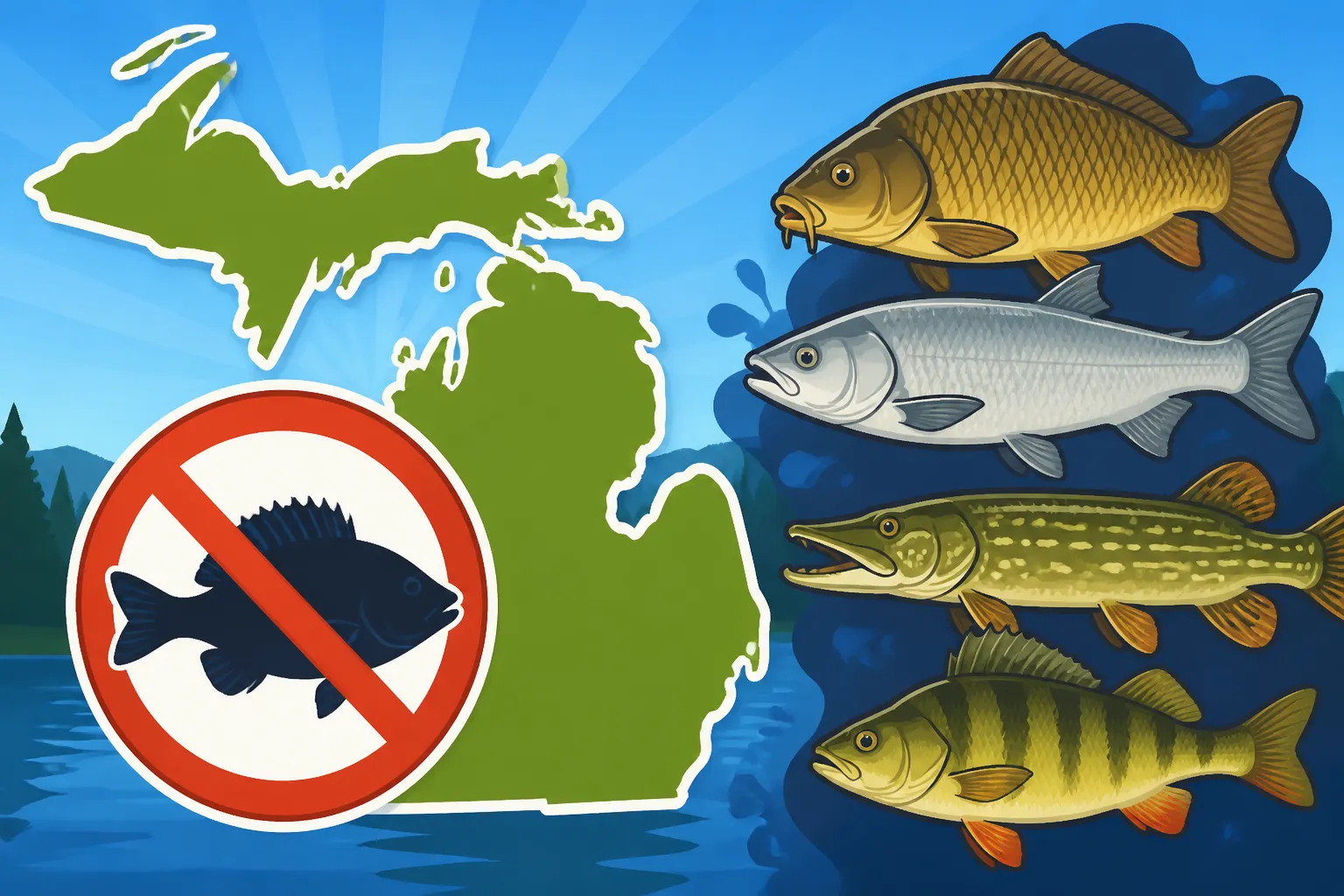
When people talk about invasive species in the Great Lakes, the specter of Asian Carp often looms large. While not yet widely established in Michigan's open waters, Bighead, Silver, Grass, and Black Carps are considered an imminent threat. These large, fast-growing fish consume massive amounts of plankton (Bighead and Silver Carp) or aquatic vegetation (Grass Carp), outcompeting native filter-feeders and altering the food web from the bottom up. Silver Carp are particularly notorious for jumping out of the water when startled by boat noise, posing a physical danger to boaters.
Michigan, along with federal agencies and other Great Lakes states, has invested heavily in preventing their entry from the Mississippi River basin into Lake Michigan, primarily through measures in the Chicago Area Waterway System. The potential ecological and economic damage if these species become established is truly frightening, and ongoing monitoring and prevention efforts are paramount. Anglers are often asked to report any suspected sightings immediately to the DNR.
Other Established Non-Native Species: From Sport Fish to Pests
Michigan's waters are also home to a mix of other non-native species, some of which are well-integrated into our fisheries, while others remain significant ecological concerns.
Sea Lamprey: These parasitic, eel-like creatures attach to fish and feed on their blood and bodily fluids. They decimated native Lake Trout populations in the Great Lakes before aggressive control programs were implemented. While ongoing control (primarily through lampricides that target larval lamprey in streams) has significantly reduced their numbers, they remain a constant threat. Are Sea Lamprey a Threat to Michigan Fish? details their impact and the extensive efforts to manage them.
Alewife and Rainbow Smelt: These smaller forage fish were introduced decades ago and, like the Goby, arrived largely through ship ballast water. They sometimes compete with native species for food and prey on their eggs. However, they also became a critical food source for newly introduced Chinook and Coho salmon, leading to a complex web of interactions.
Chinook and Coho Salmon: These Pacific salmon species were intentionally introduced to the Great Lakes in the 1960s to control burgeoning alewife populations and create a sport fishery. They have been incredibly successful, forming the backbone of Michigan's world-class salmon fishing industry. While non-native, their introduction filled a vacant niche and helped restore ecological balance in certain ways, becoming a key part of the Michigan's Great Lakes Fishing Guide. Understanding How Did Chinook Salmon Get Into the Great Lakes and Why Was Coho Salmon Introduced to Michigan sheds light on this complex management decision.
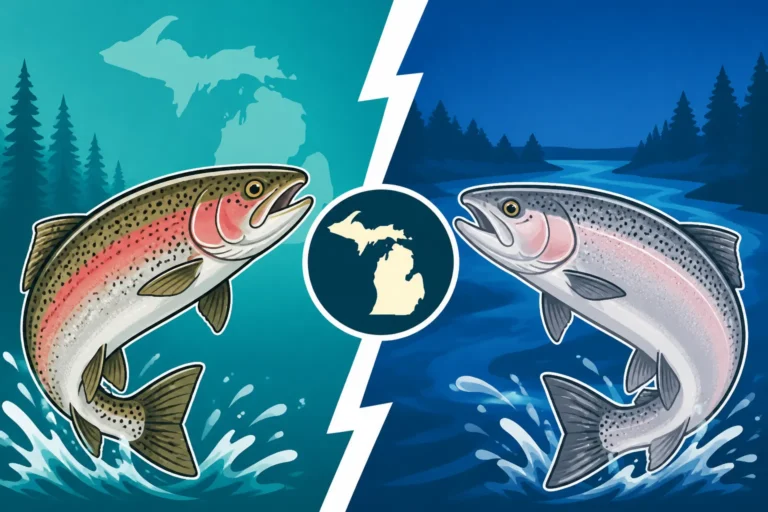
Brown Trout and Rainbow Trout (Steelhead): Like the Pacific salmon, these trout species are not native to Michigan but were introduced and have thrived in many of our rivers and lakes. Brown Trout, originally from Europe, are known for their hardiness and often coexist with native Brook Trout. Rainbow Trout, including their anadromous (lake-run) form known as Steelhead, are incredibly popular game fish, providing spectacular spring and fall runs in many rivers. While they compete with native trout, they've also created beloved fisheries. If you're wondering about the nuances, What Is the Difference Between Steelhead and Rainbow Trout explains their connection.
Here's a quick overview of some key non-native species in Michigan:
| Species | Type of Introduction | Primary Impact | Angler Interaction |
|---|---|---|---|
| Round Goby | Unintentional | Outcompetes natives, eats eggs/fry | Common nuisance catch, illegal to release |
| Sea Lamprey | Unintentional | Parasitic predator, devastates sport fish | Control efforts vital, rarely caught directly |
| Alewife | Unintentional | Competes with natives, food for salmon | Important forage, occasionally caught on small lures |
| Rainbow Smelt | Unintentional | Competes with natives, food for salmon | Popular ice fishing target, often dip-netted |
| Chinook Salmon | Intentional | Predator of forage fish, highly prized game fish | Major sport fishery, regulated seasons |
| Coho Salmon | Intentional | Predator of forage fish, highly prized game fish | Major sport fishery, regulated seasons |
| Brown Trout | Intentional | Competes with native trout, popular sport fish | Popular stream and lake fishery, regulated seasons |
| Rainbow Trout | Intentional | Competes with native trout, highly prized game fish | Popular stream and lake fishery, Steelhead runs, regulated seasons |
| Asian Carps | Unintentional (threat) | Massive plankton/vegetation consumption, physical hazard | Currently in prevention phase, report sightings immediately |
Pathways of Introduction and Prevention Efforts
Understanding how non-native species arrive in Michigan is the first step in stopping their spread. It's not always malicious; sometimes, it's just a misunderstanding of how interconnected our waterways truly are.
Common Pathways of Introduction
Non-native fish typically find their way into new ecosystems through a few primary channels, many of which are linked to human activity:
- Ballast Water: This is arguably the most significant pathway for aquatic invasive species, especially into the Great Lakes. Large cargo ships take on ballast water in one port to stabilize the vessel, then discharge it in another port. If the ballast water contains organisms, including fish larvae, eggs, or even adult fish, they can be released into a new environment. This is how many of our Great Lakes invaders, like the Round Goby and Zebra Mussels, were introduced.
- Angler Bucket Releases and Unused Bait: Unfortunately, some anglers mistakenly or intentionally move live fish or bait from one body of water to another. A bucket of minnows from one lake, when dumped into another, can introduce not just the target bait species but also hitchhiking organisms, diseases, or even small invasive fish that were mixed in. Similarly, releasing aquarium pets, no matter how well-intentioned, can introduce non-native species to local waterways. This is why strict rules exist regarding the transport and use of bait.
- Horticulture and Aquaculture: The trade of live fish, whether for ornamental ponds, food production, or bait, can inadvertently lead to escapes or releases. If a fish farm experiences a flood or an accidental breach, non-native species can enter natural waterways.
- Canals and Waterways: Human-made connections between previously separate watersheds, such as canals, can act as highways for species to travel into new territories. The Welland Canal, which bypasses Niagara Falls, allowed species like the Sea Lamprey and Alewife to enter the upper Great Lakes.
Efforts to Prevent and Manage the Spread
Combating non-native species is a monumental task that requires a multi-faceted approach involving government agencies, researchers, and public cooperation. In Michigan, the Department of Natural Resources (DNR) works closely with federal agencies like the U.S. Fish and Wildlife Service, universities, and other Great Lakes states and provinces.
Prevention is always the cheapest and most effective strategy. This includes strict ballast water regulations, physical barriers (like electric barriers in the Chicago Sanitary and Ship Canal to deter Asian Carp), and public education campaigns. For established invasive species, management efforts focus on control, containment, and eradication where possible. For instance, the Sea Lamprey is managed through targeted lampricide treatments in spawning streams and barriers that prevent them from reaching spawning grounds. While the fight is ongoing and incredibly challenging, these efforts are crucial in protecting Michigan's native fish and the recreational opportunities they provide. You can often find official guides like Michigan Fishing Regulations Every Angler Should Know which outline these efforts and the role anglers play.
The Angler's Role in Prevention
As anglers, we are on the front lines of defense against invasive species. Our actions, both individually and collectively, can make a huge difference. Becoming informed is the first step – understanding What Fish Are Native to Michigan helps you appreciate what's at stake.
The most important guideline for preventing the spread is "Clean, Drain, Dry." Before leaving any body of water, you should:
- Clean: Remove all aquatic plants, animals, and mud from your boat, trailer, fishing gear (including waders and boots), and vehicle. Inspect thoroughly. Even small fragments can carry invasive species.
- Drain: Drain all water from your boat, livewell, bait bucket, and bilge before leaving the launch area.
- Dry: Allow all equipment to thoroughly dry for at least five days before using it in another body of water. If you can't dry it completely, consider rinsing with high-pressure hot water (140°F/60°C).
Additionally, never release bait, unwanted fish, or aquarium pets into natural waterways. Dispose of leftover bait in the trash, not in the lake or river. If you buy gear like fishing nets or waders, checking reviews on sites like Amazon for comments on durability and ease of cleaning can make a difference in your ability to follow these protocols effectively. Being a responsible angler means being an informed and proactive steward of our waters.
What Anglers Can Do to Help Protect Michigan's Fisheries
It might feel overwhelming to think about all the non-native species out there, but every angler has a critical role to play in protecting Michigan's precious fishing heritage. Your actions, no matter how small, contribute to the larger effort of preserving our waters for generations to come.
Proper Identification and Reporting of Suspect Species
One of the most powerful tools in combating invasive species is early detection. If you catch a fish that looks unusual, or one you don't recognize, take a moment to identify it. Keep a copy of the Michigan Fishing Regulations Digest with you, or have a reliable fish identification app on your phone. Many comprehensive field guides are also available, often found on platforms like Amazon, which can be invaluable resources. Pay attention to unique markings, fin shapes, and mouth structures.
If you suspect you've caught an invasive species not typically found in that area (or any species like the Asian Carp that are explicitly a major threat), it's crucial to report it. Take clear photos, note the exact location (GPS coordinates are best), and report it to the Michigan DNR immediately. You can often do this through their website or the Michigan's DNR Hunt Fish App for Licenses and Reporting. Don't just toss it back hoping someone else will deal with it; your report could be the critical first alert that helps prevent a widespread infestation.
Cleaning, Draining, and Drying Your Gear
We've touched on it, but it bears repeating: "Clean, Drain, Dry" is your mantra as a responsible angler. Every time you move from one body of water to another, whether it's a small pond, a river, or one of the Great Lakes, you have the potential to transport hitchhiking invasive species. This isn't just about fish; it includes microscopic organisms, plant fragments, and snail eggs that can cling to your boat, trailer, waders, and fishing line.
Imagine if you've been fishing a pond known for invasive New Zealand mudsnails, and then you move to a pristine trout stream without cleaning your waders. You could inadvertently introduce a species that outcompetes native invertebrates, affecting the entire food chain for trout. Taking a few extra minutes to thoroughly clean your gear, drain all water, and allow everything to dry completely (sunlight helps!) is one of the most effective personal actions you can take. You can even find specialized cleaning solutions or brushes on Amazon designed for boat and gear decontamination.
Responsible Bait Usage and Disposal
Your bait bucket might seem harmless, but it can be a significant vector for invasive species if not handled correctly. Never, ever release unused live bait into any body of water, unless you caught it directly from that same body of water. Baitfish can carry diseases, or the bait species itself could be non-native to the waterway where it's released, leading to direct competition with native forage fish.
Always dispose of unused live bait in the trash, or if allowed, use it in your garden (after ensuring it won't attract pests). If you're using minnows purchased from a bait shop, ask if they are certified disease-free and ideally, only use them in the same watershed from which they were harvested. Reading up on Michigan Fishing Regulations Every Angler Should Know will provide specific rules on bait transport and use. For those who prefer artificial lures, this concern is minimized, but the "Clean, Drain, Dry" rule still applies to ensure no plant fragments or microscopic hitchhikers are transferred. Being diligent with your bait is a simple yet powerful way to protect our native species and prevent future problems. Following regulations, like those for Michigan's Combined Trout and Salmon Daily Limit, also contributes to overall ecosystem health.
Disclaimer
This article is for general informational purposes only and does not constitute professional advice. Laws, prices and regulations vary by location and change over time. Consult a qualified professional for guidance on your specific situation.